



In the realm of construction, the choice of structural system is one of the most consequential decisions a project owner, architect, or developer will make. It sets the trajectory for everything that follows: budget, timeline, design possibilities, long-term performance, and environmental impact. While traditional materials like concrete and wood have their place, the modern era demands a solution that is both robust and agile, both strong and sustainable. That solution is steel structure building.
This article provides a comprehensive exploration of the compelling reasons to choose steel for your next project. Moving beyond superficial benefits, we will delve into the engineering principles, economic advantages, and transformative potential that make steel the material of choice for those who value efficiency, durability, and innovation. Whether you are planning a warehouse, an office complex, an agricultural facility, or a visionary cultural landmark, understanding the multifaceted benefits of steel is the first step toward a smarter, more successful build.
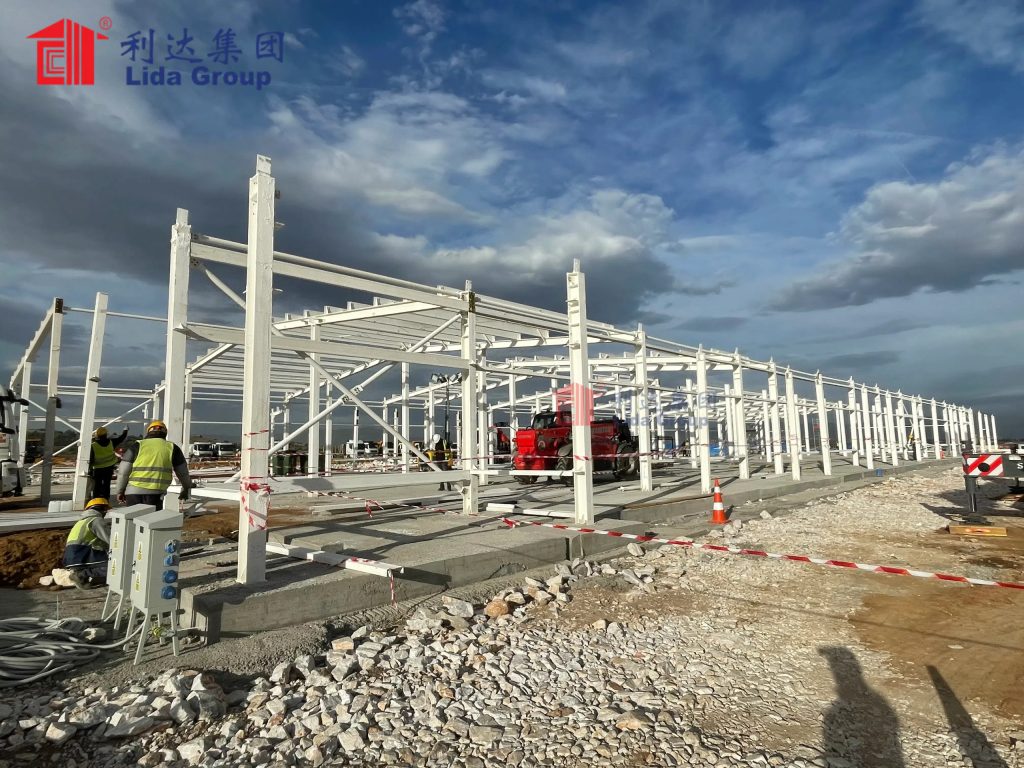
**I. The Unmatched Pillars of Strength and Durability**
The primary function of any structure is to provide safe and enduring shelter. Steel excels in this fundamental role, offering a level of resilience that other materials struggle to match.
**A. Superior Structural Integrity and Load-Bearing Capacity**
Steel possesses the highest strength-to-weight ratio of any mainstream construction material. This means it can support immense loads—whether from heavy machinery, multiple floors, large equipment, or snow accumulation—with a relatively lightweight framework. This high strength allows for:
* **Longer Spans:** Steel beams and trusses can bridge vast distances without the need for intermediate support columns. This creates expansive, column-free interior spaces that are highly prized for warehouses, aircraft hangars, sports arenas, and open-plan offices. This flexibility maximizes usable floor space and offers unparalleled freedom for interior layout.
* **Multi-Story Capability:** The strength of steel makes it ideal for multi-story buildings. It can support the cumulative load of many floors while keeping the structural footprint slim, thereby increasing the net lettable area.
* **Resistance to Forces:** Steel is an inherently ductile material. Unlike brittle materials that can fail catastrophically under sudden stress, steel can bend, flex, and deform significantly without rupturing. This ductility is a critical safety feature in seismic events and high-wind zones, as it allows the structure to absorb and dissipate energy, giving occupants precious time to evacuate.
**B. Defiance of the Elements and Time**
The long-term durability of a building directly impacts its maintenance costs and operational lifespan. Steel structures are engineered to stand the test of time.
* **Consistency and Predictability:** Unlike wood, which is subject to natural variations like knots, warping, and splitting, steel is a manufactured product. It exhibits consistent properties in every beam and column, eliminating the structural uncertainties and on-site adjustments often required with organic materials.
* **Pest and Mold Resistance:** Steel is inorganic and provides no food source for termites, carpenter ants, or other wood-destroying organisms. It is also impervious to mold and mildew growth, which can compromise indoor air quality and require expensive remediation in wood-frame structures. This resistance ensures a healthier indoor environment and eliminates a significant maintenance concern.
* **Fire Resistance:** While steel softens at very high temperatures, modern steel structures are designed with comprehensive fire protection strategies. These include intumescent coatings that expand when heated to form an insulating char, fire-rated board systems, and spray-applied fire-resistant materials (SFRM). These systems are rigorously tested and certified to meet or exceed all building code requirements for fire resistance, ensuring the structure maintains its integrity long enough for occupants to escape and firefighters to respond.
* **Corrosion Protection:** The perception of steel being prone to rust is addressed through advanced coating technologies. Galvanization, which involves applying a protective layer of zinc, is a standard and highly effective method. For highly corrosive environments, specialized multi-coat paint systems can provide decades of protection, ensuring the building’s frame remains sound even in coastal or industrial settings.
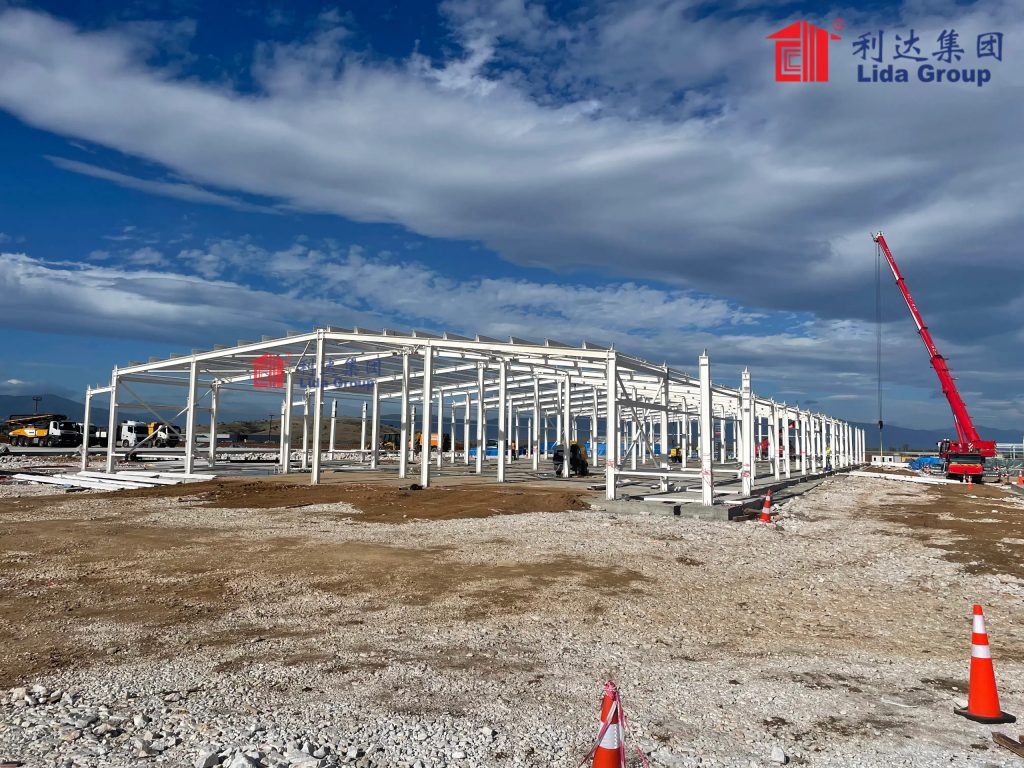
**II. The Economic Imperative: Cost-Effectiveness and Value Engineering**
In any project, budget is a paramount concern. Steel construction offers a compelling economic argument that extends far beyond the initial material cost, delivering significant value throughout the building’s lifecycle.
**A. Accelerated Construction Timelines**
Time is money, and nowhere is this truer than in construction. The speed of steel erection is a game-changer for project economics.
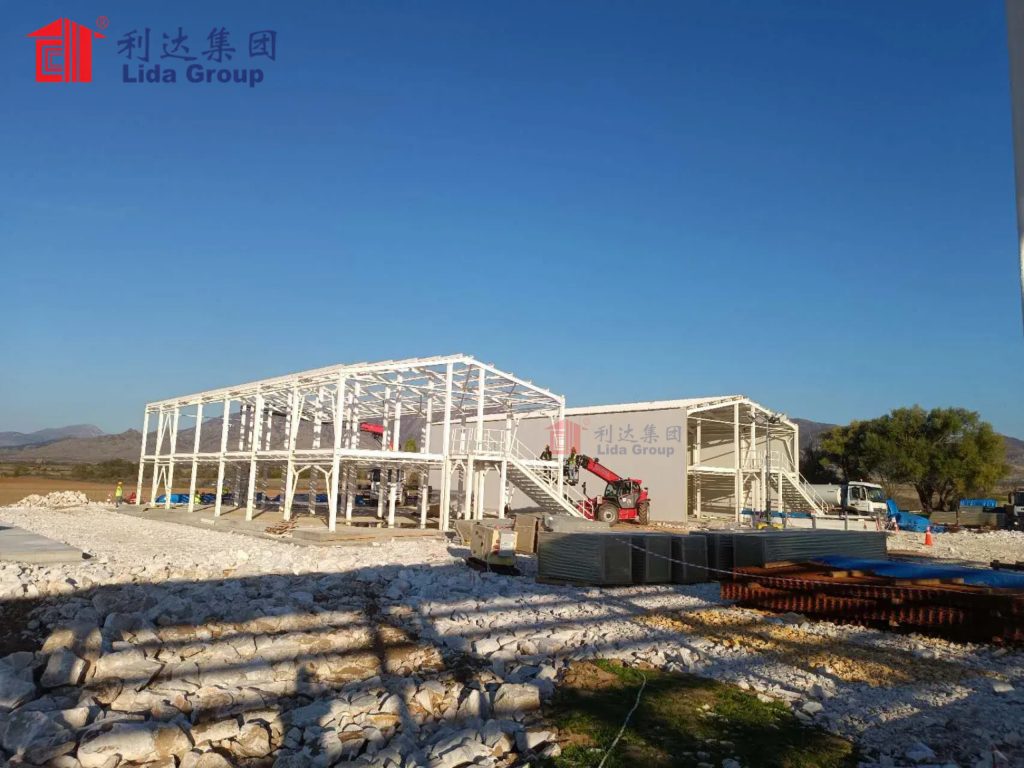
* **Prefabrication and Off-Site Manufacturing:** The core of steel’s efficiency lies in its compatibility with prefabrication. Steel components are precisely engineered, cut, drilled, and often partially welded in a controlled factory environment. This process is concurrent with on-site foundation work, shaving weeks or even months off the project schedule.
* **Rapid On-Site Assembly:** When the prefabricated steel members arrive on-site, they are like a giant, precision-engineered kit. Erection is a rapid process of bolting or welding components together. This speed is not weather-dependent in the same way that concrete pouring is, meaning fewer delays due to rain or cold. A faster “drying-in” of the structure allows subsequent trades (electrical, plumbing, interior finishes) to begin their work sooner, compressing the overall project timeline.
* **Reduced On-Site Labor and Supervision:** The simplicity and speed of steel erection require fewer skilled laborers on-site for a shorter duration compared to traditional methods like cast-in-place concrete. This reduces general condition costs and minimizes the risk of labor shortages impacting the schedule.
**B. Long-Term Value and Reduced Total Cost of Ownership**
The financial benefits of a steel building are not limited to the construction phase; they accrue over its entire operational life.
* **Lower Insurance Premiums:** Due to their proven resistance to fire, pests, and high winds, many insurance companies offer reduced premiums for steel-structured buildings. These annual savings can be substantial and continue for the life of the building.
* **Minimal Maintenance:** The inherent durability of steel against pests, rot, and warping translates into dramatically lower maintenance costs. There are no ongoing treatments for termites, no worries about rotting sill plates, and no need for structural repairs due to material degradation.
* **Energy Efficiency and Operational Savings:** A well-designed steel building can be exceptionally energy-efficient. The precise fabrication allows for a very tight building envelope. When combined with effective insulation systems (such as rigid insulation boards or spray foam applied to the exterior or between purlins) and reflective roof coatings, the thermal performance of a steel building can exceed that of many traditional structures. This leads to significantly lower heating and cooling costs, a saving that compounds year after year.
* **Adaptability and Future-Proofing:** The strength and long-span capabilities of steel make it easier to adapt the building for future uses. Walls can be reconfigured, mezzanines can be added, and crane systems can be installed with relative ease. This adaptability protects the owner’s investment by ensuring the building does not become functionally obsolete.
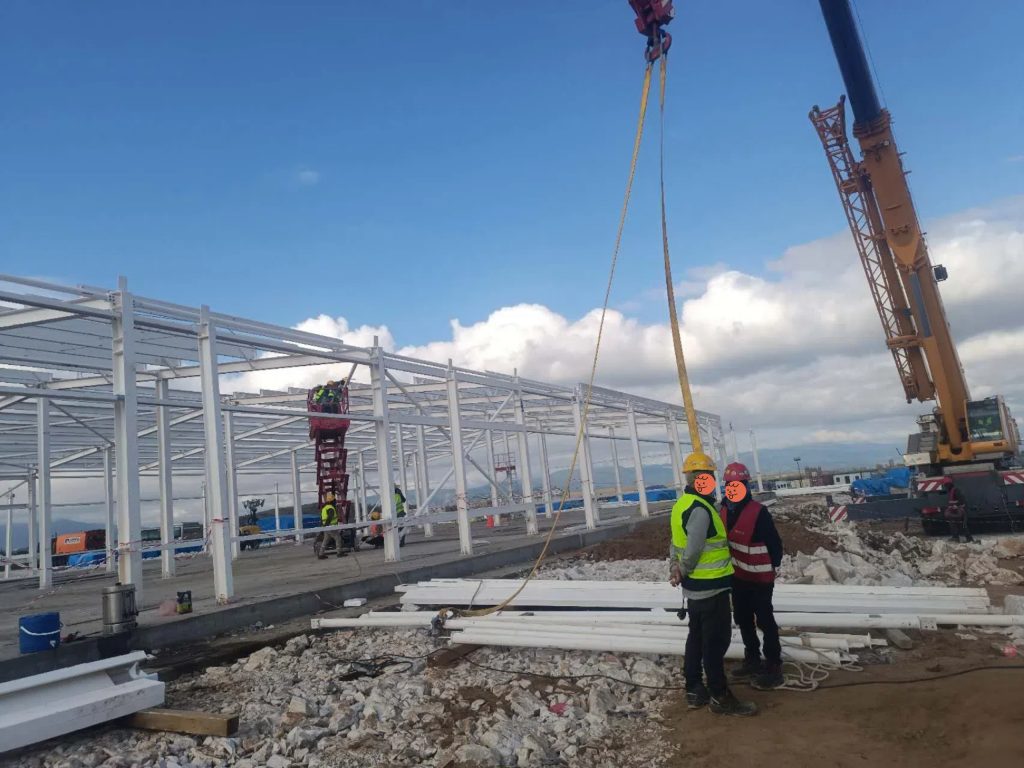
**III. Design Freedom and Architectural Versatility**
Steel is the preferred medium for architects and designers who wish to push the boundaries of form and function. Its strength and flexibility enable architectural expression that would be difficult or impossible with other materials.
**A. Enabling Iconic and Complex Geometries**
The ability to fabricate steel members into virtually any shape allows for the creation of complex curves, dramatic cantilevers, and unique architectural signatures. From the sweeping roofs of airports to the intricate facades of museums, steel provides the skeletal framework that turns visionary designs into built reality. Its high strength allows for slender, elegant columns and beams, maximizing views and creating a sense of lightness and openness.
**B. Seamless Integration and Ease of Modification**
The structural grid of a steel building is highly organized and predictable, making it easier to integrate other building systems.
* **Utilities and Services:** The open web of steel joists and trusses provides ample, unobstructed space for running ductwork, electrical conduits, plumbing, and data cabling. This simplifies installation, reduces conflicts between trades, and facilitates future upgrades or repairs.
* **Cladding and Curtain Walls:** Steel frames provide a strong, stable, and dimensionally accurate support system for any type of cladding, from traditional masonry and precast concrete to modern glass curtain walls and composite metal panels.
**C. A Foundation for Expansion**
Businesses grow and needs change. The modular nature of steel construction makes future expansion straightforward. New bays can be added to the side, or additional floors can be built on top of an existing structure, provided the original design anticipated such growth. This scalability makes steel an ideal choice for growing companies and speculative developments.
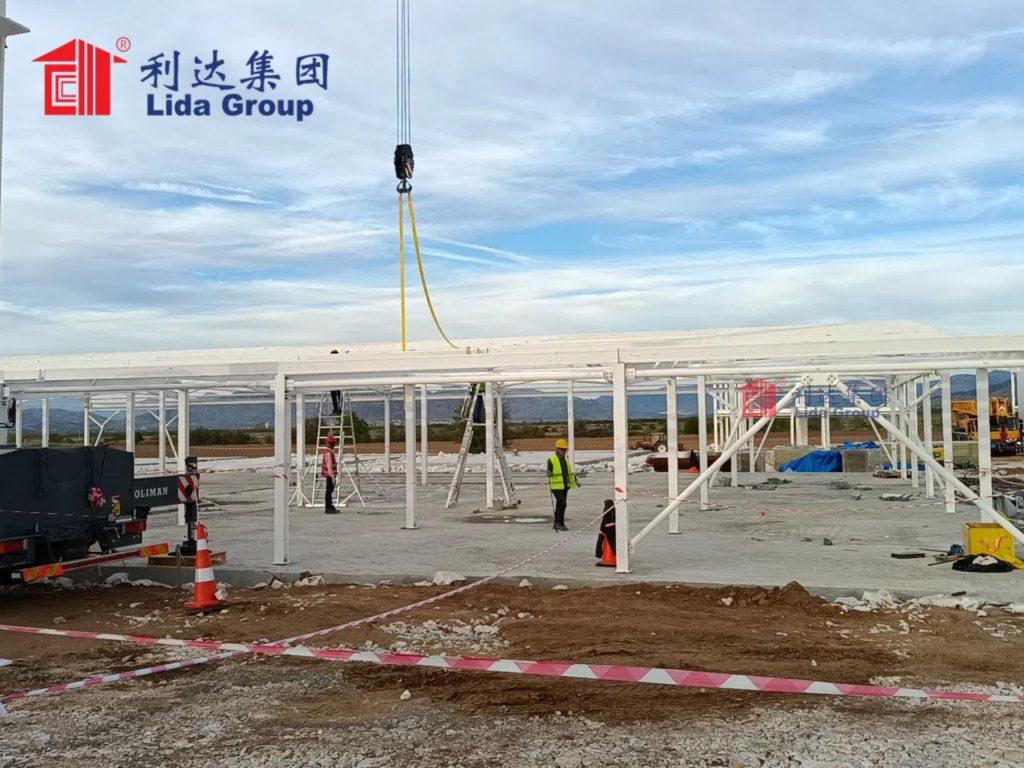
**IV. The Green Choice: Sustainability and Environmental Responsibility**
In an age of heightened environmental awareness, the sustainability of a building’s materials and lifecycle is a critical consideration. Steel is a leader in green construction.
**A. Recyclability and the Circular Economy**
Steel is the most recycled material on Earth. The structural steel used in construction typically contains over 90% recycled content. At the end of a building’s life, the steel frame is not a waste product; it is a valuable resource that can be deconstructed and 100% recycled into new steel products without any loss of quality. This creates a true circular economy, drastically reducing the demand for virgin raw materials and minimizing construction and demolition waste sent to landfills.
**B. Resource Efficiency and Reduced Waste**
The precision of computer-aided manufacturing in the steel fabrication shop ensures that material waste is minimized to an extraordinary degree. Off-cuts are collected and recycled. This contrasts sharply with on-site cutting for wood or the formwork waste associated with concrete. Furthermore, the lightweight nature of steel reduces the mass of the foundation required, leading to savings in concrete, a material with a high embodied energy.
**C. Compatibility with Green Building Systems**
Steel structures are perfectly suited to support a wide range of sustainable technologies.
* **Solar Panel Integration:** The strong, durable roof of a steel building is an ideal platform for photovoltaic (PV) solar arrays. The structure can easily support the weight, and the long lifespan of the roof ensures it will outlast the solar system it supports.
* **Natural Daylighting:** Large, clear-span interiors allow for optimal placement of skylights and clerestory windows, reducing the need for artificial lighting during the day.
* **Energy-Efficient Envelopes:** As previously mentioned, the precision of a steel frame allows for a highly airtight building envelope, which is the first and most important step in creating an energy-efficient building.
**Conclusion: Building Your Legacy on a Foundation of Steel**
The decision to build with steel is a decision to prioritize performance, value, and responsibility. It is a choice that pays dividends from the first day of construction through the entire lifecycle of the building.
The evidence is overwhelming. The **unmatched strength and durability** of steel provide a safe, resilient, and long-lasting asset, resistant to the forces of nature and time. The **compelling economic advantages**, from accelerated construction and reduced labor to lower long-term maintenance and insurance costs, make it a financially astute investment that maximizes value at every stage. The **unparalleled design freedom** empowers architects and owners to realize their most ambitious visions, creating functional, adaptable, and aesthetically striking spaces. Finally, the **inherent sustainability** of steel, with its high recycled content and full recyclability, aligns your project with the principles of environmental stewardship and a circular economy.
In a world that demands faster, smarter, and more responsible solutions, steel stands out as the clear and logical choice. It is a material that does not merely meet the requirements of modern construction; it redefines them. By choosing a steel structure for your project, you are not just constructing a building—you are investing in a legacy of efficiency, resilience, and enduring value. You are building for the future, today.
Related news
-
Lida Group: A Leader in Innovative Steel Structure Building
2025-11-26 17:06:37
-
Discover the Advantages of Our Metal Frame Construction
2025-11-26 17:12:49
-
Lida Group Delivers Cost-Effective Durable Construction Solutions
2025-11-26 17:30:46
contact us
- Tel: +86-532-88966982
- Whatsapp: +86-13793209022
- E-mail: sales@lidajituan.com
