



In a world defined by rapid change, unforeseen challenges, and dynamic project demands, the need for agile, adaptable, and immediate infrastructure has never been more critical. Traditional construction, with its protracted timelines, fixed locations, and significant capital investment, often fails to meet the urgent, flexible, or transitional space requirements of modern industry, commerce, and public service. This gap is being decisively filled by a new generation of versatile temporary mobile buildings. These are no longer the simple, draughty site huts of the past; they are sophisticated, highly engineered space solutions that can be deployed with astonishing speed and customized to serve a breathtakingly wide array of applications. This article explores the engineering, versatility, and transformative impact of these dynamic structures, demonstrating their capacity to provide effective, efficient, and even permanent-grade solutions for virtually any need.
**I. The Evolution of Temporary Space: From Basic Shelter to Sophisticated Solution**
The concept of temporary buildings is not new. For decades, modular and portable structures have been used for basic site offices and storage. However, the contemporary “temporary mobile building” represents a quantum leap in design, technology, and capability.
**A. Defining the Modern Temporary Mobile Building**
Today’s temporary mobile building is characterized by several key attributes:
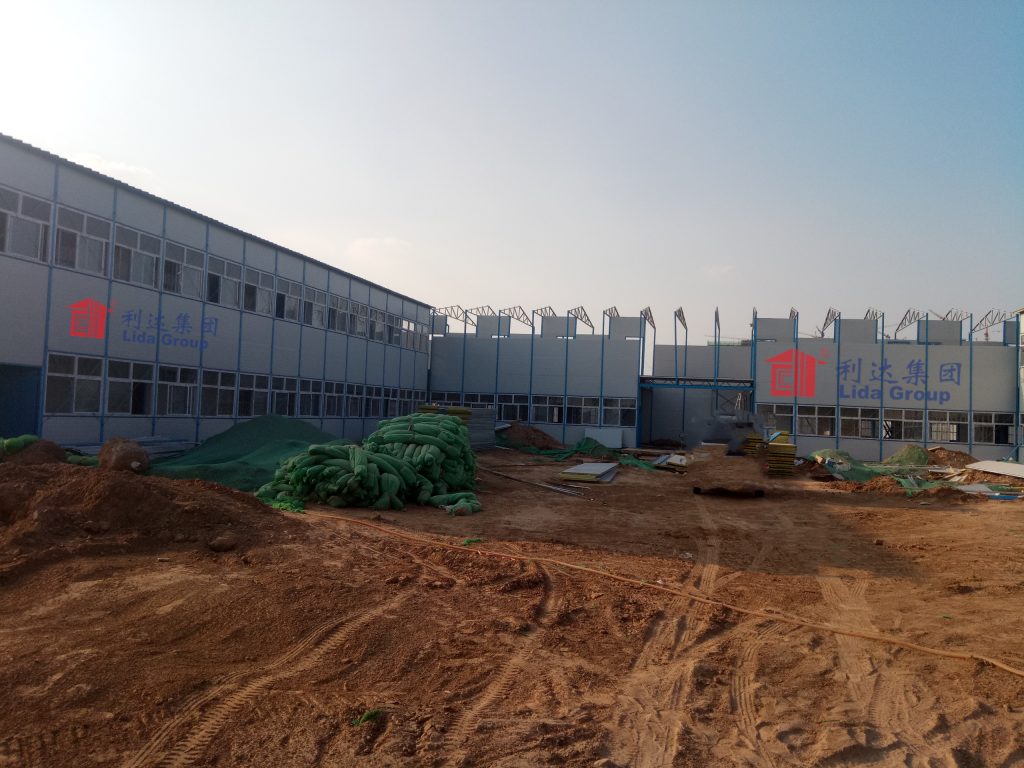
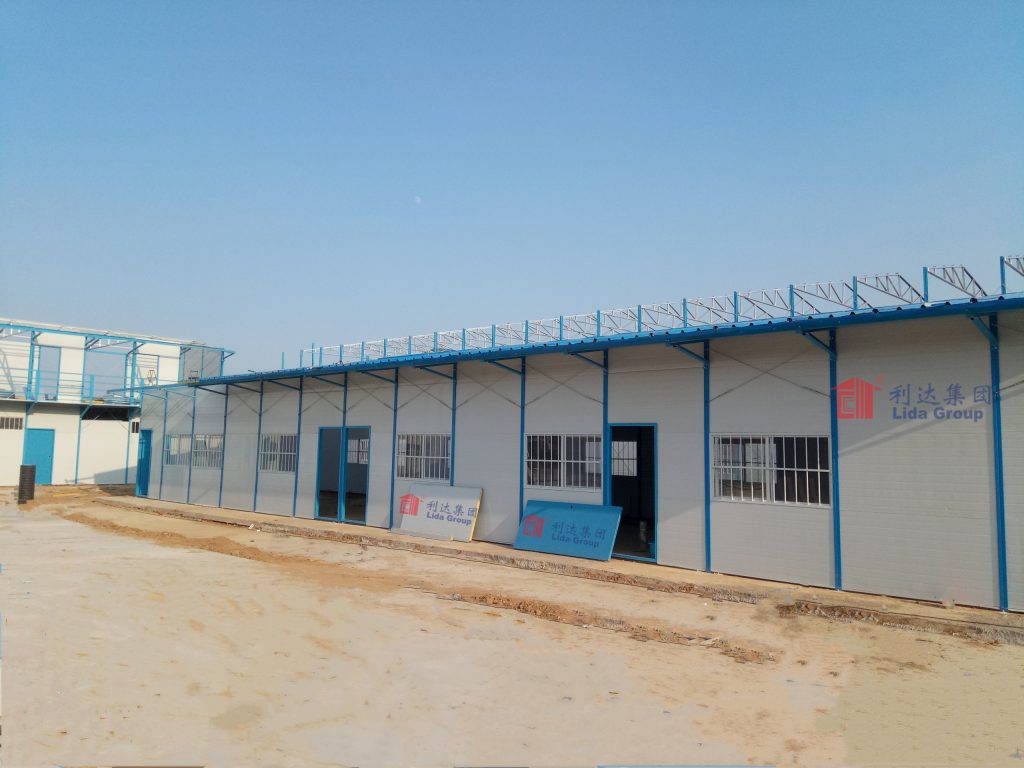
* **Mobility and Rapid Deployment:** These structures are designed for easy transport and swift installation. They can be trailer-mounted, skid-mounted, or designed as modular units that can be quickly assembled on-site, often in a matter of days or even hours, without the need for extensive foundations.
* **Inherent Versatility:** The fundamental design is a flexible shell that can be outfitted with a vast range of interior finishes, mechanical systems, and technological integrations. This allows a single base model to be transformed into a medical clinic, a classroom, a corporate office, or a high-security laboratory.
* **Structural Integrity and Durability:** Modern materials like high-tensile steel frames, durable composite wall panels, and robust roofing systems ensure these buildings can withstand harsh weather conditions, heavy use, and the rigors of relocation. They are engineered for longevity, challenging the very notion of “temporary.”
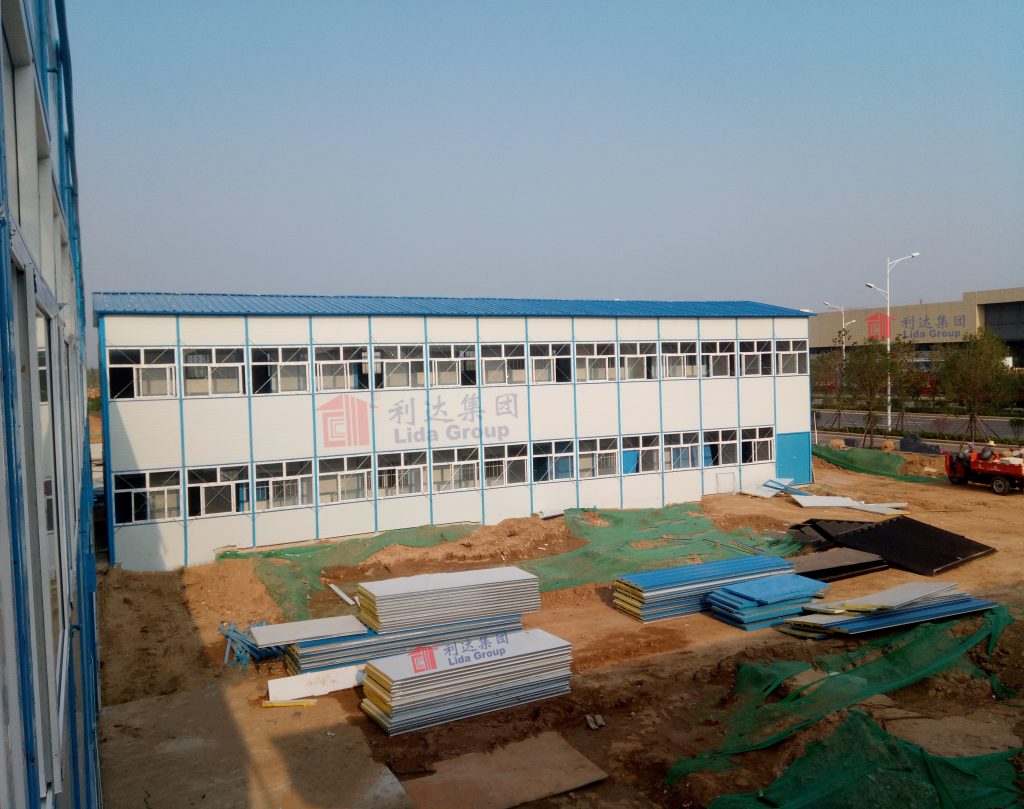
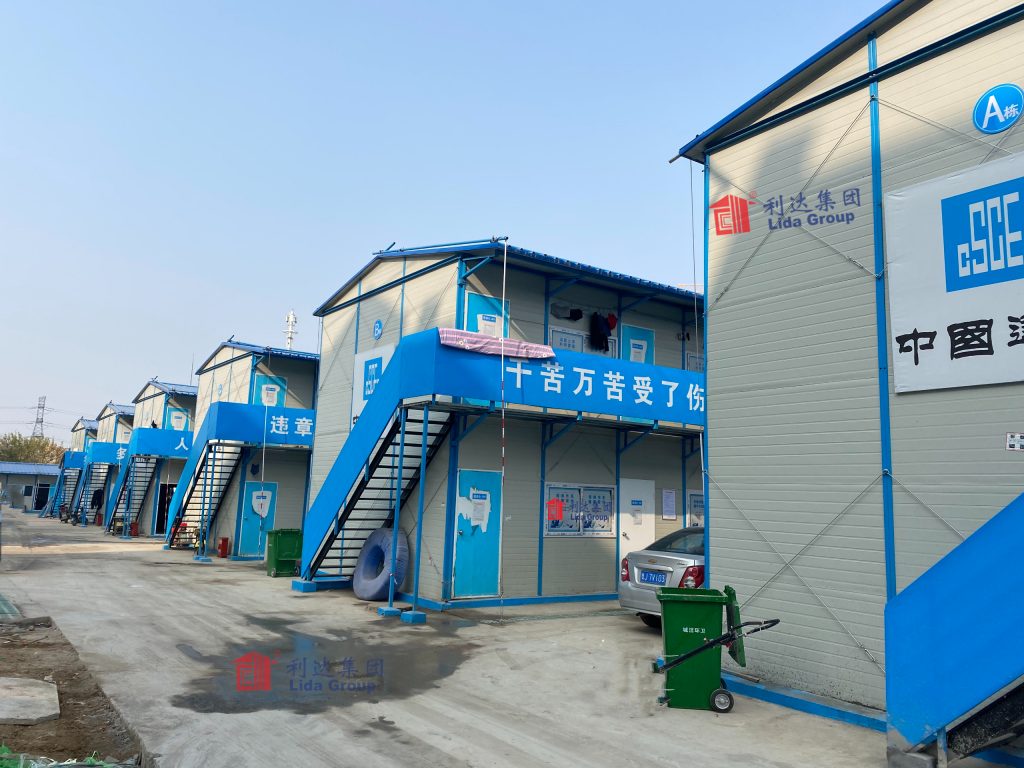
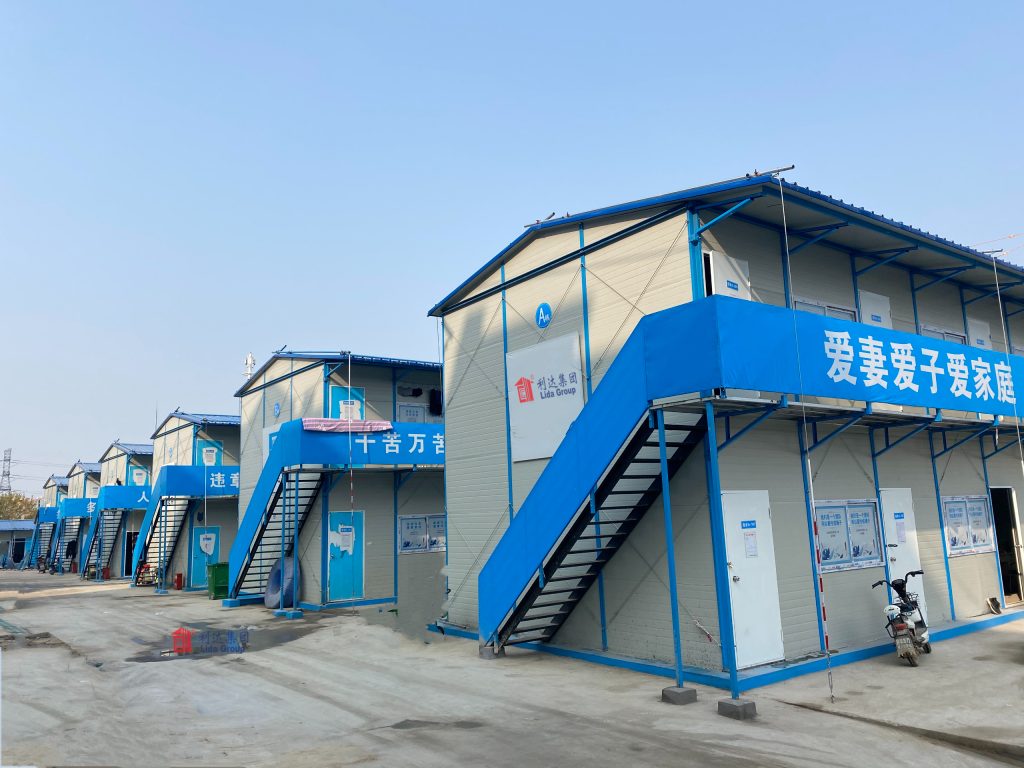
* **Configurability and Scalability:** Their modular nature means they can be easily expanded, reduced, or reconfigured. Multiple units can be linked together to form large, complex layouts, creating everything from a single office to an entire multi-story campus.
**B. The Driving Forces Behind Adoption**
Several global trends are accelerating the adoption of these versatile structures:
1. **Speed to Market:** In business, time is money. The ability to establish a operational facility in weeks instead of months provides a critical competitive advantage.
2. **Budgetary Constraints and Flexibility:** Temporary buildings offer a lower initial capital outlay compared to permanent construction. They can be leased or rented, preserving capital, and their temporary nature aligns perfectly with project-based funding or short-term initiatives.
3. **Dynamic and Unpredictable Needs:** From sudden population displacement and natural disasters to unexpected surges in student enrollment or rapid business expansion, the modern world is volatile. Mobile buildings provide a rapid-response solution to space shortages.
4. **Technological Advancement:** The miniaturization and increased robustness of HVAC systems, electrical distribution, and data networking have made it possible to pack full-scale infrastructure into a portable footprint.
**II. The Anatomy of Versatility: Core Design and Engineering Principles**
The ability of a single building type to serve such diverse purposes is rooted in its sophisticated engineering and design philosophy.
**A. The Structural Foundation: Mobility Meets Strength**
The chassis and frame are the backbone of a mobile building.
* **Trailer-Mounted Structures:** These are fully self-contained units built on a heavy-duty trailer chassis. They are “fully mobile,” meaning they can be towed to a site, levelled, connected to utilities, and become operational within hours. This is the ultimate solution for applications requiring frequent relocation.
* **Skid-Mounted or Modular Pods:** These units are built on a steel skid frame, making them easy to transport via flatbed truck and crane into position. They are ideal for semi-permanent installations where they may remain in place for several years but retain the option for future relocation. Multiple pods can be stacked or joined to create larger facilities.
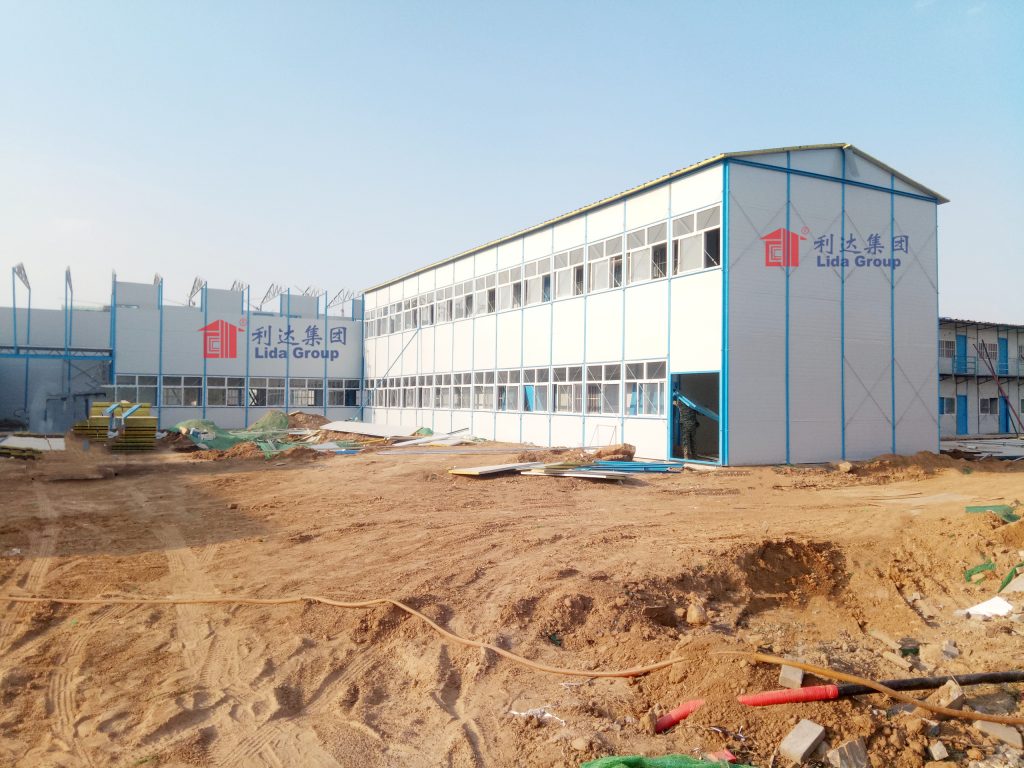
* **Hybrid and Panelized Systems:** Some systems use a framework of high-strength aluminum or steel that supports pre-fabricated wall and roof panels. These systems can be assembled incredibly quickly on-site, offering immense flexibility in size and layout.
**B. The Building Envelope: A Customizable Shell**
The exterior and core structure are designed to be a blank canvas.
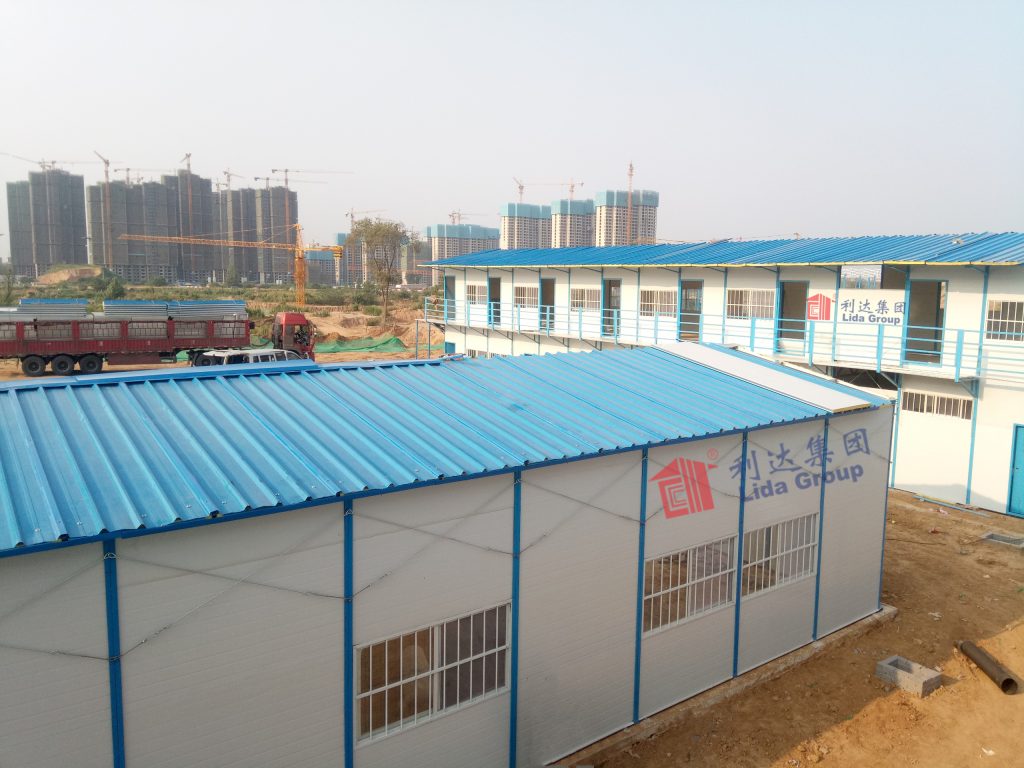
* **Cladding and Insulation:** Walls are typically constructed from composite panels, often with a steel exterior and an insulated core. This provides excellent thermal performance (for energy efficiency and comfort), acoustic dampening, and durability. Exterior finishes can be customized in color and texture to meet corporate branding or blend with local architecture.
* **Roof Systems:** Roofs are engineered to be weatherproof and robust, often with options for flat, pitched, or even clear-span designs for larger interior spaces without obstructive columns.
* **Integration Points:** The design pre-incorporates points for utility connections (water, sewer, electricity, data), window and door placements, and HVAC attachments, allowing for seamless integration of specialized components.
**C. The Integrated Infrastructure: The Brains and Nervous System**
This is where true versatility is achieved. The core structure is designed to accommodate a “plug-and-play” approach to interior systems.
* **Electrical Systems:** Designed to be fully compliant with national electrical codes, these buildings can be outfitted with everything from basic lighting and outlet circuits to complex systems for data centers, including dedicated circuits, Uninterruptible Power Supply (UPS) integration, and backup generators.
* **Mechanical Systems (HVAC):** A standard office will require a different climate control solution than a medical lab or a kitchen. Mobile buildings can be fitted with high-efficiency split systems, rooftop units, or even specialized HVAC with HEPA filtration and precise humidity control for sensitive environments.
* **Plumbing and Water Management:** Designs can accommodate anything from a simple sink and toilet to complex plumbing grids for multiple restrooms, laboratory sinks, emergency showers, and kitchen facilities. Options include internal water tanks and waste holding tanks for fully off-grid operation.
* **Data and Communications:** In the digital age, connectivity is paramount. These structures can be pre-wired with Category 6/7 cabling, fiber optics, Wi-Fi access points, and satellite communication systems, turning a mobile unit into a connected command center.
**III. A Universe of Applications: Deploying Mobile Solutions Across Sectors**
The true test of versatility is in real-world application. The following sectors demonstrate the profound impact of these mobile buildings.
**A. Education: Alleviating Overcrowding and Enabling Innovation**
School districts face constant flux. Mobile buildings provide elegant solutions.
* **Rapid Response to Enrollment Shocks:** When a new housing development leads to a sudden influx of students, temporary classroom blocks can be deployed within a single semester, preventing overcrowding without the multi-year delay of a permanent building program.
* **Specialized Learning Environments:** They are ideal for creating dedicated spaces for STEM labs, music rooms, art studios, or special needs education without having to repurpose existing, limited permanent space.
* **”Swing Space” During Renovations:** While a permanent school building is being modernized, mobile units can be installed on-site to house displaced students, minimizing disruption to the academic calendar.
**B. Healthcare and Medical: Delivering Care Where It’s Needed**
The healthcare sector has embraced mobile buildings for their ability to extend services and respond to crises.
* **Mobile Clinics and Vaccination Centers:** Trailer-mounted clinics can bring primary care, dental services, and vaccination programs directly to underserved urban and rural communities.
* **Modular Laboratory and Diagnostic Facilities:** During disease outbreaks or for routine testing, fully-equipped mobile labs can be deployed for rapid processing of samples. They can also serve as temporary MRI or X-ray suites during hospital renovations.
* **Triage and Emergency Response Units:** In the event of a natural disaster or mass casualty incident, these units can be rapidly established as field hospitals, triage centers, or morgues, providing critical infrastructure when permanent facilities are overwhelmed or destroyed.
**C. Construction and Industrial: The Mobile Command Post**
This is the traditional home of site accommodations, but the capabilities have been vastly upgraded.
* **Advanced Site Offices:** Beyond a simple desk, modern site offices can include conference rooms, dedicated network rooms, biometric access control, and high-quality welfare facilities (kitchens, changing rooms, restrooms) for staff.
* **On-Site Laboratories:** For large infrastructure projects, mobile labs are used for on-site testing of materials like soil, concrete, and asphalt, ensuring quality control and accelerating project timelines.
* **Secure Storage and Workshops:** They provide protected, weatherproof space for storing high-value tools, sensitive instruments, and for housing maintenance and repair workshops.
**D. Commercial and Retail: Seizing Opportunities Agility**
In the competitive commercial world, speed and flexibility are paramount.
* **Pop-Up Retail Stores:** Brands can test new markets, launch products, or create seasonal shopping experiences with a fully branded, temporary store that can be deployed in high-footfall areas.
* **Temporary Bank Branches and Customer Service Centers:** When a permanent branch is undergoing renovation or a temporary presence is needed at a festival or event, a mobile unit provides a fully functional and secure customer-facing operation.
* **Modular Office Expansion:** For businesses experiencing rapid growth, temporary office blocks provide a immediate solution for new teams, preventing the need for a premature and costly move to a larger permanent facility.
**E. Events and Hospitality: Creating Temporary Experiences**
The events industry relies on temporary infrastructure to create memorable experiences.
* **VIP Lounges and Corporate Hospitality Suites:** At sporting events, concerts, or festivals, high-specification mobile units can be transformed into luxurious, air-conditioned spaces for sponsors and guests.
* **Ticketing Booths and Information Kiosks:** Providing a professional and secure point of contact for event attendees.
* **Mobile Kitchens and Food Concession Stands:** Designed with commercial-grade appliances, ventilation, and food safety compliance in mind.
**F. Government and Public Security: Ensuring Continuity and Response**
Government agencies utilize these structures for both routine and emergency functions.
* **Disaster Recovery and Emergency Operations Centers (EOC):** In a crisis, a mobile EOC can be established to serve as the nerve center for coordinating response efforts, complete with secure communications and meeting spaces.
* **Mobile Police Command Posts and Voting Stations:** Providing a secure, visible, and functional presence in communities for public safety and civic engagement.
* **Remote Research Stations:** For environmental monitoring, border security, or archaeological digs, these buildings provide habitable, weatherproof bases in isolated locations.
**IV. The Customization Spectrum: Tailoring the Interior Environment**
The interior fit-out is where a generic shell is transformed into a purpose-built facility. This process considers:
* **Flooring:** Choices range from durable vinyl and easy-clean epoxy for industrial settings, to carpet tiles for offices, and anti-static flooring for computer labs.
* **Walls and Partitions:** Options include painted drywall, washable laminate, reinforced walls for mounting heavy equipment, and soundproofed partitions for classrooms or offices.
* **Lighting:** LED lighting is standard for its efficiency and longevity. Customization involves task lighting for labs, ambient lighting for offices, and emergency lighting for safety compliance.
* **Specialized Furniture and Equipment:** Built-in lab benches with chemical-resistant surfaces, secure server racks, medical cabinetry, or classroom desks and interactive whiteboards can all be integrated during the manufacturing process.
* **Accessibility:** Full compliance with disability access regulations (like the ADA) is a standard consideration, with features like ramps, wide doors, and accessible restrooms.
**V. Operational Considerations: The Practicalities of Deployment**
The successful implementation of a temporary mobile building involves several key steps:
* **Site Assessment:** Evaluating the proposed location for ground conditions, access for delivery vehicles, and proximity to utility hookups.
* **Regulatory Compliance and Permitting:** Navigating local zoning laws and building codes. Reputable providers manage this process, ensuring the structure meets all required standards for safety, fire, and occupancy.
* **Utility Connection and Off-Grid Capability:** Arranging connections to mains electricity, water, and sewer. For remote sites, options include solar power systems, diesel generators, water storage tanks, and septic systems or holding tanks.
* **Relocation and Decommissioning:** A key advantage is the ability to easily relocate the unit once its initial purpose is served. The provider can typically handle the disconnection, transportation, and reinstallation at a new site.
**VI. The Economic and Sustainable Advantage**
Beyond mere convenience, temporary mobile buildings offer compelling economic and environmental benefits.
* **Cost-Effectiveness:** They eliminate the massive upfront cost of land purchase and permanent construction. The leasing model converts a capital expenditure (CapEx) into a more manageable operational expenditure (OpEx).
* **Reduced Financial Risk:** For a new venture or a project with an uncertain long-term future, a temporary building mitigates the risk of being locked into a permanent, underutilized asset.
* **Sustainability and Resource Efficiency:** The modular construction process is inherently less wasteful than traditional on-site building. Furthermore, the ability to reuse and relocate a building multiple times over its lifespan dramatically reduces the consumption of raw materials and the environmental footprint associated with constructing a new facility for every new need.
**Conclusion: Redefining the Future of Infrastructure**
In conclusion, the versatile temporary mobile building has transcended its humble origins to become a cornerstone of modern, agile infrastructure strategy. It is a testament to the power of innovative engineering and flexible design, offering a dynamic solution to the static challenges of traditional construction. Its core strength lies in its multifaceted nature—it is a chameleon-like structure capable of becoming whatever is required, wherever it is needed, and for precisely as long as it is needed.
From educating the next generation and delivering critical healthcare to enabling commerce and responding to emergencies, these buildings demonstrate that “temporary” no longer implies “inferior.” Instead, it signifies intelligence, efficiency, and responsiveness. They provide a powerful tool for organizations of all types to navigate an unpredictable world with confidence, ensuring that a lack of physical space is never a barrier to progress, innovation, or essential service delivery. As technology continues to advance, we can expect these mobile solutions to become even more sophisticated, further blurring the line between temporary and permanent and solidifying their role as an indispensable asset in shaping a more adaptable and resilient future.
Related news
-
Why Choose Cost-Effective Sandwich Panel Construction?
2025-11-25 17:20:20
-
Lida Group's Prefab House Offers Superior Energy Efficiency
2025-11-25 17:34:03
-
Rapid Deployment with Our Temporary Mobile Building Units
2025-11-25 17:04:47
contact us
- Tel: +86-532-88966982
- Whatsapp: +86-13793209022
- E-mail: sales@lidajituan.com
