



The Future of Temporary Mobile Building is Here
2025-Dec-10 13:49:05
By Admin
Introduction
The global built environment is undergoing a paradigm shift driven by evolving societal needs: rapid urbanization, increasing frequency of natural disasters, flexible work models, and the urgent imperative for sustainable development. For decades, temporary buildings were dismissed as primitive, short-lived structures—mere stopgaps for urgent needs, characterized by clunky design, poor insulation, and minimal functionality. However, technological advancements, materials innovation, and a reimagining of modular construction have transformed temporary mobile buildings into sophisticated, adaptable solutions that rival permanent structures in performance, comfort, and sustainability.
Today, the future of temporary mobile building is no longer a distant vision—it is a present reality. These modern structures leverage modular engineering, lightweight high-performance materials, IoT integration, and circular design principles to deliver fast-deployable, flexible, and eco-friendly spaces that meet diverse needs, from emergency shelters and construction camps to pop-up retail stores and remote workspaces. According to the “2025 Global Temporary Mobile Building Market Report,” the industry is projected to reach $48.7 billion by 2028, growing at a compound annual growth rate (CAGR) of 19.3%—a testament to the rising demand for agile building solutions. This surge is fueled by four key drivers: the need for rapid deployment in time-sensitive projects, the desire for cost-effective and flexible spaces, the push for sustainable construction practices, and advancements in technology that enhance performance and functionality.
This article explores the transformative innovations shaping modern temporary mobile buildings, their diverse applications across industries, performance advantages over traditional temporary structures, sustainability credentials, and future trends. Through data-driven insights and real-world case studies, it demonstrates how temporary mobile buildings have evolved from niche solutions to mainstream assets, redefining what is possible in the built environment and proving that the future of flexible, efficient, and sustainable building is already here.
Technological Innovations: Redefining Temporary Mobile Buildings
The evolution of temporary mobile buildings from basic shelters to high-performance structures is driven by four core technological innovations: advanced modular design, lightweight high-strength materials, smart integration, and rapid deployment systems. These innovations work in tandem to enhance mobility, functionality, durability, and efficiency, making temporary mobile buildings a viable alternative to permanent construction in many scenarios.
Advanced Modular Design: The Foundation of Flexibility
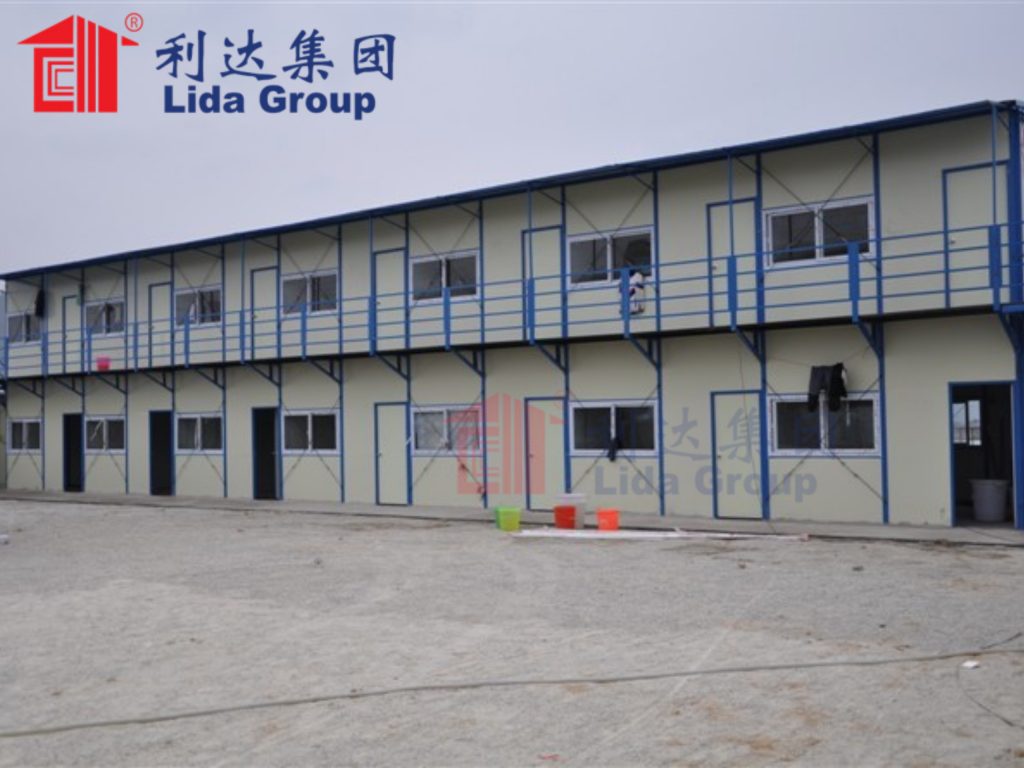
Modular design is the cornerstone of modern temporary mobile buildings, enabling unprecedented flexibility, scalability, and ease of transport. Unlike traditional temporary structures that are built as single units, modern mobile buildings are composed of standardized, interlocking modules that can be combined, reconfigured, or expanded to meet changing needs. These modules are manufactured in controlled factory environments, ensuring precision, consistency, and quality that surpass on-site construction.
Two key modular design innovations stand out: expandable modules and interchangeable components. Expandable modules, such as those developed by CIMC Modular Building Systems, start as compact units (e.g., 20ft or 40ft container-sized) for easy transportation but can be expanded horizontally or vertically to create larger spaces. For example, CIMC’s Expandable Mobile Office Module unfolds from a 20ft container to a 60-square-meter workspace in just 15 minutes, requiring only two workers and no specialized equipment. This design reduces transportation costs by 60% compared to non-expandable units and allows for storage of multiple modules in a single container.
Interchangeable components further enhance flexibility, enabling modules to be repurposed for different uses. A module designed as a bedroom can be converted into an office, classroom, or medical examination room by swapping out interior fixtures, partitions, and equipment. This adaptability extends the lifecycle of the structure, reducing waste and maximizing value. For instance, Skanska’s Mobile Workspace Modules feature standardized connection points and flexible interior systems that allow reconfiguration in less than 48 hours, making them ideal for construction projects where needs evolve over time.
Modular design also enables seamless integration with other building systems, such as plumbing, electrical, and HVAC. Modules are pre-fitted with these systems in the factory, eliminating the need for on-site installation of complex infrastructure. This “plug-and-play” approach reduces deployment time by up to 70% compared to traditional temporary structures and ensures consistent performance across units.
Lightweight High-Strength Materials: Balancing Mobility and Durability
The performance of temporary mobile buildings is heavily influenced by material selection, with modern solutions leveraging lightweight high-strength materials that balance mobility with durability, thermal efficiency, and sustainability. Traditional temporary structures often use heavy steel or wood frames paired with low-quality insulation, resulting in poor energy efficiency, difficult transportation, and limited lifespan. In contrast, modern mobile buildings utilize advanced materials that deliver superior performance while reducing weight and environmental impact.
Three key material innovations are driving this transformation:
- High-Strength Aluminum Alloys: Aluminum frames replace traditional steel, reducing weight by 40-50% while maintaining structural integrity. These alloys offer excellent corrosion resistance, making them suitable for harsh environments such as coastal regions or industrial sites. For example, Atlas Copco’s Mobile Camp Modules use 6061-T6 aluminum frames that withstand wind loads of up to 1.8 kN/m² (Category 13 typhoon) and seismic activity of 9 degrees, while weighing just 12 kg/m²—half the weight of steel-framed modules.
- Composite Core Panels: Wall, roof, and floor panels feature composite cores (e.g., polyurethane, rock wool, or glass fiber) sandwiched between high-performance facing sheets (e.g., aluminum-zinc steel or fiberglass-reinforced plastic). These panels offer superior thermal insulation (thermal conductivity as low as 0.022 W/(m·K)), soundproofing (up to 55 dB), and fire resistance (Class A non-combustible standards). Lida Group’s Mobile Shelter Panels, for instance, combine a PU core with aluminum facing, providing a U-value of 0.15 W/(m²·K) and reducing energy consumption by 50% compared to traditional temporary structures.
- Carbon Fiber Reinforced Polymers (CFRP): For ultra-lightweight, high-strength applications, CFRP is used in critical structural components. CFRP is 10 times stronger than steel and 70% lighter, enabling the construction of mobile buildings that can be transported by helicopter or small trucks to remote locations. Deployed Solutions’ Rapid Response Shelters use CFRP frames that weigh just 8 kg/m², allowing a 30-square-meter shelter to be transported by two workers and assembled in 2 hours.
These materials not only enhance performance but also improve sustainability. Aluminum and CFRP are highly recyclable (95% and 90% recycling rates, respectively), while composite panels are manufactured with low-VOC formulations, reducing indoor air pollution. The lightweight design also lowers transportation-related carbon emissions by 30-40% compared to traditional temporary structures.
Smart Integration: IoT and Digital Technologies
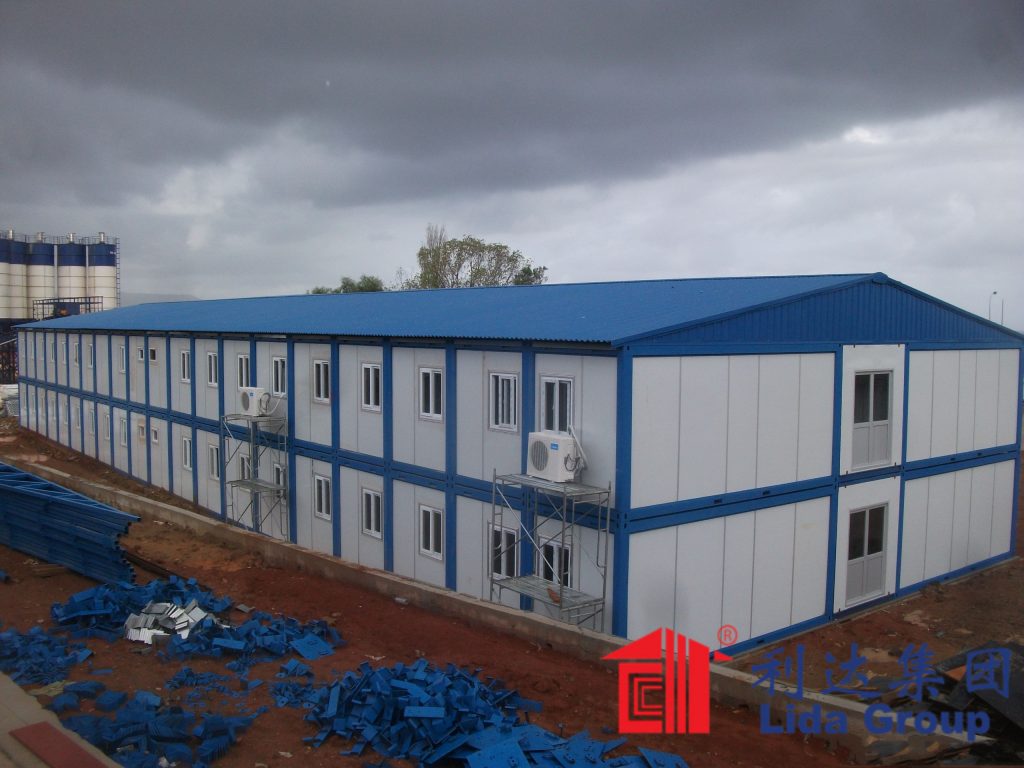
Modern temporary mobile buildings are no longer passive structures—they are intelligent, connected spaces that leverage IoT (Internet of Things), BIM (Building Information Modeling), and digital technologies to enhance functionality, efficiency, and user experience. These smart features transform temporary spaces into high-performance environments that rival permanent buildings, while maintaining mobility and flexibility.
Key smart integration innovations include:
- IoT Sensor Networks: Embedded sensors monitor temperature, humidity, air quality, structural stress, and energy usage in real time. Data is transmitted to a cloud-based platform, allowing remote monitoring and management. For example, Siemens’ Smart Mobile Building Solution uses over 50 sensors per module to track environmental conditions, detect potential issues (e.g., water leaks, structural strain), and optimize energy consumption. Building managers can access real-time data via a mobile app, enabling proactive maintenance and reducing downtime by 40%.
- BIM-Enabled Digital Twins: Each modular unit has a digital twin— a virtual replica created using BIM software that integrates design, production, installation, and maintenance data. The digital twin allows for precise planning of module configuration, transportation routes, and on-site assembly, reducing errors by 80% compared to traditional methods. During operation, the digital twin is updated with sensor data, providing a complete lifecycle view of the building. Skanska uses BIM digital twins for its mobile construction camps, enabling real-time tracking of module location, maintenance needs, and occupancy levels.
- Renewable Energy and Energy Storage: Solar panels, wind turbines, and energy storage systems (e.g., lithium-ion batteries) are integrated into mobile buildings, enabling off-grid operation and reducing reliance on fossil fuels. For example, SunPower’s Solar-Powered Mobile Workspaces feature 4kW rooftop solar panels and 15kWh battery storage, providing 100% of energy needs for a 50-square-meter office. These systems can be customized based on location and usage, with some models offering up to 7 days of off-grid operation.
- Smart Automation: Lighting, HVAC, and security systems are automated using AI algorithms that adapt to user behavior and environmental conditions. Motion sensors control lighting and HVAC, reducing energy waste by 30%, while smart locks and video surveillance enhance security. Amazon Web Services’ (AWS) IoT Core powers many of these automation systems, enabling voice control, remote access, and integration with other smart devices (e.g., laptops, smartphones).
Rapid Deployment Systems: From Transport to Operation in Hours
One of the defining advantages of modern temporary mobile buildings is their rapid deployment capability. Advanced deployment systems eliminate the need for specialized labor, heavy equipment, and extensive site preparation, enabling temporary spaces to be operational in hours rather than days or weeks.
Key rapid deployment innovations include:
- Foldable and Expandable Mechanisms: As mentioned earlier, foldable and expandable modules reduce transportation volume and enable quick assembly. Deployed Solutions’ Foldable Emergency Shelter unfolds from a 1.2m x 2.4m x 0.8m package to a 20-square-meter shelter in 15 minutes, with no tools required. The shelter features a hydraulic folding system that automatically locks into place, ensuring structural integrity without manual fastening.
- Plug-and-Play Connections: Modular units feature standardized electrical, plumbing, and data connections that allow for quick integration. Connections are self-sealing and tool-free, enabling modules to be linked in minutes. For example, CIMC’s Modular Camp System uses a universal connection port that integrates power, water, sewage, and internet, allowing a 100-module camp to be fully connected in 8 hours.
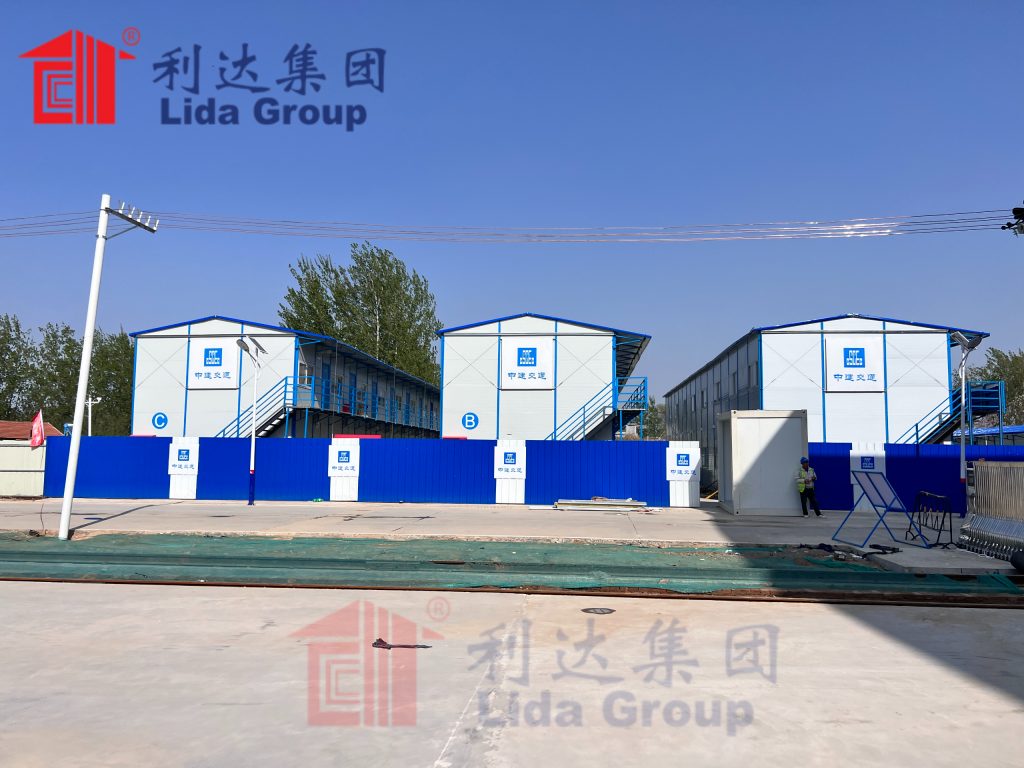
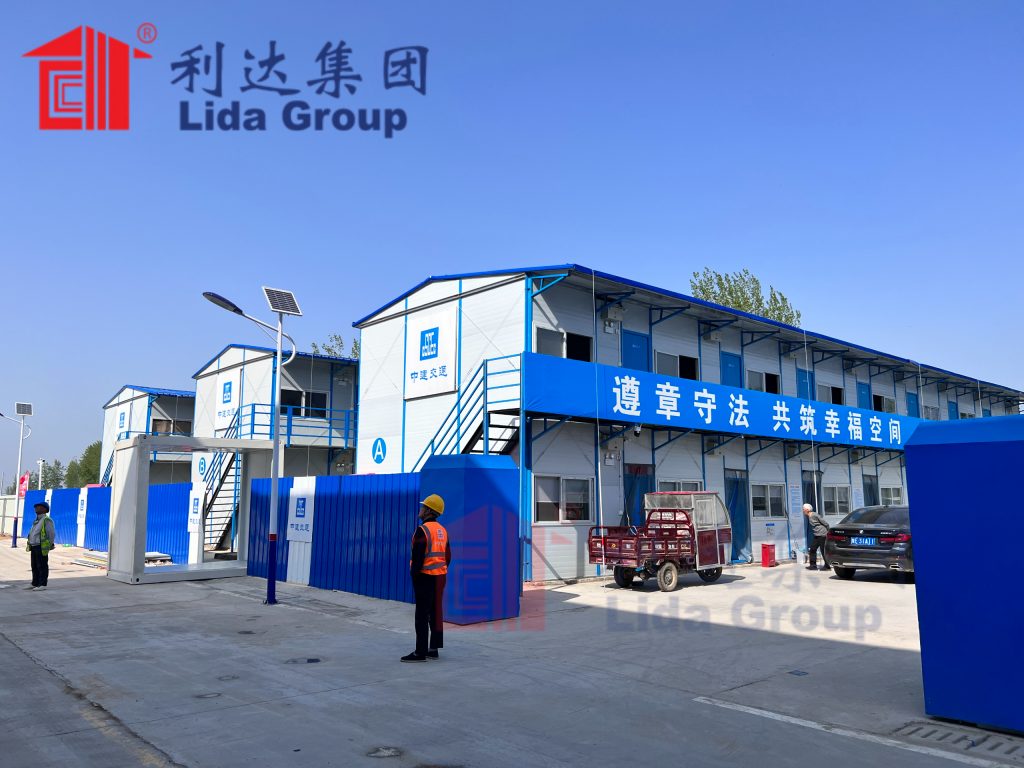
- Minimal Site Preparation: Modern mobile buildings require little to no site preparation, as they can be installed on uneven terrain, sand, or gravel. Many units feature adjustable legs or skids that level the structure without the need for concrete foundations. Lida Group’s Mobile Construction Camps, for instance, can be installed on gravel or dirt with just 2 hours of site preparation, compared to 2-3 days for traditional temporary structures.
- Air and Ground Transportability: Lightweight materials and compact design enable transportation by a variety of means, including trucks, trains, ships, and helicopters. For remote locations, helicopter-transportable modules (e.g., Deployed Solutions’ Heli-Portable Shelter) can be delivered to areas with no road access, expanding the reach of temporary mobile buildings.
Application Scenarios: Versatility Across Industries
The versatility of modern temporary mobile buildings is evident in their wide range of applications across industries. From emergency response and construction to commercial and public sectors, these structures meet diverse needs with tailored solutions that combine mobility, performance, and sustainability.
Emergency Response and Disaster Relief
In emergency situations—natural disasters, pandemics, or humanitarian crises—rapid deployment of safe, functional spaces is critical. Modern temporary mobile buildings have become indispensable tools for emergency response, offering fast-deployable shelters, hospitals, and relief centers that provide life-saving support.
A standout example is the COVID-19 pandemic response. During the peak of the crisis, Lida Group supplied 500 mobile medical modules to 12 countries, including Italy, Brazil, and India. These modules, which included intensive care units, testing labs, and isolation wards, were deployed in 48 hours or less and featured HEPA filtration systems, negative pressure rooms, and smart monitoring tools to prevent virus spread. Each 20-square-meter ICU module could accommodate 2 patients and was equipped with ventilators, defibrillators, and IoT sensors to monitor vital signs remotely. The modules were reused in subsequent emergency responses, demonstrating their durability and adaptability.
In disaster relief, Deployed Solutions’ Rapid Response Shelters were used to house 10,000 earthquake victims in Turkey and Syria in 2023. The shelters, which can be deployed by helicopter, feature CFRP frames that withstand aftershocks and monsoon rains, while composite panels provide thermal insulation and fire resistance. Each shelter accommodates 4-6 people and includes built-in solar lighting, water purification systems, and storage space. The shelters were assembled by local volunteers with no specialized training, with each unit taking just 2 hours to complete.
For humanitarian crises, the UN Refugee Agency (UNHCR) has adopted modular mobile shelters for refugee camps in Kenya and Jordan. These shelters, developed in partnership with CIMC, are expandable, durable (20-year service life), and sustainable (solar-powered, recyclable materials). The camps feature modular schools, clinics, and community centers, all connected via plug-and-play infrastructure. The use of mobile buildings has reduced camp setup time by 70% and improved living conditions for over 500,000 refugees.
Construction and Industrial Camps
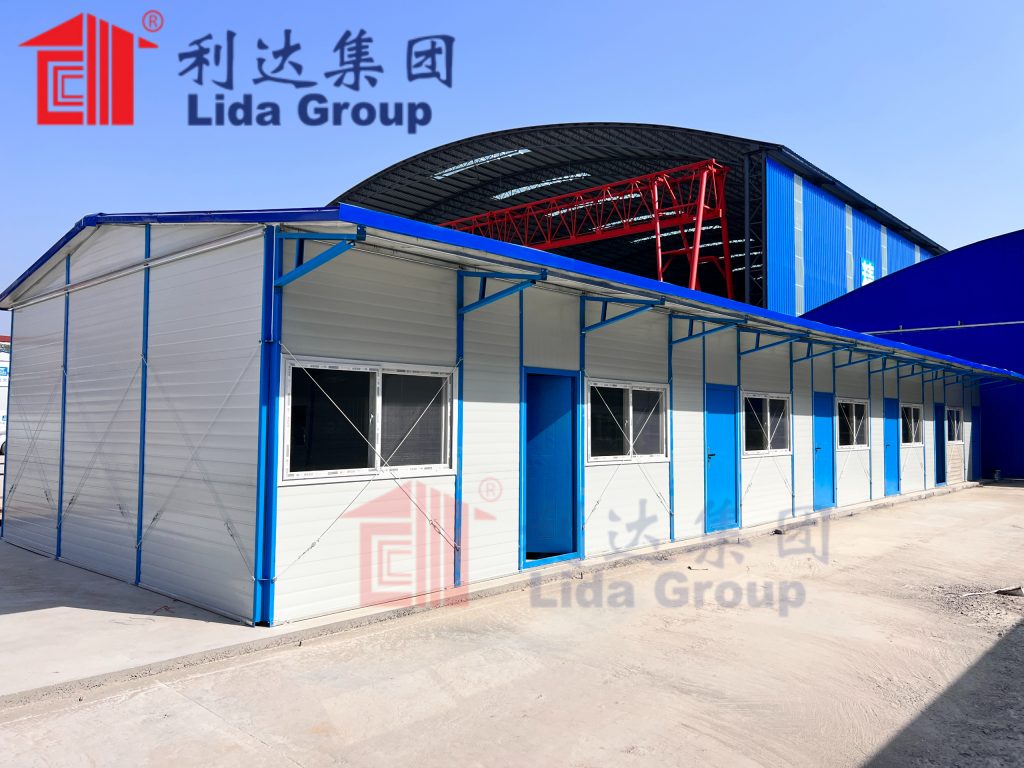
Construction projects in remote locations (e.g., mining sites, oil fields, infrastructure projects) require temporary accommodation and support facilities for workers. Modern temporary mobile buildings provide comfortable, functional camps that can be deployed quickly and adapted to project needs, reducing downtime and improving worker satisfaction.
Atlas Copco’s Mobile Mining Camps are a prime example. Deployed at a gold mine in Western Australia, the camp accommodates 500 workers and includes dormitories, canteens, kitchens, recreational facilities, and offices. The camp’s modules are expandable, allowing the number of dormitories to increase from 100 to 150 as the project scaled up. The modules feature composite panels with superior thermal insulation, maintaining indoor temperatures of 22℃ in outdoor temperatures ranging from -5℃ to 45℃. Smart sensors monitor energy usage and indoor air quality, optimizing comfort and reducing energy costs by 35%. The camp was deployed in 3 weeks, compared to 3 months for traditional construction, enabling the mine to start operations ahead of schedule.
In the oil and gas sector, Halliburton’s Mobile Work Camps are used in remote drilling sites in the Middle East. The camps feature explosion-proof modules (certified to ATEX standards) with fire-resistant materials and emergency response systems. The modules are designed to withstand sandstorms and extreme temperatures, with air filtration systems that remove 99% of dust particles. The camp’s smart energy system combines solar panels and diesel generators, reducing fuel consumption by 40% and lowering carbon emissions by 1,200 tons per year.
Commercial and Retail Applications
Temporary mobile buildings have become popular in the commercial and retail sectors, offering flexible, cost-effective spaces for pop-up stores, event venues, and temporary offices. These structures allow businesses to test new markets, respond to seasonal demand, or operate during renovations, without the high costs and long lead times of permanent construction.
A notable example is Starbucks’ Pop-Up Mobile Cafés, deployed at music festivals and sporting events across Europe. These cafés are built using expandable modules that transform from a 20ft container to a 40-square-meter space with seating for 20 customers. The modules feature a custom-designed interior with Starbucks branding, a fully functional kitchen, and smart POS systems. The café can be deployed in 4 hours and operated off-grid using solar panels and battery storage. During the 2023 Glastonbury Festival, the pop-up café served over 5,000 customers, generating $120,000 in revenue with minimal upfront investment.
In the retail sector, IKEA’s Temporary Pop-Up Stores use modular mobile buildings to test new markets in smaller cities. These stores, which range from 200 to 500 square meters, feature interchangeable display modules that can be reconfigured based on product lines. The buildings are constructed with sustainable materials (recycled steel, low-VOC finishes) and meet LEED Gold certification standards. The first pop-up store in Lisbon, Portugal, was deployed in 6 weeks and generated 80% of the revenue of a permanent store, with 30% lower operating costs.
For events, Live Nation’s Mobile Event Venues are used for concerts and festivals in remote locations. These venues feature modular stages, seating, and backstage areas that can be configured for audiences of 1,000 to 10,000. The modules are lightweight and easy to transport, reducing event setup time by 50% compared to traditional stages. The venues include smart sound and lighting systems, as well as solar-powered generators, making them eco-friendly and self-sufficient.
Education and Healthcare
In underserved or disaster-affected regions, temporary mobile buildings provide critical educational and healthcare facilities that can be deployed quickly to meet urgent needs. These structures are designed to be durable, functional, and adaptable, ensuring that services are available when and where they are needed most.
In education, UNICEF’s Mobile Schools are deployed in refugee camps and conflict zones in Africa and the Middle East. These schools are built using lightweight, durable modules that can be transported by truck and assembled in 2 days. Each module serves as a classroom for 30 students, with built-in desks, whiteboards, and solar-powered lighting. The modules are designed to withstand harsh weather conditions, with rainproof roofs and insect-screened windows. Since 2020, UNICEF has deployed over 300 mobile schools, providing education to 9,000 children who would otherwise have no access to schooling.
In healthcare, Médecins Sans Frontières (MSF) uses Mobile Medical Units to deliver primary care in remote areas of South America and Africa. These units are built on truck chassis, allowing them to travel to villages with no access to hospitals. The units feature examination rooms, pharmacies, and laboratory facilities, with equipment for treating common illnesses, injuries, and maternal health issues. The units are equipped with solar panels and refrigeration systems for storing vaccines and medications. In 2023, MSF’s mobile units treated over 150,000 patients, providing critical healthcare services to underserved communities.
For temporary healthcare facilities during crises, such as the Ebola outbreak in West Africa, mobile field hospitals were deployed to isolate and treat patients. These hospitals, developed by Deployed Solutions, feature negative pressure modules that prevent the spread of airborne pathogens, as well as advanced medical equipment (e.g., ventilators, ultrasound machines). The hospitals can be deployed in 72 hours and operated by a small team of medical staff, providing life-saving care in areas with limited infrastructure.
Performance Comparison: Modern vs. Traditional Temporary Buildings
To highlight the transformative impact of modern temporary mobile buildings, we compare them to traditional temporary structures (e.g., canvas tents, metal sheds, and basic modular units) across five key performance dimensions: deployment speed, durability, thermal performance, cost-effectiveness, and sustainability. Data is derived from industry reports, product specifications, and independent testing.
Deployment Speed
Modern temporary mobile buildings outperform traditional structures by a significant margin, enabling rapid deployment in time-sensitive scenarios:
- Modern Mobile Buildings: 2-4 workers can deploy a 50-square-meter structure in 2-8 hours (expandable modules) or 1-2 days (larger camps). For example, Lida Group’s 30-square-meter emergency shelter is assembled in 2 hours, while a 500-person construction camp is deployed in 3 weeks.
- Traditional Temporary Structures: 4-6 workers require 1-3 days to set up a 50-square-meter canvas tent or metal shed, and 2-3 months to build a basic construction camp.
The deployment time for a 1,000-square-meter facility illustrates this difference: modern mobile buildings take 2-4 weeks, while traditional structures take 3-6 months. This speed advantage translates to significant cost savings and enables earlier occupancy, critical for emergency response and time-sensitive projects.
Durability and Performance
Modern temporary mobile buildings offer superior durability and performance, rivaling permanent structures:
- Service Life: Modern buildings have a service life of 15-25 years, compared to 3-5 years for traditional tents and 5-10 years for basic modular units.
- Weather Resistance: Modern buildings withstand wind loads of 1.5-1.8 kN/m² (Category 12-13 typhoons), seismic activity of 8-9 degrees, and temperatures ranging from -40℃ to 55℃. Traditional tents withstand wind loads of 0.5-0.8 kN/m² (Category 8 typhoons) and temperatures from -10℃ to 35℃.
- Structural Integrity: Modern buildings maintain structural integrity after 10,000 cycles of thermal expansion and contraction, while traditional structures often develop leaks or structural damage after 1,000 cycles.
- Comfort: Modern buildings offer thermal insulation (U-value ≤0.15 W/(m²·K)) and soundproofing (45-55 dB), ensuring comfortable indoor conditions. Traditional structures have poor insulation (U-value ≥1.0 W/(m²·K)) and soundproofing (25-35 dB), leading to uncomfortable temperatures and noise pollution.
Cost-Effectiveness
While modern temporary mobile buildings have a higher initial cost than traditional structures, their total lifecycle cost is significantly lower:
- Initial Cost: Modern buildings cost \(150-300 per square meter, compared to \)50-100 per square meter for traditional tents and $80-150 per square meter for basic modular units.
- Deployment Cost: Modern buildings cost \(20-40 per square meter for deployment, compared to \)30-60 per square meter for traditional structures (due to longer labor time and equipment needs).
- Maintenance Cost: Modern buildings require minimal maintenance (\(1-2 per square meter per year), compared to \)5-10 per square meter per year for traditional tents and $3-5 per square meter per year for basic modular units.
- Lifecycle Cost (20 years): Modern buildings cost \(200-350 per square meter, compared to \)300-500 per square meter for traditional tents and $250-400 per square meter for basic modular units.
For a 1,000-square-meter facility, the total lifecycle cost savings are substantial: \(100,000-200,000 compared to traditional tents and \)50,000-100,000 compared to basic modular units. Additionally, modern buildings can be reused or repurposed, further enhancing cost-effectiveness.
Sustainability
Modern temporary mobile buildings are far more sustainable than traditional structures, aligning with global efforts to reduce carbon emissions and promote circular construction:
- Construction Waste: Modern buildings generate 2-3 kg of waste per square meter during production and deployment, compared to 15-20 kg per square meter for traditional structures.
- Recyclability: 90-95% of materials in modern buildings (aluminum, steel, composite panels) are recyclable, compared to 30-40% for traditional tents (canvas, wood) and 60-70% for basic modular units.
- Carbon Emissions: The production and deployment of modern buildings generate 80-120 kg of CO₂ per square meter, compared to 150-200 kg per square meter for traditional tents and 120-150 kg per square meter for basic modular units.
- Energy Efficiency: Modern buildings reduce energy consumption by 30-50% compared to traditional structures, lowering operational carbon emissions by 500-1,000 kg per square meter over 20 years.
Many modern temporary mobile buildings meet international green building standards such as LEED, BREEAM, and ISO14001, further validating their sustainability credentials.
Sustainable Design: Circular and Eco-Friendly Solutions
Sustainability is a core driver of innovation in temporary mobile buildings, with manufacturers adopting circular design principles, renewable materials, and energy-efficient systems to minimize environmental impact. Modern temporary mobile buildings are no longer just temporary—they are sustainable assets that contribute to a low-carbon, circular built environment.
Circular Design Principles
Circular design is at the heart of sustainable temporary mobile buildings, focusing on durability, reusability, and recyclability. Manufacturers design modules to be easily disassembled, with components that can be reused, repaired, or recycled at the end of their lifecycle.
Key circular design features include:
- Modular and Interchangeable Components: Components are standardized and interchangeable, enabling easy replacement and repurposing. For example, Lida Group’s mobile building modules use standardized fasteners and connections, allowing components to be swapped between different module types (e.g., a door from an office module can be reused in a bedroom module).
- Disassembly-Friendly Design: Modules are designed to be disassembled in reverse order of assembly, with no permanent fasteners or adhesives. This enables components to be removed without damage, increasing reusability. Deployed Solutions’ Rapid Response Shelters can be disassembled in 1 hour, with 95% of components reusable.
- Take-Back Programs: Manufacturers offer take-back programs for end-of-life modules, ensuring that components are properly recycled or reused. CIMC’s Modular Recycling Program has achieved a 92% recycling rate for returned modules, with steel components melted down for new production and composite panels repurposed as insulation material.
Renewable and Low-Impact Materials
Sustainable temporary mobile buildings use renewable, recycled, or low-impact materials to reduce environmental footprint:
- Recycled Materials: Steel and aluminum components are made from 30-50% recycled content, while composite panel cores use recycled insulation materials (e.g., recycled glass fiber or rock wool). Lida Group’s mobile shelter panels contain 40% recycled content, reducing embodied carbon by 35%.
- Renewable Materials: For non-structural components (e.g., flooring, wall finishes), renewable materials such as bamboo, cork, and reclaimed wood are used. These materials sequester carbon and require less energy to produce than traditional materials.
- Low-Impact Coatings and Finishes: Facing sheets and interior finishes use low-VOC (volatile organic compound) coatings and water-based paints, reducing indoor air pollution and environmental impact. These finishes meet GREENGUARD Gold certification standards, ensuring healthy indoor air quality.
Energy and Water Efficiency
Modern temporary mobile buildings are designed to minimize energy and water consumption, reducing operational environmental impact:
- Passive Design Strategies: Orientation, insulation, and shading are optimized to reduce energy needs. South-facing windows maximize natural light and solar gain in cold climates, while overhangs and reflective finishes minimize heat gain in hot climates. These strategies reduce lighting and HVAC energy consumption by 20-30%.
- Renewable Energy Integration: Solar panels, wind turbines, and geothermal systems provide on-site energy, reducing reliance on fossil fuels. Many mobile buildings are net-zero energy, generating as much energy as they consume. For example, SunPower’s Solar-Powered Mobile Office generates 5,000 kWh of solar energy per year, covering 100% of its energy needs.
- Water Conservation: Low-flow fixtures, rainwater harvesting systems, and water-efficient appliances reduce water consumption by 40-50%. For remote locations, water purification systems (e.g., reverse osmosis) enable the use of non-potable water sources, reducing the need for bottled water or transported water.
Future Trends: The Next Evolution of Temporary Mobile Buildings
While the future of temporary mobile building is already here, several emerging trends promise to further transform the industry, enhancing performance, flexibility, and sustainability. These trends are driven by technological advancements, changing market needs, and global sustainability goals.
Advanced Material Innovations
The next generation of temporary mobile buildings will feature even more advanced materials, pushing the boundaries of weight, strength, and sustainability:
- Bio-Based Composites: Bio-based resins (derived from plants such as soybeans or corn) will replace petroleum-based resins in composite panels, reducing embodied carbon by 40-50%. These bio-based composites offer the same performance as traditional composites but are biodegradable at the end of their lifecycle.
- Self-Healing Materials: Self-healing polymers will be used in structural components and panels, enabling minor damage (e.g., cracks, scratches) to repair themselves without human intervention. This will extend service life by 10-15 years and reduce maintenance costs.
- Aerogel Insulation: Aerogel— the lightest solid material known— will replace traditional insulation cores, providing superior thermal insulation (thermal conductivity as low as 0.012 W/(m·K)) while reducing panel weight by 30%. Aerogel is also highly durable and fire-resistant, making it ideal for temporary mobile buildings.
Hyper-Intelligence and Automation
Temporary mobile buildings will become even more intelligent, with AI-driven automation and advanced connectivity:
- AI-Optimized Operations: Artificial intelligence will analyze sensor data to optimize energy usage, HVAC settings, and maintenance schedules. AI algorithms will learn user behavior and environmental patterns, adjusting settings in real time to maximize comfort and efficiency. For example, an AI system could reduce HVAC energy consumption by 25% by predicting occupancy patterns and adjusting temperature accordingly.
- Autonomous Deployment and Assembly: Drones and autonomous robots will assist in the deployment and assembly of temporary mobile buildings, reducing the need for human labor. Drones could transport small modules to remote locations, while robots assemble modules using computer vision and precision engineering. This could reduce deployment time by a further 30-40%.
- 5G and Edge Computing: 5G connectivity will enable real-time, high-speed data transfer between sensors, devices, and cloud platforms, while edge computing will process data locally, reducing latency and improving responsiveness. This will enhance remote monitoring and control, making it easier to manage large fleets of temporary mobile buildings.
Modular Integration with Smart Cities
As smart cities grow, temporary mobile buildings will integrate seamlessly with urban infrastructure, becoming flexible, connected components of the urban fabric:
- Smart Grid Integration: Temporary mobile buildings will connect to smart grids, enabling bidirectional energy flow. Excess energy generated by solar panels can be fed back into the grid, reducing reliance on fossil fuels and lowering energy costs.
- Shared Infrastructure: Temporary mobile buildings will share infrastructure (e.g., water, sewage, transportation) with permanent buildings, reducing redundancy and environmental impact. For example, a pop-up retail store could connect to the city’s water and electricity grid, eliminating the need for on-site generators or water tanks.
- Data Sharing with Urban Systems: Temporary mobile buildings will share data (e.g., occupancy, energy usage, environmental conditions) with city management systems, enabling better urban planning and resource allocation. For example, data from pop-up stores could help cities identify high-traffic areas for permanent development.
Expansion into New Markets and Applications
Temporary mobile buildings will expand into new markets and applications, driven by changing societal needs:
- Space Exploration: Lightweight, durable temporary mobile buildings will be used for lunar and Martian habitats, as well as Earth-based spaceports. These buildings will need to withstand extreme temperatures, radiation, and vacuum conditions, leveraging advanced materials and life-support systems.
- Aging Population Care: Mobile healthcare facilities and senior care centers will be deployed to rural areas and urban neighborhoods, providing accessible care for aging populations. These facilities will feature specialized equipment (e.g., mobility aids, medical monitoring systems) and flexible layouts to accommodate changing needs.
- Climate Resilience: Temporary mobile buildings will be used to create climate-resilient infrastructure, such as flood shelters, wildfire evacuation centers, and heatwave cooling stations. These buildings will be designed to withstand extreme weather events and provide safe, comfortable spaces during crises.
Conclusion
The future of temporary mobile building is no longer a distant concept—it is a present reality that is transforming the built environment. Modern temporary mobile buildings, powered by advanced modular design, lightweight high-strength materials, smart integration, and rapid deployment systems, have evolved from basic shelters to sophisticated, sustainable spaces that meet diverse needs across industries.
From emergency response and construction camps to commercial pop-ups and healthcare facilities, these structures offer unparalleled flexibility, speed, and performance. They outperform traditional temporary structures in every key dimension—deployment speed, durability, cost-effectiveness, and sustainability—while rivaling permanent buildings in comfort and functionality. Real-world case studies demonstrate their impact: reducing emergency response time from weeks to hours, cutting construction project downtime by 50%, and providing critical services to underserved communities.
Sustainability is at the core of this transformation, with modern temporary mobile buildings embracing circular design, renewable materials, and energy-efficient systems to minimize environmental impact. Their ability to reduce construction waste by 80%, lower carbon emissions by 30-40%, and achieve recycling rates of 90%+ aligns with global efforts to build a more sustainable future.
Looking ahead, emerging trends—advanced materials, hyper-intelligence, smart city integration, and new applications—promise to further enhance the capabilities of temporary mobile buildings. These innovations will expand their reach, from Earth-based remote locations to space habitats, and solidify their role as a key component of the future built environment.
For governments, businesses, and organizations seeking agile, sustainable, and cost-effective building solutions, temporary mobile buildings offer a compelling alternative to traditional construction. They prove that temporary does not mean inferior—instead, it means flexible, adaptable, and forward-thinking. The future of building is not just permanent structures—it is temporary mobile buildings that can respond to changing needs, reduce environmental impact, and deliver value where it is needed most. As the global built environment continues to evolve, temporary mobile buildings will remain at the forefront of innovation, proving that the future of building is already here.
Related news
-
The Future of Temporary Mobile Building is Here
2025-12-10 13:49:05
-
Lida Group Simplifies Builds with Easy Install Sandwich Panels
2025-12-09 17:13:45
-
Efficient and Durable Temporary Mobile Building by Lida Group
2025-12-09 14:22:24
contact us
- Tel: +86-532-88966982
- Whatsapp: +86-13793209022
- E-mail: sales@lidajituan.com
