



The Future of Rapid Building: Modern Mobile Construction
2026-Jan-06 17:54:33
By Admin
The global construction industry stands at a crossroads, confronted by the urgent need to balance three critical imperatives: meeting the exploding demand for housing and infrastructure, achieving carbon neutrality goals, and overcoming persistent labor shortages and inefficiencies. Traditional cast-in-place construction, with its reliance on on-site labor, weather-dependent workflows, and high resource waste, can no longer keep pace with the dynamic needs of modern societies. In response, modern mobile construction has emerged as a transformative force, redefining the speed, sustainability, and adaptability of building delivery. This innovative paradigm, rooted in modular design, industrialized production, and smart technology integration, is poised to reshape the future of construction—turning once-temporary structures into permanent, high-performance assets that respond to evolving urban, rural, and emergency needs. This article explores the evolutionary journey of modern mobile construction, its core technological innovations, emerging trends, real-world applications, case studies, and the challenges and opportunities that lie ahead, providing a comprehensive roadmap for the future of rapid building.
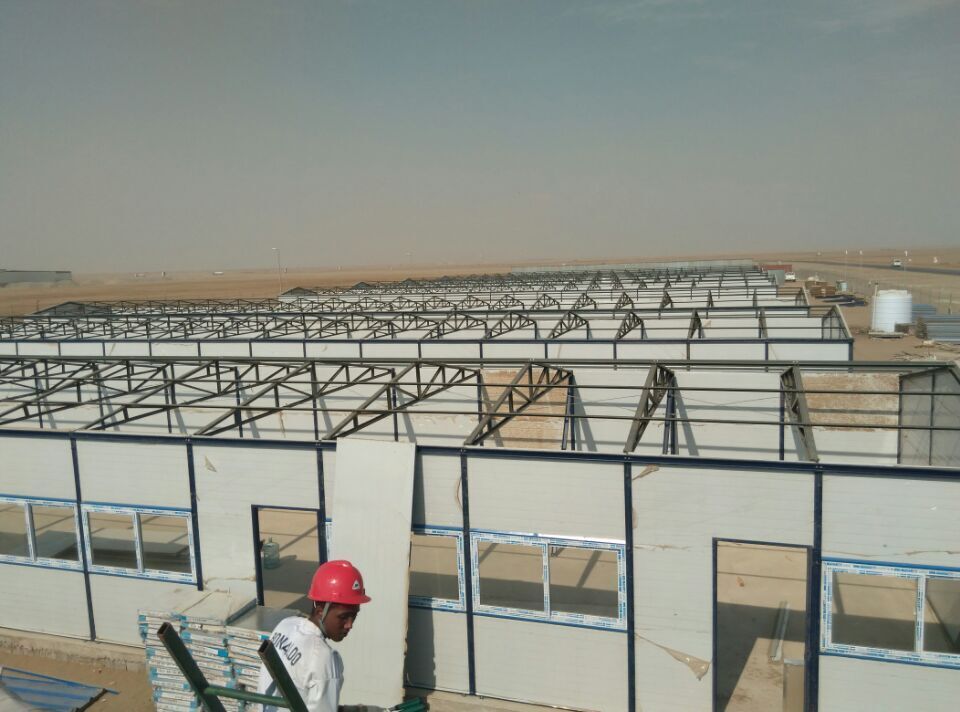
1. The Evolution of Modern Mobile Construction: From Temporary Shelters to Permanent Solutions
1.1 Historical Context and Paradigm Shifts
Mobile construction traces its origins to the mid-20th century, when early iterations—such as prefabricated metal cabins and wooden mobile homes—were primarily used as temporary shelters for construction workers, military personnel, and disaster survivors. These early structures prioritized portability and cost-effectiveness over durability, comfort, and sustainability, limiting their application to short-term use cases. Characterized by simplistic designs, heavyweight components, and cumbersome assembly processes, they were often dismissed as “low-quality” alternatives to traditional buildings, confined to niche markets.
The first significant paradigm shift came in the late 20th century, driven by advancements in lightweight materials and factory automation. The introduction of cold-formed steel framing and composite panels reduced structural weight while enhancing durability, making transportation and on-site assembly more efficient. This era also saw the transition from single-component prefabrication to modular integration, where entire room units were manufactured in factories with pre-installed utilities, cutting on-site construction time by half. However, these improvements still fell short of addressing sustainability concerns and design inflexibility, leaving room for further innovation.
Today, modern mobile construction has entered a new era—dubbed “Mobile Construction 4.0″—fueled by the convergence of digital technology, sustainable materials, and systems thinking. This iteration transcends the temporary-permanent dichotomy, delivering structures that combine the portability of traditional mobile buildings with the performance, aesthetics, and longevity of conventional construction. Enabled by modular integrated construction (MiC), digital twins, and circular economy principles, modern mobile construction is no longer a niche solution but a mainstream alternative that promises to revolutionize how buildings are designed, manufactured, deployed, and repurposed.
1.2 Key Drivers of Evolution
The rapid evolution of modern mobile construction is driven by a confluence of global trends that demand more efficient, sustainable, and adaptable building solutions. Urbanization stands as a primary catalyst: with 68% of the world’s population projected to reside in cities by 2050, urban areas face acute shortages of affordable housing, flexible workspaces, and public infrastructure. Modern mobile construction addresses these gaps by enabling rapid deployment of high-density, space-efficient structures that can be reconfigured as urban needs evolve.
Environmental imperatives are another critical driver. The construction industry accounts for 39% of global greenhouse gas emissions, with traditional methods generating 15-20% material waste. Modern mobile construction, with its factory-controlled production, reduces waste to less than 5% and cuts carbon emissions by 35-50% compared to cast-in-place methods. Innovations such as low-carbon materials and renewable energy integration further align mobile structures with global net-zero goals, making them a cornerstone of sustainable construction strategies.
Labor shortages also propel the adoption of mobile construction. The global construction industry is projected to face a deficit of 10 million workers by 2030, driven by aging workforces and declining interest in manual labor. Modern mobile construction minimizes reliance on skilled on-site labor through prefabrication and simplified assembly processes, with some modular systems requiring 60% fewer workers than traditional construction. This labor efficiency not only accelerates project timelines but also reduces costs and mitigates delays.
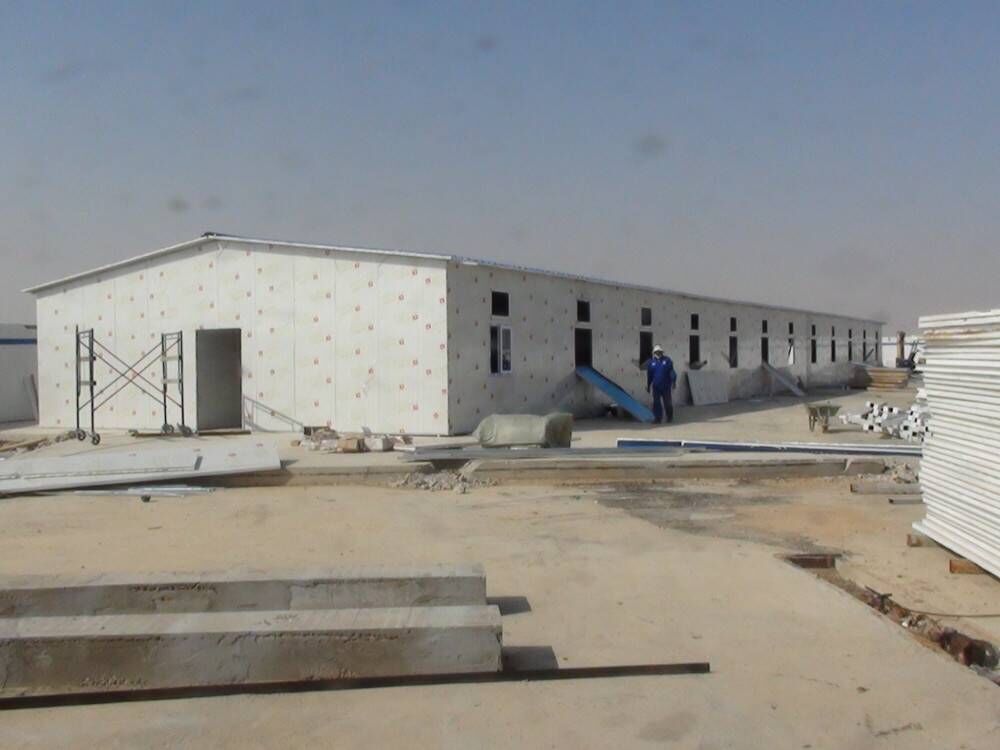
2. Core Technological Innovations Shaping the Future of Mobile Construction
2.1 Advanced Material Science: Low-Carbon and High-Performance
Material innovation lies at the heart of modern mobile construction’s transformation, with researchers and manufacturers developing solutions that balance sustainability, strength, and portability. A breakthrough in this field is the development of “cardboard-confined rammed earth” by scientists at RMIT University—a low-carbon material composed of cardboard, soil, and water. This innovative composite eliminates the need for cement, reducing its carbon footprint to a quarter of that of concrete and cutting costs by more than two-thirds. The material leverages the plasticity of cardboard and the stability of rammed earth, enabling on-site construction with locally sourced soil and lightweight cardboard molds, which drastically reduces transportation emissions and logistics costs.
Complementary advancements include carbon fiber-reinforced rammed earth, which achieves strength comparable to high-performance concrete while retaining eco-friendly properties. For modular structures, manufacturers are increasingly adopting bio-based composites, such as cement-based plant fiber panels that incorporate 30% agricultural waste (e.g., straw and rice husks). These materials eliminate formaldehyde-containing adhesives, reduce agricultural waste pollution, and enhance thermal insulation, addressing both environmental and performance needs.
Lightweight high-strength metals also continue to evolve, with advanced galvanized and aluminum-zinc coated steel framing offering 70% weight reduction compared to concrete while ensuring a service life of over 90 years. These materials are paired with high-efficiency insulation systems, such as glass wool and composite panels, creating building envelopes that deliver thermal performance equivalent to traditional thick-walled structures with a fraction of the weight—critical for mobile construction’s portability and deployment flexibility.
2.2 Digital Transformation and Smart Integration
Digital technology is redefining every stage of the modern mobile construction lifecycle, from design to deconstruction. Building Information Modeling (BIM) has evolved beyond 3D visualization to become a full-lifecycle management tool, enabling the creation of digital twins that integrate structural, mechanical, electrical, and plumbing systems. These digital twins allow for precise simulation, clash detection, and performance optimization before production begins, reducing design errors by up to 80% and ensuring seamless modular integration.
Artificial Intelligence (AI) and machine learning are further enhancing efficiency in factory production. AI-powered algorithms optimize material cutting patterns to minimize waste, predict maintenance needs for production lines, and even customize modular designs based on site conditions and user preferences. On the deployment side, IoT (Internet of Things) sensors embedded in mobile modules enable real-time monitoring of structural health, indoor air quality, energy usage, and humidity. These sensors connect to centralized control systems, allowing remote management of building operations and predictive maintenance—extending the lifespan of mobile structures and reducing operational costs.
Another transformative digital trend is the integration of precision robotics in both factory production and on-site assembly. Automated robotic arms handle repetitive tasks such as welding, panel cutting, and component assembly with unmatched accuracy, increasing production efficiency by 30% and ensuring consistent quality. On-site, drone-assisted module placement and robotic joining systems further reduce labor requirements, enabling a small team to assemble a 200-square-meter mobile building in less than 48 hours.
2.3 Modular Integrated Construction (MiC) and Adaptive Design
Modular Integrated Construction (MiC) has emerged as the core framework for modern mobile construction, representing a shift from component prefabrication to complete space unit integration. Under MiC, entire building modules—including walls, floors, ceilings, utilities, and interior finishes—are manufactured as self-contained units in factories. These modules feature universal interlocking systems, such as snap-fit joints and hidden bolt connections, that enable rapid on-site assembly without specialized tools.
A defining feature of future MiC systems is adaptive design, which embraces the “limited modules, infinite configurations” concept. Standardized modules (ranging from 10㎡ to 50㎡) can be horizontally expanded, vertically stacked, or reconfigured to create diverse structures—from single-story emergency shelters to multi-story residential complexes and commercial buildings. This adaptability extends the lifespan of mobile structures, as modules can be disassembled, relocated, and repurposed for new uses, aligning with circular economy principles and reducing the need for demolition and reconstruction.
Advanced MiC designs also incorporate “plug-and-play” utility systems, allowing modules to seamlessly connect to local energy grids, water supplies, or off-grid renewable energy sources. For remote locations, this means mobile structures can be equipped with solar panels, wind turbines, and rainwater harvesting systems, enabling self-sufficient operation with minimal environmental impact.

3. Emerging Trends Reshaping the Future of Modern Mobile Construction
3.1 Net-Zero Energy and Carbon-Neutral Operations
The future of modern mobile construction is inherently tied to sustainability, with net-zero energy operation becoming a standard rather than a premium feature. Advances in insulation materials, airtight building envelopes, and smart energy management systems enable mobile structures to minimize energy consumption, while integration with renewable energy sources—such as rooftop solar photovoltaic panels, solar skin facades, and air-source heat pumps—allows them to generate as much energy as they consume.
Carbon neutrality extends beyond operational energy to embodied carbon—the emissions associated with material production and transportation. Low-carbon materials like cardboard-confined rammed earth and bio-based composites are reducing embodied carbon, while circular design principles ensure that modules can be recycled or repurposed at the end of their lifespan. Life-cycle assessment (LCA) tools are increasingly integrated into the design process, enabling manufacturers to quantify and minimize the carbon footprint of every mobile structure.
Innovations such as hydrogen fuel cells and advanced battery storage systems are further enhancing the sustainability of off-grid mobile structures. These technologies provide reliable power for remote applications, from disaster relief camps to rural eco-resorts, eliminating reliance on fossil fuels and reducing greenhouse gas emissions.
3.2 Urban Mobility and Adaptive Infrastructure
As cities become more dense and dynamic, modern mobile construction is evolving to meet the demand for adaptive urban infrastructure. Mobile modules are increasingly being used as “urban cells”—flexible spaces that can be rapidly deployed to address temporary or evolving needs, such as pop-up retail stores, co-working spaces, community centers, and emergency medical facilities. These structures can be relocated as urban needs shift, reducing the environmental impact of permanent construction and enhancing urban resilience.
In urban renewal projects, mobile construction offers a solution to the challenge of preserving historical heritage while meeting modern needs. For example, modular mobile units can be integrated into historic districts to provide additional housing or commercial space without altering the existing urban fabric. This approach was successfully implemented in Beijing’s old city renovation, where MiC modules were used to “rebuild in place,” preserving cultural heritage while improving living conditions.
Micro-mobility integration is another emerging trend, with mobile structures designed to accommodate electric vehicle charging stations, bike-sharing facilities, and other urban mobility services. These multi-functional mobile units serve as hubs for sustainable transportation, supporting the transition to greener cities.
3.3 Human-Centric Design and Wellness Integration
The future of modern mobile construction prioritizes occupant well-being, moving beyond basic functionality to create spaces that enhance physical and mental health. This shift is driven by growing awareness of the link between built environments and human health, as well as evolving green building standards that prioritize indoor air quality, natural light, and acoustic comfort.
Low-VOC (volatile organic compound) materials, including paints, finishes, and adhesives, are standard in modern mobile structures, ensuring superior indoor air quality and reducing health risks associated with off-gassing. Natural light optimization is achieved through large, energy-efficient windows and skylights, while advanced acoustic insulation—enabled by glass wool and composite materials—reduces external noise infiltration by 40-50 dB, creating peaceful indoor environments even in busy urban areas.
Biophilic design elements are also being integrated into mobile structures, with living green walls, indoor plants, and natural material finishes that connect occupants to nature. These features reduce stress, improve cognitive function, and enhance overall well-being, making mobile structures suitable for long-term residential and commercial use.
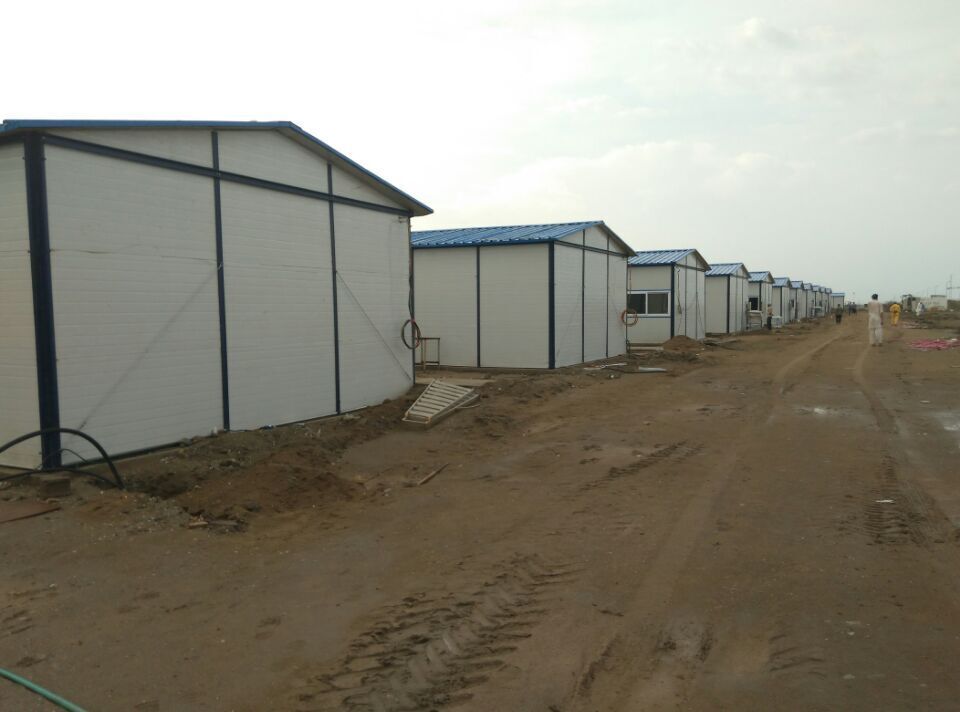
4. Application Scenarios: Where Modern Mobile Construction is Transforming the Future
4.1 Emergency Response and Humanitarian Aid
Modern mobile construction is a game-changer in emergency response, where rapid deployment and durability are critical. In post-disaster areas, mobile modules can be manufactured, transported, and assembled within 48-72 hours, providing safe shelter, medical clinics, and command centers for displaced populations. These structures are designed to withstand extreme weather conditions—including hurricanes, earthquakes, and floods—ensuring they remain functional in crisis situations.
A key advantage of mobile emergency structures is their repurposability. After immediate disaster relief needs are met, modules can be converted into schools, community centers, or permanent housing, supporting long-term recovery. For example, following a moderate earthquake in Sichuan Province, China, 200 mobile modules were deployed as emergency shelters and later repurposed as temporary schools, providing continuity for affected communities.
Humanitarian organizations also benefit from the portability of modern mobile structures, which can be transported by truck, ship, or aircraft to remote regions with limited infrastructure. These modules are equipped with solar-powered lighting, ventilation systems, and basic medical equipment, enabling healthcare workers to deliver essential services in challenging conditions.
4.2 Residential Construction: Affordable and Sustainable Housing
Modern mobile construction is addressing the global affordable housing crisis by delivering cost-effective, sustainable homes at scale. In urban areas, modular mobile units are used to construct high-density affordable housing complexes, reducing construction time by 50% and costs by 25% compared to traditional methods. These units feature flexible layouts that can adapt to family size and lifestyle changes, enhancing their long-term value.
In rural and suburban areas, mobile homes are evolving into luxury eco-residences, integrating renewable energy systems, high-end finishes, and biophilic design elements. These structures offer the perfect balance of sustainability, comfort, and portability, allowing homeowners to relocate without abandoning their investment. For example, a luxury eco-resort in Southeast Asia used mobile modules to construct beachfront villas, completing the project in 12 weeks with minimal environmental impact.
Multi-generational housing is another growing application, with mobile modules designed to accommodate extended families while maintaining privacy. These adaptive structures can be expanded or reconfigured as family needs change, reducing the need for separate residences and strengthening family bonds.
4.3 Commercial and Industrial Applications
The commercial sector is increasingly adopting modern mobile construction for its speed, flexibility, and cost efficiency. Retailers use mobile pop-up stores to test new markets, capitalize on seasonal demand, or participate in events, with modules that can be quickly assembled, customized, and relocated. These pop-up structures offer the same aesthetic appeal and functionality as permanent stores but with significantly lower upfront costs and greater flexibility.
Industrial applications include mobile warehouses, workshops, and logistics hubs, which can be deployed near manufacturing facilities or shipping ports to optimize supply chains. These structures are designed to withstand heavy loads, accommodate industrial equipment, and integrate with smart inventory management systems. For example, a major logistics company in Europe used mobile modules to construct a temporary warehouse near a new distribution center, reducing construction time by 70% and enabling faster operational launch.
Office spaces are also being transformed by mobile construction, with modular units that can be reconfigured to support open-plan layouts, private offices, or collaborative workspaces. These adaptive offices respond to changing work trends, such as remote and hybrid work, allowing companies to adjust their space needs without costly renovations.
4.4 Public Infrastructure and Municipal Projects
Municipalities are embracing modern mobile construction to deliver public infrastructure quickly and sustainably. Mobile structures are used to construct public toilets, park pavilions, community centers, and bus shelters, minimizing disruption to public spaces and reducing construction costs. For example, a smart garbage station in Changsha, China, was completed in just 7 days using prefabricated mobile modules, featuring dry construction methods that generated zero waste and minimal noise.
Schools and healthcare facilities in underserved areas benefit from mobile construction’s rapid deployment, enabling quick expansion to meet growing demand. A primary school in rural Africa used mobile modules to construct 10 classrooms and a cafeteria in 3 weeks, providing safe, comfortable learning spaces for 500 students. Healthcare clinics built with mobile modules include pre-installed medical equipment and sterile environments, enabling the delivery of quality care in remote regions.
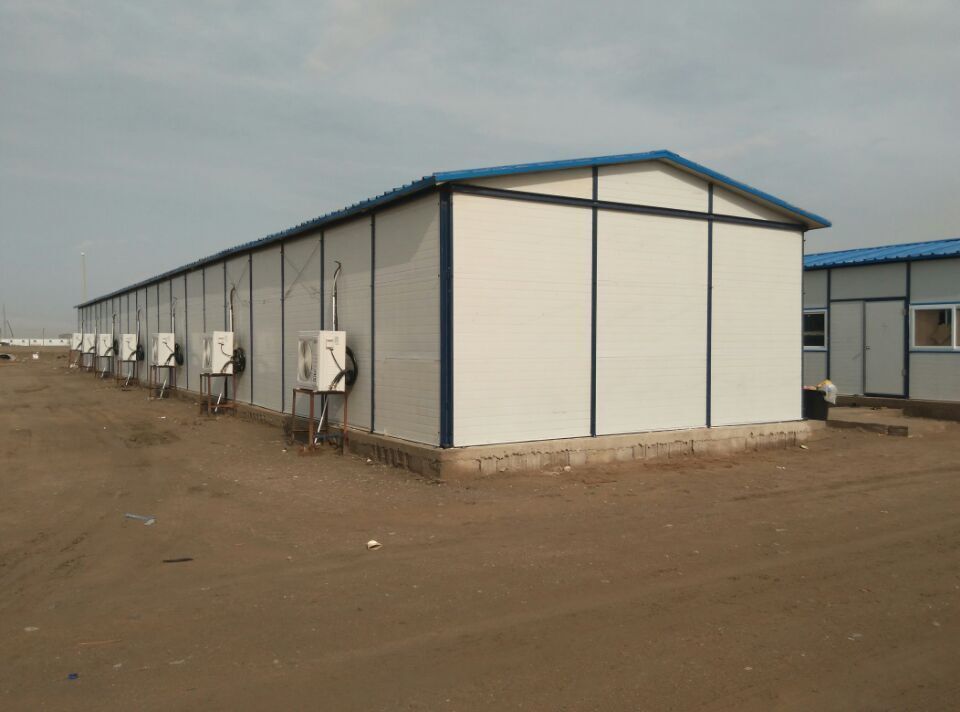
5. Case Studies: Pioneering Projects Shaping the Future
5.1 Cardboard-Confined Rammed Earth Emergency Shelters, Australia
Researchers at RMIT University partnered with humanitarian organizations to pilot emergency shelters using cardboard-confined rammed earth in rural Australia. The project aimed to address the limitations of traditional emergency shelters—high cost, environmental impact, and poor durability—by leveraging locally sourced materials and low-carbon construction methods. The shelters used a combination of recycled cardboard molds, local soil, and water, with no cement required, reducing the carbon footprint by 75% compared to conventional steel shelters.
Each 15-square-meter shelter was assembled by a team of 2 workers in 2 days, with cardboard molds providing structural support during construction and serving as additional insulation once completed. The shelters featured solar-powered lighting and ventilation systems, enabling off-grid operation, and could withstand wind speeds of up to 100 km/h. Post-pilot evaluations showed that the shelters were more durable than traditional temporary structures, with a projected service life of 10+ years, and were well-received by occupants for their thermal comfort and natural aesthetics.
This project demonstrates the potential of low-carbon materials in modern mobile construction, offering a scalable, sustainable solution for emergency housing that reduces reliance on imported materials and minimizes environmental impact.
5.2 Adaptive Urban Housing Complex, Beijing
As part of Beijing’s old city renovation initiative, China State Construction Hailong Technology Co., Ltd. developed an adaptive urban housing complex using modular mobile construction. The project aimed to preserve the historical character of the district while addressing housing shortages and improving living conditions for residents. The complex integrated MiC modules with traditional architectural elements, such as courtyard layouts and wooden finishes, creating a seamless blend of old and new.
The modules were manufactured in a factory with pre-installed utilities, low-VOC finishes, and energy-efficient insulation systems. On-site assembly took just 4 months, compared to 12 months for traditional renovation methods, minimizing disruption to the surrounding community. The complex features flexible layouts that can be reconfigured for single-person, couple, or multi-generational households, with modules that can be expanded vertically or horizontally as needed.
Key outcomes included a 30% reduction in construction waste, 40% lower energy consumption compared to traditional homes, and high resident satisfaction. The project has become a model for urban renewal, demonstrating how modern mobile construction can balance historical preservation, sustainability, and affordability.
5.3 Off-Grid Eco-Resort, Southeast Asia
A luxury eco-resort in Thailand partnered with a leading mobile construction manufacturer to develop 30 off-grid beachfront villas using modern mobile modules. The project aimed to create a sustainable tourism destination that minimized environmental impact while delivering high-end comfort for guests. The villas integrated cardboard-confined rammed earth walls, solar photovoltaic panels, rainwater harvesting systems, and composting toilets, enabling net-zero energy and water operation.
The modules were manufactured in a nearby factory and transported to the remote island site by ship, reducing transportation emissions through lightweight design. On-site assembly took 12 weeks, with a small team of workers using interlocking systems to connect modules without heavy machinery. Each villa featured a private courtyard, outdoor shower, and large windows to maximize natural light and ventilation, with biophilic design elements such as living green walls and natural wood finishes.
The resort opened 6 months ahead of schedule, generating early revenue for the developer, and has since been certified as a LEED Platinum facility. Guests praised the villas for their sustainability, comfort, and integration with the natural environment, demonstrating that modern mobile construction can deliver high-end, eco-friendly hospitality solutions.

6. Market Trends, Challenges, and Opportunities
6.1 Global Market Growth and Drivers
The global modern mobile construction market is poised for explosive growth, driven by urbanization, sustainability mandates, and labor shortages. According to industry reports, the global modular construction market—of which mobile construction is a key segment—is projected to grow at a CAGR of 6.2% through 2030, reaching a value of $18 trillion by the end of the decade. Key growth drivers include government policies promoting prefabricated and green construction, such as China’s 14th Five-Year Plan target of 30% prefabricated buildings by 2025 and the EU’s Green Deal mandate of 55% carbon reductions in construction by 2030.
Emerging markets in Asia-Pacific, Africa, and Latin America are expected to be the fastest-growing regions, as rapid urbanization and infrastructure development create massive demand for rapid, affordable building solutions. In these regions, mobile construction addresses critical gaps in housing, healthcare, and education infrastructure, enabling governments to deliver essential services quickly and cost-effectively.
The rise of remote work and digital nomadism is another emerging market driver, with demand for portable, high-quality living and working spaces increasing globally. Modern mobile structures offer the perfect solution, providing flexibility to relocate while maintaining comfort and connectivity.
6.2 Key Challenges
Despite strong growth prospects, the modern mobile construction market faces several significant challenges. Regulatory barriers, including inconsistent building codes and standards for modular and mobile structures across regions, can create delays and increase compliance costs. In many countries, traditional construction methods are deeply entrenched, and building codes have not been updated to reflect the capabilities of modern mobile systems, limiting their adoption in permanent applications.
Consumer perception remains a barrier, with some still viewing mobile structures as temporary or low-quality. Overcoming this perception requires education and successful case studies that demonstrate the durability, sustainability, and design flexibility of modern mobile construction. High upfront investment in factory infrastructure and digital technology can also deter small and medium-sized manufacturers, limiting market competition and innovation.
Supply chain vulnerabilities, including shortages of specialized materials and components, can disrupt production and deployment. This challenge is particularly acute for low-carbon materials, which are still in the early stages of commercialization and may not be widely available in all regions.
6.3 Strategic Opportunities
These challenges present significant opportunities for innovation, collaboration, and market expansion. Manufacturers can partner with governments and industry organizations to develop standardized building codes and certifications for modern mobile structures, ensuring compliance and building trust with consumers and regulators. For example, industry leaders are working with the International Code Council (ICC) to update global building standards to include modular and mobile construction.
Investment in research and development (R&D) is critical to advancing low-carbon materials and digital technologies, making modern mobile construction more accessible and affordable. Partnerships between academia and industry, such as the RMIT University project on cardboard-confined rammed earth, can accelerate innovation and bring new materials to market.
Expanding into emerging markets offers substantial growth potential, as these regions prioritize rapid infrastructure development and sustainability. Manufacturers can tailor mobile solutions to local needs, leveraging locally sourced materials to reduce costs and environmental impact. Additionally, partnering with humanitarian organizations and governments to deliver emergency housing and public infrastructure can build brand recognition and create long-term market opportunities.
7. Conclusion
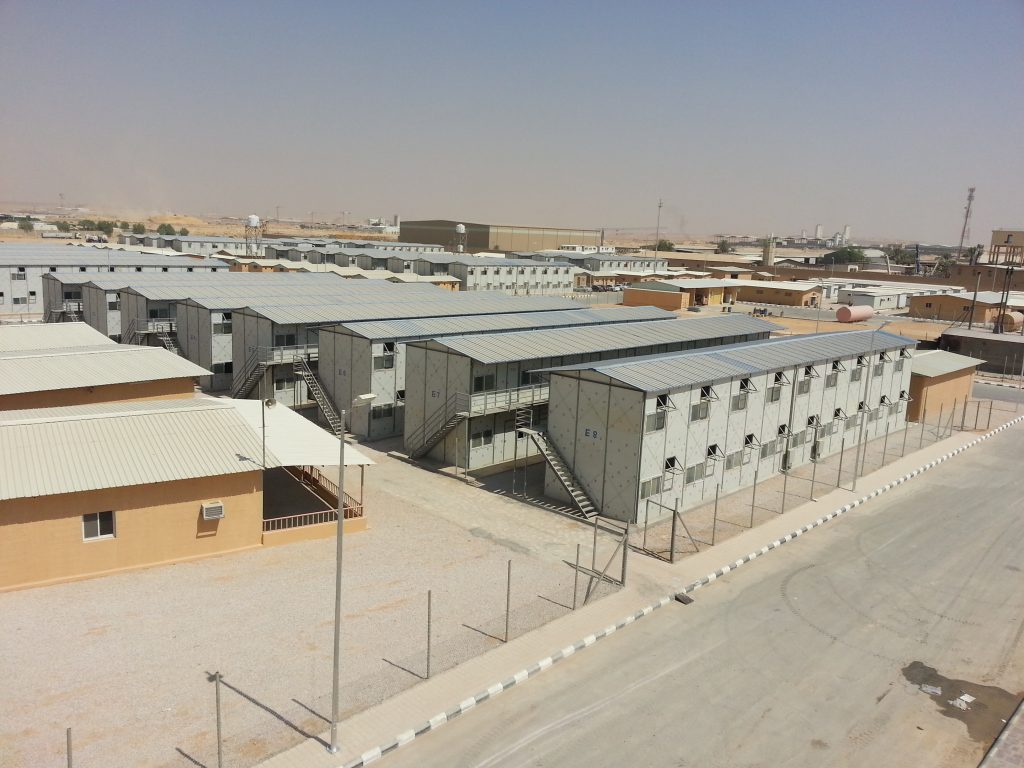
Modern mobile construction is not just a technological innovation—it is a paradigm shift that is redefining the future of rapid building. From its humble origins as temporary shelters to today’s high-performance, sustainable, and adaptive structures, mobile construction has evolved to address the most pressing challenges facing the global construction industry: inefficiency, environmental impact, labor shortages, and unmet housing and infrastructure needs. By integrating advanced low-carbon materials, digital technology, modular design, and human-centric principles, modern mobile construction is delivering solutions that are faster to deploy, more sustainable, and more adaptable than traditional building methods.
The future of modern mobile construction is characterized by net-zero energy operation, adaptive urban integration, and a focus on occupant well-being. Innovations such as cardboard-confined rammed earth, AI-powered manufacturing, and IoT-enabled smart modules are pushing the boundaries of what is possible, while real-world case studies demonstrate that mobile structures can compete with traditional buildings in terms of durability, aesthetics, and functionality. As governments, developers, and consumers increasingly prioritize sustainability and flexibility, modern mobile construction will play an increasingly central role in shaping the built environment.
While challenges remain—including regulatory barriers, consumer perception, and supply chain vulnerabilities—the opportunities for growth and impact are immense. By fostering collaboration between industry, academia, and governments, investing in R&D, and expanding into emerging markets, modern mobile construction can realize its potential as a transformative force for sustainable, resilient, and inclusive development. The future of rapid building is mobile, modular, and sustainable—and it is already here.
In the decades ahead, modern mobile construction will not just be an alternative to traditional building—it will be the standard. It will build disaster-resilient communities, deliver affordable housing to millions, create flexible urban spaces, and support the transition to a carbon-neutral world. As we embrace this future, we are not just building structures—we are building a more efficient, sustainable, and adaptable world for generations to come.
Related news
-
Revolutionize Your Project with Easy Install Sandwich Panel Building
2026-01-06 14:30:21
-
Lida Group Introduces Next-Generation Modern Mobile Construction
2026-01-06 13:51:21
-
Innovative Prefab House Features Easy Install Sandwich Panel System
2026-01-06 13:34:03
contact us
- Tel: +86-532-88966982
- Whatsapp: +86-13793209022
- E-mail: sales@lidajituan.com
