



The Future of Housing: Modern Mobile Container Living
2025-Dec-30 14:24:34
By Admin
As urbanization accelerates, housing affordability crises persist, and climate change demands sustainable solutions, the global housing landscape is undergoing a profound transformation. Traditional brick-and-mortar construction—plagued by long timelines, high costs, and excessive waste—can no longer keep pace with evolving human needs. In this context, modern mobile container living has emerged as a revolutionary alternative, redefining the future of housing with its unmatched flexibility, sustainability, and innovation. Born from repurposed shipping containers—an estimated 17 million of which lie idle worldwide—this housing model has evolved far beyond temporary shelters, blending industrial heritage with cutting-edge design, smart technology, and eco-conscious engineering. From 10-minute foldable homes to luxury eco-villas and disaster-relief modules, mobile container living is reshaping how we live, work, and connect with our environments. This article explores the current state, technological breakthroughs, diverse applications, and future trajectories of modern mobile container living, revealing why it is poised to become a cornerstone of tomorrow’s housing ecosystem.
The global mobile container housing market is experiencing robust growth, driven by rising demand for agile, low-carbon housing solutions. According to market research, the global container mobile home market was valued at USD 1.528 billion in 2024 and is projected to reach USD 2.555 billion by 2031, with a compound annual growth rate (CAGR) of 7.3% . This expansion is fueled by diverse sectors, including residential living, tourism, humanitarian aid, and commercial spaces, as governments, developers, and individuals increasingly recognize the value of container-based housing. What distinguishes modern mobile container living from early conversions is its seamless integration of mobility, comfort, and sustainability—addressing the limitations of traditional housing while unlocking new possibilities for flexible lifestyles. As cities become more densely populated and remote work becomes normalized, the ability to relocate, reconfigure, and adapt living spaces has never been more critical, making mobile container living a timely and transformative solution.
Technological Innovations: Redefining Mobility and Comfort
The future of mobile container living is driven by technological breakthroughs that enhance mobility, comfort, and functionality. Modern engineering and design have addressed the historical drawbacks of container housing—such as poor insulation, limited space, and utilitarian aesthetics—elevating it to a viable, luxurious alternative to traditional homes. Key innovations span modular design, material science, smart integration, and construction efficiency, creating a new standard for mobile living.
Foldable and Expandable Modular Systems
A game-changing innovation in mobile container design is the development of foldable and expandable modules, which maximize space while minimizing transportation costs and storage requirements. The Ten Fold, a modular housing system developed by UK-based Ten Fold Engineering, exemplifies this advancement: it can automatically unfold from a truck-sized unit to a fully functional home three times its original size in less than 10 minutes . Powered by mechanical levers and folding springs, the system requires no specialized tools or construction expertise—users need only a small wrench to assemble or disassemble the unit. This mobility enables seamless relocation: when moving, all interior fixtures and utilities (including plumbing, electrical, and furniture) fold into the compact frame, eliminating the need for disassembly and reinstallation of essential systems.
The Ten Fold system’s versatility extends beyond residential use. Its modular design allows multiple units to be combined into larger structures, such as villas, hotels, classrooms, or even mobile hospitals . Equipped with integrated solar panels, water storage, and purification systems, it can operate off-grid, making it ideal for remote areas, disaster zones, or eco-tourism sites. Priced starting at £100,000 (approximately USD 120,000), it offers a cost-effective alternative to traditional housing while delivering unmatched mobility—a value proposition that has garnered interest from global aid organizations and private buyers alike.
Advanced Material Science for Comfort and Sustainability
Modern mobile container homes leverage innovative materials to address thermal efficiency, structural durability, and environmental impact—critical factors for long-term livability. Traditional steel containers suffer from poor insulation and heat conduction, but new material solutions have transformed their performance. For example, a sustainable container home in Australia, designed by Modhouse architects Amy Plank and Richard Vaughan, uses three layers of insulation between the container walls and exterior cladding, plus additional insulation in floors and ceilings, achieving a 7.1-star energy rating . This thermal efficiency ensures year-round comfort in extreme climates, from scorching summers to cool winters, without excessive energy consumption.
Sustainable materials are also central to modern container design. Recycled steel remains the primary structural material, reducing carbon emissions by 60%-83% compared to virgin steel . Innovations in lightweight concrete, such as mixes incorporating crushed red bricks as aggregates, further enhance sustainability while reducing structural weight by up to 15% . These materials maintain sufficient compressive strength (up to 36 MPa) for structural use, making them ideal for mobile units where weight affects mobility and transportation costs . Interior finishes increasingly use eco-friendly materials like FSC-certified plywood, zero-formaldehyde cabinetry, and natural sealants, creating healthy, non-toxic living environments .
For exterior durability, nanoceramic coatings have replaced traditional paint, extending rust resistance and maintenance intervals to 10 years . This advancement is particularly valuable for mobile homes, which are frequently exposed to varying weather conditions during transportation and relocation. Combined with weatherproofing systems and adaptive cladding, these materials ensure that container homes are no longer temporary structures but long-term, durable residences.
Smart Technology Integration
The future of mobile container living is inherently smart, with integrated technologies enhancing comfort, efficiency, and connectivity. Modern units incorporate IoT sensors, automated systems, and renewable energy solutions to create self-sustaining, user-friendly spaces. For example, a luxury container guesthouse in a Chinese valley features an adaptive climate system that combines solar films on exterior walls with ground-source heat pumps, maintaining constant temperature and humidity year-round . Smart lighting and sound systems adjust to natural conditions and user preferences, while modular furniture—including foldable beds, hidden storage, and convertible workspaces—maximizes space efficiency.
Renewable energy integration is a cornerstone of smart container design. Solar panels, often integrated into floating secondary roofs, generate electricity for daily use, with surplus power stored in lithium-ion batteries or fed back into the grid . Rainwater collection systems, paired with purification technology, provide potable water for remote or off-grid locations . These systems not only reduce reliance on traditional utilities but also lower operational costs, making mobile container living economically viable in the long term. For example, the Australian container home mentioned earlier uses solar power and rainwater collection to achieve near-sufficiency, reducing utility bills by over 70% .
Diverse Applications: Beyond Traditional Residential Living
Modern mobile container living is not limited to single-family homes—it has expanded into diverse sectors, adapting to unique needs and environments. From luxury tourism to humanitarian aid, commercial spaces to rural housing, container modules offer flexible, scalable solutions that traditional construction cannot match. These applications demonstrate the versatility of mobile container living and its potential to transform multiple industries.
Eco-Tourism and Luxury Hospitality
The tourism industry has embraced mobile container living as a way to create unique, sustainable accommodations that blend with natural environments. ARTIKUL Architects designed a seasonal mobile hotel in the Czech Republic using three shipping containers, positioned along the Elbe River to serve surf camp guests . The hotel is fully self-sufficient, with solar power, rainwater collection, and composting toilets, and can be disassembled and relocated when the camping season ends. Its design prioritizes connection to nature: all guest rooms feature glazed walls, offering panoramic views of the river and surrounding hills, while a shared terrace enhances social interaction .
Luxury container guesthouse projects push the boundaries of design and comfort. A container民宿 in a Chinese valley, for example, uses two interlocked containers suspended by steel brackets, minimizing environmental impact by reducing ground contact . The interior features a floating living room with a retractable glass dome, a bedroom with electrochromic glass walls (adjusting transparency for privacy), and a bathroom with a glass floor that overlooks the valley below. Exterior vertical greening modules and a rainwater-fed water curtain further integrate the structure with its natural surroundings, creating a “living building” that evolves with the seasons . Such projects prove that mobile container living can deliver luxury experiences while upholding sustainable principles.
Humanitarian Aid and Emergency Response
Mobile container modules are invaluable for humanitarian aid and disaster response, where speed, mobility, and functionality are critical. The Ten Fold system, for instance, can be deployed as emergency shelters, mobile hospitals, or command centers within hours of a disaster . Its off-grid capabilities and rapid assembly make it ideal for areas with damaged infrastructure, providing immediate housing and medical support to displaced populations. During the 2023 Turkey-Syria earthquake, container modules equipped with insulation, heating, and medical facilities were deployed to replace destroyed buildings, offering safe, dignified shelter to survivors.
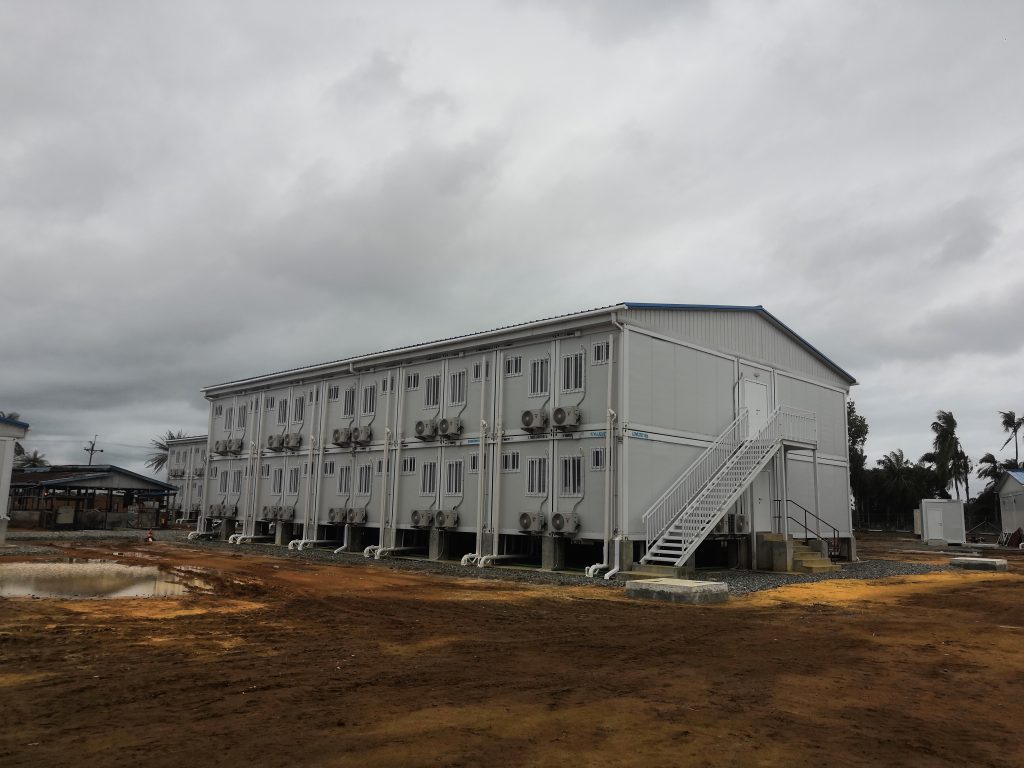
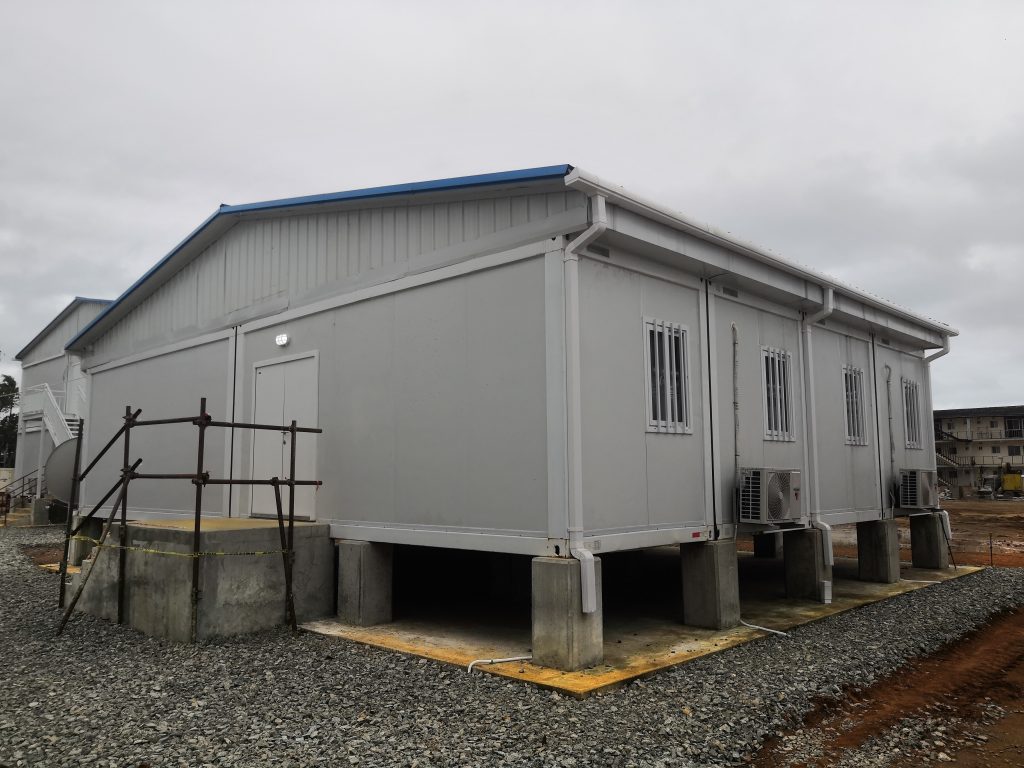
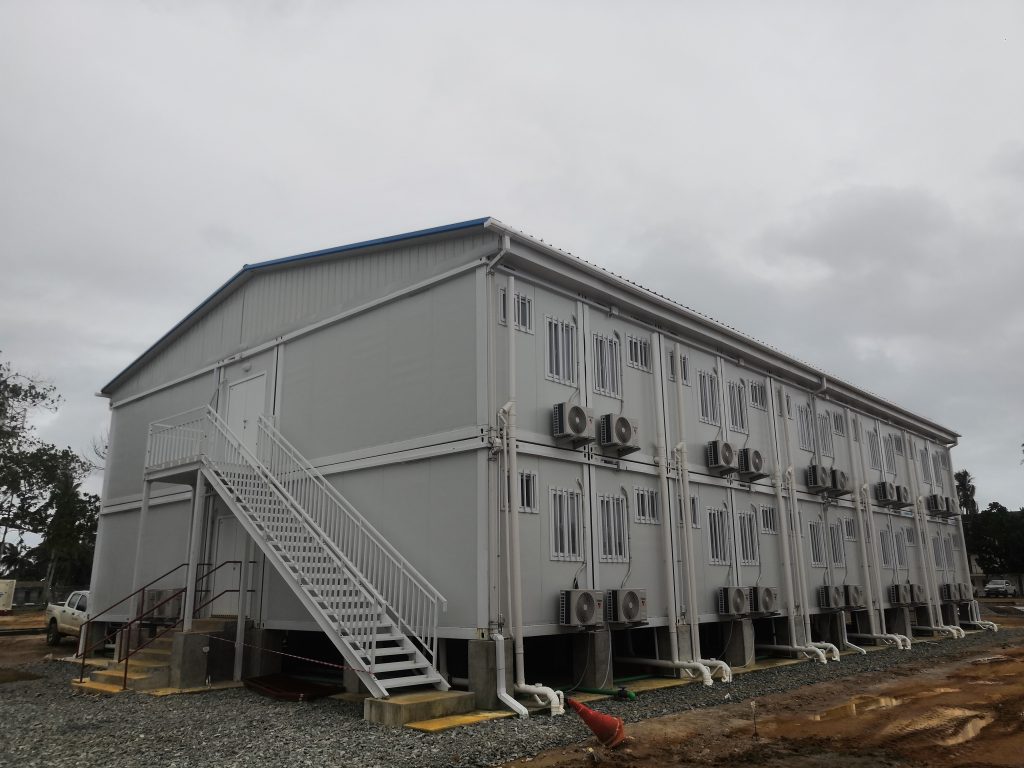
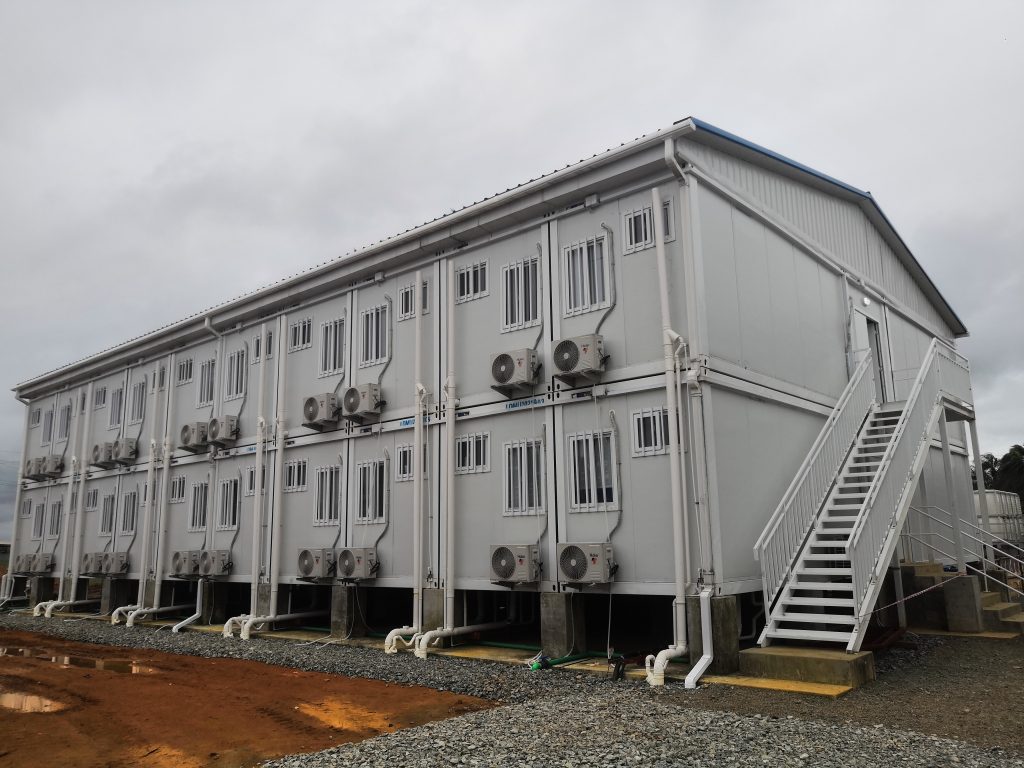
Container modules also address long-term humanitarian needs, such as housing for refugees or displaced communities. Unlike tents, which are temporary and vulnerable to weather, container homes are durable, secure, and customizable. They can be equipped with sanitation systems, solar power, and educational facilities, creating sustainable communities that support recovery and resilience. International organizations like the UN have increasingly adopted container modules for peacekeeping camps and refugee settlements, recognizing their ability to balance mobility with livability.
Commercial and Public Spaces
Businesses and governments are leveraging mobile container living for commercial and public applications, including pop-up shops, offices, classrooms, and community centers. Container modules offer a cost-effective, rapid way to test markets or address temporary space needs. A fashion brand in Shanghai, for example, used a foldable container module to create a pop-up store that could be assembled in 3 days, operated for 3 months, and then relocated to another neighborhood—avoiding long-term leases and construction costs . The module was customized with floor-to-ceiling glass doors, LED lighting, and brand-specific cladding, creating a visually striking retail space that matched the brand’s aesthetic.
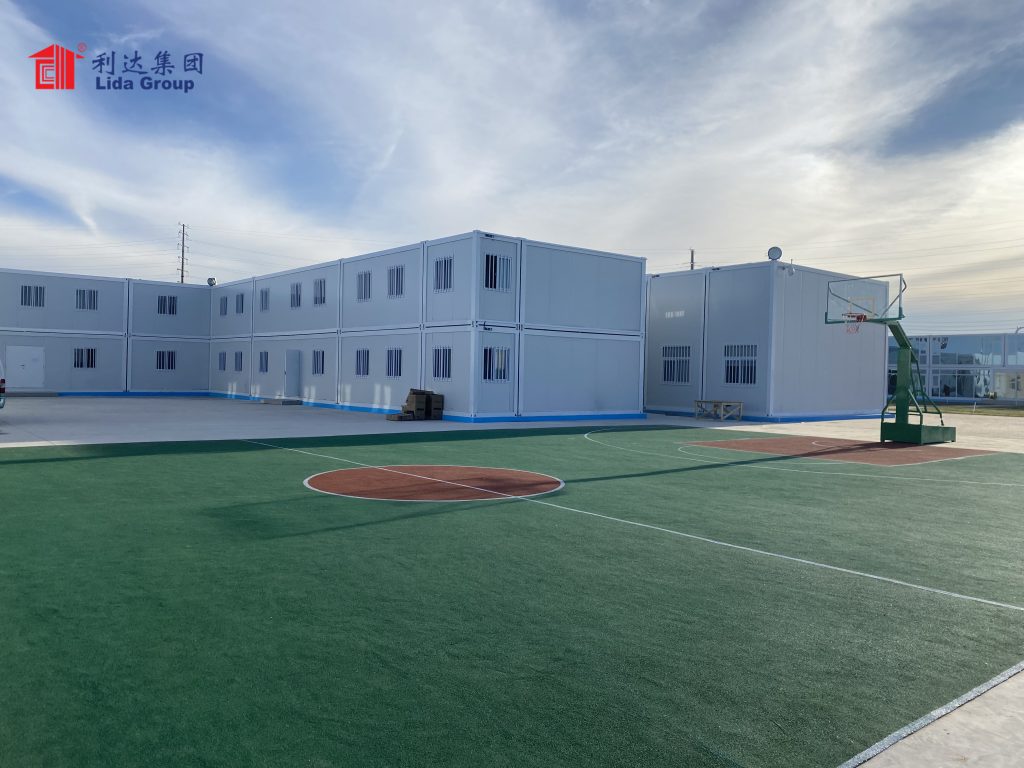
In education, container modules serve as temporary or permanent classrooms, particularly in rural or underserved areas. A school in Nigeria used 12 container modules to build 6 classrooms in 2 weeks, at 40% lower cost than traditional construction . The modules were equipped with soundproofing, large windows, and multimedia systems, providing a high-quality learning environment. Their mobility allows schools to relocate or expand facilities as student populations change, ensuring efficient use of resources.
Sustainability: A Core Pillar of Future Container Living
As the world grapples with climate change, sustainability has become a non-negotiable aspect of future housing—and mobile container living is inherently aligned with this goal. From repurposing waste materials to reducing carbon emissions, container homes offer a circular, low-impact alternative to traditional construction, making them a key component of a sustainable future.
Waste Reduction and Circular Economy
The most obvious sustainability benefit of container housing is the repurposing of idle shipping containers. Each container reused as housing diverts approximately 2,000 kilograms of steel from landfills . With 17 million idle containers worldwide, this represents a massive opportunity to reduce waste and conserve resources. Container homes are also designed for circularity: modules can be disassembled, relocated, and repurposed multiple times, extending their lifespan beyond a single use. For example, a container used as a construction camp dormitory can later be converted into a residential unit or community center, minimizing demolition waste .
The construction process of container homes further reduces waste. Unlike traditional construction, which generates 2-3 kilograms of waste per square meter, container modules are 100% factory-built, with precision manufacturing minimizing material waste . Any waste generated during production is recycled, with steel scrap rates kept below 3%—far lower than the industry average for traditional construction .
Low Carbon Emissions
Container homes have significantly lower carbon footprints than traditional buildings. The use of recycled steel reduces emissions by 60%-83% compared to virgin steel production, which is energy-intensive . Factory construction also reduces transportation emissions, as modules are shipped flat-packed or as complete units, minimizing the number of trips required. For example, flat-packed container modules reduce transportation volume by 80% compared to fully assembled traditional building components .
Operational carbon emissions are also minimized through energy-efficient design and renewable energy integration. Container homes with proper insulation and solar power can achieve net-zero energy use, meaning they generate as much energy as they consume . The Australian container home designed by Plank and Vaughan, for instance, uses solar power and passive cooling to reduce operational emissions to near-zero, while its rainwater collection system reduces reliance on municipal water supplies .
Future Trends: Shaping the Next Era of Container Living
The future of mobile container living is poised for further innovation, driven by advances in technology, policy support, and changing lifestyle preferences. Emerging trends will enhance mobility, sustainability, and integration with smart cities, solidifying container homes as a mainstream housing option.
Autonomous Mobility and Robotics
The next frontier of mobile container living is autonomous mobility. Researchers and engineers are developing self-driving container homes equipped with electric motors and GPS navigation, enabling them to relocate independently . These units could adjust routes based on traffic, weather, or user preferences, making them ideal for digital nomads or those seeking a nomadic lifestyle. Robotic assembly systems are also emerging, with drones and robotic arms capable of assembling container modules in under an hour, eliminating the need for human labor in remote or hazardous areas .
3D Printing and Customization
3D printing technology is set to revolutionize container home design, enabling unprecedented customization and sustainability. 3D-printed molds for container components reduce production time by 50% and material waste by 60%, while 3D-printed interior finishes (such as furniture and wall panels) can be tailored to individual preferences . Future innovations may include 3D-printed concrete exteriors that mimic natural materials like wood or stone, blending container homes with traditional architectural styles. Mycelium-based 3D-printed materials, which are biodegradable and renewable, are also being explored for non-structural components, further enhancing the circularity of container living .
Policy Support and Standardization
For container living to become mainstream, policy support and industry standardization are essential. Currently, regulatory barriers—such as zoning restrictions and building code limitations—hinder widespread adoption in many regions. However, governments are increasingly recognizing the value of container housing: Chile, for example, has integrated container homes into national social housing programs, providing subsidies for low-income families . Industry standards, such as the International Building Code (ICC) G5-2019, which provides guidelines for container-based structures, are also evolving to ensure safety and compliance . As regulations adapt and standardization improves, container homes will become a more accessible option for developers and individuals alike.
Biophilic Design Integration
Future container homes will deepen the integration of biophilic design—connecting residents with nature to enhance well-being. Vertical绿化, green roofs, and indoor gardens will become standard features, improving air quality and reducing stress . Projects like the Rio Perdido Hotel in Costa Rica, where 20 containers are nestled into the rainforest canopy to preserve native trees, exemplify this trend . Biophilic materials, such as wood and natural fibers, will be used to soften the industrial aesthetic of steel containers, creating warm, inviting spaces that balance modernity with nature .
Conclusion
Modern mobile container living represents a paradigm shift in the future of housing—one that prioritizes flexibility, sustainability, and innovation over the rigidity of traditional construction. From 10-minute foldable homes to luxury eco-villas, container-based housing has evolved to meet diverse needs, proving that mobility and comfort are not mutually exclusive. Technological innovations in modular design, material science, and smart integration have addressed historical limitations, transforming container homes from temporary shelters to long-term, durable residences.
The sustainability of container living—rooted in waste reduction, recycled materials, and low carbon emissions—aligns perfectly with global climate goals, making it a critical solution for a more sustainable future. Its versatility across sectors, from tourism to humanitarian aid, further demonstrates its potential to transform how we live, work, and interact with our environments. As autonomous mobility, 3D printing, and policy support advance, container living will become increasingly accessible, moving from a niche alternative to a mainstream housing option.
In the end, the future of housing is not about a single design or material—it is about adaptability and resilience. Modern mobile container living embodies these principles, offering a flexible, sustainable, and innovative way to meet the evolving needs of humanity. As we look ahead, container homes will continue to push the boundaries of what is possible, shaping a future where housing is no longer fixed to a single location but evolves with our lifestyles, our planet, and our aspirations.
Related news
-
Lida Group Sets the Standard for Cost-Effective Prefab Building
2025-12-30 13:45:47
-
Innovative and Portable Modern Mobile Container House Designs
2025-12-30 10:53:49
-
Lida Group Delivers Unmatched Value in Prefab Construction
2025-12-30 09:27:28
contact us
- Tel: +86-532-88966982
- Whatsapp: +86-13793209022
- E-mail: sales@lidajituan.com
