



The Future of Housing is Here: Steel Structure Building
2025-Dec-26 17:49:25
By Admin
Across the globe, the housing industry is undergoing a profound transformation driven by the urgent need for sustainability, safety, efficiency, and adaptability. As urbanization accelerates, climate change intensifies, and demographic demands evolve, traditional construction methods—reliant on brick, concrete, and wood—are struggling to keep pace. In this context, steel structure buildings have emerged as the vanguard of modern housing, blending unparalleled structural performance, technological innovation, and environmental responsibility. The future of housing is no longer a distant concept; it is here, embodied in the strength, versatility, and intelligence of steel structure construction. This article explores how steel structure buildings are redefining residential living, delving into their core advantages, cutting-edge technologies, real-world applications, policy support, sustainability credentials, and future trajectories, providing a comprehensive overview of why steel is shaping the next era of housing.
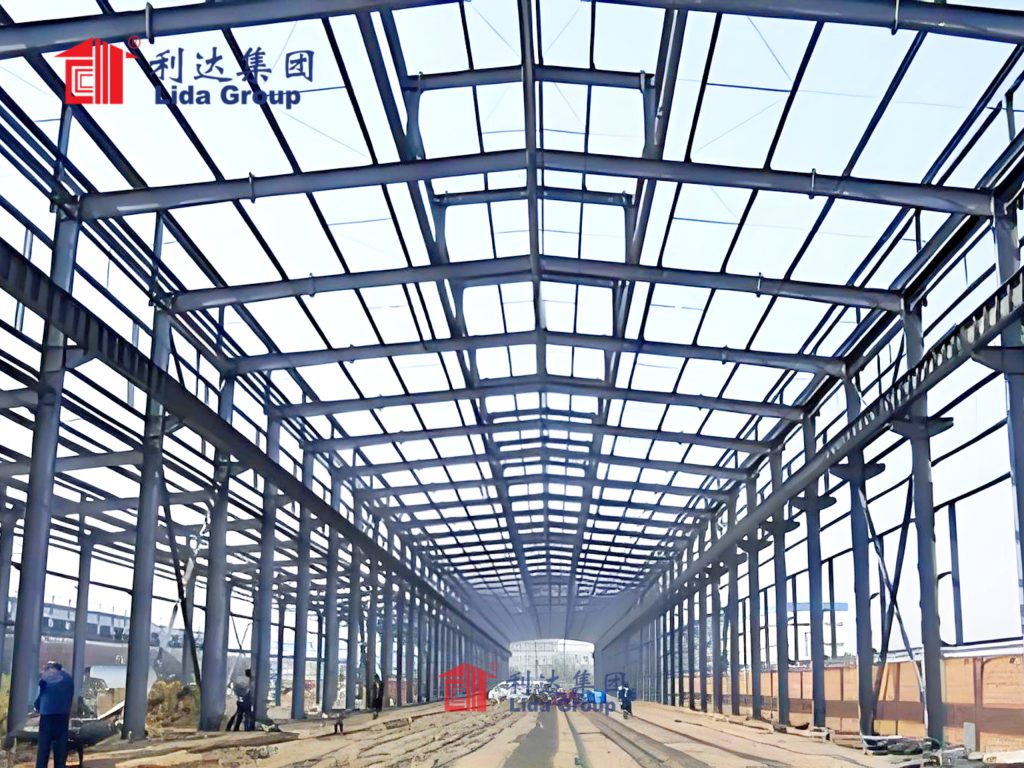
1. The Core Advantages of Steel Structure Housing: Beyond Traditional Construction
Steel structure housing stands out from traditional building methods due to a unique combination of structural, functional, and economic advantages. These benefits address the most pressing limitations of conventional housing—from poor seismic resistance to lengthy construction timelines—and position steel as the ideal material for future-oriented residential development. Unlike brick-concrete structures that are rigid and resource-intensive, or wood-frame homes that are vulnerable to pests and decay, steel structure housing offers a balanced solution that prioritizes safety, efficiency, and longevity.
1.1 Unrivaled Structural Safety and Durability
Safety is the foundation of any housing solution, and steel structure buildings excel in this regard. Steel, as a material, boasts exceptional strength-to-weight ratio, meaning it can support heavy loads while remaining lightweight—reducing overall structural stress and enhancing stability. This inherent strength translates to superior resistance to natural hazards, a critical feature in an era of increasingly frequent extreme weather events. Light steel structure homes, for instance, have been rigorously tested to withstand earthquakes of magnitude 8 or higher without collapsing, far exceeding the performance of traditional砖混 structures, which often fail to meet basic seismic standards in high-risk regions .
Durability is another defining advantage of steel structure housing. Unlike wood, steel is impervious to termite infestations, rot, and fungal growth—eliminating the need for regular pest control and structural repairs. When treated with advanced anti-corrosion technologies such as hot-dip galvanization or epoxy coatings, steel components can resist rust and degradation even in harsh environments, including coastal areas with saltwater exposure and humid tropical regions. Studies show that steel structure buildings have a service life of 70-100 years, compared to 30-50 years for typical砖混 homes, making them a long-term investment that retains value over generations.
1.2 Efficient Construction and Time-Saving Benefits
The prefabricated nature of steel structure housing revolutionizes construction timelines, addressing a major pain point of traditional residential building. Steel components—including studs, joists, panels, and modular units—are precision-manufactured in factory settings, then transported to the site for assembly. This off-site production minimizes on-site work, reduces weather-related delays, and ensures consistent quality control. A typical single-family steel structure home can be fully prefabricated in 30 days, from structural production to interior finishing, and assembled on-site in just 48 hours—enabling “move-in ready” status in a fraction of the time required for砖混 construction, which often takes 6-12 months .
This efficiency translates to tangible economic benefits for homeowners and developers alike. Reduced construction time lowers labor costs, as steel structure projects require only half the workforce of traditional methods— a crucial advantage in regions facing labor shortages, such as rural areas with aging populations. For developers, faster project turnover accelerates return on investment, while homeowners avoid the financial burden of prolonged construction delays and temporary housing expenses.
1.3 Spatial Flexibility and Design Versatility
Steel’s inherent strength enables architectural flexibility that is nearly impossible with traditional materials. Steel frames support larger open spaces, longer spans, and customizable layouts without the need for load-bearing interior walls. This means homeowners can design living spaces that adapt to their unique lifestyles—from open-concept kitchens and living areas to movable partitions that reconfigure rooms as family needs change. Steel structure walls are also thinner (reducing thickness by 15-20% compared to walls, increasing usable floor space by approximately 10%—a significant advantage in compact urban apartments or rural homes requiring multi-functional areas for storage and farm equipment storage .
This versatility extends to aesthetic design, as steel structures can be paired with a wide range of exterior cladding materials—including wood, fiber cement, brick veneer, and metal panels—to achieve diverse architectural styles, from modern minimalist villas to traditional rural dwellings. Whether building a high-rise apartment in a dense city or a single-family home in the countryside, steel structure technology accommodates design creativity without compromising structural integrity.
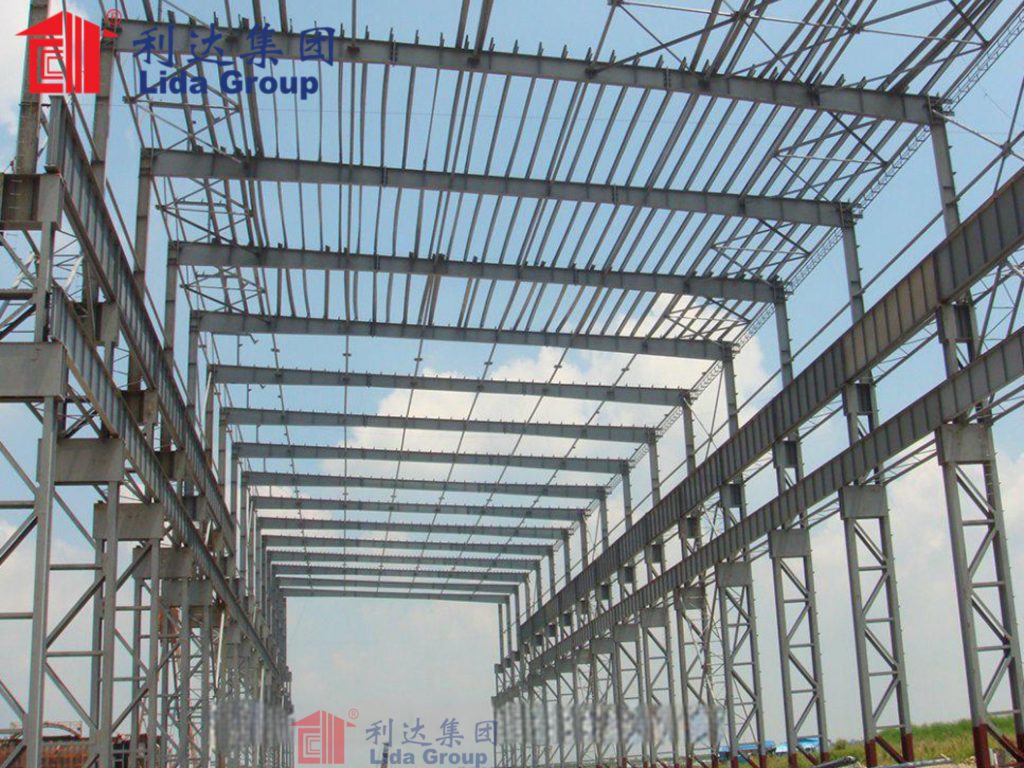
2. Technological Innovation: Transforming Steel Structure Housing into Smart, Efficient Spaces
The future of steel structure housing is inseparable from technological innovation, which is elevating these buildings from mere shelters to intelligent, energy-efficient, and connected living spaces. Advances in modular construction, digitalization, smart home integration, and material science are converging to create steel structure homes that are not only durable but also responsive to the needs of modern residents.
2.1 Modular Construction and Factory Precision
Modular steel structure construction represents the pinnacle of efficiency and quality in residential building. Modules—complete with walls, floors, ceilings, electrical wiring, and plumbing—are manufactured in controlled factory environments using automated production lines and robotic welding systems, eliminating the variability of on-site craftsmanship. This precision ensures that each module fits perfectly during assembly, reducing rework and structural defects. The “Good House” mobile exhibition unit, a showcase of cutting-edge residential technology, exemplifies this approach: it integrates 83 advanced technologies into a modular steel frame, solving 115 common housing pain points—from bathroom leaks to cooktop overheating—while maintaining rapid construction timelines .
Modular steel structures also support scalability and adaptability. Homeowners can start with a basic module and add extensions as their family grows, without disrupting the existing structure. This “grow-as-you-go” model is particularly well-suited for rural families and young couples, offering a cost-effective path to homeownership that aligns with changing life stages.
2.2 Digitalization and Intelligent Construction
Digital technologies are reshaping every stage of steel structure housing development, from design to maintenance. Building Information Modeling (BIM) is a cornerstone of this transformation, enabling architects, engineers, and contractors to create 3D digital models that integrate structural, mechanical, and electrical systems. BIM facilitates clash detection, material optimization, and seamless collaboration across teams, ensuring that steel components are designed to exact specifications and fit perfectly during assembly. This digital integration reduces errors by up to 40% compared to traditional design methods, enhancing structural safety and construction efficiency.
Intelligent construction technologies further elevate quality and precision. Automated welding robots ensure consistent weld strength and integrity, eliminating human error and reducing the risk of structural failures. Embedded sensors in steel components monitor temperature, humidity, and structural stress in real time during construction, enabling proactive adjustments to maintain quality. Post-construction, these sensors can be integrated into the home’s smart system to provide ongoing structural health monitoring, alerting homeowners to potential issues before they escalate.
2.3 Smart Home Integration and Energy Independence
Steel structure housing serves as an ideal platform for smart home technology, thanks to its modular design and compatibility with integrated systems. The “Good House” exhibition unit demonstrates this synergy, featuring voice-controlled lighting, AI-assisted health monitoring, and automated space reconfiguration. Sensors detect falls and bed exits for elderly residents, while emergency call buttons in bedrooms and bathrooms enhance safety. Movable partitions, electric folding sofas, and sliding wardrobes maximize space flexibility, all controlled via a centralized smart hub .
Energy innovation is another key feature of smart steel structure homes. Building-integrated photovoltaic (BIPV) systems, installed on steel roofs, generate clean energy to power the home, while energy storage units and bidirectional charging stations enable energy load shifting and vehicle-to-home (V2H) power supply—allowing electric vehicles to feed excess energy back to the home during peak demand. High-performance insulation materials, paired with steel’s thermal efficiency, reduce winter heating energy consumption by up to 65%, while energy-efficient windows and electrified appliances further minimize carbon footprints. These technologies not only lower utility costs but also move homes toward energy self-sufficiency.
2.4 Material Advancements and Standardization
Continuous advancements in steel materials and manufacturing standards are enhancing the performance of steel structure housing. Cold-formed steel (CFS), the primary material for residential steel frames, has seen significant improvements in strength and corrosion resistance, with new alloys offering superior ductility and durability. The release of China’s updated national standard GB/T50018-2025 for cold-formed steel structures, effective September 2025, sets stricter requirements for material quality, structural design, and construction practices—further elevating industry standards and consumer confidence .
Protective coatings have also evolved, with advanced formulations that extend steel’s lifespan in harsh environments. Weathering steel, which forms a stable rust layer that inhibits further corrosion, is gaining popularity for outdoor structures, while nano-coatings offer enhanced resistance to saltwater and chemical degradation. These material innovations ensure that steel structure homes maintain their performance and appearance for decades with minimal maintenance.
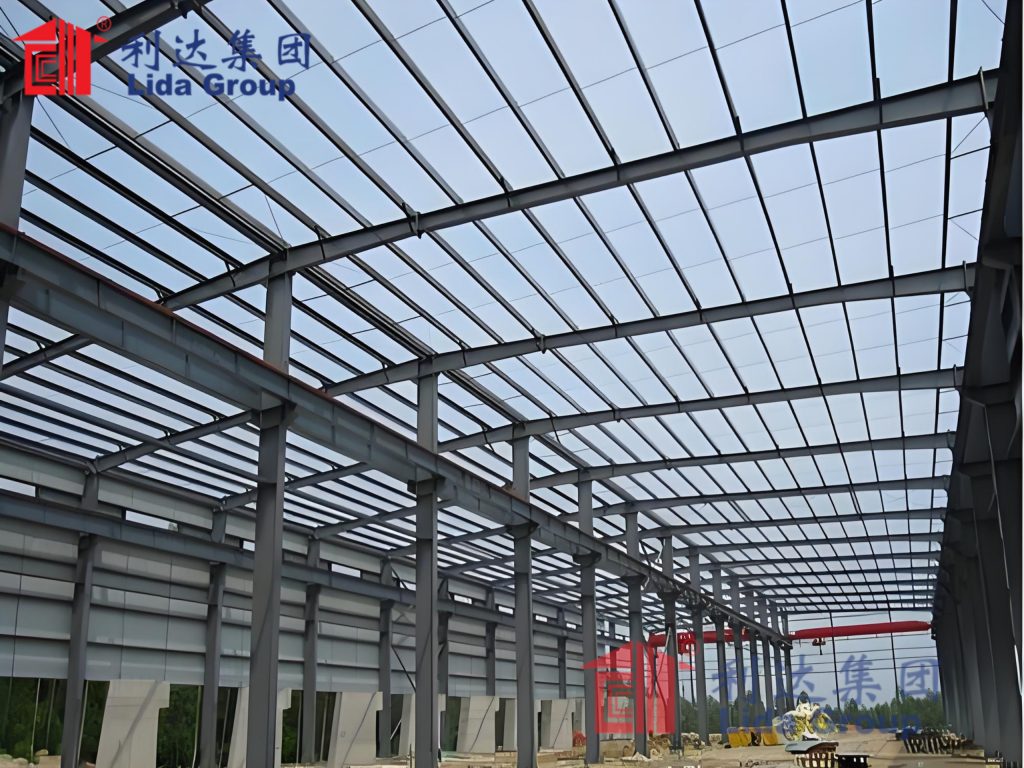
3. Real-World Applications: Steel Structure Housing in Action Globally
The practical potential of steel structure housing is demonstrated by a growing number of projects worldwide, spanning urban high-rises, rural residences, emergency shelters, and affordable housing developments. These projects showcase how steel structure technology adapts to diverse environments, cultural needs, and functional requirements—proving that it is not just a theoretical solution but a viable, scalable option for modern housing.
3.1 Rural Revitalization and Agricultural Communities
In rural areas, steel structure housing is emerging as a catalyst for sustainable development, addressing the limitations of traditional rural construction. In China, where rural housing is dominated by resource-intensive砖混 structures, steel structure homes are gaining traction thanks to their speed, safety, and adaptability. A pilot project in Shandong Province demonstrated that a rural steel structure home could be completed from foundation to occupancy in just 52 days—60% faster than traditional methods—while offering superior seismic performance and space efficiency .
Policy support is accelerating adoption in rural regions. Over 20 Chinese provinces have introduced subsidies for rural steel structure housing, including 200 yuan per square meter in Jiangsu Province and up to 50,000 yuan per household in earthquake-prone areas of Yunnan Province under the “steel-for-brick” program. These incentives, combined with steel’s low maintenance costs (40% lower than砖混 homes over a lifetime), make it an affordable option for rural families. Steel structure homes also meet rural needs for multi-functional spaces, with customizable layouts that accommodate grain storage, farm equipment, and livestock shelters.
3.2 Urban Affordable Housing and High-Density Developments
In densely populated cities, steel structure housing offers a solution to the growing demand for affordable, space-efficient homes. Steel’s lightweight nature reduces foundation requirements, making it suitable for urban infill sites with limited space. High-rise steel structure apartments maximize land use, while modular construction enables rapid delivery of large-scale affordable housing projects. In Singapore, for example, steel-framed public housing developments reduce construction time by 30% and increase usable space by 8%, addressing the city-state’s land scarcity challenges.
Steel structure housing also aligns with urban sustainability goals. Prefabrication minimizes on-site waste by up to 50% compared to traditional construction, reducing the environmental impact of urban development. In Europe, steel-framed affordable housing projects often achieve LEED Gold or BREEAM Excellent certifications, thanks to their energy efficiency and recyclability, making them eligible for green building tax incentives.
3.3 Emergency and Temporary Housing
The speed and portability of steel structure housing make it ideal for emergency response and temporary shelter needs. In disaster-stricken regions, modular steel units can be deployed and assembled within days, providing safe, durable housing for displaced populations. Unlike temporary tents or makeshift shelters, steel structure emergency homes offer protection from extreme weather, pests, and fire, and can be repurposed for long-term use or relocated as needed. Following earthquakes in Turkey and Syria in 2023, steel structure modular homes were widely used due to their rapid deployment capability and seismic resistance.
Humanitarian organizations also rely on steel structure housing for long-term field operations. United Nations Peacekeeping camps, for instance, use modular steel structures that withstand extreme temperatures, sandstorms, and heavy rainfall, providing safe living spaces for personnel in remote and hostile environments. These structures require minimal maintenance, even in harsh conditions, ensuring durability and functionality for years.
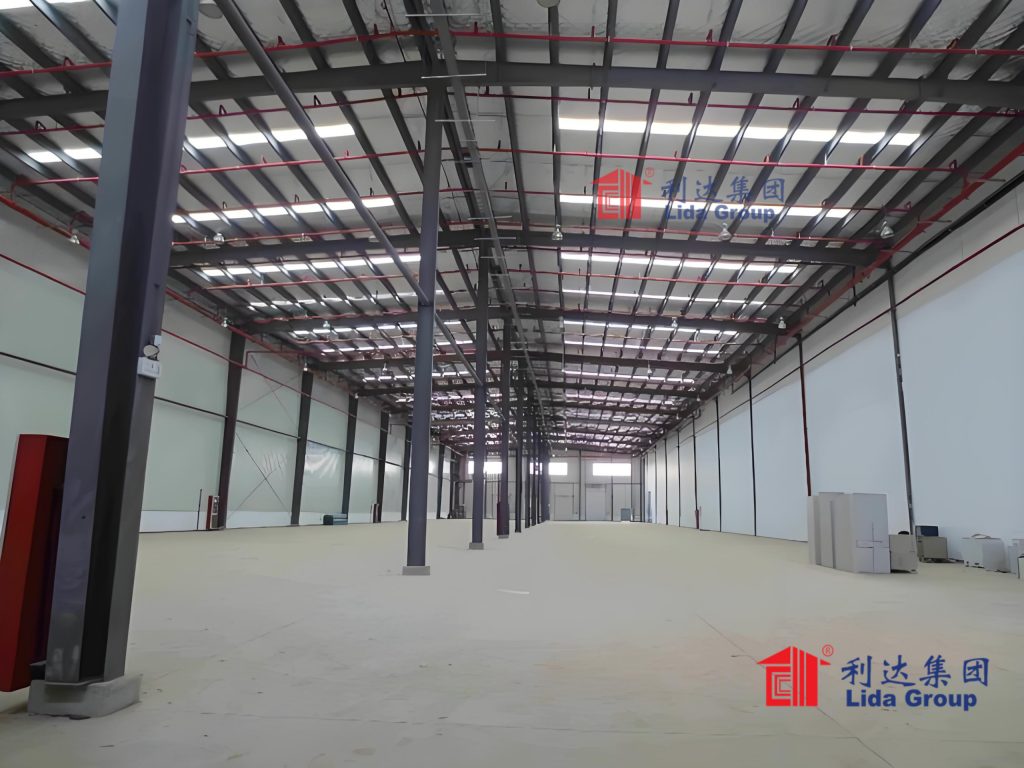
4. Policy and Market Drivers: Accelerating the Adoption of Steel Structure Housing
The widespread adoption of steel structure housing is supported by a favorable policy landscape and evolving market demands, creating a virtuous cycle that drives innovation and scalability. Governments worldwide are recognizing steel structure housing as a key enabler of sustainability, safety, and affordable housing goals, while consumers are increasingly prioritizing long-term value and environmental responsibility.
4.1 Global and National Policy Support
At the national level, governments are implementing policies to promote steel structure housing. In China, the 14th Five-Year Plan for New Urbanization explicitly encourages the use of prefabricated steel structures in rural and urban housing, while the Ministry of Housing and Urban-Rural Development has integrated steel into its green building evaluation system—qualifying projects for tax reductions and preferential land allocation. The updated GB/T50018-2025 standard for cold-formed steel structures further strengthens regulatory support, ensuring consistent quality and safety across the industry .
Internationally, similar trends are emerging. The European Union’s Green Deal prioritizes prefabricated steel structures as a means to reduce construction carbon emissions, with funding available for sustainable housing projects. In the United States, the Department of Housing and Urban Development (HUD) offers grants for steel-framed affordable housing, while California mandates seismic-resistant construction—favoring steel over traditional materials in high-risk zones. These policies reduce barriers to entry for developers and make steel structure housing more accessible to consumers.
4.2 Market Demand and Consumer Perception
Consumer demand for steel structure housing is growing as awareness of its benefits expands. Homebuyers are increasingly prioritizing safety, durability, and energy efficiency over short-term costs, recognizing that steel structure homes offer lower lifecycle expenses despite a slightly higher initial investment. While steel structure homes cost 10-15% more upfront than brick and concrete homes, the savings from reduced maintenance, energy efficiency, and longer lifespan offset this difference within 5-7 years .
Demographic shifts are also driving demand. Aging populations seek homes with smart safety features and accessible layouts—both of which are easily integrated into steel structure designs. Younger generations, meanwhile, prioritize sustainability and flexibility, valuing steel’s recyclability and adaptability to changing lifestyle needs. Developers are responding to these trends, with a growing number of residential projects featuring steel structures and marketing their safety, efficiency, and green credentials.
4.3 Industry Collaboration and Supply Chain Development
Collaboration across the construction, technology, and manufacturing sectors is accelerating the advancement of steel structure housing. Partnerships between steel producers, prefabricators, tech companies, and research institutions are driving innovation in materials, design, and smart integration. For example, the “Good House” project was a collaborative effort between China State Construction Science and Industry Corporation, Huawei, and government research centers, combining steel structure technology with smart home systems and renewable energy solutions .
Supply chain improvements are also making steel structure housing more accessible. Mass production of standardized steel components has reduced costs, while the expansion of prefabrication facilities worldwide has increased capacity. In China, the number of prefabricated steel structure production bases has grown by 25% annually since 2020, ensuring a stable supply of high-quality components for residential projects. This industrialization of the supply chain is critical for scaling steel structure housing to meet global demand.
5. Sustainability: Steel Structure Housing and the Path to Net-Zero
Sustainability is a defining feature of the future of housing, and steel structure buildings are uniquely positioned to support global net-zero carbon goals. From material sourcing to end-of-life recycling, steel structure housing minimizes environmental impact while maximizing long-term value—aligning with the principles of circular economy and sustainable development.
5.1 High Recyclability and Circular Economy
Steel is one of the most recyclable materials in the world, with a recycling rate exceeding 98% in the construction industry. Unlike concrete or wood, steel can be recycled indefinitely without losing its mechanical properties, reducing the need for virgin material extraction. Recycled steel requires 74% less energy to produce than virgin steel, resulting in a 75% reduction in carbon emissions. At the end of a steel structure home’s lifespan, nearly all components can be recycled, diverting waste from landfills and closing the material loop.
Prefabrication further enhances sustainability by minimizing waste. Factory-controlled production ensures precise material usage, reducing on-site waste by up to 50% compared to traditional construction. Scrap steel from manufacturing is immediately recycled, while leftover components can be repurposed for other projects. This efficiency makes steel structure housing a key contributor to the circular construction economy.
5.2 Energy Efficiency and Carbon Reduction
Steel structure homes are inherently energy-efficient, thanks to their tight building envelopes and compatibility with advanced insulation systems. High-performance insulation materials—such as mineral wool, spray foam, and composite panels—are easily integrated into steel frames, reducing thermal bridging and heat loss. Steel structure homes with optimized insulation consume 30-65% less energy for heating and cooling than traditional homes, lowering both utility costs and carbon footprints .
When paired with renewable energy systems, steel structure homes can achieve net-zero energy status. Photovoltaic roofs, solar water heaters, and geothermal heat pumps complement steel’s energy efficiency, enabling homes to generate more energy than they consume. The “Good House” project, for example, features a 6.6-kilowatt photovoltaic system and energy storage, achieving near-sustainable energy self-sufficiency while reducing carbon emissions by 80% compared to conventional homes.
6. Future Trajectories: The Next Frontier of Steel Structure Housing
As technology advances and market demand grows, steel structure housing is poised to expand into new frontiers, reshaping the global housing landscape. Emerging trends in artificial intelligence, material science, and urban planning will further enhance the performance, affordability, and accessibility of steel structure homes.
6.1 AI-Driven Design and Optimization
Artificial intelligence (AI) will play an increasingly prominent role in steel structure housing design and optimization. AI algorithms can analyze thousands of design iterations to create structures that maximize strength, minimize material usage, and optimize energy efficiency—reducing costs and environmental impact. Machine learning models will also predict maintenance needs based on real-time sensor data, enabling proactive upkeep and extending the home’s lifespan. For example, AI can optimize steel beam placement to reduce material usage by 15-20% while maintaining structural integrity.
6.2 Advanced Material Innovations
Future material advancements will further enhance the performance of steel structure housing. Self-healing steel, which uses embedded microcapsules to repair cracks, is under development and could eliminate the need for most structural maintenance. Carbon fiber-reinforced steel will offer even higher strength-to-weight ratios, enabling taller, lighter, and more efficient high-rise homes. Biodegradable protective coatings will reduce environmental impact while maintaining corrosion resistance, aligning with circular economy goals.
6.3 Integration with Smart Cities
Steel structure housing will be a key component of future smart cities, integrating with urban infrastructure to create connected, sustainable communities. Steel-framed homes will communicate with smart grids to optimize energy usage, while embedded sensors will contribute to urban planning data—helping cities manage resources, reduce congestion, and enhance resilience. Modular steel structures will also support flexible urban development, enabling cities to adapt to changing population needs and climate challenges.
6.4 Affordability and Global Accessibility
As production scales and technology matures, the cost of steel structure housing will continue to decrease, making it accessible to more communities worldwide. Governments and non-profit organizations will expand affordable housing programs using steel structures, addressing housing shortages in developing countries. Standardization and mass production will further drive down costs, while policy incentives will reduce financial barriers for low-income families. This accessibility will ensure that the benefits of steel structure housing—safety, durability, sustainability—are available to people of all income levels.
7. Conclusion: Steel Structure Housing—Building the Future of Living
The future of housing is no longer a distant vision; it is here, built on the strength, innovation, and sustainability of steel structure technology. Steel structure housing addresses the most pressing challenges facing the global housing industry—safety, efficiency, sustainability, and adaptability—offering a comprehensive solution that outperforms traditional construction methods in nearly every metric. From rural homes that support community revitalization to urban high-rises that maximize space and sustainability, steel structure buildings are reshaping how we live, work, and thrive.
Technological innovations—from modular construction and smart home integration to AI-driven design—are elevating steel structure housing to new heights, creating spaces that are not just durable but also intelligent, connected, and responsive to human needs. Policy support and market demand are accelerating adoption, while sustainability credentials position steel as a key enabler of global net-zero goals. Real-world projects across the globe demonstrate that steel structure housing is not just a theoretical concept but a practical, scalable solution for modern living.
As we look to the future, steel structure housing will continue to evolve, integrating emerging technologies and addressing new challenges to create homes that are safer, more efficient, and more sustainable. It will play a central role in building resilient communities, supporting smart cities, and ensuring that everyone has access to a safe, comfortable, and affordable place to live. The future of housing is steel—and it is already transforming our world, one structure at a time.
In essence, steel structure housing represents more than a construction method; it is a paradigm shift toward a more sustainable, resilient, and human-centric approach to living. By embracing steel, we are not just building homes—we are building a better future for generations to come.
Related news
-
Build Your Dream Home with a Durable Metal Frame House
2025-12-26 17:20:24
-
Lida Group's Commitment to High Quality Construction Excellence
2025-12-26 17:29:31
-
Innovative and Resilient Steel Structure Building Solutions
2025-12-26 17:01:44
contact us
- Tel: +86-532-88966982
- Whatsapp: +86-13793209022
- E-mail: sales@lidajituan.com
