



The Future of Building: Easy Install Sandwich Panel Technology
2026-Jan-26 17:49:54
By Admin
The global construction industry stands at the cusp of a transformative era, driven by the urgent need for efficiency, sustainability, and adaptability. As labor shortages intensify—with 85% of contractors reporting difficulty filling skilled trades positions—and climate goals demand low-carbon solutions, traditional cast-in-place construction methods are increasingly obsolete. In this context, easy install sandwich panel technology has emerged as a cornerstone of future building practices. By integrating lightweight design, modularity, and advanced manufacturing, these panels eliminate the inefficiencies of conventional building, enabling faster deployment, lower costs, and enhanced performance. Lida Group, a global leader in steel structure and prefabricated solutions with over three decades of expertise, has been at the forefront of refining this technology, pushing boundaries to merge ease of installation with smart, sustainable innovations. This article explores how easy install sandwich panel technology is reshaping the future of building, from material and process innovations to global application scenarios, and highlights its role in creating a more efficient, resilient, and eco-friendly built environment.
The Evolution of Easy Install Sandwich Panel Technology: From Convenience to Necessity
Sandwich panel technology has existed for decades, but recent advancements in materials, connection systems, and automation have elevated its “easy install” characteristic from a convenience to a strategic necessity. Early sandwich panels, while offering insulation benefits, were limited by heavy weight, complex assembly, and rigid designs—restricting their applicability. Today’s iterations, however, are engineered for simplicity without compromising strength, thanks to four key evolutionary leaps: modular standardization, lightweight high-performance materials, precision connection systems, and intelligent installation tools. These advancements address the core pain points of traditional construction, positioning easy install sandwich panels as a linchpin of modern and future building practices.
The global sandwich panel market is already reflecting this shift, projected to grow at a CAGR of 8.3% from 2026 to 2035, reaching a value of $48.7 billion by 2035. This growth is fueled by governments worldwide prioritizing prefabricated and energy-efficient building solutions—such as the EU’s Green Deal, which allocates €68 billion to modular construction, and China’s push to have 30% of new urban housing use prefabricated technologies by 2025. What distinguishes easy install sandwich panels from other prefab solutions is their ability to reduce installation time by 70% compared to traditional methods, require 50% fewer skilled workers, and cut on-site waste to less than 3%—a stark contrast to the 15% waste rate of conventional builds. As the industry grapples with labor scarcity and sustainability mandates, these metrics are no longer just competitive advantages but prerequisites for survival.
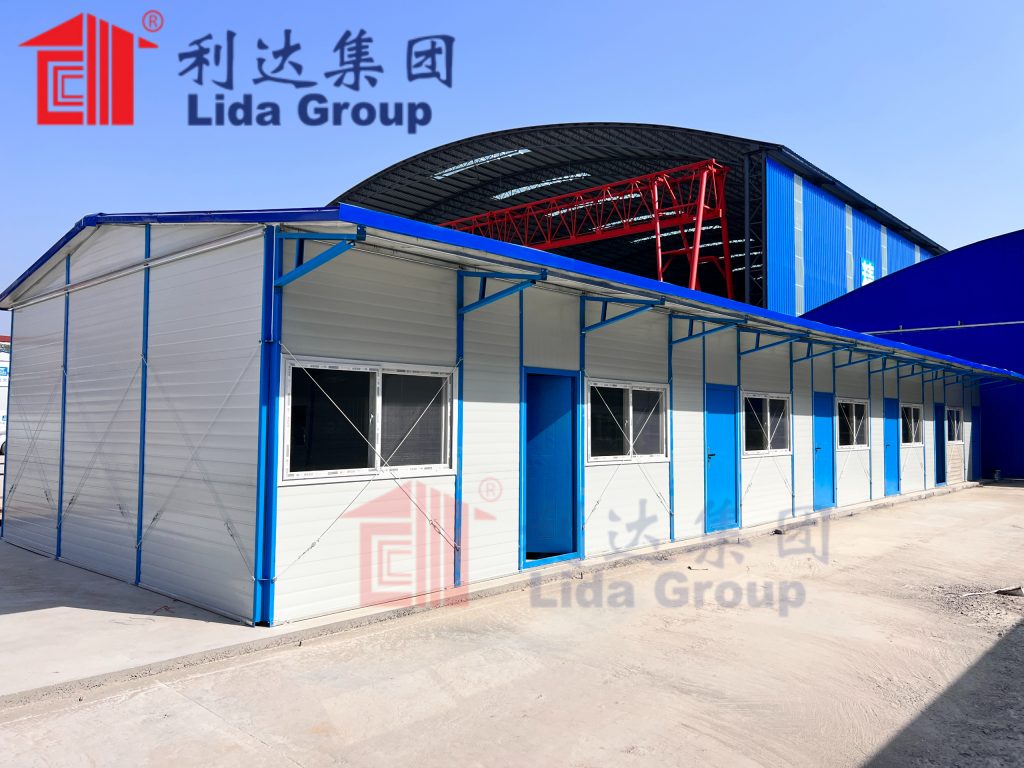
Core Innovations Shaping the Future of Easy Install Sandwich Panels
The future of easy install sandwich panel technology lies in the synergy of material science, intelligent automation, digital engineering, and green energy integration. These innovations are not only enhancing installation efficiency but also expanding the technology’s capabilities, making it adaptable to diverse climates, building types, and functional needs. Below are the key advancements defining the next generation of easy install sandwich panels.
Material Revolution: Lightweight, Eco-Friendly, and High-Performance
Material innovation is the foundation of easy installation, as lighter, stronger, and more durable panels reduce handling complexity and installation time. A pivotal breakthrough is the adoption of eco-friendly core materials, such as formaldehyde-free wood-plastic composites and bio-based insulators, replacing traditional synthetic foams and toxic adhesives. Developed under national high-tech projects, these materials—including wood-fiber/ hemp fiber ternary composites and recycled plastic-wood particleboards—eliminate harmful emissions while delivering superior mechanical performance, with water resistance and strength exceeding conventional panels . For example, Lida Group’s latest sandwich panels use a core of recycled plastic and wood shavings, achieving a 30% weight reduction compared to EPS-core panels while maintaining an R-value of 40 for optimal insulation.
Another material advancement is the integration of nano-ceramic coatings and fiber-reinforced composites in panel facings. These enhancements boost impact resistance by 40% and extend service life to 50+ years, reducing maintenance needs and lifecycle costs. For extreme environments—from humid tropical regions to corrosive coastal areas—these materials ensure panel integrity without specialized installation precautions, further simplifying on-site work. Importantly, the shift to bio-based and recycled materials aligns with circular economy goals, enabling panels to be disassembled and repurposed at the end of their lifecycle, a critical feature for future sustainable building.
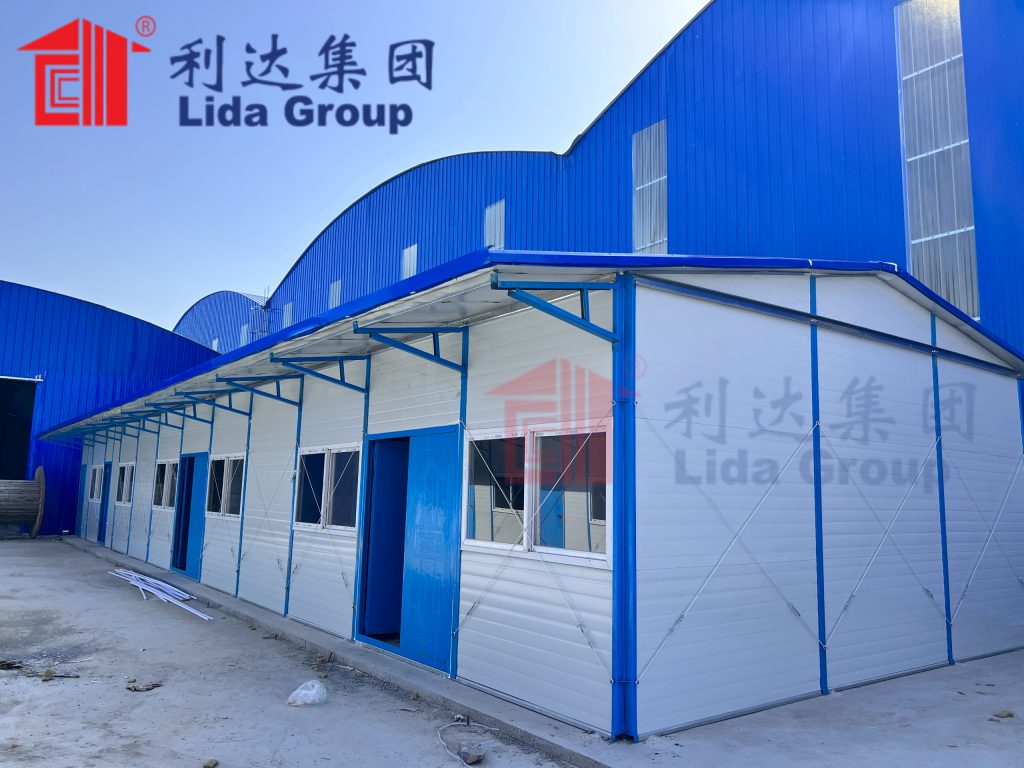
Intelligent Installation: Robotics and Automation Redefine Efficiency
The biggest leap in easy installation comes from the integration of specialized construction robots, transforming labor-intensive panel placement into a precise, automated process. The ALC panel integrated construction robot, developed for heavy-duty panel installation, exemplifies this trend. Equipped with an omni-directional chassis and ultra-low-speed precision control system, this robot can lift panels weighing up to 500 kg and measuring 6 meters in length, placing them with millimeter-level accuracy . Compared to traditional manual installation—where a 5-person team completes 60 square meters daily—the robot reduces the team size to 3 and doubles productivity to 120 square meters per day, while eliminating the risk of worker injuries from heavy lifting.
For smaller-scale projects and retrofits, compact robotic assistants are emerging, capable of handling lightweight sandwich panels for interior partitioning and facade cladding. These robots integrate with digital design files, using QR codes on panels to verify placement and ensure alignment with structural plans. Beyond placement, automated sealing and fastening tools streamline the final installation steps, applying weatherproof sealants and bolts in a fraction of the time required for manual work. As robotics become more accessible, easy install sandwich panels will further reduce reliance on skilled labor, a game-changer for markets facing acute trades shortages.
Digital Twin and BIM Integration: Precision from Design to Installation
Digital engineering technologies—specifically Building Information Modeling (BIM) and digital twins—are eliminating installation errors and optimizing workflow for sandwich panel systems. By creating a 3D digital replica of the building, BIM enables virtual clash detection, resolving potential conflicts between panels and MEP (mechanical, electrical, plumbing) systems before production begins . This eliminates costly on-site rework, which typically adds 5-8% to project costs, and ensures panels are prefabricated with exact cutouts for fixtures and utilities, simplifying installation.
Digital twins take this precision further by linking physical panels to their virtual counterparts via IoT sensors. During installation, real-time data from sensors embedded in panels monitors alignment, structural load, and environmental conditions, providing instant feedback to installers and robot systems. For large-scale projects, this technology enables remote oversight of installation progress, ensuring consistency across multiple sites. Lida Group has already implemented this digital workflow in modular apartment projects, reducing design-to-installation time by 40% and cutting installation errors to less than 1%.
Green Energy Integration: Panels as Functional Energy Hubs
The future of easy install sandwich panels extends beyond structural and insulation functions to include integrated energy generation and management. Photovoltaic (PV) integrated sandwich panels, designed for both new builds and retrofits, are leading this innovation. These panels combine a PV layer with insulation and structural support, enabling buildings to generate clean energy while maintaining thermal efficiency . The modular design allows for easy scaling—panels can be added or replaced individually, without disrupting the entire facade—and simple connection to the building’s energy system, eliminating the need for separate PV installation and wiring.
Smart sandwich panels with embedded IoT sensors are also emerging, creating a “perceptive building envelope.” These panels monitor temperature, humidity, and air quality, linking to intelligent HVAC and window systems to optimize energy use . For example, panels with built-in moisture sensors can trigger automatic ventilation to prevent mold growth, while solar-integrated panels adjust their angle via motorized mounts (controlled by the digital twin) to maximize sunlight absorption. By merging easy installation with energy intelligence, these panels transform passive building components into active contributors to sustainability and occupant comfort.
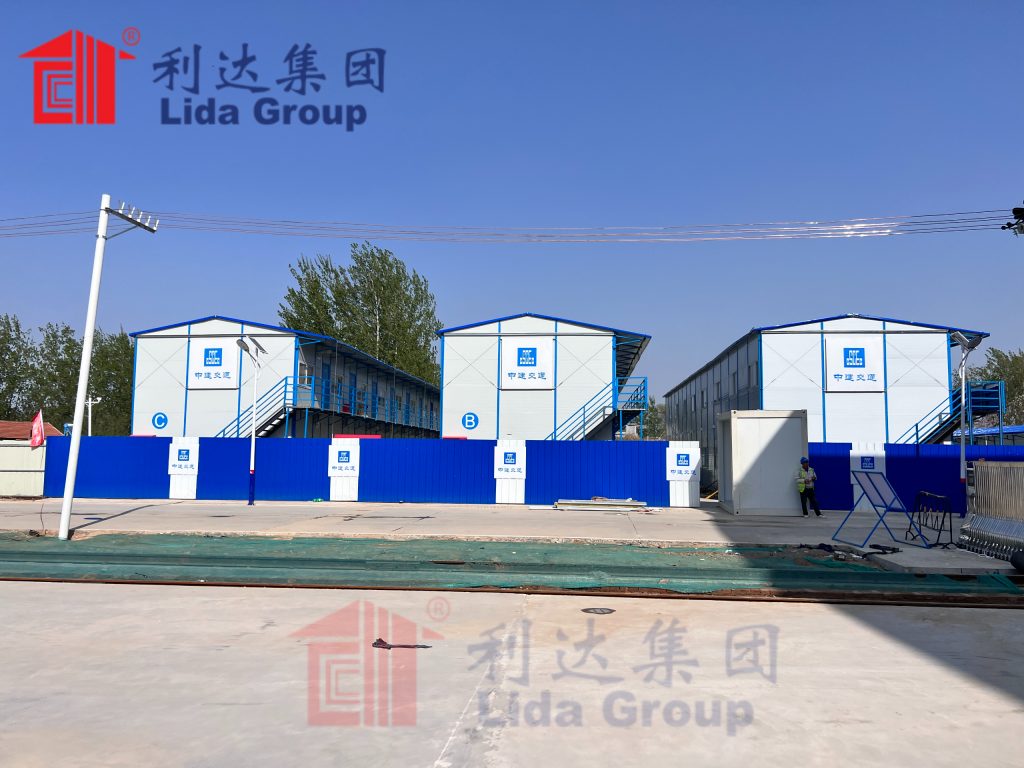
Future Application Scenarios: Expanding Beyond Traditional Boundaries
Easy install sandwich panel technology is no longer limited to basic industrial warehouses or temporary structures. As innovations in materials, automation, and intelligence advance, its application scope is expanding to encompass residential, commercial, emergency, and specialized buildings worldwide. These scenarios demonstrate how the technology is adapting to diverse needs while maintaining its core advantage of simplified installation.
Residential Construction: Affordable, Adaptive Homes
In residential building, easy install sandwich panels are addressing the global affordable housing crisis by reducing construction time and costs. For low-income communities in emerging markets—such as rural Tanzania and urban Indonesia—panels enable the rapid deployment of safe, durable homes with minimal skilled labor. Lida Group’s incremental housing solutions, for example, use easy-install panels that allow families to expand their homes vertically or horizontally as their needs grow, with extensions completed in 1-2 days by semi-skilled workers at 50% of traditional costs. In developed markets, the technology is powering modular apartments and luxury homes alike, with customizable panel finishes (wood veneer, stone cladding) and smart integration meeting diverse design demands.
The combination of robotics and digital twins is also enabling high-rise residential projects using sandwich panels. In Hunan, China, a 26-story apartment building was constructed using easy-install panels and automated lifting systems, with the entire superstructure assembled in 5 days—compared to 12+ months for traditional concrete builds. The panels’ lightweight design reduced foundation costs by 25%, while their energy efficiency cut residents’ utility bills by 45% annually.
Commercial and Industrial Buildings: Efficient, Sustainable Spaces
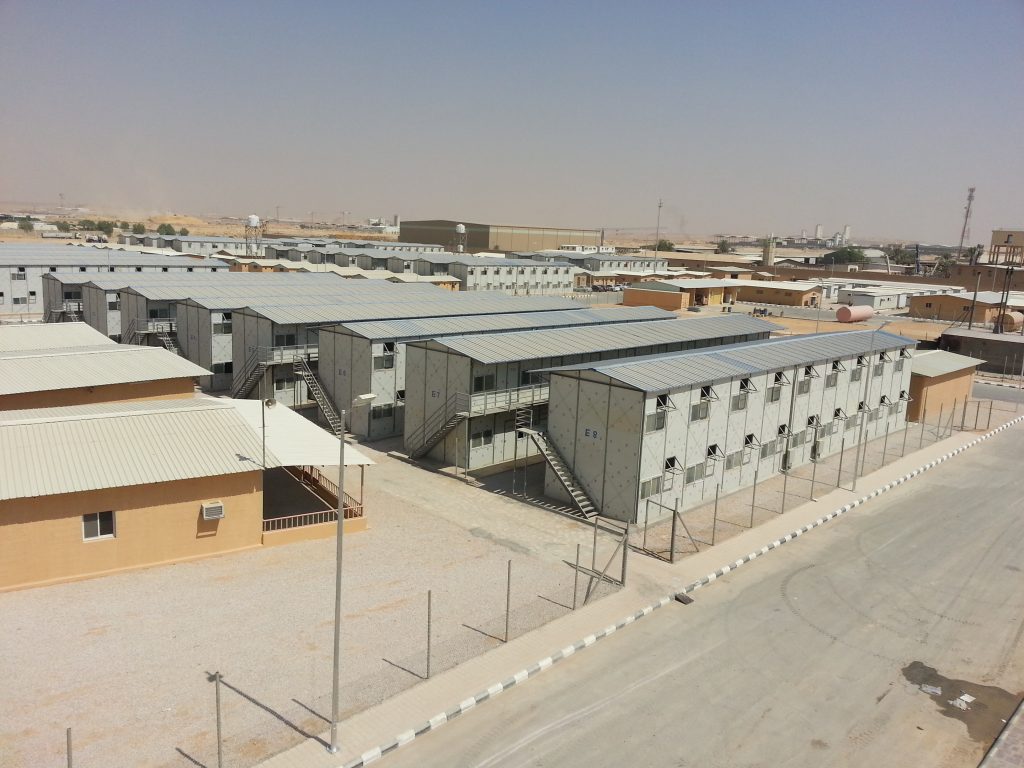
Commercial and industrial sectors are leveraging easy install sandwich panels for their speed, durability, and energy performance. Warehouses and manufacturing facilities benefit from rapid enclosure—panels can enclose a 5,000-square-meter factory in 2 weeks, enabling faster occupancy and revenue generation. PV-integrated panels are particularly popular in industrial settings, where large facades and rooftops provide ample space for energy generation, reducing reliance on grid power. For example, a logistics center in Europe using solar sandwich panels achieved 30% energy self-sufficiency within 6 months of installation, with the panels installed in half the time required for traditional PV systems.
In commercial buildings—such as offices, retail stores, and hotels—easy install panels offer flexibility for interior renovations and facade upgrades. Modular partition panels can be reconfigured in hours to adapt to changing workspace needs, while smart facade panels with integrated lighting and sensors enhance occupant experience. The technology is also ideal for retrofitting aging buildings, as panels can be installed over existing structures without major demolition, reducing disruption and renovation costs by 30%.
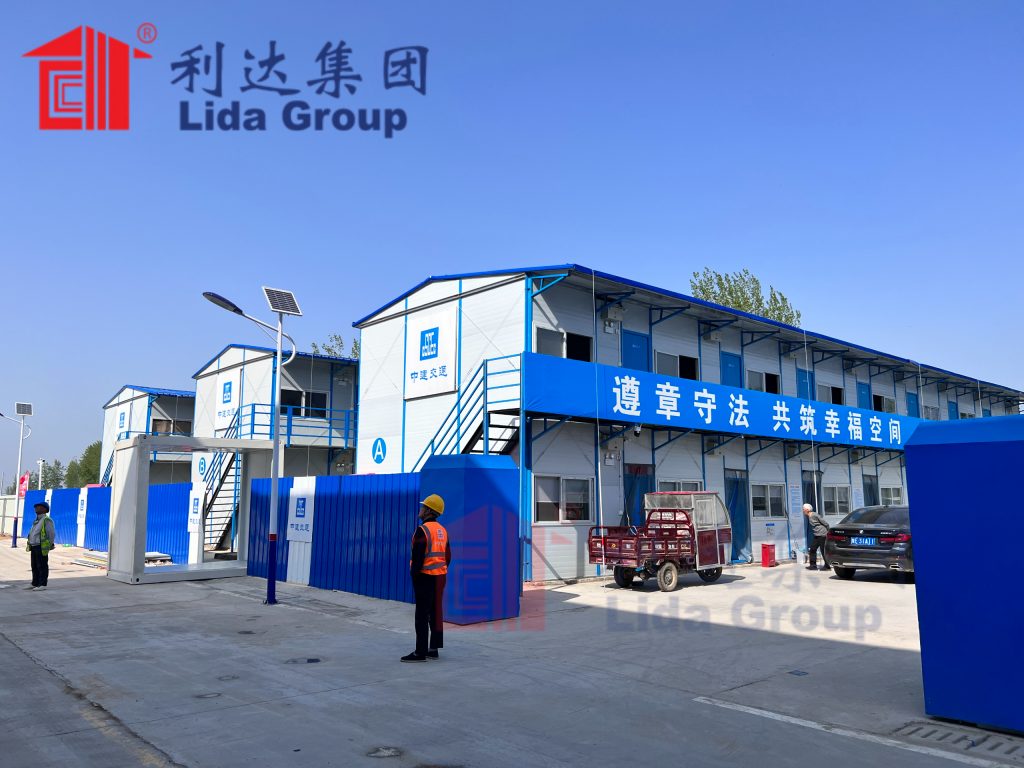
Emergency and Specialized Structures: Rapid Response, Critical Function
Easy install sandwich panels excel in emergency housing scenarios, where speed and simplicity are life-saving. Following natural disasters—such as the 2023 Turkey earthquakes and 2024 Bangladesh floods—panels have been deployed to build temporary shelters in 3-5 days, with local volunteers (trained in hours) assisting with installation. The panels’ durability ensures shelters can withstand harsh conditions, while their insulation and weatherproofing provide safe, comfortable living spaces. Unlike traditional tents, these shelters can be converted to permanent housing with minimal upgrades, eliminating the need for reconstruction.
Specialized applications are also emerging, including modular healthcare clinics, educational facilities, and mobile laboratories. In rural Tanzania, easy-install panels were used to build a medical clinic in 5 days, with prefabricated panel sections for examination rooms, pharmacies, and storage. The clinic’s panels integrate solar power and rainwater harvesting systems, enabling off-grid operation in remote areas. In the automotive industry, wood-fiber composite sandwich panels are being used for lightweight, eco-friendly interiors, expanding the technology’s reach beyond building construction .
Transforming the Construction Industry: Economic, Environmental, and Social Impact
Easy install sandwich panel technology is not just changing how buildings are constructed—it is reshaping the entire construction ecosystem, delivering wide-ranging economic, environmental, and social benefits. These impacts are driving industry-wide adoption and positioning the technology as a cornerstone of future building practices.
Economic Impact: Cost Savings and Risk Mitigation
For developers and contractors, the technology reduces project timelines by 50-70%, cutting financing costs and accelerating revenue generation. Labor savings—enabled by robotics and simplified installation—reduce labor expenses by 30-40%, a critical advantage in markets with rising wages and skilled labor shortages. The modular, prefabricated nature of panels also minimizes material waste and cost overruns, with predictable pricing and delivery schedules reducing development risk. In large-scale projects, these savings translate to profit margin improvements of 15-20%, making affordable housing and sustainable developments financially viable.
Environmental Impact: Toward Carbon-Neutral Building
Easy install sandwich panels are a key enabler of carbon-neutral construction. Their energy-efficient design reduces operational carbon emissions by 45% compared to traditional buildings, while the use of recycled and bio-based materials cuts embodied carbon by 25-30%. The technology’s modularity and disassembly capability support circularity, with panels repurposed across projects instead of being landfilled. Additionally, reduced on-site construction activity lowers carbon emissions from transportation and machinery, further minimizing environmental footprints. As governments tighten carbon regulations, these benefits make sandwich panels an essential tool for meeting sustainability targets.
Social Impact: Accessible Housing and Safer Workplaces
Socially, the technology expands access to safe, affordable housing for underserved communities, addressing the global housing shortage projected to reach 1.6 billion units by 2030. In rural and remote areas, easy installation enables housing and infrastructure development without relying on scarce skilled labor, improving quality of life. For construction workers, robotics and simplified processes reduce the risk of injuries from heavy lifting and hazardous tasks, creating safer workplaces. Post-occupancy surveys show 92% satisfaction with sandwich panel homes, citing comfort, low maintenance costs, and adaptability as key benefits.
Conclusion
Easy install sandwich panel technology is redefining the future of building by merging efficiency, sustainability, and intelligence into a versatile solution for the global construction industry. From material innovations like eco-friendly composites to intelligent automation via construction robots, and digital integration with BIM and IoT, the technology is eliminating traditional construction barriers—labor scarcity, inefficiency, and high carbon footprints—while expanding into new application scenarios. As demonstrated by global projects ranging from high-rise apartments to emergency shelters, easy install sandwich panels are not just a construction method but a catalyst for equitable, resilient, and sustainable built environments.
The future of this technology is one of continuous evolution: materials will become even more eco-friendly and high-performance, robots will be more compact and adaptable, and digital integration will create fully connected, self-optimizing buildings. As the industry embraces these advancements, easy install sandwich panels will move from a niche solution to the mainstream, shaping a future where buildings are built faster, cheaper, safer, and greener. For developers, governments, and communities alike, this technology represents the path forward—one where building meets the demands of a changing world without compromising on quality, sustainability, or accessibility.
In an era defined by urgency to address climate change and housing inequality, easy install sandwich panel technology stands as a testament to how innovation can transform challenges into opportunities. It is more than a building product; it is a blueprint for the future of construction—efficient, inclusive, and in harmony with the planet.
Related news
-
Scalable Prefab Apartments Meet Demand with Modern Construction
2026-01-26 17:42:36
-
Lida Group Sets New Standard in Cost-Effective Prefab Apartments
2026-01-26 17:43:01
-
Discover the Efficiency of an Easy Install Sandwich Panel House
2026-01-26 17:29:12
contact us
- Tel: +86-532-88966982
- Whatsapp: +86-13793209022
- E-mail: sales@lidajituan.com
