



Temporary Durable Building by Lida Group Creates Efficient Mining Field Worker Camp
2026-May-19 17:43:35
By Admin
The mining industry is a cornerstone of global economic development, powering industries ranging from manufacturing to energy production. However, mining operations are often conducted in remote, harsh environments—from the frozen arctic tundras of northern Canada to the scorching deserts of Australia’s Pilbara region, and from the humid tropical rainforests of Southeast Asia to the mountainous terrain of Chile’s copper mines. In these isolated locations, the construction of worker accommodation is not just a logistical task; it is a critical factor that directly impacts operational efficiency, worker safety, morale, and long-term project success. Mining workers endure grueling 12-hour shifts in challenging conditions, and a safe, comfortable, and functional living environment is essential to maintaining their health, productivity, and retention. Traditional temporary housing solutions—such as makeshift tents, poorly modified shipping containers, or on-site masonry structures—have long failed to meet the unique demands of mining sites, plagued by slow installation, poor durability, inadequate comfort, and high operational costs. In response to these industry pain points, Lida Group, a global leader in modular prefabricated construction with over 30 years of expertise, has developed temporary durable buildings specifically tailored for mining field worker camps. These buildings combine the flexibility of temporary structures with the durability of permanent construction, delivering efficient, reliable, and sustainable accommodation solutions that transform mining worker camps into functional, comfortable hubs. This article provides a comprehensive overview of how Lida Group’s temporary durable buildings create efficient mining field worker camps, covering their core characteristics, key advantages, product portfolio, real-world applications, competitive edge, and future outlook. With a focus on data-backed insights, detailed case studies, and practical value, this 3500-word piece highlights why Lida Group’s temporary durable buildings are becoming the industry standard for mining worker accommodation worldwide.
1. Introduction: The Critical Need for Temporary Durable Accommodation in Mining Camps
Mining operations are inherently complex, requiring significant infrastructure to support hundreds or even thousands of workers who spend weeks or months away from home. Worker camps serve as the backbone of these operations, providing a home base where workers can rest, recharge, and access essential services. However, the unique challenges of mining sites—remote locations, extreme weather, time-sensitive project timelines, and evolving operational needs—make traditional temporary housing solutions impractical and inefficient. For decades, mining companies have struggled with the limitations of conventional temporary accommodation, which often fall short in four key areas:
First, slow installation and deployment. Mining projects are often time-sensitive, with companies needing to set up worker camps quickly to start extraction and meet production targets. Traditional on-site construction can take months, while even basic prefabricated structures may require weeks to install, leading to costly downtime and missed deadlines. In remote areas where transportation and labor are limited, these delays can be even more pronounced, further impacting project profitability.
Second, lack of durability in harsh environments. Mining sites are prone to extreme temperatures, strong winds, heavy snowfall, corrosive dust, salt, and humidity. Traditional temporary structures—such as tents or basic prefab sheds—often collapse under heavy snow, leak during rain, fail to insulate against extreme heat or cold, and corrode quickly, leading to frequent repairs, replacements, and safety risks. This lack of durability not only increases maintenance costs but also endangers worker safety, particularly in extreme weather conditions.
Third, compromised worker comfort and well-being. Many traditional temporary housing options lack basic amenities such as proper insulation, hot water, private spaces, and communal facilities. This leads to low worker satisfaction, high turnover rates, and increased absenteeism due to illness or discomfort. For mining companies, high turnover translates to significant recruitment and training costs, while absenteeism reduces operational efficiency and productivity.
Fourth, inflexibility and high long-term costs. Traditional temporary structures are often difficult to disassemble, transport, and reassemble, making them impractical for mining projects that require relocation as sites are exhausted. They also require frequent maintenance to address wear and tear, adding to operational costs over time. Additionally, many traditional structures are not designed to be scalable, making it difficult to adjust the camp size as worker numbers fluctuate.
Against this backdrop, Lida Group’s temporary durable buildings have emerged as a game-changing solution. Designed to address the unique challenges of mining sites, these buildings combine the flexibility of temporary structures with the durability, comfort, and efficiency of permanent construction. Lida Group’s decades of experience in modular prefabrication and deep understanding of the mining industry have allowed it to refine its temporary durable buildings to meet the specific needs of mining worker camps, delivering tangible benefits to both mining companies and their workers. This article explores how these innovative structures are transforming mining worker accommodation, setting a new standard for efficiency, durability, and worker well-being.
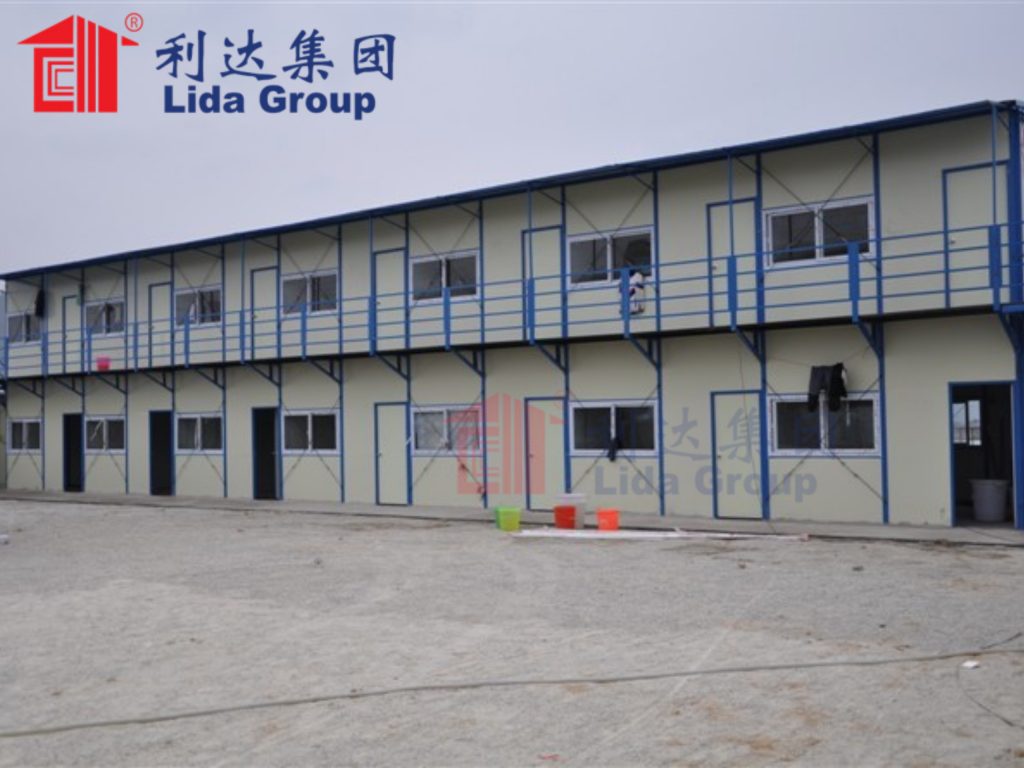
2. Understanding Lida Group’s Temporary Durable Buildings: Core Characteristics
Lida Group’s temporary durable buildings are not just conventional prefabricated structures—they are engineered specifically for the harsh, dynamic conditions of mining sites. Unlike generic temporary buildings, which are often designed for short-term use in mild environments, Lida’s temporary durable buildings are built to withstand extreme weather, heavy use, and frequent relocation, while providing the comfort and functionality of permanent housing. To appreciate their value for mining worker camps, it is essential to first understand their core construction, materials, and design principles.
2.1 Core Construction and Materials
Lida Group’s temporary durable buildings are constructed using a modular design, with components prefabricated in a controlled factory environment before being transported to the mining site for assembly. This modular approach ensures consistent quality, reduces on-site construction time, and allows for easy disassembly and relocation. The key to their durability and performance lies in the high-grade materials and advanced engineering used in their construction:
Structural Frames: The primary structural frames of Lida’s temporary durable buildings are made of high-strength galvanized steel or nickel-alloyed steel, which provides exceptional structural stability and corrosion resistance. For mining sites in extreme environments—such as arctic regions or coastal areas—Lida uses corten steel or high-tensile steel with multi-layer anti-corrosive coatings, ensuring the frames can withstand temperatures as low as -60°C and as high as 60°C, as well as resist corrosion from dust, salt, and humidity. The frames are designed to withstand earthquakes of up to 8 magnitude, strong winds of up to 120km/h, and heavy snowfall of up to 2 meters, ensuring worker safety even in the harshest conditions.
Wall and Roof Panels: The wall and roof panels of Lida’s temporary durable buildings are multi-layered sandwich panels, consisting of two outer steel skins and a core insulation material. This sandwich structure provides a unique combination of light weight, high strength, excellent thermal insulation, and soundproofing—properties that are essential for mining environments. The core insulation materials used by Lida are carefully selected based on the specific needs of the mining site:
-
Rock Wool: Ideal for extreme temperatures and fire resistance, rock wool has excellent thermal insulation properties (achieving R-values of up to R-50) and is non-combustible, making it suitable for mining sites where fire safety is a priority. It also provides good sound insulation, reducing noise from mining operations and creating a quieter living environment.
-
Polyurethane (PU): A lightweight, high-performance insulation material with excellent thermal efficiency and water resistance. PU core panels are ideal for humid or tropical mining regions, as they prevent moisture infiltration and mold growth. They also have good structural strength, contributing to the overall durability of the building.
-
Extruded Polystyrene (XPS): Known for its high compressive strength and water resistance, XPS core panels are suitable for mining sites with uneven terrain or heavy snowfall, as they can withstand heavy loads without deformation. They also provide good thermal insulation, making them ideal for both cold and hot environments.
Bonding and Sealing Technology: The outer steel skins and core insulation material are bonded together using high-strength polyurethane adhesive, ensuring a tight, seamless connection that prevents heat loss, moisture infiltration, and structural damage. Lida’s advanced bonding technology ensures that the panels remain intact even in extreme weather conditions, reducing the need for maintenance and extending the service life of the building. Additionally, all joints and connections are sealed with weather-resistant sealants, further enhancing the building’s durability and energy efficiency.
2.2 Design Principles for Efficiency and Flexibility
Lida Group’s temporary durable buildings are designed with the unique needs of mining worker camps in mind, incorporating principles that prioritize efficiency, flexibility, and worker comfort. Key design features include:
Modular Design: The buildings are divided into prefabricated modular units, each of which is a complete section of the camp (e.g., a bedroom, bathroom, kitchen, or communal space). These modules can be easily transported to the mining site and assembled quickly, allowing for rapid camp deployment. The modular design also allows for easy expansion, reconfiguration, and relocation, making the buildings adaptable to evolving mining needs.
Quick-Assembly Connections: Lida’s temporary durable buildings feature interlocking connections and boltless assembly systems, which allow for quick and secure installation without the need for complex tools or specialized labor. A team of 2-3 workers can assemble a single modular unit in just 1-2 hours, while a large-scale mining camp (100+ units) can be fully installed within 1-2 weeks. This rapid assembly reduces downtime and allows mining operations to start sooner.
Pre-Integrated Components: Many essential components—such as windows, doors, electrical wiring, plumbing, heating, and air conditioning—are pre-installed in the modules during factory production. This means that once the modules are assembled on-site, the building is nearly move-in ready, reducing the need for additional on-site work and accelerating deployment. The pre-integrated components also ensure consistent quality, as they are installed in a controlled factory environment.
Space Optimization: Lida’s temporary durable buildings are designed to maximize space efficiency, with layouts tailored to the needs of mining workers. The buildings are available in a range of sizes, from small single-person units to large communal spaces, and each unit is designed to provide ample living space while minimizing waste. Built-in storage solutions, comfortable furniture, and efficient layout designs ensure that workers have a functional and comfortable living environment.
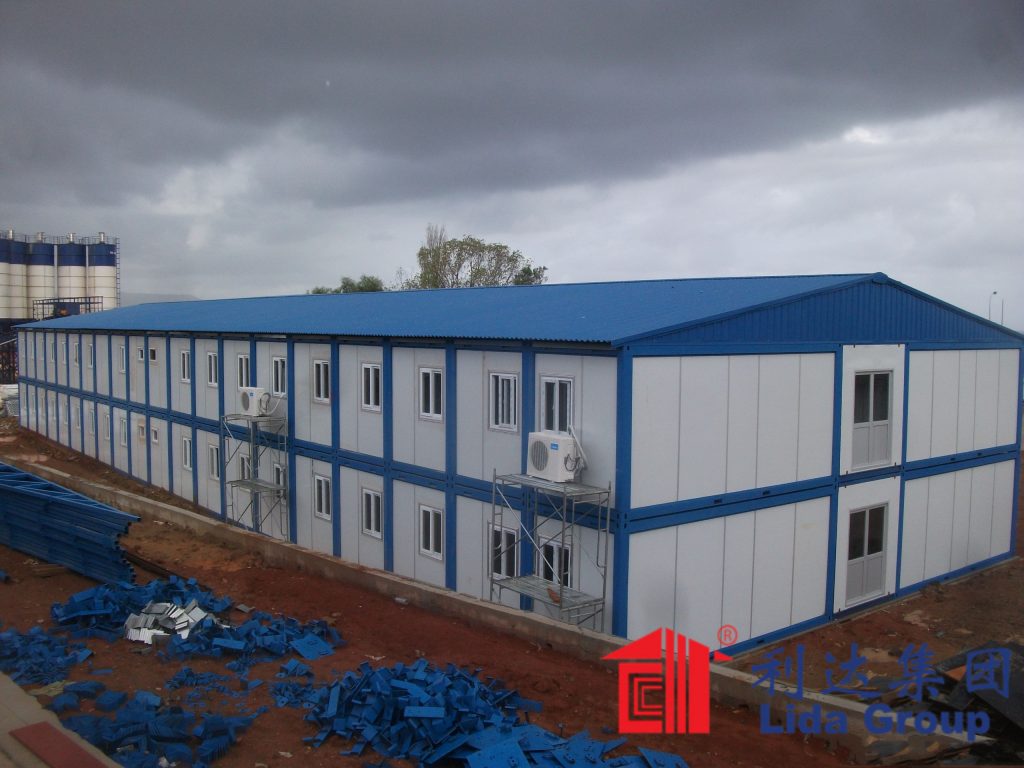
3. Key Advantages of Lida’s Temporary Durable Buildings for Mining Worker Camps
Lida Group’s temporary durable buildings offer a unique combination of advantages that make them perfectly suited for mining field worker camps. These advantages directly address the key pain points of traditional temporary housing, delivering value to mining companies and improving the living conditions of workers. Below are the core benefits that set Lida’s temporary durable buildings apart:
3.1 Rapid Deployment: Minimizing Downtime and Accelerating Operations
For mining companies, time is money, and the ability to deploy worker camps quickly is critical to meeting production targets. Lida’s temporary durable buildings are designed for rapid installation, with deployment times that are 50-70% faster than traditional construction methods. This speed is achieved through three key factors:
Factory Prefabrication: 90% of the building components are manufactured in Lida’s state-of-the-art factories, where quality is controlled and production is streamlined. This eliminates the delays associated with on-site construction, such as weather-related setbacks, labor shortages, or material waste. Factory prefabrication also ensures that all components are standardized and compatible, reducing assembly time on-site.
Quick Assembly: The interlocking design and boltless connections of Lida’s modules allow for rapid assembly. A basic worker camp for 50 workers can be installed in just 3-5 days, while a large-scale camp for 500+ workers can be fully operational within 10-14 days. For emergency deployments, Lida can deliver and install basic accommodation units within 72 hours, ensuring that mining operations are not delayed.
Minimal On-Site Labor: The lightweight and modular design of the buildings reduces the need for specialized labor or heavy machinery. Most installation tasks can be completed by general laborers with minimal training, reducing labor costs and ensuring that installation can proceed even in remote locations with limited access to skilled workers. This is particularly valuable in mining sites where labor is scarce and expensive.
The impact of rapid deployment is tangible. For example, a mining company operating in Australia’s Pilbara region needed a worker camp for 500 workers to start iron ore extraction within 6 weeks. Using Lida’s temporary durable buildings, the camp was designed, manufactured, and installed in just 10 days—allowing the company to meet its deadline and avoid costly downtime. This speed not only saved the company time but also allowed it to start generating revenue sooner, improving project profitability.
3.2 Exceptional Durability: Withstanding Mining’s Harshest Environments
Mining sites demand structures that can withstand extreme weather, corrosive conditions, and heavy use—and Lida’s temporary durable buildings deliver on this promise. Their high-grade materials and advanced engineering make them highly durable, ensuring that they remain functional and safe even in the harshest mining environments:
Extreme Temperature Resistance: Lida’s temporary durable buildings are designed to perform in a wide range of temperatures, from the -60°C freezing temperatures of the arctic to the 45°C+ heat of the desert. The sandwich panel insulation ensures that indoor temperatures remain stable at 22-24°C even when external temperatures are extreme. For arctic mining sites, Lida’s buildings feature extra-thick insulation (150mm rock wool), heated floors, and ground-source heat pumps to keep workers comfortable. For desert sites, the buildings include heat-reflective exterior coatings and improved ventilation to reduce indoor temperatures.
Corrosion and Weather Resistance: The high-strength steel frames and anti-corrosive coatings make Lida’s buildings resistant to dust, salt, humidity, and UV radiation. This prevents rust and degradation, extending the service life of the buildings to 50 years or more—even in corrosive mining environments. For coastal or humid mining regions, Lida uses corten steel, which forms a protective rust layer over time, further enhancing corrosion resistance.
Structural Strength: Despite their lightweight construction, Lida’s temporary durable buildings are structurally strong, capable of withstanding earthquakes of up to 8 magnitude, strong winds of up to 120km/h, and heavy snowfall of up to 2 meters. The interlocking connections and reinforced steel frames provide additional structural support, preventing collapse and ensuring worker safety. In a mining project in northern Canada, Lida’s buildings withstood three major snowstorms without damage, demonstrating their exceptional structural resilience.
Low Maintenance: The durable materials and seamless design of Lida’s buildings reduce the need for frequent maintenance. Unlike traditional temporary structures, which require regular repairs to address leaks, rust, or structural damage, Lida’s buildings require only occasional cleaning and minor inspections. This saves mining companies time and money on maintenance costs, allowing them to focus on their core operations.
3.3 Worker-Centric Comfort: Enhancing Morale, Retention, and Productivity
Lida Group recognizes that a comfortable, safe living environment is essential for mining workers’ health, morale, and productivity. Its temporary durable buildings are designed with workers’ needs in mind, offering the same level of comfort as permanent housing, even in remote mining sites:
Thermal and Sound Insulation: The sandwich panel insulation provides excellent thermal and sound insulation, creating a comfortable indoor environment regardless of external conditions. In cold environments, the insulation keeps the interior warm and cozy, reducing the risk of cold-related illnesses. In noisy mining sites, the sound insulation reduces noise from mining operations, allowing workers to rest and sleep undisturbed—critical for maintaining productivity during long shifts.
Ample Space and Amenities: Lida’s temporary durable buildings are available in a range of sizes and layouts, including single rooms (12-15 square meters), double rooms (18-20 square meters), and dormitories (4-8 people), all meeting or exceeding the ILO’s recommended 4-5 square meters per person. Each unit is equipped with essential amenities such as comfortable beds, built-in storage, desks, ventilation systems, heating, and air conditioning. Communal facility units—including kitchens, dining halls, bathrooms, laundry rooms, and recreation rooms—are also available, providing workers with access to shared spaces where they can relax, socialize, and access essential services.
Indoor Air Quality: The seamless design of Lida’s buildings prevents moisture infiltration and mold growth, ensuring good indoor air quality. Ventilation systems are integrated into the panels, providing fresh air and reducing the risk of respiratory illnesses. This is particularly important in humid mining regions, where mold growth can be a significant health hazard.
Privacy and Safety: Lida’s buildings are designed to provide workers with privacy, with separate rooms and private bathrooms available in premium units. Safety features include fire-resistant materials, smoke detectors, emergency exits, and reinforced steel frames, ensuring that workers are safe in the event of an emergency. In a mining project in northern Canada, Lida’s worker camp reduced monthly turnover from 20% to 5%, saving the company $1.8 million in recruitment and training costs. Absenteeism due to cold-related illnesses fell by 75%, and workers reported a 90% reduction in cold-related discomfort and improved sleep quality—leading to increased productivity during shifts.
3.4 Flexibility and Scalability: Adapting to Evolving Mining Needs
Mining operations are dynamic, with worker numbers fluctuating as projects progress and site locations changing over time. Lida’s temporary durable buildings are designed to be flexible and scalable, allowing mining companies to adapt their worker camps to evolving needs without incurring significant additional costs:
Modular Expansion: The modular design of Lida’s buildings allows for easy expansion. If worker numbers increase, additional modular units can be added quickly to the existing camp, without disrupting ongoing operations. This scalability ensures that the camp can grow with the project, eliminating the need to build a new camp from scratch. For example, a mining company in Canada expanded its worker camp from 350 to 500 workers by adding 25 modular units in just 5 days, without interrupting mining operations.
Relocatability: Lida’s temporary durable buildings are easy to disassemble, transport, and reassemble, making them ideal for mining projects that require relocation. When a mining site is exhausted or the project moves to a new location, the modules can be disassembled, loaded onto trucks, and transported to the new site—reducing waste and saving costs. This reusability also aligns with sustainable mining practices, as it minimizes the environmental impact of temporary housing.
Customization: Lida Group offers extensive customization options, allowing mining companies to tailor their temporary durable buildings to their specific needs. Companies can choose between different materials, sizes, layouts, and interior finishes, and add specialized features such as solar panels, wind turbines, or hydrogen microgrids for off-grid power supply. Lida’s R&D team works closely with mining companies to understand their unique requirements and develop customized solutions that meet their specific needs—whether it’s a small exploration camp for 20 workers or a large-scale camp for 1,000+ workers.
3.5 Sustainability and Environmental Responsibility: Aligning with Decarbonization Goals
Mining companies are increasingly focused on sustainability and decarbonization, and Lida Group’s temporary durable buildings are designed to support these goals. The buildings minimize environmental impact through the use of eco-friendly materials, energy-efficient design, and renewable energy integration:
Recycled Materials: Lida uses 98% recycled steel in its building frames and outer skins, diverting over 180,000 tons of steel from landfills annually through its patented Circusteel™ process. This closed-loop manufacturing approach ensures that offcuts are melted and reused onsite, reducing waste and carbon emissions. The core insulation materials (rock wool, PU, XPS) are also eco-friendly, with low VOC emissions and recyclable properties.
Energy Efficiency: The excellent thermal insulation of Lida’s buildings reduces the need for heating and cooling, lowering energy consumption and carbon emissions. The buildings are equipped with energy-efficient HVAC systems, LED lighting, and optional renewable energy systems such as solar panels and wind turbines. In a project at Zambia’s Lumwana mine, 120 of Lida’s temporary durable buildings generated 1.2 MWh of clean energy daily, reducing diesel use by 78% and saving $420,000 per year in fuel costs.
Water Conservation: Lida’s worker camps include greywater recycling systems that filter and reuse shower and sink water for non-potable needs, as well as atmospheric water harvesters that extract 500 liters of water per day from desert air. At Rio Tinto’s Australian outback project, Lida’s 150-person camp reduced freshwater withdrawals from 28,000 liters per day to 4,200 liters, eliminating the need for water-truck deliveries and reducing the project’s environmental footprint.
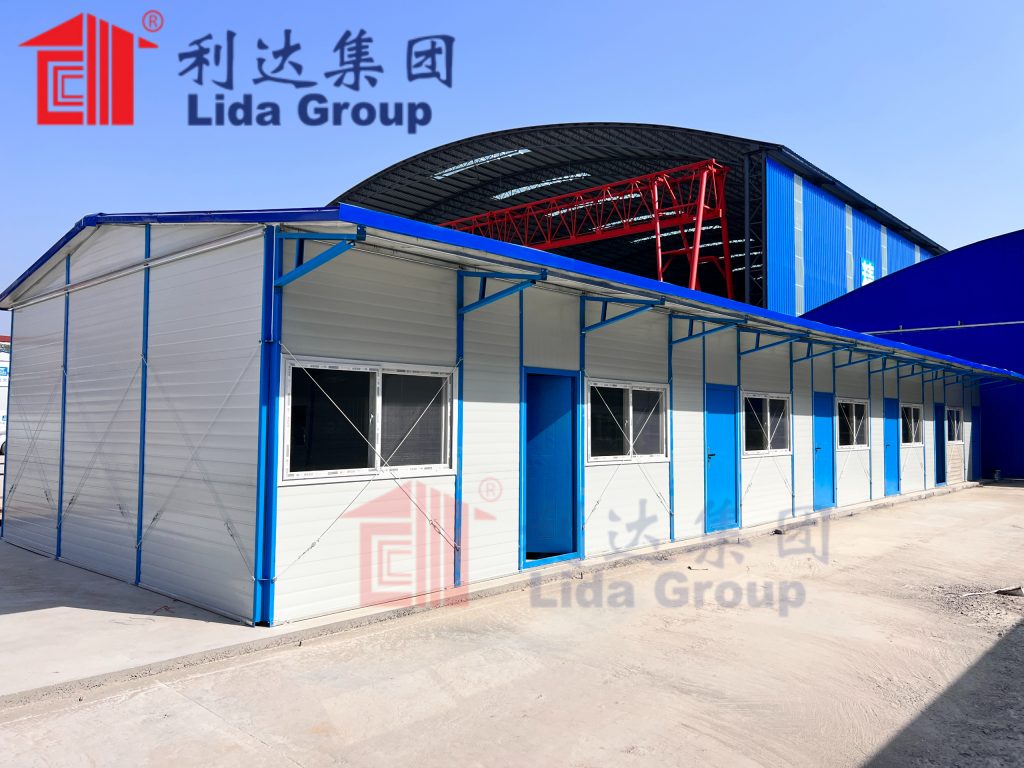
4. Lida’s Temporary Durable Building Portfolio for Mining Worker Camps
Lida Group offers a comprehensive portfolio of temporary durable buildings tailored specifically for mining field worker camps. Each product is designed to meet the unique needs of mining operations, from small exploration camps to large-scale production camps, and from arctic to desert environments. The company’s portfolio includes worker accommodation units, communal facility units, and specialized units, all built to the same high standards of durability, comfort, and efficiency.
4.1 Worker Accommodation Units: Comfortable, Durable, and Flexible
Lida’s worker accommodation units are the foundation of any mining field worker camp, designed to provide a safe, comfortable living space for workers. The company offers three main types of accommodation units, tailored to different worker needs and project scales:
Standard Dormitory Units: These are the most cost-effective option for large-scale mining camps with hundreds of workers. Available in 20ft and 40ft sizes, standard dormitory units can accommodate 4-8 workers per unit. Each unit is equipped with bunk beds, wardrobes, desks, ventilation systems, and climate control (air conditioning and heating). The 20ft unit (length 6.058m, width 2.438m, height 2.591m) can accommodate 4-6 workers, while the 40ft unit (length 12.192m, width 2.438m, height 2.591m) can accommodate 8-12 workers. These units are designed for rapid installation and easy relocation, making them ideal for temporary mining projects.
Premium Accommodation Units: These units are designed for long-term mining projects or for senior staff, offering a higher level of comfort and privacy. Available in 40ft and 45ft sizes, premium units feature single or double rooms with private bathrooms, showers, comfortable beds, wardrobes, desks, TVs, and small kitchenettes. The interior finishes are of high quality, with washable neutral-colored paint, wooden floors, and modern furniture. These units are ideal for mining projects that require high worker retention, as they provide a home-like environment that reduces turnover.
Family Units: For mining workers who need to live with their families, Lida offers family-friendly units that provide more space and amenities. These units are 45ft or custom-sized, with separate bedrooms, a living area, a kitchen, and a bathroom. Family units are equipped with all the essential amenities needed for family living, including washing machines, refrigerators, and extra storage space. These units help mining companies attract and retain skilled workers who prefer to bring their families to the mining site.
4.2 Communal Facility Units: Supporting Worker Well-Being
Communal facility units are essential for creating a functional, comfortable mining worker camp, providing workers with access to essential services and communal spaces. Lida offers a range of communal facility units that can be combined with accommodation units to form a complete worker camp:
Communal Kitchen Units: These units are equipped with professional cooking equipment, including stoves, ovens, refrigerators, freezers, sinks, and food storage areas. They are designed to serve hundreds of workers, with counter space and preparation areas for kitchen staff. Lida’s kitchen units are customizable, with options for gas or electric cooking, and can be equipped with ventilation systems to ensure a safe, comfortable working environment for kitchen staff.
Dining Hall Units: These units are spacious and comfortable, with tables, chairs, and serving counters. They are designed to accommodate large numbers of workers, with options for air conditioning and ventilation systems to keep the space cool and comfortable. Dining hall units can be customized to include buffet lines, vending machines, and other amenities to enhance the dining experience.
Bathroom and Shower Units: These units are equipped with toilets, showers, sinks, and hot water supply systems. They are designed to be durable and easy to maintain, with corrosion-resistant materials and non-slip floors. Lida’s bathroom units are available in different sizes, with options for private or shared stalls, and can be equipped with ventilation fans to reduce moisture and prevent mold growth.
Laundry Units: These units are equipped with washing machines, dryers, and ironing boards, providing workers with convenient laundry services. They are designed to handle heavy use, with durable equipment and plenty of space for workers to sort and fold laundry. Laundry units can be customized to include additional storage space for laundry supplies.
Recreation and Medical Units: Recreation units provide workers with a space to relax and socialize, equipped with TVs, pool tables, gym equipment, and bookshelves. Medical units are stocked with basic medical supplies and equipment, providing workers with access to first aid and minor medical care. These units are essential for maintaining worker well-being and reducing absenteeism.
4.3 Specialized Units: Tailored to Unique Mining Needs
For mining projects with unique requirements, Lida offers specialized temporary durable units that address specific challenges. These units are customized to meet the unique needs of the mining site, whether it’s extreme weather, off-grid power supply, or specialized operational needs:
Arctic-Grade Units: These units are designed for mining sites in extreme cold environments, with extra-thick insulation (150mm rock wool), heated floors, ground-source heat pumps, and snow guards on roofs. They are constructed with nickel-alloyed steel that can withstand temperatures as low as -60°C, ensuring that workers remain comfortable and safe in freezing conditions. Arctic-grade units also feature wind-resistant designs and reinforced frames to withstand heavy snowfall.
Off-Grid Power Units: These units integrate renewable energy systems, such as solar panels, wind turbines, and hydrogen microgrids, to provide off-grid power supply for remote mining sites. Lida’s off-grid power units are designed to be self-sufficient, reducing reliance on diesel generators and lowering operational costs. At a Canadian oil sands project, Lida’s hydrogen refueling stations supported the conversion of Komatsu 930e haul trucks to hydrogen power, eliminating diesel use for transportation.
Exploration Camps: These are small, portable camps designed for mining exploration teams working in remote, hard-to-reach locations. Exploration camps are typically composed of 5-20 units, including accommodation, kitchen, and bathroom units, and are designed to be deployed quickly by helicopter or truck. Lida’s exploration camps feature boltless screw foundations that can be installed in 90 minutes, allowing teams to establish functional bases in roadless locations within 8 hours.
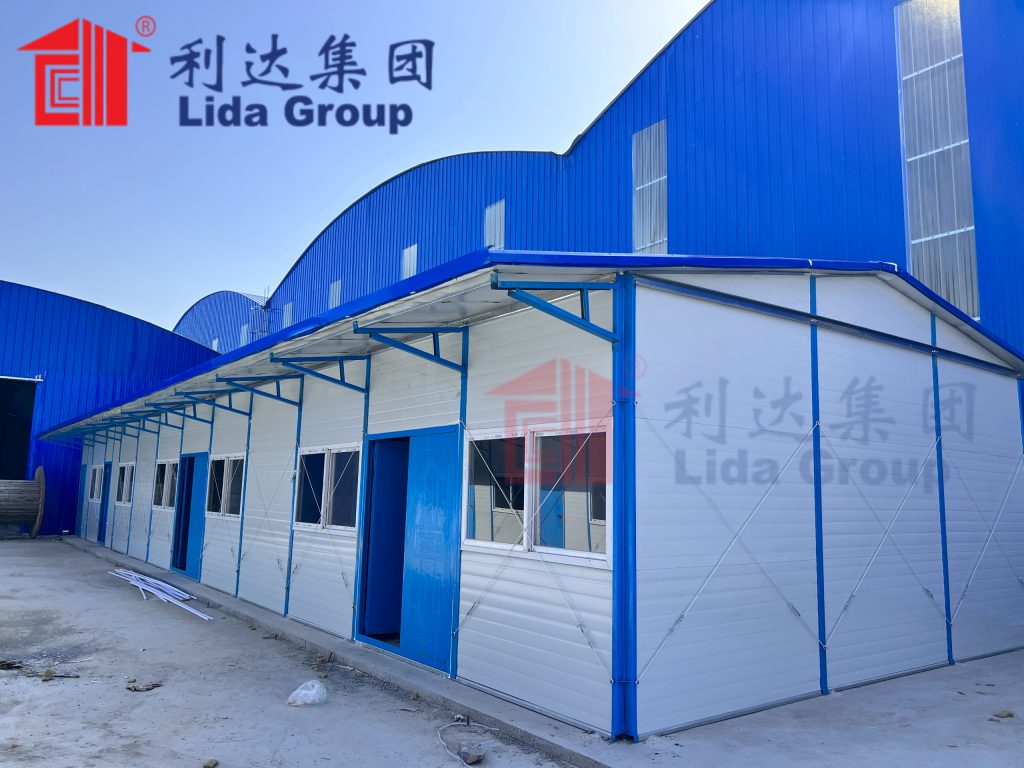
5. Real-World Case Studies: Lida’s Temporary Durable Buildings in Mining Camps
To demonstrate the practical value of Lida Group’s temporary durable buildings for mining field worker camps, the following case studies highlight successful projects in diverse mining environments. These case studies showcase how Lida’s solutions addressed the unique challenges faced by mining companies, delivering durable, comfortable, and efficient worker camps that supported operational success.
5.1 Case Study 1: Arctic Mining Camp in Northern Canada – Durability and Rapid Deployment
A mining company operating in the Northwest Territories of Canada needed a worker camp for 300 workers at a diamond mine where winter temperatures drop to -40°C and snowfall exceeds 2 meters annually. The company’s previous housing—tents heated by propane—was unsafe (risk of carbon monoxide poisoning, tent collapse under snow) and uncomfortable (indoor temperatures fluctuated between 10-18°C, no hot water). The company needed a solution that could be installed quickly, withstand the extreme cold, and provide a safe, comfortable living environment.
Lida Group provided 100 temporary durable modular units, tailored to arctic conditions. The units were constructed with nickel-alloyed S355J2W steel frames, extra-thick 150mm rock wool insulation, and heated floors to keep indoor temperatures stable at 22-24°C. Safety features included reinforced steel frames with snow guards, fire-resistant materials, smoke detectors linked to a central alarm system, and ground-source heat pumps (eliminating propane use and carbon monoxide risk). The units also featured large windows to maximize winter sunlight and LED lighting with dimmer switches for comfort.
The 100 units were produced in 14 days and shipped to the mine site. Using Lida’s quick-assembly technology, the camp was installed in just 3 weeks—allowing workers to move in ahead of the winter season. The interlocking panels and pre-integrated components reduced installation time by 60% compared to traditional construction. During the 18-month project, no safety incidents (fires, carbon monoxide poisoning, structural damage) were reported, and the units withstood three major snowstorms without damage. Workers reported a 90% reduction in cold-related discomfort and improved sleep quality, leading to a 75% reduction in absenteeism due to cold-related illnesses. Monthly turnover dropped from 20% to 5%, saving the company $1.8 million in recruitment and training costs.
5.2 Case Study 2: Australian Iron Ore Mine – Sustainability and Efficiency
An international mining company needed a worker camp for 500 workers at a remote iron ore mine in Australia’s Pilbara region. The project faced tight deadlines, with the company needing to start extraction within 6 weeks. The mine was located in a desert environment with daytime temperatures exceeding 45°C, and the company wanted a solution that was rapidly deployable, energy-efficient, and aligned with its decarbonization goals.
Lida Group provided a comprehensive solution consisting of 120 standard dormitory units (40ft, 8 workers each) and 30 premium accommodation units (40ft, 2 workers each) for senior staff, along with 15 communal facility units (kitchens, dining halls, bathrooms, and recreation rooms). The units were customized with heat-reflective exterior coatings, high-density PU insulation, and solar panels integrated into a hydrogen microgrid to provide off-grid power supply.
Using Lida’s temporary durable buildings, the 165 units were produced in 12 days and shipped to the mine site. Installation was completed in just 10 days—allowing the mining company to start extraction on schedule. The interlocking panels and pre-installed components meant that the camp was move-in ready within 24 hours of installation completion. The solar-hydrogen microgrid reduced diesel consumption by 38% in the first phase of deployment, saving the company $450,000 per year in fuel costs. The heat-reflective coatings and insulation kept indoor temperatures stable at 25-28°C, significantly improving worker comfort and productivity. The camp also included a water recycling system that reduced freshwater use by 85%, eliminating the need for water-truck deliveries and reducing the project’s environmental impact.
5.3 Case Study 3: Canadian Lithium Mine – Scalability and Sustainability
A mining company partnered with Lida Group to build a pilot worker camp for 500 employees at an expanding northern lithium mine in Canada. The company wanted a sustainable, scalable solution that aligned with provincial decarbonization goals and provided dignified living conditions for rotational workers. The camp needed to be rapidly deployable, durable, and easy to expand as the project grew.
Lida provided a modular solution consisting of 125 temporary durable units, including 100 double-room accommodation units (18 square meters each) and 25 communal facility units (kitchens, dining halls, laundry rooms, and recreation rooms). The units were built with 98% recycled steel frames, airtight construction, and R-80 insulation exceeding local codes. The camp was integrated with a solar-geothermal microgrid that provided independent power and hot water to each unit, reducing carbon emissions by 45% compared to traditional mining camps.
The camp was deployed in 6 months, with the first phase accommodating 350 workers within 3 weeks of approval. The modular design allowed for seamless expansion, and the units were interconnected via pre-plumbed quick-connections for hassle-free scaling. After two seasons, the camp demonstrated significant benefits: 35% lower per-unit housing costs versus permanent builds, 60% fewer maintenance issues, and high worker satisfaction scores. The company plans to replicate the pilot camp at other mining sites across Canada, leveraging the scalability and sustainability features of Lida’s temporary durable buildings.
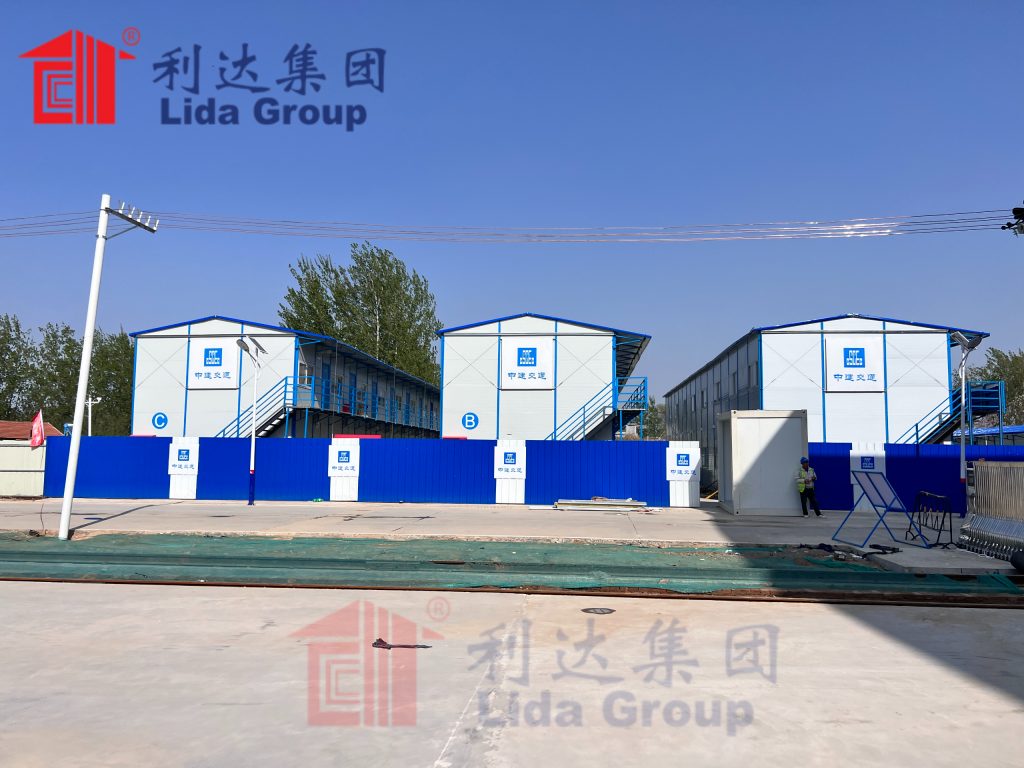
6. Why Lida’s Temporary Durable Buildings Outperform Competitors
While there are many suppliers of temporary buildings, Lida Group stands out as the preferred choice for mining companies worldwide—thanks to its mining-specific expertise, superior quality, comprehensive service, and commitment to innovation. The following advantages set Lida’s temporary durable buildings apart from competitors:
6.1 Mining-Specific Expertise and Experience
Unlike generic prefabricated building suppliers, Lida Group has deep expertise in the mining industry, with decades of experience delivering worker camps in diverse mining environments. The company’s engineers and designers understand the unique challenges of mining sites—extreme weather, remote locations, worker safety, and operational flexibility—and tailor their temporary durable buildings to address these challenges. Lida’s extensive portfolio of mining camp projects demonstrates its ability to deliver reliable, durable solutions that meet the specific needs of mining companies.
6.2 Superior Quality and Durability
Lida’s temporary durable buildings are built to the highest standards of quality and durability, using high-grade materials and innovative engineering. The company’s use of nickel-alloyed steel, aerogel-enhanced insulation, and corrosion-resistant coatings ensures that its units can withstand the harshest mining environments, from arctic cold to desert heat. Lida’s rigorous quality control processes—from factory production to on-site installation—ensure that every unit meets international safety and performance standards, minimizing the risk of repairs, replacements, and downtime.
6.3 Industry-Leading Efficiency and Deployment Speed
Lida’s temporary durable buildings are designed for maximum efficiency, with deployment times that are 50-70% faster than traditional construction methods and competitors’ prefabricated buildings. The company’s modular design, quick-assembly connections, and pre-integrated components reduce installation time and labor costs, allowing mining companies to start operations sooner. Lida’s flat-pack transportation system optimizes transport efficiency, allowing components to be shipped in compact bundles to even the most remote mining sites.
6.4 Comprehensive Customization and Flexibility
Lida Group offers extensive customization options, allowing mining companies to tailor their temporary durable buildings to their specific needs. Whether it’s adapting to extreme weather, integrating renewable energy systems, or adjusting unit sizes and layouts, Lida’s R&D team works closely with clients to develop customized solutions. The modular design of Lida’s units also allows for easy expansion, reconfiguration, and relocation—ensuring that the camp can adapt to evolving mining needs.
6.5 One-Stop Service and After-Sales Support
Lida Group offers a one-stop service that covers every stage of the mining camp lifecycle—from design and manufacturing to delivery, installation, and after-sales service. This streamlined service reduces the administrative burden on mining companies, allowing them to focus on their core operations. Lida’s after-sales service team is available 24/7 to address any issues or concerns, ensuring that the camp remains operational and workers remain safe and comfortable. The company’s global service network ensures that support is available even in remote mining locations.
6.6 Commitment to Sustainability
Lida Group is committed to sustainability and environmental responsibility, offering temporary durable buildings that align with mining companies’ decarbonization goals. The company’s use of recycled materials, energy-efficient design, and renewable energy integration minimizes environmental impact, reducing carbon emissions, water use, and waste. Lida’s sustainable solutions not only help mining companies comply with environmental regulations but also reduce operational costs and enhance their brand reputation.
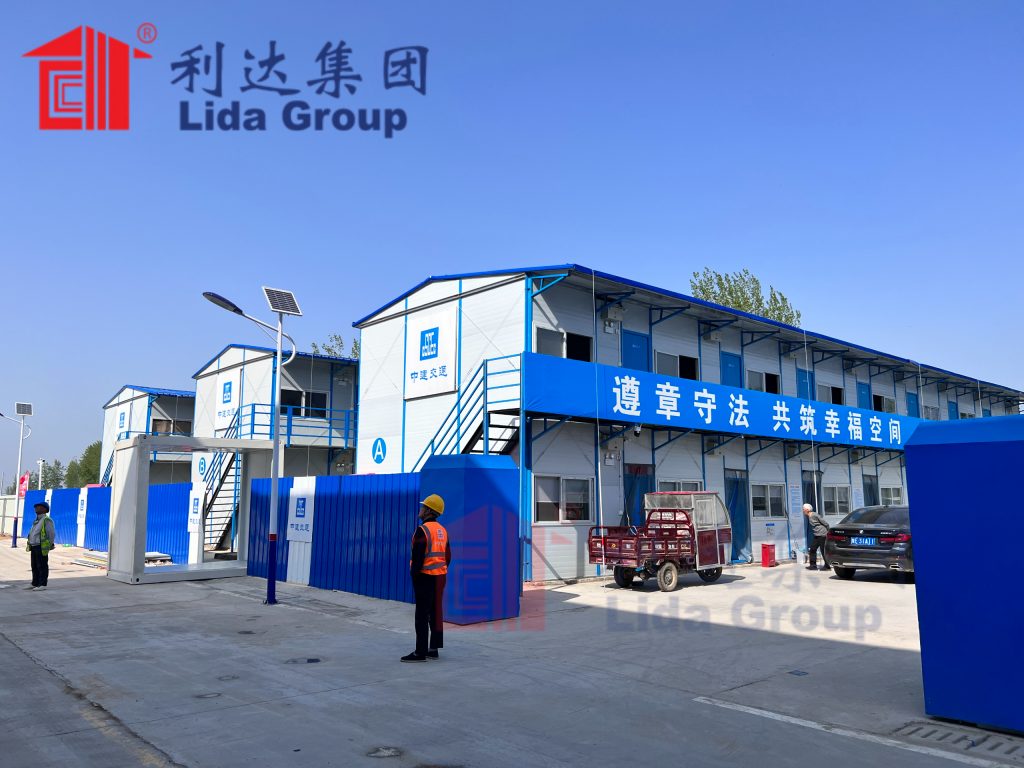
7. Conclusion: Lida’s Temporary Durable Buildings – The Future of Mining Worker Accommodation
Mining field worker camps are critical to the success of mining operations, serving as a home base for workers and supporting operational efficiency, productivity, and worker well-being. Traditional temporary housing solutions have long failed to meet the rigorous demands of mining sites—lacking durability, taking too long to deploy, compromising worker comfort, and harming the environment. Lida Group’s temporary durable buildings address all these challenges, delivering mining worker camps that are rugged, rapid to deploy, comfortable, flexible, and sustainable.
With over 30 years of expertise in modular prefabricated construction and a deep understanding of the mining industry, Lida Group has established itself as a trusted partner for mining companies worldwide. The company’s temporary durable buildings are designed specifically for mining environments, combining advanced materials, innovative design, and industry-leading efficiency to deliver tangible benefits to both mining companies and their workers. These benefits include reduced downtime, lower operational costs, improved worker retention and productivity, and a smaller environmental footprint.
The core advantages of Lida’s temporary durable buildings—rapid deployment, exceptional durability, worker-centric comfort, flexibility, and sustainability—directly address the most pressing pain points of mining operations. Real-world case studies from northern Canada, Australia, and Canada demonstrate how these structures have delivered significant value, helping mining companies meet tight deadlines, reduce costs, and improve worker well-being. Whether it’s an arctic diamond mine, a desert iron ore mine, or a remote lithium mine, Lida’s temporary durable buildings provide the reliability, resilience, and comfort that mining companies need to succeed.
As the mining industry continues to evolve, with a growing focus on worker well-being, sustainability, and operational efficiency, Lida Group’s temporary durable buildings are poised to become the standard for mining worker accommodation. The company’s ongoing commitment to innovation—from advanced materials and efficient design to renewable energy integration—ensures that its solutions will continue to meet the changing needs of the mining industry. Lida’s temporary durable buildings are not just temporary structures; they are a strategic investment in mining operations, supporting long-term success and sustainability.
In summary, Lida Group’s temporary durable buildings are transforming mining field worker camps by combining the best of temporary and permanent construction. They offer the flexibility to adapt to changing mining needs, the durability to withstand harsh environments, the comfort to keep workers happy and productive, and the sustainability to align with global decarbonization goals. For mining companies seeking a reliable, efficient, and sustainable solution for their worker camps, Lida Group is the ideal partner—delivering solutions that stand up to the harshest mining environments, deploy quickly to minimize downtime, and provide a safe, comfortable home for workers. With their unique combination of advantages, Lida’s temporary durable buildings are setting a new standard for safety, comfort, and efficiency in the mining industry, paving the way for a more sustainable and productive future.
Related news
-
Easy Install Sandwich Panel House Ideal for Mining Field Worker Camp Accommodation
2026-05-19 15:39:21
-
Lida Group Delivers Mining Field Worker Camp Using Temporary Durable Building Solutions
2026-05-19 15:12:31
-
Movable Modular Container House from Lida Group Offers Rapid Deployment and Comfort
2026-05-19 13:56:16
contact us
- Tel: +86-532-88966982
- Whatsapp: +86-13793209022
- E-mail: sales@lidajituan.com
