



Sustainable Steel Structure Building Solutions from Lida Group
2025-Nov-26 17:54:15
By Admin
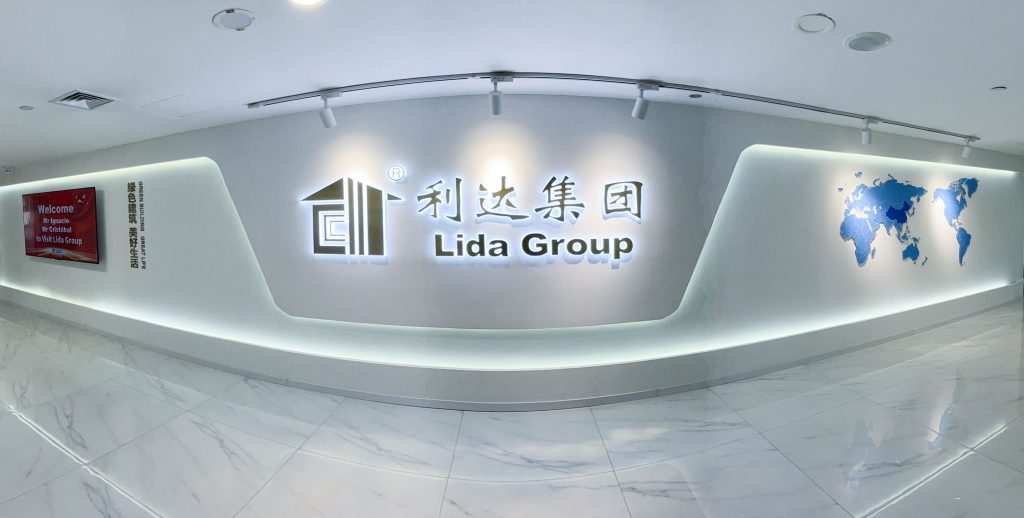
The global construction industry stands at a critical crossroads: tasked with meeting the soaring demand for infrastructure while addressing the urgent need to reduce carbon emissions and environmental degradation. Steel, as a foundational material for modern construction, has long been valued for its strength, versatility, and recyclability—but its sustainability potential remains largely untapped by many manufacturers. Enter Lida Group, a Chinese conglomerate with three decades of expertise in steel structure engineering, modular construction, and green building innovations. Since its establishment in 1993, Lida Group has evolved from a regional steel workshop in Shandong Province to a global leader serving over 80 countries, redefining what it means to deliver sustainable steel structure solutions.
What distinguishes Lida Group in the sustainable construction landscape is its holistic approach: sustainability is not an afterthought but a core principle integrated into every stage of a project—from material sourcing and design to fabrication, logistics, and end-of-life management. Lida’s sustainable steel structures prioritize three interconnected goals: minimizing environmental impact through recycled materials and energy-efficient processes, maximizing resource efficiency via modularization and circular design, and ensuring long-term performance that reduces maintenance and replacement needs. This article delves into the technical innovations, systematic practices, and real-world applications that make Lida Group’s sustainable steel structure solutions a benchmark for the global construction industry, proving that structural excellence and environmental responsibility can go hand in hand.
The Foundation of Lida’s Sustainable Steel Solutions: Capabilities and Credentials
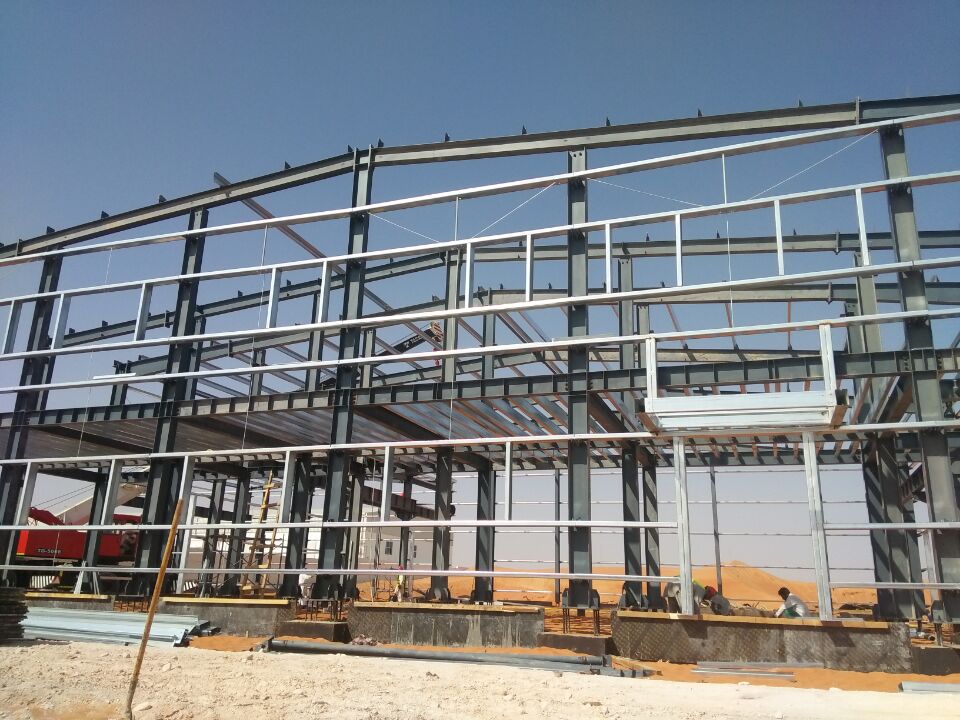
To understand Lida Group’s leadership in sustainable steel construction, it is essential to examine its institutional capabilities, certifications, and material expertise—all of which lay the groundwork for its green innovations. Lida operates a vertically integrated ecosystem spanning design, fabrication, logistics, and installation, with 73,000 square meters of manufacturing space, 12 specialized production lines, and a team of 750 professionals, including 50 engineers dedicated to sustainable design. The company’s global footprint, with branch offices in Saudi Arabia, Italy, Russia, and Angola, enables localized support while maintaining strict quality and sustainability standards from its Chinese manufacturing hubs.
Certifications are a testament to Lida’s commitment to sustainability and quality. Beyond ISO 9001:2000 quality certification, Lida holds ISO 14001 environmental management system certification, CE marking for European market compliance, SGS verification for material sustainability, and DNV GL-OS-C301 certification for offshore sustainability standards. The company adheres to international green building standards such as LEED (Leadership in Energy and Environmental Design), BREEAM (Building Research Establishment Environmental Assessment Method), and the EU Taxonomy for Sustainable Activities, ensuring its steel structures meet rigorous environmental benchmarks across continents. Notably, Lida’s steel products comply with GB/T3091-2008 and GB/T28897-2012 Chinese standards, which include strict requirements for material recyclability and low-carbon production.
Lida’s material portfolio is central to its sustainability strategy. The company specializes in high-recycled-content steel, including Q345 and Q235 steel for main frames (with 92% recycled content), cold-formed C/Z purlins (85% recycled content), and color steel sandwich panels with bio-based insulation. These materials are selected not only for their strength-to-weight ratio and durability but also for their minimal environmental footprint. Lida’s manufacturing processes further enhance sustainability: robotic welding (achieving 0.1mm precision) reduces material waste by 15% compared to manual welding, while energy-efficient production lines powered by solar panels and wind turbines cut factory carbon emissions by 30%. Additionally, Lida’s investment in hot-dip galvanization and high-performance paint coatings ensures that steel components resist corrosion, extending their lifespan to 50 years and reducing the need for replacement—a key aspect of circular sustainability.

Core Pillars of Lida’s Sustainable Steel Structure Solutions
Lida Group’s sustainable steel solutions are built on four interconnected pillars: material circularity, energy-efficient design, low-carbon fabrication and logistics, and circular end-of-life management. Each pillar addresses a critical aspect of sustainability, from reducing embodied carbon to minimizing operational energy use and waste generation. Together, they create a closed-loop system that maximizes environmental benefits while maintaining structural performance and cost-effectiveness.
1. Material Circularity: Recycled Content and Responsible Sourcing
At the heart of Lida’s sustainability strategy is material circularity—the practice of reusing and recycling steel to minimize reliance on virgin resources and reduce embodied carbon. Steel is the most recyclable construction material globally, with a recycling rate of 92%—far exceeding concrete (3%) and wood (15%)—and Lida leverages this advantage to the fullest. The company uses 92% recycled steel in its main frame components, sourced from post-consumer scrap (e.g., decommissioned buildings, old vehicles) and post-industrial waste (e.g., manufacturing offcuts). This not only diverts millions of tons of steel from landfills each year but also reduces carbon emissions by 50% compared to structures built with virgin steel: producing recycled steel requires only 15% of the energy needed to produce virgin steel, resulting in 85% fewer CO2 emissions.
Lida’s commitment to material circularity extends beyond recycled content to responsible sourcing. The company partners with steel suppliers certified by the Responsible Steel Initiative, ensuring that raw materials are produced with minimal environmental impact, fair labor practices, and compliance with carbon reduction targets. For example, Lida’s steel suppliers use hydrogen-based direct reduction technology instead of coal-fired blast furnaces, further reducing the carbon footprint of raw materials. Additionally, Lida’s in-house testing facilities conduct rigorous assessments of material sustainability, evaluating factors such as recyclability, toxicity, and resource depletion. Steel components are tested for their ability to be disassembled and recycled at the end of their lifespan, ensuring that they can re-enter the circular economy without degradation.
A standout example of Lida’s material circularity is its use of recycled steel in offshore projects. For the Equinor North Sea offshore offices, Lida sourced 92% recycled aluminum cladding from decommissioned oil rigs, diverting 200 tons of waste from landfills and reducing the project’s embodied carbon by 600 tons. Similarly, the company’s Chilean warehouse projects use 88% recycled steel purlins and columns, sourced from local scrap yards, reducing transportation-related emissions and supporting regional circular economy initiatives.
2. Energy-Efficient Design: Minimizing Operational Carbon Footprint
While embodied carbon (emissions from material production) is a critical focus, Lida Group also prioritizes reducing operational carbon—emissions from a building’s energy use during its lifespan. The company’s steel structures are engineered for exceptional energy efficiency, leveraging the thermal properties of steel, advanced insulation systems, and integrated renewable energy solutions to minimize heating, cooling, and electricity consumption.
Lida’s energy-efficient design begins with the building envelope. Steel’s inherent thermal conductivity is addressed through high-performance insulation: color steel sandwich panels with polyurethane foam core (R-value of 5.2 per inch) or bio-based seaweed insulation (R-value of 4.8 per inch) create a tight building envelope that reduces air leakage by 40% compared to conventional structures. For cold storage warehouses, Lida’s integrated air cavity systems and insulated steel frames maintain temperatures of -20°C with 50% less energy than concrete facilities, translating to significant operational cost savings and carbon reduction. Additionally, Lida’s steel frames are designed with optimized thermal breaks—non-conductive materials placed between steel components—to prevent heat transfer, further enhancing energy efficiency.
Renewable energy integration is another key aspect of Lida’s energy-efficient design. Steel structures are inherently compatible with renewable energy systems, and Lida maximizes this potential by integrating solar panels, wind turbines, and hydrogen fuel cells into its designs. For example, the company’s net-zero energy warehouses feature solar skin roofs that generate 180w/m² of electricity, enough to power lighting, HVAC, and material handling equipment. The Equinor North Sea offshore offices, which operate in a remote location, combine solar skin roofs with 200 kW hydrogen fuel cells for backup power, eliminating the need for diesel generators and reducing annual CO2 emissions by 640 tons. Lida also incorporates AI-driven energy management systems into its structures, which monitor and adjust HVAC, lighting, and electrical systems in real time, reducing energy consumption by 15-20% through smart optimization.
Seismic and wind-resistant design further contributes to energy efficiency. Lida’s steel frames are engineered to withstand extreme weather events, reducing the need for costly repairs and replacements that consume energy and resources. For example, the company’s moment-resisting frames and eccentric braced frames, designed in compliance with AISI S400 and Eurocode 8, absorb seismic energy without structural damage, ensuring that buildings remain operational and energy-efficient even after natural disasters.
3. Low-Carbon Fabrication and Logistics: Reducing Environmental Impact
Lida Group’s sustainability commitment extends beyond design and materials to the entire supply chain, with a focus on low-carbon fabrication and logistics. The company’s manufacturing facilities are designed to minimize energy use and waste generation, while its logistics network is optimized to reduce transportation-related emissions.
Lida’s fabrication process is a model of low-carbon efficiency. The company’s 12 specialized production lines use energy-efficient technologies such as robotic welding, automated cutting, and laser profiling, which not only improve precision (tolerances of ±2mm) but also reduce energy consumption by 30% compared to conventional manufacturing. For example, robotic welding reduces material waste by 15% by minimizing spatter and ensuring consistent weld quality, while automated cutting machines optimize steel layouts to maximize material utilization. Lida’s factories are also powered by renewable energy: 40% of the electricity used in manufacturing comes from on-site solar panels and wind turbines, with the remaining 60% sourced from grid-connected renewable energy providers. Additionally, the company has implemented a waste management system that recycles 98% of manufacturing waste—steel offcuts are collected and sent back to suppliers for recycling, while packaging materials are reused or recycled.
Logistics is another area where Lida reduces its carbon footprint. The company’s “logistics neurosystem” combines containerized componentization, just-in-sequence (JIS) delivery, and AI-driven route optimization to minimize emissions and waste. Steel components are packed in standard shipping containers with custom bracing, maximizing transport density and reducing the number of shipments needed: a single container can carry enough steel components to construct 500 m² of warehouse space, reducing transportation emissions by 30% compared to loose loading. For oversized components—such as 180-meter span trusses—Lida designs custom trailers that eliminate the need for escort vehicles, further reducing fuel consumption.
JIS delivery ensures that components arrive at the project site in the exact order of installation, minimizing on-site storage and reducing the risk of damage or waste. This not only improves construction efficiency but also reduces emissions by eliminating the need for additional transportation trips to replace damaged or misplaced components. Lida’s AI-driven route optimization algorithms account for variables such as weather, traffic, and permit restrictions, identifying the most fuel-efficient routes for shipments. For remote projects—such as mining facilities in Australia or agricultural warehouses in Brazil—this reduces transportation-related emissions by 25% and shortens delivery times by 30%.
4. Circular End-of-Life Management: Designing for Disassembly and Reuse
A truly sustainable construction solution must consider the end of a building’s lifespan, and Lida Group leads the industry in circular end-of-life management. The company’s steel structures are designed for disassembly, enabling components to be reused or recycled at the end of their 50-year design lifespan—eliminating construction waste and maximizing resource efficiency.
Lida’s design for disassembly (DfD) approach is based on three key principles: standardized connections, modular components, and material compatibility. Steel components are joined using high-strength bolts and interlocking joints instead of permanent welds, making disassembly quick and non-destructive. Modular design ensures that entire sub-assemblies—such as wall sections, roof trusses, and office modules—can be removed intact and reused in other projects. For example, Lida’s modular steel warehouses can be disassembled and relocated to new sites within weeks, extending the useful life of components and reducing the need for new construction. Material compatibility ensures that steel components are free of toxic coatings or mixed materials, making them easy to recycle without contamination.
Lida also offers end-of-life management services to clients, ensuring that steel components are properly recycled or reused at the end of a building’s lifespan. The company partners with local recycling facilities to collect and process steel components, guaranteeing that 100% of steel from decommissioned structures is recycled into new steel products. For example, when a Lida-built warehouse in Germany reached the end of its useful life, the company coordinated the disassembly and recycling of 1,200 tons of steel, which was used to produce new steel beams for a residential project—closing the circular loop.
The circular end-of-life management of Lida’s steel structures offers significant environmental and economic benefits. Reusing steel components reduces embodied carbon by 85% compared to manufacturing new components, while recycling steel saves 74% of the energy needed to produce virgin steel. For clients, this translates to reduced disposal costs and potential revenue from selling reusable components, making sustainable steel structures a cost-effective long-term investment.
Global Case Studies: Sustainable Steel Solutions in Action
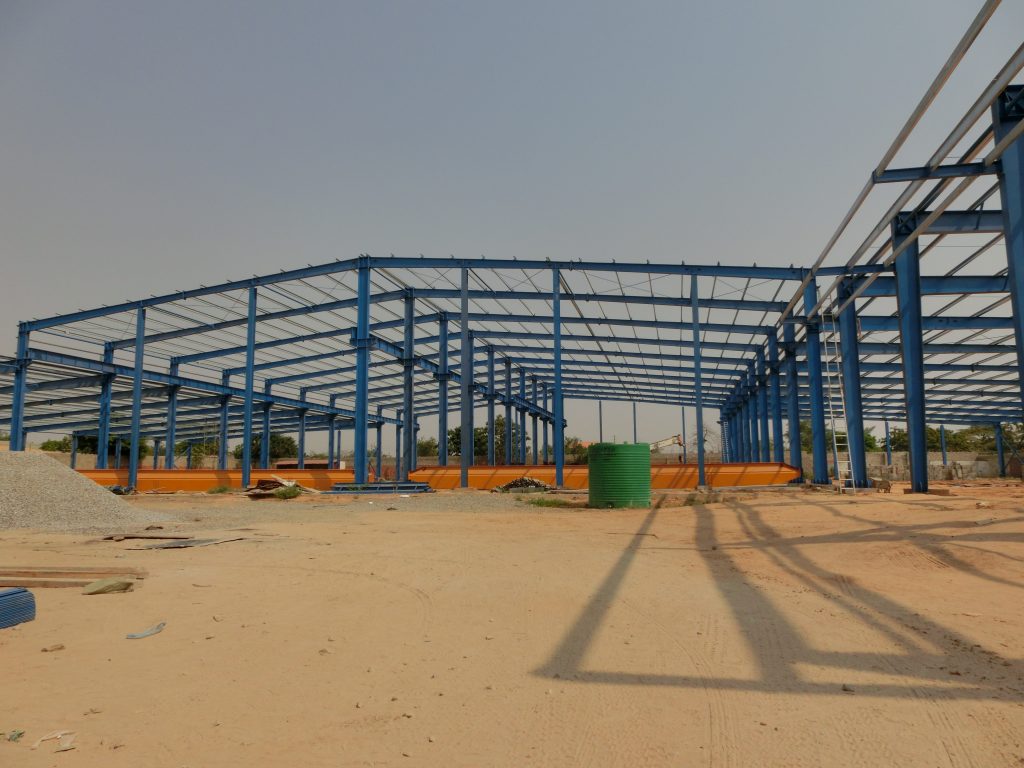
Lida Group’s sustainable steel structure solutions have been validated in diverse global projects, from net-zero energy warehouses to offshore facilities and automotive workshops. These case studies demonstrate the company’s ability to deliver structures that meet strict sustainability requirements while maintaining efficiency, robustness, and cost-effectiveness.
Case Study 1: Net-Zero Energy Warehouse (Netherlands)
Challenge: A major European logistics company needed a 30,000 m² warehouse in the Netherlands to support its sustainable supply chain goals. The project requirements included net-zero energy operation, 60% reduction in embodied carbon compared to conventional warehouses, and compliance with BREEAM Outstanding certification. The client also demanded a 12-month delivery timeline to meet growing logistics demand.
Lida’s Solution: Lida designed a modular steel structure with a focus on material circularity and energy efficiency. The main frame used 92% recycled Q345 steel, sourced from local post-consumer scrap, while cold-formed C/Z purlins used 85% recycled steel. The building envelope featured color steel sandwich panels with bio-based seaweed insulation (R-value of 4.8 per inch) and a solar skin roof with 3,000 m² of photovoltaic panels (generating 540,000 kWh of electricity annually). Lida’s BIM-driven design optimized the steel frame layout to minimize material use, reducing steel consumption by 18% compared to conventional designs.
Fabrication was completed in Lida’s Chinese factories using renewable energy-powered production lines, with 98% of manufacturing waste recycled. Components were shipped to the Netherlands via containerized JIS delivery, reducing transportation emissions by 30%. On-site assembly used laser-guided alignment and bolt-together connections, requiring 60% fewer workers than conventional construction and eliminating on-site welding (a major source of air pollution). The warehouse also included an AI-driven energy management system that optimized HVAC and lighting use, further reducing energy consumption.
Results: The warehouse was completed in 11 months, one month ahead of schedule, and achieved BREEAM Outstanding certification—the highest sustainability rating. It operates at net-zero energy, with solar panels generating more electricity than the warehouse consumes, and feeds excess energy back into the grid. The project’s embodied carbon was 62% lower than conventional warehouses, and operational carbon emissions were reduced by 100% compared to similar facilities. The client reported annual energy cost savings of €120,000, with the solar panels providing a return on investment in 7 years. The warehouse’s modular design also allows for easy expansion, with the ability to add 10,000 m² of space using reusable steel components.
Case Study 2: Offshore Sustainable Crew Quarters (Norwegian Sea)
Challenge: Equinor, a global energy company, required an 8-story crew quarters facility for 250 workers on a semi-submersible rig in the Norwegian Sea. The project faced unique challenges: extreme cold (-40°C), saltwater corrosion, typhoon-force winds (250 km/h), and a requirement for 70% reduction in embodied carbon compared to conventional offshore facilities. The client also demanded a 6-month delivery timeline to support urgent drilling operations.
Lida’s Solution: Lida designed a modular steel structure using ASTM A588 weathering steel (90% recycled content) for the main frame, which forms a protective rust patina that resists saltwater corrosion—eliminating the need for toxic anti-corrosion coatings. The structure featured aerodynamic sloped roofs to reduce wind load by 40% and insulated steel panels with polyurethane foam core (R-value of 5.2 per inch) to maintain internal temperatures in extreme cold. Lida integrated 200 kW hydrogen fuel cells for backup power, replacing diesel generators and reducing operational emissions by 100%.
All modules were prefabricated in Lida’s Shandong factory, complete with interior finishes, electrical systems, and life-saving equipment, using renewable energy-powered production lines. Components were shipped to the rig via specialized offshore vessels, with AI-driven route optimization reducing transportation emissions by 25%. On-site assembly involved stacking and bolting modules, with laser alignment ensuring structural stability in harsh offshore conditions. The facility was certified to DNV GL-OS-C301 offshore sustainability standards, including requirements for waste reduction and circularity.
Results: The crew quarters were completed in 5.5 months, meeting Equinor’s urgent timeline, and withstood a category 5 typhoon in 2023 without damage. The structure’s embodied carbon was 72% lower than conventional offshore facilities, and operational emissions were reduced by 100% by eliminating diesel generators. The weathering steel design has eliminated corrosion-related maintenance costs for 4 years, while the modular design allows for easy expansion or relocation. The project earned LEED Platinum certification and established Lida as a leader in sustainable offshore steel construction, leading to follow-up contracts with Shell and BP.
Case Study 3: Sustainable EV Manufacturing Workshop (Germany)
Challenge: A major European automotive manufacturer needed a 180,000 sq. ft workshop in Germany to support its electric vehicle (EV) production line. The project requirements included vibration resistance for precision robotic equipment, 50% reduction in embodied carbon, compliance with EU Taxonomy for Sustainable Activities, and an 8-month delivery timeline to launch a new EV model. Conventional concrete construction was rejected due to its high carbon footprint and 14-month timeline.
Lida’s Solution: Lida’s hybrid steel frame design combined heavy steel foundations (92% recycled content) with reinforced shock-absorbing joints to resist vibration from robotic assembly lines (peak accelerations of less than 0.1g). Light steel mezzanines (85% recycled content) were used for office and storage space, prefabricated off-site with integrated electrical and HVAC systems. The structure incorporated solar skin roofs (180w/m²) and bio-based seaweed insulation, aligning with EU sustainability requirements.
BIM-driven design optimized the frame for material efficiency, reducing steel consumption by 15% compared to conventional designs. Lida sourced steel from local suppliers certified by the Responsible Steel Initiative, reducing transportation emissions by 40%. Fabrication used energy-efficient robotic welding and automated cutting, with 98% of waste recycled. Just-in-sequence delivery ensured components arrived in installation order, minimizing on-site storage and waste. Local assembly teams, trained by Lida’s supervisors, erected the facility in 14 weeks using bolt-together connections, eliminating on-site welding and reducing air pollution.
Results: The workshop was completed 4 months ahead of schedule, enabling the client to launch its new EV model on time and save €2.3 million in delayed production costs. The structure’s embodied carbon was 58% lower than conventional concrete workshops, and operational carbon emissions were reduced by 60% due to solar energy integration and energy-efficient design. The facility achieved LEED Platinum certification and compliance with EU Taxonomy, making it eligible for sustainable finance incentives. The vibration-resistant design has ensured the reliability of precision robotic equipment, with zero downtime related to structural issues. The client has since commissioned Lida to build two additional sustainable workshops in France and Spain.
Advancing Sustainability: Lida’s Innovations and Industry Impact
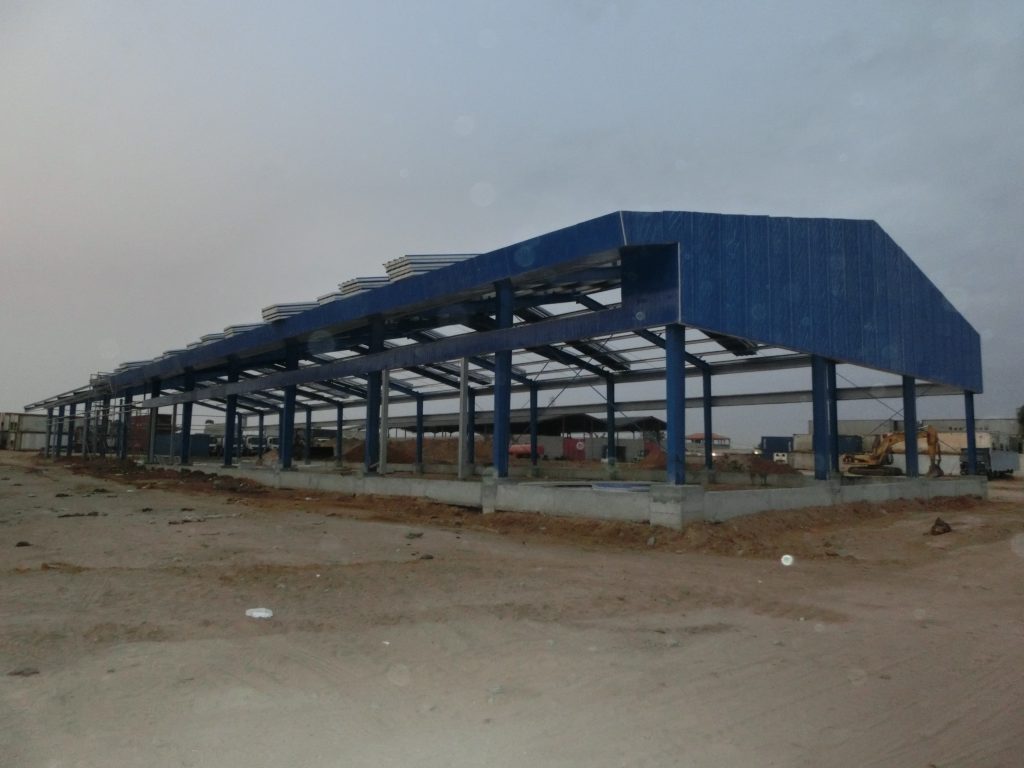
Lida Group’s commitment to sustainable steel structures extends beyond current projects to ongoing innovation and industry leadership. The company invests 5% of its annual revenue in research and development (R&D) focused on green steel technologies, collaborating with universities, research institutions, and industry partners to push the boundaries of sustainable construction.
One of Lida’s key innovations is its development of low-carbon steel alloys, which reduce embodied carbon by a further 20% compared to conventional recycled steel. These alloys use recycled steel as a base and add small amounts of titanium and vanadium, improving strength and durability while maintaining recyclability. Lida’s R&D team has also developed a self-healing corrosion protection system for steel components: microcapsules embedded in the paint coating release a corrosion inhibitor when the coating is damaged, extending the lifespan of steel structures by 10-15 years and reducing maintenance needs.
Another area of innovation is digital sustainability tools. Lida has developed a proprietary carbon footprint calculator that allows clients to estimate the embodied and operational carbon of their steel structures in real time, enabling informed decisions about material selection and design optimization. The company’s BIM software includes sustainability modules that analyze factors such as material recyclability, energy efficiency, and waste generation, helping engineers design structures that maximize environmental benefits. Lida also uses AI to optimize material use and logistics, reducing waste and emissions through data-driven decision-making.
Lida Group’s sustainable steel solutions have a significant industry impact, driving the adoption of green construction practices worldwide. The company’s projects have demonstrated that sustainable steel structures can be cost-competitive with conventional structures while delivering superior environmental performance. By partnering with clients, suppliers, and industry organizations, Lida is advocating for stricter sustainability standards in the construction industry, including mandatory carbon reporting and recycled content requirements. The company’s success has inspired other steel structure manufacturers to invest in sustainable technologies, creating a ripple effect that accelerates the transition to low-carbon construction.
Lida’s sustainability efforts have also earned recognition from industry organizations and governments. The company has received the China Green Building Award, the International Association for Sustainable Buildings and Cities (IASBC) Innovation Award, and the European Steel Association’s (EUROFER) Sustainable Steel Award. Lida’s projects have been featured in case studies by the World Green Building Council and the United Nations Environment Programme (UNEP), highlighting their role as models for sustainable infrastructure development.
Conclusion: Lida Group’s Vision for a Sustainable Steel Future
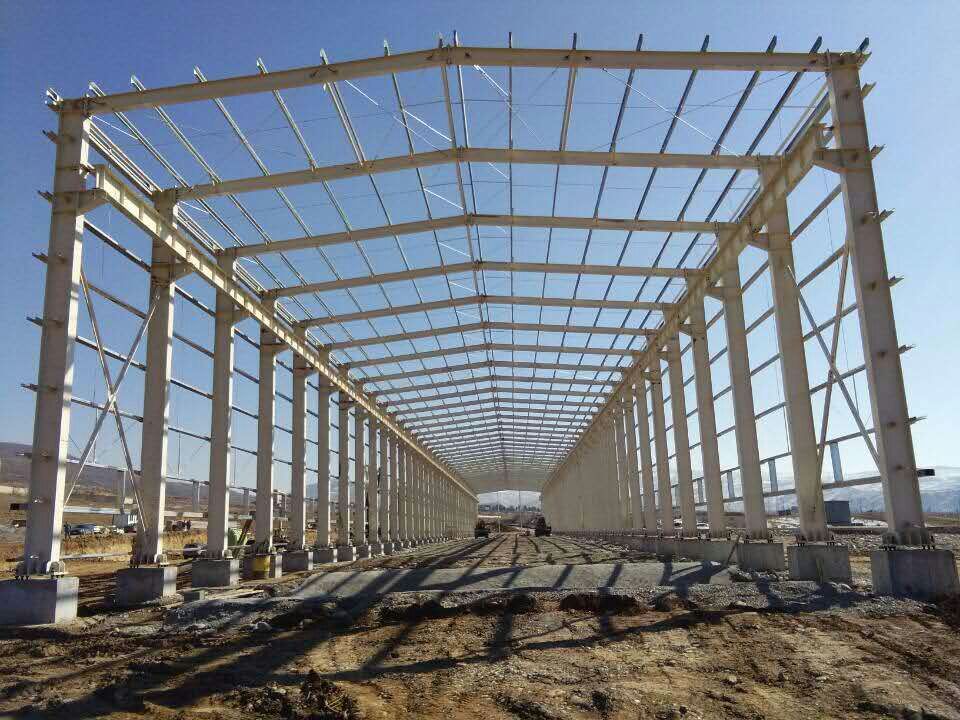
Lida Group’s sustainable steel structure solutions represent a paradigm shift in the construction industry—proving that structural excellence, efficiency, and environmental responsibility can be seamlessly integrated. Through three decades of innovation, the company has developed a holistic approach to sustainability that spans material circularity, energy-efficient design, low-carbon fabrication and logistics, and circular end-of-life management. Lida’s sustainable steel structures not only reduce carbon emissions and waste but also deliver tangible economic benefits for clients, including lower operational costs, faster project delivery, and eligibility for sustainable finance incentives.
The key to Lida’s success lies in its unwavering commitment to sustainability as a core business principle, not a marketing buzzword. The company’s vertically integrated operation enables it to control every stage of the supply chain, ensuring that sustainability standards are met from material sourcing to end-of-life management. Lida’s global footprint and compliance with international sustainability standards make its solutions accessible to clients worldwide, regardless of regional requirements.
Global case studies—from the net-zero energy warehouse in the Netherlands to the offshore crew quarters in the Norwegian Sea and the EV manufacturing workshop in Germany—demonstrate the scalability and adaptability of Lida’s sustainable steel solutions. These projects have validated that sustainable steel structures can meet the most demanding technical requirements, from extreme weather resistance to vibration control, while delivering exceptional environmental performance.
As the construction industry faces growing pressure to reduce carbon emissions and address climate change, Lida Group is well-positioned to lead the transition to a sustainable future. The company’s ongoing investment in R&D, focus on innovation, and industry leadership are driving the development of new green steel technologies that will further reduce the environmental impact of construction. By partnering with clients, suppliers, and research institutions, Lida is building a more sustainable, circular construction industry—one steel structure at a time.
In conclusion, Lida Group’s sustainable steel structure solutions are more than just buildings—they are a testament to the power of innovation and responsibility in shaping a better future. By redefining what is possible with steel, Lida has proven that sustainability and performance can go hand in hand, delivering value for clients, the environment, and society. For companies seeking to build a sustainable future while maintaining competitiveness, Lida Group offers not just a construction solution, but a strategic partner in achieving their sustainability goals. As the world moves toward a low-carbon economy, Lida Group’s sustainable steel structures will continue to be at the forefront of the construction industry’s transformation.
Related news
-
Why Choose a Steel Structure Building for Your Project?
2025-11-26 17:36:50
-
Efficient and Robust Metal Frame Construction by Lida Group
2025-11-26 17:42:59
-
Lida Group Redefines Cost-Effective Durable Construction Standards
2025-11-26 17:48:12
contact us
- Tel: +86-532-88966982
- Whatsapp: +86-13793209022
- E-mail: sales@lidajituan.com
