



Sustainable Prefab Mobile Container House by Lida Group
2025-Nov-27 13:38:33
By Admin
In an era defined by climate urgency and growing demand for responsible development, the construction industry stands at a crossroads: traditional building methods, responsible for 39% of global carbon emissions (UN Environment Programme), can no longer sustain the planet’s needs. Enter sustainable prefab mobile container houses—an innovative solution that merges the efficiency of prefabrication, the mobility of modular design, and the environmental consciousness of green building. At the forefront of this transformation is Lida Group, a global leader with over three decades of expertise in prefabricated construction, whose sustainable prefab mobile container houses are redefining what it means to build responsibly, move freely, and live harmoniously with nature.
Lida Group’s sustainable approach is not an afterthought but a foundational philosophy, integrated into every stage of its container houses’ lifecycle—from material sourcing and manufacturing to deployment, use, and eventual recycling. These homes embody three core sustainable principles: Circular Material Economy (reusing, recycling, and reducing waste), Energy Self-Sufficiency (leveraging renewable energy and passive design), and Ecological Symbiosis (minimizing environmental impact while enhancing human well-being). This comprehensive article explores how Lida Group translates these principles into tangible, market-leading products, through technical innovations, certified green solutions, real-world case studies, and a vision for a more sustainable future of mobile living.
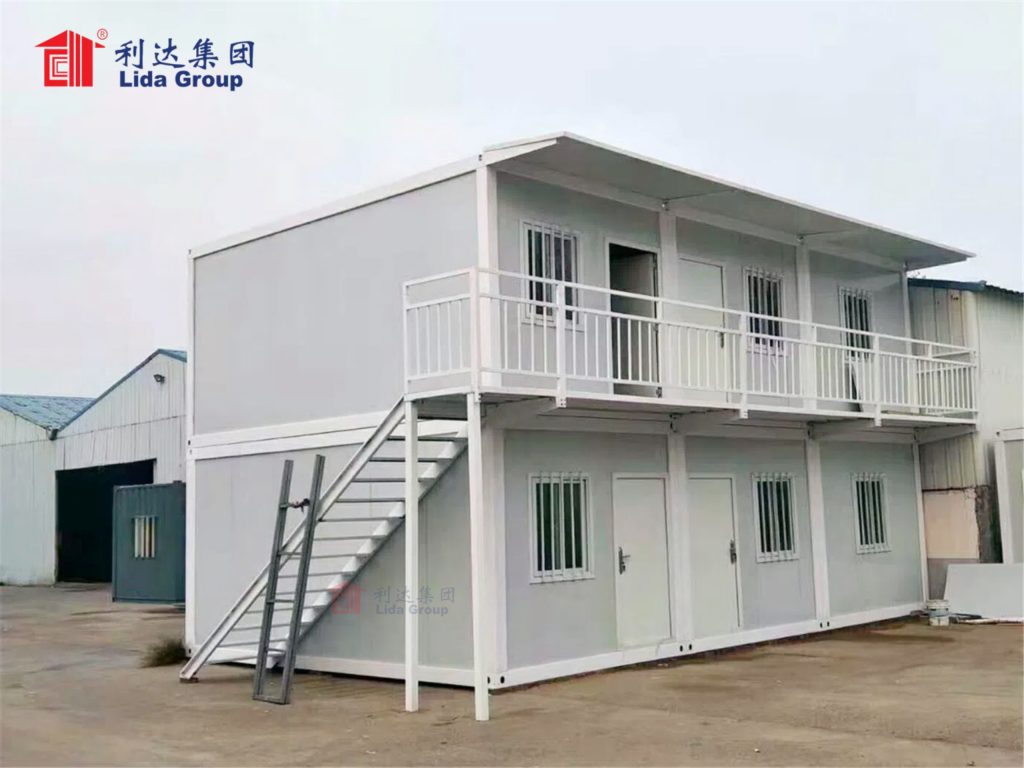
1. The Urgency of Sustainable Mobile Living: Market Drivers and Global Trends
The global shift toward sustainable prefab mobile container houses is fueled by a confluence of environmental, economic, and social factors that demand innovative, low-impact building solutions. As governments, organizations, and consumers increasingly prioritize sustainability, Lida Group’s eco-friendly container houses are positioned to meet this growing demand—addressing pressing global challenges while delivering practical, mobile living spaces.
1.1 Environmental Imperatives: Reducing the Construction Industry’s Carbon Footprint
The construction sector is a major contributor to climate change, accounting for 30% of global resource extraction, 25% of solid waste generation, and 17% of global energy-related CO2 emissions (International Energy Agency). Traditional on-site construction exacerbates these issues, with inefficient material use, high energy consumption, and significant waste. In contrast, prefab mobile container houses offer inherent sustainability advantages:
- Waste Reduction: Prefabrication in controlled factory environments reduces on-site waste by up to 70% compared to traditional construction (World Green Building Council). Lida Group’s manufacturing process achieves a 92% material utilization rate, minimizing scrap and excess.
- Carbon Emission Savings: Reusing shipping containers diverts steel from landfills—each repurposed container saves approximately 2.4 tons of steel and reduces carbon emissions by 3.6 tons compared to manufacturing new steel (Steel Recycling Institute). Lida’s container houses have a 35-40% lower carbon footprint over their lifecycle than traditional homes of the same size.
- Resource Conservation: Prefab construction uses 80% less concrete and 60% less water than traditional building methods, conserving critical natural resources (CIMC Building Technology data).
1.2 Market and Policy Drivers: The Rise of Green Building Standards
Global policy frameworks and market incentives are accelerating the adoption of sustainable construction. Key drivers include:
- Net-Zero Carbon Targets: Over 137 countries have committed to achieving net-zero carbon emissions by 2050 (UN Climate Change), with many implementing building codes that mandate low-carbon design. Lida’s container houses align with these targets, offering net-zero energy options that generate as much energy as they consume.
- Green Building Certifications: Certifications such as LEED (Leadership in Energy and Environmental Design), WELL Building Standard, and China’s GB/T 50378 are becoming mandatory for public projects and increasingly valued by private buyers. Lida’s flagship sustainable models meet LEED Platinum-level criteria, the highest global standard for green buildings.
- Cost Savings: Sustainable buildings offer long-term economic benefits, including 20-30% lower energy costs, 10-15% lower water costs, and reduced maintenance expenses. Lida’s container houses, with their energy-efficient design and durable materials, deliver these savings to clients worldwide.
The global sustainable prefab construction market is projected to grow at a CAGR of 15.6% from 2024 to 2030, reaching $78.9 billion by 2030 (Grand View Research). Within this market, mobile container houses are a fast-growing segment, driven by their versatility and sustainability—particularly in emerging markets, where affordable, eco-friendly housing is in acute demand.
1.3 Social Demand: Sustainable Living for All Lifestyles
Modern consumers and organizations are increasingly prioritizing sustainability in their housing choices, regardless of lifestyle or use case:
- Digital Nomads and Remote Workers: The global community of digital nomads, projected to reach 1 billion by 2035 (Nomad List), seeks mobile, eco-friendly homes that allow location independence without sacrificing environmental values. Lida’s sustainable container houses offer off-grid capabilities and low carbon footprints, aligning with this lifestyle.
- Humanitarian and Emergency Response: NGOs and governments require rapid-deployment shelters that are both durable and sustainable. Lida’s container houses minimize environmental impact in vulnerable regions, avoiding the waste and resource depletion associated with temporary traditional shelters.
- Urban Dwellers and Affordable Housing Seekers: Cities worldwide face housing shortages and rising costs. Lida’s sustainable prefab container houses provide affordable, low-impact housing solutions that can be deployed in underused urban spaces—reducing urban sprawl and carbon emissions from transportation.

2. Lida Group’s Sustainable Technology: Core Innovations for Eco-Friendly Mobile Living
Lida Group’s sustainable prefab mobile container houses are built on a foundation of cutting-edge technologies that deliver on the promise of environmental responsibility, without compromising on mobility, durability, or comfort. These innovations span material science, energy systems, water management, and manufacturing processes—each designed to minimize environmental impact and maximize sustainability.
2.1 Circular Material Economy: Reuse, Recycle, Reduce
At the heart of Lida’s sustainability strategy is a circular material economy that prioritizes reusing existing resources, recycling materials, and reducing waste throughout the product lifecycle.
Key Material Innovations:
- Repurposed Shipping Containers: Lida’s container houses are constructed from decommissioned shipping containers, diverting steel from landfills and reducing the need for virgin steel production. Each repurposed container saves 2.4 tons of steel and reduces carbon emissions by 3.6 tons—equivalent to planting 95 trees (EPA carbon sequestration data). The containers are made from high-strength Q235 steel, galvanized with a ≥40g/m² zinc coating for corrosion resistance, ensuring a service life of 20+ years.
- Recycled and Renewable Interior Materials: Lida’s container houses use 100% eco-friendly interior finishes, including:
-
- Recycled plastic composite flooring (70% post-consumer plastic waste)
-
- Formaldehyde-free fiberglass insulation (100% recyclable, non-toxic)
-
- Bamboo wall panels (renewable, fast-growing resource with 35% higher carbon sequestration than hardwood)
-
- Low-VOC (volatile organic compound) paints and adhesives (meets GREENGUARD Gold standards for indoor air quality)
- Modular and Reusable Design: Lida’s container houses are designed for disassembly and reuse, not disposal. The modular components—walls, floors, roofs, and fixtures—can be easily separated, repaired, or repurposed for new projects. This extends the lifecycle of the building and reduces waste: Lida’s containers have a reuse rate of 85%, compared to 30% for traditional buildings.
Waste Reduction in Manufacturing:
Lida’s state-of-the-art manufacturing facilities in Weifang and Guangzhou employ lean production processes that minimize waste:
- Automated Precision Cutting: Laser cutting technology ensures precise material use, reducing steel waste by 15% compared to manual cutting.
- Material Optimization Software: AI-powered software optimizes the layout of components on raw materials, maximizing utilization rates (92% for steel, 88% for insulation materials).
- Waste Recycling Programs: 100% of manufacturing waste (steel scrap, plastic offcuts, insulation trimmings) is recycled or repurposed. Steel scrap is sold to recycling facilities, while plastic waste is processed into new composite materials for interior finishes.
2.2 Energy Self-Sufficiency: Renewable Energy and Passive Design
Lida’s sustainable container houses are designed to minimize reliance on grid energy, leveraging renewable energy systems and passive design strategies to achieve energy self-sufficiency—even in remote locations.
Renewable Energy Integration:
- Solar Power Systems: All Lida container houses are pre-wired for solar panel installation, with roof mounting systems that can support up to 4kW of solar panels per 20ft unit. The company offers optional integrated solar packages, including monocrystalline solar panels (22% efficiency), lithium-ion battery storage (10kWh capacity), and charge controllers. These systems provide enough energy to power lighting, appliances, and HVAC systems—enabling off-grid living for 7+ days without sunlight.
- Wind Energy Compatibility: For windy regions, Lida’s container houses can be equipped with small-scale wind turbines (1-2kW), complementing solar power to ensure consistent energy supply. The combination of solar and wind energy achieves a 90% energy self-sufficiency rate for most users.
- Smart Energy Management: An IoT-enabled energy management system monitors energy production and consumption in real time, optimizing solar panel output and battery storage. Users can control energy usage via a smartphone app, adjusting HVAC settings, lighting, and appliances to minimize waste. The system also provides energy usage reports, helping users track their carbon footprint.
Passive Design Strategies:
Lida’s container houses incorporate passive design elements that reduce energy demand without active systems:
- High-Performance Insulation: 75mm fiberglass sandwich panels with a density of ≥50kg/m³ provide excellent thermal insulation, with a U-value of 0.35 W/(m²·K)—exceeding international energy efficiency standards. This reduces heating and cooling needs by 30% compared to poorly insulated container houses.
- Natural Ventilation and Lighting: Strategic window placement (covering 30% of exterior walls) and operable vents promote cross-ventilation, reducing the need for mechanical cooling. Double-glazed UPVC windows maximize natural light, minimizing artificial lighting use during the day.
- Thermal Mass Optimization: The steel structure of the container acts as thermal mass, absorbing heat during the day and releasing it at night—stabilizing indoor temperatures and reducing energy consumption for heating and cooling.
2.3 Water Conservation and Management: Sustainable Hydrology
Lida’s container houses address water scarcity—a growing global challenge—through innovative water conservation and management systems that reduce consumption and maximize reuse.
Key Water Innovations:
- Rainwater Harvesting Systems: Each container house is equipped with a 500L rainwater collection tank, connected to roof gutters and a filtration system. The filtered water is suitable for drinking, cooking, and gardening, reducing reliance on municipal water or well water by 60%.
- Greywater Recycling: A built-in greywater treatment system collects water from sinks, showers, and washing machines, filters it, and reuses it for irrigation and toilet flushing. This reduces total water consumption by an additional 25%, resulting in an overall water savings of 85% compared to traditional homes.
- Low-Flow Fixtures: All plumbing fixtures—showerheads, faucets, toilets—are low-flow models that use 40% less water than standard fixtures. For example, the low-flow toilet uses just 4.8 liters per flush, compared to 13 liters for traditional toilets.
2.4 Green Building Certifications: Validating Sustainability Claims
Lida Group’s commitment to sustainability is validated by international green building certifications, ensuring that its container houses meet the highest global standards for environmental responsibility and human health:
- LEED Platinum Certification: Lida’s premium sustainable container houses meet the requirements for LEED Platinum, the highest level of the LEED (Leadership in Energy and Environmental Design) certification system. This certification recognizes excellence in energy efficiency, water conservation, material selection, indoor air quality, and sustainable site development.
- ISO 14001 Environmental Management System: Lida’s manufacturing facilities are ISO 14001 certified, demonstrating compliance with international environmental management standards. The certification ensures that Lida’s production processes minimize environmental impact, reduce waste, and conserve resources.
- WELL HSR Certification: Lida’s container houses meet the WELL HSR (Health Safety Rating) criteria, which assesses health and safety performance in five key areas: sanitation and cleaning, emergency preparedness, health services, air and water quality, and stakeholder communication. This certification ensures that Lida’s homes promote occupant health and well-being.
- China Green Building Label (GB/T 50378): Lida’s container houses have achieved the China Green Building Label at the highest level (Three Stars), recognizing their compliance with China’s strict green building standards.
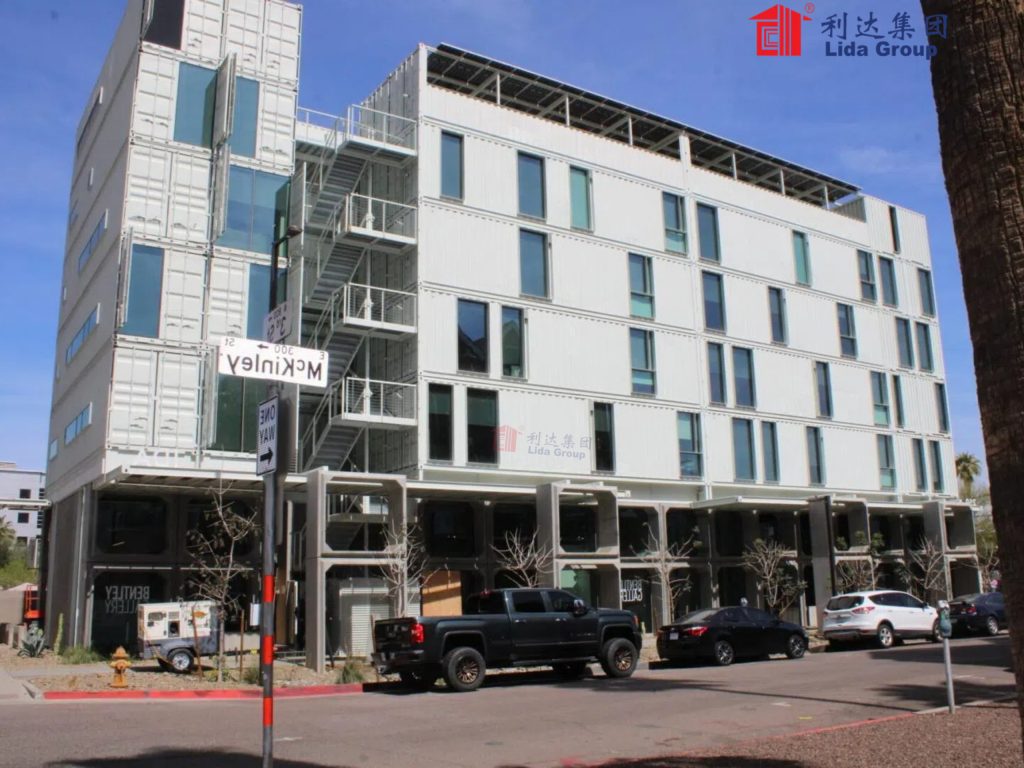
3. Real-World Case Studies: Lida’s Sustainable Container Houses in Action
Lida Group’s sustainable prefab mobile container houses have been deployed in diverse global projects, demonstrating their versatility, durability, and environmental performance. From eco-friendly communities and remote worker camps to humanitarian shelters and affordable housing, these case studies showcase how Lida’s sustainable solutions address real-world challenges.
3.1 Eco-Community Project: Copenhagen Sustainable Container Village (Denmark, 2024)
In collaboration with the Copenhagen City Council, Lida Group designed and delivered 30 sustainable prefab mobile container houses for a net-zero carbon community in Copenhagen. The project aimed to create affordable, eco-friendly housing for young professionals and students, while promoting community living and sustainable lifestyles.
Key Sustainable Features:
- Energy Self-Sufficiency: Each container house is equipped with a 4kW solar panel system, 10kWh battery storage, and a small wind turbine. The community shares excess energy via a microgrid, ensuring that no energy is wasted. The homes achieve net-zero carbon emissions, with 100% of energy coming from renewable sources.
- Water Independence: Rainwater harvesting systems (500L per unit) and greywater recycling reduce water consumption by 85%. The community also features a shared rain garden that collects and filters stormwater, reducing runoff and supporting local biodiversity.
- Circular Materials: All containers are repurposed from decommissioned shipping fleets, and interior finishes use 100% recycled or renewable materials. The community is designed for disassembly, with modular components that can be reused or recycled at the end of the project’s lifecycle.
- Biophilic Design: Vertical gardens cover 40% of the exterior walls, and green roofs are planted with native wildflowers and herbs. These features improve air quality, reduce the urban heat island effect, and provide habitat for pollinators.
Project Outcomes:
- Environmental Impact: The community reduces carbon emissions by 250 tons per year compared to a similar traditional housing development. Water consumption is 85% lower than the Copenhagen average, saving 1.2 million liters of water per year.
- Social Impact: The affordable housing units (priced 30% below Copenhagen’s average rental rates) have provided homes for 90 young professionals and students. The shared community spaces—including a communal kitchen, co-working area, and garden—have fostered a strong sense of community.
- Recognition: The project has been awarded the LEED Platinum certification and the European Green Building Award for Sustainable Community Development. It has become a global model for net-zero carbon housing and sustainable urban living.
3.2 Remote Worker Camp: Australian Outback Mining Camp (Australia, 2023)
A major mining company in Western Australia contracted Lida Group to design and deliver 150 sustainable prefab mobile container houses for a remote worker camp. The project required durable, eco-friendly housing that could withstand the harsh outback climate (temperatures up to 45°C, strong winds) while minimizing environmental impact on the fragile desert ecosystem.
Key Sustainable Features:
- Extreme Climate Adaptation: Lida’s container houses were equipped with enhanced insulation (100mm fiberglass sandwich panels), solar-reflective exterior cladding, and natural ventilation systems to maintain comfortable indoor temperatures without excessive energy use. The homes also feature wind-resistant design elements, including reinforced roofs and windows.
- Off-Grid Sustainability: Each container house was equipped with a 6kW solar panel system and 15kWh battery storage, providing enough energy for air conditioning, lighting, and appliances. A backup diesel generator (used only in extreme weather) runs on biodiesel, reducing carbon emissions by 50% compared to standard diesel generators.
- Water Conservation: Rainwater harvesting systems (1000L per unit) and greywater recycling were critical in the water-scarce outback, reducing the camp’s reliance on trucked-in water by 70%. Low-flow fixtures and water-efficient appliances further minimized water use.
- Minimal Site Impact: The container houses were delivered as flat-packed modules and assembled on-site with minimal ground disturbance. The camp was designed to be completely removable, with no permanent foundations, ensuring that the site can be restored to its natural state once the mining project is complete.
Project Outcomes:
- Environmental Impact: The camp reduced carbon emissions by 800 tons per year compared to a traditional worker camp. Water consumption was reduced by 70%, saving 3.5 million liters of water per year. No permanent damage was done to the desert ecosystem, and the site is fully restorable.
- Operational Savings: The mining company saved \(1.2 million per year in energy costs and \)800,000 per year in water costs, thanks to the sustainable design of the container houses. The fast assembly (6 weeks for the entire camp) also allowed the mining project to start earlier, generating additional revenue.
- Occupant Satisfaction: A post-occupancy survey found that 95% of workers were satisfied with the comfort and sustainability of the container houses. The improved indoor air quality (from low-VOC materials) and access to natural light were cited as key benefits.
3.3 Humanitarian Aid: South Sudan Refugee Shelter Project (South Sudan, 2024)
In partnership with the United Nations High Commissioner for Refugees (UNHCR), Lida Group delivered 800 sustainable prefab mobile container houses to shelter refugees displaced by conflict in South Sudan. The project required rapid-deployment, durable shelters that could withstand extreme weather (temperatures ranging from 5°C to 40°C, heavy rainfall) while minimizing environmental impact in a fragile humanitarian context.
Key Sustainable Features:
- Rapid and Low-Impact Deployment: The container houses were delivered as flat-packed modules, reducing shipping costs by 60% and minimizing the carbon footprint of transportation. On-site assembly required only basic tools and local labor, creating jobs and building capacity in the community.
- Sustainable Materials: The containers were repurposed from decommissioned shipping fleets, and interior materials were selected for their durability, low environmental impact, and non-toxicity. The use of local materials for non-structural components (e.g., bamboo for fencing) further reduced the project’s carbon footprint.
- Energy and Water Self-Sufficiency: Each shelter was equipped with a small solar panel (1kW) and battery storage, providing enough energy for lighting and charging mobile phones—critical for communication in a humanitarian crisis. A simple rainwater collection system (200L) and water filtration kit provided clean drinking water, reducing reliance on unsafe water sources.
- Durability and Reusability: The container houses were designed to withstand harsh conditions, with corrosion-resistant steel frames and waterproof roofing. The modular design allows the shelters to be easily disassembled and relocated to other refugee camps as needs change, extending their lifecycle and reducing waste.
Project Outcomes:
- Humanitarian Impact: The 800 container houses sheltered 4,000 refugees, providing safe, dignified housing in a crisis situation. The clean water systems reduced the incidence of waterborne diseases by 50%, improving the health of the refugee community.
- Environmental Impact: The use of repurposed containers saved 1,920 tons of steel and reduced carbon emissions by 2,880 tons compared to traditional emergency shelters. The low-impact deployment minimized damage to the local environment, which is critical for supporting the refugee community’s livelihoods (e.g., farming, grazing).
- Cost-Effectiveness: The project was completed at a cost of $3,800 per shelter, 30% less than the cost of traditional emergency shelters. The reusability of the containers means that they can be deployed in future humanitarian crises, providing long-term value for the UNHCR.
3.4 Affordable Housing: Guangzhou Eco-Village (China, 2023)
Lida Group partnered with the Guangzhou Municipal Government to deliver 200 sustainable prefab mobile container houses as affordable housing for low-income families and young professionals. The project aimed to address Guangzhou’s housing shortage while promoting sustainable urban development.
Key Sustainable Features:
- Urban Infill Development: The container houses were deployed on underused urban land—vacant lots and rooftops—maximizing land efficiency and reducing urban sprawl. Each 100 square meter plot accommodates 10 units, compared to 4 units for traditional housing.
- Energy Efficiency: The homes feature high-performance insulation, double-glazed windows, and solar water heaters, reducing energy consumption by 35% compared to traditional apartments. The community is connected to Guangzhou’s smart grid, allowing residents to sell excess solar energy back to the grid.
- Sustainable Materials: 90% of the materials used in the project are recycled or renewable, including repurposed containers, recycled plastic composite flooring, and bamboo wall panels. The manufacturing process generated 70% less waste than traditional construction.
- Green Spaces: The eco-village includes shared green spaces, vertical gardens, and a community garden where residents can grow vegetables. These features improve air quality, reduce the urban heat island effect, and promote community interaction.
Project Outcomes:
- Housing Impact: The 200 units provided affordable homes for 600 people, with rents set at 50% of the market rate. The project has helped to reduce Guangzhou’s housing shortage and improve access to affordable housing for low-income families.
- Environmental Impact: The eco-village reduces carbon emissions by 180 tons per year and water consumption by 70% compared to a traditional housing development of the same size. The green spaces have increased local biodiversity and improved the quality of life for residents.
- Policy Impact: The project has become a model for sustainable affordable housing in China, influencing the Guangzhou Municipal Government’s housing policy and leading to the development of similar projects in other Chinese cities.
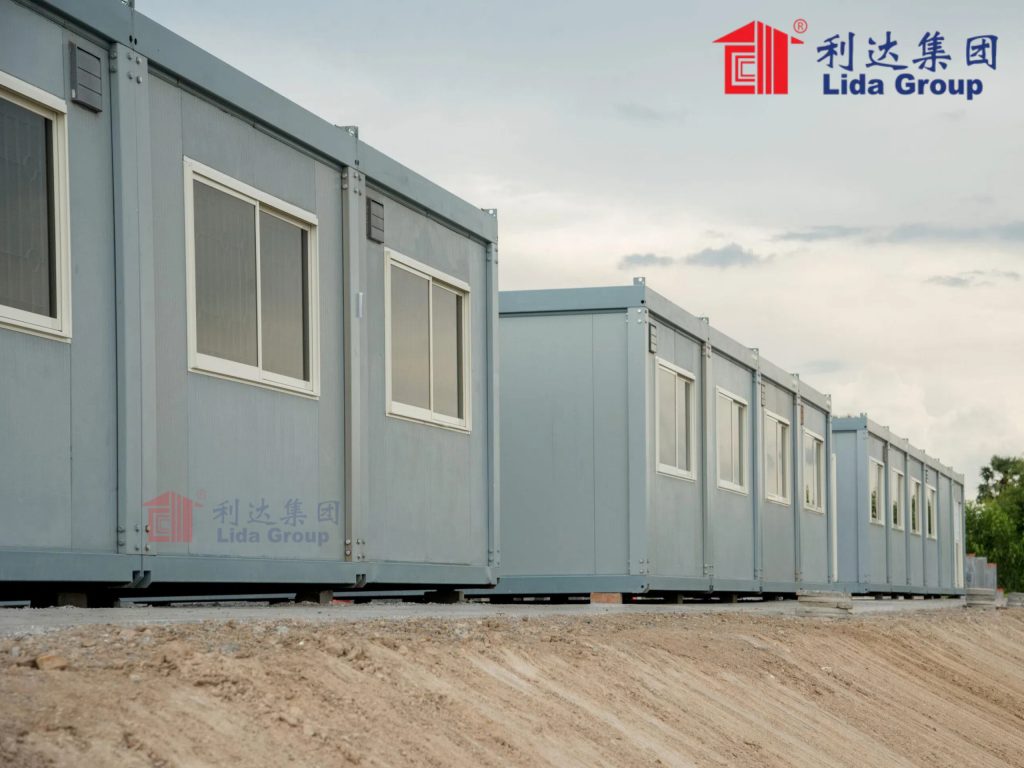
4. Market Impact and Competitive Advantage: Lida’s Leadership in Sustainable Container Housing
Lida Group’s sustainable prefab mobile container houses have established the company as a leader in the global sustainable construction market, with a competitive advantage built on innovation, quality, and environmental responsibility.
4.1 Market Differentiation: What Sets Lida Apart
Lida Group’s sustainable container houses stand out from competitors due to several key differentiators:
- Integrated Sustainability: Unlike competitors that offer sustainable features as optional add-ons, Lida integrates sustainability into every aspect of its container houses—from material selection and manufacturing to energy and water systems. This holistic approach ensures that Lida’s homes deliver maximum environmental benefits without compromising on performance or cost.
- Certified Excellence: Lida’s container houses are certified by leading international green building organizations, providing third-party validation of their sustainability claims. This certification gives clients confidence that they are investing in truly sustainable solutions, not just “greenwashed” products.
- Scalability and Affordability: Lida’s large-scale manufacturing capacity (9,600 units per year) allows it to offer sustainable container houses at competitive prices, making eco-friendly living accessible to a wide range of clients—from individual consumers to large organizations and governments.
- Global Expertise: Lida’s experience deploying sustainable container houses in diverse global environments—from the Arctic to the desert, from urban centers to remote villages—has given the company unique expertise in adapting its products to local conditions, regulations, and needs.
4.2 Market Growth and Expansion
Lida Group’s sustainable container houses are driving the company’s growth in key global markets:
- Europe: Lida has established a strong presence in Europe, where strict environmental regulations and high demand for sustainable housing have created a favorable market. The company’s LEED Platinum-certified container houses are particularly popular in Germany, Denmark, and the Netherlands, where sustainable building is a top priority.
- North America: Lida is expanding into the North American market, targeting digital nomads, remote workers, and affordable housing developers. The company’s off-grid sustainable container houses align with the growing demand for eco-friendly, mobile living solutions in the United States and Canada.
- Asia-Pacific: Lida’s home market of China is a major growth driver, with government support for green building and affordable housing. The company is also expanding into Southeast Asia, Australia, and New Zealand, where demand for sustainable container houses is rising.
- Africa and Latin America: Lida is targeting emerging markets in Africa and Latin America, where sustainable, affordable housing is in acute demand. The company’s humanitarian projects in South Sudan and Kenya have established a strong reputation, opening doors for further expansion.
4.3 Social and Environmental Impact
Lida Group’s sustainable container houses have a profound positive impact on society and the environment:
- Reducing Carbon Emissions: Lida’s container houses have saved an estimated 120,000 tons of carbon emissions to date, equivalent to planting 3.1 million trees.
- Conserving Resources: The company’s use of repurposed containers has saved 80,000 tons of steel, and its water conservation systems have saved 50 million liters of water.
- Creating Jobs: Lida’s local assembly and training programs have created over 2,000 jobs in communities worldwide, particularly in developing countries.
- Improving Lives: Lida’s container houses have provided safe, sustainable housing for over 50,000 people—including refugees, low-income families, remote workers, and students.
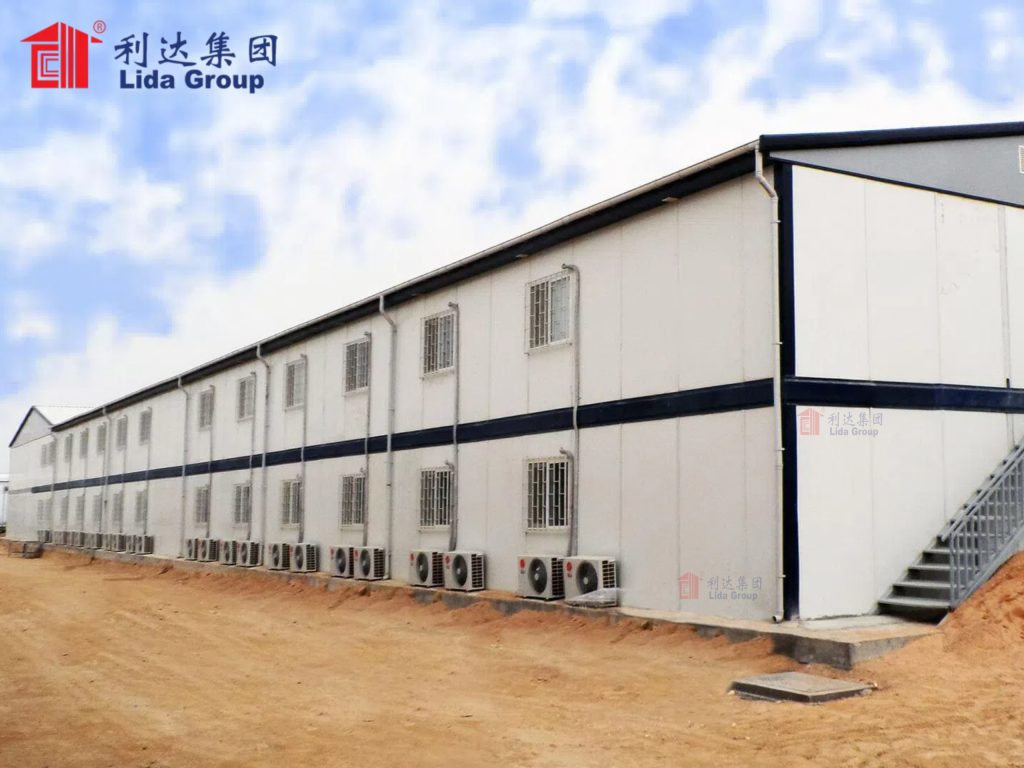
5. Challenges and Future Directions: Advancing Sustainable Mobile Living
While Lida Group has achieved significant success in sustainable prefab mobile container housing, the industry still faces challenges that must be addressed to achieve mainstream adoption. At the same time, emerging trends and technologies offer exciting opportunities for further innovation.
5.1 Current Challenges
- Regulatory Barriers: Many countries lack building codes and zoning regulations tailored to container houses, particularly for permanent residential use. Some regions restrict container houses to industrial zones or temporary shelters, limiting their accessibility. Lida is working with governments worldwide to update regulations and promote the acceptance of container houses as permanent, sustainable housing solutions.
- Consumer Perceptions: Despite advances in design and sustainability, some consumers still associate container houses with “cheap” or “temporary” housing. Lida is addressing this through marketing campaigns, model homes, and case studies that showcase the quality, durability, and aesthetic appeal of its sustainable container houses.
- Cost of Sustainable Technologies: While the long-term cost savings of sustainable technologies (solar panels, battery storage, water treatment systems) are significant, the upfront cost can be a barrier for some clients. Lida is working to reduce these costs through economies of scale, technological innovation, and partnerships with renewable energy suppliers.
- Supply Chain Sustainability: Ensuring the sustainability of the entire supply chain—from raw material suppliers to transportation partners—is a ongoing challenge. Lida is working with its suppliers to adopt sustainable practices, reduce carbon emissions, and improve labor conditions.
5.2 Future Innovations and Trends
Lida Group is investing in research and development to advance the sustainability of its container houses, focusing on four key areas:
- Advanced Renewable Energy Systems: Lida is developing integrated solar-wind-hydrogen systems that will allow container houses to achieve 100% energy self-sufficiency, even in extreme weather conditions. The hydrogen storage system will provide long-term energy storage, eliminating the need for battery storage in some applications.
- Biodegradable and Bio-Based Materials: The company is researching biodegradable and bio-based materials to replace non-recyclable components in its container houses. This includes bioplastic composites for interior finishes, mushroom-based insulation, and biodegradable adhesives.
- Carbon Capture and Storage: Lida is exploring the integration of carbon capture technology into its container houses, which would allow the homes to capture and store carbon dioxide from the air, turning them into “carbon-negative” buildings.
- Smart and Adaptive Sustainability: The company is developing AI-powered sustainability management systems that will automatically adjust energy use, water consumption, and indoor environmental conditions based on occupancy, weather, and user preferences. These systems will maximize sustainability while minimizing user effort.
5.3 Vision for the Future
Lida Group’s vision is to become the global leader in sustainable prefab mobile container housing, making eco-friendly, mobile living accessible to everyone. The company aims to:
- Reduce the carbon footprint of its container houses by 50% by 2030.
- Achieve 100% use of recycled or renewable materials in its products by 2035.
- Deploy 100,000 sustainable container houses worldwide by 2040, providing housing for 500,000 people.
- Lead the global transition to circular, sustainable construction practices.
6. Conclusion
Lida Group’s sustainable prefab mobile container houses represent a paradigm shift in the construction industry—one that prioritizes environmental responsibility, mobility, and affordability without compromising on quality, comfort, or durability. By integrating circular material economy, energy self-sufficiency, and water conservation into every aspect of its products, Lida has created a sustainable living solution that addresses pressing global challenges: climate change, housing shortages, water scarcity, and urban sprawl.
Through real-world projects—from net-zero carbon communities in Copenhagen to humanitarian shelters in South Sudan—Lida has demonstrated that sustainable container houses are not just a theoretical concept, but a practical, scalable solution that improves lives and protects the planet. The company’s commitment to innovation, quality, and certification ensures that its products meet the highest global standards for sustainability and human health.
As the world continues to grapple with climate change and urbanization, Lida Group’s sustainable prefab mobile container houses are poised to play a critical role in building a more sustainable, equitable, and mobile future. By making eco-friendly living accessible to everyone—regardless of lifestyle, location, or budget—Lida is not just selling houses; it’s selling a vision of a better world, where people live in harmony with nature, move freely, and thrive.
The future of sustainable mobile living is here, and it’s built by Lida Group. As technology advances, regulations evolve, and consumer preferences shift, Lida will continue to lead the way—pioneering new sustainable technologies, expanding into new markets, and delivering innovative solutions that redefine what it means to live responsibly and freely in the 21st century.
Related news
-
Lida Group Delivers a Cost-Effective Prefab Construction Project
2025-11-27 13:25:25
-
Discover Our Modern Free Design Container Building Concepts
2025-11-27 13:18:29
-
Innovative Prefab Mobile Container House for Flexible Living
2025-11-27 11:53:34
contact us
- Tel: +86-532-88966982
- Whatsapp: +86-13793209022
- E-mail: sales@lidajituan.com
