



Sustainable Prefab House Designs from Lida Group
2026-Jan-06 16:18:41
By Admin
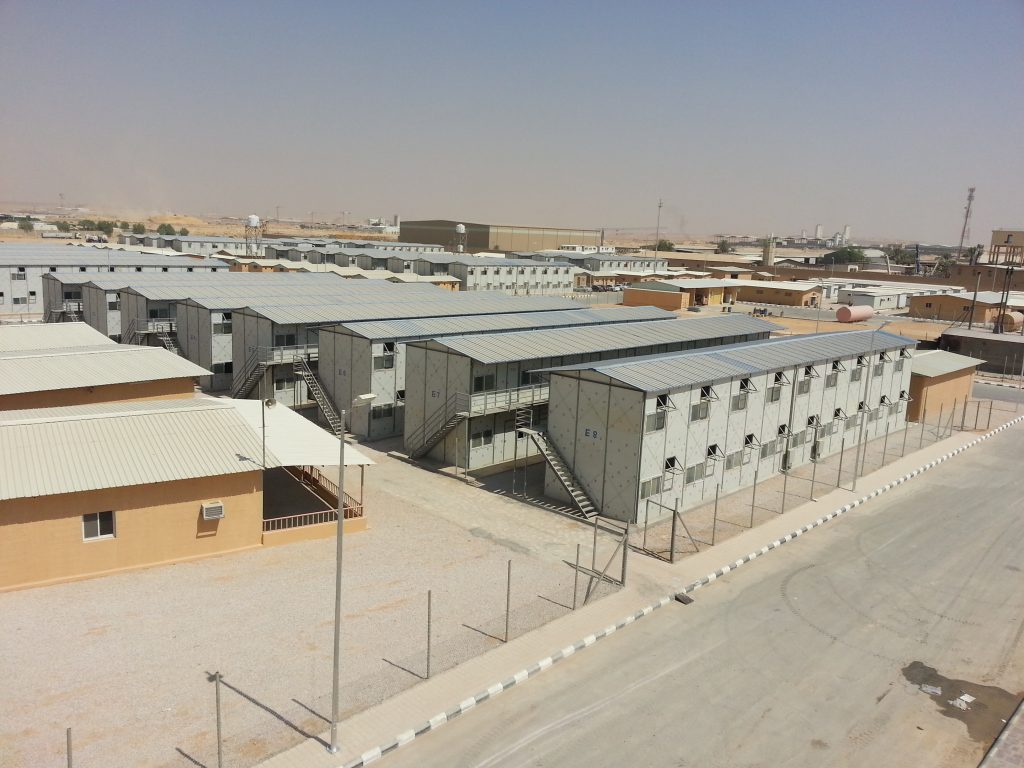
As the global construction industry grapples with the dual mandate of meeting soaring housing demand and achieving carbon neutrality, sustainable prefabricated construction has emerged as a pivotal solution. Traditional building methods, characterized by high resource consumption, excessive waste generation, and lengthy on-site workflows, are increasingly being replaced by prefabricated systems that prioritize efficiency, environmental responsibility, and durability. At the forefront of this transformation is Lida Group, a leading innovator in light steel integrated prefab housing, whose sustainable designs redefine the balance between ecological performance, structural integrity, and human-centric living. By integrating advanced light steel framing, eco-friendly materials, and energy-efficient systems, Lida Group’s prefab houses not only reduce environmental impact but also deliver superior comfort, safety, and adaptability. This article explores the technical foundations, sustainable design principles, core advantages, real-world applications, case studies, and future outlook of Lida Group’s prefab house designs, providing a comprehensive analysis of how the company is shaping the future of green construction.
1. Overview of Lida Group’s Sustainable Prefab Philosophy and Technology
1.1 The Core Philosophy: Green Building for a Better Life
Lida Group has built its reputation on the guiding principle of “Green Building, Better Life,” focusing on developing prefab housing solutions that harmonize with the environment while enhancing occupant well-being. Unlike conventional prefab structures that prioritize cost and speed over sustainability, Lida Group’s designs embed eco-friendly principles into every stage of the building lifecycle—from material selection and factory production to on-site assembly and long-term operation. The company’s commitment to sustainability is aligned with global green building standards and government initiatives, including China’s national residential industrialization demonstration program and the EU’s Green Deal, positioning its prefab houses as compliant, future-ready solutions for diverse markets.
Central to Lida Group’s philosophy is the shift from “constructing houses” to “manufacturing houses”—a paradigm that leverages industrialized production to minimize waste, reduce emissions, and ensure consistent quality. By controlling the entire production process in state-of-the-art factories, the company eliminates the inefficiencies of on-site construction, such as weather delays, material waste, and labor inconsistencies, while maximizing the use of recycled and renewable materials.
1.2 Core Technology: Light Steel Integrated Framing System
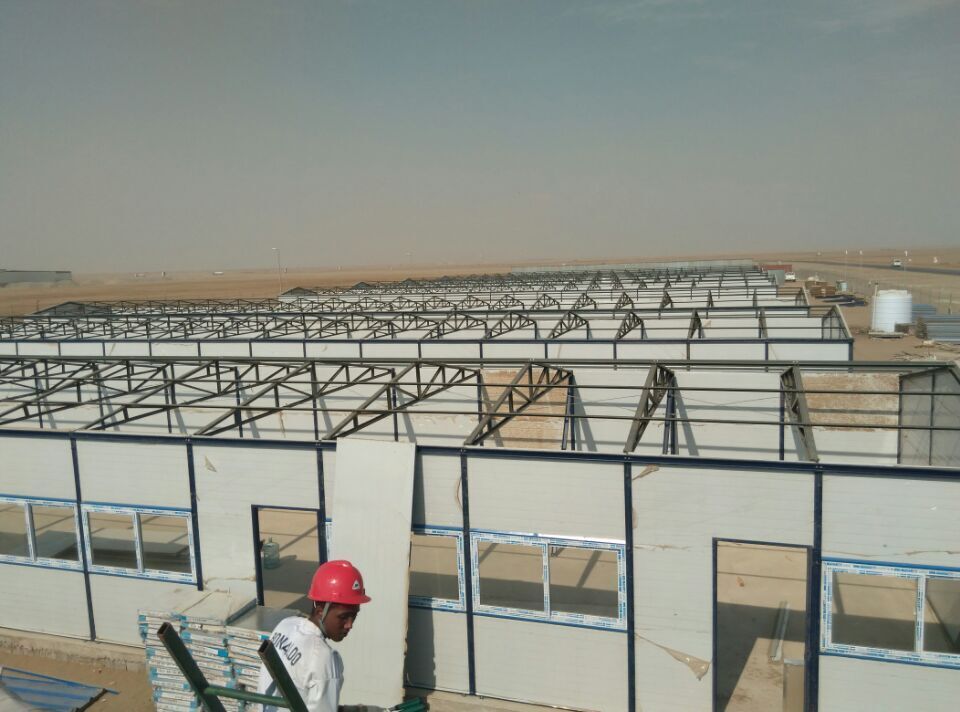
At the heart of Lida Group’s sustainable prefab houses is an advanced cold-formed thin-walled light steel framing system, a technological cornerstone that delivers both structural performance and environmental benefits. This system utilizes high-strength galvanized or aluminum-zinc coated steel sheets, which undergo precision processing via internationally advanced production lines to create wall studs, roof trusses, and floor joists with customizable cross-sections (web widths ranging from 75mm to 250mm) to meet diverse load requirements.
The light steel framing offers multiple advantages over traditional concrete and brick structures. Its lightweight nature (up to 70% lighter than concrete) reduces transportation costs and carbon emissions associated with material delivery. Moreover, the steel components are 100% recyclable, contributing to a circular economy and reducing the environmental footprint of the building lifecycle. The framing is also treated with multi-layer anti-corrosion coatings, ensuring a service life of over 90 years—far exceeding the lifespan of conventional residential structures—and maintaining structural integrity even in harsh coastal, high-humidity, or industrial environments.
Lida Group complements its light steel framing with advanced design software that supports multi-national building codes, enabling precise structural calculations and optimization. This digital integration ensures that each component is tailored to the project’s specific needs, minimizing material usage while enhancing safety and durability. The software also facilitates seamless integration with other sustainable systems, such as insulation, ventilation, and renewable energy solutions, creating a holistic green building ecosystem.
2. Sustainable Design Elements of Lida Group’s Prefab Houses
2.1 Eco-Friendly Material Selection
Lida Group’s prefab houses prioritize materials that reduce environmental impact without compromising performance or safety. Beyond the 100% recyclable light steel framing, the company incorporates a range of green materials throughout its designs:
-
Insulation Materials: The walls and roofs feature a combination of glass wool and composite insulation panels, creating a fully enclosed thermal insulation and moisture-proof system. This dual-insulation design eliminates “cold bridge” effects, with a 10cm thick composite wall delivering the same thermal performance as a 1m thick traditional brick wall. Glass wool, a renewable and non-toxic material, also enhances sound insulation and fire resistance, aligning with global safety standards.
-
Bio-Based and Recycled Materials: Lida Group is exploring the integration of cement-based plant fiber insulation panels, which incorporate 30% agricultural waste (such as straw and rice husks) as raw materials. These panels resolve the drawbacks of traditional insulation materials (e.g., brittleness, poor adhesion) by forming chemical bonds between inorganic cement and organic fibers, eliminating the need for formaldehyde-containing adhesives and reducing agricultural waste pollution.
-
Low-VOC Finishes: All interior and exterior finishes, including wall claddings, flooring, and paints, meet Greenguard Gold certification standards for low volatile organic compound (VOC) emissions. This ensures superior indoor air quality, protecting occupant health and reducing off-gassing-related environmental impact.
Collectively, these materials enable Lida Group’s prefab houses to achieve an 80%+ material recyclability rate, significantly reducing construction waste and supporting circular economy principles.
2.2 Energy-Efficient Systems and Performance
Energy efficiency is a defining feature of Lida Group’s sustainable prefab designs, with integrated systems that minimize operational energy consumption and carbon emissions. The fully enclosed insulation system, combined with airtight construction, enables the houses to meet China’s latest energy-saving standards (65%+ energy reduction compared to traditional buildings) and deliver exceptional thermal comfort year-round. Testing shows that when the outdoor temperature is 0°C, the indoor temperature remains above 17°C without additional heating; when the outdoor temperature reaches 30°C, the indoor temperature stays at 21°C, reducing reliance on air conditioning and heating systems.
To further enhance energy sustainability, Lida Group’s prefab houses are designed to integrate seamlessly with renewable energy systems, including solar photovoltaic panels, air-source heat pumps, and rainwater harvesting systems. The lightweight roof structure can easily support solar panel installations, while the modular design allows for flexible placement of energy storage systems. These integrations enable net-zero energy operation in suitable climates, further reducing the building’s carbon footprint.
Operational energy savings are substantial: compared to traditional brick-concrete houses, Lida’s prefab houses reduce air conditioning and heating energy consumption by over 30% annually, translating to lower utility costs for occupants and reduced greenhouse gas emissions over the building’s lifespan.
2.3 Water Conservation and Waste Reduction
Lida Group’s prefab houses incorporate water-saving design elements throughout the building lifecycle. The factory-based dry construction process eliminates the need for on-site concrete pouring and wet work, reducing water consumption by up to 90% compared to traditional construction. On-site assembly requires minimal water usage, making the houses suitable for water-scarce regions or remote locations with limited water access.
Waste reduction is another key sustainability focus. Factory production ensures precise cutting and material optimization, reducing construction waste to less than 5%—a stark contrast to the 15-20% waste generated by on-site construction. Any waste produced during manufacturing is recycled or repurposed, and the modular design of the houses enables disassembly and reuse of components at the end of the building’s lifespan, further minimizing waste and extending material value.
2.4 Space Efficiency and Adaptive Design
Sustainable design extends beyond environmental performance to include space efficiency, a critical factor in urban and high-density housing projects. Lida Group’s light steel framing enables thinner wall profiles (half the thickness of traditional brick walls), increasing indoor usable space to 92%—a 10% improvement over conventional buildings. This space efficiency reduces the building’s footprint, conserving land resources and enabling higher-density development without compromising living comfort.
The modular design of Lida’s prefab houses also supports adaptive and flexible layouts, aligning with the “limited modules, infinite growth” concept. Standard 65㎡ and 80㎡ modules can be reconfigured to accommodate diverse lifestyle needs, from single-person residences and couples’ homes to multi-generational families and accessible housing for the elderly. This adaptability extends the building’s lifespan, reducing the need for demolition and reconstruction and further enhancing its sustainability credentials.

3. Core Advantages of Lida Group’s Sustainable Prefab Houses
3.1 Superior Structural Safety and Durability
Despite their lightweight design, Lida Group’s prefab houses deliver exceptional structural safety, exceeding global building standards for seismic resistance, wind resistance, and fire safety. The light steel framing forms a robust “panel-rib structure system” when combined with oriented strand board (OSB) and gypsum board cladding, offering superior resistance to horizontal loads and seismic activity. These houses can withstand earthquakes of up to 9 degrees (MSK scale) without collapse or fragmentation—only slight deformation—minimizing injury risk and facilitating post-disaster rescue.
Wind resistance is equally impressive: the structures can endure wind speeds of up to 50 meters per second (category 12+ hurricanes), protecting occupants and property in extreme weather conditions. Fire safety is enhanced by the non-combustible light steel framing and fire-resistant insulation materials, which slow flame spread and reduce smoke production, meeting ASTM E84 Class A and Euroclass B-S1, d0 fire standards.
The long service life (90+ years) of the light steel structure, combined with low-maintenance materials, ensures that Lida’s prefab houses deliver long-term value and durability, reducing the environmental impact of frequent renovations or replacements.
3.2 Rapid Construction and Cost Efficiency
Lida Group’s industrialized production model enables rapid, weather-independent construction, a significant advantage over traditional on-site methods. All components are prefabricated in factories to exact specifications, with interior finishes, electrical wiring, and plumbing systems integrated during production. On-site assembly involves simply connecting modular components, requiring minimal skilled labor and reducing construction time by 50-70%.
For example, a 300-square-meter villa can be completed from design to full interior finishing in just 50 days—far less than the 4-6 months required for a traditional brick-concrete villa. This rapid construction reduces financing costs, enables faster occupancy, and minimizes on-site disruption to surrounding environments, making the houses ideal for urban renewal, tourism development, and emergency housing projects.
Cost efficiency is achieved throughout the project lifecycle. Reduced labor requirements (60% less labor than traditional construction) and minimal waste lower upfront construction costs. Operational cost savings, from energy and water efficiency, further enhance affordability. Additionally, the recyclable and reusable nature of components reduces lifecycle costs, making Lida’s prefab houses a cost-competitive alternative to conventional housing.
3.3 Exceptional Occupant Comfort and Health
Lida Group’s sustainable prefab houses prioritize occupant comfort and health, integrating design elements that enhance thermal comfort, indoor air quality, and acoustic performance. The advanced insulation system maintains consistent indoor temperatures, eliminating cold spots and drafts and reducing the risk of mold growth. The breathable wall design regulates indoor humidity, creating a comfortable living environment year-round.
Acoustic performance is enhanced by the combination of light steel framing and glass wool insulation, which reduces external noise infiltration by 40-50 dB—critical for urban or high-traffic locations. Low-VOC materials and factory-controlled production ensure that indoor air quality meets strict health standards, making the houses suitable for sensitive populations, including children, the elderly, and individuals with respiratory conditions.
The flexible layout design also contributes to comfort, allowing occupants to customize spaces to their lifestyle needs. Large spans (6-12 meters) enabled by the light steel framing create open, airy living areas, while modular expansions allow families to adapt the house as their needs change.
3.4 Strong Environmental Performance and Carbon Reduction
Lida Group’s prefab houses deliver significant environmental benefits across their lifecycle. Factory production reduces on-site carbon emissions by eliminating the need for heavy machinery and on-site material processing. The use of recyclable steel and bio-based materials reduces embodied carbon, while the energy-efficient design minimizes operational carbon emissions.
Life-cycle assessment (LCA) studies show that Lida’s prefab houses reduce carbon emissions by 67% compared to traditional brick-concrete structures. In the construction phase alone, prefabricated construction (including Lida’s systems) reduces carbon emissions by 20%, with full lifecycle carbon reductions reaching nearly 40%. These reductions align with global climate goals, making Lida’s designs a key enabler of carbon-neutral construction.
4. Application Scenarios of Lida Group’s Sustainable Prefab Houses
4.1 Residential Construction
Lida Group’s sustainable prefab houses are widely used in residential projects, from affordable housing and urban apartments to luxury villas and rural homes. In urban areas, the space-efficient, rapid-construction designs address housing shortages and urban renewal needs. For example, the company has partnered with local governments to deliver affordable housing complexes, where modular prefab houses reduce construction time by 50% and costs by 25%, while meeting strict energy-saving standards.
In rural and suburban areas, the houses are ideal for vacation villas, farmhouses, and eco-resorts. Their lightweight design simplifies transportation to remote locations, while renewable energy integration enables off-grid operation. The customizable finishes, including woodgrain and stone textures, allow the houses to blend with natural surroundings, making them popular for tourism and rural development projects.
Self-build projects also benefit from Lida’s designs, as the modular components are easy to assemble and customize, with the company offering end-to-end design and construction services to meet individual homeowner needs.
4.2 Public and Municipal Infrastructure
Lida Group’s prefab houses are increasingly adopted for public infrastructure projects, including schools, community centers, clinics, and office buildings. Schools and clinics benefit from the rapid construction (enabling quick deployment in underserved areas), fire safety features, and healthy indoor environments. A primary school project in rural China used Lida’s prefab design to complete 10 classrooms and a cafeteria in 3 months, providing safe, comfortable learning spaces for 500 students.
Municipal projects, such as temporary offices, public toilets, and park facilities, leverage the houses’ modularity and low maintenance requirements. The dry construction process minimizes disruption to public spaces, while the sustainable design aligns with municipal green building goals.
4.3 Emergency and Humanitarian Housing
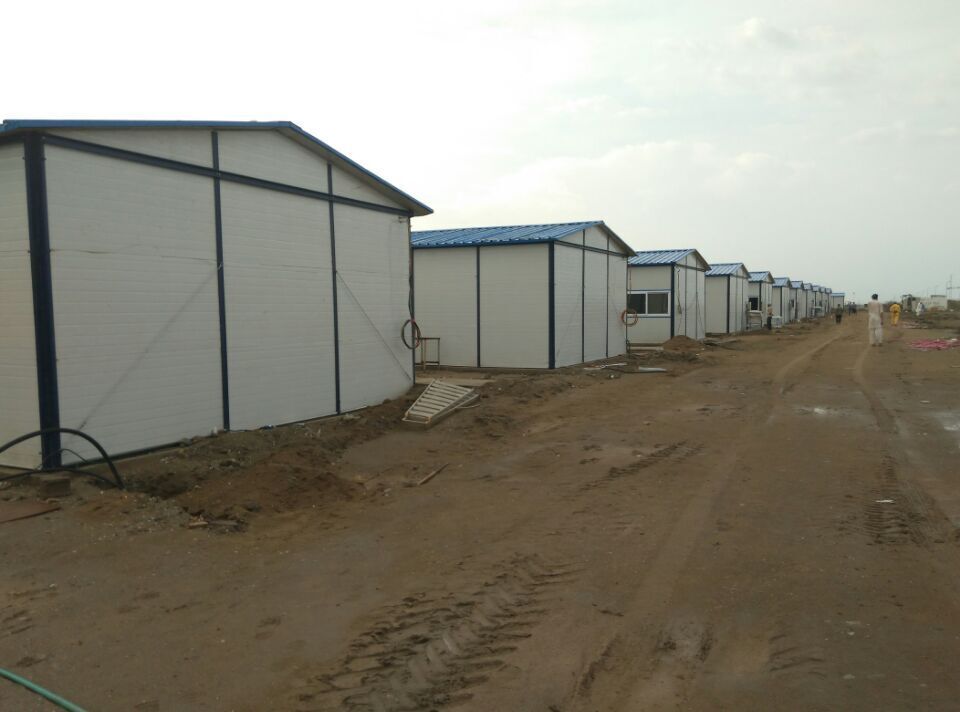
The rapid deployment, durability, and portability of Lida Group’s prefab houses make them ideal for emergency and humanitarian housing. In post-disaster areas, the houses can be manufactured and transported to affected regions within days, providing safe shelter for displaced populations. Their seismic and wind resistance ensures durability in disaster-prone areas, while the energy-efficient design enables comfortable occupancy with minimal resources.
Lida Group has participated in several post-disaster reconstruction projects, delivering prefab houses that provide immediate shelter and can be later repurposed as schools, clinics, or community centers. The reusable nature of the components also makes the houses cost-effective for humanitarian organizations, as they can be relocated to other crisis areas as needed.
4.4 Tourism and Recreational Facilities
The tourism industry benefits from Lida Group’s prefab houses, which are used to construct eco-resorts, campgrounds, ski lodges, and beachfront villas. The rapid construction enables resorts to open quickly and start generating revenue, while the sustainable design aligns with eco-tourism principles. The customizable designs allow developers to create unique, aesthetically pleasing structures that blend with natural landscapes, enhancing the guest experience.
For example, a luxury eco-resort in Southeast Asia used Lida’s prefab houses to construct 30 beachfront villas, each equipped with solar panels and rainwater harvesting systems. The villas were completed in 12 weeks, with minimal environmental impact on the coastal ecosystem, and have since become a model for sustainable tourism development.
5. Case Studies: Successful Implementations of Lida Group’s Sustainable Prefab Houses
5.1 Rural Eco-Villa Development, China
Lida Group partnered with a real estate developer to construct a community of 50 eco-villas in a rural area of Shandong Province, China. The project aimed to create sustainable, high-comfort homes that blend with the natural landscape while supporting rural tourism. The villas used Lida’s light steel framing system, combined with glass wool insulation and cement-based plant fiber panels, to achieve LEED Gold certification.
Each 200-square-meter villa featured a custom open-plan layout, large windows for natural light, and a private courtyard. The houses were equipped with solar photovoltaic panels, air-source heat pumps, and rainwater harvesting systems, enabling 80% of energy needs to be met by renewable sources. Construction of the entire community took just 4 months, with each villa completed from design to finishing in 45 days.
Key outcomes included 35% lower energy costs for homeowners compared to traditional villas, 90% water savings from dry construction, and 67% reduced carbon emissions. The community has become a popular rural tourism destination, demonstrating how sustainable prefab houses can drive economic development while protecting the environment.
5.2 Urban Affordable Housing Complex, Shenzhen
As part of Shenzhen’s efforts to address housing shortages for low- and middle-income families, Lida Group contributed to the construction of a 1,000-unit affordable housing complex using its sustainable prefab designs. The project adopted a modular approach, with standard 65㎡ and 80㎡ units that could be reconfigured to meet diverse family needs.
The light steel framing system enabled thin walls, increasing indoor usable space by 10% compared to traditional apartments. The houses integrated energy-efficient insulation, low-VOC finishes, and centralized solar water heating systems, reducing utility costs by 30% for residents. Construction was completed in 8 months—half the time required for traditional concrete apartments—minimizing disruption to the surrounding urban area.
The complex has since become a model for urban affordable housing, with high occupancy rates and positive feedback from residents. It demonstrates Lida Group’s ability to deliver sustainable, cost-effective housing at scale, addressing critical urban challenges.
5.3 Post-Disaster Emergency Housing, Sichuan
Following a moderate earthquake in Sichuan Province, Lida Group partnered with humanitarian organizations to deploy 200 emergency prefab houses for displaced families. The houses were designed for rapid deployment, with modular components that could be transported by truck to remote affected areas and assembled by a small team in 2 days per unit.
Each 20-square-meter house featured a seismic-resistant light steel frame, fire-resistant insulation, and a simple but comfortable interior with sleeping space for 4-5 people. The houses were equipped with solar-powered lighting and ventilation systems, ensuring basic comfort in areas without access to electricity. The durable design enabled the houses to withstand subsequent aftershocks and heavy rainfall.
The project provided immediate shelter for over 1,000 people, with the houses later repurposed as temporary schools and community centers as the region recovered. This case highlights the versatility and life-saving potential of Lida Group’s sustainable prefab houses in emergency situations.

6. Market Trends and Future Outlook
6.1 Global Market Growth Drivers
The global sustainable prefab housing market is poised for robust growth, driven by urbanization, government green building policies, labor shortages, and increasing environmental awareness. According to industry reports, the global prefabricated construction market is projected to grow at a CAGR of 6.2% through 2030, with sustainable designs accounting for an increasing share of this growth.
Government initiatives are a key driver: China’s 14th Five-Year Plan targets 30% of new buildings to use prefabricated methods by 2025, while the EU’s Green Deal mandates 55% carbon reductions in the construction sector by 2030. These policies create strong demand for Lida Group’s sustainable prefab houses, which align with strict energy-saving and carbon-reduction standards.
Labor shortages in the global construction industry (a projected shortage of 10 million workers by 2030) also boost demand for prefabricated solutions, as they reduce reliance on skilled labor. Urbanization, particularly in Asia-Pacific and Africa, drives the need for rapid, space-efficient housing, further expanding the market for Lida’s designs.
6.2 Emerging Innovations and Future Developments
Lida Group is committed to continuous innovation, with several key developments planned to enhance its sustainable prefab house designs:
-
Smart Home Integration: The company is integrating IoT sensors, BIM digital twins, and smart control systems into its prefab houses. These technologies enable real-time monitoring of energy usage, indoor air quality, and structural health, optimizing performance and reducing maintenance costs. Residents will be able to control heating, cooling, and lighting remotely via mobile apps, enhancing comfort and energy efficiency.
-
Advanced Bio-Based Materials: Lida Group is expanding the use of cement-based plant fiber panels and other bio-based materials to further reduce embodied carbon. Research is focused on developing self-healing insulation materials and biodegradable finishes, enhancing the circularity of the building lifecycle.
-
Automated Production and Assembly: The company is investing in AI-powered factory automation to optimize component production, reduce waste, and increase efficiency. On-site robotic assembly is also being explored, further reducing labor requirements and construction time.
6.3 Challenges and Opportunities
Despite strong growth prospects, the sustainable prefab housing market faces challenges. Inconsistent building codes and standards for prefabricated structures in some regions can create regulatory barriers. Consumer perceptions, with some viewing prefab houses as “low-quality” or “cookie-cutter,” also need to be addressed. Additionally, high upfront investment in factory infrastructure can deter small-scale developers.
These challenges present opportunities for Lida Group. By partnering with governments to develop standardized codes and certifications, the company can position itself as a leader in the industry. Successful case studies and marketing campaigns highlighting the quality, sustainability, and design flexibility of its houses will help change consumer perceptions. Expanding into emerging markets, where urbanization and infrastructure needs are greatest, offers significant growth potential, as does partnering with affordable housing initiatives to address global housing shortages.
7. Conclusion
Lida Group’s sustainable prefab house designs represent a transformative force in the global construction industry, offering a holistic solution to the sector’s most pressing challenges—environmental impact, construction inefficiency, housing shortages, and occupant health. By integrating advanced light steel framing, eco-friendly materials, energy-efficient systems, and modular design principles, the company has redefined what sustainable housing can be: durable, comfortable, cost-effective, and adaptable to diverse needs.
The core strengths of Lida’s designs—superior structural safety, rapid construction, exceptional environmental performance, and occupant-centric comfort—make them suitable for a wide range of applications, from residential and public infrastructure to emergency housing and tourism facilities. Real-world case studies demonstrate that these houses not only meet strict sustainability standards but also deliver tangible economic and social benefits, from reduced energy costs to faster disaster recovery.
As the global construction industry continues its shift toward sustainability and industrialization, Lida Group is well-positioned to lead the way. Ongoing innovations in smart technology, advanced materials, and automation will further enhance the performance and versatility of its prefab houses, enabling the company to meet evolving market demands and global climate goals. By staying true to its “Green Building, Better Life” philosophy, Lida Group is not just building houses— it is creating a more sustainable, inclusive, and resilient built environment for future generations.
In a world where sustainability is no longer an option but a necessity, Lida Group’s sustainable prefab house designs offer a blueprint for the future of construction—one that balances environmental responsibility, human well-being, and economic value. As governments, developers, and consumers increasingly prioritize sustainability, Lida Group’s innovations will play a critical role in shaping a greener, more efficient, and more livable world.
Related news
-
Innovative Prefab House Features Easy Install Sandwich Panel System
2026-01-06 13:34:03
-
Revolutionize Your Project with Easy Install Sandwich Panel Building
2026-01-06 14:30:21
-
Lida Group Introduces Next-Generation Modern Mobile Construction
2026-01-06 13:51:21
contact us
- Tel: +86-532-88966982
- Whatsapp: +86-13793209022
- E-mail: sales@lidajituan.com
