



Sustainable Prefab House Designs from Lida Group
2025-Nov-25 16:15:06
By Admin
As the global focus on climate action intensifies, the construction industry—responsible for 39% of global carbon emissions (UNEP 2024)—is under increasing pressure to adopt sustainable practices. Traditional housing construction, with its excessive waste, high energy consumption, and reliance on non-renewable materials, is no longer viable in a world striving for carbon neutrality. This paradigm shift has elevated prefabricated (prefab) housing as a sustainable alternative, and Lida Group, a three-decade leader in modular construction, has emerged as a trailblazer in sustainable prefab house designs.
For over 30 years, Lida Group has redefined prefab housing by merging environmental responsibility with functional design, durability, and affordability. Unlike conventional prefab structures that prioritize speed over sustainability, Lida’s prefab houses are engineered as holistic, eco-friendly solutions—from the recycled materials used in their frames to the smart energy systems that power them. These homes address the core challenges of modern housing: reducing carbon footprints, minimizing resource waste, and creating adaptable spaces that align with changing lifestyle needs.
Lida’s sustainable prefab houses are not just environmentally conscious—they are also practical, customizable, and built to last. Designed for residential, commercial, and humanitarian applications across 80+ countries, they range from compact single-family homes to multi-story apartment complexes, each tailored to local climates, cultural preferences, and sustainability goals. By integrating circular economy principles, renewable energy technologies, and water conservation systems, Lida Group is proving that prefab housing can be both sustainable and desirable, setting a new standard for the future of residential construction.
This article explores the full spectrum of Lida Group’s sustainable prefab house designs, delving into their core sustainability principles, innovative materials and technologies, energy and water efficiency solutions, global case studies, customization capabilities, and the competitive advantages that position Lida as a leader in green prefab construction. Through a detailed analysis of engineering ingenuity, real-world impact, and environmental performance, we uncover how Lida’s prefab houses are transforming the residential landscape—one sustainable module at a time.
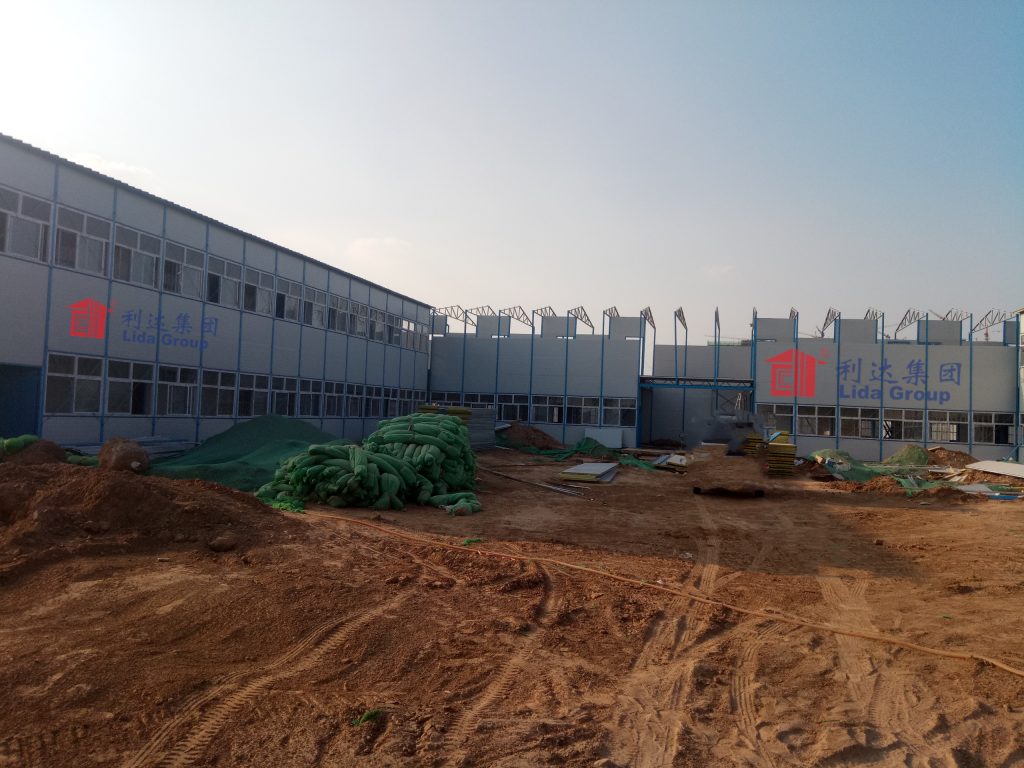
1. Core Sustainability Principles: The Foundation of Lida’s Prefab House Designs
Lida Group’s sustainable prefab house designs are guided by four overarching principles that permeate every stage of the design, manufacturing, and deployment process: circularity, resource efficiency, low-carbon footprint, and ecosystem harmony. These principles are not afterthoughts but integral to the company’s mission, ensuring that each prefab house delivers environmental, economic, and social value.
1.1 Circular Economy: Reduce, Reuse, Recycle
At the heart of Lida’s sustainability approach is a commitment to the circular economy, which aims to eliminate waste and keep resources in use for as long as possible. Unlike traditional construction, which generates 15–20% material waste (World Green Building Council), Lida’s prefab houses are manufactured in controlled factory environments with precision engineering, reducing waste to less than 5%.
Key circular economy practices in Lida’s prefab designs:
- Recycled Materials: 92–98% of the steel used in prefab house frames and components is sourced from industrial scrap via Lida’s patented Circusteel™ process. This not only diverts over 180,000 tons of steel from landfills annually but also reduces carbon emissions by 72% per ton compared to virgin steel production.
- Reusability: All prefab modules are designed for disassembly and relocation. A single unit can be repurposed multiple times—from a student dormitory to a family home to a remote work cabin—extending its lifecycle beyond 25 years. For example, Lida’s container-based prefab houses can be disassembled in 24 hours and transported to a new site with minimal damage.
- Closed-Loop Manufacturing: Offcuts and waste materials from factory production are recycled onsite. Steel scraps are melted down and reused in new components, while insulation offcuts are repurposed for smaller projects or donated to local communities for low-cost housing.
- End-of-Life Recyclability: 95% of the materials in Lida’s prefab houses (steel, aluminum, insulation, and fixtures) are fully recyclable. When a unit reaches the end of its useful life, components can be processed and reused in new construction, minimizing landfill waste.
1.2 Resource Efficiency: Maximizing Value, Minimizing Consumption
Lida’s prefab houses are engineered to use resources efficiently, both during construction and throughout their operational lifecycle. This efficiency translates to lower costs for clients and reduced environmental impact.
Key resource efficiency features:
- Factory Precision: Prefabrication in controlled environments allows for exact material measurements and optimized cutting, reducing material waste by 70% compared to on-site construction. For a 100 sqm prefab house, this translates to saving approximately 3 tons of steel, 2 cubic meters of insulation, and 500 kg of other materials.
- Modular Design: Standardized modular components (e.g., wall panels, roof trusses, and floor systems) are mass-produced, leveraging economies of scale to reduce material consumption per unit. Modules can be combined or reconfigured to create different layouts, eliminating the need for custom-cut materials for each project.
- Durable Construction: Lida’s prefab houses are built to withstand extreme weather conditions (earthquakes, hurricanes, and extreme temperatures) and have a service life of 25–30 years—comparable to traditional brick-and-mortar homes. This durability reduces the need for frequent renovations or replacements, conserving resources over time.
- Dry Construction Methods: Unlike traditional construction, which relies on wet concrete and mortar (consuming large amounts of water and generating runoff pollution), Lida’s prefab houses use dry assembly techniques. This reduces water consumption during construction by 90% and eliminates water pollution from construction sites.
1.3 Low-Carbon Footprint: From Manufacturing to Operation
Lida Group is committed to reducing the carbon footprint of its prefab houses at every stage—from manufacturing and transportation to daily operation. This holistic approach ensures that the homes are not just low-carbon during construction but also throughout their lifecycle.
Key low-carbon initiatives:
- Low-Carbon Manufacturing: Lida’s factories are powered by a combination of solar energy (solar panels covering 10,000 sqm of factory rooftops) and energy-efficient machinery. Robotic welding arms and automated assembly lines reduce energy consumption by 30% compared to manual manufacturing.
- Reduced Transportation Emissions: Modular components are designed to be lightweight and stackable, maximizing shipping efficiency. A single container can transport enough components to build a 200 sqm prefab house, reducing transportation emissions by 40% compared to shipping individual materials for traditional construction.
- Energy-Efficient Operations: Lida’s prefab houses are insulated with high-performance materials (polyurethane, rock wool, or fiber glass) that reduce heating and cooling energy consumption by up to 40% compared to traditional homes. This translates to lower carbon emissions from energy use—critical for achieving global climate goals.
- Carbon Certification: All Lida prefab houses are certified under ISO 14064-3 for carbon emissions accounting and verification, providing clients with transparent data on the environmental impact of their homes.
1.4 Ecosystem Harmony: Minimizing Environmental Disruption
Lida’s prefab house designs prioritize harmony with local ecosystems, minimizing disruption to natural habitats during construction and operation. This is particularly important for projects in sensitive areas, such as rural communities, coastal regions, and wildlife reserves.
Key ecosystem-friendly features:
- Pile-Free Foundations: Instead of traditional concrete piles that require excavation and disrupt soil integrity, Lida’s prefab houses use geotextile mats and adjustable supports. These foundations eliminate the need for digging, preserving soil structure and reducing habitat destruction.
- Green Roof and Wall Options: Clients can opt for green roofs (planted with native vegetation) and living walls, which help restore local ecosystems, improve air quality, and reduce the urban heat island effect. Green roofs also absorb rainwater, reducing runoff and preventing soil erosion.
- Minimal On-Site Disturbance: Since 90% of construction work is completed in factories, on-site activities are limited to assembly—reducing noise pollution, dust emissions, and disruption to local wildlife and communities. A typical 1,000 sqm prefab housing complex can be assembled in 2–3 weeks, minimizing the duration of on-site disturbance.
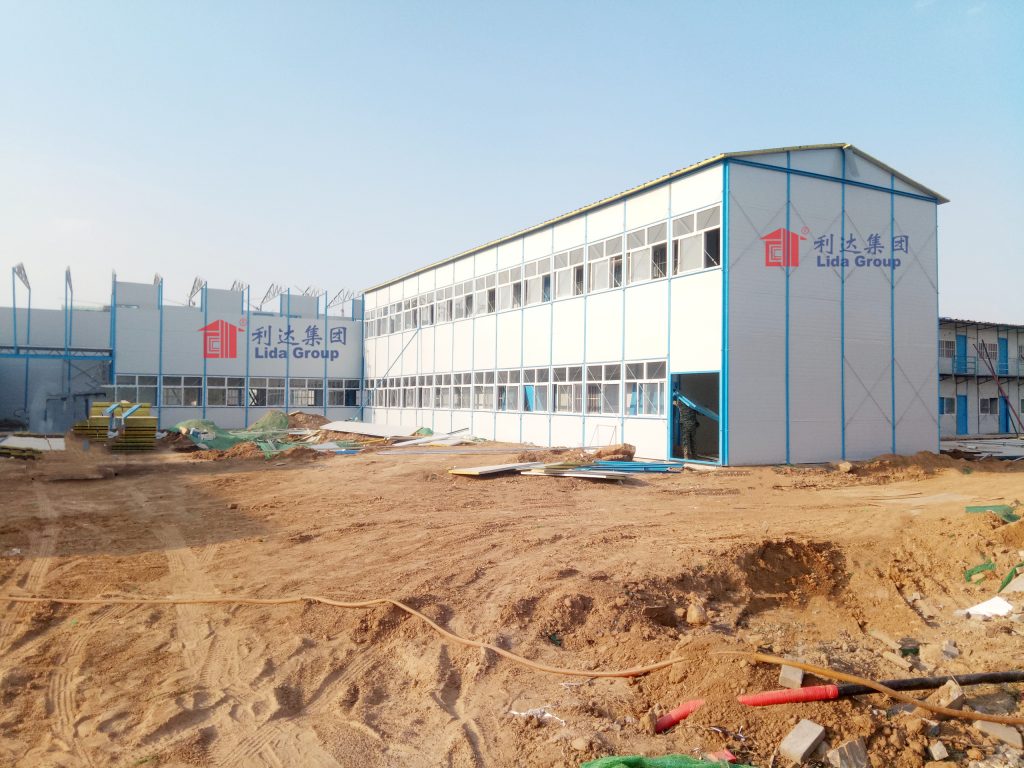
2. Innovative Materials: Building Blocks of Sustainable Prefab Houses
The sustainability of Lida’s prefab houses begins with the materials used in their construction. Lida Group has invested heavily in researching and sourcing eco-friendly materials that balance durability, performance, and environmental responsibility. From recycled steel frames to low-VOC finishes, every material is carefully selected to minimize environmental impact.
2.1 Recycled Steel Frames: Strength and Sustainability
Steel is the backbone of Lida’s prefab house designs, and the company’s use of recycled steel sets a new standard for sustainable construction. Unlike virgin steel, which requires large amounts of energy and raw materials to produce, recycled steel conserves resources and reduces carbon emissions.
Key features of Lida’s recycled steel frames:
- Composition: Frames are made from 98% recycled steel (sourced from industrial scrap, old vehicles, and construction waste) via the Circusteel™ process. This process involves melting down scrap steel, removing impurities, and forming it into structural components (square steel tubes for columns, C-channel steel for roof trusses).
- Strength and Durability: Recycled steel has the same structural strength as virgin steel, with a tensile strength of 450–550 MPa. The frames can support vertical stacking (up to 4 levels) and horizontal expansion, making them suitable for multi-story apartment complexes.
- Corrosion Resistance: Steel frames are galvanized and coated with a PVDF (polyvinylidene fluoride) layer, which provides resistance to corrosion, UV radiation, and extreme weather conditions. This extends the service life of the frames to 30+ years, reducing the need for replacements.
- Fire Resistance: Steel is non-combustible, contributing to the fire safety of prefab houses. When combined with fire-resistant insulation, the frames can withstand fires for up to 4 hours, protecting occupants and minimizing property damage.
2.2 High-Performance Insulation Materials: Energy Efficiency and Comfort
Insulation is critical for reducing energy consumption in prefab houses, and Lida Group offers a range of sustainable insulation options tailored to different climate conditions and budget requirements. All insulation materials are non-toxic, recyclable, and designed to maximize thermal efficiency.
Key insulation materials:
- Polyurethane (PU) Foam: A high-performance insulation material with a thermal conductivity of 0.022–0.026 W/(m·K), PU foam provides superior energy efficiency, reducing heating and cooling costs by up to 40%. It is made from 20% recycled materials and is fully recyclable at the end of its lifecycle.
- Rock Wool (Mineral Wool): Sourced from recycled industrial waste (blast furnace slag), rock wool is non-combustible, sound-absorbing, and resistant to mold and mildew. With a thermal conductivity of 0.038–0.045 W/(m·K), it is ideal for cold climates and areas with strict fire safety regulations.
- Fiber Glass: A cost-effective insulation option made from 60% recycled glass, fiber glass has a thermal conductivity of 0.036–0.040 W/(m·K) and excellent sound insulation properties. It is lightweight, easy to install, and non-toxic, making it suitable for residential applications.
- Recycled Polystyrene (EPS): For budget-conscious clients, Lida offers EPS insulation made from 100% recycled polystyrene. With a thermal conductivity of 0.039–0.042 W/(m·K), it provides adequate insulation for moderate climates while reducing waste.
2.3 Eco-Friendly Cladding and Finishes: Aesthetic and Sustainable
Lida’s prefab houses feature cladding and interior finishes that are both aesthetically pleasing and environmentally friendly. These materials are low in volatile organic compounds (VOCs), recyclable, and sourced from sustainable suppliers.
Key cladding and finish materials:
- Recycled Steel Cladding: Exterior cladding is made from recycled steel sheets (0.4–0.8mm thick) with a PVDF coating available in a range of RAL colors. The cladding is lightweight, durable, and 100% recyclable, and it requires no painting or maintenance for 10–15 years.
- Wood-Plastic Composite (WPC) Panels: For a more natural aesthetic, clients can choose WPC panels made from 70% recycled wood fibers and 30% recycled plastic. These panels are resistant to rot, termites, and moisture, and they require no chemical treatments—making them ideal for outdoor cladding and decking.
- Low-VOC Interior Finishes: Interior walls, floors, and ceilings are finished with low-VOC paints, adhesives, and sealants. These products emit fewer harmful chemicals, improving indoor air quality and reducing health risks for occupants.
- Recycled Carpet and Flooring: Flooring options include recycled carpet (made from plastic bottles) and luxury vinyl tile (LVT) made from 50% recycled materials. Both are durable, easy to clean, and fully recyclable.
2.4 Sustainable Windows and Doors: Energy Efficiency and Natural Light
Windows and doors are critical for energy efficiency and natural light, and Lida’s prefab houses feature eco-friendly options that balance performance and sustainability.
Key window and door features:
- Double-Glazed Low-E Glass: Windows are fitted with double-glazed low-emissivity (Low-E) glass, which reduces heat transfer by 50% compared to single-glazed glass. The glass is made from 30% recycled materials and is fully recyclable.
- Recycled Aluminum Frames: Window and door frames are made from recycled aluminum, which requires 95% less energy to produce than virgin aluminum. The frames are powder-coated for durability and available in a range of colors.
- Passive Design Principles: Windows are strategically placed to maximize natural light and ventilation, reducing the need for artificial lighting and air conditioning. This passive design approach further enhances energy efficiency and improves occupant comfort.
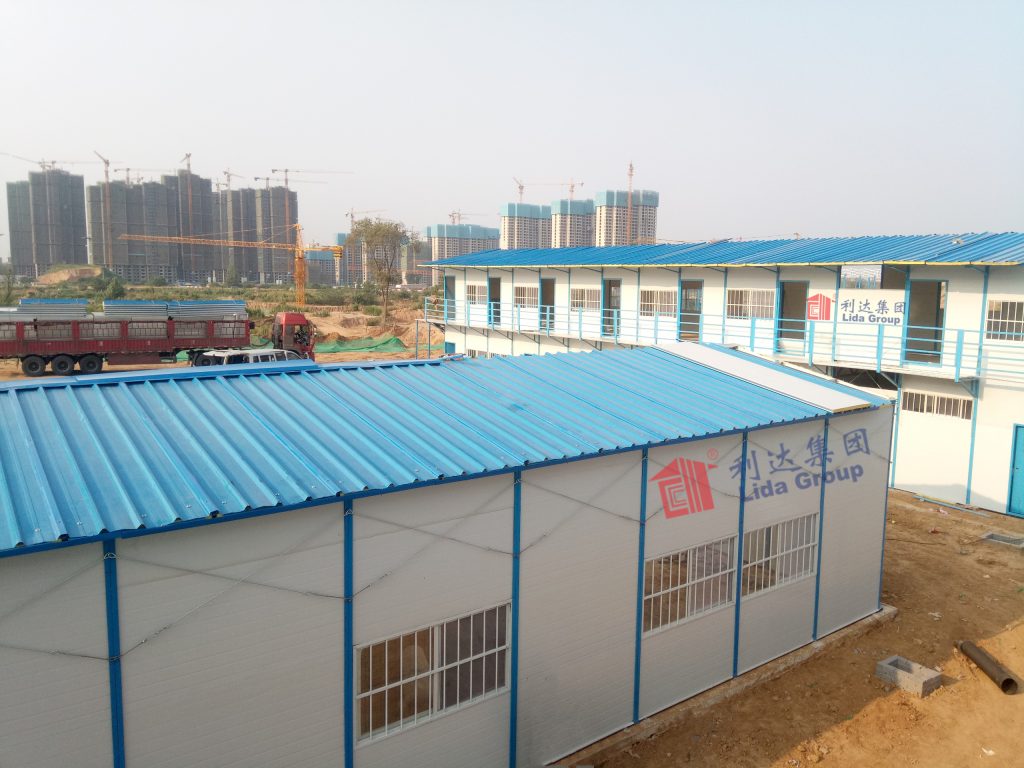
3. Energy Efficiency: Powering Sustainable Prefab Houses
Lida Group’s sustainable prefab houses are designed to be energy-efficient, reducing reliance on fossil fuels and lowering utility costs for homeowners. The company integrates a range of renewable energy technologies and passive design strategies to create homes that are either net-zero energy or close to it.
3.1 Passive Energy Design: Harnessing Natural Resources
Passive energy design is the foundation of Lida’s energy-efficient prefab houses, leveraging natural resources (sunlight, wind, and thermal mass) to maintain comfortable indoor temperatures without consuming electricity or gas.
Key passive design features:
- Orientation and Shading: Prefab houses are oriented to maximize south-facing windows (in the northern hemisphere) for solar gain during winter, while overhangs and shading devices prevent overheating in summer. This reduces heating and cooling energy needs by 20–30%.
- Thermal Mass: Concrete floors and walls (made from recycled aggregate) act as thermal mass, absorbing heat during the day and releasing it at night. This stabilizes indoor temperatures, reducing the need for heating and cooling.
- Natural Ventilation: Cross-ventilation is incorporated into the design, with operable windows and vents that allow fresh air to circulate through the house. This eliminates the need for mechanical ventilation in mild climates, reducing energy consumption.
- Air Tightness: Lida’s prefab houses are sealed with airtight membranes and weatherstripping, preventing air leakage and reducing energy loss by 15–20%. This ensures that the insulation works effectively, keeping the house warm in winter and cool in summer.
3.2 Renewable Energy Integration: Solar and Wind Solutions
To further reduce energy consumption and carbon emissions, Lida’s prefab houses are designed to integrate renewable energy technologies—primarily solar power, with wind energy options for suitable locations.
Key renewable energy features:
- Solar-Ready Roofs: All prefab houses come with pre-installed solar channels and mounting brackets, making it easy to add solar panels. A typical 100 sqm prefab house can accommodate 10–12 solar panels (400w each), generating 4–5 MWh of electricity annually—enough to power the home’s lighting, appliances, and heating/cooling systems.
- Solar Water Heaters: Clients can opt for solar water heaters, which use solar energy to heat water for domestic use. These systems reduce water heating energy consumption by 70%, saving homeowners up to $300 annually on utility bills.
- Wind Turbine Compatibility: For homes in windy areas (wind speeds of 5+ m/s), Lida offers compatibility with small wind turbines (1–5 kW). These turbines can supplement solar power, providing a reliable energy supply even on cloudy days.
- Battery Storage Systems: To store excess solar or wind energy for use during peak demand or power outages, Lida offers lithium-ion battery storage systems (5–15 kWh). These batteries are recyclable and have a lifespan of 10–15 years.
3.3 Smart Energy Management: Optimizing Energy Use
Lida’s prefab houses are equipped with smart energy management systems that allow homeowners to monitor and optimize their energy use, further reducing consumption and costs.
Key smart energy features:
- Smart Thermostats: Programmable thermostats learn homeowners’ habits and adjust heating and cooling settings automatically, reducing energy waste by 10–15%. The thermostats can be controlled remotely via a smartphone app, allowing homeowners to adjust settings while away from home.
- Energy Monitoring Systems: Real-time energy monitoring systems track electricity, water, and gas use, providing homeowners with detailed data on their consumption. This helps identify areas where energy can be saved—e.g., switching to energy-efficient appliances or adjusting lighting use.
- LED Lighting: All prefab houses are fitted with LED lighting, which uses 75% less energy than incandescent bulbs and lasts 25 times longer. LED bulbs are also recyclable, reducing waste.
- Energy-Efficient Appliances: Lida partners with leading appliance manufacturers to offer energy-efficient options (refrigerators, washing machines, dishwashers) that meet ENERGY STAR or equivalent standards. These appliances reduce energy consumption by 20–30% compared to standard models.
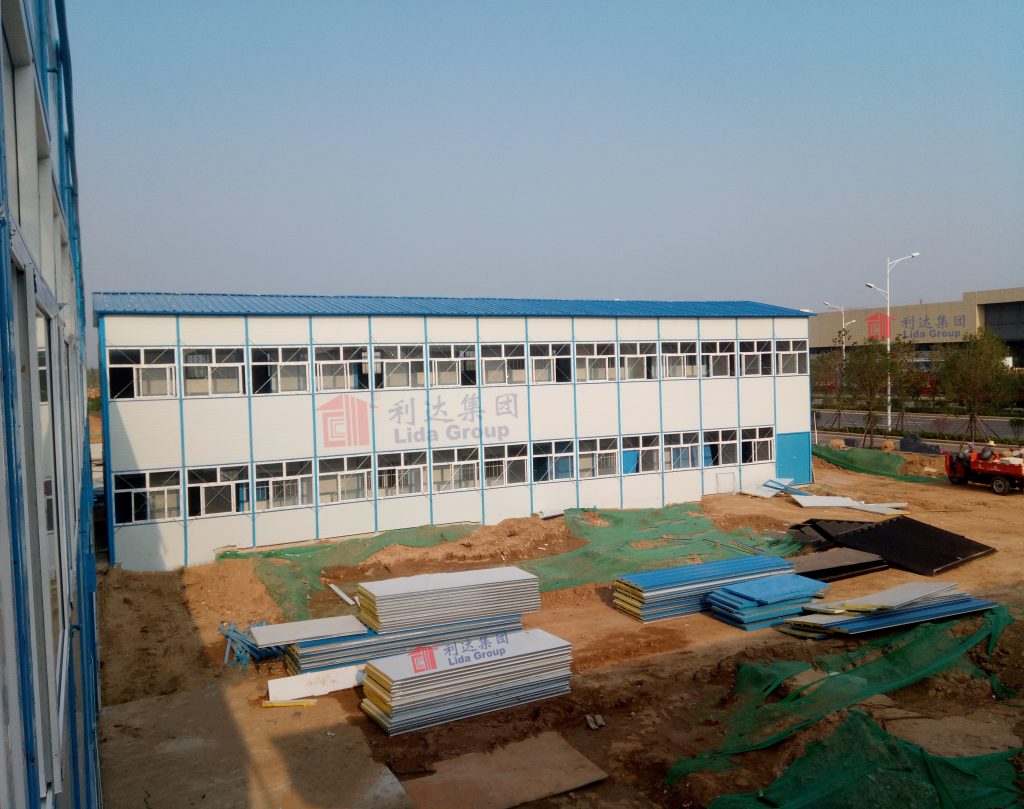
4. Water Efficiency: Conserving a Precious Resource
Water scarcity is a global challenge, and Lida Group’s sustainable prefab house designs address this by incorporating water-saving technologies that reduce consumption and promote conservation. From rainwater harvesting to low-flow fixtures, every aspect of the homes is designed to minimize water waste.
4.1 Rainwater Harvesting Systems: Capturing and Reusing Rainwater
Rainwater harvesting is a key feature of Lida’s prefab houses, allowing homeowners to capture and reuse rainwater for non-potable purposes—reducing reliance on municipal water supplies.
Key rainwater harvesting features:
- Roof Collection Systems: Roofs are designed to channel rainwater into gutters and downspouts, which feed into storage tanks (500–2,000 liters capacity). The tanks are made from recycled plastic or steel and are buried underground to save space.
- Filtration and Treatment: Rainwater is filtered through a three-stage system (sediment filter, carbon filter, and UV sterilizer) to remove debris, contaminants, and bacteria. This makes the water safe for use in toilets, washing machines, and irrigation.
- Integration with Plumbing: The harvested rainwater is integrated into the home’s plumbing system, with separate pipes for potable (drinking) and non-potable water. A pump ensures consistent water pressure for non-potable uses.
- Water Conservation Impact: A typical 100 sqm prefab house with a rainwater harvesting system can save 10,000–15,000 liters of water annually—reducing municipal water use by 30–40%.
4.2 Greywater Recycling: Reusing Wastewater
Greywater recycling systems further reduce water consumption by reusing wastewater from showers, sinks, and washing machines for non-potable purposes. This not only conserves water but also reduces the amount of wastewater entering municipal treatment plants.
Key greywater recycling features:
- Collection and Filtration: Greywater is collected from sinks, showers, and washing machines and filtered through a biological treatment system (using bacteria to break down organic matter). The filtered water is then stored in a tank for reuse.
- Reuse Applications: Recycled greywater is used for flushing toilets, irrigating gardens, and cleaning. It is not used for drinking, cooking, or bathing, ensuring safety for occupants.
- Water Savings: Greywater recycling systems reduce freshwater consumption by an additional 20–25%, making the homes even more water-efficient. For a family of four, this translates to savings of 8,000–10,000 liters of water annually.
- Low Maintenance: The systems are designed to be low-maintenance, with self-cleaning filters and automatic backwashing. They require minimal upkeep, making them practical for homeowners.
4.3 Low-Flow Fixtures and Appliances: Reducing Water Waste
Lida’s prefab houses are fitted with low-flow fixtures and water-efficient appliances that minimize water waste without compromising performance.
Key low-flow features:
- Low-Flow Toilets: Toilets use 4–6 liters of water per flush, compared to 10–15 liters for traditional toilets. This reduces toilet water use by 50–60%.
- Low-Flow Showers and Faucets: Showerheads and faucets have flow restrictors that reduce water flow to 6–8 liters per minute (compared to 15–20 liters per minute for standard fixtures). This saves water without reducing water pressure.
- Water-Efficient Appliances: Washing machines and dishwashers are rated for water efficiency, using 30–40% less water than standard models. Front-loading washing machines, for example, use 50% less water than top-loading models.
- Leak Detection Systems: Acoustic sensors are installed in pipes to detect leaks early, preventing water waste. The sensors send alerts to homeowners’ smartphones, allowing them to address leaks quickly—reducing water loss by up to 10%.
5. Customizable Sustainable Prefab House Lines: Meeting Diverse Needs
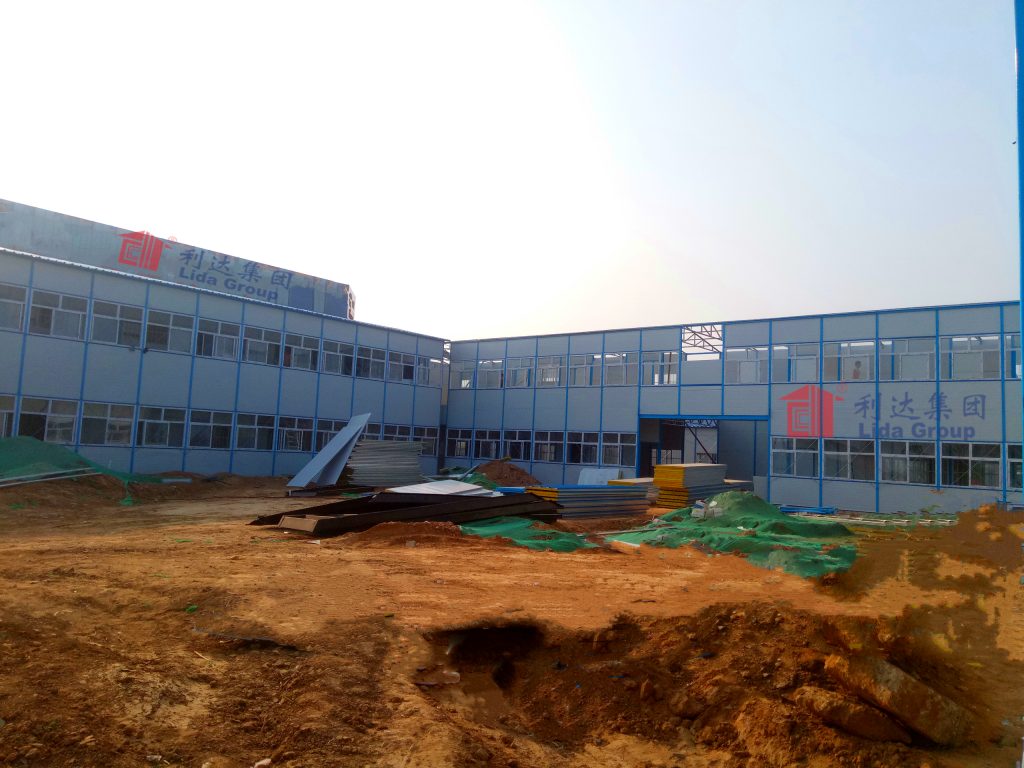
Lida Group’s sustainable prefab house portfolio is diverse, offering four primary product lines that cater to different residential needs—from compact single-family homes to multi-story apartment complexes. Each line is fully customizable, allowing clients to tailor the design, size, and features to their specific requirements while maintaining sustainability.
5.1 Container-Based Prefab Houses: Repurposed and Versatile
Lida’s container-based prefab houses are built from repurposed shipping containers, combining sustainability, portability, and affordability. These homes are ideal for single-family living, vacation cabins, or small multi-unit complexes.
Key Features and Sustainability
- Recycled Foundations: Built from 98% recycled steel shipping containers, these homes divert waste from landfills and reduce carbon emissions.
- Insulation Options: Walls and roofs are insulated with polyurethane or rock wool, reducing energy consumption by 40%.
- Customization: Available in 20ft (16 sqm), 40ft (32 sqm), or expanded models (up to 100 sqm), with customizable layouts (bedrooms, bathrooms, kitchens, and living areas). Options include slide-out rooms, foldable decks, and retractable glass walls.
- Portability: Designed for easy relocation, the homes can be transported via truck or ship and assembled in 2–3 days.
- Applications: Single-family homes, vacation cabins, student dormitories, and affordable housing projects.
5.2 Prefabricated Panel Houses: Speed and Affordability
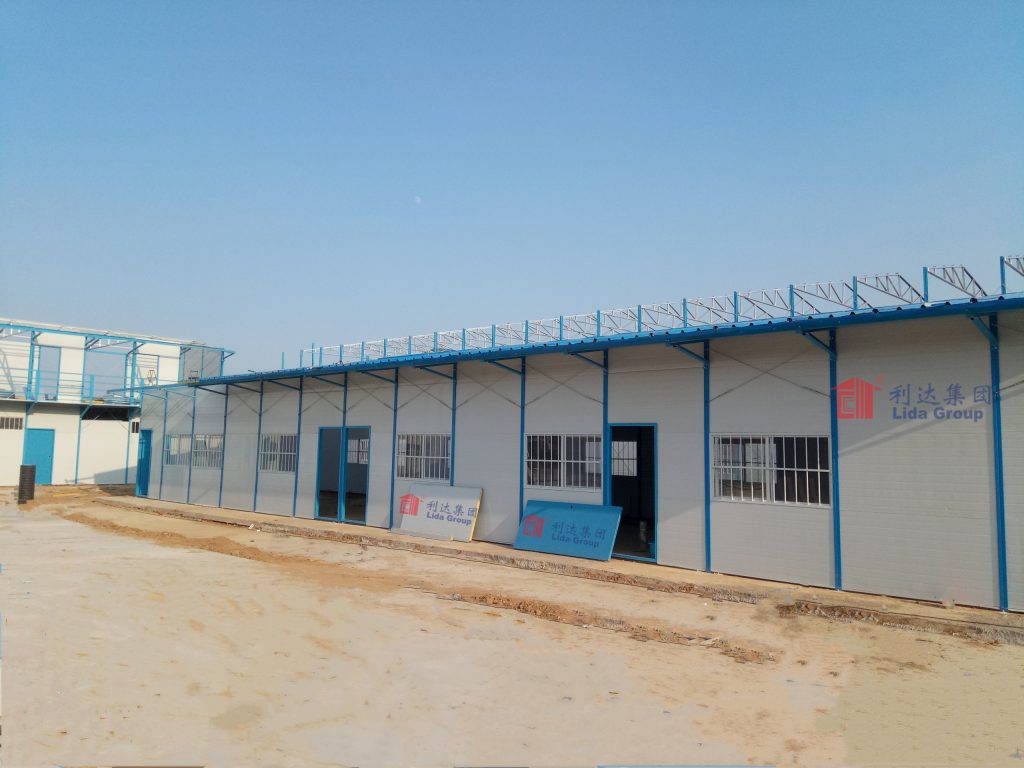
Lida’s prefabricated panel houses (prefab panel homes) are designed for projects that demand fast construction and cost efficiency without sacrificing sustainability. These homes feature lightweight steel frames and composite sandwich panels, manufactured off-site and assembled on-site in weeks.
Key Features and Sustainability
- Rapid Construction: A 100 sqm prefab panel home can be assembled in 1–2 weeks, reducing construction time by 50% compared to traditional homes.
- Cost-Effectiveness: Priced at USD 50–120 per sqm, these homes are affordable and accessible to a wide range of clients.
- Sustainable Materials: Steel frames made from 92% recycled steel, and insulation from recycled materials.
- Modularity: Panels can be linked together to form larger homes (up to 500 sqm) or multi-story complexes. They are also easy to expand or relocate.
- Applications: Affordable housing, rural homes, disaster relief housing, and temporary accommodation.
5.3 Luxury Sustainable Prefab Houses: Elegance and Environmental Responsibility
For clients seeking high-end, sustainable living, Lida offers luxury prefab houses that combine premium finishes, customizable designs, and eco-friendly features. These homes prove that sustainability and luxury can coexist.
Key Features and Sustainability
- Custom Design: Tailored layouts with high-end finishes (hardwood floors, quartz countertops, and designer fixtures) and customizable architectural styles (modern, minimalist, or traditional).
- Advanced Sustainability: Solar panels, battery storage, green roofs, and rainwater harvesting systems as standard features. Energy consumption is reduced by up to 50% compared to traditional luxury homes.
- Smart Home Integration: Home automation systems that control lighting, heating, cooling, and security—optimizing energy use and enhancing comfort.
- Spa-Like Amenities: Options include rooftop decks, hot tubs, indoor pools, and home theaters—all designed with sustainability in mind (e.g., energy-efficient pool heaters, LED lighting).
- Applications: Luxury single-family homes, vacation villas, and eco-resorts.
5.4 Multi-Unit Prefab Complexes: Sustainable Community Living
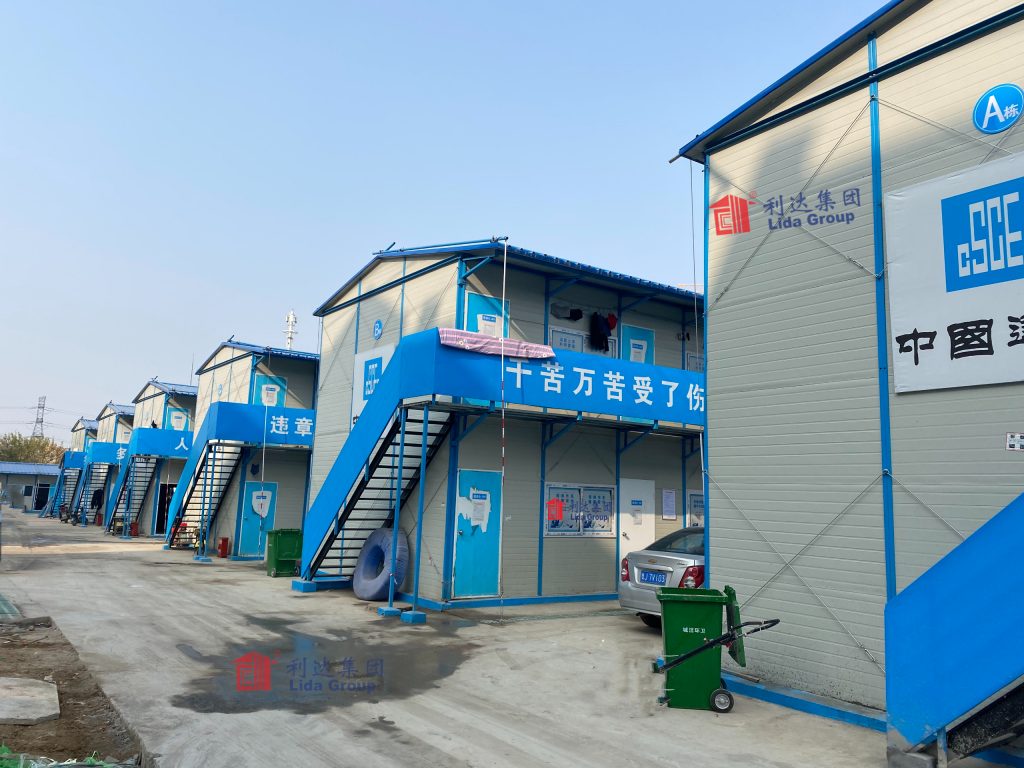
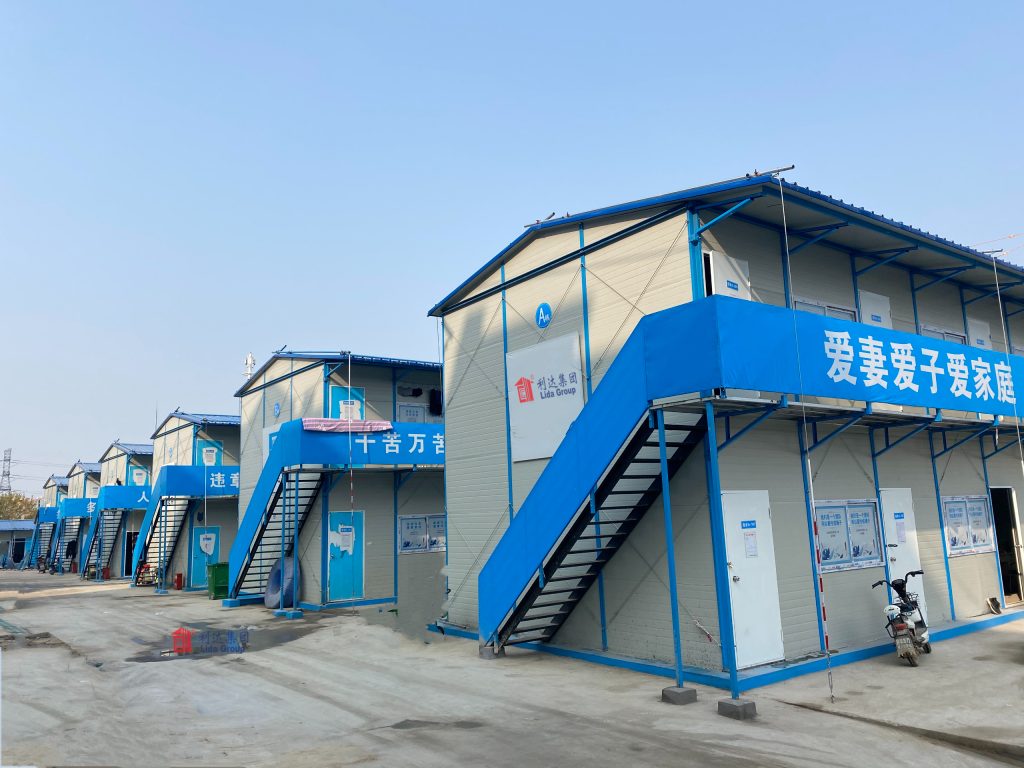
Lida’s multi-unit prefab complexes are designed for community living, offering sustainable, affordable housing for families, students, or seniors. These complexes can range from 2–10 units and are ideal for urban infill projects, rural communities, and affordable housing developments.
Key Features and Sustainability
- Shared Resources: Common areas (gardens, laundry facilities, and community rooms) reduce individual resource consumption. Shared solar panels and rainwater harvesting systems lower costs for residents.
- Compact Design: Efficient use of space reduces the environmental footprint of the complex. Units are designed to maximize living space while minimizing energy use.
- Accessibility: Options for wheelchair-accessible units and age-friendly features (grab bars, non-slip floors) make the complexes inclusive.
- Sustainable Landscaping: Native plants, permeable paving, and rain gardens reduce water runoff and support local ecosystems.
- Applications: Apartment complexes, student dormitories, senior housing, and affordable housing developments.
6. Global Case Studies: Sustainable Prefab Houses in Action
Lida Group’s sustainable prefab houses have been deployed in projects across six continents, demonstrating their versatility, performance, and environmental impact in diverse climates and contexts. Below are three standout case studies that highlight the real-world success of Lida’s designs.
6.1 Rural Affordable Housing Project, Kenya
Challenge: A non-governmental organization (NGO) needed to build 50 affordable, sustainable homes for rural communities in Kenya, where access to clean water and electricity is limited. The homes needed to withstand droughts, high temperatures, and occasional floods, while being affordable for low-income families.
Solution: Lida Group supplied 50 prefabricated panel houses, each 60 sqm (2 bedrooms, 1 bathroom, kitchen, and living area). The homes featured:
- Steel frames made from 92% recycled steel.
- Rock wool insulation to withstand high temperatures (up to 35°C).
- Rainwater harvesting systems (1,000-liter tanks) and low-flow fixtures.
- Solar panels (2 x 400w) and battery storage (10 kWh) for off-grid electricity.
- Pile-free foundations to avoid disrupting local soil and water sources.
Results:
- Homes were assembled in 3 weeks, 50% faster than traditional construction.
- Each home uses 80% less water and 70% less energy than traditional rural homes.
- Solar panels provide enough electricity to power lighting, phones, and small appliances—improving quality of life for residents.
- Rainwater harvesting systems reduce reliance on unreliable municipal water supplies, ensuring access to clean water during droughts.
- The project has become a model for sustainable affordable housing in East Africa, with plans to expand to 500 homes by 2026.
6.2 Luxury Eco-Villa Development, Costa Rica
Challenge: A resort developer wanted to build 10 luxury eco-villas in Costa Rica’s rainforest, blending with the natural surroundings while minimizing environmental impact. The villas needed to be sustainable, energy-efficient, and offer high-end amenities for eco-tourists.
Solution: Lida Group designed 10 luxury sustainable prefab houses, each 200 sqm (3 bedrooms, 3 bathrooms, infinity pool, and rooftop deck). Key features included:
- Recycled steel frames and WPC cladding (made from recycled wood and plastic) to blend with the rainforest.
- Green roofs planted with native vegetation, reducing the heat island effect and providing habitat for local wildlife.
- Solar panels (12 x 400w) and battery storage (20 kWh) for net-zero energy use.
- Rainwater harvesting (5,000-liter tanks) and greywater recycling systems, reducing water consumption by 80%.
- Large floor-to-ceiling windows for natural light and ventilation, minimizing the need for artificial lighting and air conditioning.
Results:
- Villas were assembled in 4 weeks, with minimal disruption to the rainforest ecosystem.
- Net-zero energy use: solar panels generate more electricity than the villas consume, with excess energy sold to the local grid.
- Water consumption is 80% lower than comparable luxury villas, thanks to rainwater harvesting and greywater recycling.
- Green roofs and native landscaping have attracted local wildlife, enhancing the eco-tourism experience.
- The resort has achieved LEED Platinum certification, the highest sustainability rating, and has seen a 30% increase in occupancy due to its eco-friendly reputation.
6.3 Multi-Unit Affordable Housing Complex, Germany
Challenge: A local government in Germany needed to build a 20-unit affordable housing complex for low-income families and seniors, meeting strict EU sustainability standards (carbon neutrality, energy efficiency, and water conservation). The project had a tight budget and timeline.
Solution: Lida Group supplied 20 multi-unit prefab houses, forming a complex with shared amenities (community garden, laundry room, and playground). Key features:
- Steel frames made from 98% recycled steel, with carbon-neutral manufacturing.
- High-performance polyurethane insulation, reducing energy consumption by 45% compared to EU standards.
- Shared solar panels (100 x 400w) and battery storage (100 kWh) for the complex.
- Shared rainwater harvesting (10,000-liter tank) for irrigation and cleaning.
- Accessible units for seniors and people with disabilities, with age-friendly features.
Results:
- Complex was completed in 8 weeks, 60% faster than traditional construction.
- Meets EU carbon neutrality standards: zero carbon emissions from construction and operation.
- Rent is 30% lower than comparable housing in the area, making it affordable for low-income families.
- Energy bills are 50% lower than average, reducing financial stress for residents.
- The complex has become a model for sustainable affordable housing in Europe, with other municipalities adopting Lida’s design.
7. Competitive Advantages: Why Choose Lida’s Sustainable Prefab Houses?
In a growing market for sustainable prefab housing, Lida Group stands out for its combination of experience, innovation, and commitment to environmental responsibility. Below are the key competitive advantages that make Lida the preferred choice for clients worldwide.
7.1 Three Decades of Expertise in Sustainable Construction
With 30 years in the industry, Lida Group has the expertise to design and manufacture sustainable prefab houses that meet the highest standards of quality, durability, and environmental performance. The company’s track record of 10,000+ projects across 80+ countries demonstrates its ability to adapt to diverse climates, regulations, and client needs.
7.2 Holistic Sustainability Approach
Unlike competitors that focus on single aspects of sustainability (e.g., recycled materials or energy efficiency), Lida Group takes a holistic approach—integrating circular economy principles, renewable energy, water conservation, and ecosystem harmony into every design. This ensures that the homes are sustainable throughout their lifecycle, not just during construction.
7.3 Customization and Flexibility
Lida’s sustainable prefab houses are fully customizable, allowing clients to tailor every aspect of the design—size, layout, finishes, and sustainability features—to their specific needs. Whether a compact affordable home or a luxury eco-villa, Lida’s modular design allows for flexibility without compromising sustainability.
7.4 Cost and Time Efficiency
Lida’s prefab houses are not only sustainable but also cost and time efficient. Prefabrication reduces construction time by 50% and costs by 30–40% compared to traditional homes, making sustainable living accessible to a wider range of clients. The use of standardized components and bulk manufacturing further lowers costs.
7.5 Global Reach and Local Expertise
Lida Group operates in 80+ countries, with a network of local partners and distributors that provide on-the-ground support. This global-local approach ensures that prefab houses are tailored to local regulations, climate conditions, and cultural preferences. Local teams handle installation, maintenance, and after-sales support, ensuring a seamless experience for clients.
7.6 Quality and Durability
Lida’s commitment to quality is evident in its manufacturing processes: robotic welding for precision, strict quality control checks, and compliance with international standards (ISO, CE, ASTM). Sustainable prefab houses are tested for durability in extreme conditions, ensuring a service life of 25–30 years—comparable to traditional homes.
8. Conclusion: Leading the Future of Sustainable Residential Construction
Lida Group’s sustainable prefab house designs represent a paradigm shift in residential construction—proving that homes can be both environmentally responsible and functionally desirable. By integrating circular economy principles, renewable energy technologies, water conservation systems, and ecosystem-friendly design, Lida has redefined what sustainable housing can be: affordable, customizable, durable, and accessible to clients worldwide.
Over the past 30 years, Lida Group has established itself as a global leader in sustainable prefab construction, driven by a commitment to innovation, quality, and environmental responsibility. Its diverse product lines—container-based homes, prefabricated panel houses, luxury eco-villas, and multi-unit complexes—cater to a wide range of residential needs, from affordable housing for low-income families to high-end homes for eco-conscious buyers. Each design is guided by four core principles: circularity, resource efficiency, low-carbon footprint, and ecosystem harmony—ensuring that the homes deliver environmental, economic, and social value.
The global case studies of Lida’s sustainable prefab houses—from rural Kenya to luxury Costa Rica resorts to German affordable housing complexes—demonstrate their versatility and impact. These projects have not only reduced carbon emissions, water consumption, and waste but also improved quality of life for residents, created jobs, and set new standards for sustainable construction in their regions.
Looking ahead, Lida Group is poised to continue leading the future of sustainable residential construction. As the global demand for low-carbon, resource-efficient housing grows—driven by climate change, urbanization, and increasing environmental awareness—Lida’s prefab houses will play an increasingly critical role in creating resilient, sustainable communities. With ongoing investments in R&D (e.g., 3D-printed sustainable materials, advanced energy storage, and AI-driven design optimization), Lida is committed to pushing the boundaries of innovation, delivering even more efficient, affordable, and sustainable prefab houses for clients worldwide.
In a world where sustainability is no longer an option but a necessity, Lida Group’s sustainable prefab house designs offer a path forward—proving that we can build homes that are good for the planet, good for people, and good for the future. For homeowners, developers, and governments seeking to embrace sustainable living, Lida Group is more than a supplier—it is a partner in building a greener, more resilient world.
Related news
-
Lida Group Launches New Prefab House with Sandwich Panel Technology
2025-11-25 15:32:50
-
Innovative Temporary Mobile Building Solutions by Lida Group
2025-11-25 15:48:51
-
Lida Group's Cost-Effective Sandwich Panel Construction Saves Time
2025-11-25 16:06:01
contact us
- Tel: +86-532-88966982
- Whatsapp: +86-13793209022
- E-mail: sales@lidajituan.com
