



Sustainable Housing: Eco-Friendly Sandwich Panel House by Lida Group
2026-Feb-24 17:55:11
By Admin
As global concerns about climate change, resource depletion, and environmental degradation continue to escalate, the concept of sustainability has become a guiding principle across all industries—especially the construction sector. Housing, as an essential part of human life, accounts for a significant proportion of global energy consumption and carbon emissions. According to the International Energy Agency (IEA), the building sector, including residential housing, contributes approximately 30% of global greenhouse gas emissions and consumes over 40% of the world’s total energy. Traditional residential construction, relying on energy-intensive materials, inefficient processes, and short-lived structures, has long been a major contributor to environmental stress. In response to this urgent challenge, the pursuit of sustainable housing—buildings that are eco-friendly, energy-efficient, durable, and affordable—has become a global consensus. Lida Group, a pioneering enterprise with over three decades of experience in prefabricated construction and green building solutions, has emerged as a leader in this transformation, launching its innovative eco-friendly sandwich panel house that redefines the standards of sustainable residential living. By integrating advanced sandwich panel technology, modular prefabrication, and eco-conscious design, Lida Group’s sustainable housing not only minimizes environmental impact but also delivers long-term value, comfort, and affordability, making it a model for the future of residential construction worldwide.
To fully appreciate the significance of Lida Group’s eco-friendly sandwich panel house, it is crucial to first understand the global context of sustainable housing and the limitations of traditional residential construction. Sustainable housing is defined by its ability to meet the needs of the present without compromising the ability of future generations to meet their own needs—encompassing environmental, economic, and social sustainability. Environmentally, it aims to reduce energy consumption, minimize carbon emissions, conserve water and materials, and protect ecosystems. Economically, it seeks to lower construction and operational costs, enhance durability, and provide long-term value. Socially, it focuses on improving living conditions, ensuring safety, and promoting inclusive and healthy communities. However, traditional residential construction often fails to achieve these goals, plagued by a range of inherent flaws.
Traditional housing typically relies on conventional materials such as brick, concrete, and wood, which are energy-intensive to produce. For example, the production of one ton of Portland cement— a key component of concrete—generates approximately one ton of carbon dioxide, accounting for 8% of global carbon emissions. Wooden structures, while renewable, often require deforestation, leading to habitat loss and reduced carbon sequestration. Additionally, traditional on-site construction is characterized by inefficiency, with material wastage rates averaging 10-15% due to imprecise cutting, manual errors, and poor resource management. This wastage not only increases costs but also contributes to landfill waste and environmental pollution. Furthermore, traditional housing often lacks effective thermal insulation and energy-efficient design, resulting in high energy consumption for heating and cooling—especially in extreme climates. In cold regions, traditional houses may lose up to 30% of their heat through poorly insulated walls and roofs, while in hot regions, excessive heat gain leads to over-reliance on air conditioning, driving up energy bills and carbon emissions. Finally, traditional housing often has a relatively short lifespan (30-40 years) and requires frequent maintenance and repairs, further increasing its environmental and economic footprint..
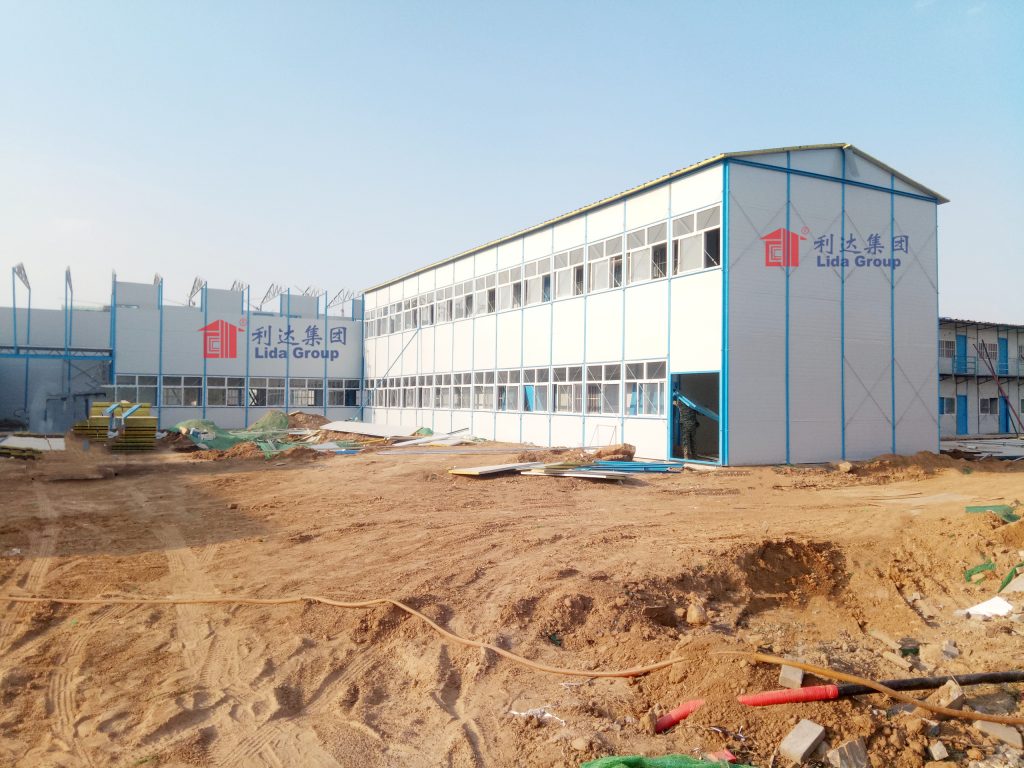
Against this backdrop, Lida Group’s eco-friendly sandwich panel house emerges as a transformative solution, addressing the limitations of traditional housing through advanced technology, optimized materials, and sustainable design. Founded in 1993, Lida Group is a leading high-tech enterprise specializing in prefabricated steel structures, modular buildings, and green building materials, with a comprehensive industrial chain covering research and development (R&D), production, transportation, installation, maintenance, and recycling. Headquartered in Qingdao, China, the group has built a global presence, serving clients in 155 countries and regions across Asia, Africa, Europe, and the Americas, and has completed thousands of sustainable building projects, including residential housing, industrial camps, rural infrastructure, and emergency shelters. Lida Group’s core competitiveness lies in its commitment to technological innovation and sustainability, with a dedicated R&D team of over 100 engineers and technicians who continuously develop and optimize green building solutions. The group has also obtained numerous international certifications, including ISO9001 (Quality Management System), ISO14001 (Environmental Management System), ISO45001 (Occupational Health and Safety Management System), and EU CE (EN1090) certification, ensuring that its products meet the highest global standards for quality, safety, and environmental performance.
At the heart of Lida Group’s eco-friendly sandwich panel house is the high-performance sandwich panel—a core building material that combines environmental friendliness, energy efficiency, and durability. Unlike traditional building materials, sandwich panels consist of two outer layers (typically high-strength galvanized steel or fiber-reinforced cement boards) and a middle insulation layer (such as EPS, rock wool, glass wool, or polyurethane foam), bonded together using a high-strength adhesive. This unique three-layer structure endows the panels with exceptional performance characteristics that are essential for sustainable housing. Lida Group has optimized the composition and structure of its sandwich panels through years of R&D and practical project experience, ensuring that they are not only eco-friendly but also highly functional and cost-effective.
The environmental friendliness of Lida Group’s sandwich panels is reflected in every stage of their lifecycle—from material selection to production, use, and recycling. The outer layers of the panels are made of high-strength galvanized steel, which contains up to 98% recycled content, diverting thousands of tons of steel waste from landfills each year through the group’s patented Circusteel™ process. This closed-loop manufacturing system ensures that any steel offcuts generated during production are melted and reused onsite, minimizing waste and reducing carbon emissions by 72% compared to virgin steel. The middle insulation layer is made of non-toxic, eco-friendly materials that do not release harmful substances (such as formaldehyde) into the air, ensuring healthy indoor air quality. For example, rock wool insulation is made from natural basalt, a renewable resource, and is fully recyclable, while EPS insulation is lightweight, energy-efficient, and can be recycled into new materials after use. Additionally, Lida Group’s sandwich panel production process is highly energy-efficient, using advanced automated equipment that reduces energy consumption by 25% compared to traditional panel production methods. The group also implements a zero-waste production policy, ensuring that all raw materials are used efficiently and any minimal waste is recycled or repurposed.
Energy efficiency is another key advantage of Lida Group’s sandwich panel house, thanks to the exceptional thermal insulation performance of the sandwich panels. The thermal transmittance (U-value)—a key indicator of a material’s ability to conduct heat—of Lida’s sandwich panels is as low as 0.16 W/(m²·K) for panels incorporating phase change materials (PCMs) and silica aerogels, significantly lower than the U-value of traditional brick walls (1.5-2.0 W/(m²·K)) and concrete walls (1.0-1.5 W/(m²·K)). This superior thermal insulation performance effectively reduces heat transfer between the interior and exterior of the house, minimizing the need for heating and cooling systems. In cold regions, such as Eastern Europe where winter temperatures drop to -20°C, Lida’s sandwich panel houses (equipped with 75-150mm thick EPS/rock wool insulation) can maintain a comfortable indoor temperature of 18-22°C with minimal heating, reducing heating energy consumption by 40-50% compared to traditional houses. In hot regions, such as Zambia and Dubai, the panels prevent excessive heat gain, reducing air conditioning energy consumption by 30-40%. This energy efficiency not only lowers household energy bills but also reduces carbon emissions, contributing to global carbon peaking and carbon neutrality goals.
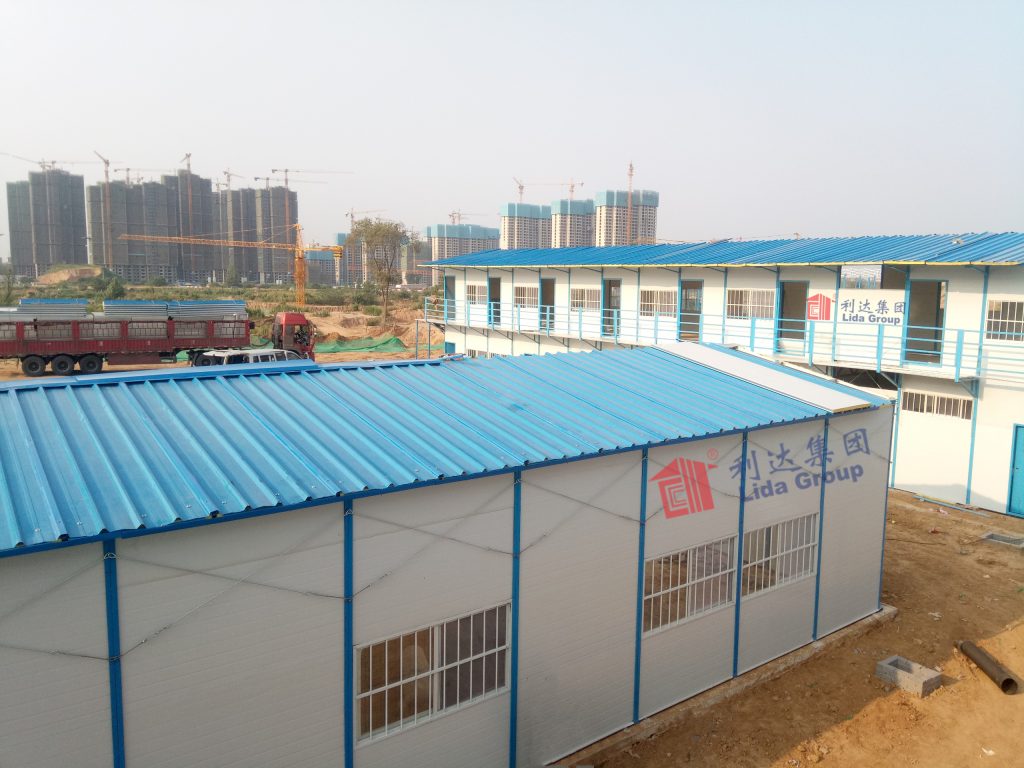
Durability and safety are also integral to Lida Group’s eco-friendly sandwich panel house, ensuring long-term value and peace of mind for residents. The galvanized steel outer layers of the sandwich panels are treated with a hot-dip galvanizing layer, which provides exceptional corrosion resistance, making them suitable for use in coastal regions (with high salt spray), industrial areas (with high pollution), and humid climates. These panels can withstand exposure to extreme weather conditions, including heavy rain, strong winds (up to 150 km/h), snowstorms, and temperatures ranging from -45°C to 50°C. The modular structure of the house, combined with high-strength light steel frames, ensures excellent structural stability, withstanding seismic activity of up to 8 magnitudes and wind loads of 1.5 kN/m²—far exceeding the safety standards of traditional housing. Lida Group has also addressed the common problem of water leakage in prefabricated houses by adopting a patented waterproof technology, replacing traditional self-tapping screw connections with a seamless bonding system that eliminates leakage risks. Additionally, the sandwich panels are fire-resistant, reaching Class A fire protection standards, with rock wool insulation providing excellent fire resistance and preventing the spread of fire, ensuring the safety of residents in case of fire. With proper maintenance, Lida’s sandwich panel houses have a lifespan of over 50 years—significantly longer than traditional houses—and can be disassembled and reused multiple times (up to 10 times), further enhancing their durability and sustainability.
In addition to environmental friendliness, energy efficiency, and durability, Lida Group’s eco-friendly sandwich panel house is also highly cost-effective, making sustainable housing accessible to a wider range of people. The cost advantages are achieved through several key factors: optimized material usage, streamlined production and installation processes, and low long-term maintenance costs. As mentioned earlier, the factory-based production of sandwich panels minimizes material wastage (to below 3%), reducing material costs by 15-20% compared to traditional construction. The modular design of the house enables rapid on-site assembly, with a typical 100-square-meter house requiring only 5-7 days to assemble by a small team of 6-8 certified installers—compared to 2-3 months for traditional brick-and-concrete houses. This rapid assembly not only reduces labor costs by 40-50% but also shortens the construction cycle, minimizing overhead costs such as site rental, equipment rental, and project management fees. Furthermore, the long lifespan and low maintenance requirements of the house reduce long-term costs: Lida’s sandwich panel houses require minimal repairs over their lifespan, and the recyclable and reusable components further lower replacement costs. For example, a rural family in Kenya that built a 80-square-meter sandwich panel house using Lida’s solutions saved 35% on total construction costs compared to a traditional brick house, and reduced annual energy bills by 40%.
Lida Group’s eco-friendly sandwich panel house is also highly versatile and customizable, adapting to diverse residential needs, climate conditions, and cultural preferences. The modular design allows for flexible layout adjustments, enabling residents to customize the number of rooms, room size, and functional spaces (such as living rooms, bedrooms, kitchens, and bathrooms) according to their needs. Whether it is a small single-family house, a multi-story apartment building, a rural cottage, or a coastal villa, Lida’s sandwich panel house can be tailored to meet specific requirements. The group also provides customized solutions for different climate zones: in high-altitude regions (such as the Tibetan Plateau), the house is equipped with thickened insulation modules and oxygen supply systems to adapt to low temperatures and thin air; in coastal regions (such as Pakistan and Australia), the house uses anti-corrosion materials and wind-resistant designs to withstand salt spray and cyclones; in hot and humid regions (such as Bangladesh and Southeast Asia), the house is optimized for ventilation and moisture resistance, using high water vapor diffusion resistance insulation materials to prevent mold growth and improve indoor comfort. Additionally, Lida Group integrates biophilic design elements into its housing solutions, such as green roofs, vertical gardens, and large windows for natural lighting, enhancing indoor air quality and residents’ well-being.
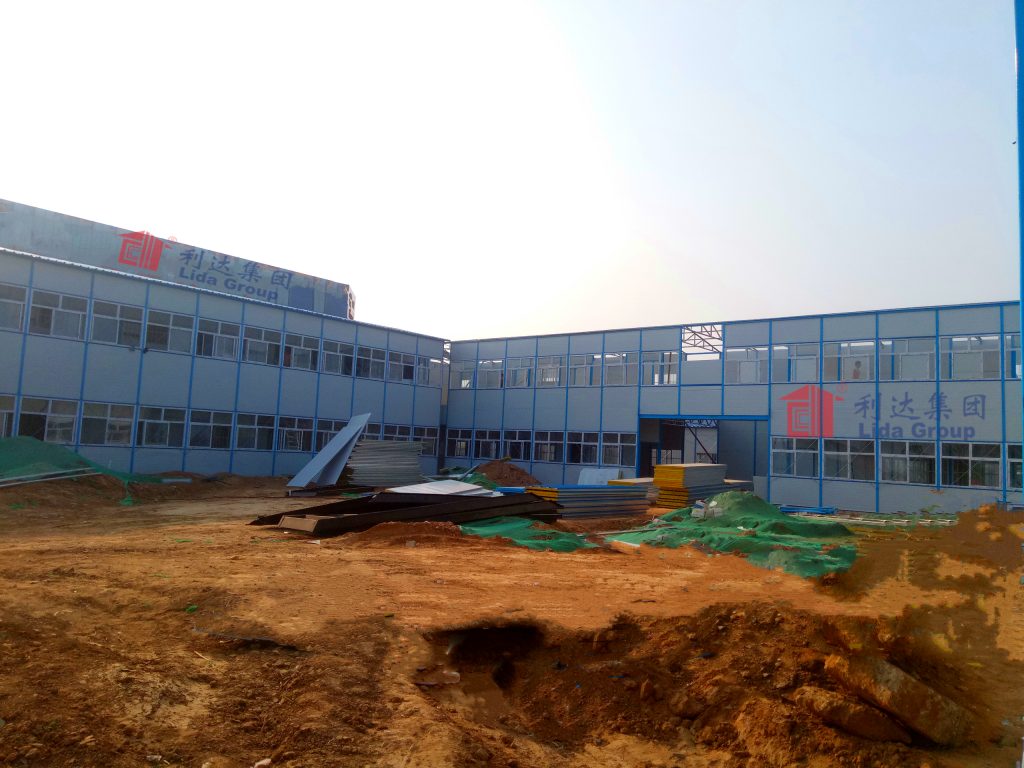
To demonstrate the real-world impact and effectiveness of its eco-friendly sandwich panel house, Lida Group has completed numerous successful projects around the world, each showcasing the product’s advantages in sustainability, durability, cost-effectiveness, and adaptability. One notable project is the sustainable residential community in Eastern Europe, located in a remote mountainous region with harsh weather conditions (winter temperatures as low as -20°C and frequent snowstorms). Lida Group was tasked with building an eco-friendly residential community that could withstand extreme weather, meet strict EU environmental standards, and be completed within a tight timeline. The group used its galvanized light steel frame sandwich panel houses, with 100mm thick rock wool insulation to ensure thermal efficiency. The prefabricated modules were produced in Lida’s factory in 25 days, transported to the site in 40-foot high cube containers, and assembled by local workers in 8 hours per unit—with the entire community of 50 houses completed in just 45 days, 30% faster than traditional construction. The houses feature solar-ready roofs and rainwater collection systems, enabling residents to use clean energy and reduce freshwater consumption. Two years after completion, the houses remain in excellent condition, with no major maintenance required, and residents have reported a 45% reduction in annual heating costs. The project has been certified by the EU BREEAM green building standard, becoming a model for sustainable residential construction in Eastern Europe.
Another successful project is the rural affordable housing project in Kenya, aimed at addressing the country’s housing shortage and improving living conditions for low-income rural families. Lida Group delivered 100 eco-friendly sandwich panel houses, each with a floor area of 80 square meters (3 bedrooms, 1 bathroom, a living room, and a kitchen). The houses were designed to adapt to Kenya’s hot, arid climate, with EPS insulation to reduce cooling costs, large windows for natural ventilation, and durable flooring suitable for rural use. The use of recycled steel in the sandwich panels and zero-waste production reduced the project’s carbon footprint by 60% compared to traditional brick houses. The houses were assembled in just 30 days, with Lida Group training 50 local workers to assist with installation—creating local jobs and supporting economic development. The total construction cost per house was 35% lower than traditional brick houses, making them affordable for low-income families. Three years after completion, 98% of the houses remain in perfect condition, with residents praising their durability, comfort, and low energy costs. This project has not only improved the living conditions of rural families but also demonstrated the potential of Lida’s sandwich panel houses to address housing shortages in developing countries.
In addition to residential projects, Lida Group’s sandwich panel houses have also been used in mining camp residential facilities, such as the project at BHP’s Chilean copper mine. The mine required durable, eco-friendly housing for 200 workers, with strict requirements for reducing environmental impact and carbon emissions. Lida Group replaced traditional temporary cabins with its sandwich panel houses made from 98% recycled steel sourced from on-site scrap, diverting 8,400 tons of steel from landfills and reducing scope 3 emissions by 12%. The houses were equipped with solar panels and smart microgrids, generating 1.2 MWh of clean energy daily and reducing diesel use by 78%—saving the mine $420,000 annually in fuel costs. The modular design of the houses allowed them to be relocated easily as the mine expanded, further enhancing their sustainability and cost-effectiveness. After 4 years of use, the houses remain in excellent condition, requiring minimal maintenance, and have become a benchmark for sustainable mining housing worldwide.
The launch and widespread adoption of Lida Group’s eco-friendly sandwich panel house have had a profound impact on the global sustainable housing industry, driving positive change and setting new standards for green residential construction. Firstly, it promotes the transformation of the construction industry from traditional, energy-intensive methods to sustainable, eco-friendly practices. By demonstrating the advantages of sandwich panel technology and modular prefabrication, Lida Group encourages more construction companies, governments, and developers to adopt green building solutions, reducing the environmental impact of the residential construction sector. Secondly, it supports the achievement of global climate goals. As a key part of the building sector, residential housing plays a crucial role in global carbon reduction efforts. Lida’s sandwich panel houses, with their energy-efficient design, recycled materials, and low carbon emissions, help to reduce greenhouse gas emissions and contribute to the Paris Agreement’s goal of limiting global warming to 1.5°C. Thirdly, it improves access to affordable, high-quality housing, especially in developing countries where housing shortages are severe. By offering cost-effective, durable, and eco-friendly housing solutions, Lida Group helps to address inequality and improve the quality of life for vulnerable populations. Fourthly, it drives technological innovation in the green building industry, inspiring other enterprises to invest in R&D and develop more advanced sustainable building materials and solutions.
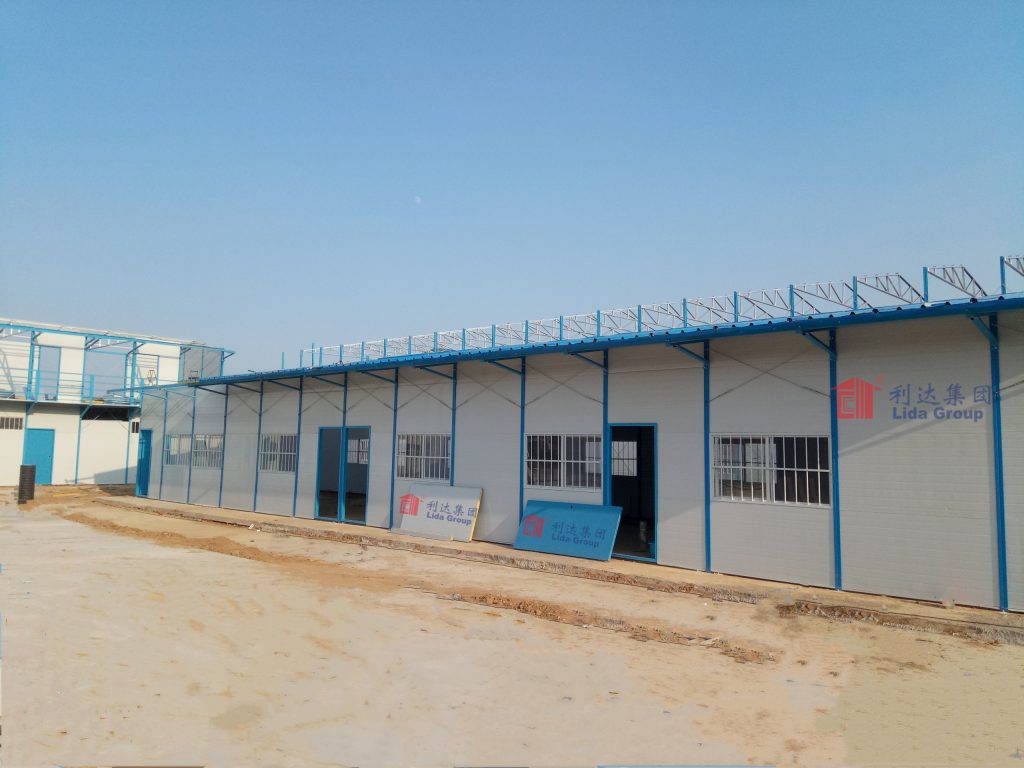
Looking to the future, Lida Group remains committed to advancing sustainable housing through continuous innovation, R&D investment, and global expansion. The group plans to increase its R&D budget to develop more advanced sandwich panel materials, such as lightweight, high-strength composite materials that further improve thermal insulation performance and reduce carbon emissions. It also aims to integrate smart technologies into its sandwich panel houses, such as AI-driven energy management systems, digital twin technology for real-time structural monitoring, and smart home devices that optimize energy use and enhance resident comfort. Additionally, Lida Group will expand its global market presence, focusing on developing countries in Asia, Africa, and Latin America where the demand for sustainable housing is growing rapidly. It will strengthen partnerships with local governments, NGOs, and contractors to adapt its solutions to local climate conditions, building codes, and cultural needs, ensuring that its products deliver maximum value to local communities. The group also plans to advocate for the adoption of green building standards and policies worldwide, working with international organizations to promote sustainable construction practices and create a more sustainable future for the global housing industry.
Lida Group’s vision is to make sustainable housing accessible to everyone, creating a world where people can live in comfortable, durable, and eco-friendly homes that coexist harmoniously with the environment. With its advanced technology, strong R&D capabilities, global experience, and commitment to sustainability, Lida Group is well-positioned to lead the global transformation of the residential construction industry and become a global leader in sustainable housing solutions. As the world continues to prioritize sustainability and climate action, Lida’s eco-friendly sandwich panel house will play an increasingly important role in shaping the future of residential living, offering a practical, scalable, and cost-effective solution to the challenges of traditional housing and contributing to a more sustainable, equitable, and livable world.
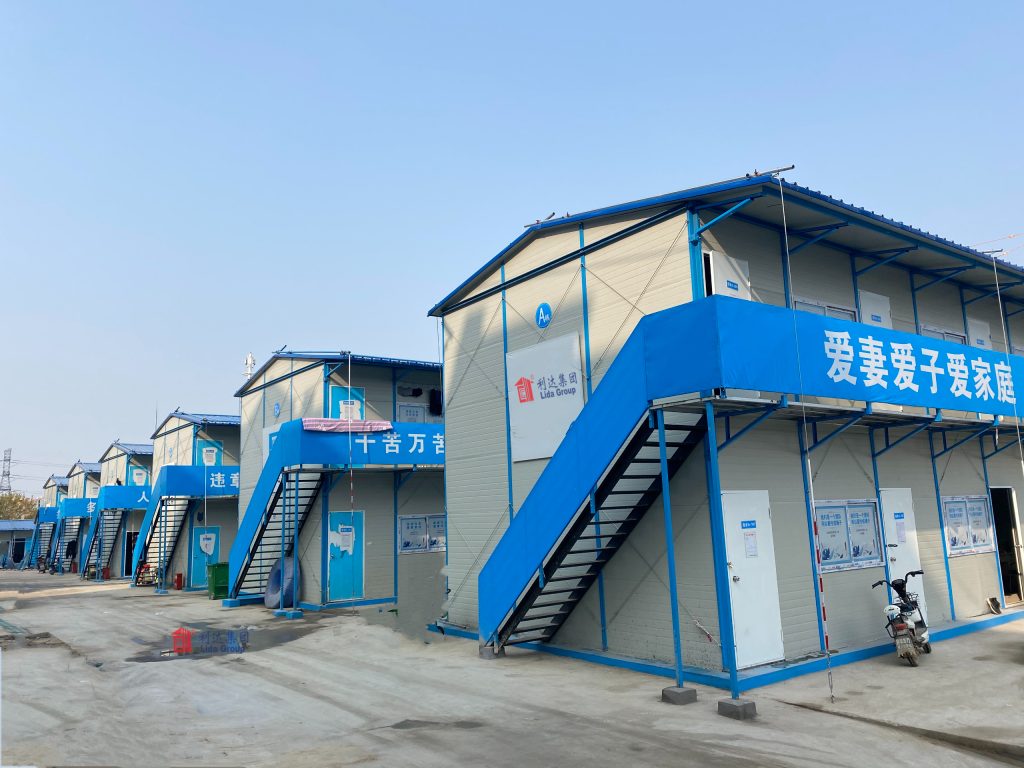
Summary
In an era of growing environmental concerns and global efforts to combat climate change, sustainable housing has become a critical priority for the construction industry, governments, and communities worldwide. Traditional residential construction, with its energy-intensive materials, inefficient processes, and short lifespan, has failed to meet the dual goals of environmental protection and affordable, high-quality housing. Lida Group, a pioneering enterprise with over three decades of experience in green building and prefabricated construction, has addressed this gap with its innovative eco-friendly sandwich panel house—a sustainable housing solution that integrates environmental friendliness, energy efficiency, durability, cost-effectiveness, and versatility.
The core of Lida Group’s sustainable housing is its high-performance sandwich panel, which features a three-layer structure (outer galvanized steel layers and middle eco-friendly insulation layer) designed for maximum sustainability and functionality. These panels are made from 98% recycled steel, non-toxic insulation materials, and are produced through a zero-waste, energy-efficient process, minimizing environmental impact throughout their lifecycle. The panels offer exceptional thermal insulation (U-value as low as 0.16 W/(m²·K)), reducing heating and cooling energy consumption by 30-50% compared to traditional houses, and thus lowering carbon emissions and energy bills. They are also highly durable, withstanding extreme weather conditions, corrosion, and seismic activity, and have a lifespan of over 50 years, with reusable components that further enhance sustainability.
Lida Group’s eco-friendly sandwich panel house offers significant cost advantages, achieved through optimized material usage (wastage below 3%), rapid factory prefabrication and on-site assembly (reducing labor costs by 40-50% and construction time by 60%), and low long-term maintenance requirements. The modular design of the house ensures versatility and customization, adapting to diverse residential needs, climate conditions, and cultural preferences—from small single-family homes to multi-story apartments, and from cold mountainous regions to hot coastal areas. Real-world projects in Eastern Europe, Kenya, and Chile demonstrate the product’s effectiveness, delivering sustainable, durable, and affordable housing that meets global green building standards (such as BREEAM) and exceeds client expectations.
The impact of Lida Group’s sandwich panel house extends beyond individual residences, driving the transformation of the global sustainable housing industry. It promotes green construction practices, supports global carbon reduction goals, improves access to affordable housing, and drives technological innovation. Looking to the future, Lida Group will continue to invest in R&D, integrate smart technologies, and expand its global presence, making sustainable housing accessible to more communities worldwide.
In conclusion, Lida Group’s eco-friendly sandwich panel house represents a paradigm shift in sustainable housing, offering a practical, scalable, and cost-effective alternative to traditional residential construction. By combining advanced sandwich panel technology, modular prefabrication, and eco-conscious design, Lida Group has created a housing solution that balances environmental responsibility, economic value, and social well-being. This innovative product not only redefines the standards of sustainable residential living but also contributes to a more sustainable, equitable, and livable world—proving that sustainable housing can be accessible, affordable, and comfortable for everyone. As the global construction industry continues to embrace sustainability, Lida Group’s eco-friendly sandwich panel house will remain at the forefront, leading the way toward a greener future for residential construction.
Related news
-
Achieve Low-Cost Durable Building with Our Innovative Prefab Solutions
2026-02-14 16:38:15
-
Lida Group Introduces Eco-Friendly Prefab Worker Dormitory with Sandwich Panels
2026-02-14 16:25:05
-
Innovative Design for Durable Modular Container Living Spaces
2026-02-14 16:11:21
contact us
- Tel: +86-532-88966982
- Whatsapp: +86-13793209022
- E-mail: sales@lidajituan.com
