



Sustainable and Strong: Steel Structure Building for High Quality House by Lida Group
2026-Apr-27 14:14:47
By Admin
The global construction industry is undergoing a dual transformation toward structural reliability and ecological sustainability. As climate change intensifies extreme weather events and governments worldwide tighten low-carbon building regulations, traditional residential construction methods face unprecedented challenges. Concrete and wooden houses, long the mainstream of residential development, struggle to balance robust structural performance, long-term durability, and eco-friendly operation. Concrete masonry generates massive construction waste and carbon emissions during production and demolition, while wooden frames rely on deforestation and require frequent maintenance to resist rot, pests, and fire damage. Neither option can fully satisfy modern homeowners and developers who demand houses that are structurally strong, environmentally responsible, cost-effective across the full lifecycle, and aesthetically versatile.
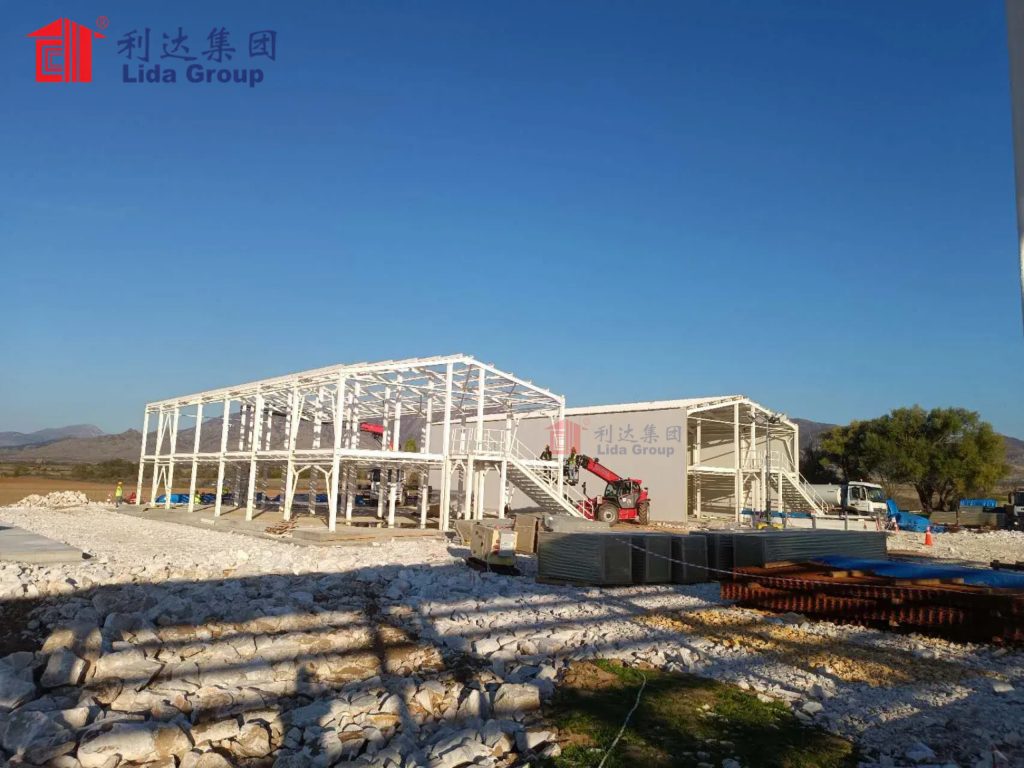
Steel structure construction has emerged as the ideal solution to bridge the gap between structural resilience and sustainable development in residential architecture. Renowned for exceptional mechanical strength, outstanding weather adaptability, flexible design potential, and superior recyclability, modern steel framing systems redefine the standards of high-quality residential buildings. As a global pioneer in modular steel structure engineering and residential customization, Lida Group integrates high-strength structural technology, eco-friendly manufacturing workflows, and human-centric design philosophy to create premium steel structure houses. These buildings perfectly combine industrial-grade structural sturdiness and green low-carbon performance, solving the long-standing contradiction between building strength and sustainable construction in the traditional residential sector.
Lida Group’s core advantage lies in its ability to optimize steel structure systems for residential scenarios rather than industrial-only applications. While many construction enterprises treat steel structures merely as strong load-bearing frameworks, Lida Group refines every production and construction link to balance safety, durability, living comfort, energy efficiency, and environmental sustainability. With decades of cross-border engineering experience, independent technological research and development capabilities, and standardized industrial production systems, the enterprise delivers high-quality steel structure houses that remain structurally robust under extreme conditions while minimizing ecological footprints, setting a global benchmark for sustainable and sturdy residential construction.
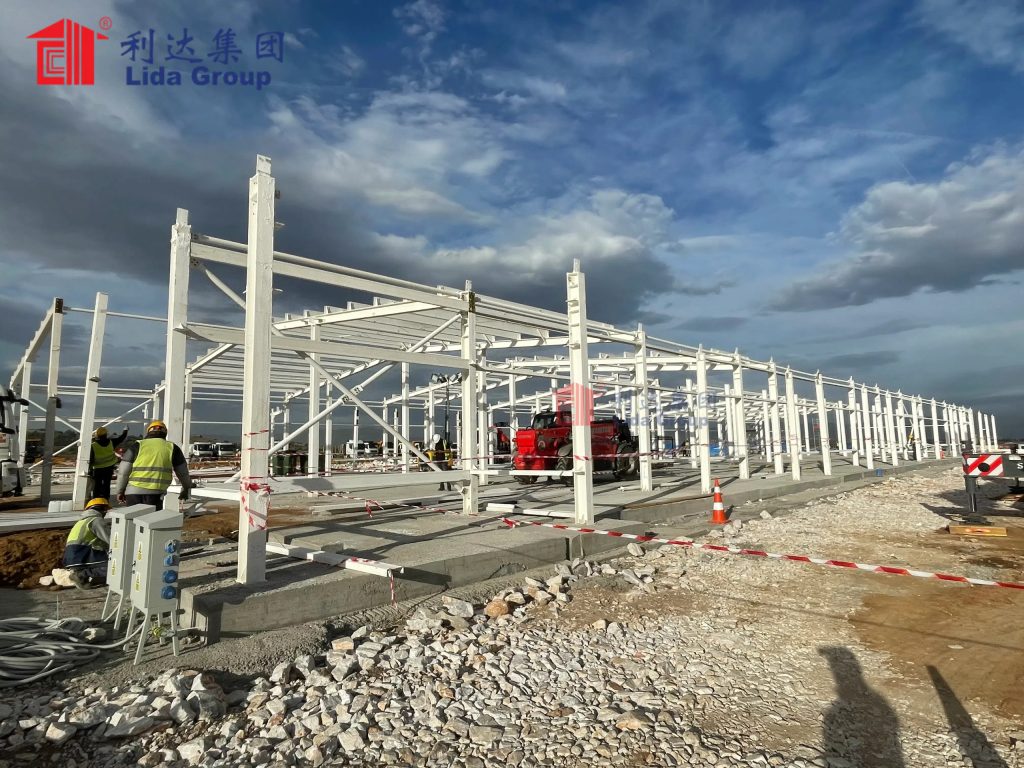
1. Structural Limitations and Ecological Deficiencies of Traditional Residential Buildings
To fully understand why Lida Group’s steel structure houses excel in both strength and sustainability, it is essential to analyze the inherent flaws of conventional residential construction systems. Traditional concrete and wooden buildings have dominated residential markets for centuries, yet their material properties and construction processes restrict modern high-quality and eco-friendly residential development.
Concrete masonry houses feature high compressive strength but poor structural ductility and environmental performance. Rigid concrete structures lack flexibility, making them vulnerable to cracking and structural damage during earthquakes, strong winds, and ground settlement. Once deformed or fractured, concrete buildings are difficult to repair and require complete reconstruction in severe cases. In terms of sustainability, concrete production consumes massive mineral resources and generates large volumes of carbon dioxide. Furthermore, concrete construction relies heavily on on-site wet operations, producing substantial dust, sewage, and construction waste. After service expiration, concrete waste is difficult to recycle, resulting in permanent land resource occupation and ecological burden. Coupled with poor thermal insulation performance, concrete houses consume enormous energy for indoor temperature regulation throughout their service life, leading to continuous carbon emissions.
Wooden frame houses offer natural texture and lightweight features but suffer from fatal weaknesses in structural stability and resource conservation. Wood is inherently susceptible to termite infestation, microbial mildew, moisture corrosion, and fire damage. Even with professional anti-corrosion and fireproof treatment, wooden structures gradually deform, warp, and decay over time, requiring annual maintenance and partial component replacement. Structurally, low tensile and shear strength limit wooden buildings’ ability to resist strong winds, heavy snow accumulation, and geological movements, failing to meet modern high-standard residential safety requirements. Environmentally, large-scale wooden residential construction relies on deforestation, damaging forest ecosystems and undermining biodiversity. Although wood is biodegradable, its short service life and frequent component replacement lead to cumulative resource waste, making it unable to support long-term sustainable residential development.
Generic ordinary metal frame buildings improve structural strength compared with wood and concrete structures but still have obvious shortcomings in sustainability and refined structural design. Most entry-level steel house manufacturers adopt simplified structural design, single anti-rust treatment, and non-standard manual welding processes. Their products are prone to rust, structural loosening, and local deformation. Additionally, many generic manufacturers prioritize cost reduction over environmental optimization, failing to integrate energy-saving design and recyclable component planning. Consequently, ordinary metal frame buildings achieve basic structural sturdiness but cannot reach high standards of ecological sustainability and long-term residential quality.
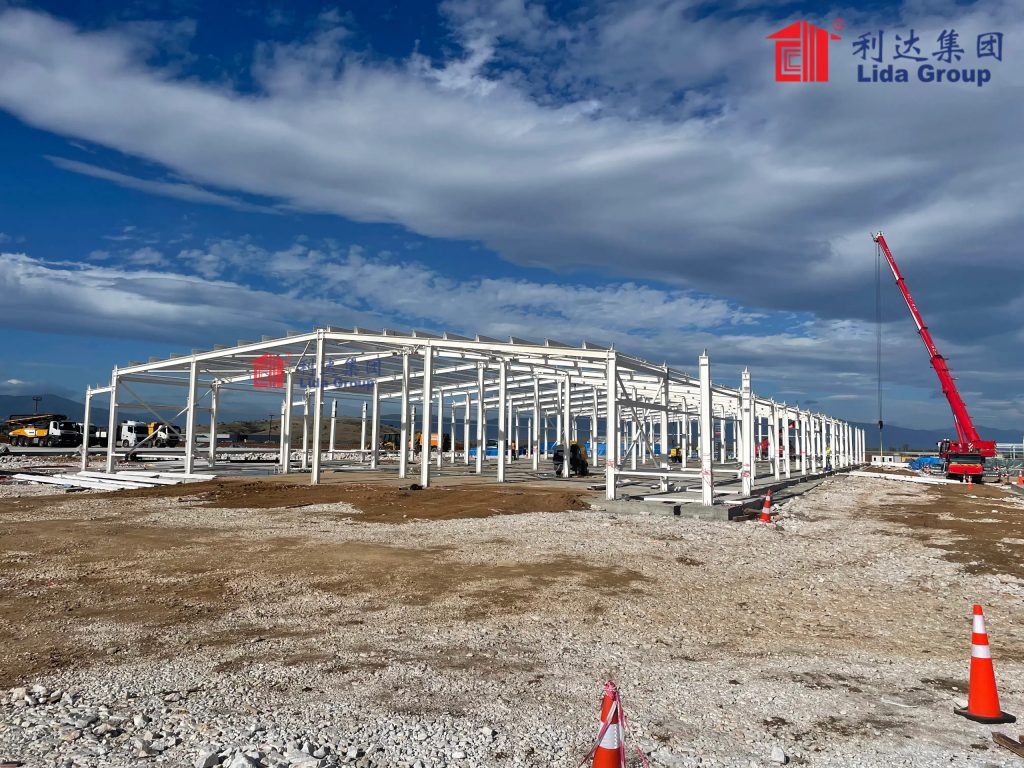
2. Dual Core Strengths of Lida Group’s Steel Structure Residential System
Lida Group’s steel structure residential system stands out in the global construction market due to its dual advantages of extreme structural sturdiness and comprehensive ecological sustainability. Through continuous technological iteration and engineering optimization, the enterprise breaks the industry’s common dilemma that structural reinforcement leads to increased resource consumption, realizing the organic unity of stronger building performance and lower environmental impact.
2.1 Industrial-Grade Structural Sturdiness and Extreme Weather Resilience
Structural strength is the fundamental guarantee of high-quality houses. Lida Group abandons ordinary low-strength steel materials widely used in the industry and adopts customized high-strength low-alloy structural steel for residential frameworks. This premium steel material features ultra-high tensile strength, excellent shear resistance, and superior structural ductility. Different from rigid traditional building materials that suffer sudden brittle fracture under external impact, Lida’s steel frame absorbs and disperses external force through micro elastic and plastic deformation, effectively buffering seismic shocks, strong wind pressure, and heavy snow loads.
All Lida Group steel frames undergo finite element stress simulation and multi-scenario extreme environment testing in the design phase. Professional mechanical calculation and structural optimization ensure that every residential framework possesses sufficient safety redundancy. Verified by professional third-party tests, standardized Lida steel structure houses can withstand magnitude 8 earthquakes, level 12 strong winds, and long-term heavy snow accumulation, adapting to extreme climatic conditions including coastal typhoon seasons, desert sandstorms, alpine freezing weather, and rainy mountainous terrain.
To further enhance structural durability, all steel components adopt dual heavy-duty protection processes of hot-dip galvanizing and weather-resistant polymer electrostatic spraying. The composite protective layer isolates metal substrates from air oxidation, rainwater penetration, and coastal salt spray corrosion. This systematic anti-aging treatment prevents rust, paint peeling, and structural deformation throughout long-term outdoor service. Unlike traditional buildings that gradually degrade within a decade, Lida’s optimized steel structure maintains stable structural integrity and mechanical performance for more than 25 years, providing long-term structural safety guarantees for residential users.
2.2 Full-Lifecycle Ecological Sustainability and Low-Carbon Advantages
Sustainability constitutes another core competitiveness of Lida Group’s high-quality steel structure houses. Steel is recognized globally as one of the most eco-friendly building materials with 100% recyclability. Unlike concrete and wood that lose performance after recycling, Lida’s standardized steel components can be repeatedly disassembled, recycled, and remanufactured without attenuation of structural mechanical properties, with a component recycling rate exceeding 95%. After the end of building service life, almost all steel frame materials can be reused in new construction projects, eliminating massive construction waste and solid waste landfill pressure.
In the construction phase, Lida Group’s factory prefabrication and modular assembly mode greatly reduces ecological damage. More than 90% of steel frame component processing and forming is completed in enclosed automated factories, avoiding on-site dust pollution, sewage discharge, and noise interference caused by traditional wet construction. The lightweight steel frame structure reduces building self-weight by 40% compared with concrete buildings of the same area, simplifying foundation engineering and minimizing earthwork excavation and resource consumption on construction sites. This low-disturbance construction mode effectively protects local landforms, vegetation, and ecological environments.
In daily residential operation, Lida Group’s integrated energy-saving design further reduces carbon footprints. The optimized steel frame structure can be perfectly matched with high-performance thermal insulation, heat preservation, and airtight enclosure materials. The integrated building envelope effectively isolates indoor and outdoor heat exchange, reducing residential heating and cooling energy consumption by more than 30% throughout the year. Meanwhile, the flexible steel frame structure supports the installation of solar power systems, rainwater collection devices, and other green facilities, helping residential buildings achieve self-sufficient energy operation and further upgrade low-carbon sustainable performance.
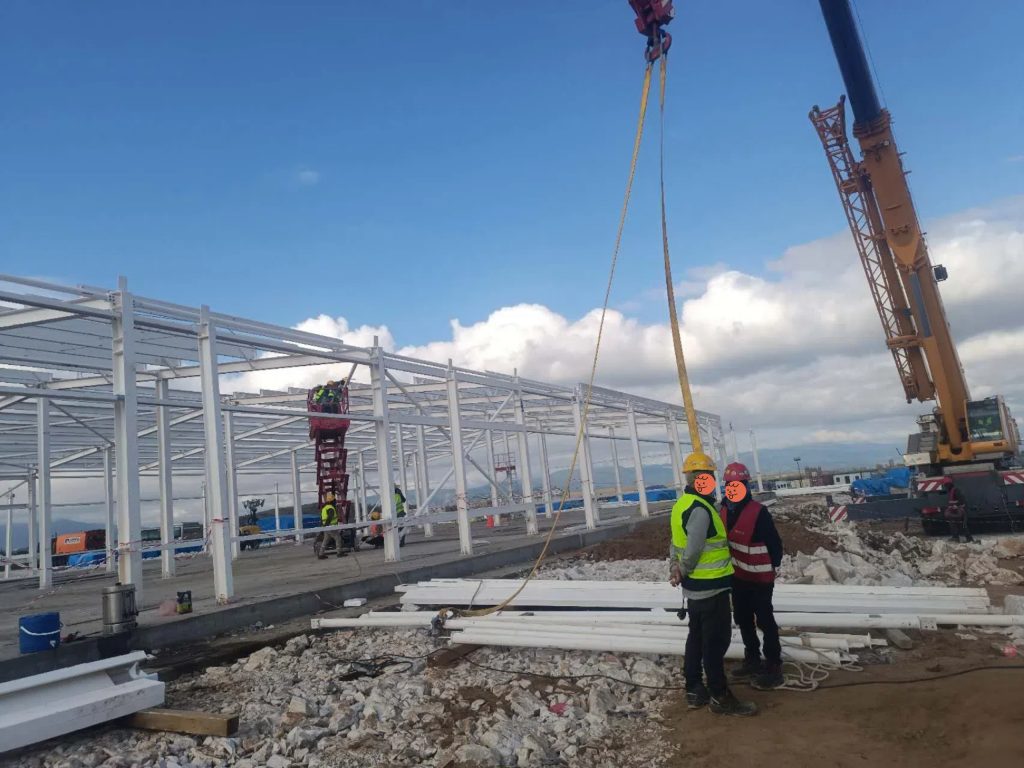
3. Comprehensive Premium Advantages of Lida’s Steel Structure Houses
Based on dual core strengths of structural sturdiness and ecological sustainability, Lida Group’s steel structure houses form multi-dimensional comprehensive advantages covering design flexibility, living comfort, economic cost performance, and scenario adaptability, fully meeting the diversified high-standard demands of modern high-quality residential construction.
3.1 Flexible Customization and Modern Architectural Aesthetics
Traditional sturdy buildings often sacrifice design flexibility and aesthetic performance for structural safety, resulting in rigid and monotonous architectural styles. Lida Group’s streamlined steel frame breaks this limitation. The thin but high-strength steel components reduce redundant supporting structures, realizing large-span column-free open indoor spaces. Architects can freely plan indoor functional partitions, adjust storey heights, and design personalized window openings and ceiling structures according to user preferences.
In terms of exterior design, steel structures have strong modeling plasticity and can adapt to diverse mainstream architectural styles including modern minimalist, European villa, pastoral leisure, and industrial fashion. Supporting large-area floor-to-ceiling glass, special-shaped curved roofs, and personalized exterior wall decoration, Lida’s steel structure houses integrate exquisite architectural aesthetics with stable structural performance. Whether applied to high-end private villas, scenic eco-residential homestays, or standardized community residential buildings, the products can perfectly coordinate with surrounding landscapes to create high-grade modern residential spaces.
3.2 Superior Humanized Living Comfort and Health Performance
High-quality residential construction requires balanced upgrades of safety, environmental protection, and comfort. Lida Group’s steel frame structure has stable physical properties, avoiding common defects of traditional residences such as wall cracking, hollowing, water seepage, mildew growth, and pest infestation. The firm structural framework fixes enclosure components tightly, ensuring long-term wall flatness and indoor air dryness and cleanliness.
Matched with professional sound insulation and vibration reduction design, the steel structure effectively isolates outdoor traffic noise, wind noise, and structural vibration, creating a quiet and stable indoor living environment. Excellent natural lighting and cross ventilation design further optimize indoor air quality and living permeability. Different from traditional energy-consuming and environmentally unfriendly high-strength buildings, Lida’s steel structure houses realize the perfect integration of structural sturdiness, ecological health, and humanized comfort, creating high-quality healthy living spaces for users.
3.3 Excellent Full-Lifecycle Economic Value
Many users mistakenly believe that high-strength and eco-friendly residential buildings require higher investment costs. In fact, Lida Group’s standardized steel structure construction mode has superior full-life-cycle cost performance. Factory integrated prefabrication reduces on-site labor input, material waste, and machinery leasing expenses. Modular rapid assembly shortens the construction cycle by more than 50% compared with traditional buildings, greatly reducing project time costs.
In the long-term operation stage, Lida’s steel frame structure requires almost no frequent anti-corrosion repair, structural reinforcement, and pest prevention maintenance. The ultra-long service life and low failure rate effectively reduce residential operation and maintenance costs. Meanwhile, the fully detachable modular structure supports repeated disassembly, migration, reassembly, and functional renovation of buildings. Users can adjust residential functions and spatial layouts at low cost according to family demand changes, avoiding repeated construction investment. From full-life-cycle evaluation, Lida’s sustainable and sturdy steel structure houses have far higher economic value than traditional residential buildings.
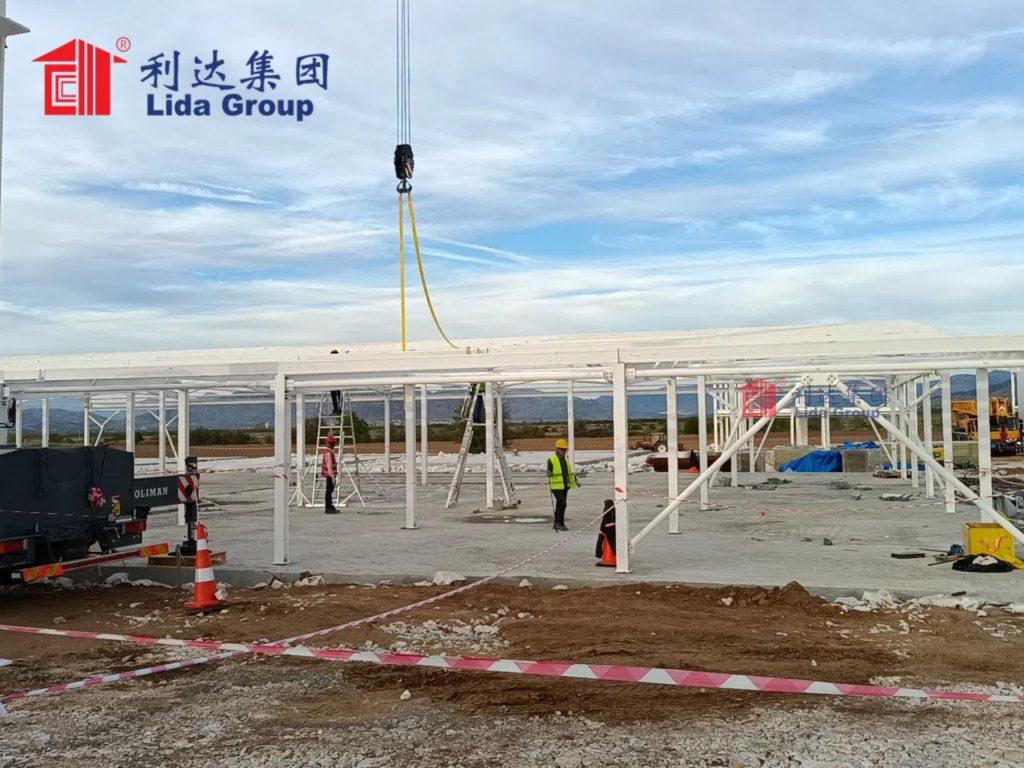
4. Global Engineering Practice Verification
Lida Group’s steel structure residential solutions integrating strength and sustainability have been widely verified and applied in global cross-regional residential projects, accumulating rich practical experience in complex climatic and geographical scenarios.
In European alpine residential villa projects, local areas face long-term snowfall, low-temperature freezing, and strong seasonal winds, requiring buildings to have excellent snow pressure resistance, wind resistance, and low-temperature structural stability, as well as strict environmental protection and energy-saving standards. Lida Group adopted customized high-strength steel frame structures and enhanced low-temperature resistant protective processes to ensure that the building framework maintains stable toughness and bearing capacity in extreme low-temperature environments. Matched with high-efficiency thermal insulation and energy-saving systems, the houses effectively reduce winter heating energy consumption and carbon emissions. After years of operation, all residential buildings remain structurally intact with stable energy-saving performance, complying with local strict green building certification standards and winning wide market recognition.
In coastal resort residential projects in Southeast Asia, buildings need to resist long-term high humidity, salt spray corrosion, and seasonal typhoon impacts while maintaining ecological harmony with scenic landscapes. Lida Group’s steel structure houses adopt enhanced multi-layer anti-corrosion and wind-resistant structural design to ensure structural safety and durability in harsh coastal environments. The flexible architectural design realizes diversified and beautiful residential modeling integrated with natural scenery. Meanwhile, the recyclable building components and low-pollution construction process protect the ecological environment of scenic spots, achieving organic unity of residential safety, aesthetic value, and ecological sustainability.
5. Industrial Value and Market Development Prospects
With the global popularization of green building concepts and the continuous upgrading of residential safety standards, the market demand for high-quality residential buildings with dual attributes of structural sturdiness and ecological sustainability continues to grow. Traditional residential construction modes that rely on resource consumption and sacrifice environmental quality for structural performance can no longer adapt to future industry development trends.
As a leading practitioner of green steel structure residential construction, Lida Group not only provides high-quality residential solutions for global users but also drives the overall upgrading of the modular construction industry. By standardizing the production and construction process of sustainable steel structure houses, optimizing structural safety design specifications, and popularizing low-carbon modular construction concepts, Lida Group guides the industry to abandon extensive construction modes and move toward refined, safe, green, and sustainable high-quality development.
For individual homeowners, Lida’s steel structure houses provide safer, more durable, healthier, and greener long-term living environments and stable housing asset value. For real estate developers and construction enterprises, standardized, low-carbon, and high-strength steel structure residential products improve project quality and market competitiveness while optimizing enterprise green construction assessment indicators and fulfilling social environmental responsibilities.
6. Conclusion
Traditional concrete and wooden residential buildings have long been trapped in the industry dilemma of difficult balance between structural safety, durability, and ecological sustainability, unable to meet the dual high-standard requirements of modern residential safety upgrading and global low-carbon ecological transformation. As an innovative and mature residential construction solution, Lida Group’s steel structure buildings perfectly integrate excellent structural sturdiness and outstanding sustainable performance, breaking the inherent limitations of traditional residential construction.
Through customized high-strength steel materials, scientific structural simulation optimization, multi-layer anti-aging protection technology, full-process factory prefabrication, and standardized modular assembly, Lida Group’s steel structure houses achieve superior extreme weather resistance, seismic stability, and long-term durability. At the same time, relying on 100% recyclable components, low-pollution construction processes, and high-efficiency energy-saving design, the buildings effectively reduce resource consumption and carbon emissions, realizing full-life-cycle green and low-carbon operation. Combined with flexible personalized design, excellent living comfort, and superior full-cycle economic benefits, these high-quality houses fully meet the diversified needs of modern residential scenarios.
Verified by numerous global cross-regional engineering practices, Lida Group’s steel structure residential construction technology has strong scenario adaptability, technical maturity, and promotional value. In the future, with the continuous deepening of global green construction reform and residential quality upgrading, sturdy, sustainable, and customizable steel structure houses will become the mainstream of high-end residential construction. Lida Group will continue to iterate steel structure technology, further optimize structural safety performance and ecological design systems, and continuously deliver higher-quality, greener, and more durable residential solutions to lead the sustainable development of the global modern construction industry.
Related news
-
Why Choose Lida Group for Metal Frame Construction of Your High Quality House?
2026-04-27 14:10:49
-
Efficient Steel Structure Building Powers Lida Group's High Quality House Designs
2026-04-27 13:56:51
-
Lida Group Sets New Standard in Metal Frame Construction for High Quality House Projects
2026-04-27 13:53:02
contact us
- Tel: +86-532-88966982
- Whatsapp: +86-13793209022
- E-mail: sales@lidajituan.com
