



Streamlined Living with Easy Assembly Container Apartments
2025-Dec-29 17:54:02
By Admin
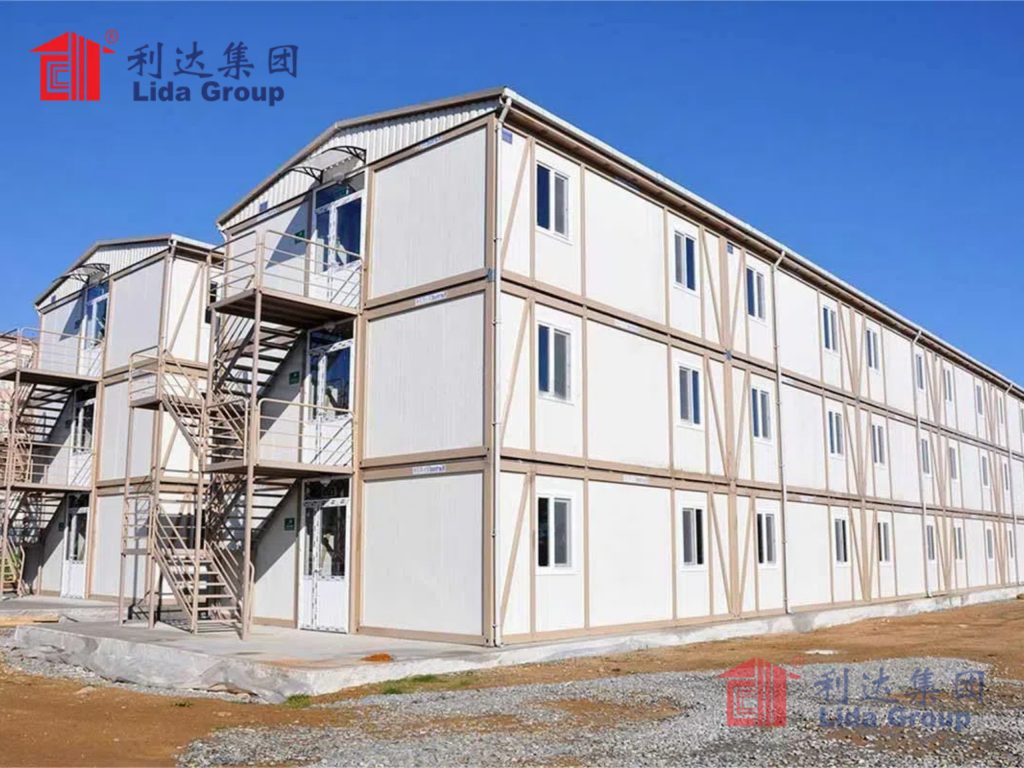
In the fast-paced 21st century, streamlined living has emerged as a transformative lifestyle philosophy—rejecting excess, prioritizing efficiency, and embracing intentionality in space, time, and resources. As urbanization intensifies, housing costs soar, and the global shift toward minimalism accelerates, modern dwellers are seeking housing solutions that align with this ethos. Easy assembly container apartments have emerged as the perfect embodiment of streamlined living, merging the simplicity of modular design with the convenience of rapid assembly to redefine urban residency. These innovative structures eliminate the complexities of traditional construction, optimize spatial functionality, and reduce environmental impact, offering a sustainable, affordable, and adaptable way to live intentionally. This article explores how easy assembly container apartments are reshaping streamlined living, delving into their technological foundations, spatial design ingenuity, real-world applications, and role in the future of urban housing.
The global movement toward streamlined living is closely intertwined with the rise of micro housing and modular construction. According to market research, the global micro housing market is projected to grow at a CAGR of 5.6%, reaching USD 93.01 billion by 2032, driven by urban housing shortages, rising real estate prices, and the increasing number of single-person households and digital nomads. Easy assembly container apartments, as a core segment of this market, leverage recycled shipping containers—of which 17 million lie idle globally—to create compact, efficient spaces that cut construction time by 60% and costs by 30-50% compared to traditional brick-and-mortar buildings. Beyond affordability and speed, their modular nature inherently supports streamlined living: every square foot is optimized for utility, every component serves a purpose, and the ability to assemble, disassemble, and relocate aligns with the mobility and flexibility of modern life.
The Technological Backbone: Easy Assembly Systems for Seamless Living
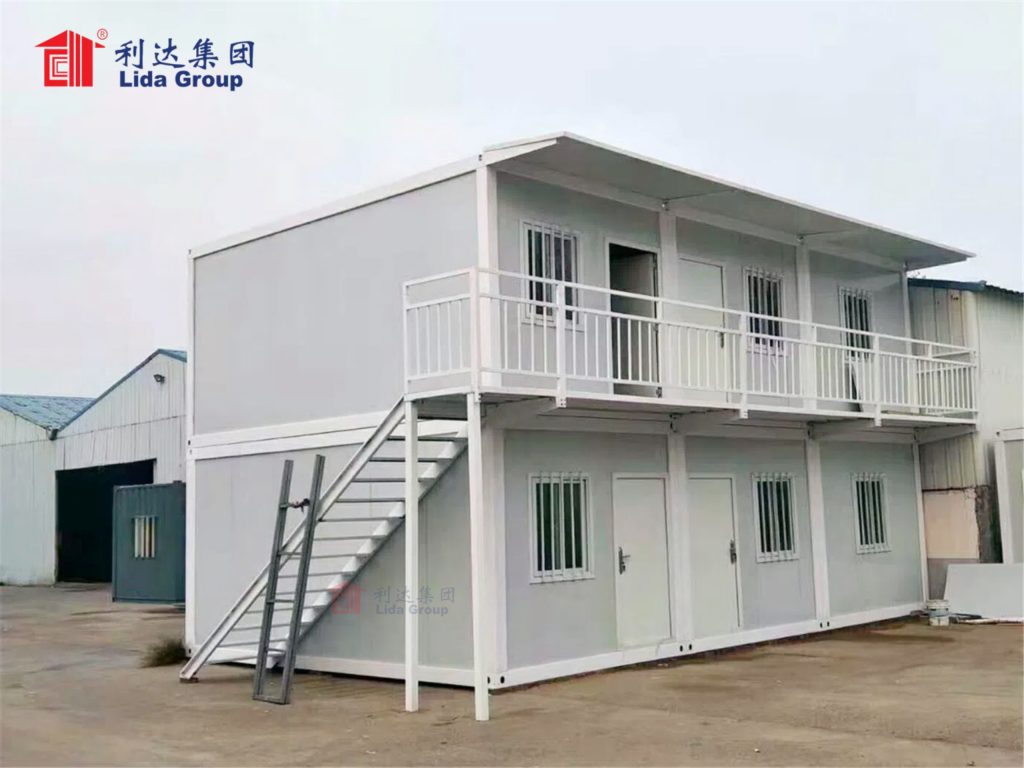
At the heart of easy assembly container apartments’ appeal lies their innovative assembly technology, which eliminates the need for specialized labor, on-site welding, and lengthy construction timelines. Traditional container structures relied on labor-intensive welding processes that required skilled workers and took 5-7 days per unit to install. Modern easy assembly systems—predominantly tenon-and-mortise splicing and lock-and-buckle splicing—have revolutionized this process, making container apartments accessible to homeowners, developers, and organizations alike. These systems not only streamline construction but also enhance the adaptability of the space, a cornerstone of streamlined living.
Tenon-and-Mortise Splicing: Universal Compatibility and Speed
The tenon-and-mortise splicing system, a hallmark of modular construction innovation, uses precision-engineered pre-embedded tenons and snap-fit components to connect container modules seamlessly. With 95% component universality, this system covers over 90% of project requirements, eliminating the need for custom tooling and reducing customization costs. A two-person team can assemble 3-4 units per day—a fourfold increase in efficiency compared to traditional welding—making it ideal for both small-scale residential projects and large-scale developments. This speed is a boon for streamlined living, as it minimizes disruption, shortens the time from concept to occupancy, and allows residents to settle into their intentional spaces quickly.
The durability of the tenon-and-mortise system matches its efficiency. Constructed from high-strength alloy steel, the connections ensure structural stability even in multi-story configurations, supporting vertical expansion without compromising safety. This versatility was demonstrated in an Indonesian mining camp project, where 500 easy assembly container apartments were installed in just 10 days to house workers in a remote area. The modules were later disassembled and relocated to another project site, embodying the circularity and flexibility that define streamlined living—no permanent construction, no waste, just adaptable space that serves its purpose and moves on.
Lock-and-Buckle Splicing: Precision for High-Density Living
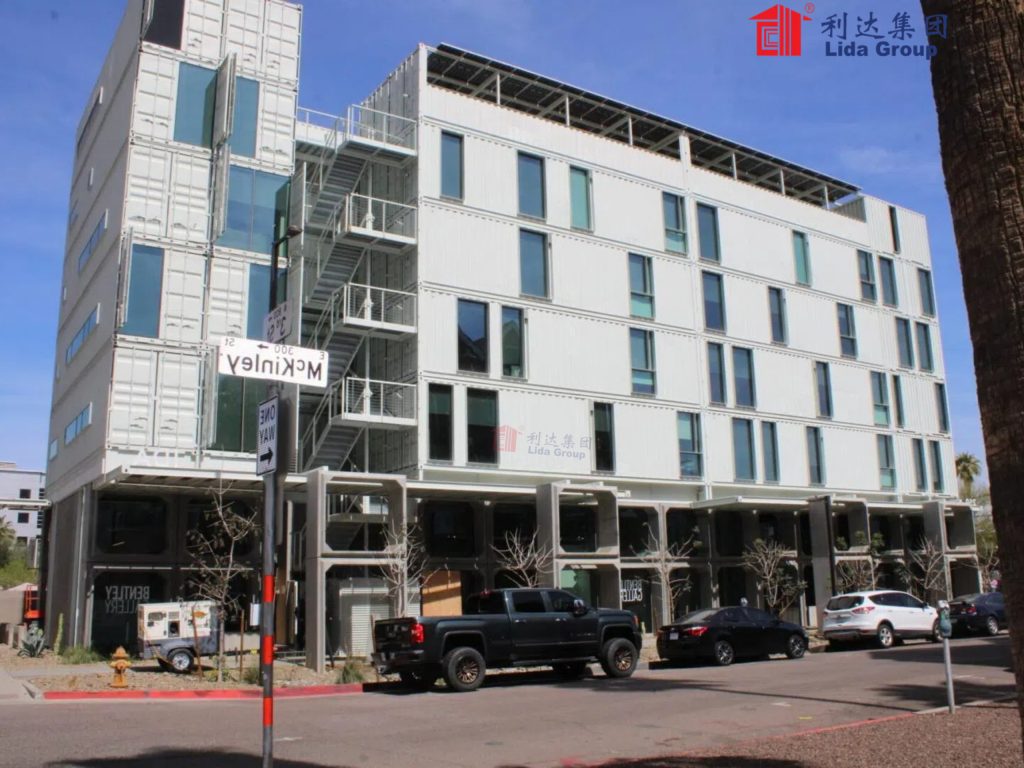
For urban environments where space is at a premium, the lock-and-buckle splicing system offers unmatched precision and high-rise capability. Developed by industry leaders, this system integrates pre-embedded lock components into the container frame, allowing for on-site assembly with electric tools and ±1mm connection accuracy. This level of precision enables vertical stacking of up to 5 floors, making it ideal for high-density micro housing complexes— a key solution for streamlined urban living. In Sydney’s metro construction project, a 3-story dormitory using lock-and-buckle container apartments reduced installation time from 28 days to 14 days, cutting labor costs by 30% while meeting Australia’s strict building safety standards.
The lock-and-buckle system also enhances livability by improving thermal insulation and soundproofing—common pain points of early container housing. The airtight connections reduce heat loss and noise transmission, creating a comfortable interior environment that aligns with streamlined living’s focus on quality over quantity. For urban dwellers, this means a compact space that doesn’t compromise on comfort, allowing them to prioritize essential amenities without sacrificing peace and efficiency.

Material Innovations: Lightweight, Durable, and Sustainable
Streamlined living is inherently linked to sustainability, and easy assembly container apartments embrace this through innovative material choices that balance durability, comfort, and environmental responsibility. The walls and roofs of modern units use composite materials such as rock wool insulation panels, aluminum foil-faced polyurethane foam, and glass fiber-reinforced plastic (GFRP), which provide superior thermal insulation compared to traditional steel sheets. These materials reduce energy consumption for heating and cooling by up to 40%, lowering utility costs and environmental impact—core tenets of streamlined living.
Interior materials prioritize health and minimalism, with E0-grade formaldehyde-free boards, moisture-resistant flooring, and non-toxic paints becoming industry standards. Many manufacturers also integrate recycled materials, such as recycled steel for frames and recycled plastic for interior fixtures, reducing the carbon footprint of each unit. A single 20-foot container apartment made with recycled steel reduces carbon emissions by approximately 70% compared to one built with virgin steel, aligning with the sustainable ethos of streamlined living. Additionally, these materials are designed for longevity and easy maintenance, eliminating the need for frequent repairs or replacements and reducing long-term waste.
Spatial Design: Optimizing Every Square Foot for Streamlined Living
The true essence of streamlined living in easy assembly container apartments lies in spatial design—transforming compact container modules into functional, comfortable spaces that prioritize essential needs and eliminate clutter. Designers leverage modularity, multifunctional furniture, and smart layout principles to maximize utility without sacrificing aesthetics, creating spaces that feel open, organized, and intentional.
Multifunctional Furniture and Flexible Layouts
In easy assembly container apartments, every piece of furniture serves multiple purposes, a cornerstone of streamlined design. Fold-down beds that convert into sofas, built-in storage systems that double as room dividers, and compact kitchenettes with integrated appliances optimize space while maintaining functionality. For example, a 20-foot container apartment (approximately 320 square feet) can be outfitted with a fold-down bed that stows away during the day, revealing a workspace or living area. Built-in shelves along the walls provide storage for books, clothing, and personal items, eliminating the need for bulky freestanding furniture and keeping the space clutter-free.
Flexible layouts further enhance spatial efficiency. Thanks to the modular nature of container apartments, interior partitions can be easily added, removed, or repositioned to adapt to changing needs. A space initially designed as a studio for a single professional can be reconfigured into a two-person living area with the addition of a lightweight partition, or into a home office with a dedicated workspace. This adaptability means the apartment grows and evolves with the resident, eliminating the need to move or renovate as lifestyle changes— a key benefit of streamlined living.
Natural Light and Visual Expansion
Compact spaces can feel cramped without proper lighting, so designers of easy assembly container apartments prioritize natural light to create a sense of openness. Large windows, glass doors, and skylights are integrated into the container structure, maximizing sunlight penetration and reducing the need for artificial lighting during the day. In London’s Stow-Away apartment hotel, a project by Doone Silver Kerr (DSK) studio, each 30-foot recycled container unit features large windows that frame views of the London skyline, while semi-transparent glass partitions and light-colored interior finishes enhance natural light diffusion. The result is a compact space that feels airy and spacious, aligning with streamlined living’s focus on creating calm, uncluttered environments.
Exterior design elements also contribute to visual expansion. Modular facade panels, vertical gardens, and awnings add texture and depth to the container’s exterior, while reflective coatings reduce heat absorption and brighten the overall appearance. In urban settings, these design choices help the apartment blend seamlessly with its surroundings, avoiding the utilitarian look of early container structures and creating a cohesive, intentional aesthetic.
Communal vs. Private Space: Balancing Connection and Solitude
Streamlined living often involves balancing privacy with community, especially in urban micro housing complexes. Easy assembly container apartments address this by integrating shared communal spaces with private units, allowing residents to enjoy the benefits of compact living while maintaining social connections. Shared amenities such as communal kitchens, coworking spaces, rooftop gardens, and laundry facilities reduce the need for large private spaces, freeing up square footage in individual apartments for essential needs.
The Urbanest project, developed during the COVID-19 pandemic to repurpose vacant office spaces into micro apartments, exemplifies this balance. Using a parametrically designed, flat-packed system, the project creates customizable private units with built-in storage and workspace, while shared lounges and kitchens foster community interaction. Residents can tailor their private spaces to their needs through a digital interface, adjusting dimensions and layouts to fit their lifestyle, while communal areas provide opportunities for connection. This model aligns with streamlined living’s focus on intentionality—residents pay for and use only the space they need, while still enjoying the benefits of community.
Diversified Applications: Streamlined Living Across Lifestyles and Environments
Easy assembly container apartments are not limited to a single lifestyle or environment—they adapt to diverse needs, from urban professionals and digital nomads to families and remote communities. Their versatility makes them a universal solution for streamlined living, offering intentional spaces that align with different values and circumstances.
Urban Micro Housing for Young Professionals and Digital Nomads
For young professionals and digital nomads seeking affordable, flexible housing in prime urban locations, easy assembly container apartments are an ideal choice. In cities like New York, San Francisco, and Tokyo, where rent prices are prohibitive, these apartments offer a cost-effective alternative with monthly rents 30-40% lower than traditional apartments. A pilot project in Shanghai converted a former industrial site into a community of 200 easy assembly container apartments, targeting young professionals. Each unit features a compact workspace, built-in storage, and access to shared coworking spaces and fitness facilities—catering to the needs of remote workers and urban dwellers who prioritize mobility and efficiency.
Digital nomads, in particular, benefit from the apartments’ mobility and easy assembly. Modules can be disassembled, transported, and reassembled in new locations, allowing nomads to move freely without sacrificing the comfort of a familiar living space. Equipped with solar panels, battery storage, and high-speed internet connectivity, these apartments support off-grid and remote work, enabling a streamlined lifestyle unbound by geographic constraints.
Family Living: Adaptable Spaces for Growing Needs
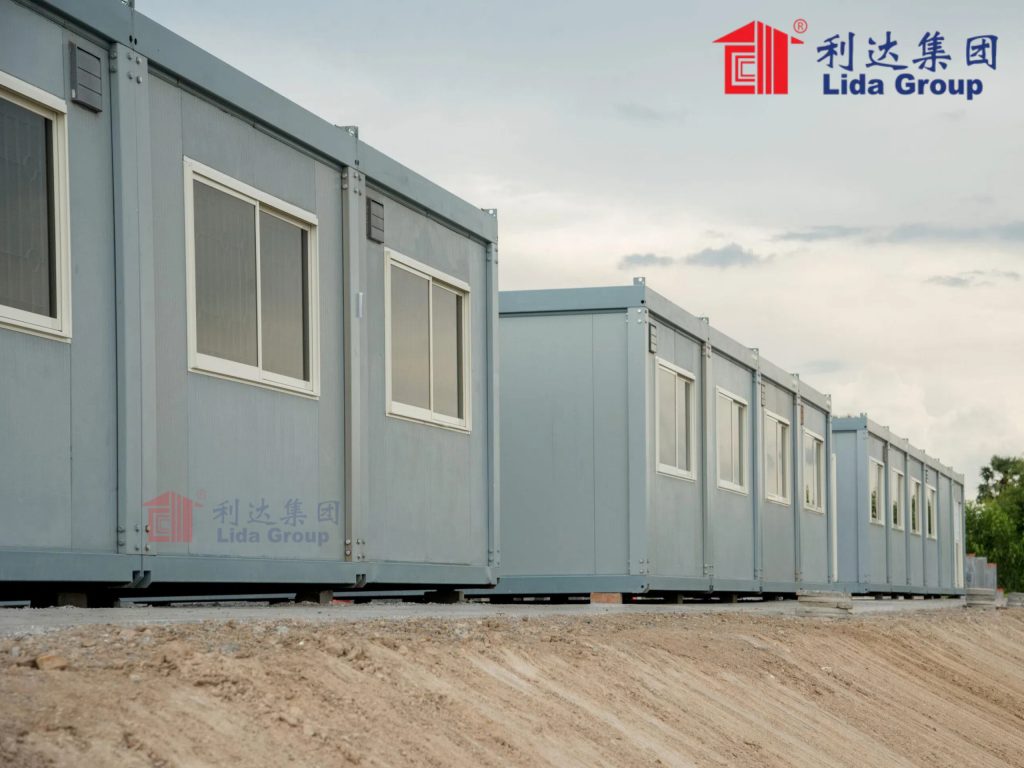
Streamlined family living focuses on creating functional, clutter-free spaces that adapt to growing children and changing family dynamics. Easy assembly container apartments meet this need through modular expansion, allowing families to add units as their needs grow without undertaking major renovations. A family of four in New Zealand transformed three 40-foot container modules into a streamlined home with three bedrooms, an open-plan kitchen and dining area, and a rooftop garden. The modular design allows the family to reconfigure the interior as children grow—converting a home office into a playroom, or adding a module for a teenage bedroom—without disrupting the existing structure. This adaptability eliminates the need to move to a larger home, reducing the environmental impact and financial burden of relocation.
Family-friendly features such as non-toxic materials, child-safe fixtures, and outdoor play areas further enhance the apartments’ suitability for family living. Insulated walls and floors maintain a comfortable temperature year-round, while rainwater collection systems and energy-efficient appliances teach children the value of sustainability—aligning with streamlined living’s focus on intentionality and environmental responsibility.
Remote and Off-Grid Living: Self-Sufficient Streamlined Spaces
For those seeking to escape urban chaos and embrace a more self-sufficient lifestyle, easy assembly container apartments offer a streamlined off-grid solution. Equipped with solar panels, lithium iron phosphate batteries, rainwater collection systems, and greywater recycling systems, these apartments can operate independently of municipal utilities, reducing reliance on external resources. A couple in Colorado built an off-grid container home using two modules and a 6.4 kW solar array, achieving full energy autonomy. The home’s interior features multifunctional furniture and built-in storage, while the exterior includes a vegetable garden and composting system—creating a self-sufficient, streamlined lifestyle focused on simplicity and sustainability.
In remote communities with limited infrastructure, easy assembly container apartments provide a quick, affordable way to build housing and essential facilities. A community in rural Australia used 50 container modules to create a streamlined village with homes, a community center, and a medical clinic. The modules were assembled in days using local labor, and the self-sufficient systems reduce the community’s reliance on distant utilities. This model proves that streamlined living is not limited to urban areas—it can thrive in remote environments, offering intentional, sustainable spaces for connection and self-reliance.
Temporary and Emergency Housing: Streamlined Solutions for Crisis and Transition
Streamlined living also includes temporary and transitional spaces, where efficiency and rapid deployment are critical. Easy assembly container apartments excel in emergency response and temporary housing scenarios, providing safe, functional spaces in days rather than months. After the 2023 Turkey-Syria earthquake, 1,000 easy assembly container modules were deployed to create temporary housing, medical clinics, and command centers. The standardized design allowed for quick assembly by local workers with minimal training, while modular interiors were customized to meet specific needs—medical clinics with isolation spaces, housing units with heating systems, and community centers with shared kitchens. As the recovery effort progressed, many modules were repurposed into schools and permanent housing, embodying the circularity of streamlined living.
Temporary housing for construction workers, students, and disaster displaced populations also benefits from easy assembly container apartments. A construction company in Southeast Asia used 50 container modules to create worker housing for a railway project, assembling the units in 12 days and relocating them to another site once the project was complete. This reuse reduces waste and costs, aligning with streamlined living’s focus on efficiency and resourcefulness.
Market Trends and Future Outlook: The Growing Demand for Streamlined Container Living
The global market for easy assembly container apartments is poised for significant growth, driven by the rising demand for streamlined, sustainable housing solutions. As urbanization accelerates, housing shortages persist, and consumers prioritize efficiency and environmental responsibility, these apartments are emerging as a mainstream housing option—no longer a niche alternative for minimalists or adventurers.
Market Drivers and Regional Growth
Key drivers of market growth include urban housing unaffordability, the rise of single-person households, and the increasing adoption of remote work. The global micro housing market, which includes easy assembly container apartments, is projected to reach USD 93.01 billion by 2032, with North America leading in innovation and Europe focusing on sustainability. In Asia-Pacific, rapid urbanization in countries like China, India, and Indonesia is fueling demand for affordable, rapid-deployment housing, while in Africa, container apartments are addressing post-conflict reconstruction needs and rural housing shortages.
Government policies and incentives are also accelerating market growth. Many cities are relaxing zoning regulations for modular and container housing, while tax breaks for sustainable construction encourage developers to invest in easy assembly solutions. In Chile, the government has integrated container housing into national social housing programs, providing subsidies for low-income families to purchase or rent streamlined container apartments. These policies recognize the role of container housing in addressing housing crises while advancing sustainability goals.
Technological Innovations Shaping the Future
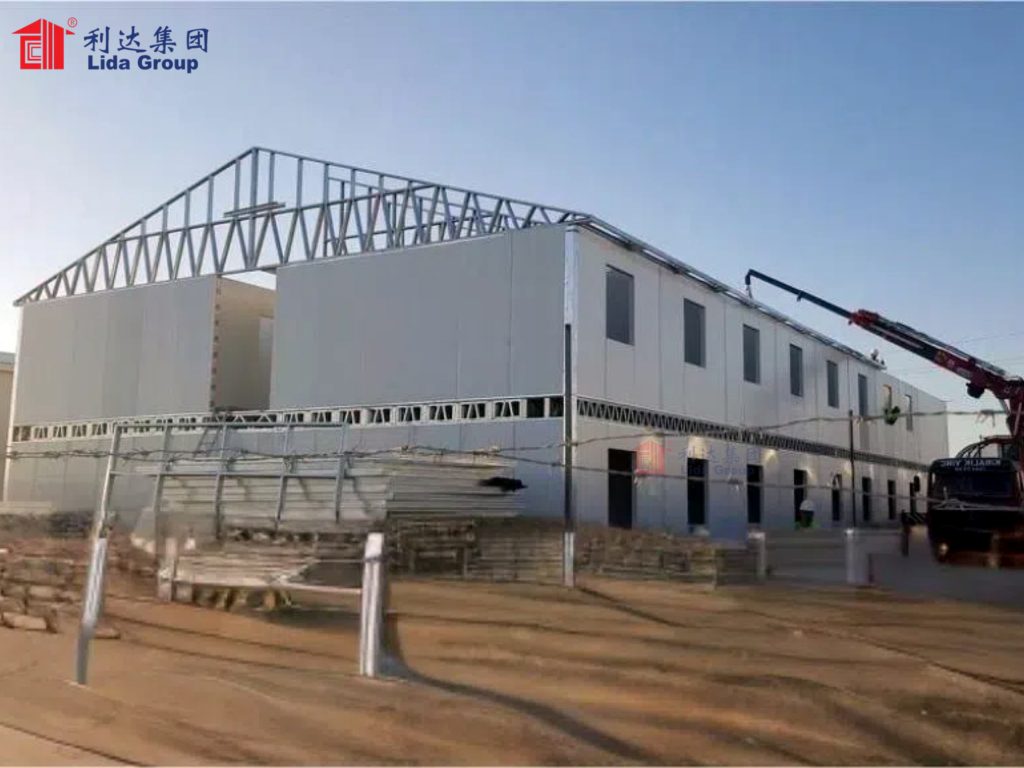
The future of easy assembly container apartments lies in integrating smart technology and digital fabrication to enhance streamlined living. AI-powered smart home systems are being integrated into units, automating lighting, temperature, and furniture configuration to optimize efficiency. Smart blinds adjust to sun paths to maximize natural light, while voice-controlled multifunctional furniture reconfigures to suit different activities—from work to relaxation—with minimal effort.
Digital twin and BIM (Building Information Modeling) technology are also revolutionizing design and customization. The Urbanest project uses a parametric interface that allows users to design their apartment layouts digitally, generating fabrication files and assembly instructions automatically. This technology reduces errors, shortens production time, and enables mass customization, allowing residents to tailor their spaces to their exact needs without sacrificing efficiency. As these technologies mature, easy assembly container apartments will become even more adaptable, efficient, and aligned with streamlined living principles.
Circular Economy and Long-Term Sustainability
Future growth will also be driven by a circular economy approach, where container apartments are designed for reuse, repair, and recycling. Manufacturers are increasingly using modular components that can be replaced or upgraded without disassembling the entire unit—from insulation panels to interior fixtures. This extends the lifespan of the apartment, reduces waste, and ensures that the space remains adaptable to evolving sustainability standards. For example, older solar panels can be replaced with higher-efficiency models, and insulation can be upgraded to meet new energy efficiency regulations, keeping the apartment streamlined and sustainable for decades.
Conclusion
Easy assembly container apartments represent the perfect synergy between streamlined living and innovative construction—offering intentional, efficient, and sustainable spaces that adapt to the diverse needs of modern life. By eliminating the complexities of traditional construction, optimizing spatial functionality, and embracing modularity and sustainability, these apartments redefine what it means to live intentionally in the 21st century. From urban micro housing for young professionals to off-grid homes for remote dwellers, they prove that streamlined living is not about sacrifice—it’s about prioritizing what matters, reducing waste, and creating spaces that align with our values.
The technological innovations behind easy assembly systems, combined with thoughtful spatial design and a focus on community and sustainability, position these apartments as a key solution to global housing challenges. As market demand grows and technology advances, easy assembly container apartments will become an increasingly mainstream housing option, reshaping urban landscapes and redefining the future of living. They offer a blueprint for a more intentional, efficient, and sustainable world—one where space is used wisely, resources are conserved, and life is simplified.
In the end, streamlined living with easy assembly container apartments is more than a housing trend—it’s a lifestyle revolution. It invites us to reject excess, embrace adaptability, and create spaces that support our best lives, without compromising on comfort, sustainability, or community. As we continue to navigate rapid urbanization, climate change, and shifting lifestyle needs, these apartments will remain a steadfast symbol of intentionality—proving that the simplest spaces are often the most meaningful.
Related news
-
Lida Group Champions Cost-Effective Prefab Construction Solutions
2025-12-29 17:33:00
-
Discover the Flexibility of Our Modern Mobile Container House
2025-12-29 17:45:03
-
Lida Group Unveils Next-Gen Modern Mobile Container House
2025-12-29 15:02:27
contact us
- Tel: +86-532-88966982
- Whatsapp: +86-13793209022
- E-mail: sales@lidajituan.com
