



Streamlined Installation for Prefabricated Container Apartments
2026-Jan-29 14:31:38
By Admin
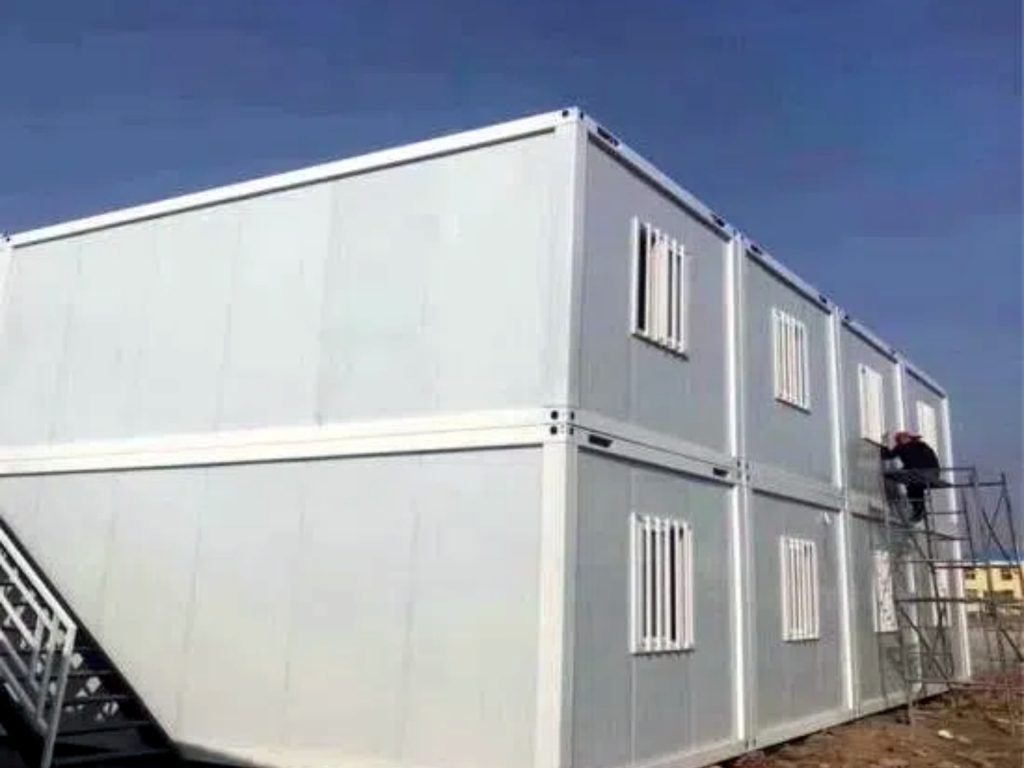
In an era defined by rapid urbanization, housing shortages, and the urgent need for sustainable construction, prefabricated container apartments have emerged as a versatile and efficient solution. However, the true transformative potential of these dwellings lies not just in their modular design or eco-friendly credentials, but in their streamlined installation processes. Traditional construction methods are often plagued by prolonged on-site timelines, labor inefficiencies, weather-related delays, and costly errors—barriers that prefabricated container apartments aim to eliminate through installation innovation. Today, streamlined installation techniques have evolved from experimental practices to standardized, scalable systems, enabling container apartments to be deployed in days or weeks rather than months, while maintaining structural integrity, safety, and comfort. This article explores the core technologies, optimized workflows, global case studies, practical advantages, and ongoing advancements that define streamlined installation for prefabricated container apartments, highlighting how these processes are reshaping the future of residential and commercial construction worldwide.
1. The Rationale for Streamlined Installation: Addressing Traditional Construction Pain Points
To understand the significance of streamlined installation for prefabricated container apartments, it is critical to first examine the limitations of traditional construction and how modular container solutions address these gaps. Traditional building projects—whether for residential, commercial, or emergency use—are inherently inefficient, with on-site work accounting for 60-70% of the total project timeline. This on-site dependency leads to a host of challenges that drive up costs, delay delivery, and compromise quality.
One of the most persistent pain points is labor inefficiency. Traditional construction requires a large, skilled workforce to coordinate tasks such as framing, plumbing, electrical work, and finishing—each with its own timeline and potential for miscommunication. Labor shortages, particularly in skilled trades like welding and electrical installation, further exacerbate delays, with projects often falling behind schedule by 20-30% due to workforce gaps. Additionally, on-site work is highly vulnerable to weather conditions: rain, snow, extreme heat, or cold can halt construction for days or weeks, leading to cost overruns of 15-25% on average.
Quality control is another major challenge in traditional construction. On-site work is prone to human error, with inconsistencies in measurements, material application, and structural assembly. These errors often go undetected until later stages of the project, requiring costly rework and delaying completion. For example, a single misaligned wall in a multi-story building can lead to issues with door and window installation, plumbing connections, and even structural stability—all of which require time and resources to fix.
Prefabricated container apartments address these pain points through factory-controlled production and streamlined on-site installation. By shifting 90-95% of the construction work to a controlled factory environment, manufacturers can ensure consistent quality, reduce labor dependencies, and eliminate weather-related delays. The remaining on-site work—primarily module delivery, positioning, connection, and final finishing—is optimized through standardized processes and advanced technologies, creating a seamless, efficient installation experience. Streamlined installation is not just a “nice-to-have” feature; it is the backbone of container apartments’ competitiveness, enabling them to deliver affordable, sustainable, and timely housing solutions in a wide range of contexts.
2. Core Technologies Enabling Streamlined Installation
Streamlined installation for prefabricated container apartments is made possible by a suite of advanced technologies that optimize every stage of the on-site process—from module delivery and positioning to connection and integration. These technologies prioritize precision, speed, and simplicity, reducing the need for skilled labor and minimizing the risk of errors. Below are the key technological innovations driving efficient installation.
2.1 Modular Design and Standardization
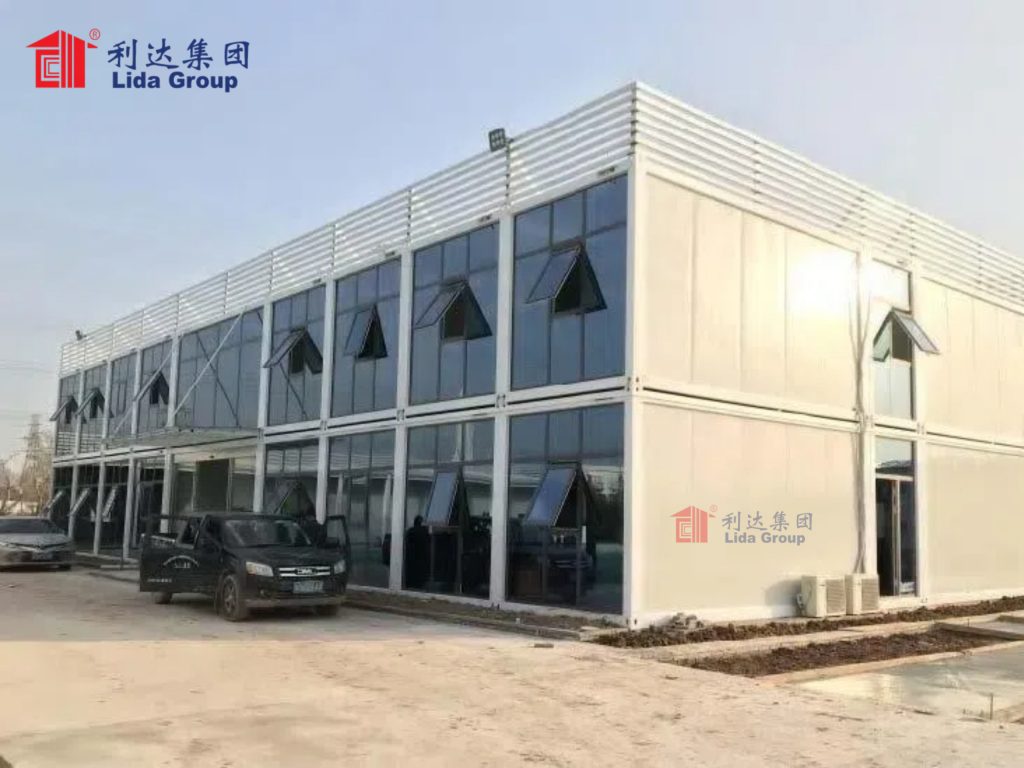
At the foundation of streamlined installation is modular design standardization. Unlike custom-built container apartments of the past, modern solutions use standardized module sizes and configurations, ensuring compatibility and interchangeability. The most common modules are based on standard shipping container dimensions—20 feet (6.1 meters) long, 8 feet (2.4 meters) wide, and 8.5 feet (2.6 meters) tall—or 40 feet (12.2 meters) long, with variations for height (high-cube containers at 9.5 feet/2.9 meters). These standardized dimensions simplify transportation, handling, and on-site assembly, as cranes, trucks, and installation equipment can be optimized for a consistent set of measurements.
Beyond size standardization, modular design focuses on integrated systems that eliminate the need for extensive on-site work. Each module is fully equipped with pre-installed plumbing, electrical, and HVAC systems, as well as interior finishes (flooring, walls, ceilings) and fixtures (kitchens, bathrooms, lighting) before leaving the factory. This “turnkey” approach means that once modules are positioned and connected on-site, only minimal finishing work is required—such as sealing gaps between modules, connecting utility lines, and installing exterior cladding (if needed). For example, a standard 20-foot residential module can be fully outfitted in the factory in 3-5 days, with on-site installation requiring just 1-2 days per module.
Standardization also extends to structural components, such as connection points and foundation systems. Leading manufacturers use standardized ISO Twistlock connectors—originally designed for shipping container stacking—to secure modules together vertically and horizontally. These connectors are easy to install, require minimal tools, and can withstand significant loads (up to 25 tons per joint), ensuring structural stability for multi-story buildings. Foundation systems, too, are standardized, with options such as concrete slabs, pile foundations, or adjustable jacks that can be prefabricated and installed quickly, even on uneven terrain.
2.2 Advanced Connection Technologies
The efficiency of on-site installation depends heavily on how quickly and securely modules can be connected. Traditional container connections relied on welding, which is time-consuming, requires skilled labor, and is prone to errors. Modern streamlined installation uses advanced connection technologies that eliminate the need for welding, reducing installation time by up to 70%.
ISO Twistlock connectors are the most widely used connection system, but innovations have enhanced their efficiency further. Automatic Twistlock systems, for example, use hydraulic or electric mechanisms to lock modules together in seconds, rather than minutes. These systems can be operated remotely, reducing the need for workers to be positioned between modules during installation—improving safety and speed. For multi-story projects, vertical Twistlock connectors are paired with horizontal bracing systems that provide additional stability, with installation requiring just 2-3 workers per module.
Another key connection innovation is the use of prefabricated utility connection points. Each module is equipped with standardized electrical, plumbing, and HVAC ports that align perfectly when modules are positioned. These ports use quick-connect fittings that eliminate the need for on-site soldering, welding, or extensive piping work. For example, electrical connections use plug-and-play systems that can be connected in minutes, while plumbing connections use compression fittings that ensure a leak-proof seal without the need for specialized tools. This standardization of utility connections reduces installation time for utilities by up to 80% compared to traditional construction.
Innovative window installation connection devices further streamline the process, particularly in challenging climates. A recently developed connection system features prefabricated inner and outer window frames with dovetail grooves that fit securely with container corrugated panels, eliminating the need for extensive on-site framing work. The frames are factory-prepared with insulation layers and bolt holes, allowing for quick on-site installation using standard bolts—reducing window installation time by 50% and improving thermal performance. This system is also detachable, enabling reuse and reducing waste, aligning with sustainable installation goals.
2.3 Digital and Automation Technologies
Digital technologies, such as Building Information Modeling (BIM), 5G connectivity, and automation, have revolutionized streamlined installation by enabling precise planning, real-time coordination, and hands-free operation. BIM is particularly critical, as it allows designers, manufacturers, and installers to create a 3D digital model of the entire container apartment complex before any on-site work begins. This model includes detailed specifications of each module, including dimensions, utility connections, and structural components, ensuring that all modules are compatible and that installation proceeds without errors.
BIM models are used to optimize on-site layout, crane positioning, and module sequencing—reducing the risk of delays due to misplacement or logistical issues. For example, in a multi-story container apartment complex, the BIM model can simulate the order in which modules should be lifted and positioned, ensuring that heavier modules are placed first and that utility connections align correctly. BIM also enables clash detection, identifying potential conflicts between modules (such as overlapping utility lines) before they arrive on-site, eliminating the need for rework. According to industry standards, BIM models for container installation must meet LOD300 precision requirements, with detailed geometric and non-geometric information for all structural and utility components, including reinforcement steel and piping systems.
5G connectivity enhances BIM’s effectiveness by enabling real-time collaboration between on-site installers and off-site designers or manufacturers. Installers can access the BIM model on mobile devices, view detailed instructions, and share photos or videos of on-site progress—allowing for immediate adjustments if issues arise. 5G also supports the use of automated installation equipment, such as robotic cranes and drones, which can perform repetitive tasks more quickly and accurately than human workers.
Automated cranes, equipped with GPS and laser positioning systems, can lift and place modules with precision of ±2mm per meter—critical for ensuring that connection points align and that modules are level. These cranes can be operated remotely, reducing the need for on-site crane operators and improving safety. Drones are used to survey the installation site, monitor progress, and inspect hard-to-reach areas (such as the top of multi-story complexes), providing real-time data that helps installers identify and address issues quickly. While full automation is still emerging, even partial automation (such as automated module positioning) can reduce installation time by 30-40%.
Drawing inspiration from automated port technologies, such as the vacuum automatic mooring system deployed in Qingdao Port, future container installation may integrate similar suction-based positioning systems. While designed for ship mooring, the core technology—high-pressure vacuum suction for rapid, secure positioning—could be adapted to container modules, enabling hands-free placement and reducing positioning time from minutes to seconds.
2.4 Lightweight and Durable Materials
The materials used in prefabricated container apartments also play a key role in streamlined installation. Modern modules use lightweight yet durable materials that reduce the weight of each module, making them easier to transport and lift. For example, traditional shipping containers are made of heavy steel (weighing 2-4 tons for a 20-foot container), but modern residential modules often use lightweight steel frames, aluminum, or composite materials that reduce weight by 20-30% while maintaining structural integrity.
Lightweight materials reduce the size and capacity of cranes needed for installation, making the process more cost-effective and accessible—particularly in urban areas where large cranes may be difficult to maneuver. For example, a lightweight 20-foot residential module (weighing 1.5-2 tons) can be lifted using a small mobile crane, whereas a traditional steel container would require a larger, more expensive crane. Lightweight materials also reduce transportation costs, as more modules can be transported on a single truck.
Durable materials, such as corrosion-resistant steel, composite cladding, and weatherproof insulation, eliminate the need for extensive on-site maintenance or repair, further streamlining the installation process. For example, modules with pre-installed weatherproof cladding require no additional exterior work, while corrosion-resistant steel connectors ensure that modules remain securely connected for decades without rust or degradation. These materials also improve the long-term performance of the container apartment, reducing the need for post-installation maintenance and lowering lifecycle costs.
3. Optimized Workflow for Streamlined Installation
Streamlined installation is not just about technology—it also requires a well-organized, standardized workflow that coordinates every stage of the process, from factory production to on-site completion. A typical streamlined installation workflow consists of four key stages: pre-installation planning, module delivery, on-site assembly, and final finishing. Each stage is optimized to minimize delays, reduce labor requirements, and ensure quality.
3.1 Pre-Installation Planning
Pre-installation planning is the foundation of efficient on-site work, as it eliminates surprises and ensures that all resources are available when needed. This stage begins with site assessment, where installers evaluate the installation site to determine factors such as soil conditions, access for trucks and cranes, utility connections (water, electricity, sewage), and local building codes. Site assessment is often done using drones and soil testing equipment, with results integrated into the BIM model to optimize module placement and foundation design.
Next, installers develop a detailed installation schedule that outlines the timeline for module delivery, positioning, connection, and finishing. This schedule is coordinated with the manufacturer to ensure that modules arrive on-site in the correct order (e.g., bottom-floor modules first, followed by upper-floor modules) and that installation equipment (cranes, trucks, tools) is available when needed. The schedule also includes contingency plans for potential delays, such as weather-related issues or logistical problems, to minimize their impact on the overall timeline.
Foundation preparation is another critical part of pre-installation planning. Depending on the site conditions and building height, foundations may be prefabricated concrete slabs, pile foundations, or adjustable jacks. Prefabricated foundations are manufactured in the factory and delivered to the site, where they are installed in 1-2 days—significantly faster than traditional concrete foundations, which can take weeks to cure. For example, adjustable jacks are ideal for uneven terrain, as they can be easily leveled on-site, eliminating the need for extensive site grading.
Finally, pre-installation planning includes obtaining all necessary permits and approvals from local authorities. Streamlined installation often benefits from expedited permit processes, as many local governments recognize the efficiency and sustainability of container apartments. In some regions, prefabricated container projects are eligible for “fast-track” permits, which can reduce approval time from months to weeks.
3.2 Module Delivery
Module delivery is a critical stage that can make or break the installation timeline. Streamlined delivery is optimized to minimize transportation costs and ensure that modules arrive on-site in perfect condition. Modules are transported using specialized trucks that are designed to carry standard container sizes, with securing systems that prevent damage during transit. For long-distance transportation, modules are often shipped via rail or sea, with final delivery to the site via truck.
To reduce on-site storage and handling, modules are delivered “just-in-time”—meaning they arrive on-site exactly when they are needed for installation. This eliminates the need for large storage areas on-site and reduces the risk of damage to modules while they are waiting to be installed. Just-in-time delivery is coordinated using real-time tracking systems, which allow installers to monitor the location of each module and adjust the installation schedule if necessary.
Upon arrival at the site, modules are inspected to ensure that they have not been damaged during transit and that all pre-installed systems (plumbing, electrical, HVAC) are functioning correctly. This inspection is done quickly (typically 15-30 minutes per module) using checklists based on the BIM model, ensuring that any issues are identified and addressed before installation begins.
3.3 On-Site Assembly
On-site assembly is the most visible stage of streamlined installation, and it is where the benefits of modular design and technology are most apparent. The assembly process typically begins with foundation installation (if not already completed during pre-installation), followed by module positioning, connection, and utility integration.
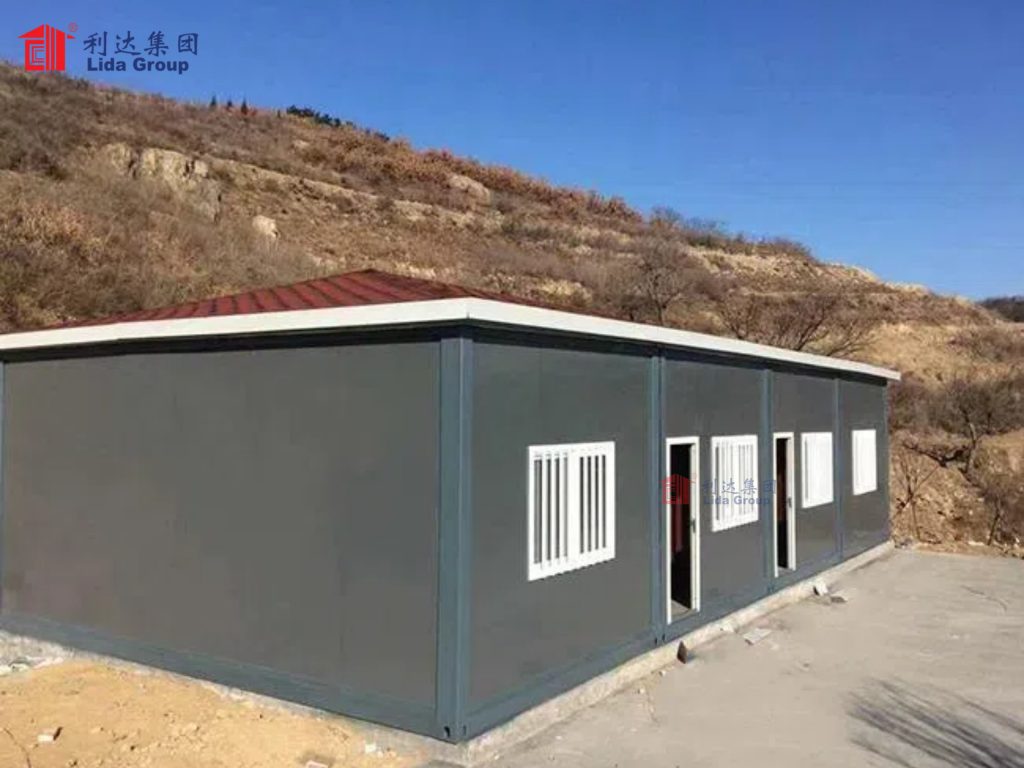
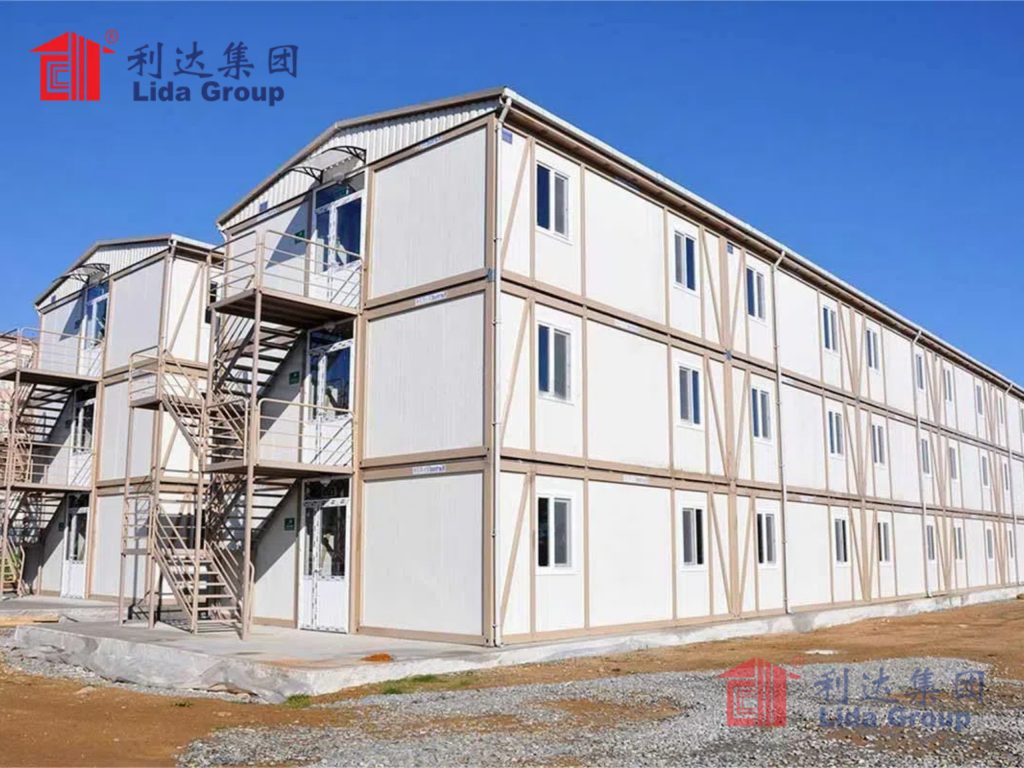
Module positioning is done using cranes (either mobile or tower cranes), which lift each module into place with precision. Using BIM coordinates and laser positioning systems, installers ensure that each module is level, aligned, and positioned correctly relative to other modules. For a single-story container apartment complex, module positioning can be completed in 1-2 days for 10-15 modules. For multi-story complexes, the process takes longer (3-5 days for a 3-story building with 20-30 modules), but it is still significantly faster than traditional construction (which would take months).
Once modules are positioned, they are connected using standardized connectors (such as automatic Twistlocks) and bracing systems. This process is quick—each connection takes just 5-10 minutes—and requires minimal labor (2-3 workers per module). After modules are structurally connected, utility lines (electrical, plumbing, HVAC) are connected using quick-connect fittings. This step is streamlined by the pre-installed utility ports in each module, which align perfectly when modules are positioned correctly. Utility connection for a single module takes approximately 30-60 minutes, with the entire complex’s utilities connected in 1-2 days.
For projects requiring additional structural reinforcement (such as multi-story buildings in seismic zones), steel bracing or concrete slabs are added between modules. These reinforcements are prefabricated in the factory and installed quickly on-site, adding minimal time to the installation process.
3.4 Final Finishing
Final finishing is the last stage of streamlined installation, and it involves completing the work that cannot be done in the factory—such as sealing gaps between modules, installing exterior cladding (if needed), and adding landscaping. This stage is minimal compared to traditional construction, as most interior and exterior work is completed in the factory.
Sealing gaps between modules is critical for energy efficiency and weatherproofing. Modern sealants (such as silicone or polyurethane) are applied quickly using automated tools, ensuring a tight seal that prevents air and water leakage. This process takes 1-2 hours per module, with the entire complex sealed in 1 day.
Exterior cladding is optional, but it is often added to improve the aesthetic appeal of the container apartment and provide additional insulation. Prefabricated cladding panels (made of wood, composite, or metal) are installed quickly using snap-on or bolt-on systems, with each panel taking 5-10 minutes to install. For a 10-module complex, exterior cladding can be completed in 1 day.
Final finishing also includes connecting the container apartment to local utility grids (if not using off-grid systems), testing all systems (electrical, plumbing, HVAC), and cleaning the interior. This stage typically takes 1-2 days for a small complex and 3-4 days for a larger complex. Once final finishing is complete, the container apartment is ready for occupancy—often within 1-2 weeks of the first module arriving on-site.
4. Global Case Studies of Streamlined Installation in Action
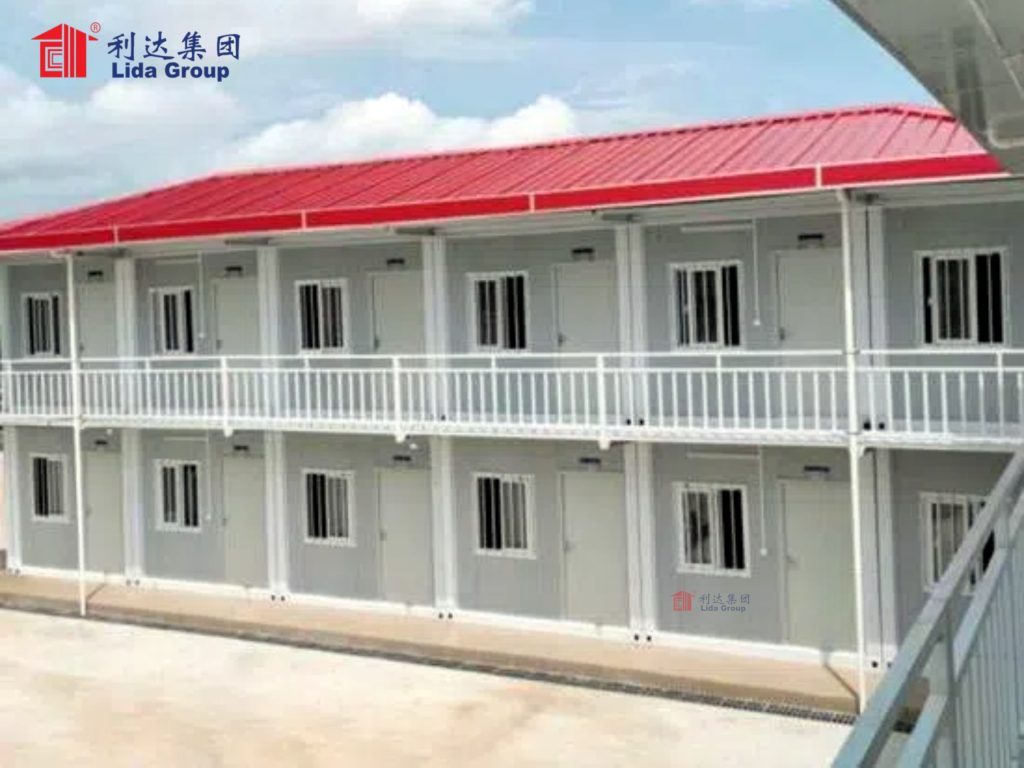
Streamlined installation for prefabricated container apartments is not just a theoretical concept—it is being deployed successfully worldwide, with projects ranging from small residential complexes to large-scale emergency housing developments. These case studies demonstrate the versatility, efficiency, and scalability of streamlined installation processes, highlighting how they can be adapted to different climates, contexts, and project sizes.
4.1 Amsterdam, Netherlands: 72-Hour Multi-Story Complex
One of the most iconic examples of streamlined installation is a three-story container apartment complex in Amsterdam, which was assembled in just 72 hours—setting an industry record for speed. The project, developed by a Dutch modular construction firm, consisted of 24 prefabricated container modules, each fully equipped with interior finishes, plumbing, electrical, and HVAC systems. The streamlined installation process was enabled by several key factors:
First, the project used standardized 40-foot modules with automatic Twistlock connectors, allowing for quick positioning and connection. Second, BIM technology was used to optimize the installation schedule, ensuring that modules arrived on-site in the correct order and that cranes were positioned for maximum efficiency. Third, the foundation was a prefabricated concrete slab that was installed in 1 day before the modules arrived.
On-site assembly began with the delivery of the first 8 modules (bottom floor) on day 1, which were positioned and connected in 8 hours. The second floor modules were delivered and installed on day 2, followed by the third floor modules on day 3. Utility connections were completed simultaneously with module installation, and final finishing (sealing gaps, installing cladding) was done on the evening of day 3. The entire complex was ready for occupancy just 3 days after the first module arrived on-site—compared to the 3-4 months it would have taken using traditional construction methods.
The project also demonstrated the quality and durability of streamlined installation. The complex has been occupied for 5 years, with no structural issues or utility problems, and it meets all Dutch building codes for energy efficiency and safety. BIM models were used throughout the process to ensure compliance with local standards, including detailed modeling of electrical and HVAC systems to meet strict efficiency requirements.
4.2 Perth, Australia: 17-Story Hotel Using Container Modules
Streamlined installation is not limited to low-rise buildings—it can also be used for multi-story structures, as demonstrated by the Ibis Hotel project in Perth, Australia. The 17-story hotel was constructed using 120 prefabricated container modules, with streamlined installation reducing the total construction time by 60% compared to traditional methods.
The project faced several challenges, including the need to install modules in a dense urban area with limited space for cranes and trucks, and the requirement to meet strict Australian building codes for seismic resistance and fire safety. To address these challenges, the project used several innovative streamlined installation techniques:
First, modules were prefabricated in a factory located 100km from the site, with just-in-time delivery ensuring that modules arrived on-site exactly when they were needed. This eliminated the need for on-site storage and reduced traffic congestion in the urban area. Second, a specialized tower crane was used to lift modules to upper floors, with laser positioning systems ensuring precise placement. The crane was positioned on the side of the building, allowing for easy access to all floors without disrupting nearby businesses.
Third, the project used advanced connection technologies, including reinforced Twistlock connectors and steel bracing systems, to ensure structural stability for the 17-story building. Utility connections were integrated into the module design, with pre-installed vertical risers (for water, electricity, and sewage) that aligned perfectly between floors. This eliminated the need for extensive on-site piping and wiring work.
The on-site installation process took just 4 months, with modules being installed at a rate of 5-6 per week. Final finishing took an additional 2 months, bringing the total construction time to 6 months—compared to 15 months for a traditional 17-story hotel. The project also reduced labor costs by 40% and construction waste by 80%, demonstrating the economic and environmental benefits of streamlined installation.
4.3 Shenzhen, China: Affordable Housing for Youth
In Shenzhen, China, streamlined installation has been used to address the city’s severe affordable housing shortage, particularly for young professionals. The Shenzhen Youth Apartment Program consists of 500 prefabricated container apartments, with streamlined installation enabling the project to be completed in just 2 months—providing much-needed housing quickly and cost-effectively.
The apartments are based on standardized 20-foot modules, each featuring a bedroom, kitchenette, bathroom, and living area. Modules are fully prefabricated in a factory, with interior finishes (flooring, walls, furniture) and utility systems installed before delivery. The streamlined installation process includes:
Pre-installation planning: Site assessment and foundation preparation were completed in 1 week, using prefabricated concrete slabs that were installed quickly on the flat urban site. BIM models were used to optimize module placement, ensuring maximum use of the available land.
Module delivery: Modules were delivered in batches of 50, with just-in-time delivery reducing on-site storage needs. Each batch was delivered overnight to avoid traffic congestion, and modules were inspected and positioned the following day.
On-site assembly: Modules were positioned using mobile cranes, with each module taking just 15 minutes to place and connect. Utility connections were completed using quick-connect fittings, and final finishing (sealing gaps, installing exterior cladding) was done in 1 week.
The project has been a huge success, with the apartments renting at 40% below market rates and achieving an 89.3% occupancy satisfaction rate. The streamlined installation process reduced construction costs by 30% compared to traditional housing, making the project financially viable for the local government. Additionally, the use of prefabricated modules and optimized installation reduced construction waste by 85%, aligning with China’s sustainability goals.
4.4 German Mobile ICU Units: Emergency Deployment
Streamlined installation is also critical for emergency housing and medical facilities, where speed is a matter of life and death. During the 2024 global health crisis, German manufacturers delivered 3,000 modular mobile ICU units built from containers, with streamlined installation enabling hospitals to expand capacity in hours rather than weeks.
Each ICU unit was a prefabricated container module fully equipped with medical equipment, ventilation systems, and negative pressure isolation systems. The streamlined installation process was designed to be simple and fast, requiring just 2-3 workers and a small mobile crane per unit. Key features of the installation process included:
Standardized modules with quick-connect utility ports for electricity, water, and medical gas. Modules were designed to connect seamlessly to existing hospital infrastructure, eliminating the need for extensive on-site modifications.
Pre-installed foundation jacks that allowed modules to be placed on any flat surface, without the need for concrete foundations. This enabled installation in hospital parking lots, courtyards, or other available spaces.
Simplified connection systems that allowed modules to be positioned and connected in just 6 hours per unit. This included sealing gaps for negative pressure isolation, ensuring that the units met strict medical standards for infection control.
The streamlined installation process was critical in helping hospitals respond to the crisis, providing much-needed ICU beds to treat patients. The modules were also designed to be easily disassembled and relocated, allowing them to be moved to areas with the highest need—demonstrating the flexibility of streamlined installation for emergency scenarios.
5. Advantages of Streamlined Installation for Prefabricated Container Apartments
Streamlined installation offers a wide range of advantages over traditional construction methods, making prefabricated container apartments a more attractive option for developers, governments, and individuals. These advantages span time, cost, quality, sustainability, and flexibility—addressing the key pain points of traditional construction.
5.1 Reduced Installation Time
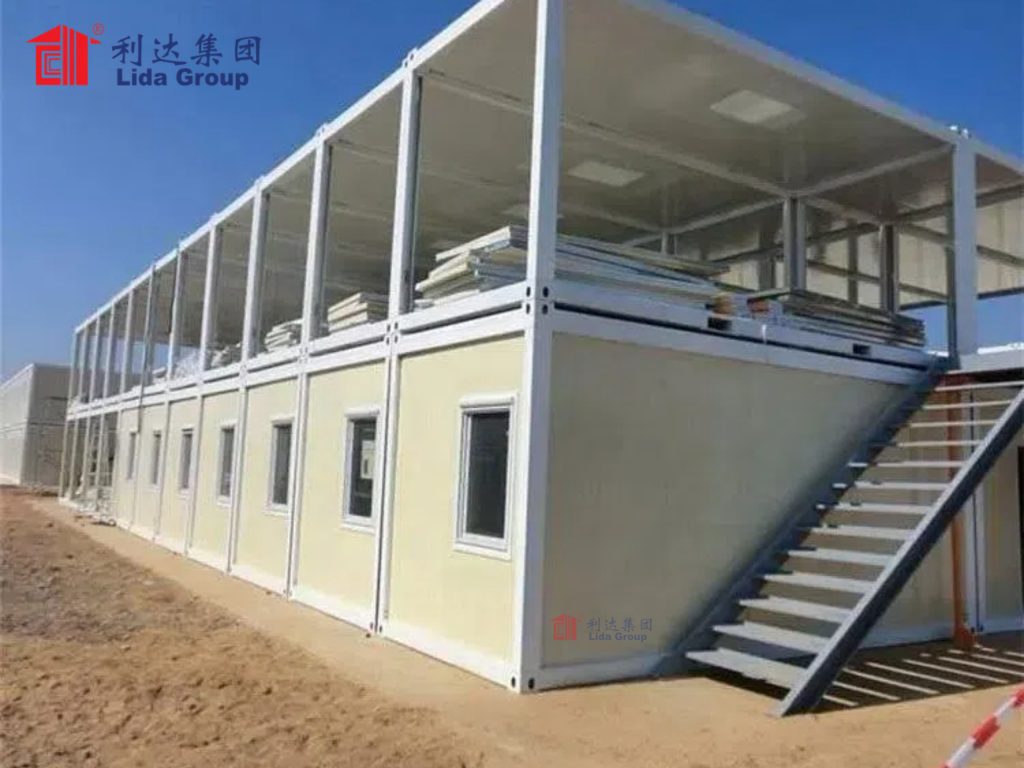
The most obvious advantage of streamlined installation is the dramatic reduction in time compared to traditional construction. As demonstrated by the case studies above, streamlined installation can reduce the on-site timeline by 60-80%. A single-story container apartment complex can be installed in 1-2 weeks, while a multi-story complex can be completed in 1-3 months—compared to 3-12 months for traditional construction.
This time savings is critical for several reasons: it allows developers to generate revenue faster (by renting or selling units sooner), it enables governments to address housing shortages or emergency needs quickly, and it reduces the impact of construction on the surrounding community (less noise, traffic, and disruption).
5.2 Lower Costs
Streamlined installation also reduces costs significantly, primarily through labor savings and reduced delays. Traditional construction requires a large, skilled workforce for on-site work, but streamlined installation requires just 2-3 workers per module—reducing labor costs by 30-50%. Additionally, the elimination of weather-related delays and rework reduces cost overruns, which are common in traditional construction (averaging 15-25%).
Other cost savings come from reduced transportation costs (due to standardized module sizes and just-in-time delivery), lower material waste (due to factory-controlled production), and reduced maintenance costs (due to durable materials and quality control). Overall, streamlined installation can reduce the total cost of a container apartment project by 20-40% compared to traditional construction.
5.3 Improved Quality and Safety
Streamlined installation improves quality by shifting most construction work to a controlled factory environment, where conditions are consistent and quality control is rigorous. Factory production eliminates human error associated with on-site work, ensuring that each module is built to precise specifications. Additionally, standardized connection and utility systems reduce the risk of leaks, electrical issues, or structural problems.
Safety is also improved, as streamlined installation reduces the need for workers to perform dangerous tasks (such as welding at height or working in inclement weather). Automated cranes and remote-controlled connection systems minimize the risk of accidents, and the reduced on-site timeline means that workers are exposed to safety hazards for less time. According to industry data, streamlined installation reduces construction accidents by 50-60% compared to traditional methods.
5.4 Enhanced Sustainability
Streamlined installation aligns with global sustainability goals by reducing construction waste, energy consumption, and carbon emissions. Factory production minimizes material waste (by up to 80% compared to traditional construction), as excess materials can be reused or recycled. Additionally, the use of prefabricated modules reduces the need for on-site concrete pouring, which is a major source of carbon emissions (accounting for 8% of global CO₂ emissions).
Streamlined installation also reduces energy consumption during construction, as less on-site equipment (such as generators and concrete mixers) is needed. The quick installation timeline means that the building is completed sooner, reducing the energy wasted on construction-site lighting, heating, and cooling. Furthermore, the modular design of container apartments enables easy disassembly and reuse, reducing waste at the end of the building’s lifecycle. The detachable window connection systems used in some projects further enhance sustainability by enabling component reuse.
5.5 Greater Flexibility and Scalability
Streamlined installation enables greater flexibility and scalability, as container modules can be easily added, removed, or relocated. This is particularly useful for projects with changing needs, such as emergency housing, temporary offices, or student housing. For example, a container apartment complex can be expanded by adding more modules in just a few days, without disrupting existing residents.
Scalability is also enhanced, as streamlined installation processes can be adapted to projects of any size—from a single container home to a 20-story complex. Standardized modules and workflows mean that the same installation techniques can be used for small and large projects, reducing the need for custom planning or equipment.
6. Challenges and Future Advancements in Streamlined Installation
While streamlined installation has made significant advancements in recent years, it still faces several challenges that limit its broader adoption. However, ongoing technological innovations and industry collaboration are addressing these challenges, paving the way for even more efficient, cost-effective, and sustainable installation processes in the future.
6.1 Current Challenges
One of the biggest challenges is the lack of standardized building codes and regulations for prefabricated container apartments in some regions. While many countries (such as the Netherlands, Australia, and China) have developed specific codes for modular construction, others still rely on traditional building codes, which may not account for the unique characteristics of container modules. This can lead to delays in permit approval and increased costs, as installers may need to make custom modifications to meet outdated codes.
Another challenge is the limited availability of skilled installers trained in streamlined installation techniques. While streamlined installation requires fewer workers than traditional construction, the workers that are needed must be trained in the use of advanced technologies (such as BIM, automated cranes, and quick-connect systems). Labor shortages in this area can delay projects and increase costs, particularly in regions where modular construction is still emerging.
Logistical challenges also persist, particularly in remote areas. Delivering large container modules to remote sites can be difficult and costly, and the lack of access for large cranes may limit the use of streamlined installation. Additionally, in some regions, the infrastructure (such as roads and bridges) may not be able to support the weight of container modules, requiring additional modifications or alternative transportation methods.
Finally, social perception remains a challenge. Many people still associate container apartments with temporary, low-quality housing, which can make it difficult to market projects to potential buyers or renters. While streamlined installation improves quality and durability, changing public perception will require more successful case studies and education about the benefits of container apartments.
6.2 Future Advancements
Despite these challenges, the future of streamlined installation is bright, with several key advancements on the horizon:
1. Full Automation: The next generation of streamlined installation will feature fully automated processes, including robotic module delivery, positioning, and connection. This will eliminate the need for human workers on-site, reducing labor costs and improving safety. Companies are already developing autonomous cranes and delivery trucks that can operate without human intervention, and these technologies are expected to be widely adopted within the next 5-10 years. Drawing on innovations like Qingdao Port’s vacuum automatic mooring system, automated positioning technologies could reduce module placement time to seconds per unit.
2. AI and Machine Learning Integration: AI and machine learning will be used to optimize every stage of the installation process, from pre-installation planning to final finishing. AI algorithms will analyze site data, weather patterns, and logistical information to develop the most efficient installation schedule, and they will monitor on-site progress in real-time, identifying potential issues before they arise. Machine learning will also be used to improve the precision of automated equipment, reducing the risk of errors.
3. Improved Material Technologies: New lightweight, durable materials will be developed to further reduce module weight and improve energy efficiency. For example, carbon fiber composites are being tested for use in container modules, as they are 50% lighter than steel but just as strong. These materials will reduce transportation and installation costs, making streamlined installation more accessible in remote areas. Advanced insulation materials will also be integrated, further improving energy efficiency and reducing the need for on-site thermal modifications.
4. Standardized Global Building Codes: Industry organizations and governments are working together to develop standardized global building codes for prefabricated container apartments. This will eliminate regulatory barriers and make streamlined installation more consistent across regions, enabling global adoption of container apartment solutions. These codes will likely incorporate detailed requirements for BIM modeling, connection systems, and utility integration, aligning with existing standards like those outlined in Ningxia Department of Housing and Urban-Rural Development’s BIM guidelines.
5. Off-Grid Integration: Streamlined installation will be integrated with off-grid energy systems (such as solar panels and battery storage) to create self-sustaining container apartments. This will eliminate the need for on-site utility connections, making container apartments accessible in remote areas where infrastructure is limited. The installation of these off-grid systems will be streamlined, with pre-installed solar panels and battery storage in each module.
Conclusion
Streamlined installation has transformed prefabricated container apartments from niche temporary structures to a mainstream housing solution, addressing the key pain points of traditional construction—time, cost, quality, and sustainability. By leveraging advanced technologies (such as BIM, automated cranes, and quick-connect systems), standardized workflows, and durable materials, streamlined installation enables container apartments to be deployed quickly, efficiently, and cost-effectively in a wide range of contexts—from urban affordable housing to emergency medical facilities.
The global case studies highlighted in this article demonstrate the versatility and effectiveness of streamlined installation, from the 72-hour multi-story complex in Amsterdam to the 17-story hotel in Perth. These projects have proven that streamlined installation does not compromise quality or safety—in fact, it often improves both—while reducing costs and environmental impact. Innovations like detachable window connection systems and BIM-driven precision have further enhanced the efficiency and sustainability of the process, making container apartments an increasingly attractive option for developers and governments worldwide.
While challenges remain—including regulatory barriers, labor shortages, and social perception—ongoing advancements in automation, AI, and material technologies are addressing these issues. The future of streamlined installation is one of full automation, global standardization, and off-grid integration, making prefabricated container apartments an even more powerful solution for the world’s housing and construction needs.
In essence, streamlined installation is not just a construction method—it is a paradigm shift in how we build. It prioritizes efficiency, sustainability, and accessibility, enabling us to create high-quality, affordable housing in a fraction of the time required by traditional methods. As urbanization continues to accelerate and the need for sustainable construction grows, streamlined installation for prefabricated container apartments will play an increasingly critical role in shaping the cities of the future—cities that are more efficient, more sustainable, and more inclusive for all.
Related news
-
Innovative Prefabricated Container Apartment Solutions Now Available
2026-01-29 13:12:55
-
Modern Prefabricated Container Apartments Redefine Modular Living
2026-01-28 17:46:25
-
Engineering Excellence in Every High-Quality Construction Project
2026-01-28 17:29:09
contact us
- Tel: +86-532-88966982
- Whatsapp: +86-13793209022
- E-mail: sales@lidajituan.com
