



Streamline Your Project with an Easy Install Sandwich Panel House
2026-Feb-05 16:22:27
By Admin
In the fast-paced global construction industry, project efficiency, cost control, and timely delivery have become the core pillars of success. Whether it is a residential development, industrial warehouse, commercial facility, temporary shelter, or infrastructure project, developers, contractors, and project managers are constantly seeking solutions to simplify workflows, reduce delays, and optimize resource allocation. Traditional construction methods—relying on labor-intensive on-site mixing, cutting, and assembling—often suffer from prolonged timelines, high labor costs, excessive material waste, and vulnerability to weather and human error, all of which hinder project efficiency and increase risks. Against this backdrop, the easy install sandwich panel house has emerged as a transformative solution, redefining how construction projects are planned and executed. By integrating prefabrication, modular design, and user-friendly installation features, sandwich panel houses eliminate the inefficiencies of traditional construction, enabling project teams to streamline every stage—from design and material sourcing to on-site assembly and final handover. This article explores in depth how easy install sandwich panel houses simplify construction projects, examining their core characteristics, key advantages, enabling technologies, real-world applications, and the profound impact they have on project efficiency, cost, and sustainability. With a focus on practicality and comprehensiveness, this article aims to provide project stakeholders with actionable insights into leveraging this innovative building solution to achieve smoother, faster, and more cost-effective project outcomes.
Before delving into how easy install sandwich panel houses streamline projects, it is essential to establish a clear understanding of what these structures are and what sets their “easy install” feature apart. A sandwich panel house is a prefabricated building constructed using sandwich panels—composite materials consisting of three layers: two outer facings (typically made of steel, aluminum, or fiber-reinforced cement) and a core material (such as expanded polystyrene (EPS), extruded polystyrene (XPS), polyurethane (PIR), or rock wool). What distinguishes “easy install” sandwich panel houses from standard prefabricated structures is their intentional design for simplicity, speed, and minimal reliance on specialized labor or heavy equipment. Unlike traditional prefabricated buildings that may require complex on-site fitting or skilled technicians, easy install sandwich panels are engineered with interlocking systems, lightweight structures, and standardized components, allowing for quick assembly even by teams with basic training. This design philosophy not only reduces installation time but also minimizes the potential for errors, ensuring consistent quality across projects. Today, easy install sandwich panel houses are available in a wide range of configurations, from small temporary offices and residential units to large-scale industrial warehouses and multi-story buildings, making them versatile enough to meet the needs of nearly any construction project.
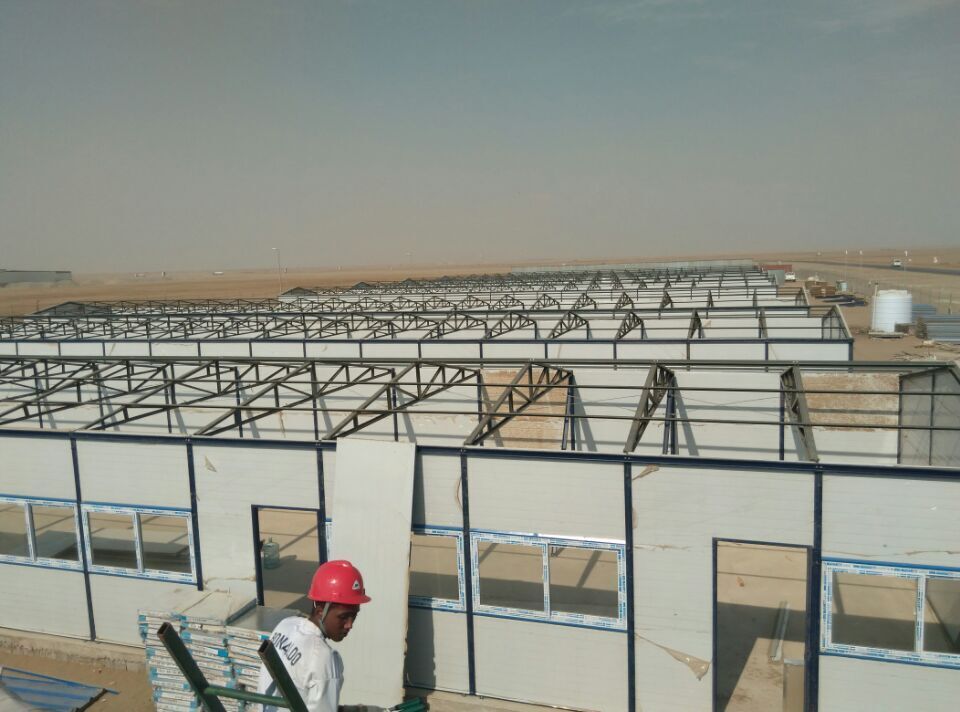
1. The Core Pain Points of Traditional Construction Projects
To fully appreciate the value of easy install sandwich panel houses in streamlining projects, it is critical to first examine the persistent pain points of traditional construction methods—pain points that have plagued the industry for decades and continue to hinder project efficiency. These challenges not only delay project delivery but also increase costs, waste resources, and introduce unnecessary risks, creating a need for a more streamlined approach.
1.1 Prolonged Project Timelines
One of the most significant challenges of traditional construction is the length of time required to complete projects. Traditional methods rely on on-site construction processes that are inherently slow: foundation pouring requires curing time (often 7-14 days), masonry work is labor-intensive and time-consuming, and on-site cutting and fitting of materials add additional delays. For example, a 1,000-square-meter residential building constructed using traditional brick-and-mortar methods typically takes 4-6 months to complete, while a similar-sized industrial warehouse can take 6-12 months. These prolonged timelines not only delay the project’s handover and revenue generation but also increase the risk of cost overruns due to extended labor, equipment rental, and site management fees. Weather conditions further exacerbate this issue: rain, snow, or extreme temperatures can halt on-site work for days or even weeks, pushing timelines even further behind schedule. In contrast, easy install sandwich panel houses eliminate many of these delays by leveraging prefabricated components that require minimal on-site work, significantly reducing overall project duration.
1.2 High Labor Costs and Skilled Labor Shortages
Traditional construction is highly labor-intensive, requiring a large workforce of skilled tradespeople—including masons, carpenters, electricians, and plumbers—to complete on-site tasks. In many regions around the world, there is a growing shortage of skilled construction labor, driving up labor costs and making it difficult for project teams to find qualified workers. Even when skilled labor is available, the sheer number of workers required for traditional construction increases labor expenses, which typically account for 30-40% of a project’s total cost. For example, a traditional 500-square-meter warehouse may require a team of 15-20 skilled workers working for 3-4 months, while an easy install sandwich panel warehouse of the same size can be assembled by a team of 5-8 workers with basic training in just 2-4 weeks. This reduction in labor requirements not only lowers costs but also eliminates the risks associated with skilled labor shortages, ensuring that projects can proceed on schedule regardless of local labor market conditions.
1.3 Excessive Material Waste and Cost Inefficiencies
Traditional on-site construction generates significant material waste, as materials are often cut, shaped, and adjusted on location to fit the project’s requirements. According to industry data, traditional construction methods typically result in 10-15% material waste, with some projects generating waste levels as high as 20%. This waste not only increases material costs but also contributes to environmental harm, as unused materials end up in landfills. For example, cutting lumber, concrete blocks, or steel on-site often results in offcuts that cannot be reused, while over-ordering materials to account for potential waste further drives up costs. In addition, traditional construction requires the transportation of raw materials (such as cement, sand, bricks, and lumber) to the site, which increases transportation costs and carbon emissions. Easy install sandwich panel houses address this issue by using prefabricated components that are manufactured to precise specifications in a controlled factory environment, reducing material waste to less than 2%. This waste reduction not only lowers material costs but also simplifies supply chain management, as project teams can order exactly the number of panels needed, eliminating over-ordering and excess inventory.
1.4 Complex Project Management and Coordination
Traditional construction projects require extensive coordination between multiple contractors, suppliers, and tradespeople, making project management complex and time-consuming. Project managers must coordinate the delivery of raw materials, schedule skilled labor, monitor on-site progress, and address issues such as delays, errors, and safety concerns—all while ensuring compliance with local building codes and regulations. This complexity increases the risk of miscommunication, delays, and cost overruns. For example, a delay in the delivery of cement can halt foundation work, which in turn delays masonry work and other subsequent tasks. In contrast, easy install sandwich panel houses simplify project management by reducing the number of stakeholders and streamlining workflows. Since most components are prefabricated and delivered to the site ready for assembly, project teams can coordinate delivery schedules more easily, eliminate the need for multiple contractors, and monitor progress more efficiently. This simplification reduces the burden on project managers and minimizes the risk of delays and miscommunication.
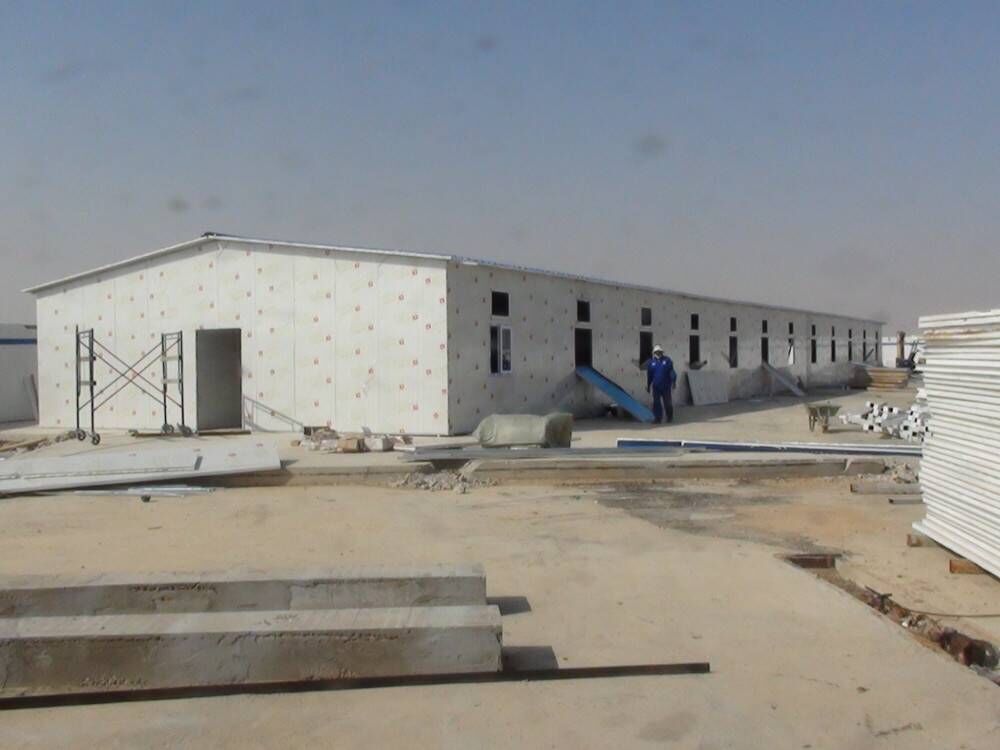
2. How Easy Install Sandwich Panel Houses Streamline Your Project
Easy install sandwich panel houses address the core pain points of traditional construction by leveraging prefabrication, modular design, and user-friendly installation features to streamline every stage of the project lifecycle. From design and material sourcing to on-site assembly and final handover, these structures simplify workflows, reduce delays, lower costs, and improve overall project efficiency. Below are the key ways in which easy install sandwich panel houses streamline construction projects, supported by practical examples and data.
2.1 Dramatically Shorten Project Timelines
The most significant advantage of easy install sandwich panel houses in streamlining projects is their ability to reduce project timelines by 40-60% compared to traditional construction methods. This is achieved through several key design and manufacturing features: prefabrication of components, minimal on-site work, and fast assembly. Unlike traditional construction, where most work is done on-site, easy install sandwich panels are manufactured in a controlled factory environment while the project’s foundation is being prepared. This parallel workflow eliminates the sequential delays of traditional construction, allowing project teams to complete multiple tasks simultaneously. For example, while the foundation is being poured and cured, the sandwich panels, roof trusses, and other components are being manufactured and transported to the site. Once the foundation is ready, the panels can be assembled on-site in a matter of days or weeks, rather than months.
To illustrate this, consider a 1,200-square-meter industrial warehouse project. Using traditional steel-frame and masonry construction, this project would typically take 6-8 months to complete. In contrast, an easy install sandwich panel warehouse of the same size can be completed in just 6-8 weeks—including foundation preparation, panel delivery, and on-site assembly. This dramatic reduction in timeline not only allows the project to be handed over faster but also enables the client to start using the building sooner, generating revenue earlier and reducing the risk of cost overruns. Even for larger projects, such as a 5,000-square-meter multi-story office building, easy install sandwich panel houses can reduce timelines by 50% or more, completing the project in 3-4 months instead of 6-8 months.
2.2 Reduce Labor Costs and Eliminate Skilled Labor Dependencies
Easy install sandwich panel houses significantly reduce labor requirements and eliminate the need for skilled tradespeople, making them an ideal solution for projects facing skilled labor shortages or high labor costs. As mentioned earlier, traditional construction requires a large team of skilled workers to complete on-site tasks such as masonry, cutting, and fitting. In contrast, easy install sandwich panels are designed to be assembled by teams with basic training, requiring only 5-8 workers for most medium-sized projects—compared to 15-20 workers for traditional construction. This reduction in labor requirements lowers labor costs by 30-50%, a significant savings for any project.
The user-friendly design of easy install sandwich panels contributes to this labor efficiency. Most panels feature interlocking systems (such as tongue-and-groove connections or snap-lock mechanisms) that require no specialized tools or skills to assemble. For example, a team of workers with basic training can install 100-150 square meters of sandwich panels per day, compared to just 20-30 square meters per day for traditional masonry work. In addition, the lightweight nature of sandwich panels (typically 10-15 kg per square meter) eliminates the need for heavy lifting equipment, further reducing labor and equipment costs. This ease of installation also means that project teams can quickly train local workers, reducing reliance on imported skilled labor and supporting local economic development.
2.3 Minimize Material Waste and Simplify Supply Chain Management
Easy install sandwich panel houses streamline projects by minimizing material waste and simplifying supply chain management—two critical factors that contribute to cost efficiency and project smoothness. As prefabricated components, sandwich panels are manufactured to precise specifications in a controlled factory environment, ensuring that each panel fits perfectly with the others. This eliminates the need for on-site cutting and fitting, reducing material waste to less than 2%—compared to 10-15% for traditional construction. This waste reduction not only lowers material costs but also reduces the time and effort required to dispose of unused materials, further streamlining the project.
In addition, easy install sandwich panel houses simplify supply chain management by reducing the number of materials that need to be sourced and transported to the site. Traditional construction requires sourcing multiple raw materials (cement, sand, bricks, lumber, steel, etc.), each from different suppliers, which increases the risk of delivery delays and supply chain disruptions. In contrast, easy install sandwich panel houses require only a few key components—sandwich panels, fasteners, and optional accessories—all of which can be sourced from a single supplier. This reduces the number of supplier relationships that project teams need to manage, simplifies delivery scheduling, and minimizes the risk of delays due to missing or late materials. For example, a 1,000-square-meter sandwich panel house requires only 80-100 panels (depending on panel size), which can be delivered in a single shipment, compared to multiple shipments of raw materials for traditional construction.
2.4 Simplify Project Management and Reduce Risks
Easy install sandwich panel houses streamline project management by reducing complexity, minimizing risks, and making progress easier to monitor. Traditional construction projects require extensive coordination between multiple contractors, suppliers, and tradespeople, which increases the risk of miscommunication, delays, and errors. In contrast, easy install sandwich panel houses require only a single contractor (or even an in-house team with basic training) to handle the on-site assembly, eliminating the need for multiple subcontractors. This simplifies project coordination, reduces the number of meetings and updates required, and allows project managers to focus on core tasks such as timeline monitoring and quality control.
Furthermore, the prefabricated nature of sandwich panels ensures consistent quality, reducing the risk of errors and rework. In traditional construction, on-site errors (such as poorly mixed concrete, misaligned bricks, or incorrect cutting) can lead to costly rework and delays. Easy install sandwich panels are manufactured under strict quality control standards, ensuring that each panel meets the required specifications for strength, durability, and fit. This reduces the need for on-site inspections and rework, further streamlining the project and reducing risks. Additionally, the fast assembly time of sandwich panel houses reduces the project’s exposure to weather-related delays, as most on-site work is completed quickly and can be scheduled around inclement weather.
2.5 Enhance Flexibility and Adaptability
Another key way that easy install sandwich panel houses streamline projects is through their flexibility and adaptability, which allow project teams to adjust to changing requirements without significant delays or cost overruns. Traditional construction is inflexible—once the foundation is poured and walls are built, making changes (such as expanding the building or modifying the layout) is difficult, time-consuming, and expensive. In contrast, easy install sandwich panel houses are modular, meaning that additional panels can be added or removed quickly to adjust the size or layout of the building. For example, if a client decides to expand a 500-square-meter warehouse to 700 square meters midway through the project, additional sandwich panels can be manufactured and installed in just a few days, with minimal impact on the overall timeline.
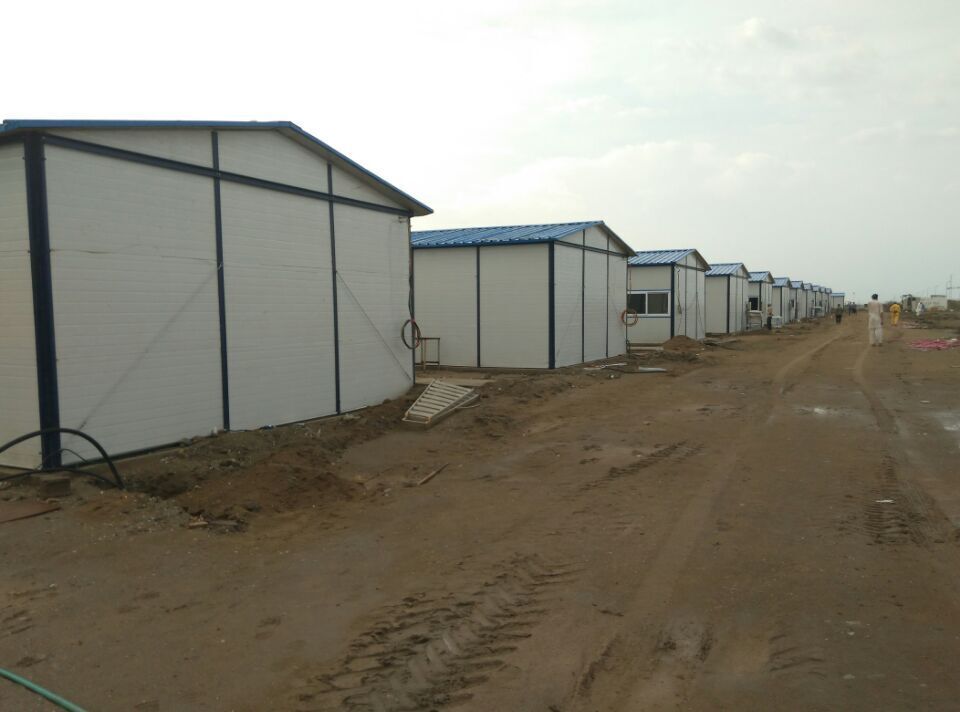
This flexibility is particularly valuable for temporary or semi-permanent projects, such as construction site offices, event venues, or humanitarian shelters. Sandwich panel houses can be quickly assembled, disassembled, and relocated to other sites, making them a cost-effective and sustainable solution for projects with changing needs. For example, a construction company can use a sandwich panel office for one project, then disassemble it and relocate it to another project site, eliminating the need to build a new office each time. This adaptability not only streamlines the current project but also provides long-term value by allowing the structure to be reused for future projects.
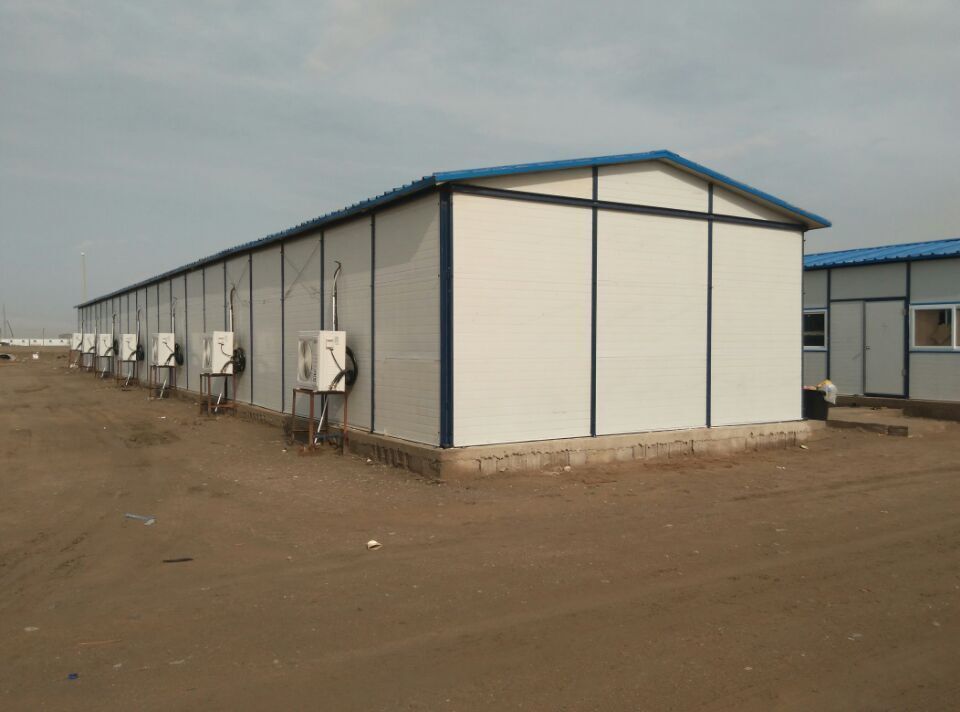
3. Key Technologies Enabling Easy Installation & Project Streamlining
The ability of easy install sandwich panel houses to streamline construction projects is made possible by several key technologies and design innovations. These technologies focus on simplifying assembly, reducing labor requirements, and ensuring consistent quality, all while maintaining the durability and performance of the structure. Below are the most critical technologies that enable easy installation and project streamlining.
3.1 Modular and Prefabricated Design
Modular and prefabricated design is the foundation of easy install sandwich panel houses. Unlike traditional construction, where components are built on-site, sandwich panels are prefabricated in a factory to precise specifications. This means that each panel is designed to fit perfectly with the others, eliminating the need for on-site adjustments. Modular design takes this a step further by dividing the building into standardized modules (each consisting of multiple panels) that can be assembled quickly on-site. For example, a residential unit can be divided into 2-3 modules, each containing walls, floors, and roof panels, which are then transported to the site and joined together. This modular approach reduces the number of components that need to be assembled on-site, simplifying the process and reducing installation time.
3.2 User-Friendly Connection Systems
One of the most important technologies enabling easy installation is the development of user-friendly connection systems. Easy install sandwich panels feature interlocking mechanisms that allow panels to be joined together quickly and securely without the need for specialized tools or skills. The most common connection systems include tongue-and-groove connections, snap-lock mechanisms, and bolted connections (with pre-drilled holes for easy alignment). For example, tongue-and-groove connections allow panels to be slid together and locked in place, creating a tight, weatherproof seal. Snap-lock mechanisms work similarly, with panels snapping together to form a secure bond. These connection systems not only reduce installation time but also ensure that the structure is stable and weather-resistant, eliminating the need for additional sealing or reinforcement.
3.3 Lightweight and High-Strength Materials
Easy install sandwich panels are constructed using lightweight yet high-strength materials, which simplifies handling and installation. The outer facings of the panels are typically made of thin, high-strength steel or aluminum (0.5-0.8 mm thick), while the core material (EPS, PIR, or rock wool) is lightweight and insulating. This combination results in panels that weigh just 10-15 kg per square meter—significantly lighter than traditional building materials such as brick (20-30 kg per square meter) or concrete (50-60 kg per square meter). The lightweight nature of the panels eliminates the need for heavy lifting equipment, allowing workers to handle and install the panels manually or with simple tools such as forklifts. Despite their lightweight, sandwich panels are highly strong and durable, with a compressive strength of up to 15 MPa and a tensile strength of up to 5 MPa, ensuring that the structure can withstand wind, snow, and other environmental stresses.
3.4 Prefabricated Integrated Components
To further streamline installation, many easy install sandwich panel houses include prefabricated integrated components, such as windows, doors, electrical outlets, and plumbing fixtures. These components are installed in the panels during the factory manufacturing process, eliminating the need for on-site installation of these items. For example, a wall panel may come with a pre-installed window frame and glass, or a floor panel may include pre-installed electrical wiring and outlets. This integration reduces the number of on-site tasks required, simplifies the installation process, and ensures that components are installed correctly and securely. It also eliminates the need for separate contractors for electrical, plumbing, and window installation, further streamlining project management.

4. Real-World Applications: Streamlined Projects with Easy Install Sandwich Panel Houses
Easy install sandwich panel houses have been successfully used in a wide range of construction projects across the globe, demonstrating their ability to streamline workflows, reduce timelines, and lower costs. Below are four detailed case studies that highlight the practical application of these structures and the tangible benefits they delivered in terms of project streamlining. These case studies cover different project types and regions, showcasing the versatility and effectiveness of easy install sandwich panel houses.
4.1 Case Study 1: Residential Development in Berlin, Germany
Background: A German real estate developer planned to build a 20-unit residential complex in Berlin, targeting young professionals and families. The project had a tight timeline of 4 months and a budget of €1.2 million, with the goal of delivering affordable, high-quality housing quickly. Traditional construction methods in Berlin typically take 8-10 months for a similar-sized complex, making it impossible to meet the client’s timeline. In addition, the local skilled labor shortage was a concern, as finding enough masons and carpenters to complete the project on time would be challenging.
Solution: The developer chose to use easy install sandwich panel houses with EPS core panels (100 mm thick) and steel facings. The complex was designed as 20 modular units (each 50 square meters, 2 bedrooms and 1 bathroom), with prefabricated integrated windows, doors, and electrical components. The panels were manufactured in a factory in Hamburg while the foundation was being prepared in Berlin, allowing for parallel workflow. The installation team consisted of 6 local workers with basic training, who were trained by the panel supplier in just 2 days to use the tongue-and-groove connection system.
Results: The 20-unit complex was completed in just 3.5 months—2 weeks ahead of schedule—and cost €1.1 million, 8% under budget. The easy install panels allowed the team to install 4 units per week, with each unit taking just 1-2 days to assemble. The elimination of skilled labor requirements meant that the developer did not have to worry about the local labor shortage, and the prefabricated components reduced material waste to less than 1%. The residents moved in on schedule, and the developer was able to generate rental income earlier than expected. The complex also met all German building codes for energy efficiency, with the EPS core providing excellent insulation (U-value of 0.28 W/m²K), reducing utility costs for residents. The success of this project led the developer to use easy install sandwich panels for two additional residential projects in Munich and Frankfurt.
4.2 Case Study 2: Industrial Warehouse in Dallas, USA
Background: A U.S.-based manufacturing company needed to build a 3,000-square-meter industrial warehouse in Dallas to store raw materials and finished products. The project had a timeline of 8 weeks and a budget of $500,000, with the goal of delivering a durable, fire-resistant warehouse that could withstand Texas’s hot climate (temperatures up to 40°C) and occasional severe storms. Traditional warehouse construction in Dallas typically takes 4-6 months and costs $700,000-$800,000, making it too slow and expensive for the company’s needs.
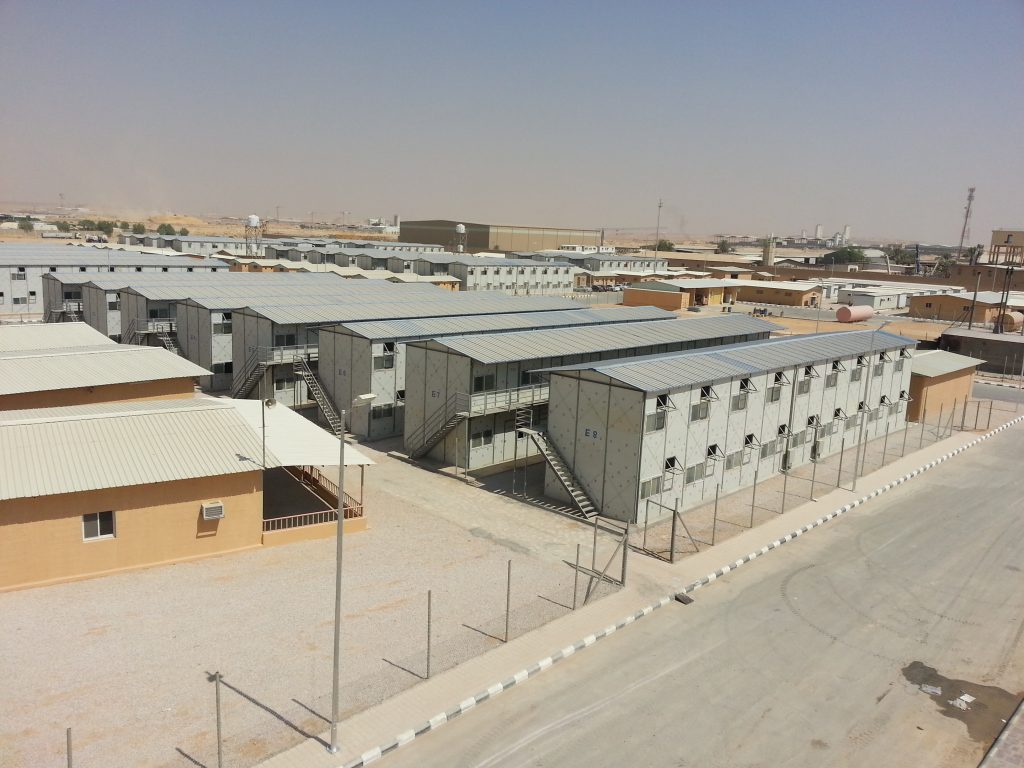
Solution: The company selected easy install sandwich panel houses with PIR core panels (150 mm thick) and galvanized steel facings, which offer excellent fire resistance (Class A fire rating) and insulation. The warehouse was designed as a single large module with a clear span of 15 meters, using prefabricated roof panels and wall panels with snap-lock connections. The panels were manufactured in a factory in Houston and delivered to Dallas in two shipments. The installation team consisted of 7 workers, who used simple tools (forklifts and drills) to assemble the panels. The warehouse also included prefabricated fire-resistant doors and ventilation systems, which were integrated into the panels during manufacturing.
Results: The warehouse was completed in just 7 weeks—1 week ahead of schedule—and cost $470,000, 6% under budget. The easy install panels allowed the team to install 500 square meters of panels per week, with the entire warehouse structure (walls and roof) assembled in just 4 weeks. The PIR core provided excellent insulation, reducing the company’s cooling costs by 30% compared to traditional warehouses. The galvanized steel facings and snap-lock connections ensured that the warehouse was weather-resistant, withstanding a severe thunderstorm (wind speeds up to 120 km/h) just 1 month after completion with no damage. The company was able to move its inventory into the warehouse on schedule, avoiding costly storage fees at a third-party facility. The warehouse also met all Texas building codes for fire safety and structural integrity, providing the company with peace of mind.
4.3 Case Study 3: Temporary Construction Office in Sydney, Australia
Background: A construction company in Sydney needed a temporary office complex for a 12-month infrastructure project (road expansion). The complex needed to include 5 offices, a meeting room, and a break room (total 200 square meters), with a timeline of 2 weeks and a budget of $80,000. The office needed to be easy to assemble, disassemble, and relocate, as the company planned to reuse it for future projects. Traditional temporary offices (such as container offices) are often expensive and time-consuming to modify, and they lack the comfort and insulation needed for Sydney’s variable climate (hot summers and cool winters).
Solution: The company chose easy install sandwich panel houses with rock wool core panels (80 mm thick) and aluminum facings, which are lightweight, durable, and easy to disassemble. The office complex was designed as 6 modular units (each 30-40 square meters), with prefabricated windows, doors, and air conditioning units. The panels featured a bolted connection system that allowed for quick assembly and disassembly. The panels were manufactured in a factory in Brisbane and delivered to Sydney in a single shipment. The installation team consisted of 4 workers, who assembled the entire complex in just 10 days.
Results: The office complex was completed in 10 days—4 days ahead of schedule—and cost $75,000, 6% under budget. The easy install panels allowed the team to assemble one module per day, with minimal effort. The rock wool core provided excellent insulation, keeping the offices cool in summer and warm in winter, and the aluminum facings were resistant to corrosion, ensuring durability in Sydney’s coastal climate. After the 12-month infrastructure project was completed, the complex was disassembled in just 3 days and relocated to another construction site in Melbourne, where it was reassembled in 8 days. This reusability saved the company $60,000 compared to building a new temporary office for the Melbourne project. The employees praised the comfort and functionality of the office, noting that it was far superior to traditional container offices.
4.4 Case Study 4: Humanitarian Shelters in Kampala, Uganda
Background: A humanitarian organization needed to build 100 temporary shelters in Kampala, Uganda, to house families displaced by severe flooding. The project had a timeline of 3 weeks and a budget of $150,000, with the goal of delivering safe, durable shelters that could withstand heavy rains and high humidity. The shelters needed to be easy to install by local workers with no construction experience, as skilled labor was scarce in the region. Traditional humanitarian shelters (such as tents) are not durable enough to withstand Uganda’s climate and require frequent replacement, making them costly in the long run.
Solution: The organization selected easy install sandwich panel houses with EPS core panels (50 mm thick) and steel facings, which are lightweight, durable, and easy to assemble. The shelters were designed as 15-square-meter units (each housing a family of 4-5), with prefabricated doors and windows. The panels featured a simple tongue-and-groove connection system that required no tools—panels could be slid together by hand. The panels were manufactured in a factory in Kenya and delivered to Kampala in three shipments. The organization trained 20 local workers (with no construction experience) in just 1 day to assemble the shelters.
Results: The 100 shelters were completed in just 2 weeks—1 week ahead of schedule—and cost $140,000, 7% under budget. The local workers were able to assemble 5-6 shelters per day, with each shelter taking just 1-2 hours to complete. The EPS core provided protection from the rain and humidity, and the steel facings were resistant to pests and damage. The shelters withstood heavy rains and flooding in the months following installation, with no damage reported. The local workers gained valuable skills, and many of them were hired by local construction companies after the project was completed. The humanitarian organization was able to provide safe, durable housing to displaced families quickly, and the shelters are now being used as permanent homes by many families, demonstrating the long-term value of easy install sandwich panel houses.
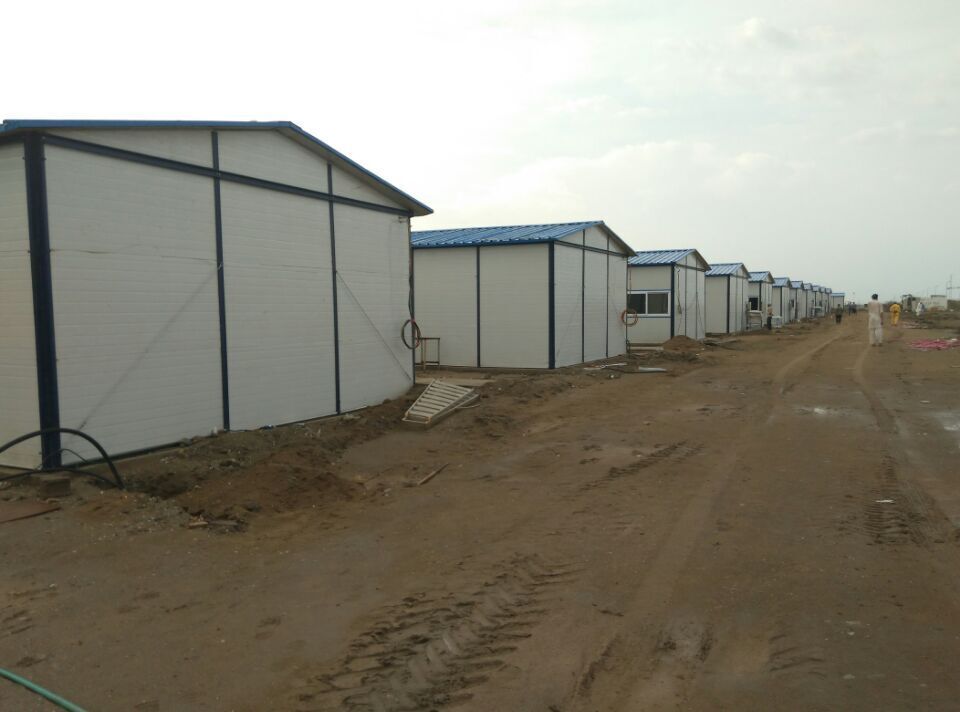
5. Comparison: Easy Install Sandwich Panels vs. Traditional Construction & Standard Sandwich Panels
To further highlight the value of easy install sandwich panel houses in streamlining projects, it is helpful to compare them to traditional construction methods and standard (non-easy install) sandwich panels. This comparison focuses on key project-related metrics, such as timeline, labor requirements, material waste, cost, and project management complexity, to demonstrate why easy install sandwich panels are the optimal choice for streamlining construction projects.
5.1 Timeline Comparison
Traditional construction: A 1,000-square-meter building takes 4-6 months to complete, with foundation curing, masonry work, and on-site fitting contributing to delays. Weather conditions can add an additional 2-4 weeks to the timeline.
Standard sandwich panels: A 1,000-square-meter building takes 2-3 months to complete, as the panels require specialized labor and tools for installation, and on-site adjustments are often needed.
Easy install sandwich panels: A 1,000-square-meter building takes 4-8 weeks to complete, with parallel workflow (foundation preparation and panel manufacturing) and fast assembly reducing delays. Weather conditions have minimal impact, as most on-site work is completed quickly.
5.2 Labor Requirements Comparison
Traditional construction: Requires 15-20 skilled workers (masons, carpenters, electricians) for a 1,000-square-meter project, with labor costs accounting for 30-40% of total project cost.
Standard sandwich panels: Requires 10-12 skilled workers (with experience in panel installation) for a 1,000-square-meter project, with labor costs accounting for 25-30% of total project cost.
Easy install sandwich panels: Requires 5-8 workers with basic training for a 1,000-square-meter project, with labor costs accounting for 15-20% of total project cost. No specialized skills or tools are needed.
5.3 Material Waste Comparison
Traditional construction: Generates 10-15% material waste due to on-site cutting, fitting, and over-ordering, increasing material costs by 10-15%.
Standard sandwich panels: Generates 3-5% material waste due to on-site adjustments and cutting, increasing material costs by 3-5%.
Easy install sandwich panels: Generates less than 2% material waste due to prefabricated components manufactured to precise specifications, with no on-site cutting or fitting required.
5.4 Project Management Complexity Comparison
Traditional construction: Requires coordination between multiple contractors, suppliers, and tradespeople, with frequent meetings and updates needed to manage delays and errors.
Standard sandwich panels: Requires coordination between a panel supplier and installation contractor, with some on-site adjustments needed, increasing complexity.
Easy install sandwich panels: Requires coordination with a single supplier and a small installation team, with minimal on-site adjustments and consistent quality reducing the burden on project managers.

6. Common Challenges & Solutions in Implementing Easy Install Sandwich Panel House Projects
While easy install sandwich panel houses are designed to streamline projects, there are still some common challenges that project teams may face during implementation. These challenges are typically minor and can be easily addressed with proper planning and preparation. Below are the most common challenges and practical solutions to ensure that your project runs smoothly.
6.1 Challenge: Lack of Awareness or Skepticism About Easy Install Panels
Many project stakeholders (developers, contractors, clients) may be unfamiliar with easy install sandwich panel houses or may be skeptical about their durability, performance, or ability to meet building codes. This skepticism can delay decision-making and hinder project progress.
Solution: Provide stakeholders with detailed information about easy install sandwich panels, including test reports, certifications, and case studies. Arrange for site visits to completed projects to demonstrate the panels’ durability and performance. Work with reputable panel suppliers who can provide warranties and technical support, giving stakeholders peace of mind. Additionally, educate stakeholders about the cost and time savings associated with easy install panels, highlighting their value in streamlining projects.
6.2 Challenge: Foundation Preparation Requirements
While easy install sandwich panel houses reduce on-site work, they still require a level, stable foundation—just like traditional buildings. Poor foundation preparation can lead to installation delays and structural issues, undermining the project’s efficiency.
Solution: Plan the foundation preparation in parallel with panel manufacturing to ensure that the foundation is ready when the panels are delivered. Work with experienced foundation contractors who are familiar with easy install sandwich panel houses, as they require specific foundation specifications (such as a level concrete slab or strip foundation). Conduct regular inspections of the foundation during preparation to ensure that it meets the required standards, avoiding delays due to rework.
6.3 Challenge: Transportation and Logistics
Easy install sandwich panels are large and lightweight, which can make transportation and on-site storage challenging—especially for projects in remote or hard-to-reach locations. Delays in panel delivery can halt installation and delay the project.
Solution: Work with a panel supplier that has a strong logistics network and experience delivering panels to your project location. Plan the delivery schedule in advance, coordinating with the supplier to ensure that panels are delivered just-in-time (JIT) to avoid on-site storage costs and damage. Use appropriate transportation vehicles (such as flatbed trucks) to transport the panels, and ensure that the project site has adequate access for these vehicles. For remote projects, consider using local manufacturing facilities (if available) to reduce transportation time and costs.
6.4 Challenge: Compliance with Local Building Codes
Easy install sandwich panel houses must comply with local building codes and regulations, which vary by region. Failure to comply with these codes can result in fines, delays, or even the need to demolish and rebuild parts of the structure.
Solution: Research local building codes and regulations before designing the project, and work with a panel supplier who is familiar with these codes. Ensure that the panels are certified to meet local standards for strength, fire resistance, energy efficiency, and weather resistance. Submit all necessary documentation (such as panel test reports and building plans) to local authorities for approval before starting installation. Work with a local building inspector to conduct regular on-site inspections, ensuring that the project complies with all codes and regulations.
7. Future Outlook: Innovations in Easy Install Sandwich Panels & Project Streamlining
The future of easy install sandwich panel houses is bright, with ongoing innovations in materials, design, and technology expected to further streamline construction projects and expand their applications. As the construction industry continues to prioritize efficiency, sustainability, and cost control, easy install sandwich panel houses are likely to become even more popular, with new advancements making them even easier to install, more durable, and more sustainable.
7.1 Advanced Material Innovations
Future innovations in core materials are expected to improve the performance and sustainability of easy install sandwich panels. For example, researchers are developing bio-based core materials (such as hemp or bamboo) that are renewable, biodegradable, and have excellent insulation properties. These materials will reduce the environmental impact of sandwich panels while maintaining their lightweight and easy install features. Additionally, advances in steel and aluminum facings will improve their durability and corrosion resistance, extending the lifespan of sandwich panel houses and reducing maintenance costs. Nanotechnology is also being explored to enhance the strength and fire resistance of panels, making them suitable for even more demanding applications (such as high-rise buildings).
7.2 Smart and Digital Integration
The integration of smart technologies and digital tools is expected to further streamline projects using easy install sandwich panel houses. For example, building information modeling (BIM) software can be used to design modular sandwich panel houses, allowing project teams to visualize the structure, optimize the design, and identify potential issues before manufacturing begins. This reduces the risk of errors and rework, streamlining the design process. Additionally, smart sensors can be integrated into sandwich panels during manufacturing to monitor the structure’s performance (such as temperature, humidity, and structural stress) in real time. This allows project teams to detect and address issues early, reducing maintenance costs and ensuring the structure’s durability.
7.3 Automation and Robotics
Automation and robotics are expected to revolutionize the manufacturing and installation of easy install sandwich panels. In factories, automated production lines will increase the speed and precision of panel manufacturing, reducing costs and improving quality. On-site, robotic installation systems (such as drones or automated forklifts) will further reduce labor requirements and installation time, allowing panels to be installed even faster. For example, a robotic arm could install sandwich panels with pinpoint accuracy, eliminating the need for human workers to handle heavy panels. This automation will not only streamline projects but also reduce the risk of workplace injuries, improving safety on construction sites.
7.4 Expanded Applications
As easy install sandwich panel houses become more advanced and versatile, their applications are expected to expand beyond residential, industrial, and temporary buildings. For example, they are increasingly being used in healthcare facilities (such as clinics and hospitals) due to their durability, hygiene, and easy maintenance. They are also being used in educational facilities (schools and universities) and commercial buildings (retail stores and offices), as they can be customized to meet the specific needs of these applications. In addition, easy install sandwich panel houses are being used in off-grid and remote locations, as they can be assembled quickly and do not require extensive infrastructure. With ongoing innovations, it is likely that these structures will be used in even more diverse applications in the future, further demonstrating their ability to streamline projects of all types.
8. Conclusion
In an industry where efficiency, cost control, and timely delivery are critical to success, easy install sandwich panel houses have emerged as a game-changing solution for streamlining construction projects. By addressing the core pain points of traditional construction—prolonged timelines, high labor costs, excessive material waste, and complex project management—these structures enable project teams to simplify workflows, reduce delays, and optimize resource allocation, delivering projects faster, cheaper, and more efficiently.
Throughout this article, we have explored how easy install sandwich panel houses streamline projects through their ability to dramatically shorten timelines (by 40-60% compared to traditional construction), reduce labor costs and eliminate skilled labor dependencies, minimize material waste (to less than 2%), simplify project management, and enhance flexibility and adaptability. We have also examined the key technologies enabling their easy installation—modular and prefabricated design, user-friendly connection systems, lightweight and high-strength materials, and prefabricated integrated components—and highlighted their practical application through real-world case studies across residential, industrial, temporary, and humanitarian projects. These case studies demonstrate that easy install sandwich panel houses deliver tangible benefits, including on-time or early project completion, cost savings of 6-10%, and improved quality and durability.
Furthermore, we have compared easy install sandwich panels to traditional construction and standard sandwich panels, showing that they outperform both in terms of timeline, labor requirements, material waste, and project management complexity. We have also addressed common challenges in implementing these projects and provided practical solutions to ensure smooth execution, as well as explored future innovations that will further enhance their ability to streamline projects—including advanced materials, smart and digital integration, automation and robotics, and expanded applications.
In conclusion, easy install sandwich panel houses are more than just a building solution—they are a project optimization tool that enables stakeholders to achieve their goals more efficiently and effectively. Whether you are a developer looking to deliver residential projects on time and under budget, a manufacturer needing a fast, durable warehouse, a construction company requiring a temporary office that can be reused, or a humanitarian organization needing to provide safe shelter quickly, easy install sandwich panel houses offer a streamlined, cost-effective, and sustainable solution. As the construction industry continues to evolve, these structures will play an increasingly important role in shaping the future of construction, enabling project teams to build better, faster, and smarter—one easy install panel at a time.
Related news
-
Lida Group Redefines Value with Low-Cost Durable Construction Methods
2026-02-05 15:57:07
-
Efficient Prefab Dormitory Built with Easy Install Sandwich Panel System
2026-02-05 14:50:16
-
Low-Cost Durable Construction Solutions for Prefab Dormitories by Lida Group
2026-02-05 14:02:03
contact us
- Tel: +86-532-88966982
- Whatsapp: +86-13793209022
- E-mail: sales@lidajituan.com
