



Streamline Housing with Easy Assembly Container Apartment Systems
2026-Jan-22 16:50:35
By Admin
The global housing crisis, exacerbated by rapid urbanization, labor shortages, and sustainability pressures, has pushed the construction industry to seek innovative solutions that simplify development while maintaining quality and affordability. Easy assembly container apartment systems have emerged as a transformative answer, redefining how housing is designed, manufactured, and deployed. By integrating modular engineering, standardized components, and user-friendly assembly processes, these systems eliminate the inefficiencies of traditional on-site construction—long timelines, high waste rates, and rigid designs. From urban affordable housing and student dormitories to disaster relief shelters and remote community residences, easy assembly container apartments streamline every stage of the housing lifecycle, offering a flexible, cost-effective, and sustainable alternative. This article explores the technical foundations, core advantages, diverse applications, market dynamics, and future trends of these systems, revealing how they are reshaping the global housing landscape.
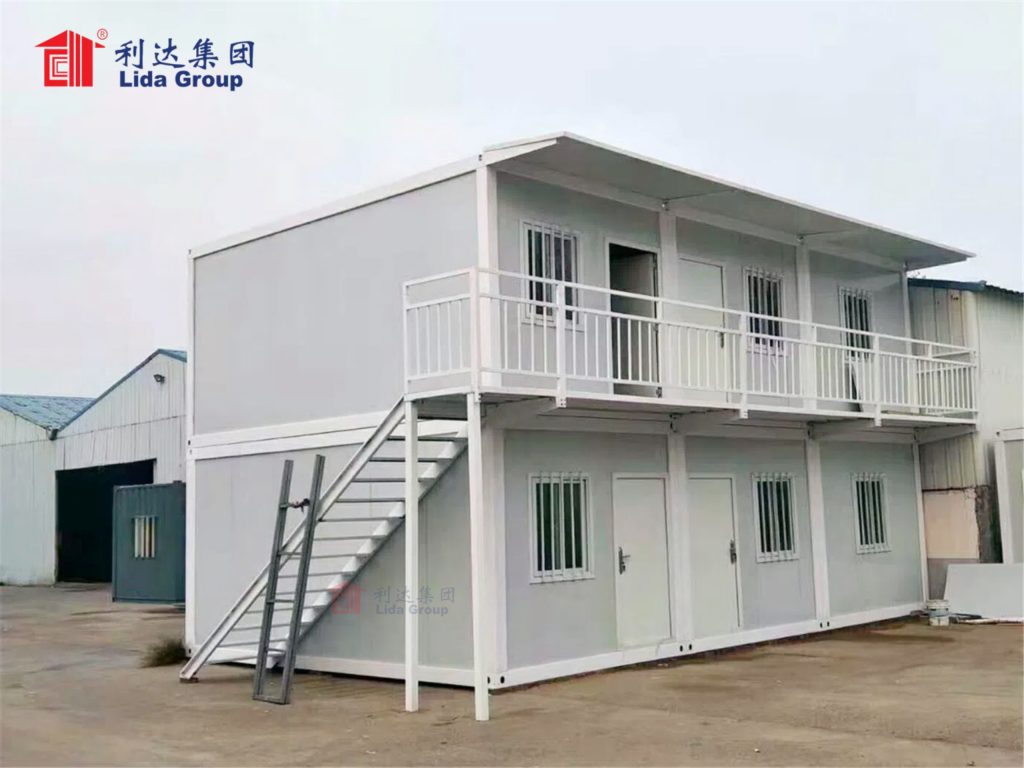
1. Market Context: The Rising Demand for Streamlined Housing Solutions
The global market for easy assembly container apartments is experiencing unprecedented growth, driven by converging economic, social, and regulatory factors. As traditional construction struggles to keep pace with housing demand—especially in fast-growing cities and underserved regions—modular container systems have become a strategic choice for governments, developers, and nonprofits. Recent industry data underscores this momentum: the global residential container market reached 914.96 billion yuan in 2025 and is projected to surpass 1751 billion yuan by 2032, with a compound annual growth rate (CAGR) of 9.72% . In China alone, the market size is expected to grow from 128.6 billion yuan in 2024 to 150.2 billion yuan in 2025, a year-on-year increase of 16.8% . This growth is fueled by three key drivers that highlight the urgent need for streamlined housing solutions.
1.1 Labor Shortages and Productivity Gaps
The construction industry worldwide is grappling with a chronic shortage of skilled labor, leading to project delays, rising costs, and compromised quality. In developed markets like Europe and North America, aging tradespeople are retiring faster than new workers enter the field, while emerging economies face a mismatch between labor supply and infrastructure demand. Easy assembly container apartment systems address this gap by minimizing on-site labor requirements and simplifying installation. Unlike traditional construction, which relies on teams of specialized workers (electricians, plumbers, carpenters) for on-site fabrication, these systems use pre-manufactured components that can be assembled by a small, semi-skilled team. For instance, a standard 20ft container apartment unit can be installed by 2 workers in 4 hours, and a 10-unit complex can be fully assembled in 3 days—60% faster than conventional building methods. This efficiency not only reduces reliance on scarce skilled labor but also accelerates project delivery, a critical advantage in time-sensitive housing projects.
1.2 Policy Support for Modular and Sustainable Construction
Governments worldwide are prioritizing modular and prefabricated construction as part of their sustainable development and housing affordability goals. In China, the 《14th Five-Year Plan for Construction Industry Development》 mandates that prefabricated buildings account for over 30% of new constructions by 2025, with the central government allocating 3.87 billion yuan in 2024 to support container-based resettlement housing . Local policies further incentivize adoption: Guangdong Province requires 100% of temporary housing for large infrastructure projects to use container systems, while Jiangsu Province offers subsidies of 300 yuan per square meter for container apartment developments . In the European Union, the Green Deal provides funding for sustainable modular housing, and the Netherlands has become a global leader in container-based student housing—Amsterdam now boasts the world’s largest concentration of container apartments, including a 1,000-room complex for university students . These policies reduce barriers to adoption, making easy assembly container systems a viable option for public and private projects alike.
1.3 Sustainability and Circular Economy Goals
As the world strives for carbon neutrality, easy assembly container apartments align with circular economy principles and sustainability targets. These systems repurpose or use recycled steel—each 40ft container unit reduces steel consumption by 3.5 tons and cuts carbon emissions by 65% compared to traditional concrete structures . The steel frames are 100% recyclable, and insulation materials (such as rock wool and fiberglass) are low-VOC, non-toxic, and energy-efficient. Additionally, the modular design enables reusability: units can be disassembled, transported to new sites, and reassembled with minimal wear, reducing construction waste and the environmental impact of demolition. For organizations and governments committed to reducing their carbon footprint, these systems offer a tangible path to sustainable housing without compromising cost or functionality.

2. Technical Innovations: The Engineering of Easy Assembly Systems
The success of easy assembly container apartment systems hinges on sophisticated engineering that balances simplicity, durability, and performance. Manufacturers have optimized every component—from structural frames to assembly mechanisms—to streamline installation while meeting international safety and quality standards. These technical innovations ensure that even semi-skilled teams can assemble complex apartment complexes with precision and speed.
2.1 Structural Design: Strength and Simplicity
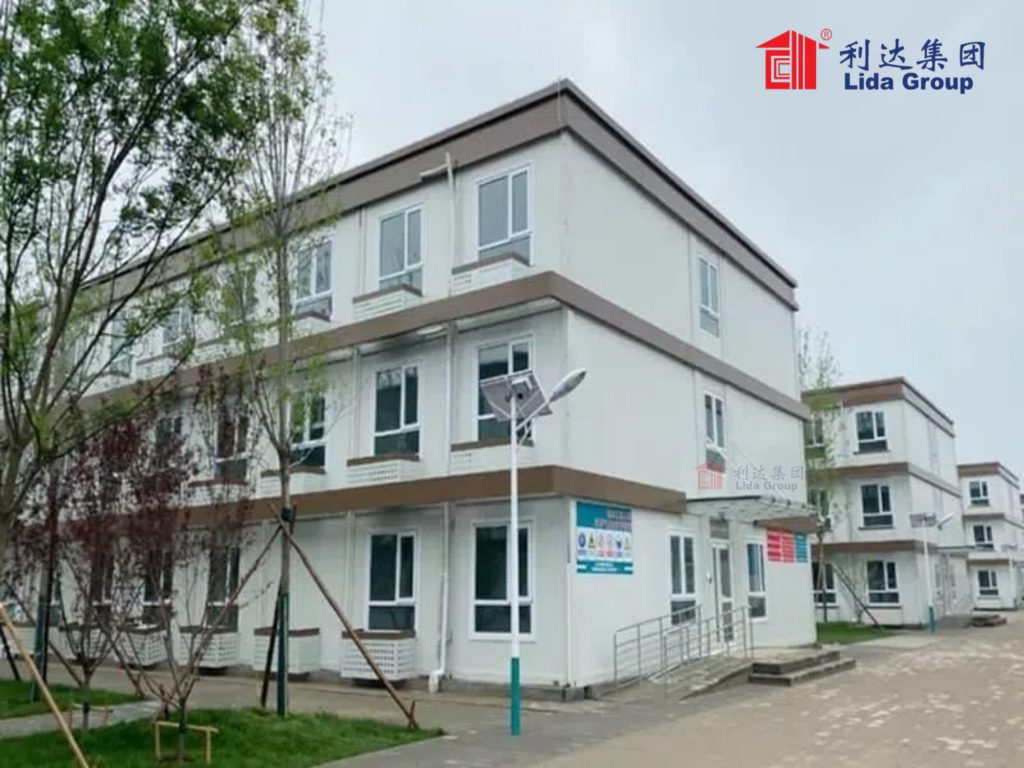
At the core of easy assembly container apartments is a high-strength steel frame, typically constructed from Q235 galvanized steel—a material renowned for its durability, corrosion resistance, and cost-effectiveness. The frame components (roof trusses, floor beams, corner pillars) are pre-cut, pre-drilled, and galvanized with a 40 g/m² zinc coating, ensuring resistance to harsh environments (from coastal salt spray to extreme temperatures ranging from -45℃ to 50℃). Corner pillars (210×150×30mm with a 2.75mm thickness) provide robust support for vertical stacking (up to 3 levels), meeting EN 12079 and GB 50017 standards for seismic resistance (grade 8) and wind resistance (up to 12 levels, 220 km/h). This structural integrity eliminates the need for on-site reinforcement, simplifying assembly and reducing costs.
Walls, roofs, and floors use integrated sandwich panels that combine insulation, weatherproofing, and structural support in a single prefabricated component. Two primary configurations are available: 75mm rock wool panels (A-class fire resistance, compliant with GB 8624-2012) for high-performance applications, and 50mm fiberglass panels for cost-sensitive projects. Rock wool insulation has a thermal conductivity coefficient of 0.038 W/(m·K), maintaining stable indoor temperatures, while fiberglass panels offer 60dB noise reduction—critical for multi-unit apartment complexes. The floor system (18mm fiber cement board, 100mm fiberglass insulation, 1.8mm anti-slip PVC flooring) supports a load capacity of 2.5 kN/㎡, sufficient for furniture, appliances, and heavy foot traffic.
2.2 Assembly Mechanisms: Streamlining Installation
The defining feature of these systems is their user-friendly assembly design, which eliminates the need for welding, cutting tools, or specialized skills. Two dominant assembly technologies have emerged to simplify installation:
-
Quick-Connect Modular Systems: These systems use ISO-compatible Twistlock connectors and pre-punched components that align with precision (combination error < 2mm/m). Each connection point can bear up to 25 tons, ensuring structural stability. A 2-person team can assemble a 3m×6m unit in 4 hours, and larger complexes scale efficiently—for example, a 40-unit worker dormitory in Indonesia was completed in 5 days by a small team, saving 30% of the construction period compared to traditional methods.
-
Hydraulic Folding Systems: For maximum portability and speed, folding container units use hydraulic rods to expand from a compact transport size to a spacious apartment in 15-20 minutes. These units double usable space (from 18㎡ to 22㎡) when unfolded and can be stacked 10 units per 40ft shipping container, reducing logistics costs by 50%. This design is ideal for emergency housing and temporary projects, as it requires no professional installation—on-site workers can deploy units with minimal training.
2.3 Smart and Digital Integration
Modern easy assembly container systems integrate digital and smart technologies to streamline operations and enhance livability. Digital twin technology, inspired by innovations like Tianjin Port’s smart yard management system , allows developers to simulate assembly, optimize layouts, and monitor component performance before deployment. This reduces errors and ensures that units meet specific project requirements. Smart home features are also pre-integrated in factory production, including:
-
Intelligent Energy Management: Roof-mounted monocrystalline silicon PV panels and lithium iron phosphate batteries provide renewable energy, with an AI-powered system that optimizes power distribution and reduces consumption by 70%.
-
Remote Monitoring: IoT sensors track temperature, humidity, and structural integrity, alerting managers to maintenance needs. For multi-unit complexes, a central control panel monitors occupancy and safety in real time.
-
Water Conservation: Low-flow fixtures and recycling systems reduce water usage by 40%, critical for apartments in water-scarce regions.
2.4 Compliance and Quality Assurance
Easy assembly container apartments meet stringent international standards to ensure safety and reliability. To enter global markets, units must obtain ISO, CE, and TÜV certifications, which mandate testing for structural strength, fire safety, and environmental performance. Fire safety is enhanced by A-class panels, hidden wiring, and sealed electrical compartments, while waterproofing systems (sealed joints, weatherstripping) pass IP65-level tests. For projects in earthquake-prone regions (e.g., Nepal, Japan), units are reinforced to meet local seismic codes, eliminating the need for costly post-assembly modifications.
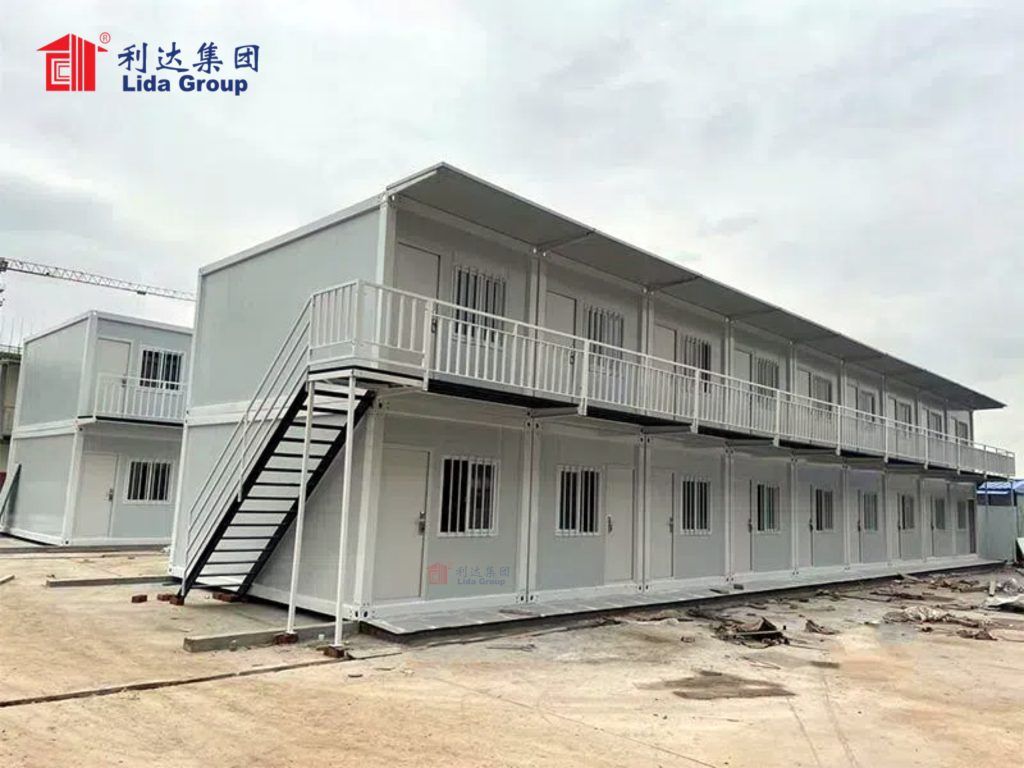
3. Core Advantages: Streamlining Housing Across the Lifecycle
Easy assembly container apartment systems deliver value at every stage of the housing lifecycle, from design and manufacturing to installation, operation, and end-of-life. These advantages make them a superior alternative to traditional construction, especially for projects requiring speed, flexibility, and cost control.
3.1 Rapid Deployment and Time Efficiency
Modular construction compresses project timelines by enabling simultaneous off-site manufacturing and on-site preparation. While foundation work proceeds, container units are produced in a factory—cutting overall project time by 30-50%. For easy assembly systems, this timeline is further reduced by simplified on-site work: a three-story apartment complex in Amsterdam was fully assembled in 72 hours, a feat impossible with traditional brick-and-mortar construction . In emergency scenarios, this speed is life-changing—after natural disasters, folding container units can be deployed and made habitable within 48 hours, providing shelter for displaced families faster than tents or temporary modular housing.
3.2 Cost Efficiency: Upfront and Long-Term Savings
These systems reduce total cost of ownership by 20-40% compared to traditional apartments. Upfront costs are lower due to standardized production, bulk material procurement, and reduced labor requirements: a 200-square-meter container apartment costs $50,000-$60,000, compared to $80,000-$100,000 for a conventional building of the same size. Logistics costs are minimized by compact design—standard units stack 4-6 per 40ft shipping container, and folding models stack 10 units, cutting transportation expenses by half. Long-term costs are controlled by low maintenance (annual costs under $500 per unit) and a 20+ year lifespan. When units are no longer needed, they can be relocated or repurposed, eliminating demolition costs and maximizing return on investment.
3.3 Flexibility and Adaptability
Unlike permanent buildings, easy assembly container apartments are designed for flexibility. Units can be combined horizontally or vertically to create complexes of any size, from single-family homes to 100+ unit apartment buildings. For urban developers, this means adapting to tight spaces or changing demand—adding units as occupancy grows or repurposing units for offices or retail as neighborhoods evolve. In rural areas, units can be relocated to follow population shifts or infrastructure projects. The “combination home unit” developed by New York’s Lotek Design Studio exemplifies this flexibility: a 40ft container apartment that can be towed by car, customized with luxury or minimalist interiors, and adapted for global travel . This adaptability ensures that housing solutions remain relevant even as needs change.
3.4 Minimal Environmental Impact
Easy assembly container systems align with global sustainability goals by reducing waste, carbon emissions, and resource consumption. Factory production minimizes material waste to 3%, compared to 15-20% in traditional construction. The use of recycled steel cuts carbon emissions by 65%, and energy-efficient insulation and smart systems lower operational carbon footprints. For developers seeking LEED or BREEAM certification, these systems offer a straightforward path to meeting sustainability criteria. Additionally, reusability supports circular economy principles—units used as student housing can later be repurposed as worker dormitories or emergency shelters, extending their useful life and reducing environmental impact.
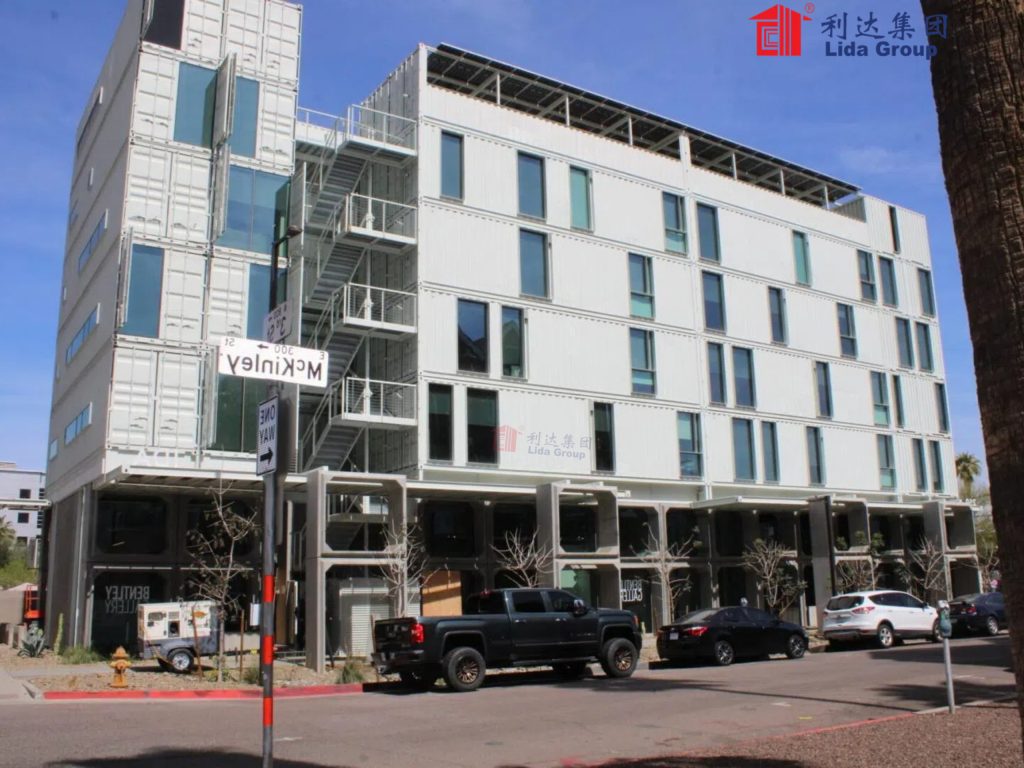
4. Diverse Applications: Streamlining Housing for Every Need
The versatility of easy assembly container apartment systems has expanded their use beyond temporary housing, making them a viable solution for a wide range of applications. Their ability to streamline deployment and adapt to specific needs has attracted clients from governments, developers, nonprofits, and educational institutions.
4.1 Urban Affordable Housing
Cities worldwide face a shortage of affordable housing, and container systems offer a fast, cost-effective solution. In Shanghai, a 156-unit container apartment complex was built in 60 days to address housing shortages for young professionals, with rents 30% lower than nearby traditional apartments. The complex features shared kitchens, laundry facilities, and smart home systems, meeting modern living expectations at an accessible price. In Europe, Amsterdam’s student container apartments provide 1,000 affordable rooms for university students, with assembly completed in 6 months—compared to 2-3 years for traditional dormitories . These projects demonstrate how container systems can streamline the delivery of affordable housing in dense urban areas.
4.2 Emergency Relief and Disaster Response
Natural disasters and humanitarian crises require rapid, scalable housing solutions, and easy assembly container systems excel in this role. After the 2008 Wenchuan earthquake, CIMC Group invested over 10 million yuan to build a container school in Yanmen Central School, providing classrooms and dormitories for 1,000+ students in just a few months . During the COVID-19 pandemic, Southeast Asian NGOs deployed 50 folding container units as quarantine centers, equipped with medical-grade ventilation and remote health monitoring. These units were later repurposed as community centers, ensuring long-term value from short-term investments. For emergency management agencies, the ability to pre-position units and deploy them within 48 hours makes container systems an indispensable tool.
4.3 Educational and Institutional Housing
Colleges, universities, and military institutions require housing that is fast to deploy, flexible, and cost-effective. In the Netherlands, container apartments have become a staple of student housing, with complexes offering amenities like study rooms, gyms, and social spaces . Military bases in remote regions (e.g., Mongolia) use container units to house personnel, with solar-storage integration ensuring off-grid power and thermal insulation maintaining comfort in extreme cold. These units can be relocated as patrol routes or base locations change, supporting dynamic institutional needs.
4.4 Remote and Rural Communities
Remote mining camps, rural villages, and off-grid communities benefit from the portability and self-sufficiency of container apartment systems. In Indonesia’s mining sector, 40 container units were deployed to house 200 workers, with assembly completed in 5 days and shared facilities (kitchens, recreational spaces) improving worker well-being. In rural China, container apartments are used to address housing shortages for farmers and teachers, with customized designs that integrate local architectural styles. For communities without access to traditional construction resources, these systems streamline housing delivery without compromising quality.
4.5 Commercial and Mixed-Use Developments
Developers are increasingly using easy assembly container systems for mixed-use projects, combining housing with retail, offices, or hospitality spaces. In Thailand, a “Internet-famous” guesthouse was built from 10 custom container units, featuring rattan furniture, solid wood floors, and outdoor terraces. The units were manufactured and shipped in 45 days, with no on-site decoration needed, achieving a 90% monthly occupancy rate. In urban areas, container apartments are integrated into mixed-use complexes, offering flexible housing options that complement commercial spaces. This versatility allows developers to streamline project delivery and adapt to changing market demands.
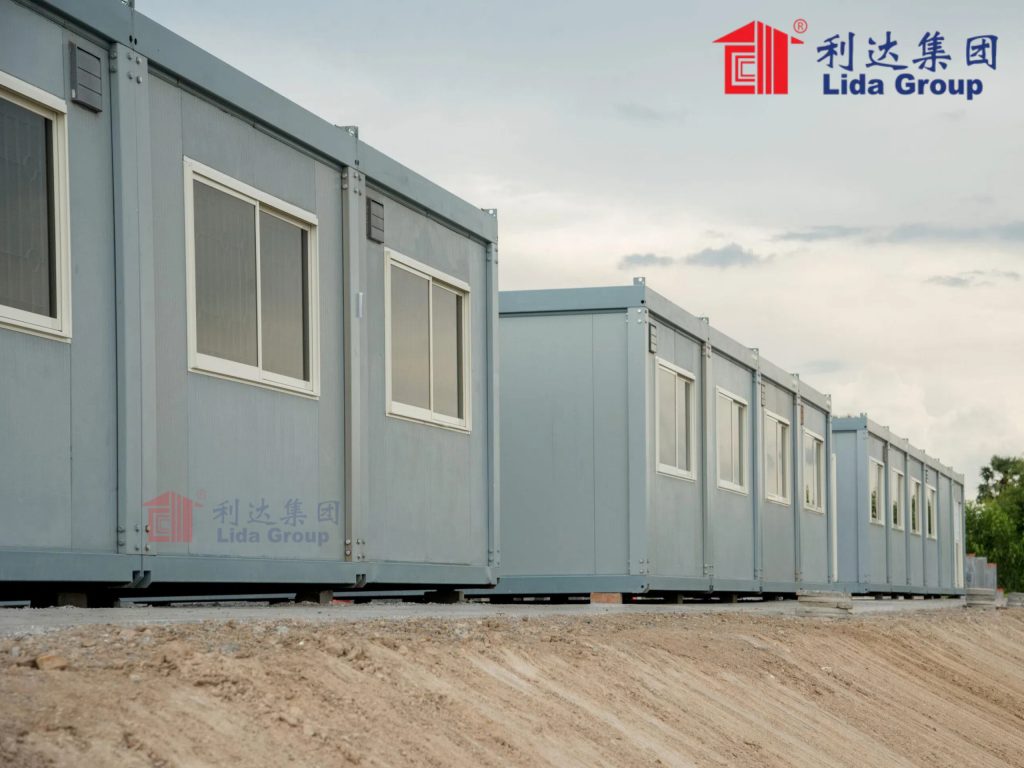
5. Industry Impact and Future Trends
Easy assembly container apartment systems are not just changing how housing is built—they are reshaping the entire construction industry. Their adoption is driving innovation, policy reform, and a shift toward more sustainable, efficient building practices. As market demand grows, several key trends are emerging that will further enhance their value.
5.1 Mainstream Adoption and Global Expansion
Once considered a niche solution, container apartments are moving into the mainstream. The Asia-Pacific region leads growth, with China, India, and Indonesia driving demand for infrastructure-related housing . In Europe and North America, focus is on sustainable and affordable housing, with container systems gaining acceptance in urban development projects. Chinese manufacturers are expanding overseas, with foreign business share growing from 5.3% in 2022 to 9.7% in 2024, covering Southeast Asia, the Middle East, and “Belt and Road” markets . This global expansion is standardizing best practices and driving down costs, making container systems accessible to more regions.
5.2 Technological Advancements: Smart and Sustainable Innovation
Future innovations will focus on enhancing smart integration and sustainability. Manufacturers are developing AI-powered predictive maintenance systems that monitor components (insulation, electrical systems) and alert managers to issues before they escalate. 3D-printed components will streamline production, reducing lead times and enabling complex, customized designs. For sustainability, recycled ocean plastic insulation and carbon-negative steel frames will further reduce environmental impact. Digital twin technology will become more sophisticated, allowing developers to optimize energy usage, occupancy, and assembly processes in real time—building on innovations like Tianjin Port’s digital management system .
5.3 Policy and Regulatory Evolution
Governments are updating regulations to support container apartment systems, reducing barriers to adoption. China has streamlined approval processes for modular housing, cutting wait times from 3 months to 15 working days . The EU is expanding funding for sustainable modular projects, and the U.S. Federal Emergency Management Agency (FEMA) has updated guidelines to prioritize container units for disaster relief. These policies are critical for mainstream adoption, as they address regulatory uncertainty and ensure that container systems are treated on par with traditional construction.
5.4 Customization and Specialization
Manufacturers are expanding customization options to meet specialized needs. For healthcare workers, units can be equipped with infection control features; for research facilities, climate-controlled storage; for luxury housing, high-end finishes and smart home systems. This specialization is opening new markets and solidifying container systems as a versatile solution for diverse housing needs. In New York, Lotek’s “combination home unit” caters to globetrotters, offering a portable, customizable apartment that can adapt to different climates and lifestyles —a trend that will grow as consumers demand more personalized housing solutions.
6. Conclusion
Easy assembly container apartment systems have emerged as a transformative force in the global housing industry, streamlining development processes while delivering affordable, sustainable, and flexible solutions. By addressing the core inefficiencies of traditional construction—labor shortages, slow timelines, high costs, and environmental impact—these systems offer a practical path forward for meeting global housing demand. Their technical innovations, from quick-connect assembly to smart digital integration, ensure that housing can be deployed faster, cheaper, and more sustainably than ever before.
The diverse applications of these systems—from urban affordable housing and student dormitories to emergency shelters and remote community residences—demonstrate their versatility and impact. Real-world projects, from Amsterdam’s 1,000-room student complex to Wenchuan’s post-earthquake container school, prove that container apartments are not just a temporary fix but a viable, long-term housing solution. As market demand grows and technology advances, these systems will continue to evolve, offering even greater efficiency, customization, and sustainability.
In an era where speed, affordability, and sustainability are paramount, easy assembly container apartment systems are redefining what is possible in housing. They represent a shift toward a more agile, circular construction industry—one that prioritizes efficiency without compromising quality or livability. For governments, developers, and nonprofits seeking to address the global housing crisis, these systems are not just a tool but a strategic investment in a more sustainable, inclusive future. As the industry embraces this innovation, easy assembly container apartments will play an increasingly critical role in shaping the built environment for generations to come.
Related news
-
Cost-Effective Prefab House Solutions from Lida Group
2026-01-22 16:01:34
-
Easy Assembly Container Apartments Redefine Rapid Deployment
2026-01-22 15:19:19
-
Lida Group Launches Modern Mobile Container Dormitory Series
2026-01-22 15:21:00
contact us
- Tel: +86-532-88966982
- Whatsapp: +86-13793209022
- E-mail: sales@lidajituan.com
