



In the dynamic world of construction, two attributes are perpetually in high demand yet often exist in a state of tension: the need for unparalleled **Speed** and the non-negotiable requirement for absolute **Strength**. For generations, project owners and developers have faced a difficult choice—accelerate the timeline and potentially compromise on structural integrity and longevity, or prioritize robustness and resign oneself to protracted, costly building schedules. Lida Group, a global innovator in advanced building solutions, has decisively ended this compromise. Through its pioneering use of engineered metal frame construction, Lida has successfully fused these two imperatives into a single, powerful methodology, delivering projects that are not only completed in a fraction of the time but are also benchmarks of durability, resilience, and performance. This article explores the engineering principles, operational processes, and tangible benefits that make this simultaneous achievement of speed and strength not just possible, but a repeatable standard.
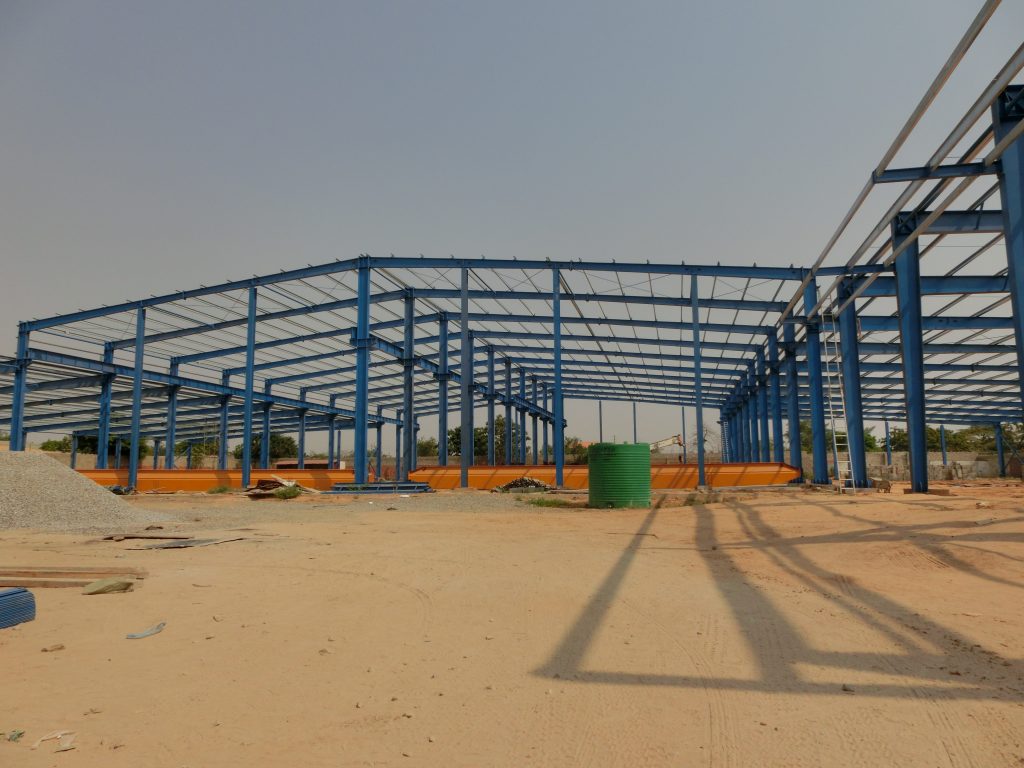
**I. The Inherent Conflict: Why Traditional Methods Force a Choice**
To appreciate the breakthrough that Lida Group represents, it is essential to understand why speed and strength have traditionally been at odds.
**A. The Deliberate Pace of Conventional Strength**
Traditional reinforced concrete and masonry construction are inherently slow processes. Their strength is derived from a sequential, on-site, and weather-dependent series of events:
1. **Curing Time:** Concrete requires weeks to reach its full design strength, during which time further work is often halted.
2. **Labor-Intensive Processes:** Bricklaying, pouring, and formwork installation are skilled but time-consuming trades.
3. **Weather Vulnerability:** Rain, freezing temperatures, and extreme heat can stop work for days, causing cascading delays.
This methodical pace is often justified as the necessary price for creating a solid, permanent structure.
**B. The Perceived Compromises of Speed**
Methods that prioritize speed, such as basic light-gauge steel framing or certain wood-frame techniques, have often been viewed with skepticism regarding their long-term strength. Concerns include:
* **Durability:** Susceptibility to corrosion, pests, or material degradation over time.
* **Structural Integrity:** Perceived lack of robustness for heavy loads, long spans, or resistance to seismic and wind events.
* **On-Site Quality Control:** The pressure to build quickly can lead to shortcuts and errors in assembly, compromising the designed strength.
Lida Group’s metal frame construction system is engineered from the ground up to dismantle these preconceptions, proving that the fastest path to completion is also the path to the most robust structure.
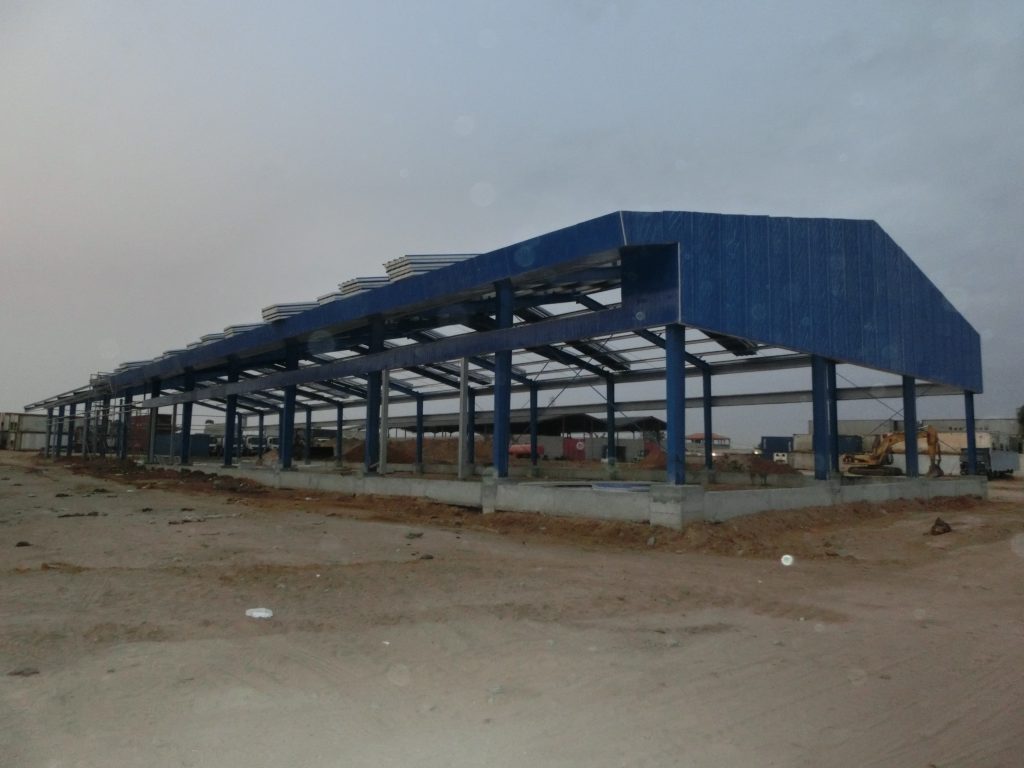
**II. The Engine of Speed: Precision, Prefabrication, and Process**
The remarkable velocity of a Lida Group project is not achieved by rushing on-site work; it is the result of a fundamental re-imagining of the construction sequence, shifting the bulk of value-added activities from the unpredictable construction site to a controlled factory environment.
**A. Digital Foundation: Building Twice with BIM**
Every Lida Group project begins in the digital realm with Building Information Modeling (BIM). This is far more than a simple 3D drawing; it is a comprehensive digital prototype of the entire structure.
* **Clash Detection:** The BIM model integrates architectural, structural, and MEP (Mechanical, Electrical, Plumbing) systems. Engineers can identify and resolve conflicts between, for example, a ductwork run and a structural beam, long before any physical work begins. This eliminates the costly and time-consuming rework that is commonplace on traditional job sites.
* **Precision Engineering:** Every component—every stud, joist, brace, and connection—is digitally designed, specified, and optimized for manufacturing. This precision is the bedrock of both speed and strength.
**B. The Power of Prefabrication: Factory-Built Certainty**
The digital model directly drives the manufacturing process in Lida’s automated facilities. This is where speed is systematically engineered.
* **Computer-Aided Manufacturing (CAM):** Light-gauge steel members are precision-rolled, cut, punched, and notched by automated machinery. This guarantees that every component is identical and fabricated to tolerances of less than a millimeter, a level of accuracy impossible to achieve with on-site manual labor.
* **Panelized and Modular Assembly:** Walls, floors, and roof trusses are assembled into large panels or complete modules in a factory assembly line. This jig-based assembly ensures every unit is perfectly square, plumb, and consistent.
* **Concurrent Construction:** While the building components are being manufactured in the factory, site preparation and foundation work proceed simultaneously on-site. This parallel processing shaves weeks or even months off the total project timeline compared to the linear sequence of traditional construction.
**C. Rapid On-Site Erection: The “Kit of Parts” Approach**
When the prefabricated components arrive on-site, the building process resembles the assembly of a highly engineered kit.
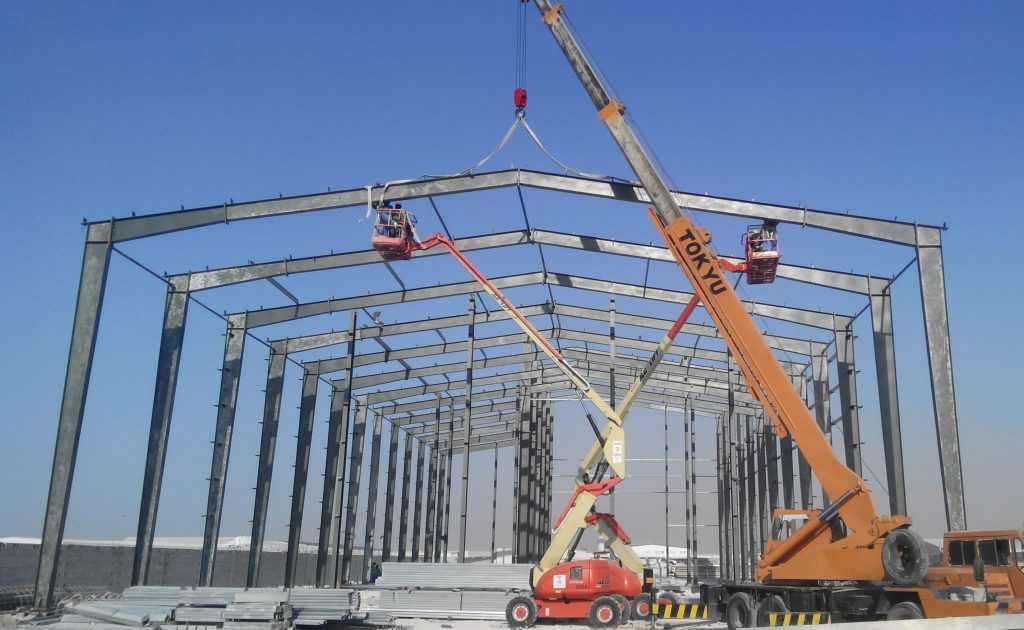
* **Reduced Weather Dependency:** The primary structure can be erected in a matter of days or weeks, not months. This rapid enclosure drastically reduces the risk of weather-related delays and protects the building materials from the elements during construction.
* **Streamlined Labor:** On-site work shifts from skilled, time-intensive fabrication (e.g., cutting and fitting studs) to efficient, bolted or screwed assembly. This requires fewer on-site labor hours and reduces the complexity of on-site supervision.
* **Early Access for Follow-On Trades:** Because the building is dried-in (weather-tight) so quickly, interior trades such as electricians, plumbers, and drywall installers can begin their work much earlier, further compressing the overall project schedule.
The result is a project timeline that can be 50% faster than conventional methods, enabling clients to realize a return on their investment much sooner, whether through earlier occupancy, rental income, or operational capability.
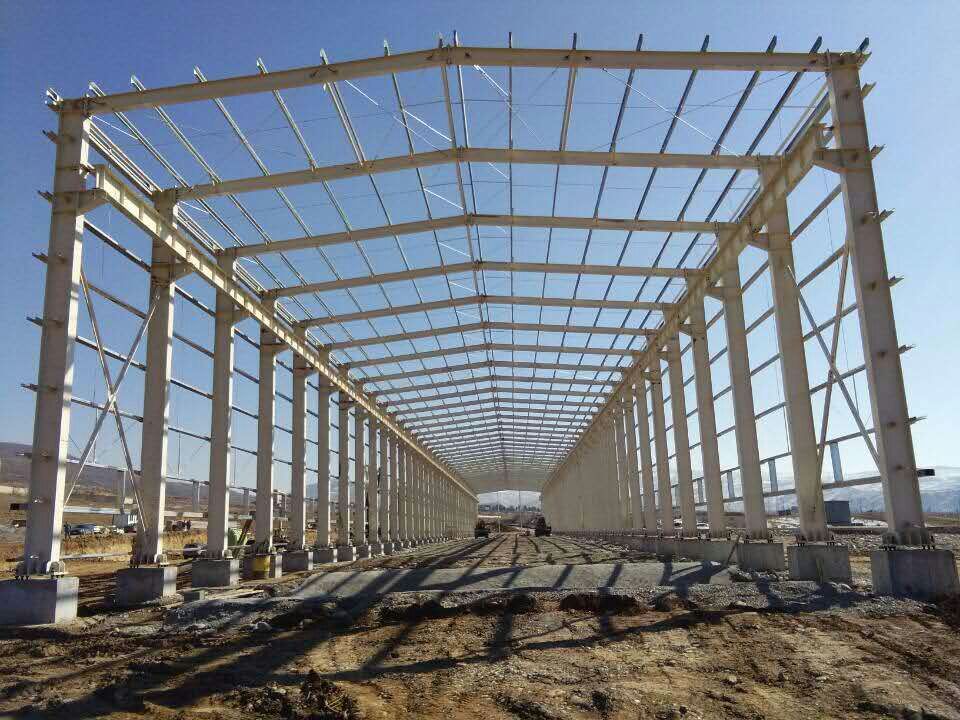
**III. The Foundation of Strength: The Unyielding Nature of Engineered Steel**
The speed of Lida’s method would be meaningless without a corresponding superiority in strength. The company’s metal frame construction delivers resilience and durability that often exceed the capabilities of traditional materials.
**A. The Material Superiority of Steel**
The core material itself provides inherent advantages:
* **High Strength-to-Weight Ratio:** Steel is incredibly strong for its weight. This allows for lighter foundations while supporting heavy loads, enabling longer spans and more open, flexible floor plans without intermediate columns.
* **Dimensional Stability:** Unlike wood, which warps, twists, shrinks, and swells with changes in moisture and temperature, steel remains dimensionally stable. This means no nail-pops, cracked drywall, or sticking doors for the life of the building. The structure you build on day one is the structure that remains.
* **Inorganic and Impervious:** Steel is immune to the biological threats that compromise other materials. It does not rot, and it provides no food source for termites, carpenter ants, or mold. This inherent resistance ensures the structural integrity remains intact for decades, eliminating a major cause of degradation in wood-framed structures.
**B. Engineered Structural Systems**
Lida’s approach goes beyond the material to the system. The frames are not just assembled; they are engineered as complete, cohesive structures.
* **Predictable Performance:** Because steel is a manufactured material with consistent, known properties, its performance under load is highly predictable. Engineers can accurately model how the structure will behave under various conditions—snow loads, wind pressure, seismic activity—and design it accordingly.
* **Ductility: The Key to Seismic and Wind Resilience:** Steel’s ability to bend and flex without fracturing—a property known as ductility—is a critical safety feature. In an earthquake or high-wind event, a steel frame is designed to absorb and dissipate energy, swaying without collapsing. This provides crucial life-saving protection, unlike more brittle materials like concrete or masonry, which can fail catastrophically.
* **Robust Connection Details:** The strength of a frame lies in its connections. Lida utilizes engineered connection details—specific screws, bolts, and brackets—that are tested and certified to transfer loads predictably and safely throughout the structure.
**C. Synergy with Advanced Envelope Systems**
The strength of the metal frame is complemented by the high-performance building envelopes it supports. Lida often pairs its frames with Structural Insulated Panels (SIPs) or advanced composite panels.
* **Integrated Strength:** These panels act as structural shear walls, contributing to the overall rigidity and lateral stability of the building. The entire structure—frame and skin—works together as a unified system.
* **Durability and Protection:** The exterior skins of these panels, often made of galvanized or galvalume steel, are highly resistant to impact, corrosion, and UV radiation. This protects the structural frame from the elements, ensuring its long-term performance.
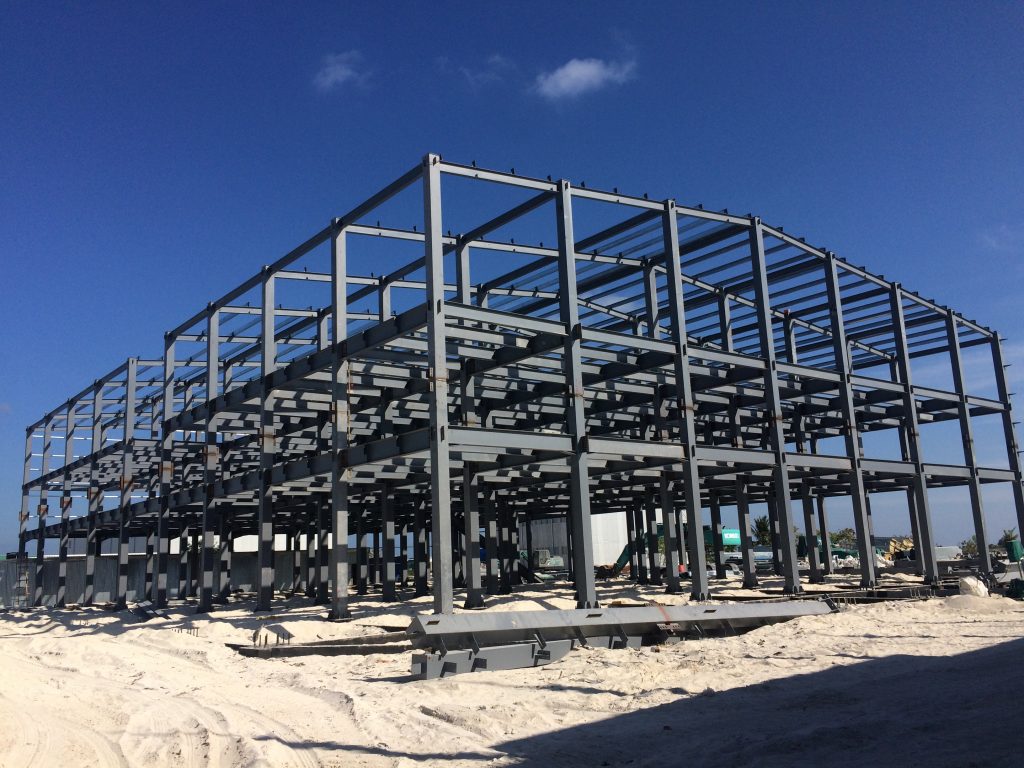
**IV. The Synergy: How Speed and Strength Reinforce Each Other**
The true genius of Lida’s system is that speed and strength are not just co-existing attributes; they are mutually reinforcing.
* **Quality Begets Speed:** The factory-controlled environment ensures that every component is built to the highest standard. There are no delays for material inspections, re-cutting, or correcting field errors. The precision of the parts enables their rapid assembly.
* **Speed Protects Strength:** By radically reducing the time the building materials are exposed to the elements on-site, the risk of water damage, rust, or warping during construction is virtually eliminated. The structure that is assembled is the structure that was designed, with its full integrity intact.
* **A Predictable Outcome:** The combination of digital design, factory precision, and engineered materials removes the vast majority of the variables that cause delays and weaknesses in traditional construction. The outcome is both faster and more reliably strong.
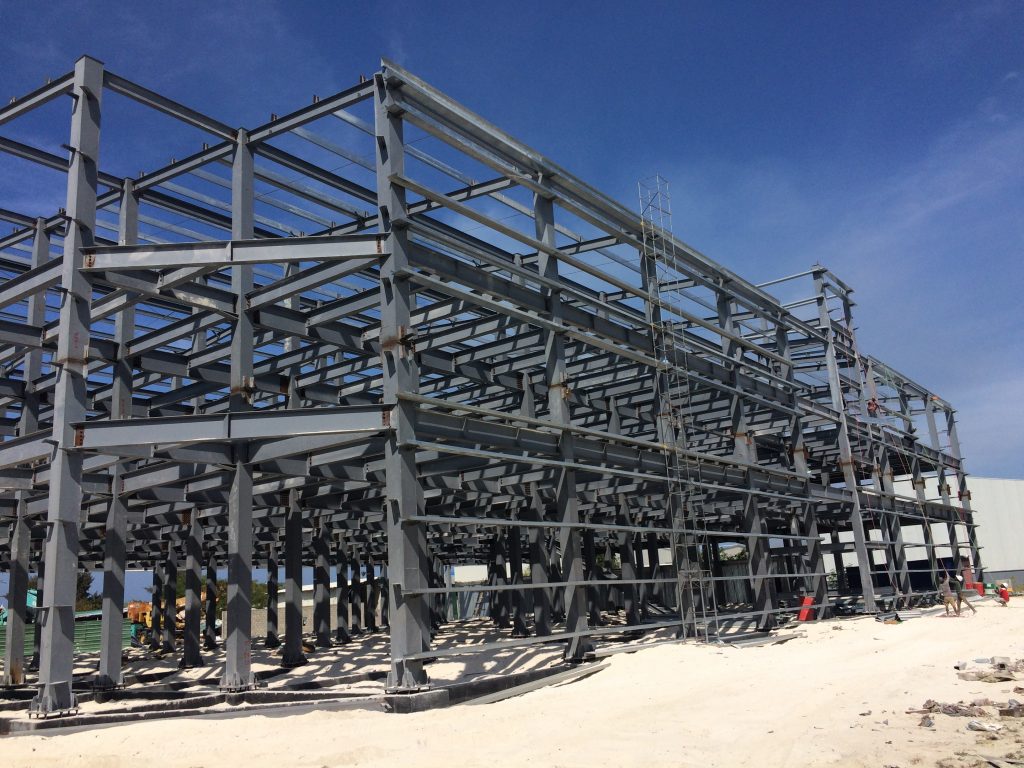
# **V. Case Study: The Apex Logistics Hub**
Consider the example of the Apex Logistics Hub, a 15,000-square-meter distribution center. A traditional concrete and steel-beam structure was projected to take 14 months.
* **Speed Achieved:** Using Lida’s metal frame and panelized system, the building was fully enclosed and weather-tight in just 10 weeks, with total construction taking less than 4 months.
* **Strength Demonstrated:** The building was designed to withstand the region’s specific seismic and high-wind loads. The clear-span interior, enabled by the strong yet lightweight steel trusses, provided maximum flexibility for the client’s logistics operations. The durability of the materials ensures low maintenance and a long service life, immune to the pests that often infest traditional warehouses.
This project exemplifies how the dual pillars of speed and strength translate into tangible client value: earlier occupancy, lower financing costs, and a superior, long-term asset.
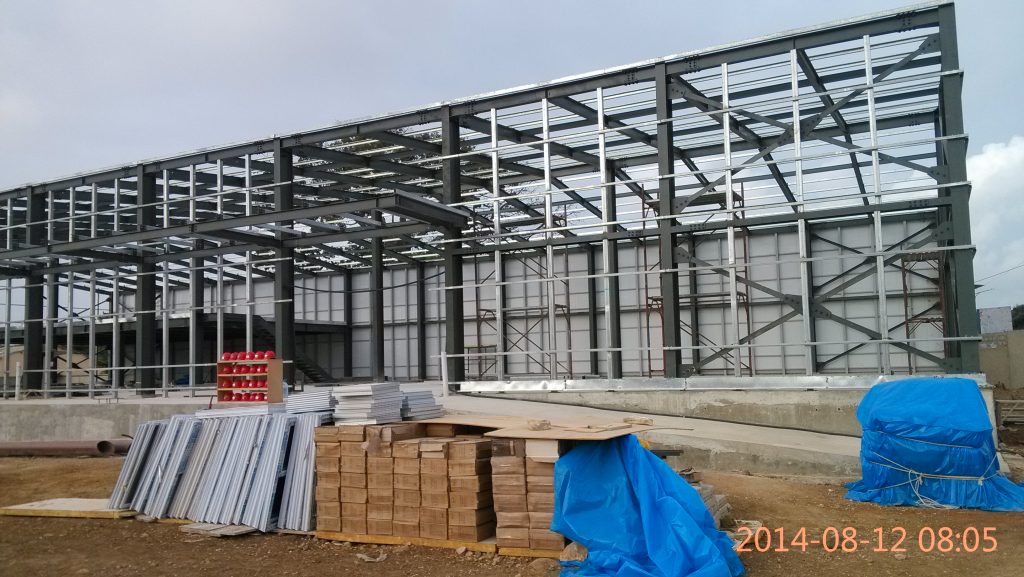
**VI. Broader Implications: Beyond the Single Building**
The advantages of Lida’s metal frame construction extend to a wide range of applications:
* **Commercial and Industrial:** Warehouses, factories, and retail spaces benefit from the speed of development and the strong, column-free interiors.
* **Multi-Storey Residential:** Apartment buildings can be erected quickly to meet housing demands, with the strength to support multiple floors and the sound-dampening qualities of well-engineered steel and panel systems.
* **Institutional:** Schools and hospitals can be built or expanded with minimal disruption to ongoing operations, providing modern, safe, and healthy environments faster.
* **Remote and Challenging Sites:** The modular nature of the system allows for construction in locations where traditional materials and labor are scarce, without sacrificing quality or robustness.
**Conclusion: A New Paradigm for Modern Construction**
Lida Group’s metal frame construction system represents a fundamental and necessary evolution in how we build. It definitively proves that the long-assumed trade-off between speed and strength is a relic of a bygone era. Through the strategic integration of digital design, precision manufacturing, and the inherent virtues of engineered steel, Lida has created a methodology where these two paramount objectives are not just achieved simultaneously but are synergistically enhanced.
**Speed** is no longer about cutting corners; it is about the intelligent off-site fabrication of perfect components and their rapid, orderly on-site assembly. **Strength** is no longer about mass and slow-curing materials; it is about the predictable, ductile, and durable performance of a digitally modeled and factory-perfected structural system.
The result is a transformative value proposition for clients: a significant reduction in project timelines and financing costs, coupled with the delivery of an asset of superior resilience, longevity, and performance. In a world that demands faster responses to housing, commercial, and industrial needs without compromising on safety or quality, Lida Group’s metal frame construction stands as the definitive solution. It is a testament to the power of innovation, offering a faster path to a stronger future.
Related news
-
Lida Group Redefines Cost-Effective Durable Construction Standards
2025-11-26 17:48:12
-
Sustainable Steel Structure Building Solutions from Lida Group
2025-11-26 17:54:15
-
Why Choose a Steel Structure Building for Your Project?
2025-11-26 17:36:50
contact us
- Tel: +86-532-88966982
- Whatsapp: +86-13793209022
- E-mail: sales@lidajituan.com
