



Speed and Strength: Our Easy Install Sandwich Panel Prefab House
2025-Dec-24 17:36:02
By Admin
In the fast-evolving global construction industry, two core demands have emerged as make-or-break factors for project success: rapid deployment and uncompromising structural integrity. Traditional on-site construction, plagued by prolonged timelines, labor-intensive processes, and inconsistent quality control, often fails to balance these two critical requirements. The solution lies in prefabricated construction, and at its forefront is the easy install sandwich panel prefab house—a revolutionary building system that merges lightning-fast assembly with robust structural performance. By integrating precision-engineered sandwich panels, intuitive connection technologies, and modular design principles, this prefab solution eliminates the historical trade-off between speed and strength, delivering durable, functional buildings in a fraction of the time required for conventional construction. This article explores the technical innovations behind easy install sandwich panels, how they redefine speed and strength in prefab housing, real-world application cases, performance advantages, and their transformative impact on the construction industry, demonstrating why this system has become the preferred choice for diverse building needs.
1. The Dual Core: Reimagining Speed and Strength in Prefab Construction
The concept of prefabricated housing is not new, but early iterations often sacrificed either speed for strength or vice versa—bulky structural components ensured stability but slowed assembly, while lightweight materials accelerated installation but compromised durability. The easy install sandwich panel prefab house resolves this dichotomy by centering its design around high-performance sandwich panels, which integrate structure, insulation, and finishing into a single, optimized component. This integration fundamentally transforms the construction process: factory-prepared panels reduce on-site work by up to 90%, while advanced material science and structural engineering ensure the final building meets or exceeds global standards for wind resistance, seismic performance, and long-term durability.
At the heart of this system is the principle of “industrialized precision meets on-site simplicity.” Every sandwich panel is manufactured in a controlled factory environment with automated production lines, ensuring dimensional accuracy within ±0.2mm and consistent material quality. On-site, intuitive connection systems eliminate the need for specialized tools, welding, or skilled trades, allowing general laborers to complete assembly in days rather than months. Meanwhile, the panel’s multi-layer structure—combining high-strength facings and resilient core materials—delivers exceptional load-bearing capacity and environmental resistance, proving that speed does not have to come at the cost of strength. This balance has made easy install sandwich panel prefab houses a game-changer for residential, commercial, emergency, and industrial projects worldwide.
2. Speed Redefined: The Technology Behind Rapid Installation
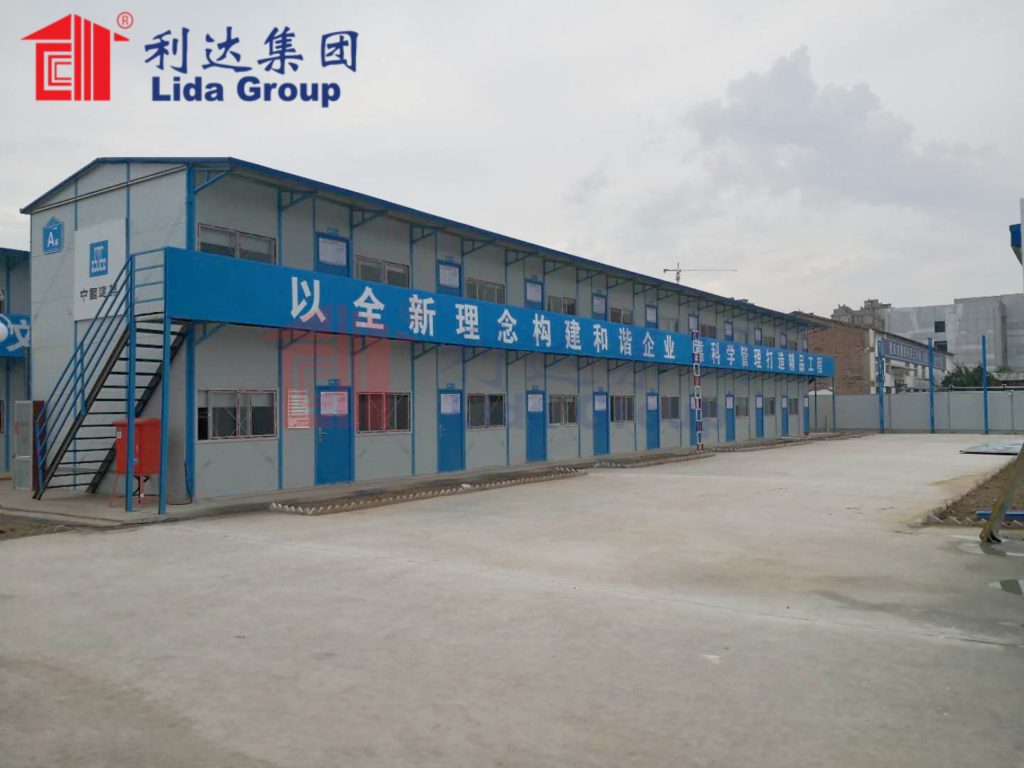
The extraordinary installation speed of sandwich panel prefab houses stems from three interconnected technological advancements: integrated panel design, intuitive connection systems, and modular scalability. Together, these innovations streamline every stage of on-site assembly, from unloading to final finishing, drastically reducing project timelines.
2.1 Integrated Panel Design: All-in-One Construction
Unlike traditional construction, which requires separate installation of framing, insulation, cladding, and interior finishes, easy install sandwich panels combine all these functions into a single prefabricated component. Each panel features two high-strength outer facings (typically galvanized steel or aluminum) bonded to a core insulation material (rock wool, polyurethane/PU, or expanded polystyrene/EPS), with factory-finished exteriors and interiors. This integration eliminates 80% of on-site workflow steps—there is no need for on-site plastering, painting, or insulation installation, as the panels arrive ready to assemble.
The lightweight nature of the panels further accelerates installation. A standard 1.2m×2.4m sandwich panel weighs just 12–22 kg/m², depending on the core material—30% lighter than traditional brick-and-mortar walls or concrete slabs. This allows two laborers to manually handle and install panels, eliminating the need for heavy machinery such as cranes for most residential-scale projects. For example, a 100㎡ prefab house requires only 2–3 truckloads of panels, and the entire structural assembly can be completed by a team of 3–4 general laborers in 3–7 days, compared to 2–3 months for traditional construction .
2.2 Intuitive Connection Systems: Tool-Free, Precision Assembly
The defining feature of easy install sandwich panels is their proprietary connection systems, which enable fast, secure assembly without specialized skills or equipment. Two core connection technologies dominate this space, each optimized for different project scales and requirements:
Cam-Lock Joints: Designed for modular prefab houses, cam-lock joints are integrated into the panel edges and structural frames. With a simple twist, the joints engage to create a tight, secure bond between panels and the frame, eliminating the need for bolts or welding. This system reduces panel installation time by 70% compared to bolted connections, with each joint requiring just 10–15 seconds to fasten. The joints are engineered to maintain structural integrity under extreme conditions, withstanding wind loads of up to 120 km/h and seismic activity of magnitude 7.
Tongue-and-Groove Seams: For wall and roof panels, precision-machined tongue-and-groove edges allow panels to slot together seamlessly. Pre-installed weatherstripping within the seams creates an airtight, waterproof seal, eliminating the need for on-site caulking or sealing work. This system enables laborers to install up to 80 m² of panels per day—four times faster than traditional framing and cladding methods. The standardized design ensures consistent alignment, reducing errors and rework to near zero.
Both systems are complemented by clear labeling and assembly guides, ensuring that even laborers with minimal training can complete installation efficiently. This accessibility expands the labor pool and further accelerates project timelines, a critical advantage in regions facing skilled labor shortages.
2.3 Modular Scalability: Fast Expansion Without Compromise
Easy install sandwich panel prefab houses are built on a modular framework, allowing for horizontal or vertical expansion without disrupting the existing structure or slowing down progress. Standardized panel sizes and connection systems ensure that additional modules fit seamlessly with the original building, maintaining structural integrity and aesthetic consistency. For example, a 30㎡ single-module cottage can be expanded to 200㎡ by adding adjacent modules in just a few days, with each new panel integrating perfectly with the existing structure.
This scalability is particularly valuable for projects with evolving needs, such as residential expansions, temporary commercial spaces, or emergency housing. Unlike traditional construction, which requires extensive rework to expand, modular sandwich panel systems allow for rapid adaptation, ensuring that buildings can grow with their users while retaining speed and efficiency.
3. Strength Ensured: Material Science and Structural Engineering
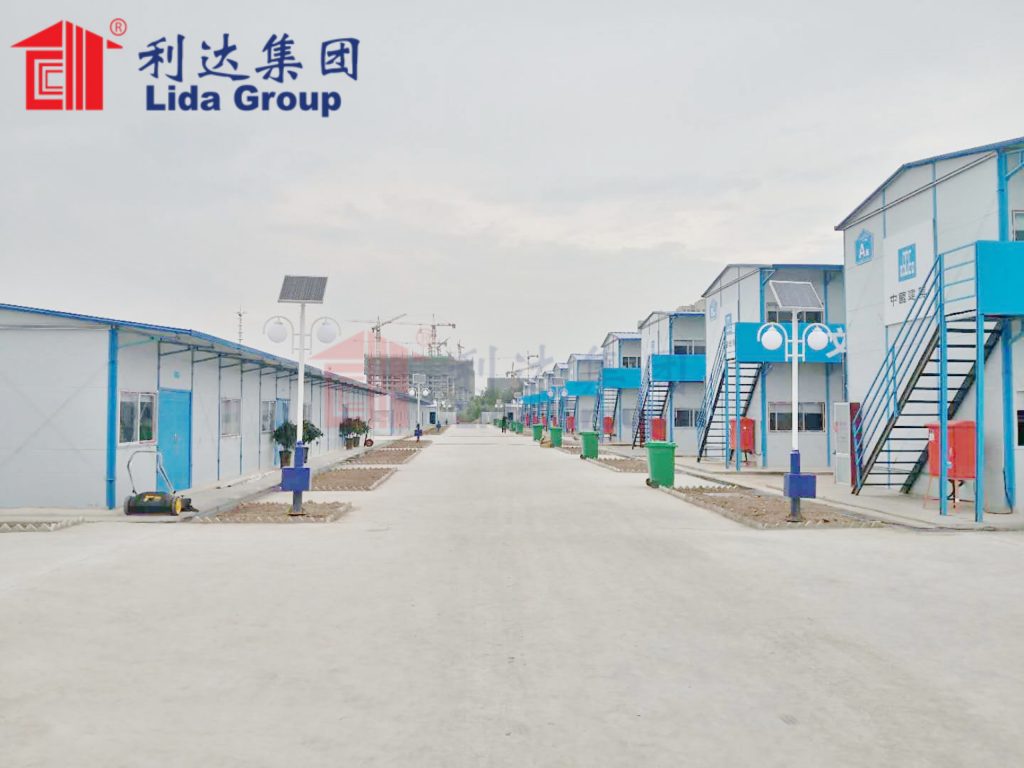
While speed is a defining advantage, easy install sandwich panel prefab houses do not compromise on strength. The system’s structural performance is rooted in advanced material science, optimized panel design, and rigorous engineering, ensuring durability and safety in even the harshest environments. From extreme temperatures to natural disasters, these buildings deliver reliable performance that meets or exceeds global building codes.
3.1 Core Material Selection: Balancing Strength, Insulation, and Durability
The strength and performance of sandwich panels are determined by their core material, with three options dominating the market—each tailored to specific environmental and functional needs:
-
Rock Wool Core Panels: Engineered for fire resistance and extreme durability, rock wool core panels boast A1-class non-combustibility and exceptional structural rigidity. The inorganic rock wool core resists moisture, mold, and insect damage, while the galvanized steel facings provide corrosion resistance. These panels are ideal for fire-prone areas, high-altitude regions, and industrial sites, withstanding temperatures ranging from -40℃ to 200℃. In seismic zones, rock wool core panels have been proven to maintain structural integrity during magnitude 8 earthquakes, as demonstrated by their performance in post-earthquake reconstruction projects in Italy .
-
Polyurethane (PU) Core Panels: Designed for superior load-bearing capacity and thermal efficiency, PU core panels feature a closed-cell structure that delivers exceptional rigidity and water resistance. With a compressive strength of 250 kPa and tensile strength of 180 kPa, these panels can support heavy loads while remaining lightweight. PU core panels excel in coastal regions and humid environments, as their closed-cell structure prevents water penetration and corrosion. They also withstand hurricane-force winds of up to 180 km/h, making them a reliable choice for storm-prone areas.
-
EPS Core Panels: A cost-effective solution for mild to moderate climates, EPS core panels offer balanced strength and insulation. Reinforced with fiberglass mesh, the EPS core provides impact resistance and structural stability, while the steel facings enhance load-bearing capacity. These panels meet international standards for wind resistance (up to 100 km/h) and seismic performance (magnitude 6), making them suitable for residential and light commercial projects. EPS core panels are also highly durable, with a lifespan of 25–30 years in normal conditions.
All panel facings are treated with anti-corrosion, UV-resistant coatings, ensuring resistance to salt spray, sand erosion, and industrial pollutants. This treatment extends the panels’ lifespan to 25–30 years, even in harsh coastal or industrial environments.
3.2 Structural Optimization: Frame-Panel Synergy
Easy install sandwich panel prefab houses use a reinforced cold-formed thin-walled steel (CFS) frame as the structural backbone, working in tandem with sandwich panels to distribute loads evenly and enhance stability. The CFS frames are galvanized with a 120g/m² zinc layer, ensuring corrosion resistance and a 30-year lifespan. The frames are engineered to support the weight of the panels while withstanding external loads such as wind, snow, and seismic activity.
The synergy between the frame and panels is critical to the system’s strength. Sandwich panels act as both cladding and structural elements, transferring lateral loads to the frame and reducing stress on individual components. This integrated design eliminates weak points, ensuring that the building performs as a single, cohesive structure. For example, in snow-prone regions, the curved roof panels (often used in sandwich panel systems) distribute snow load evenly across the frame, reducing the risk of structural damage.
3.3 Rigorous Testing and Certification
To ensure uncompromising strength, easy install sandwich panel prefab houses undergo rigorous testing and certification to meet global building codes, including ISO 9001 (quality management), ISO 14001 (environmental management), and local seismic and wind resistance standards. Panels are tested for load-bearing capacity, fire resistance, water tightness, and thermal performance, with results validated by third-party laboratories.
In earthquake-prone regions, these houses have been proven to outperform traditional brick and concrete structures. For example, in Xiangxiang, Hunan, a 147㎡ two-story sandwich panel prefab house withstood simulated magnitude 8 earthquakes during testing, with no structural damage or panel detachment . This performance has made the system a preferred choice for post-disaster reconstruction projects, where strength and speed are equally critical.

4. Real-World Applications: Speed and Strength in Action
Easy install sandwich panel prefab houses have been deployed across diverse scenarios, demonstrating their ability to deliver speed and strength in even the most challenging environments. From residential construction to emergency response, these buildings prove their value in real-world conditions.
4.1 Residential Construction: Fast, Durable Homes
In rural and suburban areas, sandwich panel prefab houses are transforming residential construction by delivering affordable, durable homes in record time. In Jinshi Town, Xiangxiang City, Hunan Province, a 147㎡ two-story prefab house using EPS core panels was completed from design to completion of construction in just 3 months—saving 6 months compared to traditional brick and concrete construction . The house features a reinforced CFS frame and tongue-and-groove panel connections, withstanding local seismic activity and extreme temperature variations. Homeowners reported that the house required 60% less maintenance than traditional homes, with no signs of structural degradation after 5 years of use.
In high-altitude regions such as the Kunlun Mountains, rock wool core panels are used to build worker dormitories and family homes. These houses withstand -30℃ winters and 40℃ diurnal temperature variations, with the panels’ insulation properties reducing heating costs by 35%. The lightweight design allowed panels to be transported via high-altitude roads, and the entire construction was completed in 10 days, ensuring that residents could move in before the winter season.
4.2 Emergency Response: Rapid Deployment, Reliable Protection
In disaster zones, speed and strength are a matter of life and death. Easy install sandwich panel prefab houses are ideal for emergency housing, as they can be deployed and assembled in hours, while providing safe, durable shelter. Following a flood in South Asia, 80 sandwich panel emergency shelters were transported by helicopter and boat to inaccessible areas, with each shelter assembled in just 2 hours using cam-lock joints and ground anchors. The rock wool core panels provided fire resistance and insulation, while the aerodynamic design minimized wind resistance in storm-prone areas. After the emergency, the shelters were disassembled and relocated to a rural village, where they were repurposed as classrooms—proving their durability and reusability .
In Italy, sandwich panel prefab houses were used in post-earthquake reconstruction following the 1980 Campania-Basilicata earthquake. These houses, built with reinforced concrete frames and precast sandwich panels, have maintained excellent structural condition for over 40 years, outperforming traditional buildings of the same era. The success of these projects demonstrated that prefab sandwich panel systems could deliver both rapid reconstruction and long-term durability .
4.3 Industrial and Commercial Projects: Heavy-Duty Performance
Industrial sites such as mines, oil fields, and construction yards require buildings that can withstand heavy use, extreme conditions, and rapid deployment. Easy install sandwich panel prefab houses are used for on-site offices, worker dormitories, and storage facilities, delivering the strength to endure industrial environments and the speed to meet project deadlines. For a lithium mine in Central Asia, 20 PU core panel prefab buildings were installed in 10 days, withstanding -30℃ winters and sandstorms. The panels’ corrosion resistance and load-bearing capacity ensured that the buildings remained functional for 15 years, with minimal maintenance.
In urban areas, sandwich panel prefab houses serve as temporary commercial spaces such as pop-up stores and event venues. These buildings are assembled in days, withstanding high foot traffic and urban environmental conditions, then disassembled and relocated when needed. A pop-up retail project in a European city used 15 sandwich panel modules, assembled in 14 days, with the buildings remaining stable and visually consistent throughout their 6-month deployment.
4.4 Public Infrastructure: Safe, Efficient Facilities
Governments and institutions use easy install sandwich panel prefab houses for public facilities such as schools, clinics, and community centers, where speed, safety, and durability are critical. In a rural African region, 8 rock wool core panel classrooms were assembled in 1 week by local laborers, withstanding high temperatures and heavy rainfall. The panels’ sound insulation properties created a quiet learning environment, while the fire-resistant core ensured student safety. The modular design allowed the school to expand with additional classrooms as enrollment grew, with each new module installed in just 2 days.
5. Beyond Speed and Strength: Additional Performance Advantages
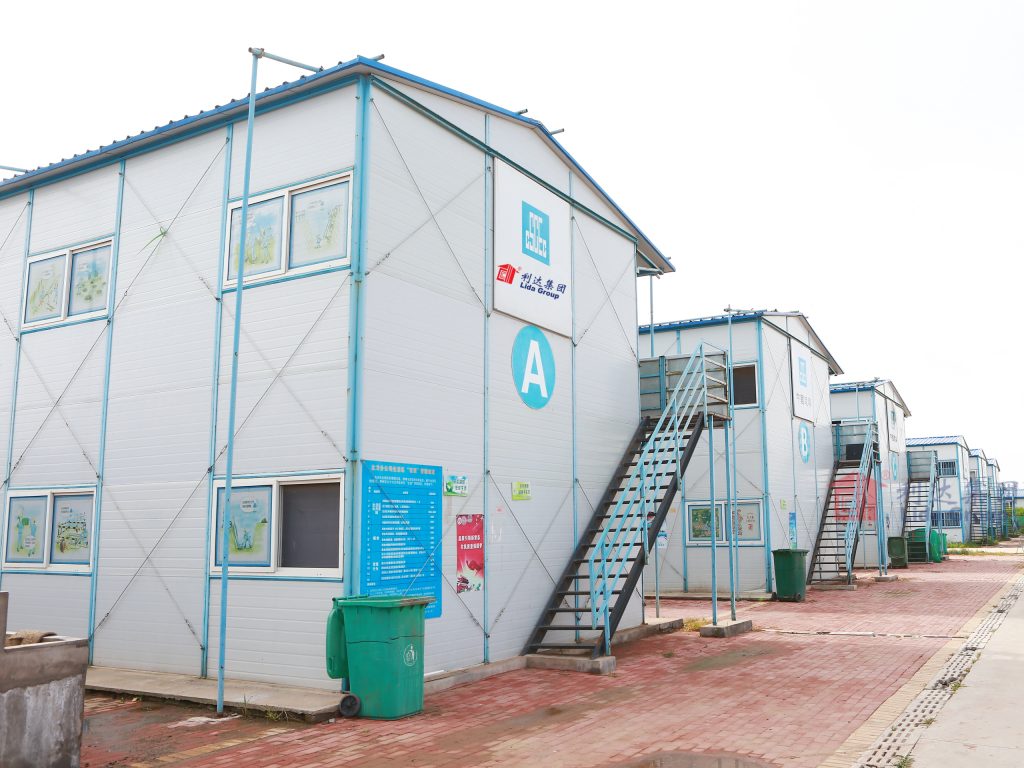
Easy install sandwich panel prefab houses offer more than just speed and strength—they deliver a range of additional benefits that enhance their value and sustainability, making them a holistic solution for modern construction needs.
5.1 Energy Efficiency
The integrated insulation of sandwich panels delivers exceptional thermal performance, reducing heating and cooling costs by 30–40% compared to traditional buildings. PU core panels, with a thermal conductivity of 0.023 W/(m²·K), maintain stable interior temperatures without excessive energy use, while rock wool core panels provide superior sound insulation (up to 45 dB), creating a comfortable indoor environment. For off-grid projects, solar panels can be integrated into roof panels, leveraging the system’s lightweight design to generate on-site electricity and reduce reliance on fossil fuels.
5.2 Sustainability and Environmental Friendliness
Factory production of sandwich panels minimizes material waste to less than 5%, compared to 15–20% for traditional construction . Scrap materials are recycled into new components, supporting a circular economy. The lightweight design also reduces transportation emissions by 30%, as fewer truckloads are required to transport panels. Additionally, sandwich panel prefab houses are fully recyclable at the end of their lifespan, with steel facings and core materials repurposed for new construction—reducing landfill waste and conserving natural resources.
5.3 Low Maintenance and Longevity
The durable materials and seamless connections of sandwich panel prefab houses reduce maintenance requirements by 60% compared to traditional buildings. Anti-corrosion coatings, moisture-resistant cores, and weather-sealed joints prevent damage from environmental factors, while factory-finished surfaces eliminate the need for repainting or re-cladding. With proper care, these buildings have a lifespan of 25–30 years, making them a long-term investment despite their rapid installation.
6. Market Impact and Industry Transformation
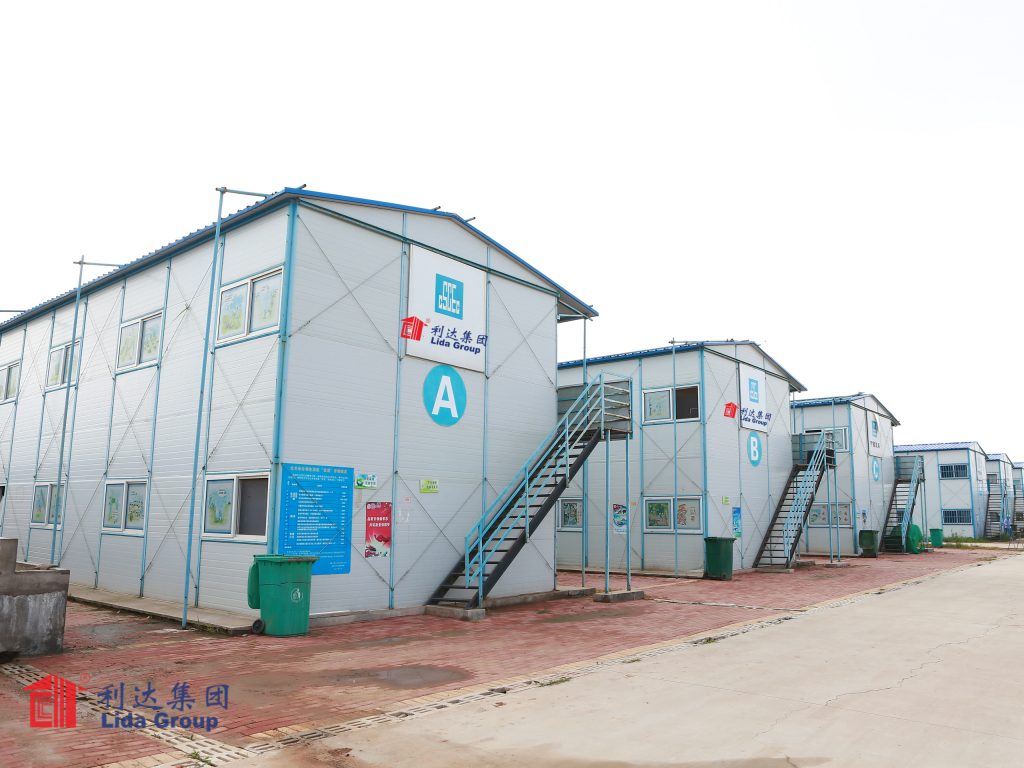
Easy install sandwich panel prefab houses are reshaping the global construction industry, challenging the perception that rapid construction must compromise on quality or strength. Their success has driven industry-wide shifts in design and construction practices, inspiring new innovations and expanding the applications of prefabricated building systems.
6.1 Addressing Labor Shortages
The global construction industry faces a chronic skilled labor shortage, with millions of positions unfilled. Easy install sandwich panel systems mitigate this crisis by reducing reliance on specialized trades—general laborers with basic training can assemble panels, expanding the labor pool and reducing costs. This has made construction feasible in regions with limited skilled workers, including rural areas and developing countries .
6.2 Redefining Project Timelines and Costs
By reducing construction timelines by 60–70%, sandwich panel prefab houses lower project costs significantly. Faster completion reduces labor costs, financing expenses, and downtime, making buildings operational sooner and generating returns faster. A case study of a residential project in湖南 found that sandwich panel prefab houses reduced total costs by 22% compared to traditional construction, with savings distributed across labor, materials, and transportation .
6.3 Expanding the Scope of Prefab Construction
Prior to the advent of easy install sandwich panels, prefab construction was limited to temporary or low-quality buildings. Today, these systems are used for permanent residential, commercial, and public projects, expanding the scope of prefabrication and positioning it as a mainstream alternative to traditional construction. This expansion has created new market opportunities, with the global prefab housing market projected to grow at a CAGR of 8.5% between 2025 and 2030.
7. Challenges and Future Outlook
Despite their transformative impact, easy install sandwich panel prefab houses face some challenges in global adoption. The precision manufacturing required for panels increases initial production costs by 15–20% compared to conventional building materials, limiting accessibility in price-sensitive markets. Additionally, some clients remain skeptical of the long-term durability of prefab buildings, though decades of real-world performance have gradually dispelled this myth.
Looking ahead, the future of easy install sandwich panel prefab houses is defined by three key innovations:
Advanced Manufacturing Technologies: 3D printing and automated assembly lines will reduce production costs while improving precision, making sandwich panel systems accessible to a broader range of clients. These technologies will also enable customization of panel sizes and shapes, expanding design flexibility without compromising speed.
Intelligent Integration: IoT sensors and smart systems will be integrated into panels to monitor structural integrity, temperature, and humidity in real time. These sensors will enable predictive maintenance, further reducing maintenance costs and extending the building’s lifespan.
Sustainable Material Innovation: Bio-based core materials (derived from hemp, flax, or recycled plastics) will replace traditional cores, reducing the carbon footprint of panels while maintaining strength and performance. These materials will align with global sustainability goals and enhance the environmental credentials of prefab housing.
8. Conclusion
Easy install sandwich panel prefab houses represent a paradigm shift in construction, proving that speed and strength can coexist and mutually enhance one another. By integrating precision-engineered panels, intuitive connection systems, and modular design, this system eliminates the historical trade-offs of traditional construction, delivering buildings that are fast to assemble, strong enough to endure harsh conditions, and sustainable enough to meet modern environmental goals.
The real-world success of these buildings—from post-earthquake reconstruction in Italy to rural housing in Hunan—demonstrates their versatility and reliability. They address critical industry challenges, including labor shortages, project delays, and sustainability demands, while delivering tangible benefits to homeowners, businesses, and communities.
As manufacturing technologies advance and material science evolves, easy install sandwich panel prefab houses will continue to redefine the boundaries of construction. They are not just a temporary solution but a long-term vision for a more efficient, durable, and sustainable built environment. For anyone seeking to build better, faster, and stronger, this system offers a proven, forward-thinking solution that reshapes what is possible in modern construction.
Related news
-
Lida Group Showcases Streamlined Modern Mobile Building Design
2025-12-24 17:25:56
-
Efficient Prefab House Built with Easy Install Sandwich Panels
2025-12-24 17:13:36
-
Discover Lida Group's Modern Mobile Building for Any Site
2025-12-24 16:03:39
contact us
- Tel: +86-532-88966982
- Whatsapp: +86-13793209022
- E-mail: sales@lidajituan.com
