



Spacious and Efficient Large Span Farm House by Lida Group
2026-Feb-26 17:19:17
By Admin
In the global agricultural industry, the shift toward large-scale, intensive, and intelligent farming has become an irreversible trend. As the world’s population grows and the demand for agricultural products continues to rise, traditional small-scale farm houses are no longer able to meet the needs of modern agricultural production—limited space restricts the deployment of large-scale farming equipment, inflexible layout hinders operational efficiency, and poor durability fails to withstand harsh agricultural environments. In this context, large span farm houses have emerged as a key enabler of modern agricultural development, offering unparalleled spaciousness, efficiency, and adaptability. As a global leader in prefabricated metal structure solutions, Lida Group has developed a series of spacious and efficient large span farm house solutions, tailored to the diverse needs of agricultural production across different regions and industries. This article comprehensively explores the core value of Lida Group’s large span farm houses in promoting modern agriculture, the key technologies and design strategies, typical global application cases, and their profound impact on the global agricultural industry, demonstrating how Lida’s large span farm houses redefine the efficiency and sustainability of agricultural production.
Large span farm houses, characterized by their wide span (usually 20 meters or more), open interior space, and modular design, are specifically designed to accommodate large-scale agricultural activities, including crop planting, livestock breeding, agricultural machinery storage, and product processing. Unlike traditional farm houses constructed with brick-concrete or wooden structures, Lida Group’s large span farm houses adopt high-quality metal frame construction, combining the inherent advantages of steel—high strength, durability, and fast construction—with advanced design concepts. This integration ensures that the farm houses are not only spacious enough to meet the needs of large-scale farming but also efficient in terms of operation, maintenance, and energy consumption. Whether it is a large-scale grain planting base, a modern livestock breeding farm, or a comprehensive agricultural industrial park, Lida Group’s large span farm houses can be customized to meet the unique needs of different agricultural scenarios, helping farmers and agricultural enterprises reduce costs, improve production efficiency, and achieve sustainable development.
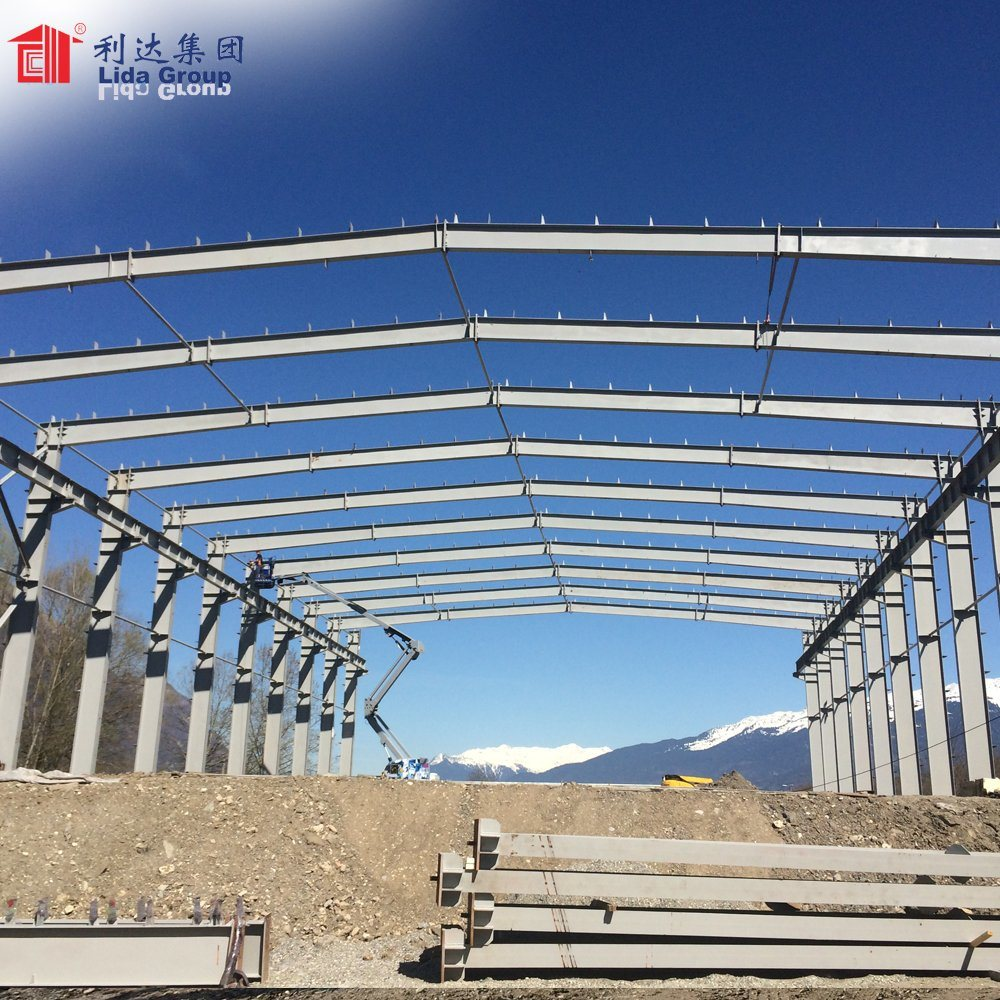
1. The Urgent Need for Large Span Farm Houses in Global Modern Agriculture
The global agricultural industry is undergoing a profound transformation, driven by factors such as population growth, urbanization, technological advancement, and the increasing demand for high-quality agricultural products. Traditional agricultural production models, relying on small-scale, scattered farm houses, are facing significant challenges in adapting to modern intensive farming. To understand the core value of Lida Group’s large span farm houses, it is first necessary to analyze the limitations of traditional farm houses and the evolving demand for large span agricultural facilities in the global market.
1.1 Limitations of Traditional Farm Houses in Modern Agricultural Production
Traditional farm houses, mostly constructed with brick-concrete or wooden structures, have inherent drawbacks that hinder the development of large-scale and intensive agriculture. First, the span of traditional farm houses is limited—due to the structural constraints of brick and concrete, the maximum span of most traditional farm houses is less than 15 meters, resulting in a fragmented interior space. This limited space makes it impossible to deploy large-scale agricultural equipment (such as combine harvesters, seeders, and feeding machines), forcing farmers to rely on manual labor or small-scale equipment, which significantly reduces production efficiency.
Second, traditional farm houses have poor flexibility and adaptability. Once built, the layout and structure of brick-concrete or wooden farm houses are difficult to modify, making it impossible to adjust to changes in agricultural production needs (such as switching from crop planting to livestock breeding, or expanding the scale of production). In addition, traditional farm houses are often designed for a single purpose, lacking the versatility to accommodate multiple agricultural activities, which limits the utilization efficiency of the facility.
Third, traditional farm houses have poor durability and resistance to harsh environments. Agricultural production is often carried out in outdoor environments, exposed to wind, rain, snow, high temperature, high humidity, and other harsh weather conditions. Brick-concrete farm houses are prone to cracking and leakage over time, especially in areas with frequent earthquakes or heavy snowfall. Wooden farm houses are susceptible to rotting, warping, and insect infestations, requiring frequent maintenance and reducing the service life of the facility. These issues not only increase the maintenance costs of farm houses but also pose potential safety risks to agricultural production.
Fourth, traditional farm houses have low energy efficiency and poor environmental performance. Most traditional farm houses lack effective thermal insulation and ventilation systems, leading to high energy consumption for heating and cooling. In addition, the construction of brick-concrete farm houses requires a large amount of raw materials and labor, resulting in high construction costs and significant environmental impact. Wooden farm houses, on the other hand, rely on the felling of trees, which is not conducive to environmental protection and sustainable development.
1.2 Evolving Market Demand for Spacious and Efficient Large Span Farm Houses
Against the backdrop of global agricultural modernization, the demand for spacious and efficient large span farm houses is becoming increasingly urgent. Farmers and agricultural enterprises around the world are seeking agricultural facilities that can meet the needs of large-scale, intensive, and intelligent production. Specifically, the market demand for large span farm houses is mainly reflected in the following aspects:
First, the demand for spacious open space. Large-scale agricultural production requires a large amount of open space to deploy large-scale farming equipment, store agricultural materials and products, and carry out centralized production activities. Large span farm houses, with their wide span (up to 50 meters or more) and open interior layout, can fully meet this demand, allowing for the free movement of agricultural machinery and the efficient organization of production processes. For example, in large-scale grain drying and storage farms, a large span farm house can accommodate multiple drying equipment and storage bins, realizing centralized drying and storage of grain, which significantly improves production efficiency.
Second, the demand for flexible and versatile layout. Modern agricultural production is becoming increasingly diversified, and farmers often need to adjust their production activities according to market demand. Therefore, large span farm houses need to have a flexible layout that can be easily modified to accommodate different agricultural activities, such as crop planting, livestock breeding, agricultural product processing, and machinery storage. This versatility ensures that the farm house can be fully utilized, improving the return on investment.
Third, the demand for durability and resistance to harsh environments. Agricultural facilities need to withstand a variety of harsh weather conditions and environmental factors, including strong winds, heavy snow, high temperature, high humidity, and pests. Therefore, large span farm houses need to be constructed with high-quality materials and advanced technologies to ensure long-term durability and stability. This not only reduces maintenance costs but also ensures the safety of agricultural production.
Fourth, the demand for energy efficiency and environmental protection. With the global focus on green and sustainable development, agricultural enterprises are increasingly emphasizing energy conservation and environmental protection. Large span farm houses need to be designed with energy-saving features, such as thermal insulation, natural ventilation, and solar energy utilization, to reduce energy consumption and environmental impact. In addition, the use of recyclable materials (such as steel) in construction is also an important requirement for environmental protection.
Fifth, the demand for cost-effectiveness and fast construction. Agricultural production has a strong seasonality, and farmers need to put agricultural facilities into use quickly to avoid missing the production season. Therefore, large span farm houses need to have a short construction cycle and low construction costs, allowing farmers to save time and money. In addition, the low maintenance costs of large span farm houses are also an important factor in improving their cost-effectiveness.
Faced with the limitations of traditional farm houses and the evolving market demand for modern agricultural facilities, Lida Group’s large span farm houses have emerged as the ideal solution. By combining the advantages of metal frame construction with advanced design concepts, Lida’s large span farm houses can perfectly meet the multi-dimensional needs of modern agricultural production, helping farmers and agricultural enterprises achieve large-scale, efficient, and sustainable development.
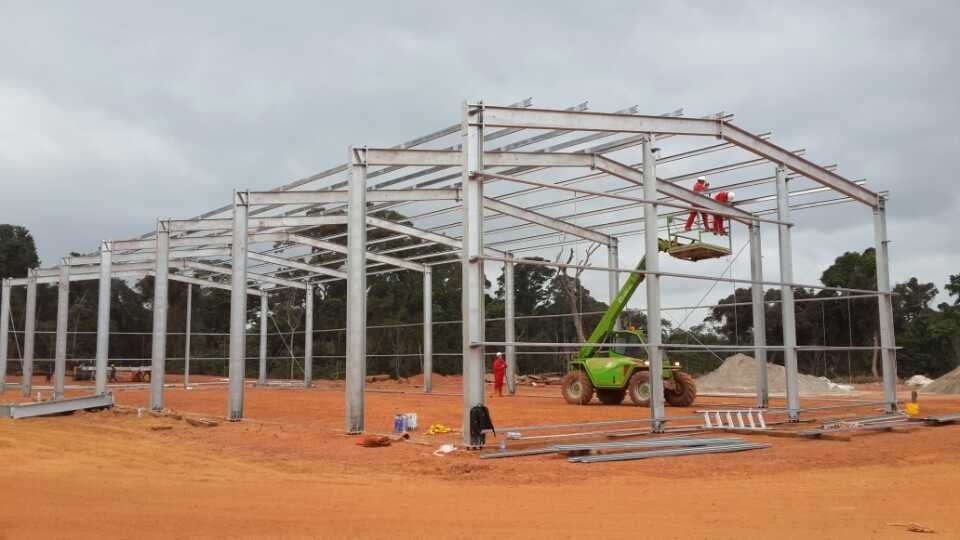
2. Core Advantages of Lida Group’s Large Span Farm Houses: Spaciousness and Efficiency
Lida Group’s large span farm houses are designed to prioritize spaciousness and efficiency, with a range of core advantages that set them apart from traditional farm houses and other large span solutions in the market. These advantages are rooted in Lida’s advanced technology, high-quality materials, and customer-centric design philosophy. The key advantages of Lida’s large span farm houses are specifically reflected in the following aspects:
2.1 Ultra-Large Span Design for Maximum Space Utilization
The most prominent advantage of Lida Group’s large span farm houses is their ultra-large span design, which provides ample open space for agricultural production. Lida’s large span farm houses can achieve spans of 20 to 50 meters or more, without the need for intermediate columns, creating a completely open interior space. This design maximizes the utilization of horizontal space, allowing for the flexible deployment of large-scale agricultural equipment, such as combine harvesters, seeders, feeding machines, and drying equipment. In addition, the open space also facilitates the centralized management of agricultural materials and products, reducing the time and labor required for handling and transportation.
For example, in a large-scale livestock breeding farm, a 40-meter span farm house can accommodate hundreds of livestock, with sufficient space for feeding, drinking, and movement. The open layout also allows for the installation of automated feeding and manure cleaning systems, significantly improving breeding efficiency. In a grain storage farm, a 50-meter span farm house can store thousands of tons of grain, with enough space for the installation of grain drying and ventilation equipment, ensuring the quality of stored grain.
In addition to the ultra-large span, Lida’s large span farm houses also feature a high ceiling design (up to 10 to 15 meters), which further expands the usable space. The high ceiling allows for the installation of multi-level storage shelves, hanging equipment, and ventilation systems, maximizing the utilization of vertical space. This comprehensive space optimization ensures that every square meter of the farm house is fully utilized, improving the overall efficiency of agricultural production.
2.2 Flexible and Versatile Layout for Diverse Agricultural Needs
Lida Group’s large span farm houses are designed with flexibility and versatility in mind, allowing them to adapt to a variety of agricultural production scenarios. Unlike traditional farm houses with fixed layouts, Lida’s large span farm houses adopt a modular design, which enables farmers to adjust the internal layout according to their specific production needs. The modular components can be easily assembled, disassembled, or reconfigured, making it possible to switch between different agricultural activities (such as crop planting, livestock breeding, and product processing) without major modifications to the structure.
For example, a farmer can initially use a large span farm house for crop planting, with open space for planting equipment and storage. When the market demand shifts to livestock breeding, the farmer can easily reconfigure the internal layout by adding partitions, feeding systems, and manure cleaning systems, transforming the farm house into a breeding facility. This flexibility not only improves the utilization efficiency of the farm house but also helps farmers adapt to changes in market demand, reducing the risk of investment.
In addition, Lida’s large span farm houses can be customized according to the specific needs of different regions and agricultural industries. For example, in tropical regions, the farm house can be designed with enhanced ventilation and moisture-proof features to adapt to high temperature and high humidity conditions. In cold regions, the farm house can be equipped with thermal insulation layers and heating systems to ensure the normal growth of crops or livestock in low-temperature environments. This customization capability ensures that Lida’s large span farm houses are suitable for use in various agricultural scenarios around the world.
2.3 High Strength and Durability for Long-Term Use
Lida Group’s large span farm houses adopt high-quality metal frame construction, using high-strength steel (such as Q355B, Q460, and S355JR) for the main frame. These steel materials have excellent yield strength, tensile strength, and ductility, ensuring that the farm house can withstand heavy loads, strong winds, heavy snow, and other harsh environmental conditions. The metal frame structure is highly stable, with a service life of more than 50 years, which is significantly longer than traditional brick-concrete (30-50 years) and wooden (20-30 years) farm houses.
To further enhance durability, Lida Group adopts advanced anti-corrosion treatment technologies for all steel components, including hot-dip galvanization and anti-corrosion paint spraying. The hot-dip galvanization process forms a dense zinc layer on the surface of the steel components, which effectively prevents corrosion caused by rain, humidity, salt spray, and chemical substances. The anti-corrosion paint adopts a “two primers and two topcoats” alkyd paint system, which further improves the anti-corrosion performance of the structure. This double anti-corrosion protection ensures that the farm house remains intact and stable even in harsh agricultural environments, reducing maintenance costs and extending the service life.
In addition, Lida’s large span farm houses are designed to resist earthquakes, with a seismic resistance level of up to 8 degrees. This is particularly important for agricultural regions prone to earthquakes, ensuring that the farm house and the agricultural production inside are protected from earthquake damage. The high strength and durability of Lida’s large span farm houses provide a reliable guarantee for long-term agricultural production.
2.4 Efficient Energy Saving and Environmental Protection Performance
Lida Group’s large span farm houses are designed with energy saving and environmental protection in mind, in line with the global trend of green agricultural development. The farm houses adopt high-quality thermal insulation materials (such as color steel sandwich panels) for the walls and roof, with a thermal conductivity of less than 0.03 W/(m·K), ensuring effective thermal insulation. This reduces the energy consumption for heating and cooling, helping farmers save energy costs.
In addition, Lida’s large span farm houses are designed with natural ventilation systems, which use the pressure difference between indoor and outdoor to achieve natural ventilation, reducing the need for mechanical ventilation and saving energy. The roof can also be equipped with solar panels, which convert solar energy into electricity for use in lighting, heating, and other agricultural activities, further reducing energy consumption and environmental impact.
Steel is a 100% recyclable material, and the steel components of Lida’s large span farm houses can be recycled and reused after the service life of the farm house, reducing resource waste and construction waste. The modular design of the farm house also reduces construction waste during the installation process, as the components are prefabricated in the factory and assembled on-site with minimal waste. This environmental protection performance not only helps farmers reduce their carbon footprint but also contributes to the sustainable development of the global agricultural industry.
2.5 Fast Construction and Cost-Effectiveness
Lida Group’s large span farm houses adopt a modular design and prefabricated production mode, which significantly shortens the construction cycle. All steel components are precision-manufactured in Lida’s modern production bases, and then transported to the construction site for rapid assembly. The construction cycle of a large span farm house is usually 30 to 90 days, which is 50% to 70% faster than traditional brick-concrete farm houses (which usually take 6 to 12 months). This short construction cycle allows farmers to put the farm house into use quickly, avoiding missing the agricultural production season and improving the return on investment.
In addition, the construction cost of Lida’s large span farm houses is lower than that of traditional brick-concrete farm houses. The prefabricated production mode reduces labor costs and material waste, and the simple assembly process further reduces construction costs. The low maintenance costs of the farm house (due to its high durability and anti-corrosion performance) also contribute to its cost-effectiveness. Over the long term, Lida’s large span farm houses can help farmers save a significant amount of money on construction and maintenance, improving the economic benefits of agricultural production.
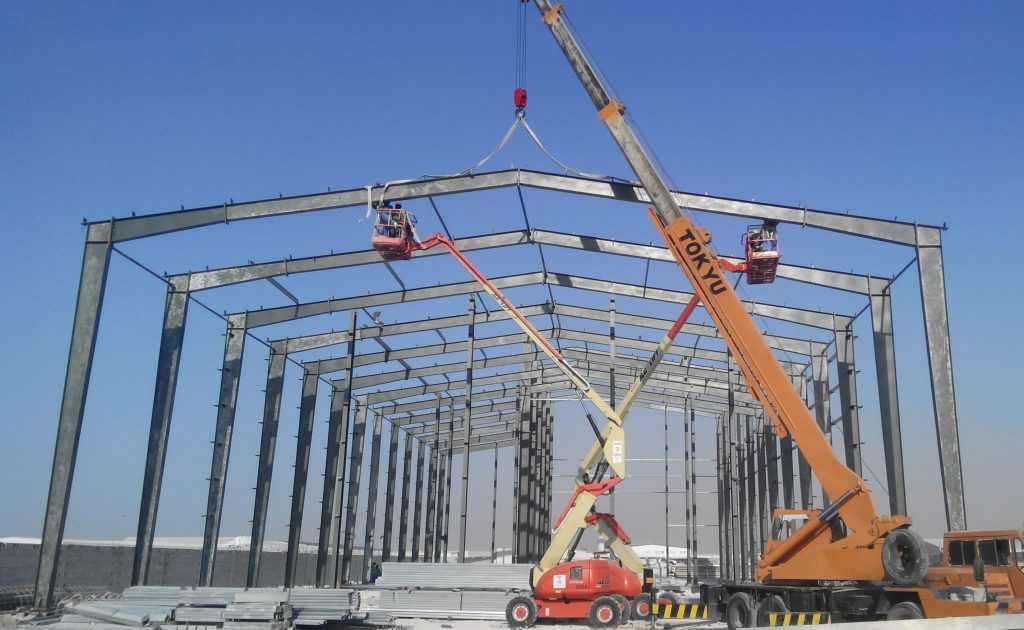
3. Core Technologies and Design Strategies of Lida Group’s Large Span Farm Houses
The excellent performance of Lida Group’s large span farm houses in spaciousness, efficiency, durability, and environmental protection is supported by advanced core technologies and scientific design strategies. Lida Group integrates advanced design concepts, precision manufacturing technologies, and strict quality control systems to ensure that each large span farm house meets the highest standards of modern agricultural production. The core technologies and design strategies are specifically reflected in the following aspects:
3.1 Advanced Design Technologies: BIM and Digital Twin
Lida Group adopts advanced Building Information Modeling (BIM) technology and digital twin simulation technology in the design phase of large span farm houses, ensuring the scientificity and rationality of the design. BIM technology allows Lida’s design team to build a three-dimensional digital model of the farm house, which can simulate the layout, structure, load-bearing capacity, and ventilation effect of the farm house in detail. This virtual prototyping technology enables the design team to identify potential design problems in advance (such as insufficient space utilization, unreasonable load distribution, or poor ventilation) and optimize the design scheme in a timely manner.
Digital twin simulation technology takes this a step further by creating a virtual replica of the farm house that is connected to the physical farm house in real time. This allows Lida’s team to simulate the operation of the farm house under different environmental conditions (such as strong winds, heavy snow, and high temperature) and production scenarios (such as crop planting and livestock breeding), predicting the performance of the farm house and optimizing the design to improve efficiency and durability. For example, using digital twin technology, Lida’s team can simulate the ventilation effect of the farm house, adjusting the size and position of ventilation windows to ensure optimal air circulation, which is crucial for crop growth and livestock health.
In addition, BIM and digital twin technologies enable Lida Group to collaborate with customers more effectively during the design phase. Customers can view the 3D model of the farm house, provide feedback on the layout and design, and make adjustments in real time, ensuring that the final design meets their specific production needs.
3.2 High-Quality Steel Material Selection and Anti-Corrosion Technology
The quality of steel materials is the foundation of the strength and durability of Lida’s large span farm houses. Lida Group strictly selects high-quality high-strength steel materials from well-known domestic and foreign steel manufacturers, including Q355B, Q460, and S355JR. These steel materials have excellent mechanical properties, with a yield strength of more than 355MPa, ensuring that the farm house can withstand heavy loads and harsh environmental conditions.
Corrosion is one of the main factors affecting the durability of metal frame farm houses, especially in agricultural environments with high humidity, chemical fertilizers, and pesticides. To solve this problem, Lida Group adopts a “double protection” anti-corrosion system of hot-dip galvanization and anti-corrosion paint spraying. The hot-dip galvanization process forms a dense zinc layer (with a thickness of more than 80μm) on the surface of the steel components, which can effectively isolate the steel from the external environment, preventing corrosion caused by rain, humidity, salt spray, and chemical substances. The anti-corrosion paint adopts a high-quality alkyd paint system, with two primers and two topcoats, which further enhances the anti-corrosion performance of the structure, extending the service life of the farm house to more than 50 years.
For farm houses in special agricultural environments (such as coastal areas with high salt spray, or areas with high chemical fertilizer use), Lida Group also customizes anti-corrosion solutions, such as using weather-resistant steel materials or adding an additional anti-corrosion layer, to ensure the durability of the farm house.
3.3 Optimized Structural Design for Spaciousness and Stability
Lida Group adopts a variety of optimized structural designs to ensure the spaciousness and stability of large span farm houses, including truss structures, frame structures, and composite structures. The choice of structure depends on the span, height, and specific use of the farm house.
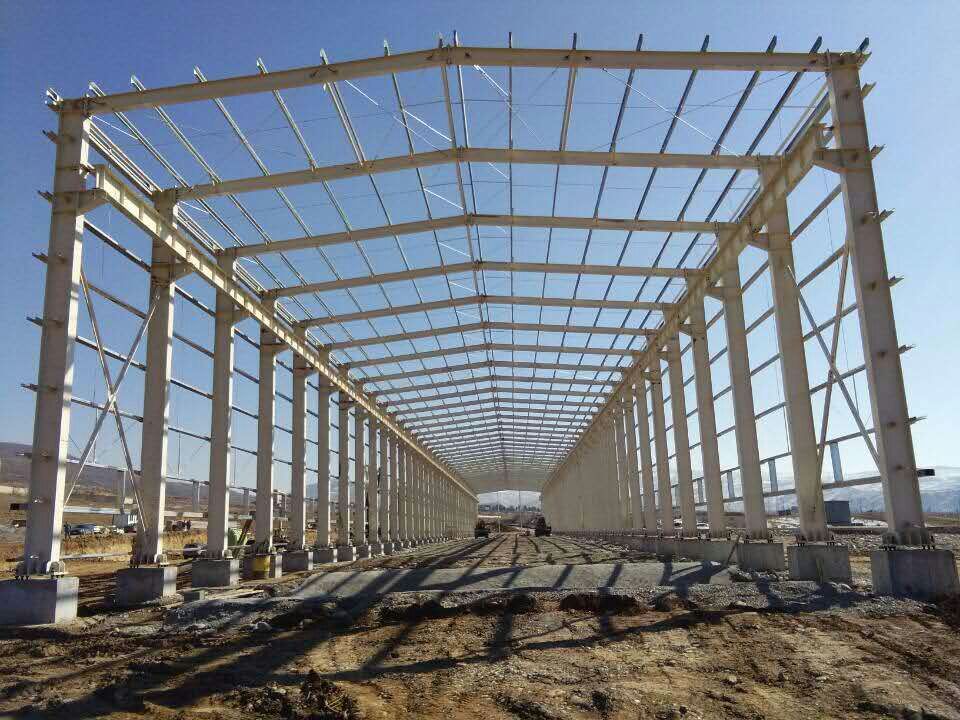
Truss structures are the most commonly used structural design for Lida’s large span farm houses, especially for spans of 30 meters or more. Truss structures have excellent load-bearing capacity and can span large spaces without the need for intermediate columns, maximizing the open interior space. The truss structure is composed of steel bars connected by nodes, which distributes the load evenly, ensuring the stability of the structure. For farm houses with larger spans (40 to 50 meters), Lida Group adopts a space truss structure, which has higher strength and stability, ensuring that the farm house can withstand strong winds and heavy snow.
Frame structures are suitable for farm houses with multi-level floors or complex layouts. The frame structure is composed of columns and beams, which provides strong support for the floors and partitions, ensuring the stability of the structure. Composite structures (combining truss and frame structures) are used for farm houses that require both large spans and multi-level storage or production spaces, providing the best of both worlds in terms of spaciousness and stability.
In addition, Lida Group optimizes the node design of the steel frame to ensure that the connection between components is firm and stable. The nodes are connected by high-strength bolts (Grade 10.9) and welding, ensuring that the structure can withstand heavy loads and dynamic forces. The roof and walls of the farm house are designed to be lightweight and durable, using color steel sandwich panels, which not only reduce the weight of the structure but also provide thermal insulation and moisture-proof performance.
3.4 Precision Manufacturing and Strict Quality Control
The precision of steel components is crucial for the structural stability and performance of Lida’s large span farm houses. Lida Group has multiple modern production bases equipped with advanced automated production equipment, including CNC cutting machines, robotic welding machines, shot blasting machines, and precision testing equipment. These equipment ensure that the steel components are manufactured with high precision, with a tolerance of less than 0.2mm, ensuring that the components fit together perfectly during installation.
Lida Group implements a strict quality control system throughout the production process, from raw material inspection to finished product inspection. All steel raw materials are inspected strictly before entering the production line, and unqualified raw materials are firmly rejected. During the production process, the cutting, welding, and anti-corrosion treatment of components are monitored in real time, ensuring that each link meets the quality standards. After production, all finished components are inspected strictly according to international standards (such as ISO 9001, CE EN 1090, and SGS), ensuring that each component meets the design requirements.
In addition, Lida Group has established a quality traceability system, which records the production process, inspection results, and other information of each component, enabling full traceability of product quality. This system not only ensures the quality of the products but also provides a reliable basis for after-sales maintenance and service.
3.5 Customized Design for Specific Agricultural Scenarios
Lida Group’s large span farm houses are designed to be fully customized to meet the specific needs of different agricultural scenarios and regions. Lida’s design team conducts in-depth investigations of the customer’s production needs, including the type of agricultural activity (crop planting, livestock breeding, etc.), the scale of production, the local climate conditions, and the budget, and then formulates the most suitable design scheme.
For example, for crop planting farm houses, Lida Group designs large open spaces to accommodate planting equipment and storage, and equips the farm house with natural ventilation and lighting systems to ensure the growth of crops. For livestock breeding farm houses, Lida Group designs partitions to separate different breeding areas, installs automated feeding and manure cleaning systems, and enhances ventilation and moisture-proof features to ensure the health of livestock. For agricultural product processing farm houses, Lida Group designs dedicated processing areas, storage areas, and packaging areas, with smooth floors and good ventilation to meet the hygiene requirements of food processing.
In addition, Lida Group adjusts the design according to the local climate conditions. For example, in tropical regions, the farm house is designed with large ventilation windows and a sloped roof to enhance ventilation and heat dissipation; in cold regions, the farm house is equipped with thick thermal insulation layers and heating systems to keep the indoor temperature stable; in areas with heavy snowfall, the roof is designed with a steep slope to prevent snow accumulation. This customized design ensures that Lida’s large span farm houses are suitable for use in various agricultural scenarios around the world.
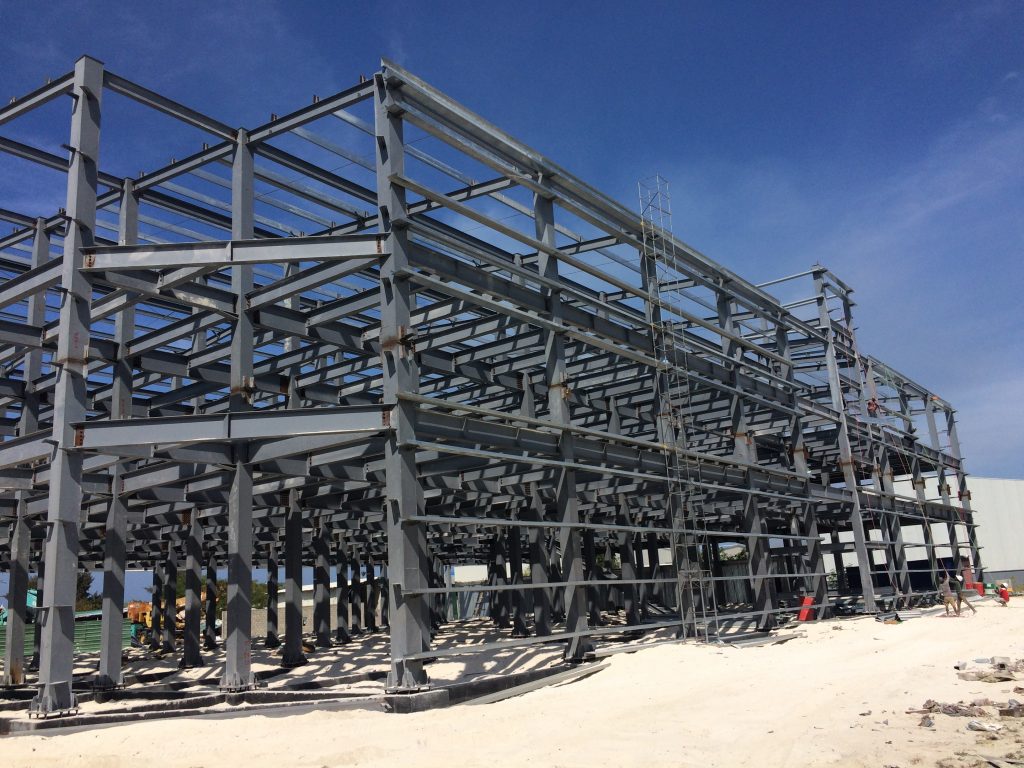
4. Typical Global Application Cases of Lida Group’s Large Span Farm Houses
Over the years, Lida Group has completed numerous large span farm house projects around the world, serving farmers and agricultural enterprises in various regions, including Asia, Europe, Africa, and the Americas. These projects have not only verified the effectiveness of Lida’s large span farm house solutions in promoting modern agricultural production but also brought significant economic and social benefits to the local agricultural industry. The following are several typical global application cases that showcase the strength and innovation of Lida Group’s large span farm houses.
4.1 Large Span Grain Storage and Drying Farm House Project in Eastern Europe
A large agricultural cooperative in Ukraine (Eastern Europe) needed to build a large span farm house for grain storage and drying, to meet the needs of large-scale grain production. Ukraine is a major grain-producing country, with a temperate continental climate, cold winters, and heavy snowfall. The cooperative required the farm house to have a large storage capacity, good thermal insulation performance, and the ability to withstand heavy snowfall. After comparing multiple solutions, the cooperative chose Lida Group’s large span farm house solution.
For this project, Lida Group designed a large span farm house with a span of 45 meters, a length of 100 meters, and a height of 12 meters, with a total area of 4,500 square meters. The farm house adopted a truss structure, which provided a completely open interior space for grain storage and drying equipment. The roof was designed with a steep slope (30 degrees) to prevent snow accumulation, and the walls and roof used 150mm thick thermal insulation color steel sandwich panels, ensuring effective thermal insulation. The farm house was equipped with 6 sets of grain drying equipment and 10 large storage bins, with a total storage capacity of 10,000 tons.
The farm house was also equipped with a natural ventilation system and a heating system. The natural ventilation system ensured good air circulation, preventing grain mold and spoilage. The heating system kept the indoor temperature above 5°C in winter, ensuring that the grain drying equipment could operate normally. The project adopted a modular design, and the construction cycle was only 60 days, which allowed the cooperative to put the farm house into use before the grain harvest season.
After the completion of the project, the cooperative’s grain storage and drying efficiency was improved by 300%, and the grain loss rate was reduced by 80%. The farm house has been in stable operation for many years, withstanding heavy snowfall and cold winters without any structural damage. The cooperative’s economic benefits have been significantly improved, and the project has become a model for large-scale grain storage in Eastern Europe.
4.2 Large Span Livestock Breeding Farm House Project in Southeast Asia
A large livestock breeding enterprise in Thailand (Southeast Asia) needed to build a large span farm house for chicken breeding, to meet the growing demand for poultry products. Thailand has a tropical monsoon climate, with high temperature, high humidity, and frequent heavy rains. The enterprise required the farm house to have good ventilation, moisture-proof performance, and a large breeding capacity. Lida Group provided a customized large span farm house solution for the project.
The farm house had a span of 35 meters, a length of 80 meters, and a height of 10 meters, with a total area of 2,800 square meters. The farm house adopted a truss structure, with an open interior space that could accommodate 100,000 chickens. The walls and roof used 100mm thick moisture-proof color steel sandwich panels, and the farm house was equipped with a high-efficiency ventilation system (including 20 large ventilation fans and 40 ventilation windows) to reduce indoor humidity and temperature. The floor was made of anti-slip concrete, and the farm house was equipped with an automated feeding system and a manure cleaning system, reducing labor costs.
To adapt to the tropical climate, Lida Group also designed the farm house with a sloped roof and rainwater drainage system, preventing water accumulation and leakage. The steel components were treated with hot-dip galvanization and anti-corrosion paint, ensuring resistance to corrosion in the high-humidity environment. The construction cycle of the project was only 45 days, and the farm house was put into use on schedule.
After the completion of the project, the enterprise’s breeding efficiency was improved by 250%, and the mortality rate of chickens was reduced by 30%. The good ventilation and moisture-proof performance of the farm house ensured the health of the chickens, and the automated system reduced labor costs by 40%. The project has been highly recognized by the enterprise, and Lida Group has since undertaken multiple similar projects in Southeast Asia.
4.3 Large Span Agricultural Machinery Storage and Maintenance Farm House Project in Africa
A local agricultural association in Kenya (East Africa) needed to build a large span farm house for the storage and maintenance of agricultural machinery, to support the development of large-scale agriculture in the region. Kenya has a tropical savanna climate, with high temperature, high humidity, and unstable construction resources. The association required the farm house to have a large open space, high load-bearing capacity, and low construction cost. Lida Group provided a cost-effective large span farm house solution for the project.
The farm house had a span of 30 meters, a length of 60 meters, and a height of 11 meters, with a total area of 1,800 square meters. The farm house adopted a truss structure, with a load-bearing capacity of up to 10 tons per square meter, which could accommodate large-scale agricultural machinery such as combine harvesters, tractors, and seeders. The walls and roof used 80mm thick color steel sandwich panels, which were lightweight and durable. The farm house was equipped with large sliding doors (4 meters wide and 5 meters high) to facilitate the entry and exit of agricultural machinery.
Considering the limited local construction resources, Lida Group optimized the design of the steel components to reduce transportation costs and simplify the installation process. Lida’s professional installation team was dispatched to the site, and local construction workers were trained to participate in the installation, improving the installation efficiency. The construction cycle of the project was only 30 days, and the construction cost was 30% lower than that of traditional brick-concrete farm houses.
After the completion of the project, the agricultural association’s agricultural machinery was effectively protected from harsh weather conditions, reducing maintenance costs by 50%. The farm house also provided a dedicated maintenance area, improving the maintenance efficiency of the machinery. This project has promoted the development of large-scale agriculture in the region, helping local farmers improve production efficiency.
4.4 Large Span Comprehensive Agricultural Farm House Project in China
A large agricultural industrial park in Shandong Province, China, needed to build a large span comprehensive farm house to integrate crop planting, agricultural product processing, and machinery storage. The park required the farm house to have a flexible layout, large space, and energy-saving performance. Lida Group provided a customized large span farm house solution for the project.
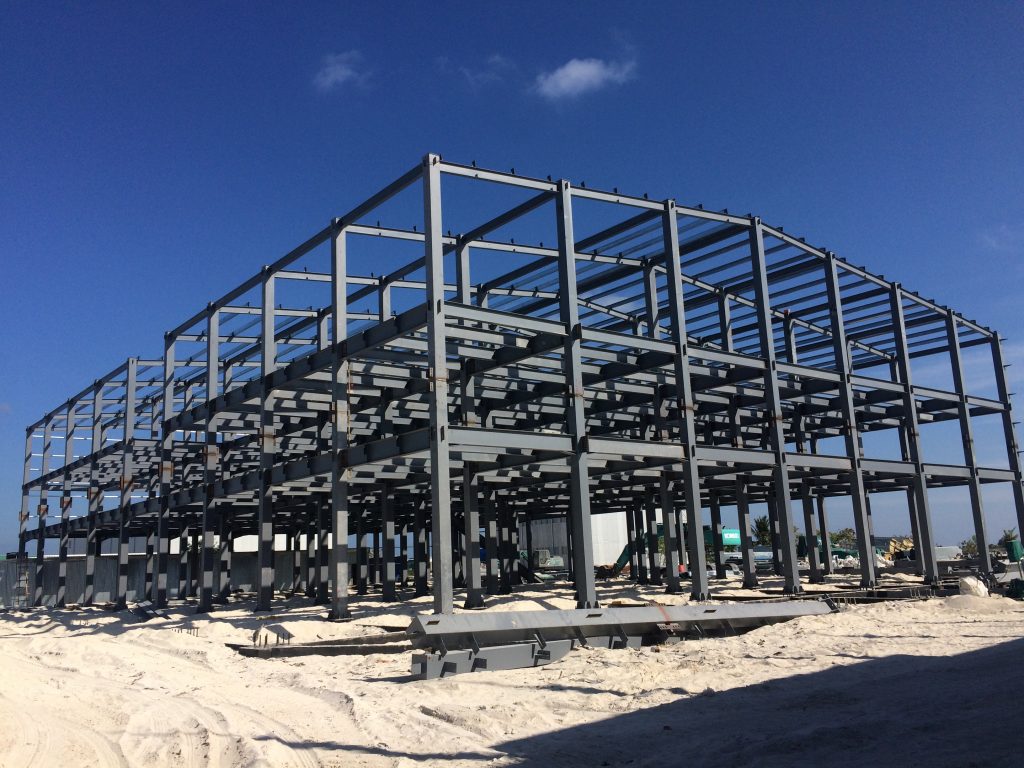
The farm house had a span of 50 meters, a length of 120 meters, and a height of 15 meters, with a total area of 6,000 square meters. The farm house adopted a composite structure (combining truss and frame structures), which divided the interior space into three functional areas: crop planting area, product processing area, and machinery storage area. The planting area was equipped with a greenhouse system and a drip irrigation system, ensuring the growth of crops. The processing area was equipped with cleaning, sorting, and packaging equipment, realizing the on-site processing of agricultural products. The storage area was designed with a high load-bearing capacity to accommodate large-scale agricultural machinery.
The farm house was equipped with a solar energy system, which provided electricity for lighting and processing equipment, reducing energy consumption. The walls and roof used 120mm thick thermal insulation color steel sandwich panels, and the farm house was equipped with a natural ventilation system, ensuring energy saving and environmental protection. The project adopted a modular design, allowing for future expansion. The construction cycle was 90 days, and the farm house was put into use on schedule.
After the completion of the project, the agricultural industrial park’s production efficiency was improved by 200%, and the value-added of agricultural products was increased by 150%. The comprehensive farm house has become a model for modern agricultural industrialization in China, demonstrating the versatility and efficiency of Lida’s large span farm houses.
5. The Impact of Lida Group’s Large Span Farm Houses on the Global Agricultural Industry
Lida Group’s large span farm houses have not only brought significant economic benefits to individual farmers and agricultural enterprises but also had a profound impact on the global agricultural industry, promoting the transformation and upgrading of agricultural production and contributing to the development of modern agriculture. The impact is specifically reflected in the following aspects:
5.1 Promoting the Transformation of Agriculture from Small-Scale to Large-Scale
Before the emergence of Lida’s large span farm houses, the global agricultural industry was dominated by small-scale, scattered production models, which limited the efficiency of agricultural production. Lida’s large span farm houses, with their spacious space and efficient layout, enable farmers to carry out large-scale, intensive agricultural production, improving production efficiency and reducing labor costs. This transformation has promoted the concentration of agricultural land and the scale of agricultural operations, helping farmers achieve economies of scale and improve their economic benefits.
In addition, Lida’s large span farm houses facilitate the deployment of large-scale agricultural machinery and intelligent equipment, promoting the mechanization and intelligentization of agricultural production. This not only reduces the labor intensity of farmers but also improves the precision and efficiency of agricultural production, contributing to the modernization of the agricultural industry.
5.2 Improving the Efficiency and Quality of Agricultural Production
Lida Group’s large span farm houses are designed to optimize the agricultural production process, improving the efficiency and quality of agricultural products. The spacious open space allows for the centralized management of agricultural production, reducing the time and labor required for handling and transportation. The flexible layout enables farmers to adjust their production activities according to market demand, improving the adaptability of agricultural production.
In addition, the advanced design of Lida’s large span farm houses (such as thermal insulation, ventilation, and moisture-proof features) ensures the optimal growth environment for crops and livestock, improving the quality of agricultural products. For example, in livestock breeding farm houses, good ventilation and moisture-proof performance reduce the incidence of diseases, ensuring the health of livestock and the quality of meat and poultry products. In grain storage farm houses, effective thermal insulation and ventilation prevent grain mold and spoilage, ensuring the quality of stored grain.
5.3 Promoting the Development of Green and Sustainable Agriculture
Lida Group’s large span farm houses are in line with the global trend of green and sustainable agricultural development. The use of recyclable steel materials reduces resource waste and environmental impact. The energy-saving design (such as thermal insulation, natural ventilation, and solar energy utilization) reduces energy consumption and carbon emissions, helping farmers achieve energy conservation and emission reduction.
In addition, Lida’s large span farm houses reduce the need for land occupation, as the efficient use of space allows for more agricultural production on the same land area. This helps to protect farmland resources and promote the sustainable use of land. The low maintenance costs of the farm houses also reduce the use of chemical materials (such as anti-corrosion agents and pesticides), further reducing environmental pollution.
5.4 Supporting the Development of Agricultural Industrialization
Lida Group’s large span farm houses provide a strong infrastructure support for the development of agricultural industrialization. The comprehensive farm houses, which integrate planting, breeding, processing, and storage, help to extend the agricultural industrial chain, increase the value-added of agricultural products, and promote the integration of agricultural production, processing, and sales. This not only improves the economic benefits of agricultural enterprises but also promotes the development of related industries (such as agricultural machinery, fertilizer, and food processing), forming a complete agricultural industrial chain.
In addition, Lida’s large span farm houses are suitable for use in various agricultural scenarios, including crop planting, livestock breeding, and agricultural product processing, which helps to promote the diversification of agricultural production and the development of characteristic agriculture. This is particularly important for developing countries, where agricultural industrialization is still in the early stage, and Lida’s solutions help to accelerate the process of agricultural modernization.
6. Conclusion
In the era of global agricultural modernization, the demand for spacious, efficient, and durable agricultural facilities is becoming increasingly urgent. Lida Group’s large span farm houses, with their ultra-large span design, flexible layout, high strength, durability, energy saving, and environmental protection performance, have become the core solution for modern agricultural production. These farm houses not only meet the needs of large-scale, intensive, and intelligent agricultural production but also help farmers and agricultural enterprises reduce costs, improve efficiency, and achieve sustainable development.
This article has comprehensively analyzed the limitations of traditional farm houses and the evolving market demand for large span agricultural facilities, demonstrating that Lida Group’s large span farm houses are the future development direction of modern agricultural infrastructure. The core advantages of Lida’s large span farm houses—spaciousness, flexibility, durability, energy saving, and cost-effectiveness—are supported by advanced technologies and scientific design strategies, including BIM and digital twin technology, high-quality steel material selection, optimized structural design, precision manufacturing, and customized design.
The typical application cases in Eastern Europe, Southeast Asia, Africa, and China have verified the effectiveness of Lida’s large span farm house solutions in different agricultural scenarios and regions, showcasing Lida’s strong technical strength and customization capabilities. These projects have not only brought significant economic benefits to customers but also promoted the transformation and upgrading of the local agricultural industry.
Lida Group’s large span farm houses have had a profound impact on the global agricultural industry: promoting the transformation from small-scale to large-scale agriculture, improving the efficiency and quality of agricultural production, promoting green and sustainable agriculture, and supporting the development of agricultural industrialization. As the global agricultural industry continues to evolve, the demand for large span farm houses will continue to grow, and Lida Group will continue to adhere to the concept of “customer-centric, quality-first”, deepen the research and development of large span farm house technologies, optimize product solutions, and provide better services for global farmers and agricultural enterprises.
In the future, Lida Group will focus on three key development directions: first, strengthening the integration of large span farm houses with intelligent technologies such as IoT, big data, and artificial intelligence, promoting the development of intelligent agricultural facilities, and improving the efficiency and precision of agricultural production; second, developing more environmentally friendly and energy-saving large span farm house solutions, using new materials and new processes to reduce the carbon footprint of agricultural facilities and contribute to global green development; third, expanding the global market, especially focusing on emerging agricultural markets and “Belt and Road” countries and regions, bringing Lida’s high-quality large span farm house solutions to more farmers around the world. With these efforts, Lida Group will continue to lead the development of the global large span farm house industry, helping to promote the modernization and sustainable development of the global agricultural industry.
Related news
-
Lida Group Delivers Durable Steel Structure Construction Projects
2026-02-26 17:00:30
-
Maximize Storage with Our Custom Metal Frame Warehouse
2026-02-26 17:09:15
-
Innovative Large Span Farm House Designed for Modern Agriculture
2026-02-26 16:48:45
contact us
- Tel: +86-532-88966982
- Whatsapp: +86-13793209022
- E-mail: sales@lidajituan.com
