



Sleek and Efficient Modern Mobile Building by Lida Group
2025-Dec-24 15:04:39
By Admin
In an era defined by rapid urbanization, flexible land use demands, and the pursuit of sustainable development, the global construction industry is undergoing a profound transformation. Traditional fixed buildings, with their lengthy construction cycles, high resource consumption, and irreversible land occupation, are increasingly struggling to adapt to dynamic social needs—from temporary urban infrastructure supplementation to emergency disaster relief, and from mobile commercial services to personalized residential demands. Against this backdrop, modern mobile buildings have emerged as a disruptive solution, blending architectural aesthetics, functional efficiency, and environmental friendliness. As a global leader in prefabricated construction solutions, Lida Group has redefined the standards of mobile architecture with its sleek and efficient modern mobile building series. By integrating cutting-edge modular technology, premium materials, and human-centric design, Lida Group’s mobile buildings not only break the limitations of fixed construction but also set a new benchmark for flexibility, sustainability, and operational efficiency in the industry. This article explores the design philosophy, technical innovations, application versatility, market impact, and sustainable development capabilities of Lida Group’s modern mobile buildings, illustrating how they reshape the built environment to meet the diverse needs of the modern world.
1. Lida Group: A Pioneer in Reimagining Mobile Construction
With decades of experience in prefabricated steel structure buildings and integrated construction solutions, Lida Group has always been at the forefront of construction innovation, driven by a mission to deliver efficient, durable, and sustainable building solutions. Building on its expertise in light steel structures, sandwich panel systems, and modular assembly technologies, the company has expanded its product portfolio to focus on modern mobile buildings—an area that perfectly aligns with its core strengths and the global shift toward flexible construction. Lida Group’s mobile buildings are not mere “temporary structures”; they represent a new category of architecture that balances aesthetics, functionality, and mobility, designed to adapt to both short-term demands and long-term, reusable scenarios.
Guided by a customer-centric approach and strict quality control standards, Lida Group invests heavily in research and development (R&D) to refine its mobile building technologies. The company’s state-of-the-art manufacturing facilities, certified under ISO 9001 and ISO 14001, ensure that each mobile building module is precision-engineered, prefabricated, and tested in a controlled environment, reducing on-site construction risks and ensuring consistent performance. By integrating digital design tools such as BIM (Building Information Modeling) and parametric design, Lida Group enables seamless customization of mobile buildings to meet diverse architectural and functional requirements, from sleek commercial pods to spacious residential units. With a global presence spanning over 50 countries across Asia, Africa, Europe, and the Americas, Lida Group has established a proven track record of delivering mobile building solutions for a wide range of clients, solidifying its reputation as a trusted innovator in the field.
2. Design Philosophy: Marrying Sleek Aesthetics with Functional Efficiency
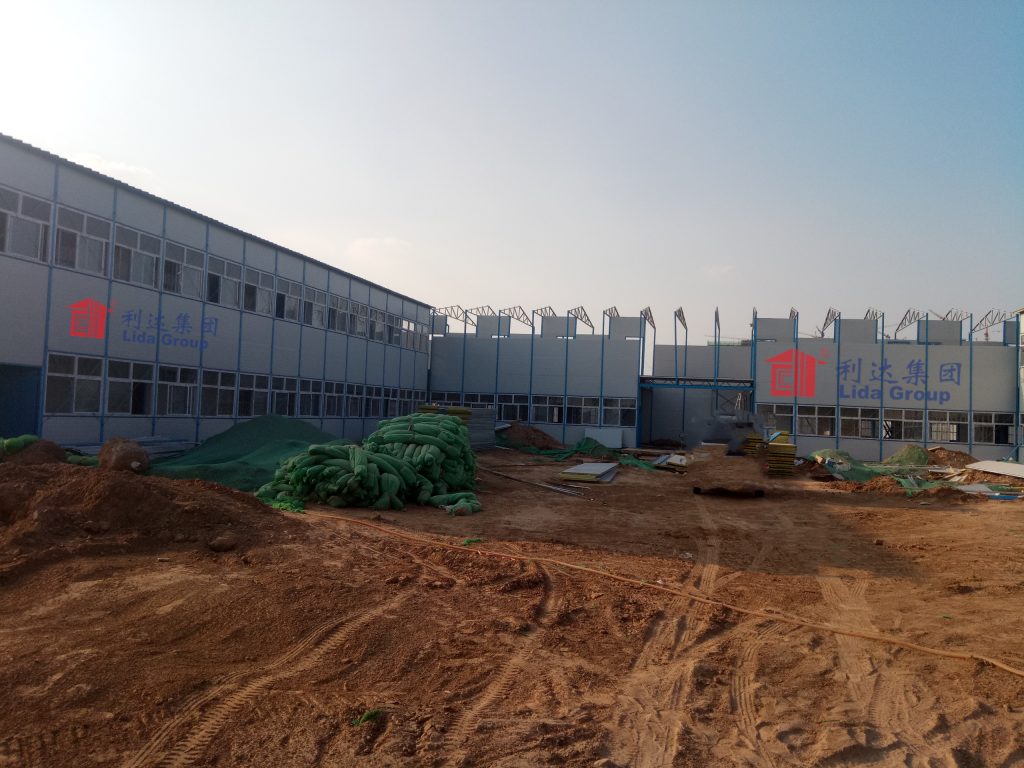
The defining appeal of Lida Group’s modern mobile buildings lies in their ability to merge “sleek” design—characterized by clean lines, minimalist aesthetics, and contemporary styling—with uncompromising functional efficiency. Unlike conventional mobile structures that prioritize utility over appearance, Lida Group’s offerings are designed to integrate harmoniously into diverse environments, from urban landscapes to natural settings, while delivering optimal performance in terms of space utilization, installation speed, and operational cost.
2.1 Sleek Aesthetic Design: Redefining Mobile Building Aesthetics
Lida Group’s design team embraces a minimalist yet sophisticated approach, rejecting the clunky, industrial look often associated with mobile buildings. Key aesthetic features include:
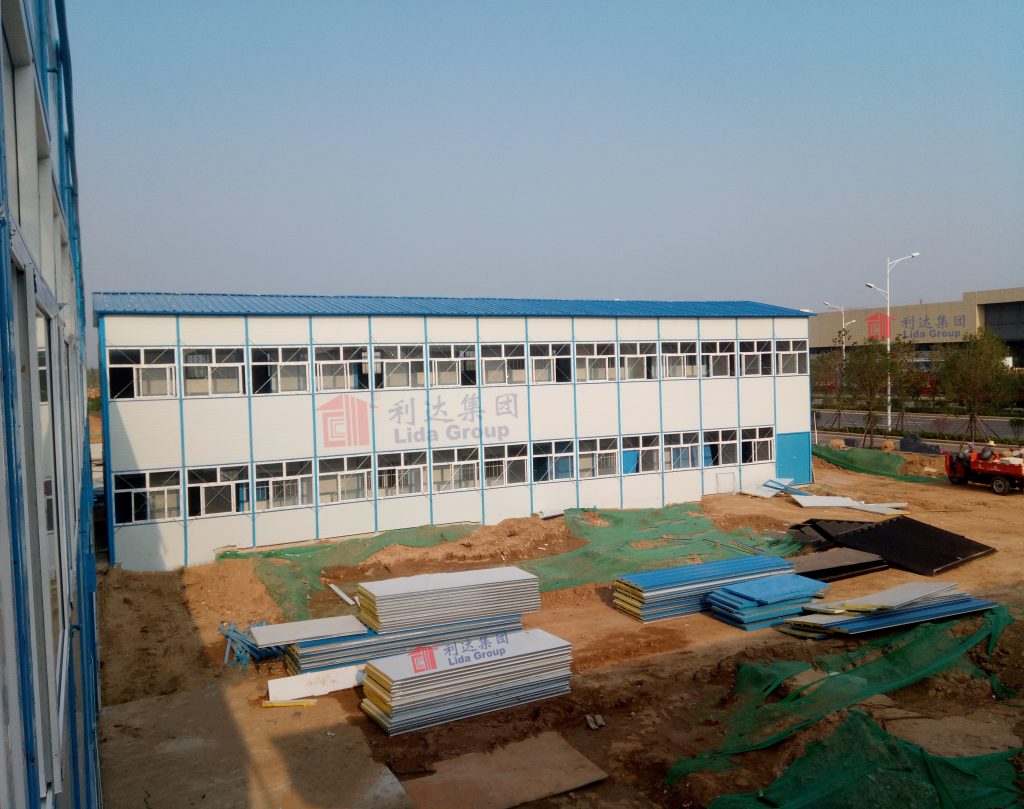
Streamlined Exteriors: The buildings feature smooth, continuous surfaces with clean edges and balanced proportions, avoiding unnecessary structural protrusions. Exterior finishes are available in a range of high-quality, weather-resistant materials, including pre-painted galvanized steel, aluminum composite panels, and wood-grain cladding, all compliant with international RAL color standards. Clients can choose from neutral tones for urban integration or bold hues for commercial visibility, with customizable textures to mimic natural materials such as stone or wood, enhancing aesthetic versatility.
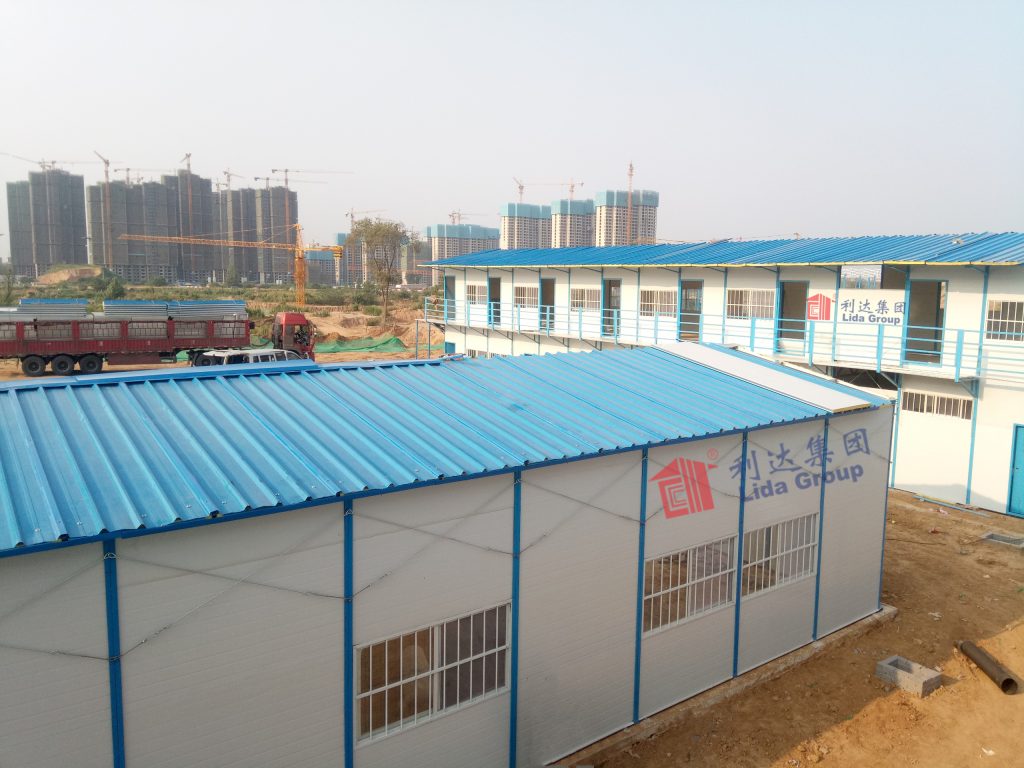
Integrated Architectural Elements: Large, energy-efficient glass windows and sliding doors are seamlessly integrated into the design, maximizing natural light penetration and creating a sense of openness. Roof designs are optimized for both aesthetics and functionality, with options for flat roofs (ideal for solar panel installation) or gently sloped roofs that add visual interest while ensuring effective drainage. Balconies, awnings, and modular extensions can be added to enhance outdoor space and architectural appeal, all designed to maintain the building’s sleek silhouette.
Cohesive Interior Design: The interior of Lida Group’s mobile buildings reflects the same sleek aesthetic, with modular, customizable layouts that prioritize space efficiency. Flooring options include durable vinyl, composite wood, or polished concrete, while wall panels and ceilings are finished with low-VOC (volatile organic compound) materials for a healthy indoor environment. Built-in storage solutions, modular furniture, and hidden wiring systems minimize clutter, creating a clean, modern interior that rivals fixed buildings in comfort and style.
2.2 Functional Efficiency: Optimizing Performance for Mobility
Beyond aesthetics, Lida Group’s mobile buildings are engineered for maximum efficiency, addressing the core pain points of traditional mobile structures—limited space, poor insulation, and cumbersome mobility. Key efficiency-driven features include:
Space Optimization: Using a modular design approach, Lida Group’s buildings maximize usable space with flexible layouts that can be reconfigured according to changing needs. For example, a 20-square-meter mobile office can be expanded to 40 square meters by connecting two modules, or reconfigured from an open-plan workspace to a private office with partition walls. The use of lightweight yet high-strength materials eliminates the need for bulky support structures, further enhancing space utilization.
Superior Thermal and Acoustic Insulation: Leveraging Lida Group’s proprietary sandwich panel technology, the mobile buildings feature core insulation materials (rock wool, polyurethane, or EPS) that deliver exceptional thermal performance, with U-values as low as 0.35 W/(m²·K). This ensures stable indoor temperatures year-round, reducing heating and cooling costs by 30–40% compared to conventional mobile structures. Additionally, rock wool core panels provide sound insulation of up to 45 dB, creating a quiet indoor environment even in noisy urban or industrial settings.
Easy Mobility and Rapid Deployment: Designed for hassle-free transportation and installation, Lida Group’s mobile buildings are lightweight (typically 80–150 kg per square meter) and compatible with standard shipping containers and flatbed trucks. Modules can be transported fully prefabricated—including interior fixtures and utilities—and installed on-site in as little as 4–8 hours by a small team, without the need for heavy machinery. For larger projects, multiple modules can be connected in a matter of days, reducing overall project timelines by 60–70% compared to traditional construction.
3. Core Technologies: Powering Sleekness and Efficiency
The performance of Lida Group’s modern mobile buildings is underpinned by three core technologies: modular light steel structure, advanced sandwich panel systems, and intelligent utility integration. These technologies work in tandem to deliver a product that is both aesthetically pleasing and highly functional.
3.1 Modular Light Steel Structure: Strength, Lightness, and Flexibility
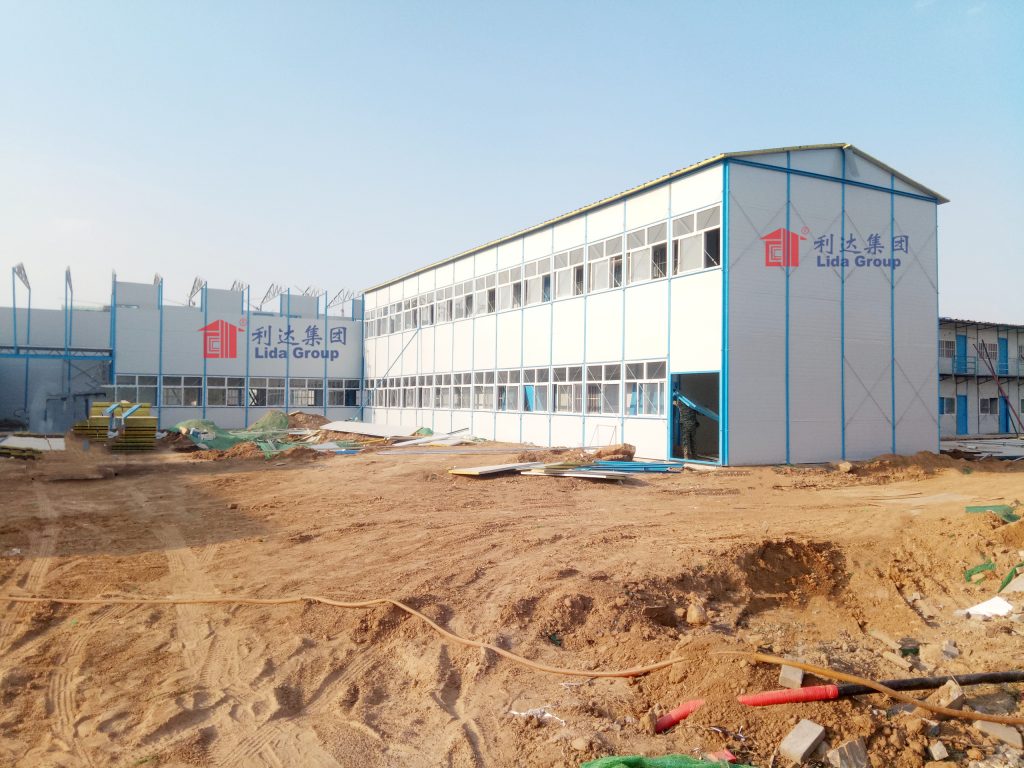
At the heart of Lida Group’s mobile buildings is a modular light steel structure, constructed from cold-formed C-type and Z-type thin-walled steel. This structure offers several key advantages over traditional steel or concrete frames:
High Strength-to-Weight Ratio: The light steel members are galvanized to resist corrosion and engineered to withstand wind loads of up to 120 km/h and seismic activity of up to magnitude 7, ensuring structural stability in diverse environments. Despite their strength, the members are lightweight, reducing the building’s overall weight and facilitating easy transportation and installation.
Modular Compatibility: The structure is designed with standardized connection points, allowing modules to be easily connected, disconnected, or reconfigured. This modularity enables infinite design possibilities—from single-module kiosks to multi-module residential complexes—while ensuring structural integrity across all configurations.
Precision Manufacturing: The light steel components are prefabricated in Lida Group’s factories using automated production lines, ensuring dimensional accuracy within ±1mm. This precision eliminates on-site cutting and welding, reducing construction time and minimizing material waste.
3.2 Advanced Sandwich Panel Systems: Insulation and Aesthetics in One
Lida Group’s mobile buildings utilize the company’s flagship sandwich panel system for walls, roofs, and floors, integrating insulation, structural support, and aesthetic finish into a single component. The panels are available in three core configurations to suit different performance needs:
-
Rock Wool Core Panels: Ideal for projects requiring fire resistance (A1/B1 rating) and sound insulation, such as public facilities and emergency shelters. Rock wool’s inorganic composition is moisture-resistant and non-combustible, ensuring safety and durability in harsh conditions.
-
Polyurethane (PU) Core Panels: Perfect for temperature-controlled applications such as mobile cold storage, clinics, or residential units, with a thermal conductivity of 0.023 W/(m²·K)—one of the lowest in the industry. The closed-cell foam core also provides excellent moisture resistance.
-
EPS Core Panels: A cost-effective solution for general-purpose buildings such as offices and temporary housing, offering a balance of insulation, impact resistance, and affordability.
All panels feature pre-finished exteriors and interiors, eliminating the need for additional cladding or painting and contributing to the building’s sleek appearance. The panels are also equipped with tongue-and-groove joints for seamless installation and airtight sealing, enhancing insulation efficiency and weather resistance.
3.3 Intelligent Utility Integration: Efficiency and Convenience
To enhance operational efficiency, Lida Group’s mobile buildings are equipped with integrated utility systems that are pre-installed in the factory, reducing on-site setup time and ensuring reliability. Key systems include:
Energy-Efficient HVAC: Compact, high-efficiency heating, ventilation, and air conditioning (HVAC) systems are tailored to the building’s size, reducing energy consumption. For off-grid applications, solar-powered HVAC systems and battery storage can be integrated, enabling self-sustaining operation.
Smart Electrical Systems: Pre-wired electrical systems with LED lighting, USB charging ports, and energy management controls are installed during factory production. Optional IoT (Internet of Things) sensors can be added to monitor energy usage, temperature, and humidity in real time, optimizing operational efficiency.
Water Management: Modular plumbing systems for sinks, toilets, and showers are integrated, with options for rainwater harvesting and greywater recycling systems to enhance sustainability. For mobile buildings in remote areas, compact water storage tanks and water purification systems are available.
4. Application Versatility: Adapting to Diverse Modern Needs
Lida Group’s sleek and efficient modern mobile buildings are designed for universal applicability, catering to a wide range of sectors and scenarios. Their modularity, mobility, and aesthetic appeal make them an ideal solution for projects where flexibility, speed, and design quality are paramount.
4.1 Commercial and Retail Applications
In the commercial sector, Lida Group’s mobile buildings serve as eye-catching, flexible retail pods, pop-up stores, cafes, and information kiosks. Their sleek design attracts customers, while their mobility allows businesses to relocate based on foot traffic patterns or seasonal demand. For example, a mobile coffee shop can be deployed at a music festival in summer and moved to a Christmas market in winter, maximizing revenue opportunities. Lida Group’s commercial modules are customizable with large display windows, branding panels, and outdoor seating areas, creating a premium customer experience that rivals brick-and-mortar stores. A recent project in Europe saw Lida Group deliver 15 mobile retail pods for a downtown pedestrian mall, with installation completed in 10 days and each pod generating 20% higher foot traffic than traditional kiosks due to their modern design.
4.2 Residential and Hospitality Uses
In the residential and hospitality sectors, Lida Group’s mobile buildings address the growing demand for affordable, flexible housing and unique accommodation experiences. Modular residential units can be used as guest houses, backyard offices, or temporary housing for construction workers, while larger multi-module complexes can serve as boutique hotels, glamping resorts, or student dormitories. The sleek interior and exterior design of these buildings creates a premium feel, while their mobility allows hospitality businesses to expand or relocate without permanent land commitments. For example, Lida Group supplied 30 mobile glamping units for a eco-resort in Southeast Asia, each featuring a private balcony, solar-powered lighting, and modern furnishings. The units were installed in 2 weeks, and their minimalist design blended seamlessly with the natural landscape, increasing the resort’s booking rate by 35%.
4.3 Public and Emergency Services
For public sector and emergency applications, Lida Group’s mobile buildings offer rapid deployment and reliable performance. They are widely used as temporary clinics, community centers, school classrooms, and disaster relief shelters. In emergency situations, such as natural disasters or pandemics, the buildings can be transported to affected areas within 24–48 hours and installed as field hospitals, food distribution centers, or temporary housing for displaced persons. Lida Group’s emergency modules are equipped with rock wool core panels for fire resistance, integrated HVAC systems for infection control, and durable exteriors to withstand harsh weather. Following a flood in South Asia, Lida Group delivered 50 mobile shelters and 10 field clinics, which were installed by local teams in 5 days, providing safe accommodation and medical services for over 2,000 people.
4.4 Industrial and Construction Sites
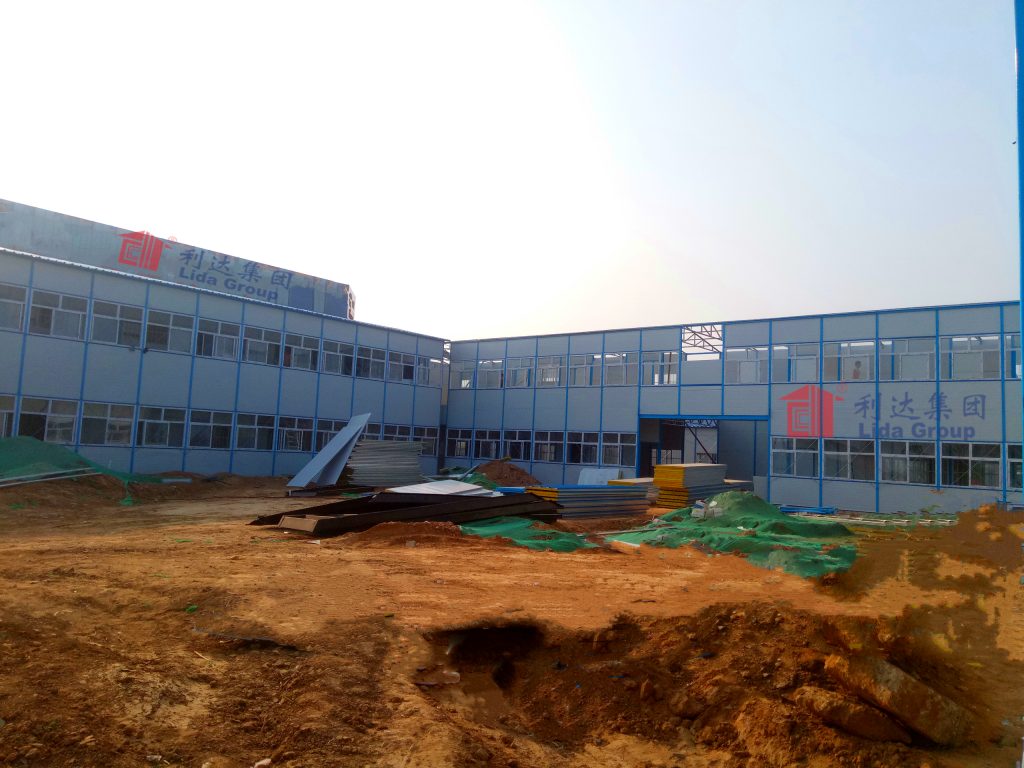
On industrial and construction sites, Lida Group’s mobile buildings serve as on-site offices, meeting rooms, restrooms, and storage facilities. Their durability and weather resistance make them suitable for harsh construction environments, while their mobility allows them to be relocated as the project progresses. The buildings’ sleek design also improves the on-site working environment, boosting employee productivity. For a large-scale infrastructure project in the Middle East, Lida Group supplied 20 mobile office modules, which were connected to form a fully functional on-site headquarters with meeting rooms, a cafeteria, and rest areas. The modules were installed in 3 days, reducing the project’s initial setup time by 50% compared to traditional on-site construction.
5. Market Impact: Transforming the Future of Flexible Construction
Lida Group’s modern mobile buildings have had a significant impact on the global construction industry, driving the adoption of flexible, prefabricated solutions and redefining market expectations for mobile architecture. Their influence is evident in three key areas:
5.1 Addressing Labor and Time Shortages
Like the broader construction industry, the mobile building sector faces global labor shortages and pressure to reduce project timelines. Lida Group’s solution mitigates these challenges by minimizing on-site labor requirements—prefabricated modules require only basic assembly skills, and a small team can install a single module in hours. This not only reduces reliance on skilled labor but also shortens project timelines by 60–70% compared to traditional construction. In markets such as Europe and North America, where skilled labor costs are high, this has made Lida Group’s mobile buildings a cost-competitive alternative to fixed structures.
5.2 Optimizing Land Resource Utilization
With urban land becoming increasingly scarce and expensive, Lida Group’s mobile buildings offer a sustainable solution for maximizing land use efficiency. Unlike fixed buildings, which require permanent land occupation, mobile structures can be moved or removed once their purpose is fulfilled, allowing land to be reused for other applications. This is particularly valuable in urban areas, where temporary infrastructure (such as construction site offices or event facilities) can be deployed without compromising long-term land development plans. In China, Lida Group’s mobile buildings have been used in urban renewal projects, where they serve as temporary community centers during construction and are then relocated to other neighborhoods, reducing the need for permanent construction.
5.3 Elevating Industry Standards for Mobile Architecture
Prior to Lida Group’s innovations, mobile buildings were often viewed as low-quality, temporary solutions with little aesthetic value. By combining sleek design, advanced technology, and high-quality materials, Lida Group has elevated the perception of mobile architecture, positioning it as a viable, premium alternative to fixed buildings. This has inspired other manufacturers to invest in design and technology, driving industry-wide innovation and standardization. The company’s adherence to international quality and sustainability standards has also raised the bar for product performance, ensuring that mobile buildings meet the same safety and efficiency requirements as fixed structures.
6. Sustainability: Aligning with Global Green Building Goals
As the world prioritizes carbon reduction and sustainable development, Lida Group’s modern mobile buildings stand out for their lifecycle sustainability, aligning with global initiatives such as the Paris Agreement and LEED green building standards. Their environmental credentials span from manufacturing to end-of-life disposal.
6.1 Low-Carbon Manufacturing
Lida Group’s manufacturing process for mobile buildings is designed to minimize environmental impact. The company’s factories use 85% renewable energy (solar and wind power) for production, reducing carbon emissions associated with manufacturing. Prefabrication in a controlled environment also reduces material waste to less than 5%—compared to 15–20% for traditional construction—by ensuring precise cutting and efficient use of materials. The light steel used in the structure is 100% recyclable, and Lida Group sources steel from suppliers with a recycled content of up to 90%, further lowering the carbon footprint of raw materials.
6.2 Energy and Resource Efficiency in Operation
Lida Group’s mobile buildings are engineered for minimal energy consumption during operation. The advanced sandwich panel insulation reduces heating and cooling costs by 30–40%, while LED lighting and energy-efficient HVAC systems further lower energy usage. For off-grid applications, solar panel integration allows the buildings to operate entirely on renewable energy, eliminating reliance on fossil fuels. Additionally, the modular design enables easy maintenance and replacement of components, extending the building’s lifespan and reducing the need for full replacement.
6.3 Circular Economy and Recyclability
At the end of their lifecycle, Lida Group’s mobile buildings can be fully disassembled, and their components recycled or repurposed—supporting a circular economy. The light steel structure can be recycled into new steel products with a recycling rate of 90%, while sandwich panels can be separated into their core and facing materials for recycling. This stands in contrast to traditional mobile structures, which are often disposed of in landfills. Lida Group also offers a take-back program for old modules, ensuring that they are recycled or repurposed responsibly, further reducing environmental impact.
7. Challenges and Future Outlook
Despite their many advantages, Lida Group’s modern mobile buildings face some challenges in global adoption. In some markets, traditional construction观念 (perceptions) remain deeply entrenched, with clients and builders skeptical of mobile buildings’ durability and aesthetic value. Additionally, shipping costs for large modules can be high in remote regions, though Lida Group has addressed this by establishing regional manufacturing facilities in key markets such as Southeast Asia and Africa, reducing transportation distances and costs.
Looking ahead, the future of Lida Group’s modern mobile buildings is promising, driven by growing global demand for flexible, sustainable construction solutions. The global prefabricated mobile building market is projected to grow at a CAGR of 8.5% between 2025 and 2030, fueled by urbanization, green building policies, and increasing demand for temporary and flexible infrastructure. Lida Group plans to capitalize on this growth by expanding its R&D efforts in three key areas:
Intelligent Upgrades: Integrating more advanced IoT technologies, such as automated climate control, remote monitoring, and smart security systems, to enhance the functionality and efficiency of mobile buildings.
Material Innovation: Developing lighter, more sustainable materials—such as carbon fiber-reinforced steel and bio-based insulation—to further reduce the building’s weight and carbon footprint.
Customization Capabilities: Expanding digital design tools to offer even more personalized solutions, including 3D-printed components and modular layouts tailored to individual client needs.
8. Conclusion
Lida Group’s sleek and efficient modern mobile buildings represent a paradigm shift in the construction industry, proving that mobility, aesthetics, and efficiency can coexist in a single, sustainable solution. By combining modular light steel structures, advanced sandwich panel systems, and intelligent utility integration, Lida Group has created a product that breaks the limitations of traditional mobile buildings—offering a sleek, contemporary design without compromising on performance, durability, or sustainability.
The versatility of these buildings, spanning commercial, residential, public, and industrial applications, demonstrates their ability to adapt to the diverse and dynamic needs of the modern world. Whether serving as a pop-up retail pod, a glamping unit, an emergency shelter, or an on-site office, Lida Group’s mobile buildings deliver value through rapid deployment, flexible configuration, and low operational costs. Their sustainability credentials, from low-carbon manufacturing to recyclability, align with global green building goals, making them a responsible choice for environmentally conscious clients.
As the construction industry continues to embrace flexibility and sustainability, Lida Group’s modern mobile buildings are poised to play an increasingly important role. By continuing to innovate, expand its global reach, and challenge industry norms, Lida Group is not only redefining mobile architecture but also shaping a more efficient, sustainable, and adaptable built environment. For clients, builders, and developers seeking to embrace the future of construction, Lida Group’s sleek and efficient modern mobile buildings offer a proven, forward-thinking solution that delivers value at every stage of the project lifecycle.
Related news
-
Lida Group Simplifies Construction with Easy Install Sandwich Panel System
2025-12-24 14:57:12
-
Next-Generation Modern Mobile Building Solutions from Lida Group
2025-12-18 17:49:35
-
Lida Group Introduces Modern Prefab House with Easy Install Panels
2025-12-18 15:55:19
contact us
- Tel: +86-532-88966982
- Whatsapp: +86-13793209022
- E-mail: sales@lidajituan.com
