



Simplify Your Project with Easy Assembly Container Systems
2025-Dec-30 13:19:35
By Admin
In the fast-paced world of construction and project management, complexity is the ultimate enemy of efficiency. Delays from on-site labor shortages, logistical headaches, cost overruns, and compliance hurdles often derail even the most carefully planned projects. Enter easy assembly container systems—innovative modular solutions that transform project execution by streamlining every stage, from design and transportation to installation and maintenance. Built on the foundation of recycled shipping containers and advanced engineering, these systems eliminate the inefficiencies of traditional construction, offering a plug-and-play alternative that adapts to diverse project needs. Whether for temporary construction site shelters, permanent commercial spaces, emergency response facilities, or remote infrastructure projects, easy assembly container systems simplify workflows, cut costs, and accelerate timelines without compromising safety or quality. This article explores how these systems redefine project simplicity, delving into their technical advantages, real-world applications, cost-saving mechanisms, compliance frameworks, and future innovations.
The global market for easy assembly container systems is expanding rapidly, driven by the growing demand for agile, cost-effective project solutions. According to industry analysis, the global rapid assembly container building market is projected to grow at a compound annual growth rate (CAGR) of 7.2% from 2025 to 2030, reaching a value of over $16 billion by the end of the decade. This growth is fueled by sectors ranging from construction and infrastructure to tourism, education, and humanitarian aid, as project managers increasingly recognize the transformative potential of these systems. Unlike conventional building methods that require months of on-site work, specialized labor, and complex logistics, easy assembly container systems leverage standardized modular design, precision engineering, and digital tools to reduce project complexity by up to 60%. As highlighted by the Technical Standard for Rapid Assembly Container Building (T/CCMSA20741-2023), these systems adhere to strict safety, environmental, and efficiency guidelines, ensuring reliability while simplifying compliance and acceptance processes. This combination of speed, flexibility, and compliance makes easy assembly container systems the go-to choice for projects seeking to minimize complexity and maximize results.
Technical Foundations: The Engineering of Simplicity
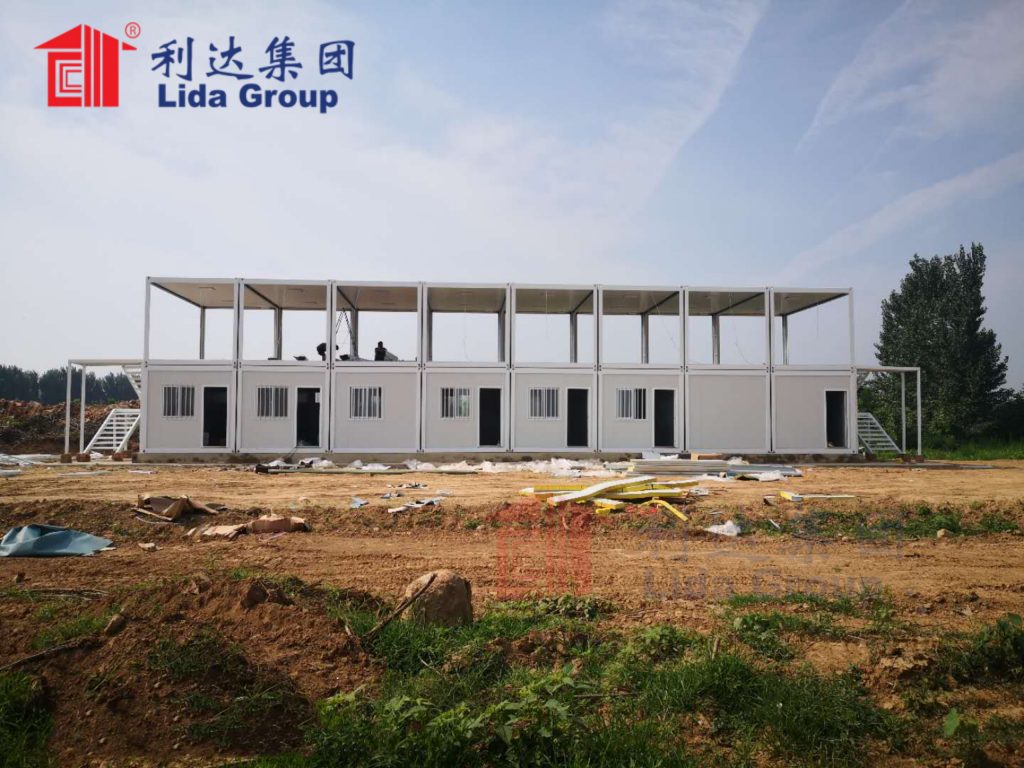
The simplicity of easy assembly container systems is rooted in sophisticated engineering that prioritizes standardization, precision, and user-friendliness. Unlike traditional construction, which relies on custom on-site work and manual labor, these systems are built around modular components and advanced connection technologies that eliminate complexity at every turn. From universal parts to tool-free assembly, every design element is engineered to simplify project execution, regardless of the project scale or location.
Standardized Modular Design: Eliminating Customization Complexity
At the core of easy assembly container systems is standardized modular design, which uses universal components to reduce customization needs and streamline production. Most systems are based on standard 20-foot or 40-foot shipping container dimensions, ensuring compatibility with global transportation networks and simplifying logistics. Components such as wall panels, frames, connection fittings, and interior fixtures are 95% universal across product lines, covering over 90% of project requirements without the need for custom tooling or fabrication. This standardization not only cuts design time by 40% but also minimizes the risk of errors associated with custom components, as every part is rigorously tested for compatibility and performance.
For example, a construction company working on a remote highway project in Kenya used standardized easy assembly containers for worker dormitories and offices. The universal modules were manufactured in a local factory, transported via standard trucks, and assembled on-site without custom modifications. This eliminated the need for specialized design work and reduced the project’s design phase from 6 weeks to 2 weeks, setting the stage for rapid deployment. Standardization also simplifies future expansions or reconfigurations—additional modules can be added seamlessly, as they share the same connection points and dimensions as existing units.
Advanced Connection Systems: Tool-Free Assembly for Everyone
The most transformative technical feature of easy assembly container systems is their advanced connection technologies, which eliminate the need for on-site welding, heavy machinery, or skilled labor. Two core systems dominate the industry: tenon-and-mortise splicing and lock-and-buckle splicing, both engineered for speed, stability, and simplicity.
The tenon-and-mortise splicing system uses pre-embedded alloy steel tenons that snap into place, creating a secure connection with minimal effort. A two-person team can assemble 3-4 modules per day—four times faster than traditional welding methods—using only basic hand tools. This system is ideal for temporary or low-rise projects, such as construction camps or pop-up shops, where rapid deployment is critical. In a Ghanaian medical center project, 20 tenon-and-mortise modules were assembled in just 3 days to create examination rooms and storage spaces, cutting on-site labor time by 60% compared to brick-and-mortar construction.
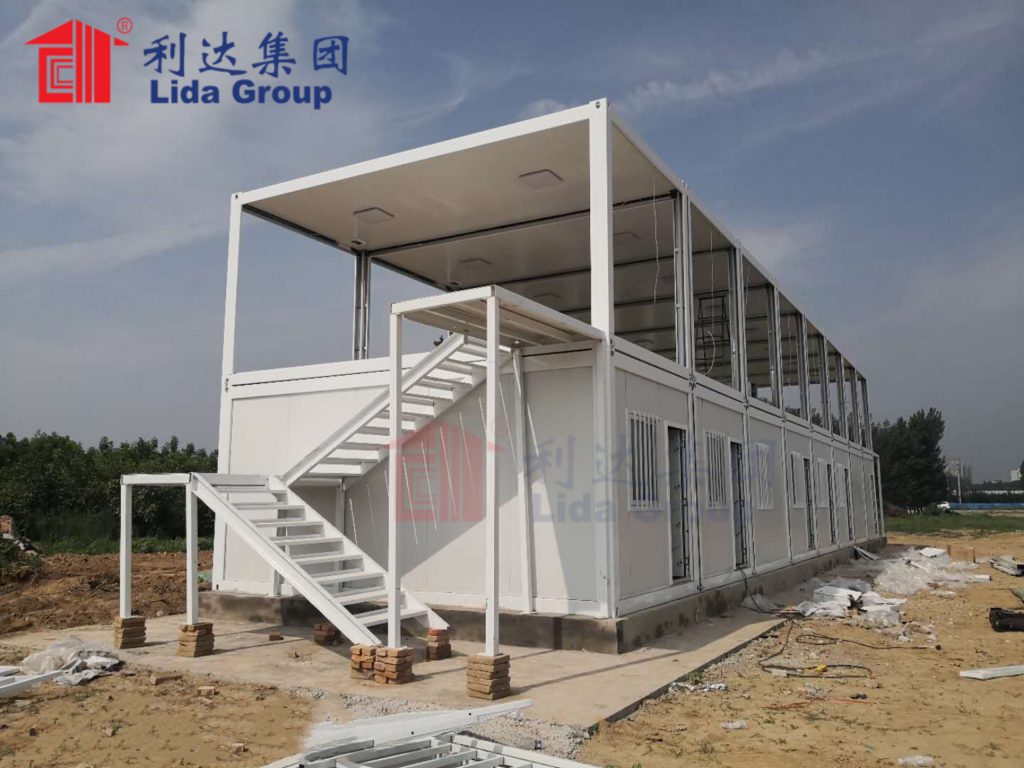
For multi-story or permanent projects, the lock-and-buckle splicing system offers ±1mm connection accuracy, supporting vertical stacking of up to 3 floors (in compliance with T/CCMSA20741-2023 standards, which limit height to 10m for rapid assembly container buildings). This system uses pre-installed locks that engage with a simple turn of a wrench, ensuring structural stability while simplifying alignment. A 3-story classroom building in Ethiopia, constructed using lock-and-buckle modules, was completed in 14 days—compared to 3 months for a traditional concrete structure—with no specialized welding or engineering expertise required on-site.
Digital Integration: BIM and IoT for Seamless Project Management
Easy assembly container systems further simplify projects through integration with digital tools like Building Information Modeling (BIM) and the Internet of Things (IoT). BIM technology enables 3D modeling of container modules, allowing project managers to visualize layouts, test configurations, and identify potential conflicts before production begins. This digital pre-planning eliminates costly on-site rework and ensures that every module fits perfectly into the project design. A Shenzhen-based resort project used BIM to optimize the layout of 300 container modules, reducing material waste by 23% and shortening the design cycle by 40%.
During construction, BIM models can be linked to project schedules (4D) and cost data (5D), creating a centralized platform for tracking progress and budgets. VR simulations of the assembly process help train on-site teams, even those with limited experience, further simplifying labor management. Post-installation, IoT sensors embedded in modules enable remote monitoring of structural health, energy usage, and environmental conditions, simplifying maintenance and extending the system’s lifespan. A Shanghai container apartment complex used BIM-integrated IoT sensors to reduce operations and maintenance costs by 35%, as issues like pipe leaks or insulation gaps were detected and resolved remotely before escalating.
Simplifying Project Stages: From Design to Decommissioning
Easy assembly container systems simplify every phase of a project’s lifecycle, addressing the unique pain points of traditional construction at each step. From reducing design complexity to enabling rapid decommissioning, these systems create a seamless workflow that minimizes delays, costs, and logistical burdens.
Design Phase: Faster, Smarter, Less Risky
The design phase of traditional projects is often plagued by long lead times, multiple revisions, and coordination challenges between architects, engineers, and contractors. Easy assembly container systems streamline this process through standardized templates and parametric BIM tools. Project managers can choose from pre-designed layouts tailored to common uses—such as offices, dormitories, or clinics—or modify templates with minimal effort, as universal components ensure compatibility.
Compliance is also simplified during design, as reputable manufacturers design systems to meet global standards like the International Building Code (ICC) G5-2019 guideline, which provides clear frameworks for container-based structures based on their use (temporary vs. permanent, single vs. multi-unit). The T/CCMSA20741-2023 standard further clarifies requirements for design, installation, and acceptance in China, ensuring that projects adhere to safety and environmental norms without extensive research or custom engineering. This reduces the risk of non-compliance and eliminates the need for costly design revisions to meet regulatory standards.
Logistics and Transportation: Simplified Global Deployment
Logistical complexity is a major challenge for remote or international projects, with traditional building materials requiring specialized shipping, high损耗 rates, and complex customs clearance. Easy assembly container systems solve this by leveraging the global shipping container infrastructure—standard modules fit seamlessly into ships, trucks, and trains, reducing transportation costs and simplifying logistics.
Folded or flat-packed modules further optimize transportation efficiency. A single 5-ton truck can carry 6 folded 20-foot modules, compared to just 1 fully assembled unit, reducing transportation volume by 80% and cutting logistics costs by up to 50%. In the Congo, a mining company transported 50 folded container modules via truck to a remote site, slashing transportation costs by $120,000 compared to shipping fully assembled units. Additionally, standard container dimensions reduce customs delays, as they are widely recognized and require minimal documentation compared to bulk building materials.
Localized production further simplifies logistics for regional projects. Countries like South Africa and Nigeria have established container module factories, allowing project managers to source components locally and reduce lead times. An Ethiopian industrial park project used locally manufactured modules, cutting material transportation costs by 19% and creating 1,200 local jobs in the process.
Installation and On-Site Work: Speed Without Complexity
On-site construction is often the most complex and time-consuming phase of a project, with labor shortages, weather delays, and coordination issues causing costly setbacks. Easy assembly container systems eliminate these problems through rapid, tool-free installation that requires minimal on-site work. Foundation requirements are simplified—most modules only need a level concrete pad or gravel base, avoiding the deep foundations and curing times required for traditional structures.
The Kenya school project referenced earlier demonstrates this efficiency: 10 classroom modules were installed in 5 days by a team of 8 local workers with no prior container assembly experience, shortening the on-site phase by 60% compared to traditional construction. Even large-scale projects benefit—300 modules for a Qingdao Resort were assembled in 45 days using BIM-coordinated scheduling, with no delays from weather or labor shortages. This speed not only accelerates project completion but also reduces on-site management costs, as fewer workers and shorter timelines minimize the need for supervision and equipment rentals.
Maintenance and Decommissioning: Simplified Long-Term Management
The simplicity of easy assembly container systems extends beyond installation to maintenance and decommissioning. Modules are constructed with durable, low-maintenance materials—galvanized steel frames resist corrosion, while composite insulation panels require no regular upkeep—reducing maintenance costs by 40% compared to traditional buildings. IoT sensors further simplify maintenance by providing real-time alerts for issues like structural stress or energy inefficiencies, allowing for proactive repairs before problems escalate.
Decommissioning is equally straightforward. Modules can be disassembled in hours, transported to new sites, and reused—eliminating the demolition waste and costs associated with traditional structures. The Congo mining camp modules were relocated 3 times over 25 years, maintaining structural integrity and reducing the project’s total lifecycle cost by 28%. Even at the end of their lifespan, 92% of container components can be recycled, aligning with circular economy goals and simplifying waste management.
Diverse Applications: Simplifying Projects Across Industries
Easy assembly container systems are not limited to a single industry—their versatility and simplicity make them ideal for diverse projects, from temporary construction sites to permanent commercial spaces. By adapting to unique sector needs while maintaining core simplicity, these systems deliver value across use cases.
Construction and Infrastructure Projects
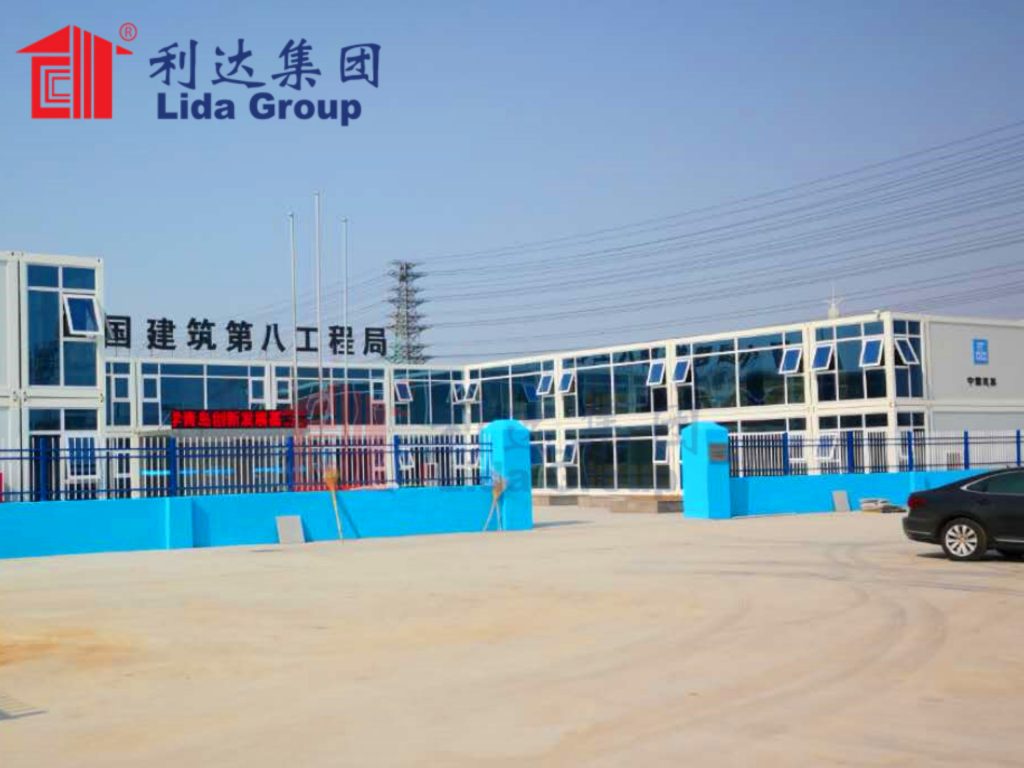
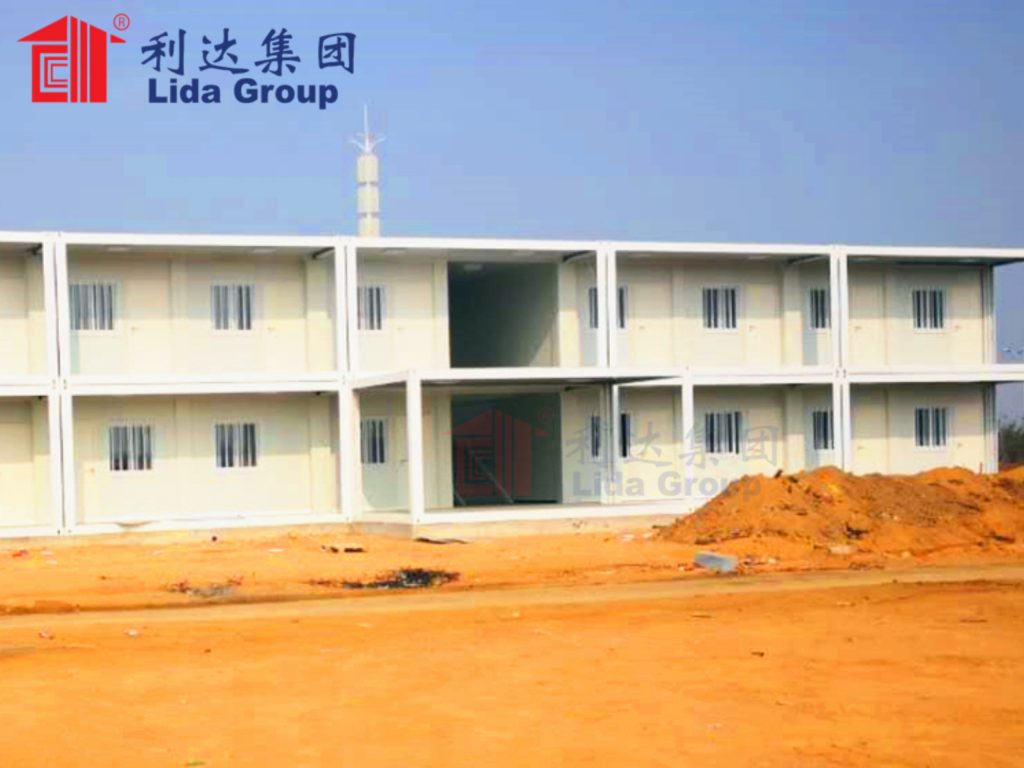
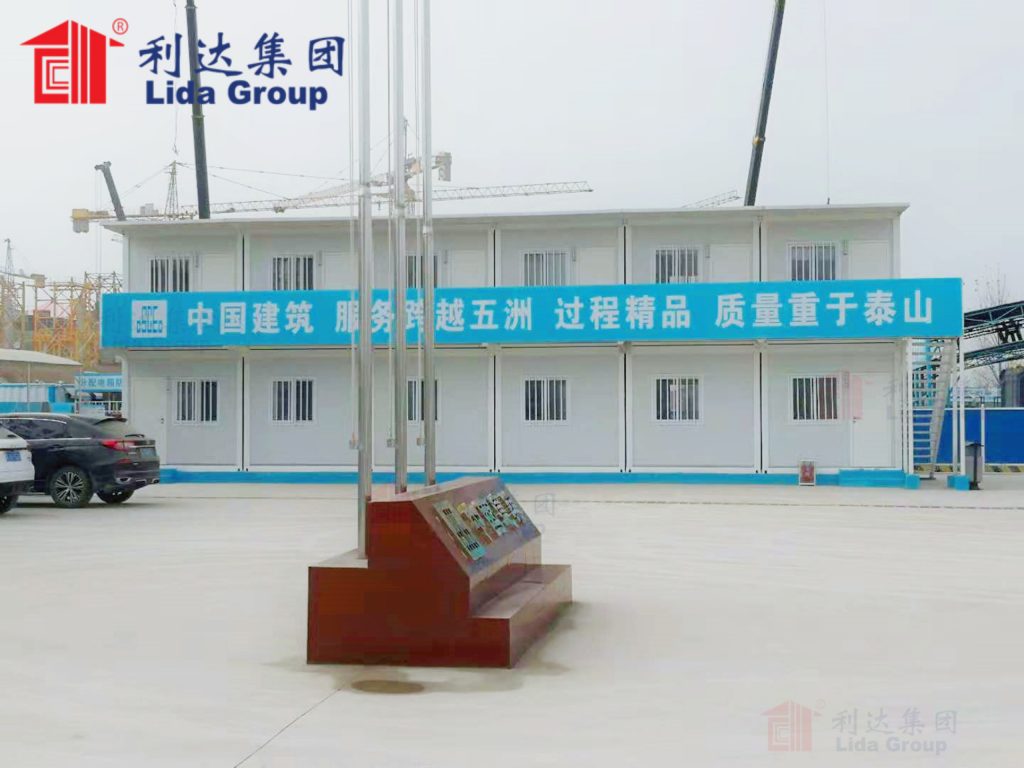
Construction sites are the traditional home of container systems, where they simplify the creation of temporary worker dormitories, offices, canteens, and storage spaces. Modules can be deployed in days, providing essential facilities without delaying the main construction schedule. As the project progresses, modules can be relocated to new areas of the site or disassembled for reuse in future projects. A Southeast Asian railway project used 500 easy assembly modules for worker housing, reducing on-site construction time by 40% and cutting temporary facility costs by 25% compared to traditional tents and prefab huts.
Tourism and Hospitality
In the tourism sector, easy assembly container systems simplify the creation of unique, eco-friendly accommodations and amenities. Modules can be customized to match scenic area aesthetics—coated in natural colors, fitted with large windows, or adorned with vertical gardens—while maintaining rapid installation. A mountain resort in China used 50 container modules to build glamping cabins, assembling the entire site in 3 weeks and reducing construction-related environmental impact by 90% compared to traditional lodges. After the tourism season, modules can be disassembled and stored, simplifying off-season maintenance and reducing year-round operational costs.
Humanitarian Aid and Emergency Response
In crisis scenarios, simplicity and speed are a matter of life and death. Easy assembly container systems simplify emergency response by enabling rapid deployment of shelters, medical clinics, and command centers. Modules can be transported in bulk and assembled by local workers with minimal training, even in disaster-stricken areas with limited infrastructure. After the 2023 Turkey-Syria earthquake, 1,000 easy assembly modules were deployed as temporary housing and medical facilities, assembled in 2 weeks to support relief efforts. The lock-and-buckle connection system allowed teams to set up isolation rooms and medical stations without specialized tools, simplifying the delivery of critical healthcare services.
Education and Public Facilities
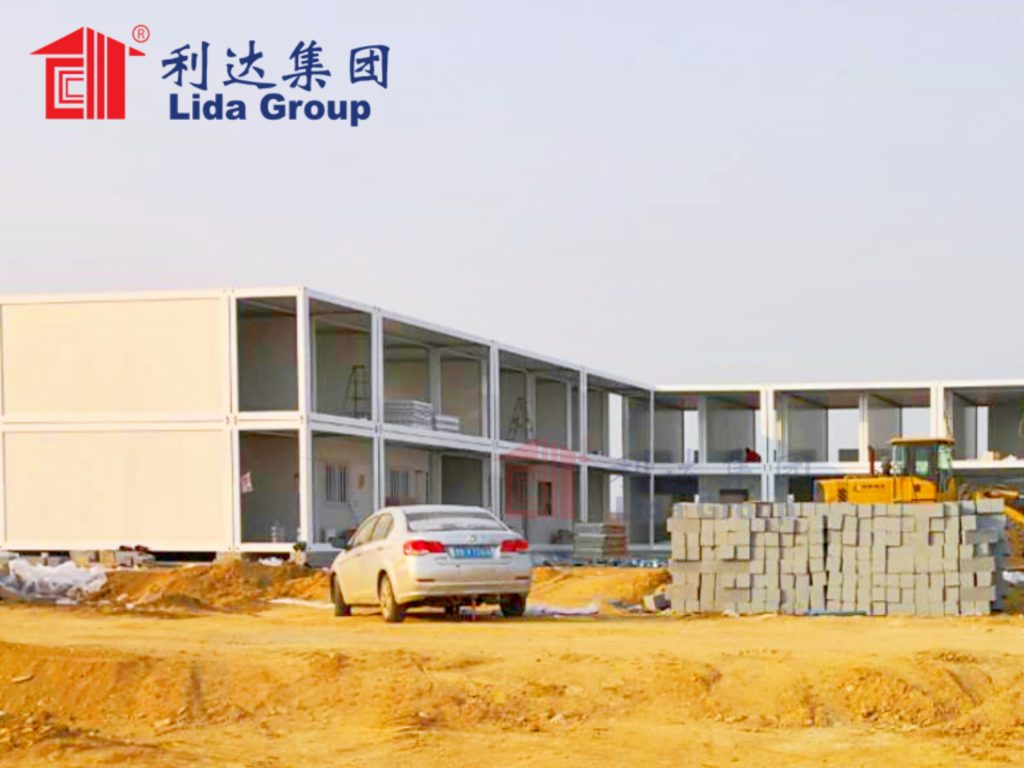
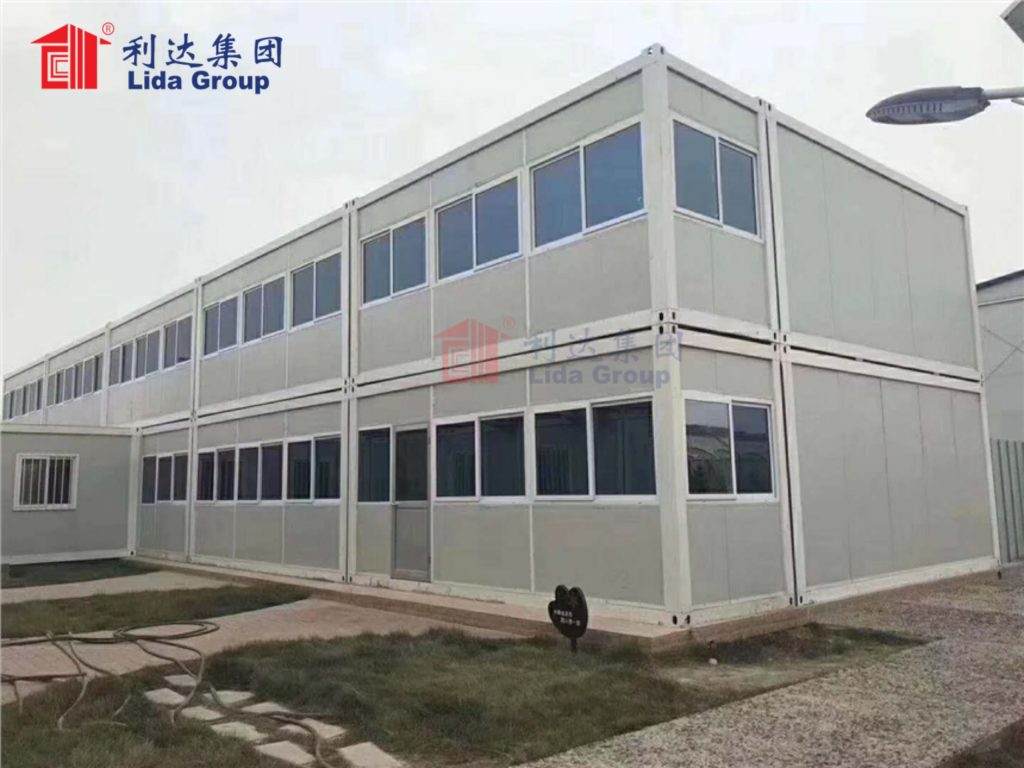
Schools and public facilities often face tight budgets and urgent space needs, which easy assembly systems simplify by reducing costs and timelines. A Nigerian primary school used 12 container modules to build 6 classrooms, completing the project in 2 weeks at 40% lower cost than traditional construction. Modules were customized with soundproofing, large windows, and multimedia equipment, providing a high-quality learning environment without complex design or construction. As the school expanded, 8 additional modules were added seamlessly, simplifying the expansion process and avoiding disruption to classes.
Commercial and Retail
Businesses use easy assembly container systems to simplify the creation of pop-up shops, cafes, and mobile workspaces. Modules can be customized with brand-specific exteriors, interior fixtures, and tech infrastructure, then deployed in high-traffic areas in days. A Shanghai fashion brand launched a pop-up store using 2 tenon-and-mortise modules, assembling the entire space in 3 days and operating for 3 months before relocating to another neighborhood. This flexibility simplifies market testing and reduces the financial risk of long-term leases, while rapid assembly minimizes downtime between locations.
Cost Simplification: Maximizing Value Without Complexity
Beyond streamlining workflows, easy assembly container systems simplify cost management by reducing upfront expenses, minimizing hidden costs, and optimizing long-term value. Their modular design and efficient processes eliminate the cost overruns common in traditional construction, providing predictable budgeting and higher return on investment.
Upfront Cost Savings
Easy assembly systems cut upfront costs by reducing labor, material, and logistics expenses. Labor costs are lowered by 40-50% due to rapid assembly and minimal skilled labor requirements. The Kenyan school project saved $80,000 in labor costs alone by using container modules instead of traditional construction. Material costs are reduced through standardized production and the use of recycled steel, which is 15% cheaper than virgin steel while maintaining structural integrity. Logistics savings, as discussed earlier, can add up to 50% of transportation budgets, particularly for remote projects.
Minimizing Hidden Costs
Traditional construction is rife with hidden costs—delays, rework, maintenance, and demolition expenses—that can inflate budgets by 20-30%. Easy assembly systems eliminate these by reducing project timelines (avoiding delay penalties), minimizing on-site errors (through standardized components), and lowering maintenance needs (durable materials). The Ghanaian medical center project avoided $37,000 in hidden costs by using container modules, as there were no delays from weather or rework, and maintenance expenses were 40% lower than expected.
Long-Term Value Optimization
The reusability and durability of easy assembly container systems simplify long-term cost management. Modules have a lifespan of 25-30 years, and their ability to be relocated or repurposed means they retain value beyond a single project. The Congo mining camp modules generated $200,000 in additional value by being reused across three projects, while traditional temporary structures would have been demolished after the first project. Additionally, energy-efficient insulation and integrated renewable energy options (such as solar panels) reduce operational costs, further optimizing long-term value.
Compliance and Safety: Simplifying Risk Management
Navigating building codes and safety regulations is a complex, time-consuming task for project managers, with non-compliance risking fines, delays, and even project shutdowns. Easy assembly container systems simplify compliance by adhering to global and regional standards, ensuring that projects meet safety, environmental, and structural requirements without extensive risk management.
Global and Regional Standards
Reputable manufacturers design their systems to comply with internationally recognized standards like ICC G5-2019, which categorizes container structures by use case and provides clear design and safety guidelines. In China, T/CCMSA20741-2023 sets specific requirements for rapid assembly container buildings, including load-bearing capacity, fire resistance, and environmental performance. These standards eliminate the need for project managers to conduct independent research or hire specialized consultants to ensure compliance.
Safety and Quality Assurance
Easy assembly container systems undergo rigorous factory testing, ensuring consistent quality and safety that is difficult to achieve with on-site construction. Modules are tested for structural stability, weather resistance, and fire safety, with certification from third-party organizations like SGS and TUV. This simplifies quality control, as project managers can rely on factory certifications rather than conducting on-site inspections of every component. The galvanized steel frames and fire-retardant insulation used in most modules further enhance safety, reducing the risk of structural failure or fire hazards.
Future Trends: Simplifying Tomorrow’s Projects
The future of easy assembly container systems will see further innovations that simplify project execution, driven by advances in technology, sustainability, and automation. These trends will enhance the systems’ flexibility, efficiency, and accessibility, making them an even more indispensable tool for project managers.
Automation and Robotics
Robotic assembly systems are emerging as a way to further simplify installation, reducing labor requirements and increasing speed. Prototypes of robotic arms that can assemble container modules in under an hour are being tested, with the potential to eliminate human error and enable 24/7 on-site work. Drones equipped with IoT sensors will also simplify inspection and maintenance, providing real-time data on module condition without the need for manual checks.
Smart and Self-Sustaining Modules
Future modules will integrate AI-powered systems that simplify energy management and maintenance. Self-regulating climate control, solar-powered batteries, and automated waste management will reduce operational complexity, allowing projects to operate off-grid with minimal oversight. A prototype smart container module developed in Europe uses AI to optimize energy usage, reducing utility costs by 30% and eliminating the need for manual energy monitoring.
Circular Economy Integration
Manufacturers will further simplify end-of-life management by designing modules for full recyclability and component reuse. Digital twin technology will track each component’s lifecycle, making it easy to identify parts for recycling or repurposing. This will align projects with global sustainability goals while simplifying waste management and reducing environmental compliance costs.
Conclusion
Easy assembly container systems represent a paradigm shift in project management, redefining simplicity by streamlining every stage of the project lifecycle. From standardized design and simplified logistics to tool-free assembly and low-maintenance operation, these systems eliminate the complexity, delays, and costs that plague traditional construction. Their versatility across industries—from construction sites and emergency shelters to tourism and education—makes them a universal solution for project managers seeking efficiency without compromise.
The technical innovations behind these systems—advanced connection technologies, digital integration with BIM and IoT, and compliance with global standards—ensure reliability and safety while simplifying execution. Real-world Case Study from Africa, Asia, and beyond demonstrate their ability to cut costs by 40-50%, shorten timelines by 60%, and reduce environmental impact by 90%, proving that simplicity does not equate to compromise.
As technology advances, easy assembly container systems will become even more intuitive, efficient, and sustainable, further simplifying tomorrow’s projects. Whether for a small pop-up shop or a large-scale humanitarian aid effort, these systems empower project managers to focus on what matters—delivering results—rather than navigating complexity. In a world where time, cost, and efficiency are paramount, easy assembly container systems are not just a building solution; they are a simplified approach to project success.
Related news
-
Lida Group Delivers Unmatched Value in Prefab Construction
2025-12-30 09:27:28
-
Innovative and Portable Modern Mobile Container House Designs
2025-12-30 10:53:49
-
Streamlined Living with Easy Assembly Container Apartments
2025-12-29 17:54:02
contact us
- Tel: +86-532-88966982
- Whatsapp: +86-13793209022
- E-mail: sales@lidajituan.com
