



**Introduction**
In an era defined by mobility—where careers span continents, remote work blurs geographical boundaries, and housing markets fluctuate unpredictably—the concept of a permanent, immovable home is increasingly being reconsidered. For decades, relocation has meant a complex, costly, and emotionally draining process: selling one property, purchasing another, coordinating movers, and enduring weeks or months of disruption. But what if the home itself could move with you? What if the structure that provides shelter and stability could be disassembled, transported, and reassembled with the same ease as assembling flat-pack furniture?
This is the promise of easy assembly container house systems. Born from the marriage of shipping container durability and modular construction innovation, these systems represent a fundamental shift in how we think about residential architecture. Unlike traditional housing, which is rooted to a foundation and tied to a specific plot of land, container house systems are designed for mobility without sacrificing quality, aesthetics, or comfort. They offer a solution for a growing demographic: digital nomads, seasonal workers, families seeking financial flexibility, and retirees looking to divide their time between locations.
This article explores the comprehensive landscape of easy assembly container house systems. We will examine their design principles, the mechanics of rapid assembly, structural engineering considerations, customization options, sustainability benefits, economic implications, and real-world applications. By the end, it will become clear that these systems are not merely a niche housing trend but a practical, scalable answer to the challenges of modern relocation and flexible living..
**Chapter 1: The Evolution of Portable Housing**
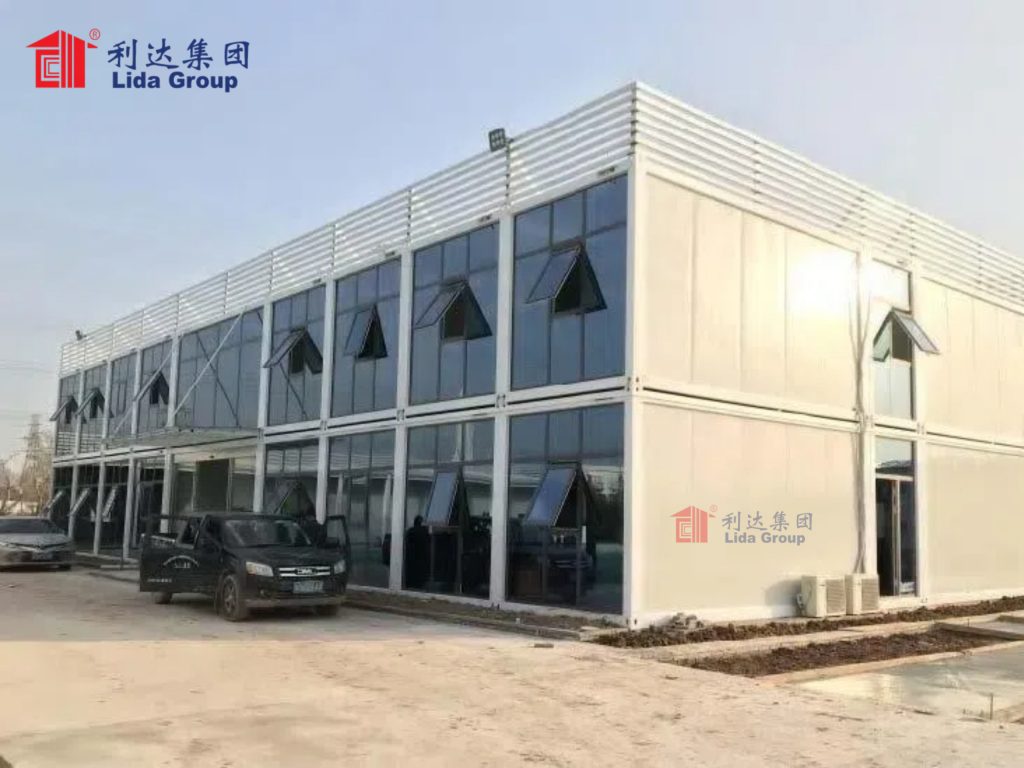
The desire for portable shelter is as old as civilization itself. Nomadic cultures developed tents and yurts that could be packed onto animals and moved with the seasons. The industrial revolution brought trailers and mobile homes, which, while offering mobility, often carried social stigma and limitations in durability and design.
The shipping container, standardized in the mid-20th century, introduced a new paradigm: a steel box engineered to withstand the harshest conditions on Earth—saltwater corrosion, stacking loads of nine high, and the violent forces of ocean storms. By the early 2000s, architects and DIY enthusiasts began experimenting with converting these industrial objects into living spaces. Initially, the process was cumbersome: cutting openings required heavy equipment, welding demanded skilled labor, and the finished product was often heavy and difficult to move once modified.
The breakthrough came with the development of “knock-down” or “flat-pack” container systems. Instead of converting a fully welded container, manufacturers began producing panelized systems that utilize the same steel materials but are designed for bolted connections. These systems ship in compact bundles, drastically reducing transportation costs, and assemble on-site with simple tools. This evolution transformed the container from a monolithic object into a truly modular building system.
**Chapter 2: Design Philosophy—Mobility Without Compromise**
The core design philosophy behind easy assembly container house systems is straightforward: create a home that can relocate as easily as its occupants, without compromising on structural integrity, energy efficiency, or aesthetic appeal.
**2.1 The Flat-Pack Advantage**
Traditional shipping container homes suffer from a logistical flaw: once converted, the container is a large, heavy, hollow box measuring 20 or 40 feet in length. Transporting such a unit requires specialized flatbed trucks, permits for oversized loads, and significant fuel consumption. Easy assembly systems solve this by shipping the house as a kit. Walls, floors, roof panels, and structural columns are manufactured in a factory, then packed flat into standard shipping containers or truck trailers. A three-bedroom home can often be shipped in a single 40-foot high-cube container, reducing transport emissions and costs by up to 70% compared to shipping a fully assembled unit.
**2.2 Modular Interconnectivity**
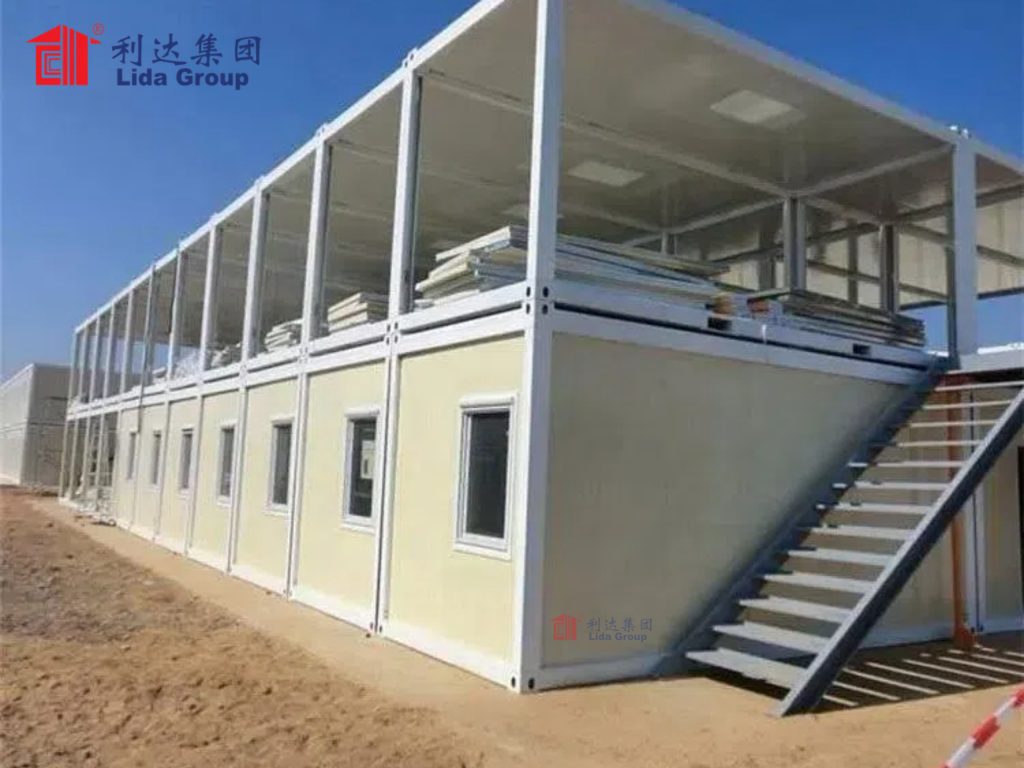
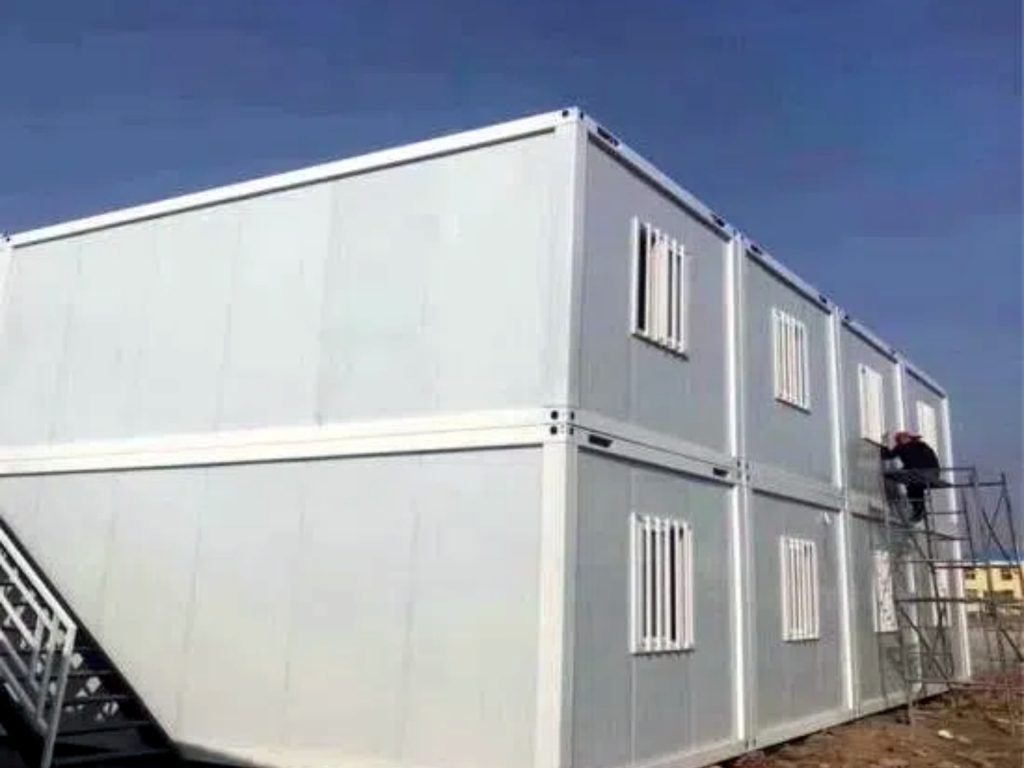
These systems are built on a modular grid. Structural steel columns are placed at regular intervals—typically 4 to 8 feet apart—with standardized connection points. This allows multiple modules to be joined side-by-side or stacked vertically. The result is a system that can produce anything from a small studio cabin to a multi-story family home, all using the same core components. The standardization ensures that expansions are seamless: a family that starts with a single module can add a second bedroom, a home office, or a screened porch years later, with components that match exactly.
**2.3 Human-Centered Dimensions**
While shipping containers impose strict dimensional constraints (8 feet wide, typically), easy assembly systems are not bound by these limits. Manufacturers offer panel widths up to 12 or 14 feet, allowing for more generous room proportions. Ceiling heights can be specified from 8 to 10 feet, creating a sense of openness that traditional containers often lack. This flexibility allows architects to design spaces that meet modern living standards rather than forcing occupants to adapt to industrial dimensions.
**Chapter 3: The Assembly Process—From Kit to Home**
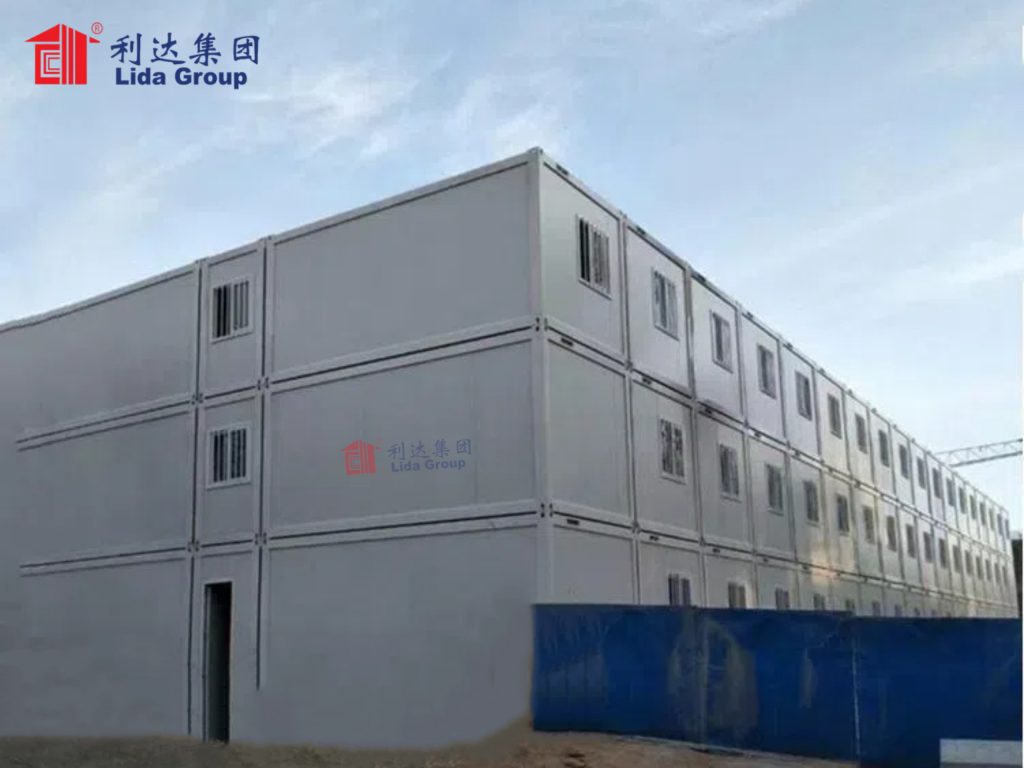
One of the most compelling aspects of these systems is the simplicity of assembly. While the specific process varies by manufacturer, the general workflow follows a predictable pattern that minimizes the need for specialized labor.
**3.1 Site Preparation**
Like any structure, a container house requires a stable foundation. However, because these houses are lightweight relative to masonry construction, foundation requirements are simplified. Options include:
– **Concrete piers:** Poured concrete footings placed at strategic points, lifting the structure off the ground and minimizing site disturbance.
– **Screw piles:** Steel piers that are screwed into the ground using handheld equipment, ideal for rocky or sensitive terrain.
– **Concrete slab:** For permanent installations, a standard slab foundation provides a thermal mass advantage.
The site preparation phase is typically completed in 2 to 5 days, depending on soil conditions and foundation choice.
**3.2 Delivery and Unloading**
The flat-packed components arrive on a flatbed truck or within a shipping container. A small crane or a boom truck is required for unloading, but unlike traditional construction, there is no need for large tower cranes. The components are lightweight enough that a two-person crew can handle the unloading process with the aid of a forklift or small crane. Manufacturers often provide detailed unloading diagrams to ensure components are staged in the order of assembly.
**3.3 Structural Assembly**
The assembly process begins with the installation of the base beams or floor cassettes. These form the structural platform. Next, the steel columns are bolted into place using pre-drilled connection points. The wall panels—which arrive pre-insulated, pre-wired, and pre-fitted with windows and doors—are then lifted into position and bolted to the columns and floor. The roof structure, which may consist of trusses or insulated panels, is installed and sealed.
All connections utilize high-strength bolts, eliminating the need for welding. This is a critical feature: welding requires certified welders and introduces potential for heat distortion and corrosion at weld points. Bolted connections are easily inspected, allow for future disassembly, and can be installed by general contractors or even skilled DIY enthusiasts following detailed instructions.
**3.4 MEP Installation**
Mechanical, electrical, and plumbing (MEP) systems are integrated into the panels during factory fabrication. Electrical wiring runs through pre-formed conduits within the insulated wall panels. Plumbing lines are pre-installed in “wet wall” panels designated for kitchens and bathrooms. On-site, these systems simply need to be connected to the main distribution points. A licensed electrician and plumber can typically complete the MEP hookup in one to two days, compared to weeks for traditional stick-frame construction.
**3.5 Interior and Exterior Finishing**
Because the wall panels arrive with interior surfaces already finished (typically drywall or wood paneling) and exterior cladding already installed (such as corrugated steel, fiber cement board, or cedar), the final finishing work is minimal. Interior trim around windows and doors, caulking, and final paint touch-ups are completed. The total assembly time from delivery to move-in is typically 1 to 3 weeks for a single-family home, compared to 4 to 8 months for conventional construction.
**Chapter 4: Structural Engineering and Durability**
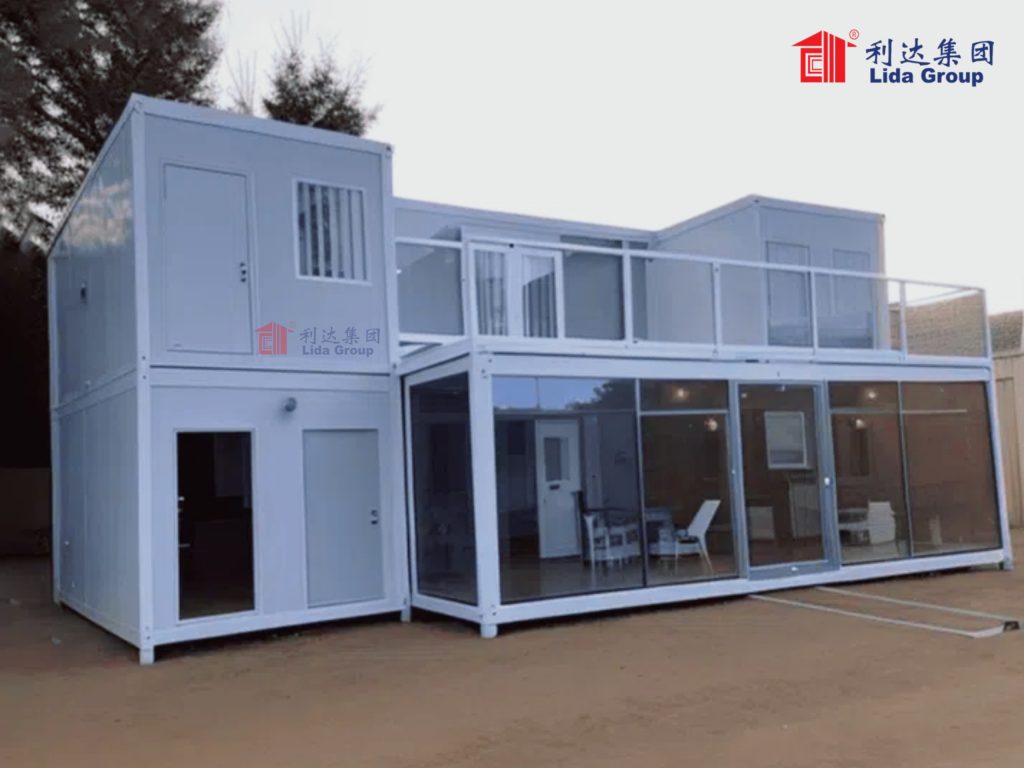
Despite their ease of assembly, these homes are engineered to meet or exceed conventional building codes. The use of steel as the primary structural material provides inherent advantages.
**4.1 Steel Structure**
The structural frame—composed of galvanized or painted steel columns and beams—offers exceptional strength-to-weight ratio. Steel is non-combustible, resistant to termites and mold, and does not warp or shrink over time. Engineering calculations for wind loads (up to 150 mph in hurricane-prone regions) and seismic loads (up to Zone 4 seismic ratings) are standard. The bolted connections allow for slight flexing during seismic events, reducing the risk of structural failure.
**4.2 Thermal and Acoustic Performance**
The wall panels are typically constructed using a sandwich of steel skins with a core of rigid insulation—either expanded polystyrene (EPS), polyurethane, or mineral wool. This continuous insulation eliminates thermal bridging, a common problem in traditional container conversions where the steel frame conducts heat. R-values for walls commonly range from R-20 to R-30, far exceeding standard wood-frame construction in many climates. Acoustic insulation is similarly robust; the mass of the steel skins combined with the insulation core provides sound transmission class (STC) ratings of 45 to 55, ensuring privacy and quiet.
**4.3 Weather Resistance**
The exterior cladding, whether factory-applied steel or additional siding, is sealed with weather-resistant barriers. Roof systems are designed with integrated gutters and drainage. Unlike traditional construction, where moisture intrusion can lead to hidden mold growth within wall cavities, the panelized system allows for easy inspection and maintenance. Many manufacturers offer 50-year structural warranties on their steel frames.
**Chapter 5: Customization and Design Flexibility**
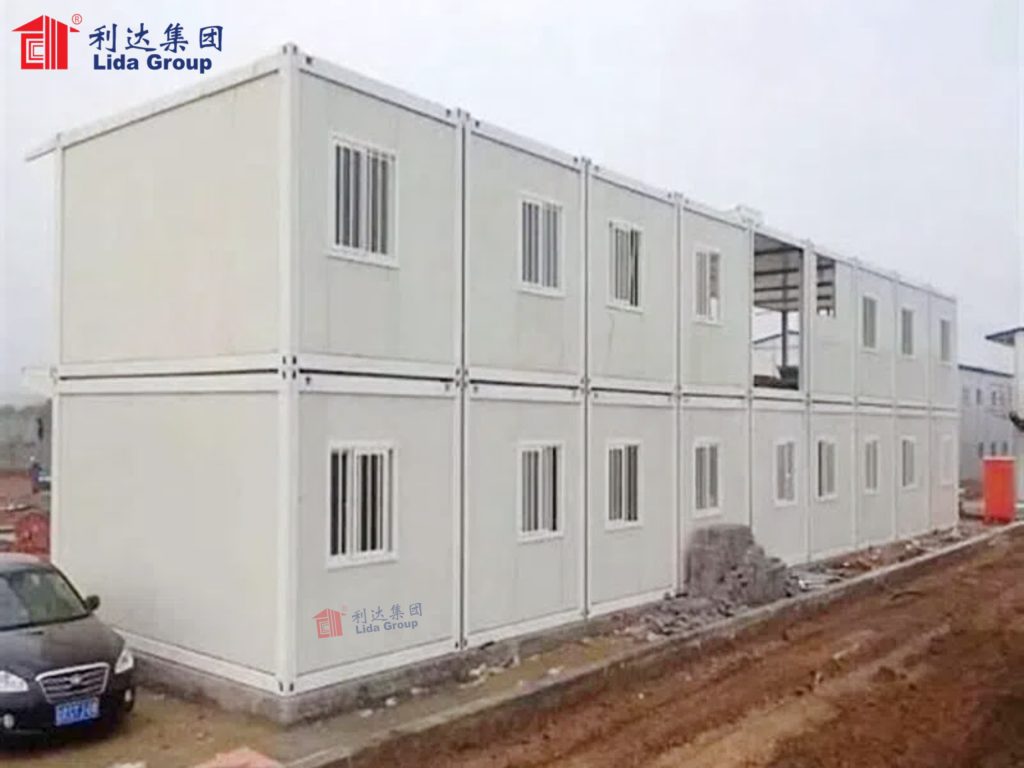
A common misconception about container house systems is that they are limited to industrial, boxy aesthetics. In reality, modern systems offer extensive customization.
**5.1 Architectural Variety**
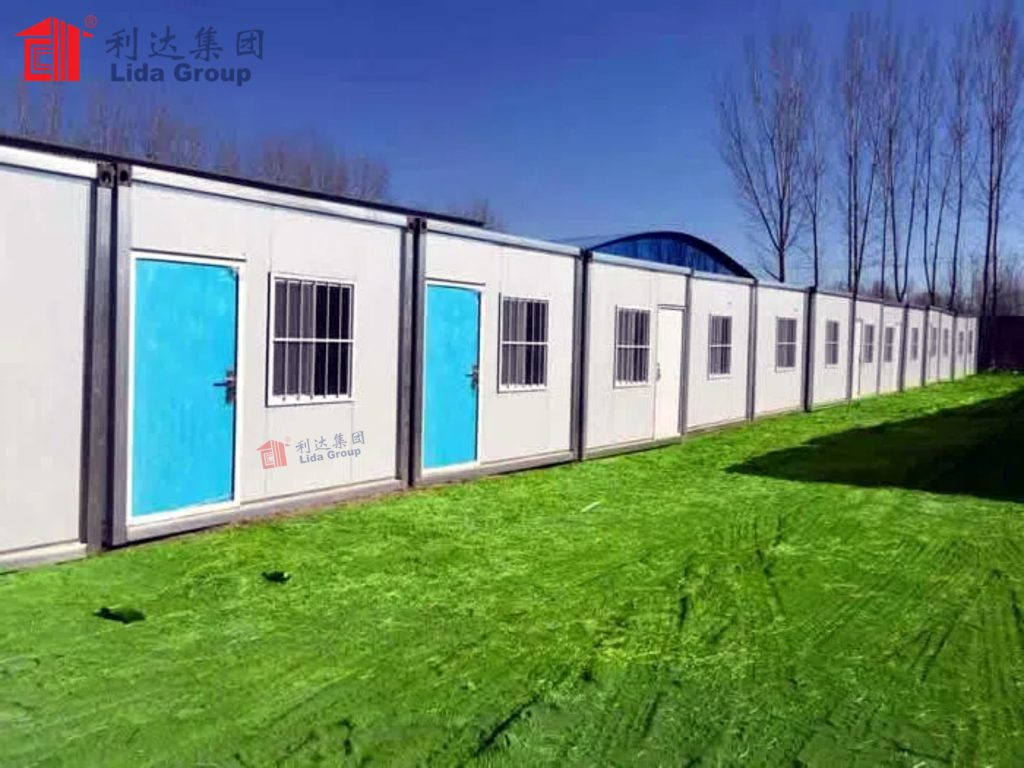
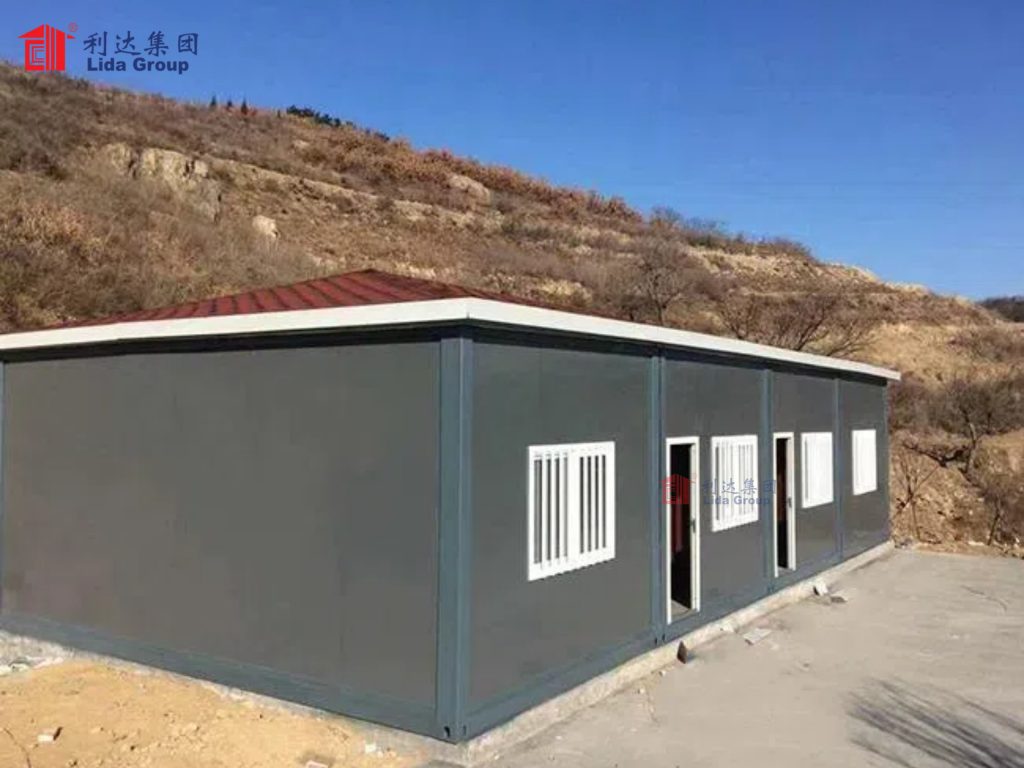
The panelized approach allows for architectural features that are impossible with standard containers. Gabled roofs, covered porches, cantilevered overhangs, and curved walls can all be incorporated. Architects have used these systems to create modernist masterpieces with floor-to-ceiling glass walls, as well as rustic cabins with timber accents. The structural steel frame can support large openings, allowing for expansive windows that connect interior spaces to the landscape.
**5.2 Interior Layouts**
Because the system is not constrained by the 8-foot width of a shipping container, interior layouts can follow conventional residential design principles. Open-plan living areas, walk-in closets, and spacious kitchens are standard. Manufacturers offer a catalog of pre-designed floor plans—from 1-bedroom 400-square-foot studios to 4-bedroom 2,500-square-foot family homes—which can be mixed and matched to suit specific needs.
**5.3 Finishes and Fixtures**
Clients can select from a range of interior finishes: luxury vinyl plank flooring, engineered hardwood, ceramic tile, or polished concrete. Kitchen and bathroom fixtures are sourced from standard suppliers, meaning homeowners are not locked into proprietary components. This standardization is crucial for long-term maintenance; replacement parts are readily available at any hardware store.
**Chapter 6: Sustainability and Environmental Impact**
The environmental case for easy assembly container house systems is compelling and multifaceted.
**6.1 Reduced Construction Waste**
Traditional construction generates enormous waste—according to the Environmental Protection Agency (EPA), construction and demolition debris accounts for more than 600 million tons of waste annually in the United States alone. Panelized systems, fabricated in factories, achieve material utilization rates exceeding 95%. Scrap steel, insulation offcuts, and packaging are recycled at the factory rather than ending up in landfills.
**6.2 Lower Carbon Footprint**
The transportation efficiency of flat-packed components significantly reduces the carbon footprint associated with logistics. Additionally, the lightweight nature of the structure requires less concrete for foundations—concrete being one of the largest sources of carbon emissions in construction. Lifecycle assessments have shown that steel-framed modular homes can have a carbon footprint 30 to 50% lower than comparable wood-framed homes, depending on the energy mix used in manufacturing.
**6.3 Operational Efficiency**
The high insulation values and airtight construction (achieved through precision factory fabrication) reduce heating and cooling loads. Many homeowners pair these systems with solar photovoltaic arrays, heat pumps, and battery storage to achieve net-zero energy consumption. The steel structure is also conducive to cool roofing and green roof systems.
**6.4 Durability and Adaptability**
A home that can be disassembled and relocated is inherently more sustainable than one that is demolished at the end of its useful life. The long lifespan of steel (50 to 100 years with proper maintenance) means that these homes can serve multiple occupants and locations over their lifetime, reducing the need for new construction.
**Chapter 7: Economic Considerations**
The economics of easy assembly container house systems offer distinct advantages over traditional construction, particularly for those anticipating relocation.
**7.1 Cost Predictability**
Traditional construction is notorious for cost overruns due to weather delays, material theft, and labor shortages. Because these systems are fabricated in a controlled factory environment and delivered in a kit, the total cost is known upfront. Manufacturers provide fixed-price contracts that include materials, engineering, and delivery. The rapid on-site assembly also reduces construction loan interest costs, as projects complete in weeks rather than months.
**7.2 Lower Total Cost of Ownership**
While the upfront cost per square foot may be comparable to high-quality conventional construction (typically $150 to $300 per square foot depending on finishes and location), the total cost of ownership is often lower. Energy bills are reduced due to superior insulation. Maintenance costs are lower because steel does not require painting as frequently as wood siding and is resistant to pests. Additionally, property taxes may be lower in some jurisdictions for homes classified as non-permanent structures.
**7.3 Asset Portability**
Perhaps the most unique economic benefit is portability. A traditional home is a fixed asset; selling it requires navigating a real estate market, paying commissions, and timing the sale with the purchase of a new home. A container house system can be disassembled and moved to a new property. While there is a cost to relocation (typically 10 to 20% of the original purchase price), this is often significantly less than real estate transaction costs. For individuals who anticipate moving every 5 to 10 years, this portability offers unprecedented financial flexibility.
**Chapter 8: Case Studies and Real-World Applications**
The versatility of these systems is best demonstrated through real-world applications.
**8.1 The Digital Nomad Compound—Costa Rica**
A software development company established a remote work campus in the jungles of Costa Rica using 12 easy assembly container units. The units were shipped flat-packed from a U.S. manufacturer, transported by truck to the site, and assembled in two weeks. The compound includes individual living units, a communal kitchen, a co-working space with fiber-optic internet, and a yoga deck. The elevated steel structure allows airflow beneath the units, reducing humidity and eliminating the need for air conditioning in the temperate climate.
**8.2 Disaster Relief Housing—Bahamas**
Following a major hurricane, a humanitarian organization deployed 50 container house units to provide transitional housing for displaced families. The flat-pack design allowed 20 units to be shipped in a single 40-foot container, enabling rapid logistics. Local laborers, after a two-day training session, assembled the units using only hand tools. The steel construction provided security and weather resistance that tent shelters could not offer.
**8.3 Seasonal Worker Accommodation—California Wine Country**
A vineyard owner needed housing for seasonal harvest workers but did not want permanent structures that would require long permitting processes. Six container house units were placed on screw piles, assembled in one week, and configured with shared kitchen and laundry facilities. At the end of each harvest season, the units are winterized and closed up; if the vineyard expands to a new location, the units can be moved.
**8.4 Multi-Generational Family Compound—Texas**
A family of three generations purchased rural land and built a compound using multiple container house modules. The main house consists of four modules forming a 2,000-square-foot home. Two separate 400-square-foot modules serve as guest houses for grandparents and adult children. The entire compound was assembled in six weeks, and the family appreciates the ability to reconfigure or expand as their needs evolve.
**Chapter 9: Challenges and Considerations**
While the advantages are substantial, prospective owners should be aware of certain challenges.
**9.1 Permitting and Zoning**
Zoning regulations vary widely. Some jurisdictions classify container houses as “manufactured homes” or “accessory dwelling units,” while others have no specific classification. In some areas, aesthetic restrictions prohibit steel exteriors. Working with a manufacturer that provides engineered drawings and has experience navigating local permitting is essential. Many manufacturers offer permit assistance services.
**9.2 Land Ownership**
These homes still require land. While the home itself is portable, the owner must secure a plot of land with appropriate zoning. Some homeowners opt to rent land long-term, treating the home as personal property rather than real estate.
**9.3 Financing**
Traditional mortgages are designed for site-built homes. Financing a container house may require a specialty lender or a personal loan. However, as these systems gain popularity, more lenders are offering construction-to-permanent loans specifically for modular and panelized homes. Owner financing or cash purchases are common alternatives.
**9.4 Resale Value**
Because the market for portable homes is still maturing, resale value can be less predictable than conventional homes. However, as more buyers recognize the benefits of quality-built, energy-efficient modular homes, this is changing. Homes installed on permanent foundations with proper permitting typically appreciate similarly to site-built homes.
**Chapter 10: The Future of Relocatable Housing**
The trajectory of easy assembly container house systems points toward broader adoption and technological advancement.
**10.1 Smart Integration**
Future systems will come pre-wired for smart home technology. Sensors embedded in wall panels will monitor structural health, moisture levels, and energy consumption. Integrated home automation—lighting, security, climate control—will be factory-installed and tested, eliminating the need for on-site configuration.
**10.2 Material Innovations**
Manufacturers are experimenting with bio-based insulation materials such as hempcrete and mycelium composites, which offer superior thermal performance and carbon sequestration. Advanced coatings that self-heal minor scratches and corrosion will extend the lifespan of steel components.
**10.3 Circular Economy Models**
Some companies are beginning to offer subscription models where customers lease the housing system rather than purchase it outright. At the end of the lease, the unit is returned to the manufacturer, refurbished, and leased to a new customer. This model aligns with circular economy principles and reduces the upfront financial barrier for homeowners.
**10.4 Urban Infill and ADUs**
As cities grapple with housing shortages, easy assembly container house systems are gaining acceptance for accessory dwelling units (ADUs) in backyards. Their small footprint, rapid installation, and high-quality construction make them ideal for increasing density in established neighborhoods without the disruption of traditional construction.
**Conclusion**
The easy assembly container house system represents a fundamental reimagining of the relationship between people and their homes. For generations, the home has been an anchor—a fixed point that ties individuals and families to a specific location, often creating friction when life demands mobility. The systems explored in this article offer an alternative: a home that can move with its occupants, adapting to changing careers, family structures, and personal aspirations.
We have examined how these systems achieve the delicate balance of portability and permanence. Through flat-pack logistics, bolted steel connections, and factory-fabricated panels, they eliminate the need for specialized labor and lengthy construction timelines. The structural engineering provides resilience against natural disasters, while the thermal performance exceeds conventional building standards. Environmentally, they offer significant advantages in waste reduction, carbon footprint, and operational efficiency.
Economically, the predictability of costs, lower total cost of ownership, and—most distinctively—the portability of the asset itself provide financial flexibility that traditional homeownership cannot match. For digital nomads, seasonal workers, retirees, and families seeking to simplify their lives, this flexibility is transformative.
Of course, these systems are not without challenges. Navigating zoning regulations, securing appropriate land, and understanding financing options require due diligence. Yet as the market matures and municipalities update their codes to accommodate innovative housing solutions, these barriers are steadily diminishing.
Looking forward, the continued evolution of materials, smart technology integration, and circular economy business models will only enhance the appeal and accessibility of these homes. They are not merely a housing trend but a response to deeper societal shifts: the rise of remote work, the desire for financial independence, and a growing awareness of the environmental impact of traditional construction.
Ultimately, the easy assembly container house system offers something more profound than convenience or cost savings. It offers freedom—the freedom to change one’s environment without being burdened by the constraints of traditional real estate, the freedom to design a home that truly fits one’s lifestyle, and the freedom to live with the knowledge that one’s dwelling is not contributing unnecessarily to environmental degradation.
As we look to the future of housing, it is clear that mobility, sustainability, and efficiency will be defining characteristics. The easy assembly container house system stands at the intersection of these values, providing a practical, elegant solution for those who seek to simplify relocation without sacrificing the comfort and stability of a true home. Whether as a primary residence, a vacation retreat, or a flexible housing solution for a changing world, these systems represent a new paradigm—one where home is not a place you are anchored to, but a place that can move with you, wherever life leads.
Related news
-
Efficient Prefabricated Container Labor Camp Designed for Workforce
2026-03-24 14:50:22
-
Lida Group Unveils Modular Modern Container Accommodation Solutions
2026-03-24 10:23:12
-
Lida Group Sets New Benchmark in Steel Structure Construction
2026-03-23 17:41:39
contact us
- Tel: +86-532-88966982
- Whatsapp: +86-13793209022
- E-mail: sales@lidajituan.com
