



Setting the Standard in High Quality Rural Construction
2026-Feb-14 10:35:32
By Admin
Rural construction is the backbone of rural development, shaping the landscape, supporting agricultural productivity, and defining the quality of life for billions of people worldwide. For decades, rural building practices have been plagued by inconsistencies, outdated technologies, and a lack of clear quality standards—resulting in structures that are fragile, inefficient, unsustainable, and ill-equipped to meet the evolving needs of modern rural communities. From dilapidated farmhouses and inadequate storage facilities to unsafe public buildings and poorly constructed infrastructure, the consequences of substandard rural construction are far-reaching: increased maintenance costs, shortened building lifespans, disrupted agricultural operations, compromised safety for occupants, and missed opportunities for rural prosperity. Today, however, a new era of rural construction is emerging—one defined by rigor, innovation, and a commitment to high quality. By establishing and upholding clear standards for materials, design, construction, and sustainability, forward-thinking organizations and industry leaders are transforming rural built environments, creating structures that are durable, functional, eco-friendly, and tailored to the unique needs of rural communities. This article explores the critical importance of setting standards in high-quality rural construction, delves into the core components of these standards, examines the role of innovation and leadership in driving change, showcases real-world examples of successful implementation, and outlines the path forward for elevating rural construction practices globally. With a focus on practicality, sustainability, and long-term value, this piece serves as a comprehensive guide to understanding how high-quality standards are reshaping rural construction—and why they are essential for building resilient, prosperous rural futures.
The case for high-quality rural construction has never been more urgent. Rural populations around the world are undergoing significant transformations: small-scale farming is evolving into more mechanized, efficient operations; rural communities are attracting new residents seeking a slower pace of life; and climate change is bringing more frequent and severe weather events, from extreme heat and droughts to violent storms and floods. These shifts demand rural structures that can adapt to changing needs and withstand growing environmental pressures. Substandard construction, however, is unable to keep pace. A farmhouse built with low-quality materials may collapse under heavy snowfall, a poorly designed storage facility may fail to protect crops from moisture or pests, and an inadequately insulated public hall may become unusable in extreme temperatures. Beyond these immediate challenges, substandard rural construction also hinders rural development: it discourages investment, limits access to essential services, and perpetuates a cycle of poverty by diverting resources toward constant repairs and replacements. In contrast, high-quality rural construction—guided by clear standards—creates a foundation for progress. It reduces long-term costs, enhances safety, improves quality of life, supports agricultural productivity, and attracts investment in rural areas. Moreover, high-quality rural structures can serve as catalysts for community development, providing spaces for education, healthcare, and social gathering that strengthen rural cohesion. Setting standards in rural construction is not just about building better buildings; it is about building better rural communities.
At its core, high-quality rural construction is defined by intentionality: every decision—from material selection and design to construction techniques and maintenance—must be guided by clear, evidence-based standards that prioritize durability, functionality, sustainability, and safety. These standards are not one-size-fits-all; they must be adaptable to the unique geographical, climatic, and cultural contexts of different rural regions. A standard for rural construction in a flood-prone valley will differ from one in an arid desert or a snow-covered plain, just as a standard for a farmhouse in a developing rural community will differ from one in a more industrialized rural area. However, regardless of context, all high-quality rural construction standards share a set of core principles: a commitment to using durable, appropriate materials; a focus on functional design that meets local needs; adherence to structural safety guidelines; integration of sustainable practices; and a dedication to quality control throughout the construction process. By upholding these principles, industry leaders and organizations are setting a new benchmark for rural construction—one that ensures every rural structure is built to last, serve its purpose, and contribute to the well-being of the community it serves.
1. The Current State of Rural Construction: Challenges and Opportunities
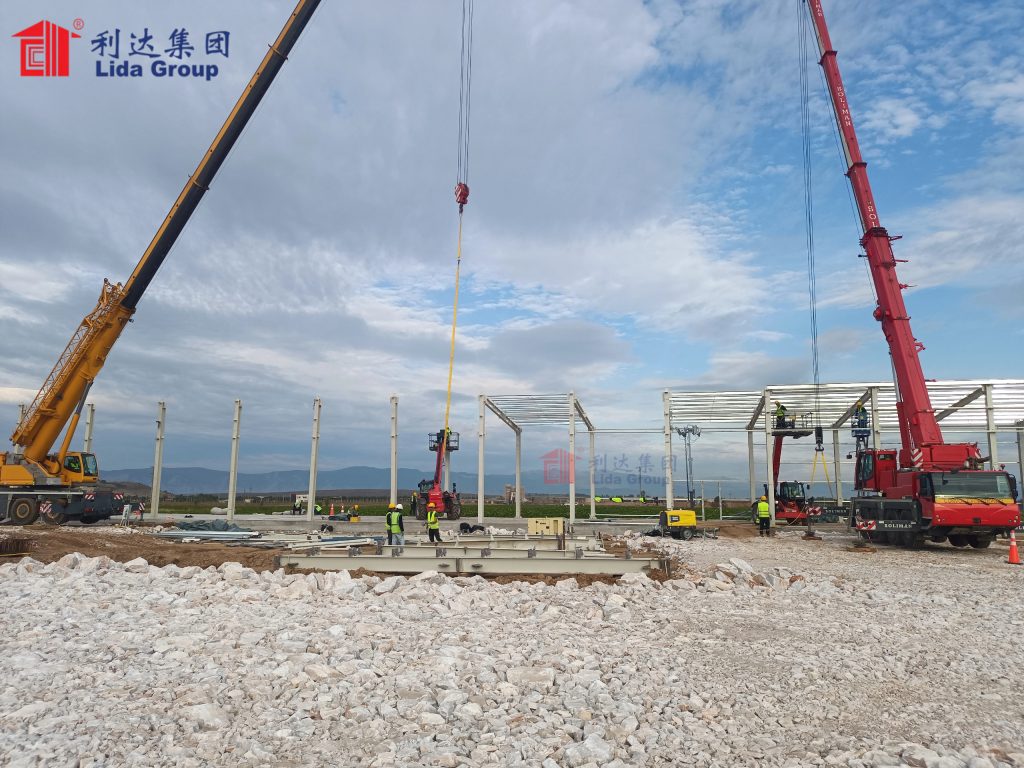
To fully appreciate the importance of setting standards in high-quality rural construction, it is essential to first understand the current state of rural building practices worldwide—including the challenges that plague substandard construction and the opportunities that high-quality standards can unlock. Rural construction varies significantly from region to region, but common themes emerge: a reliance on outdated technologies and materials, a lack of skilled labor, inadequate quality control, and a absence of clear regulatory frameworks. These challenges are compounded by the unique characteristics of rural areas, such as limited access to resources, remote locations, and diverse climatic conditions.
1.1 Key Challenges in Rural Construction
One of the most pervasive challenges in rural construction is the lack of clear, enforceable quality standards. In many rural areas—particularly in developing countries—there are no formal regulations governing building materials, design, or construction techniques. This leads to a “race to the bottom,” where contractors and builders prioritize cost-cutting over quality, using cheap, low-durability materials and subpar construction methods to win projects. Even in regions with existing standards, enforcement is often lax, due to limited resources, inadequate oversight, and a lack of awareness among rural communities about the importance of quality construction.
A shortage of skilled labor is another major challenge. Rural areas often lack training programs for construction workers, leading to a workforce that is unfamiliar with modern building techniques, structural engineering principles, and sustainable practices. Many rural construction projects are undertaken by unskilled laborers or local farmers with little to no construction experience, resulting in structures that are structurally unsound, inefficient, and prone to rapid deterioration. Additionally, skilled construction workers often migrate to urban areas in search of better pay and opportunities, leaving rural areas with a dearth of expertise.
Limited access to high-quality materials and modern construction technologies further exacerbates the problem. Rural areas are often remote, with poor transportation infrastructure, making it difficult and costly to transport high-quality materials (such as galvanized steel, high-performance insulation, or durable roofing) to construction sites. As a result, builders often rely on locally available materials—such as low-grade wood, untested concrete, or劣质 brick—that are cheaper and more accessible but lack the durability and performance of modern materials. Similarly, modern construction technologies, such as prefabrication, 3D printing, and smart building systems, are rarely used in rural construction, due to lack of access, high costs, or lack of awareness.
Climate change and environmental pressures add another layer of complexity. Rural structures are often more exposed to the elements than urban buildings, making them vulnerable to extreme weather events. Substandard rural buildings—with poor insulation, weak structural frames, and inadequate waterproofing—are particularly susceptible to damage from floods, storms, snow, and extreme temperatures. Climate change is increasing the frequency and severity of these events, leading to more frequent building failures, costly repairs, and displacement of rural communities.
Finally, a lack of awareness and education among rural communities about the benefits of high-quality construction hinders progress. Many rural homeowners and community leaders prioritize upfront cost savings over long-term value, unaware that substandard construction will ultimately cost more in repairs, replacements, and lost productivity. They may also be unfamiliar with modern building materials and techniques, or skeptical of their effectiveness in rural contexts.
1.2 Opportunities for Transformation
Despite these challenges, there are significant opportunities to transform rural construction through the establishment and enforcement of high-quality standards. The growing global focus on rural development, sustainability, and climate resilience has created a renewed interest in improving rural built environments. Governments, non-governmental organizations (NGOs), and private sector companies are increasingly investing in rural construction projects, providing an opportunity to integrate high-quality standards into these initiatives.
Advancements in construction technology and materials are also creating new possibilities for high-quality rural construction. Prefabrication, for example, allows for the precision manufacturing of building components in factories, which can then be transported to rural sites and assembled quickly—reducing the need for skilled labor on-site, improving quality control, and lowering costs. Sustainable materials, such as recycled steel, bamboo, and eco-friendly concrete, are becoming more accessible and affordable, making it easier to build environmentally responsible rural structures. Additionally, smart building technologies—such as IoT sensors for monitoring structural health, energy-efficient HVAC systems, and rainwater harvesting systems—can be integrated into rural construction to improve efficiency, safety, and sustainability.
The rise of community-led development initiatives is another key opportunity. Rural communities are increasingly taking ownership of construction projects, working with industry experts to design and build structures that meet their unique needs. These community-led projects are more likely to prioritize quality and sustainability, as they are driven by the needs of the people who will use the buildings. Additionally, community-led initiatives can help raise awareness about the importance of high-quality construction, educating rural residents about the benefits of modern materials and techniques.
Finally, the growing demand for rural housing, agricultural infrastructure, and public services—driven by rural population growth, agricultural modernization, and rural-urban migration—creates a market for high-quality rural construction. Forward-thinking contractors and builders who adopt high-quality standards can differentiate themselves in the market, attracting clients who value durability, functionality, and sustainability. This market demand can drive innovation and investment in rural construction, creating a virtuous cycle of quality improvement.
2. Core Components of High-Quality Rural Construction Standards
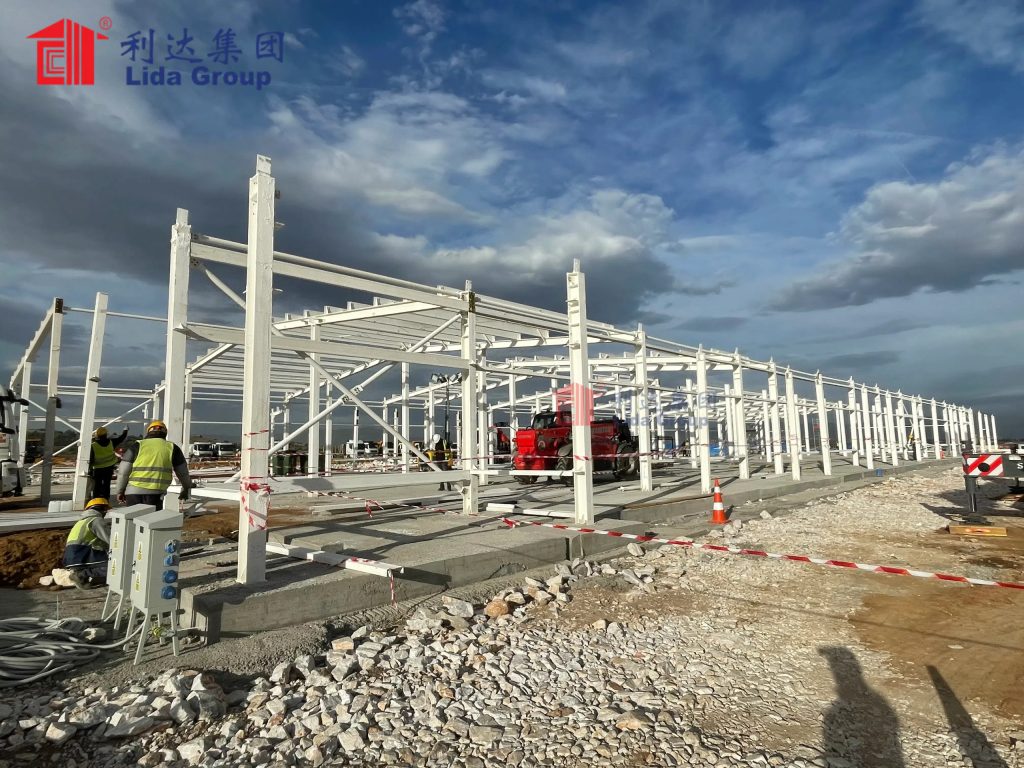
High-quality rural construction standards are built on a foundation of five core components: material quality, structural safety, functional design, sustainability, and quality control. These components are interconnected, with each one playing a critical role in ensuring that rural structures are durable, efficient, safe, and tailored to local needs. While the specific requirements of each component may vary by region and application (e.g., farmhouse vs. school vs. storage facility), the underlying principles are universal. Below is a detailed examination of each core component, including key standards and best practices.
2.1 Material Quality: The Foundation of Durability
The quality of materials used in rural construction is the single most important factor in determining the durability and performance of a structure. High-quality rural construction standards require the use of materials that are durable, appropriate for local climatic conditions, and free from defects. Materials must be tested and certified to meet specific performance criteria, ensuring that they can withstand the unique challenges of rural environments—such as moisture, pests, extreme temperatures, and corrosion.
For structural frames, high-quality standards prioritize materials such as galvanized steel, weathering steel, reinforced concrete, and treated wood. Galvanized steel is particularly well-suited for rural construction, as it is resistant to rust, corrosion, and pest infestation—making it ideal for humid, coastal, or agricultural environments. Weathering steel (Corten steel) is another excellent option for dry, rural areas, as it develops a natural patina that resists corrosion and requires no additional coating. Reinforced concrete is used for foundations and load-bearing structures, providing strength and stability in areas with poor soil conditions or seismic activity. Treated wood—pressure-treated to resist rot, mold, and termites—is used for non-load-bearing components (such as siding and decking) in regions where wood is readily available and appropriate.
For roofing and exterior cladding, standards require materials that are waterproof, wind-resistant, and durable. Options include metal roofing (standing seam or corrugated), asphalt shingles (high-grade), fiber cement panels, and stone veneer. Metal roofing is particularly popular in rural construction, as it is lightweight, durable, and energy-efficient—reflecting sunlight to reduce heat gain in summer and providing excellent insulation in winter. It is also resistant to fire, wind, and hail, making it ideal for storm-prone rural areas.
Insulation materials must meet high-performance standards to ensure energy efficiency and comfort. High-quality standards require insulation with a high R-value (a measure of thermal resistance), such as spray foam, fiberglass batts, or rigid foam boards. Insulation must be installed properly to eliminate gaps and ensure a tight building envelope, minimizing heat loss in winter and heat gain in summer. This not only improves the comfort of the structure but also reduces energy costs for occupants.
All materials used in high-quality rural construction must be certified by recognized authorities, such as ISO, CE, or local building material testing agencies. Certification ensures that materials meet specific quality and performance standards, providing assurance to builders, homeowners, and communities that the structure will be durable and reliable. Additionally, standards may require the use of locally sourced materials where possible, reducing transportation costs and environmental impact while supporting local economies.
2.2 Structural Safety: Protecting Occupants and Assets
Structural safety is a non-negotiable component of high-quality rural construction standards. Rural structures must be designed and built to withstand the forces they will encounter—including wind, snow, rain, seismic activity, and heavy loads (such as equipment, crops, or livestock). Standards require adherence to strict structural engineering principles, including load calculations, foundation design, and structural reinforcement, to ensure that the building is stable and safe for occupants and assets.
Foundation design is a critical aspect of structural safety. High-quality standards require foundations that are appropriate for the soil conditions and climatic factors of the region. For example, in areas with poor soil drainage, foundations must be elevated or built with drainage systems to prevent water damage. In seismic-prone regions, foundations must be reinforced to absorb and dissipate seismic energy, reducing the risk of structural collapse. In snow-prone areas, foundations must be strong enough to support the weight of heavy snow loads on the roof.
Structural frames must be designed to distribute loads evenly throughout the building, minimizing stress on individual components. Standards require the use of appropriately sized beams, columns, and trusses, based on detailed load calculations (including dead load, live load, wind load, snow load, and seismic load). For example, steel frames must be designed with sufficient bracing (diagonal bracing, cross-bracing) to resist lateral forces from wind or earthquakes. Roof trusses must be spaced and reinforced to support the weight of snow, roofing materials, and any additional loads (such as solar panels).
Connection details are also critical for structural safety. Standards require the use of high-strength fasteners (bolts, welds) that are appropriate for the materials being connected. For example, steel components must be welded or bolted together using fasteners that can withstand the same loads as the steel itself. Wooden components must be connected using corrosion-resistant fasteners (such as galvanized nails or screws) to prevent failure due to rust.
High-quality standards also require regular structural inspections during and after construction. During construction, inspectors must verify that the foundation, frame, and other structural components are built according to the design plans and meet safety standards. After construction, a final inspection is conducted to ensure that the structure is safe for occupancy. Additionally, standards may require periodic maintenance inspections (every 5-10 years) to identify and address any structural issues before they become serious.
2.3 Functional Design: Tailored to Rural Needs
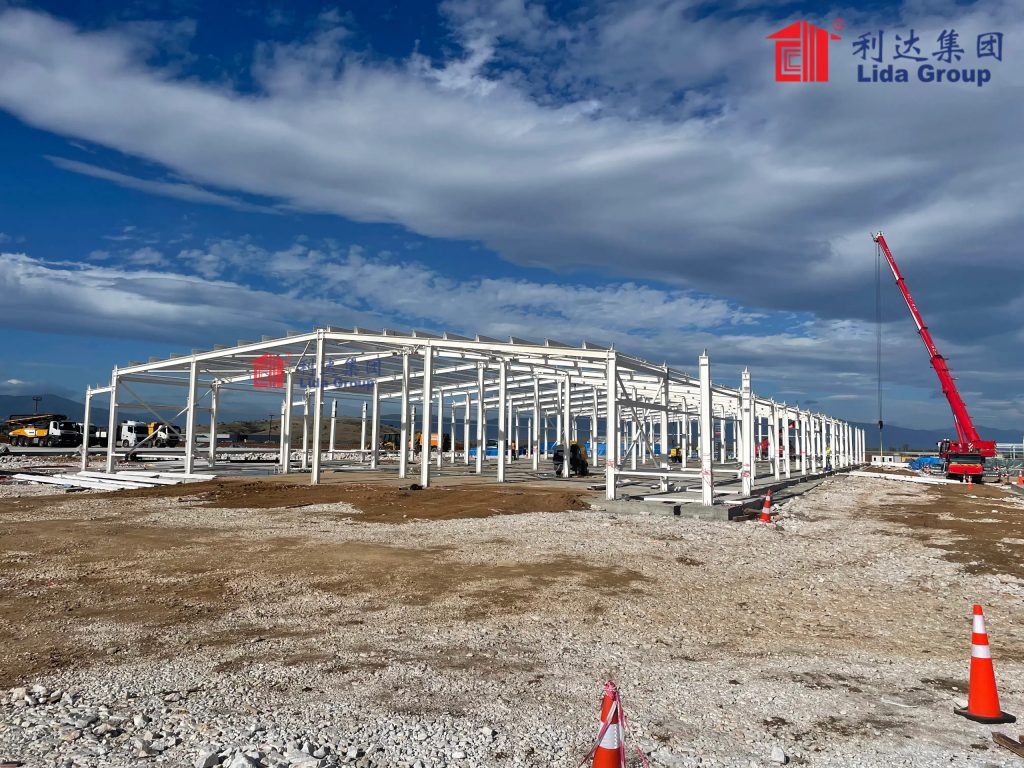
High-quality rural construction is not just about durability and safety—it is also about functionality. Rural structures must be designed to meet the unique needs of rural communities, agricultural operations, and local lifestyles. Functional design standards require that every aspect of the building—from layout and size to window placement and door design—serves a practical purpose, enhancing usability and efficiency.
For farmhouses, functional design standards prioritize open, flexible living spaces that can accommodate family life and agricultural activities. This may include large kitchens (for preparing meals using fresh farm produce), open living areas (for gathering), and attached storage spaces (for tools, equipment, or crops). Farmhouses may also include home offices or workshops, designed to support agricultural operations. Window placement is important for natural light and ventilation, reducing the need for artificial lighting and air conditioning. Porches and decks are often included to provide outdoor living space and a connection to the surrounding landscape.
For agricultural storage facilities (such as barns, silos, and equipment sheds), functional design standards focus on size, accessibility, and protection. Storage facilities must be large enough to accommodate the farmer’s equipment, crops, or livestock, with wide doorways and high ceilings to allow for easy movement of machinery. Ventilation systems are essential to prevent moisture buildup (which can damage crops or equipment) and maintain a healthy environment for livestock. Flooring must be reinforced to support heavy loads, and walls must be insulated to protect against extreme temperatures.
For rural public buildings (such as schools, clinics, and community halls), functional design standards prioritize accessibility, safety, and community needs. Schools must have spacious classrooms, playgrounds, and administrative spaces, with natural light and good ventilation. Clinics must be designed to accommodate medical equipment and patient care, with private examination rooms and waiting areas. Community halls must be flexible, able to host meetings, events, and emergency shelters (in case of natural disasters).
Functional design standards also require adaptability—structures must be able to evolve with changing needs. For example, a farmhouse may be designed to allow for future expansion (adding additional bedrooms or storage space) as the family grows. A storage facility may be designed to accommodate new equipment or crops as the agricultural operation expands. This adaptability ensures that the structure remains useful and relevant for decades, maximizing its long-term value.
2.4 Sustainability: Building for the Future
Sustainability is an integral component of high-quality rural construction standards, reflecting a commitment to protecting the environment, reducing resource consumption, and creating resilient rural communities. Sustainable rural construction standards focus on minimizing environmental impact throughout the building’s lifecycle—from material selection and construction to operation and demolition.
Material sustainability is a key focus. Standards encourage the use of recycled, renewable, or locally sourced materials, reducing the carbon footprint of construction. For example, recycled steel (which requires 74% less energy to produce than virgin steel) is preferred for structural frames. Bamboo (a fast-growing, renewable resource) is used for non-load-bearing components in regions where it is readily available. Locally sourced materials reduce transportation costs and emissions, while supporting local economies.
Energy efficiency is another critical aspect of sustainable rural construction. Standards require the use of high-performance insulation, energy-efficient windows and doors, and renewable energy systems (such as solar panels, wind turbines, or geothermal heating and cooling). These features reduce energy consumption, lowering utility costs for occupants and reducing reliance on fossil fuels. For example, a farmhouse with spray foam insulation, double-paned low-E windows, and a solar panel system can reduce its energy bills by 30-50% compared to a substandard farmhouse.
Water conservation is also prioritized in sustainable rural construction standards. Standards require the integration of water-saving features, such as rainwater harvesting systems (to collect and store rainwater for irrigation, livestock, or non-potable use), low-flow fixtures (for kitchens and bathrooms), and efficient irrigation systems (for landscaping or crops). These features help conserve water, which is often scarce in rural areas, and reduce reliance on municipal water supplies.
Waste reduction is another key principle of sustainable rural construction. Standards encourage the use of prefabricated components, which generate less on-site waste than traditional construction methods. Construction waste must be recycled or disposed of properly, minimizing environmental pollution. Additionally, standards may require the design of structures that are easy to disassemble and recycle at the end of their lifespan, promoting a circular economy.
Finally, sustainable rural construction standards prioritize resilience to climate change. Structures must be designed to withstand the impacts of climate change—such as increased heat, more frequent storms, and rising sea levels—ensuring that they remain functional and safe for decades. This may include elevated foundations for flood-prone areas, reinforced structures for storm-prone regions, and heat-resistant materials for arid areas.
2.5 Quality Control: Ensuring Standards Are Upheld
Even the best materials and design plans are meaningless without rigorous quality control. High-quality rural construction standards require a comprehensive quality control process that spans every stage of the construction project—from material selection and manufacturing to on-site assembly and final inspection. Quality control ensures that every component of the structure meets the required standards, minimizing defects and ensuring consistency.
Quality control begins with material testing and certification. All materials used in the project must be tested by recognized laboratories to verify that they meet performance standards. For example, steel must be tested for strength and corrosion resistance, insulation must be tested for thermal performance, and concrete must be tested for compressive strength. Materials must also be certified by reputable organizations, providing documentation of their quality.
During the manufacturing phase (for prefabricated components), quality control involves regular inspections of production lines to ensure that components are made to exact specifications. Automated production systems are often used to improve precision, reducing the risk of defects. Components are inspected before they leave the factory, ensuring that they are free from damage and meet design requirements.
On-site quality control is critical for ensuring that the structure is built according to the design plans and standards. A qualified quality control inspector must be present on-site throughout the construction process, verifying that the foundation is poured correctly, the frame is assembled properly, and all components are installed according to specifications. The inspector must also ensure that construction workers are following best practices, such as proper installation of insulation and waterproofing.
Final inspection is the last step in the quality control process. After construction is complete, the inspector conducts a comprehensive review of the structure, checking for any defects, safety hazards, or non-compliance with standards. The inspector may also conduct tests (such as water tightness tests for roofing, or structural load tests for floors) to verify performance. Only after the structure passes the final inspection is it deemed safe for occupancy.
Quality control also includes documentation. Detailed records must be kept of all materials used (including certification documents), construction processes, inspections, and tests. This documentation provides a clear trail of quality, ensuring accountability and making it easier to address any issues that arise in the future. It also serves as a reference for maintenance and repairs, helping to extend the lifespan of the structure.
3. Innovation Driving High-Quality Rural Construction
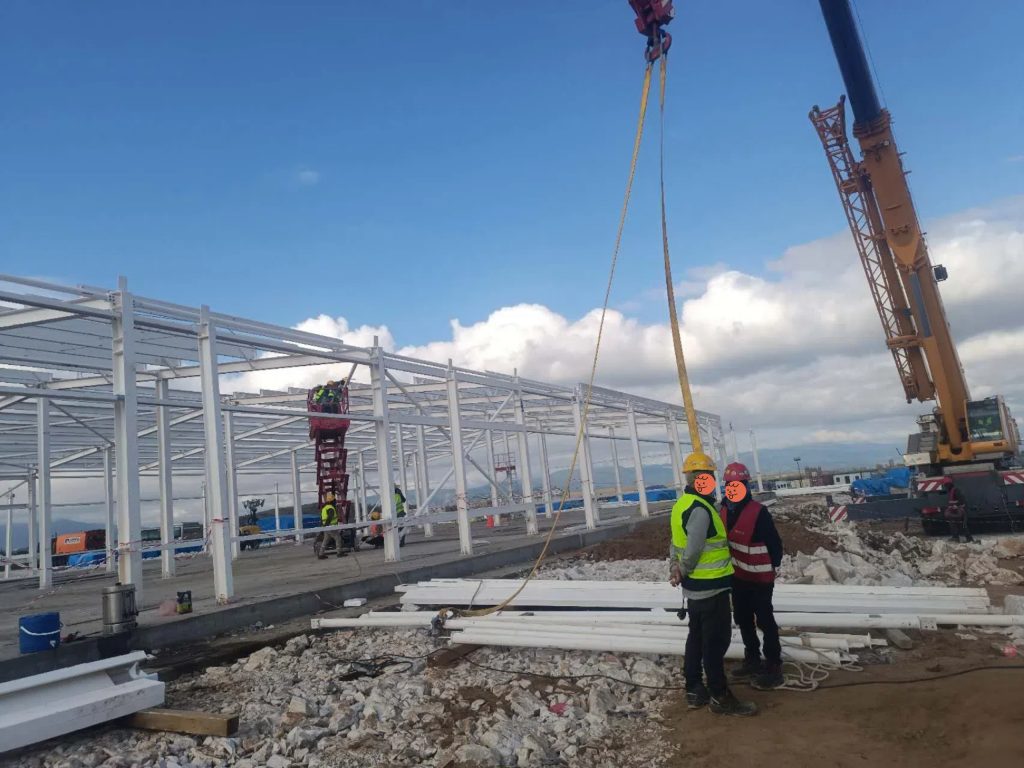
Innovation is a key driver of progress in high-quality rural construction, enabling the development of new materials, technologies, and construction methods that improve durability, functionality, sustainability, and affordability. From prefabrication and 3D printing to smart building systems and renewable energy integration, innovation is making high-quality rural construction more accessible and efficient than ever before. Below are some of the most impactful innovations shaping the future of rural construction, and how they are helping to set new standards for quality.
3.1 Prefabricated Construction: Precision, Speed, and Quality
Prefabricated construction—also known as off-site construction—involves manufacturing building components in a factory and then transporting them to the construction site for assembly. This innovative method has revolutionized rural construction, addressing many of the challenges associated with traditional on-site construction, such as skilled labor shortages, material waste, and quality inconsistencies.
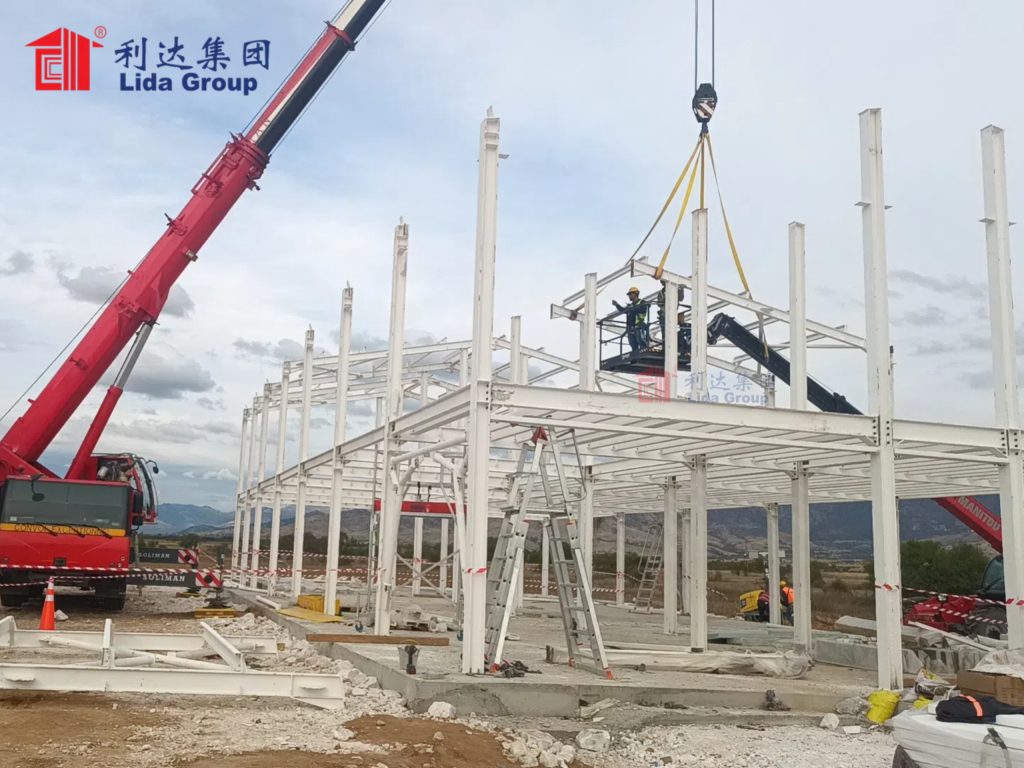
One of the key benefits of prefabrication is precision. Components are manufactured in a controlled factory environment, using automated production systems and strict quality control measures, ensuring that every component is made to exact specifications. This eliminates the inconsistencies and defects that are common in on-site construction, where components are often cut and assembled by hand. Prefabricated components are also tested in the factory before being shipped, ensuring that they meet structural and performance standards.
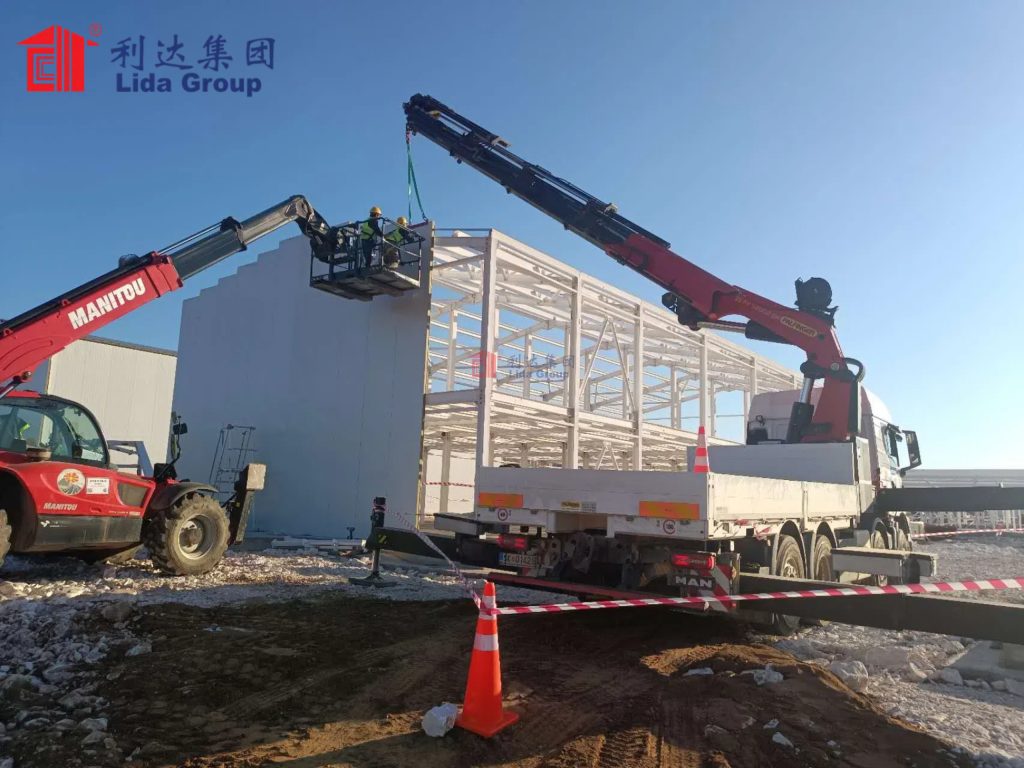
Prefabrication also reduces construction time significantly. Traditional rural construction projects can take months or even years to complete, exposing the building to the elements and increasing the risk of damage. In contrast, prefabricated components can be manufactured in a matter of weeks, and on-site assembly can take as little as 2-4 weeks (depending on the size and complexity of the structure). This rapid construction minimizes the time the building spends under construction, reducing the risk of weather damage and allowing occupants to move in sooner.
Another benefit of prefabrication is reduced reliance on skilled labor. Since most of the work is done in the factory by skilled workers, on-site assembly requires only a small team of semi-skilled laborers to install the components. This addresses the skilled labor shortage in rural areas, making it easier to complete high-quality construction projects. Additionally, prefabrication generates less on-site waste than traditional construction, as components are made to precise specifications, with minimal cutting or trimming required on-site.
Prefabricated construction is also highly adaptable, making it suitable for a wide range of rural structures, including farmhouses, barns, storage facilities, and public buildings. Prefabricated components can be customized to meet specific design requirements, allowing for flexibility in layout, size, and aesthetic. For example, prefabricated steel frames can be designed to create open, flexible interior spaces for farmhouses or large storage areas for agricultural equipment. Prefabricated wall panels can be insulated and clad with a variety of materials to match the local aesthetic and climate.
3.2 Smart Building Technologies: Efficiency and Safety
Smart building technologies—including IoT sensors, automated systems, and renewable energy integration—are transforming rural construction, making structures more efficient, safe, and sustainable. These technologies are increasingly being integrated into high-quality rural structures, setting new standards for performance and functionality.
IoT (Internet of Things) sensors are one of the most impactful smart building technologies for rural construction. These small, wireless sensors can be installed throughout the structure to monitor a wide range of parameters, including temperature, humidity, structural stress, energy consumption, and water usage. The data collected by the sensors is transmitted to a central dashboard (accessible via smartphone or computer), allowing occupants or maintenance teams to monitor the building’s performance in real time. For example, sensors can detect moisture buildup in a storage facility, alerting the farmer to potential crop damage. They can also monitor the structural health of a farmhouse, detecting cracks or stress in the frame before they become serious safety hazards.
Automated systems are another key smart building technology. These systems can be used to control lighting, heating, cooling, and ventilation, improving energy efficiency and comfort. For example, automated thermostats can adjust the temperature based on occupancy or outdoor weather conditions, reducing energy waste. Automated ventilation systems can adjust airflow in a barn or storage facility to maintain optimal humidity levels, protecting livestock or crops. Smart irrigation systems can use weather data to adjust watering schedules, conserving water and reducing costs.
Renewable energy integration is a critical component of smart rural construction. High-quality rural structures are increasingly being equipped with solar panels, wind turbines, or geothermal heating and cooling systems, reducing reliance on fossil fuels and lowering energy costs. Solar panels are particularly well-suited for rural areas, where there is ample sunlight and limited access to the electrical grid. Many prefabricated rural structures are designed with solar panels integrated into the roof, making installation easier and more efficient. Energy storage systems (such as batteries) can also be integrated to store excess electricity generated by renewable sources, ensuring a reliable power supply even during power outages.
3.3 Advanced Materials: Durability and Sustainability
Advancements in material science are driving the development of new, high-performance materials that are ideal for rural construction. These materials offer improved durability, sustainability, and performance compared to traditional materials, helping to set new standards for quality.
One of the most exciting advancements is the development of high-strength, corrosion-resistant steels. For example, galvanized steel with a double zinc coating offers enhanced protection against rust and corrosion, making it ideal for humid, coastal, or agricultural environments. Weathering steel with improved patina formation provides better long-term corrosion resistance, reducing maintenance requirements. Additionally, recycled steel is becoming more widely available and affordable, offering a sustainable alternative to virgin steel without compromising on strength or durability.
Eco-friendly concrete is another innovative material. Traditional concrete production is energy-intensive and generates significant carbon emissions. However, new types of concrete—such as geopolymer concrete (made from industrial waste materials like fly ash or slag) and self-healing concrete (which contains bacteria that repair cracks)—offer a more sustainable alternative. These materials have similar or better strength and durability than traditional concrete, while reducing environmental impact.
High-performance insulation materials are also advancing. Aerogel insulation, for example, is a lightweight, highly efficient insulation that offers up to four times the thermal resistance of traditional insulation materials. It is ideal for rural structures, as it is easy to install and provides excellent energy efficiency, even in extreme temperatures. Additionally, natural insulation materials—such as hempcrete (made from hemp and lime) and sheep’s wool—are becoming more popular, offering a sustainable, eco-friendly alternative to synthetic insulation.
Composite materials are also gaining traction in rural construction. Composites—made from a combination of materials (such as fiber-reinforced polymer, or FRP)—offer superior strength, durability, and corrosion resistance compared to traditional materials. For example, FRP roofing panels are lightweight, waterproof, and resistant to UV radiation, making them ideal for rural structures. FRP beams and columns are also used in structural applications, offering high strength-to-weight ratios and resistance to pest infestation.
3.4 3D Printing: Customization and Accessibility
3D printing—also known as additive manufacturing—is an emerging technology that has the potential to transform rural construction. This technology involves using a 3D printer to build structures layer by layer, using materials such as concrete, plastic, or even steel. 3D printing offers several benefits for rural construction, including customization, speed, and reduced costs.
One of the key benefits of 3D printing is customization. 3D printers can create complex, unique designs that would be difficult or impossible to achieve with traditional construction methods. This allows rural homeowners and community leaders to design structures that are tailored to their specific needs and preferences, from custom-shaped farmhouses to unique storage facilities. Additionally, 3D printing allows for easy modifications to designs, making it possible to adapt the structure to changing needs.
3D printing also reduces construction time and costs. 3D printers can work 24/7, building structures much faster than traditional construction methods. For example, a small 3D-printed farmhouse can be built in as little as 24-48 hours. Additionally, 3D printing generates less waste than traditional construction, as it uses only the materials needed to build the structure. This reduces material costs and environmental impact.
3D printing is particularly well-suited for remote rural areas, where access to skilled labor and construction materials is limited. 3D printers can be transported to rural sites, and the materials used (such as concrete or plastic) are often readily available. This makes it possible to build high-quality rural structures in areas where traditional construction would be difficult or impossible.
While 3D printing is still in the early stages of adoption in rural construction, it has already been used successfully in several projects around the world. For example, in Kenya, 3D-printed houses are being built for rural families, providing affordable, durable shelter. In Australia, 3D-printed barns are being used to store agricultural equipment, offering a cost-effective, customizable solution. As the technology advances and becomes more affordable, it is likely to play an increasingly important role in setting standards for high-quality rural construction.
4. Leading the Way: Organizations and Projects Setting Standards
Setting standards in high-quality rural construction requires leadership—from governments, NGOs, private sector companies, and community organizations. These leaders are not only establishing clear standards but also implementing them through innovative projects, educating rural communities, and advocating for policy changes that support high-quality construction. Below are some examples of organizations and projects that are leading the way in setting standards for high-quality rural construction, along with lessons learned from their success.
4.1 Lida Group: Prefabricated Steel Solutions for Rural Resilience
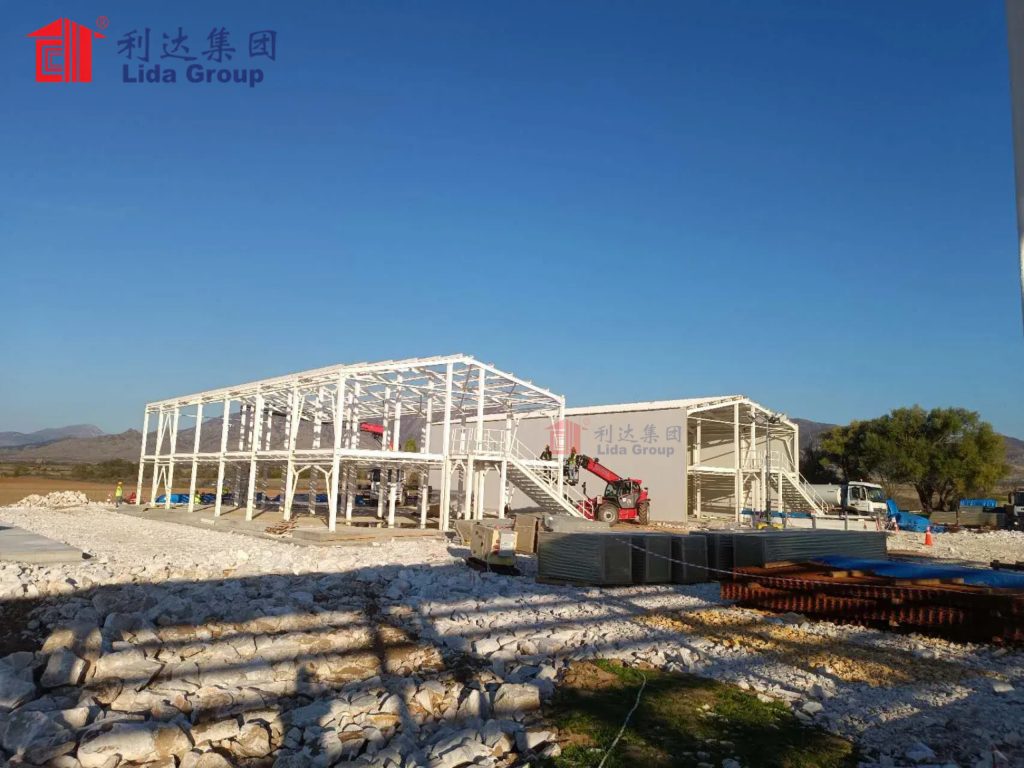
As a global leader in prefabricated metal building solutions, Lida Group has emerged as a key player in setting standards for high-quality rural construction. With over two decades of experience, the company has focused on developing durable, sustainable, and functional steel structures tailored to the unique needs of rural communities and agricultural operations. Lida Group’s approach is built on three core principles: adherence to strict quality standards, innovation in materials and technology, and a commitment to customer-centric design.
Lida Group’s rural construction solutions include custom steel frame farmhouses, barns, storage facilities, and public buildings—all built using prefabricated galvanized steel components. The company’s standards for material quality require the use of high-grade galvanized steel (hot-dip galvanized for maximum corrosion resistance) and certified insulation materials. Structural safety is prioritized through detailed load calculations, reinforced frames, and rigorous quality control inspections. Functional design is tailored to local needs, with customizable layouts and features (such as attached storage, ventilation systems, and renewable energy integration). Sustainability is integrated through the use of recycled steel, energy-efficient insulation, and rainwater harvesting systems.
One of Lida Group’s flagship rural construction projects is the “Resilient Rural Communities Initiative” in Southeast Asia, where the company has built over 500 prefabricated steel farmhouses and storage facilities in flood-prone and storm-prone rural areas. These structures are designed to withstand floods (with elevated foundations), strong winds (up to 150 mph), and extreme temperatures, providing safe, durable shelter for farmers and their families. The project also includes training programs for local construction workers, teaching them modern prefabrication techniques and quality control practices. This not only ensures that the structures are built correctly but also builds local capacity for high-quality rural construction.
The success of Lida Group’s project demonstrates the importance of combining high-quality standards with local engagement. By working closely with rural communities to understand their needs, and providing training to local workers, the company has ensured that the structures are not only durable and safe but also accepted and valued by the communities they serve. Additionally, the use of prefabricated steel components has addressed the skilled labor shortage in the region, making high-quality construction accessible.
4.2 The Rural Building Standards Initiative (RBSI): Advocating for Policy and Practice Change
The Rural Building Standards Initiative (RBSI) is a global coalition of governments, NGOs, and industry leaders dedicated to establishing and enforcing high-quality rural construction standards. Founded in 2015, the RBSI works to develop evidence-based standards for rural construction, advocate for policy changes that support these standards, and provide technical assistance to rural communities and builders.
The RBSI’s core work is the development of the Global Rural Construction Standards (GRCS)—a set of comprehensive guidelines that cover material quality, structural safety, functional design, sustainability, and quality control. The GRCS are adaptable to different regional contexts, with supplementary guidelines for specific climatic conditions (such as flood-prone, arid, or snow-covered regions) and cultural contexts (such as traditional building styles). The RBSI works with governments to adopt the GRCS as national or local building codes, and provides training and technical assistance to ensure effective enforcement.
One of the RBSI’s key projects is in Sub-Saharan Africa, where the organization has partnered with local governments to implement the GRCS in rural construction projects. The project focuses on three key areas: training local builders in high-quality construction techniques, providing access to certified building materials, and establishing local quality control inspection teams. Since the project’s launch in 2018, over 1,000 rural builders have been trained, and more than 300 high-quality rural structures (schools, clinics, and farmhouses) have been built. The project has also led to a 40% reduction in building failures and a 30% reduction in maintenance costs for rural communities.
The RBSI’s work highlights the importance of policy and advocacy in setting standards for high-quality rural construction. By working with governments to adopt and enforce standards, and providing the necessary training and resources, the organization is creating a regulatory environment that supports high-quality construction. Additionally, the RBSI’s focus on capacity building ensures that rural communities have the skills and resources to maintain high-quality construction practices long-term.
4.3 Community-Led Rural Construction in Vermont, USA
In the rural state of Vermont, USA, a community-led initiative is setting standards for high-quality rural construction by empowering local residents to design and build structures that meet their unique needs. The “Vermont Rural Building Collective” (VRBC) is a grassroots organization that brings together rural homeowners, farmers, builders, and designers to collaborate on high-quality rural construction projects.
The VRBC’s approach is based on community engagement and shared knowledge. The organization hosts workshops and training sessions for rural residents, teaching them about high-quality materials, sustainable design, and structural safety. It also facilitates collaboration between homeowners and skilled builders, ensuring that every project is designed to meet the homeowner’s needs while adhering to high-quality standards. The VRBC has developed a set of “Community-Guided Rural Construction Standards,” which are based on the GRCS but adapted to Vermont’s cold climate and rural lifestyle. These standards prioritize energy efficiency (to withstand harsh winters), durability (to resist snow and ice), and local materials (to support the local economy).
One of the VRBC’s most successful projects is the “Sustainable Farmhouse Initiative,” where the organization has helped 50 rural families design and build custom, high-quality farmhouses using prefabricated steel components and local materials. The farmhouses are designed to be energy-efficient (with high-performance insulation, solar panels, and double-paned windows), durable (with galvanized steel frames and metal roofing), and functional (with attached storage spaces and workshops). The project also includes a “Neighbor-to-Neighbor” program, where experienced builders mentor new homeowners, ensuring that the structures are built to standards.
The VRBC’s work demonstrates the power of community-led development in setting standards for high-quality rural construction. By empowering local residents to take ownership of construction projects, and providing them with the knowledge and resources to build high-quality structures, the organization is creating a culture of quality in rural Vermont. Additionally, the focus on local materials and collaboration supports the local economy and strengthens community cohesion.
5. Overcoming Barriers to Implementing High-Quality Standards
While the benefits of high-quality rural construction standards are clear, there are significant barriers to their widespread implementation—including cost, lack of awareness, inadequate enforcement, and skilled labor shortages. Overcoming these barriers requires a collaborative approach, involving governments, NGOs, private sector companies, and rural communities. Below are the key barriers and practical strategies for addressing them.
5.1 Barrier 1: Cost Concerns
One of the most common barriers to implementing high-quality rural construction standards is cost. High-quality materials (such as galvanized steel, high-performance insulation) and modern construction technologies (such as prefabrication) are often more expensive upfront than low-quality alternatives. For rural homeowners and communities with limited financial resources, this upfront cost can be prohibitive, leading them to choose substandard construction to save money.
Strategy: To address cost concerns, it is essential to highlight the long-term value of high-quality construction. While high-quality structures may have a higher upfront cost, they require less maintenance, have a longer lifespan, and reduce energy and repair costs over time. Governments and NGOs can provide financial incentives—such as grants, low-interest loans, or tax breaks—to help rural communities afford high-quality construction. Private sector companies can also reduce costs by optimizing manufacturing processes (such as prefabrication) and offering affordable, standardized high-quality solutions. Additionally, using locally sourced materials can reduce transportation costs, making high-quality construction more affordable.
5.2 Barrier 2: Lack of Awareness and Education
Many rural homeowners, community leaders, and builders are unaware of the benefits of high-quality construction standards or how to implement them. They may be unfamiliar with modern materials and technologies, or skeptical of their effectiveness in rural contexts. This lack of awareness leads to a preference for traditional, substandard construction methods.
Strategy: Education and awareness-raising are critical for overcoming this barrier. Governments, NGOs, and industry leaders can develop educational programs—such as workshops, training sessions, and informational materials—that teach rural communities about the benefits of high-quality construction, the risks of substandard construction, and how to implement high-quality standards. These programs should be tailored to the local context, using language and examples that resonate with rural residents. Additionally, showcasing successful high-quality rural construction projects (such as the ones highlighted in Section 4) can help build trust and demonstrate the practical benefits of standards.
5.3 Barrier 3: Inadequate Enforcement
Even in regions with existing high-quality rural construction standards, enforcement is often lax. This is due to limited resources, inadequate oversight, and a lack of political will. Without effective enforcement, standards become meaningless, and builders continue to use substandard materials and methods.
Strategy: To improve enforcement, governments must allocate sufficient resources to building inspection agencies, including funding for training inspectors and providing them with the tools they need to conduct effective inspections. Additionally, governments can establish penalties for non-compliance with standards—such as fines or the revocation of building permits—to deter substandard construction. Community engagement can also play a role in enforcement: local residents can be trained to identify substandard construction and report it to authorities. Finally, governments can partner with NGOs and private sector companies to provide technical assistance to inspectors, ensuring that they have the expertise to verify compliance with standards.
5.4 Barrier 4: Skilled Labor Shortages
As discussed earlier, rural areas often lack skilled construction workers who are familiar with modern building techniques and high-quality standards. This makes it difficult to implement high-quality construction projects, even when standards are in place.
Strategy: Addressing skilled labor shortages requires investing in training and capacity building. Governments, NGOs, and private sector companies can develop training programs for rural construction workers, teaching them modern techniques (such as prefabrication), structural engineering principles, and quality control practices. These programs should be hands-on, providing workers with practical experience in building high-quality structures. Additionally, incentives—such as higher wages, certification programs, or job placement services—can attract skilled workers to rural areas and encourage local workers to participate in training programs. Partnerships between training institutions and construction companies can also ensure that training programs are aligned with industry needs.
6. The Future of High-Quality Rural Construction: Trends and Outlook
The future of high-quality rural construction is bright, with growing momentum toward standards, innovation, and sustainability. As rural communities continue to evolve and face new challenges—from climate change to agricultural modernization—the demand for high-quality rural structures will only increase. Below are the key trends that will shape the future of high-quality rural construction, and the outlook for widespread adoption of standards.
6.1 Increasing Focus on Climate Resilience
Climate change will continue to be a driving force in high-quality rural construction, with standards increasingly prioritizing climate resilience. Rural structures will be designed to withstand more frequent and severe weather events, such as floods, storms, heatwaves, and droughts. This will include features such as elevated foundations, reinforced frames, heat-resistant materials, and water conservation systems. Additionally, renewable energy integration will become standard in high-quality rural structures, reducing reliance on fossil fuels and lowering carbon footprints.
6.2 Expansion of Prefabrication and Modular Construction
Prefabrication and modular construction will become even more widespread in rural areas, driven by their ability to address skilled labor shortages, reduce costs, and improve quality. Advances in prefabrication technology—such as automated production systems and 3D printing—will make it easier to customize prefabricated components, allowing for greater flexibility in design. Modular construction, where entire rooms or sections of a building are prefabricated and then assembled on-site, will also gain popularity, making it possible to build complex rural structures quickly and efficiently.
6.3 Integration of Smart Technologies
Smart building technologies will become more accessible and affordable for rural construction, with IoT sensors, automated systems, and renewable energy integration becoming standard features in high-quality rural structures. These technologies will improve energy efficiency, safety, and functionality, making rural structures more comfortable and efficient for occupants. Additionally, smart technologies will enable remote monitoring and maintenance, reducing the need for on-site inspections and lowering maintenance costs.
6.4 Greater Community Engagement
Community-led development will play an increasingly important role in high-quality rural construction, with rural communities taking greater ownership of construction projects. This will involve collaboration between homeowners, builders, designers, and community organizations to design and build structures that meet local needs and adhere to high-quality standards. Community engagement will also help raise awareness about the importance of quality construction, creating a culture of quality in rural areas.
6.5 Policy Support and Global Collaboration
Governments around the world will increasingly adopt and enforce high-quality rural construction standards, supported by policy incentives and technical assistance. Global collaboration—between governments, NGOs, and industry leaders—will also grow, with organizations sharing best practices, standards, and technologies to improve rural construction globally. This collaboration will help accelerate the adoption of high-quality standards in developing countries, where the need is greatest.

Outlook
The widespread adoption of high-quality rural construction standards is not without challenges, but the momentum is building. As innovation continues to drive down costs and improve accessibility, and as governments and communities recognize the long-term benefits of quality construction, high-quality rural structures will become the norm rather than the exception. In the coming decades, we can expect to see rural built environments that are more durable, efficient, sustainable, and tailored to the needs of rural communities—creating a foundation for resilient, prosperous rural futures.
7. Conclusion: The Power of Standards to Transform Rural Construction
High-quality rural construction is not a luxury—it is a necessity. It is essential for protecting rural communities, supporting agricultural productivity, reducing long-term costs, and building resilient, prosperous rural futures. For too long, rural construction has been plagued by substandard practices, resulting in structures that are fragile, inefficient, and unsafe. But today, a new era is emerging—one defined by clear standards, innovation, and leadership. By establishing and upholding standards for material quality, structural safety, functional design, sustainability, and quality control, we are transforming rural built environments, one structure at a time.
As explored in this article, the core components of high-quality rural construction standards are interconnected, each playing a critical role in ensuring that rural structures are built to last, serve their purpose, and contribute to the well-being of the community. Innovation—from prefabrication and smart technologies to advanced materials and 3D printing—is making these standards more accessible and efficient than ever before. Organizations and projects around the world are leading the way, demonstrating how high-quality standards can be implemented successfully, even in remote and resource-constrained rural areas.
Overcoming the barriers to implementing high-quality standards—cost, lack of awareness, inadequate enforcement, and skilled labor shortages—requires a collaborative approach. Governments must adopt and enforce standards, provide financial incentives, and invest in training. NGOs must raise awareness, provide technical assistance, and facilitate community engagement. Private sector companies must innovate, reduce costs, and deliver high-quality solutions. And rural communities must take ownership of construction projects, embracing high-quality standards as a pathway to prosperity.
The future of rural construction is bright. As climate resilience, sustainability, and functionality become increasingly important, high-quality standards will continue to evolve, driven by innovation and community needs. The structures we build today will shape rural communities for decades to come—they must be built to the highest standards, not just for durability and safety, but for the people who live and work in them, and for the planet we all share.
Setting the standard in high-quality rural construction is more than just building better buildings—it is building better rural communities, stronger economies, and a more sustainable future. It is a commitment to excellence, a dedication to resilience, and a promise to rural people everywhere that their homes, their workplaces, and their communities deserve the best. With continued leadership, innovation, and collaboration, we can ensure that every rural structure is a testament to quality, durability, and hope for the future.

Related news
-
Custom Steel Structure Building for Your Dream Farmhouse
2026-02-14 10:18:07
-
Lida Group's Metal Frame Farmhouse Withstands Harsh Conditions
2026-02-13 17:52:50
-
Experience Lasting Value with High Quality Construction
2026-02-13 17:42:48
contact us
- Tel: +86-532-88966982
- Whatsapp: +86-13793209022
- E-mail: sales@lidajituan.com
