



Scalable Prefab Worker Dormitory Meets Demand with Sustainable Design
2026-Feb-25 17:52:42
By Admin
Across the global construction, mining, infrastructure, and energy sectors, the demand for safe, comfortable, and adaptable worker accommodation is growing at an unprecedented rate. As projects become larger, more remote, and more time-sensitive, employers face the challenge of providing housing that can keep pace with fluctuating workforce sizes, harsh environmental conditions, and increasingly strict sustainability regulations. Traditional worker dormitory solutions—whether temporary shacks, permanent brick-and-concrete buildings, or rigid prefabricated structures—often fail to address these needs: they are either inflexible and costly, or unsustainable and short-lived. In response, scalable prefab worker dormitories, designed with sustainability at their core, have emerged as a transformative solution. These innovative dormitories combine the efficiency of prefabrication, the flexibility of scalable design, and the environmental responsibility of sustainable practices to meet the evolving demands of modern workforce housing—delivering value for employers, comfort for workers, and a reduced environmental footprint for the planet.
To fully understand the significance of scalable prefab worker dormitories with sustainable design, it is essential to first examine the pressing demands and industry pain points that they are engineered to solve. The global workforce in construction, mining, and related industries is projected to grow by 15% over the next decade, according to the International Labour Organization (ILO), creating a surge in demand for worker accommodation. This demand is further complicated by three key challenges: fluctuating workforce sizes, harsh and remote project locations, and the global push for sustainability.
Fluctuating workforce sizes are a common challenge for projects of all scales. A construction project, for example, may start with a small team of 50 workers but grow to 500 as construction peaks, then shrink back to 100 as the project nears completion. Traditional dormitory solutions are ill-equipped to handle this variability: permanent brick-and-concrete dormitories are costly to build and cannot be downsized, leading to wasted space and resources; temporary shacks are cheap but flimsy, requiring frequent replacement and generating significant waste. This inflexibility forces employers to either overinvest in accommodation that is underused or underprovide housing, leading to worker dissatisfaction and turnover.
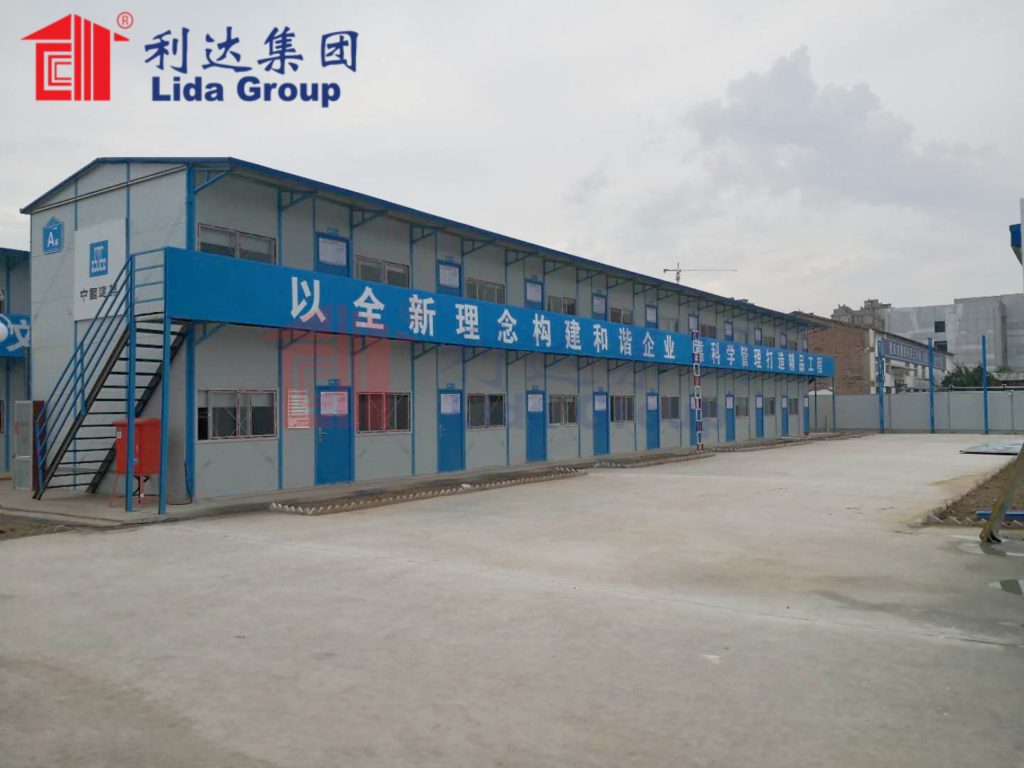
Remote and harsh project locations add another layer of complexity. Many construction and mining projects are situated in areas with limited infrastructure, extreme weather conditions—such as deserts, high-altitude regions, or coastal areas—and little access to building materials and skilled labor. Traditional construction methods are impractical in these environments, as they require extensive on-site labor, large quantities of materials, and lengthy construction timelines. Temporary dormitories, meanwhile, often fail to withstand harsh weather, leading to frequent repairs, safety hazards, and poor living conditions for workers.
The global push for sustainability is the third critical driver of demand for innovative worker dormitories. Governments, international organizations, and corporations worldwide are implementing strict environmental regulations, aiming to reduce carbon emissions, minimize waste, and promote circular economy practices. The construction industry, which accounts for 39% of global carbon emissions and 30% of raw material usage, is under increasing pressure to adopt sustainable practices. Traditional worker dormitories—whether temporary or permanent—are often unsustainable: they use non-recyclable materials, generate significant construction waste, and consume excessive energy for heating, cooling, and lighting. This makes them incompatible with modern sustainability goals and exposes employers to regulatory risks and reputational damage.
Against this backdrop, scalable prefab worker dormitories with sustainable design have emerged as a solution that addresses all three challenges. These dormitories leverage advanced prefabrication technology to ensure rapid construction and consistent quality, scalable modular design to adapt to fluctuating workforce sizes, and sustainable materials and systems to reduce environmental impact. By integrating these three elements, they deliver a holistic solution that meets the demands of employers, workers, and the planet.
At the core of scalable prefab worker dormitories is their modular, scalable design—engineered to adapt to changing workforce needs with minimal waste and maximum efficiency. Scalability is achieved through a modular construction approach, where the dormitory is built from standardized, prefabricated modules that can be easily added, removed, or reconfigured to adjust the number of housing units. This flexibility ensures that employers only pay for the accommodation they need, when they need it, eliminating waste and optimizing resource utilization.
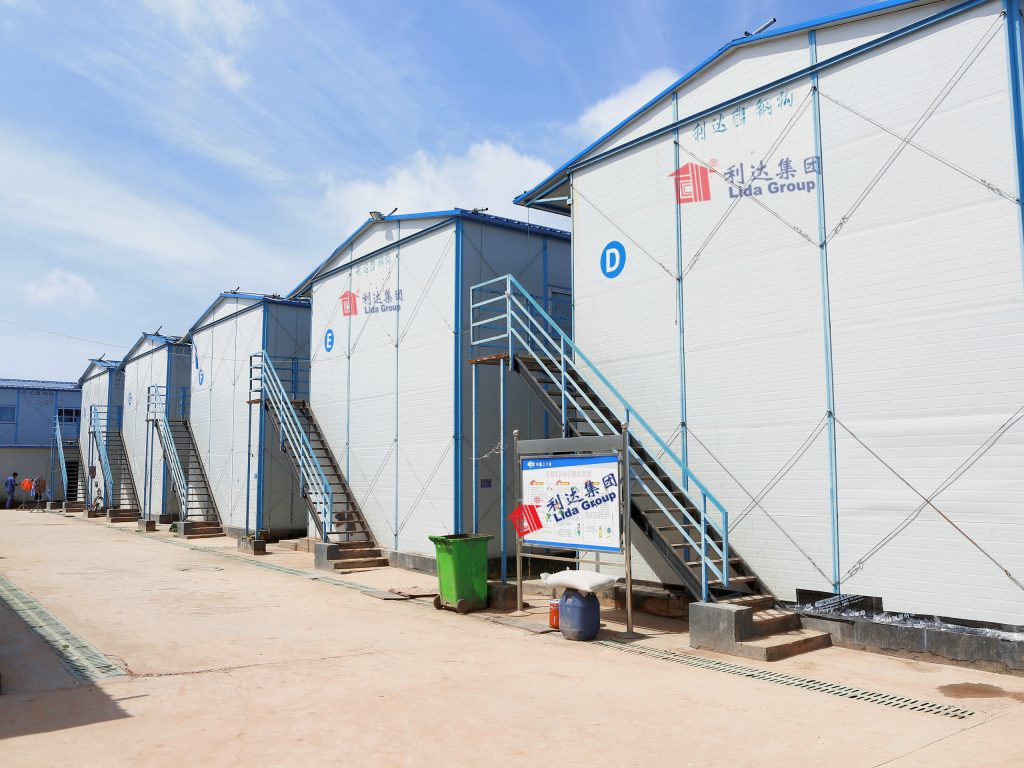
The modular design of these dormitories is based on a standardized unit system, typically consisting of 3m × 6m or 3.6m × 7.2m modules. Each module is a self-contained unit that includes sleeping quarters, storage space, and basic amenities, and can be combined with other modules to form larger dormitory blocks. For example, a single module can accommodate 4-6 workers, while 10 modules can be combined to form a dormitory block for 40-60 workers. As the workforce grows, additional modules can be added to the block; as the workforce shrinks, excess modules can be disassembled and relocated to other projects. This scalability not only reduces upfront costs but also minimizes long-term waste, as modules can be reused across multiple projects.
The scalability of these dormitories is further enhanced by their lightweight, portable design. Unlike traditional brick-and-concrete buildings, which are permanent and immovable, prefab modules are lightweight and can be easily transported by truck, ship, or helicopter to remote project locations. This portability is critical for projects in inaccessible areas, where traditional construction is impractical. For example, a mining project in a remote desert can have dormitory modules transported to the site and assembled in days, rather than months, enabling workers to be deployed quickly and accelerating project timelines.
Another key feature of scalable prefab worker dormitories is their rapid assembly and disassembly. Each module is prefabricated in a controlled factory environment, with all fixtures, wiring, and plumbing pre-installed. This means that on-site assembly is quick and efficient: a small team of 6-8 certified installers can assemble a 50-worker dormitory block in 5-7 days, compared to 2-3 months for a traditional brick-and-concrete dormitory. Disassembly is equally efficient, with modules able to be taken apart in days and transported to new locations. This rapid assembly and disassembly not only reduces labor costs but also minimizes disruption to project timelines, making scalable prefab dormitories ideal for time-sensitive projects.
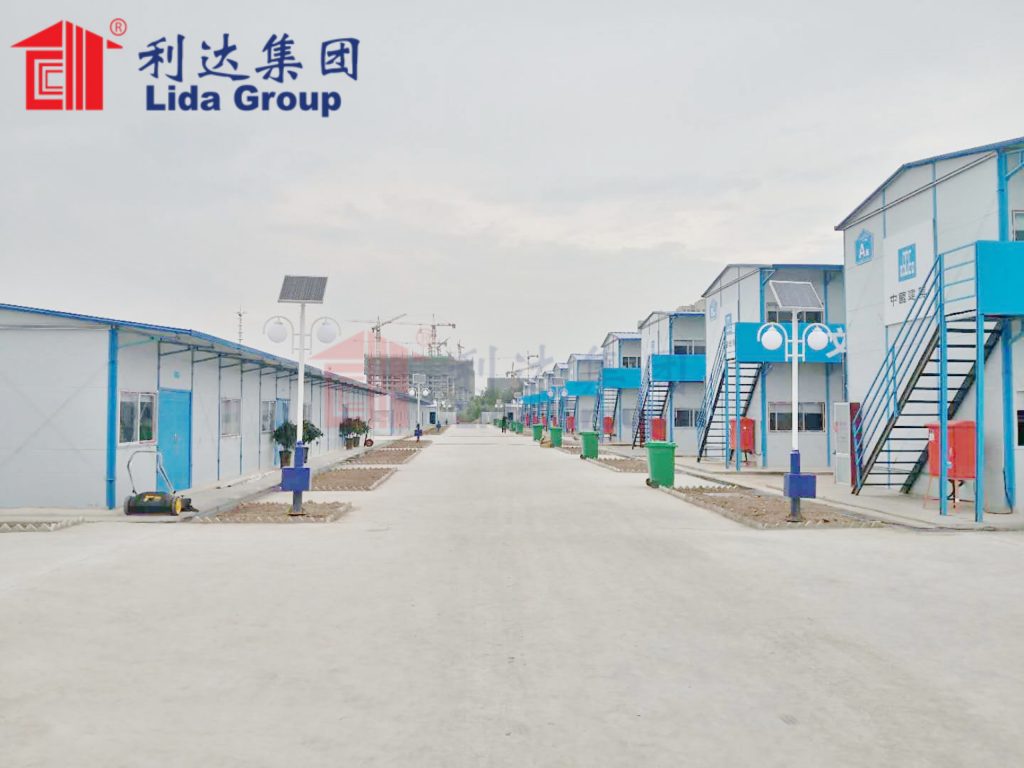
While scalability addresses the flexibility and efficiency demands, sustainable design is the cornerstone of these dormitories, ensuring that they meet modern environmental standards and reduce long-term environmental impact. Sustainable design is integrated into every aspect of the dormitory’s lifecycle—from material selection and manufacturing to operation and end-of-life disposal—creating a closed-loop system that minimizes waste, reduces carbon emissions, and conserves resources.
Material selection is the foundation of the dormitory’s sustainable design. Scalable prefab worker dormitories use high-performance, eco-friendly materials that are recyclable, renewable, or made from recycled content. The main structural components—including wall panels, floor slabs, and roof panels—are typically made of galvanized light steel or fiber-reinforced cement (FRC). Galvanized light steel is 100% recyclable, has a high strength-to-weight ratio, and is resistant to corrosion and rust, making it durable and sustainable. Fiber-reinforced cement, meanwhile, is made from natural materials (cement, sand, and plant fibers) and is non-toxic, fire-resistant, and biodegradable, further reducing environmental impact.
The insulation used in these dormitories is also chosen for its sustainability and energy efficiency. Common insulation materials include rock wool, expanded polystyrene (EPS), and polyurethane (PU), all of which are non-toxic, recyclable, and offer excellent thermal insulation. Rock wool, made from recycled basalt rock or industrial slag (byproducts of steel production), diverts waste from landfills and reduces the need for virgin materials. EPS, often made from recycled plastic, is lightweight and cost-effective, while PU offers the highest thermal insulation performance, reducing energy consumption for heating and cooling.
To further enhance sustainability, scalable prefab worker dormitories use eco-friendly adhesives and finishes that are free of formaldehyde and other toxic volatile organic compounds (VOCs). Traditional construction materials often use toxic adhesives that release harmful chemicals into the air, compromising indoor air quality and environmental safety. The eco-friendly adhesives used in prefab dormitories are water-based, low-VOC, and meet the strictest international standards for indoor air quality, protecting both workers and the environment.
Energy efficiency is another critical component of the dormitory’s sustainable design. The combination of high-performance insulation, airtight panel design, and energy-efficient fixtures reduces energy consumption by 30-50% compared to traditional worker dormitories. LED lighting, low-flow faucets, and water-saving toilets further reduce energy and water usage, lowering utility costs for employers and reducing environmental impact. Many scalable prefab dormitories also integrate renewable energy technologies, such as solar panels and wind turbines, to generate clean, renewable energy for lighting, heating, and cooling—reducing reliance on fossil fuels and lowering carbon emissions.
Water conservation is also prioritized in the design of these dormitories. Rainwater collection systems capture and store rainwater for non-potable uses, such as irrigation, toilet flushing, and cleaning, reducing freshwater consumption by up to 45%. Greywater recycling systems treat and reuse wastewater from showers and sinks, further conserving freshwater resources. These systems are particularly valuable for projects in remote areas with limited access to freshwater supplies, ensuring that workers have access to clean water while minimizing environmental impact.

Waste reduction is a key sustainability goal of scalable prefab worker dormitories, achieved through several strategies. Factory prefabrication reduces material waste to less than 3%—a dramatic improvement compared to the 10-15% waste generated by traditional on-site construction. This is because prefabricated components are manufactured to exact specifications using automated machinery, minimizing errors and rework. Additionally, the modular design of the dormitories allows for easy disassembly and reuse of modules across multiple projects, reducing the need for new construction and minimizing waste. At the end of their lifespan, the materials used in the dormitories can be recycled or repurposed, creating a closed-loop system that aligns with circular economy principles.
Beyond scalability and sustainability, scalable prefab worker dormitories are designed to prioritize worker comfort and well-being—critical factors in reducing turnover and boosting productivity. Modern workers demand more than just a roof over their heads; they need a comfortable, healthy, and pleasant living environment where they can rest and recharge after a hard day’s work. These dormitories are engineered with human-centered design features that enhance comfort and quality of life.
Spacious living quarters are a hallmark of these dormitories. Each module is designed to maximize space utilization, with comfortable bunk beds (equipped with safety rails and high-quality mattresses), wardrobes, desks, and chairs. A typical module for 4-6 workers provides ample space for movement, ensuring that workers do not feel cramped. The bunk beds are designed to reduce back pain and improve sleep quality, while wardrobes and desks provide dedicated space for personal belongings and work-related tasks.
Thermal comfort is another priority, with the high-performance insulation and airtight design ensuring that indoor temperatures remain comfortable year-round—18-22°C in winter and 24-26°C in summer—without excessive reliance on heating or cooling systems. The dormitories are also equipped with efficient heating and cooling systems that are easy to control, allowing workers to adjust the temperature to their personal preference. Large windows and skylights maximize natural lighting and ventilation, reducing the need for artificial lighting and improving indoor air quality.
Communal spaces are also integrated into the dormitory design to promote social interaction and worker well-being. Each dormitory block includes communal restrooms, showers, kitchens, dining halls, and recreation rooms. The restrooms and showers are spacious, clean, and well-maintained, with hot water available 24/7. The kitchens are equipped with modern appliances, allowing workers to prepare their own meals, while the recreation rooms include amenities such as televisions, sofas, and tables, providing a space for workers to relax and socialize. These communal spaces foster a sense of community among workers, reducing loneliness and improving morale.
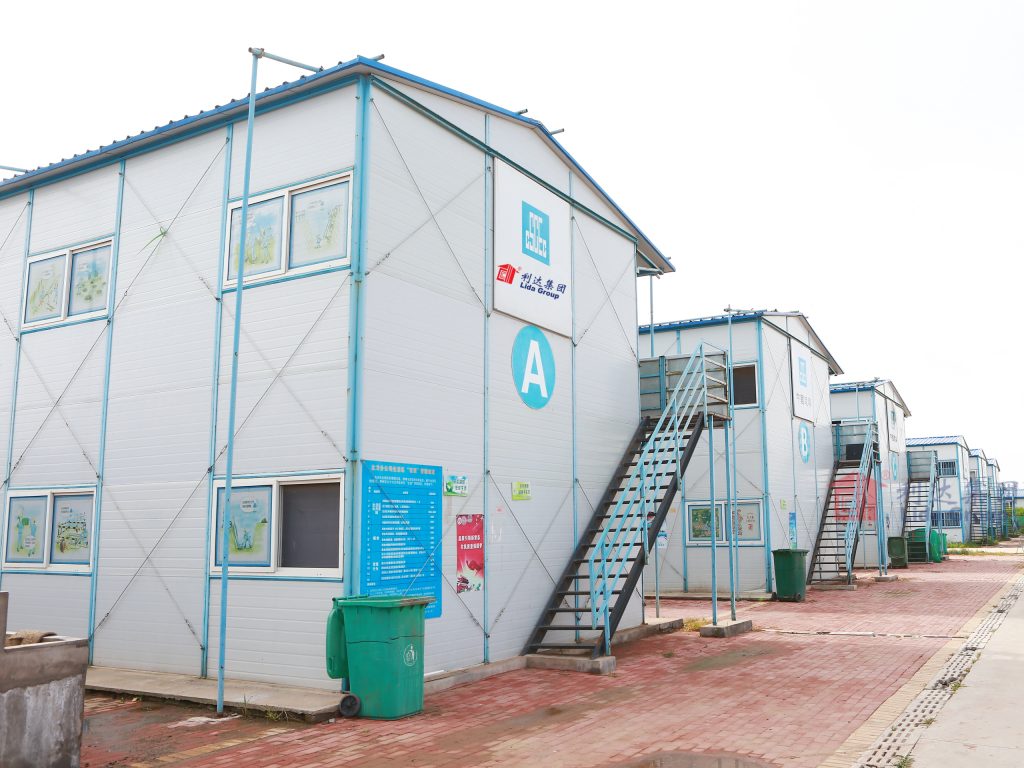
Durability and safety are also integral to the design of scalable prefab worker dormitories. These dormitories are engineered to withstand the rigors of remote and harsh project environments, with a lifespan of 20-50 years with proper maintenance. The galvanized light steel and fiber-reinforced cement components are resistant to corrosion, rust, physical damage, and extreme weather, including temperatures ranging from -45°C to 50°C, strong winds of up to 150 km/h, and seismic activity of up to 8 magnitudes. The dormitories also meet strict fire safety standards, with fire-resistant materials and emergency evacuation routes, ensuring the safety of workers.
To demonstrate the real-world impact of scalable prefab worker dormitories with sustainable design, we highlight several global case studies spanning diverse industries, climates, and regions—each showcasing how these dormitories meet demand, deliver sustainability benefits, and improve worker well-being.
One notable case is a large-scale highway construction project in northern China, where a construction company needed to provide accommodation for a workforce that fluctuated from 200 to 800 workers over the course of the 3-year project. The company chose scalable prefab worker dormitories with sustainable design to address its flexibility and sustainability needs. The dormitories were built using galvanized light steel modules with rock wool insulation, solar panels, and rainwater collection systems. The initial dormitory block consisted of 40 modules, accommodating 200 workers. As the workforce grew to 800, an additional 120 modules were added, expanding the dormitory to 160 modules. When the workforce shrank back to 200 in the final year, 120 modules were disassembled and transported to another construction project in southern China. The dormitories reduced energy consumption by 40% compared to traditional dormitories, saved 45% on freshwater usage through rainwater collection, and generated 30% of their energy from solar panels. Workers reported high levels of comfort and satisfaction, leading to a 25% reduction in turnover. This case demonstrates how scalability and sustainability work together to meet fluctuating demand while reducing environmental impact.
In Australia, a mining company needed to build a remote worker camp for 500 workers in the Western Australian desert, where extreme heat (temperatures exceeding 45°C in summer) and strong winds posed significant challenges. The company opted for scalable prefab worker dormitories with sustainable design, featuring enhanced anti-corrosion galvanized steel modules, PU insulation, and solar-powered air conditioning systems. The dormitories were assembled in just 10 days, enabling workers to be deployed quickly. The PU insulation reduced cooling costs by 45%, while the solar panels generated 50% of the camp’s energy needs, reducing reliance on diesel generators. The rainwater collection system reduced freshwater consumption by 40%, critical in the arid desert environment. The dormitories’ scalable design allowed the company to add 50 additional modules when the workforce grew to 550, and remove them when the workforce shrank. After 4 years of use, the dormitories remained in excellent condition, with minimal maintenance required. This case showcases how these dormitories can withstand harsh environments while delivering sustainability and scalability benefits.
In Kenya, a local construction company was tasked with building worker dormitories for a rural road construction project, with a tight budget and fluctuating workforce sizes (from 100 to 300 workers). The company chose scalable prefab dormitories made from fiber-reinforced cement modules with EPS insulation, designed to be affordable and sustainable. The dormitories cost 30% less than traditional brick-and-concrete dormitories and were assembled in 5 days. The EPS insulation reduced energy consumption by 35%, while the rainwater collection system conserved freshwater resources. The scalable design allowed the company to add modules as the workforce grew, and the modules were reused for a subsequent road construction project, saving 60% on new construction costs. Workers reported improved living conditions compared to traditional temporary shacks, leading to a 20% reduction in turnover. This case demonstrates how scalable prefab dormitories with sustainable design can meet the needs of resource-constrained projects in developing countries.
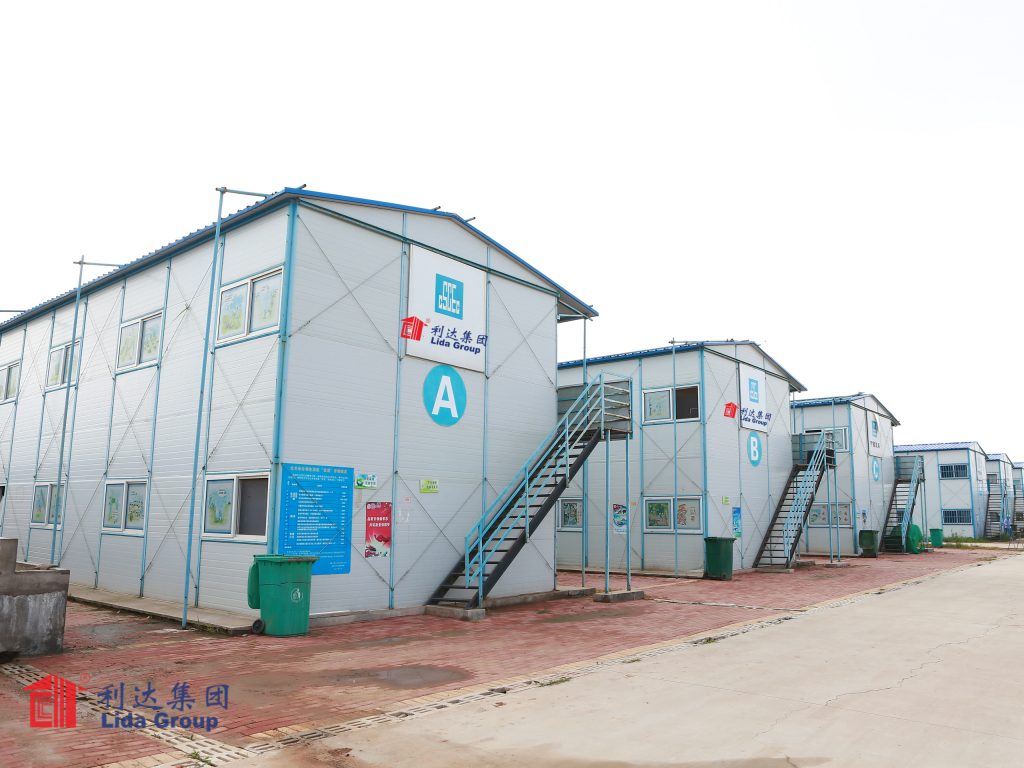
In the United Arab Emirates, an oil and gas company needed to build offshore worker accommodation for 300 workers on an offshore platform, with strict requirements for scalability, durability, and sustainability. The company chose scalable prefab dormitories using marine-grade galvanized steel modules with waterproof composite panels, designed to withstand salt spray and high humidity. The dormitories were transported to the offshore platform in containers and assembled in 7 days. The solar panels installed on the roof generated 40% of the accommodation’s energy needs, reducing reliance on offshore power generators. The modular design allowed the company to add 20 modules when the workforce increased to 350, and the modules were designed to be easily disassembled and reused on other offshore projects. The dormitories met the strictest environmental standards, with zero wastewater discharge and minimal carbon emissions. This case highlights how these dormitories can be adapted to specialized environments while delivering scalability and sustainability benefits.
The widespread adoption of scalable prefab worker dormitories with sustainable design is driving a paradigm shift in the global workforce housing industry, delivering tangible benefits for employers, workers, and the environment. For employers, these dormitories offer cost savings through reduced upfront costs, labor costs, and maintenance costs, as well as flexibility to adapt to fluctuating workforce sizes. For workers, they provide a comfortable, healthy, and safe living environment that improves well-being and reduces turnover. For the environment, they reduce carbon emissions, material waste, and resource consumption, aligning with global sustainability goals.
Beyond these direct benefits, these dormitories are also influencing industry practices and policies. Many governments are updating their labor and environmental regulations to encourage the adoption of scalable prefab worker dormitories, recognizing their role in improving worker conditions and reducing environmental impact. International organizations, such as the ILO and the United Nations Human Settlements Programme (UN-Habitat), have highlighted these dormitories as a key solution for addressing affordable and sustainable workforce housing, especially in developing countries.
Looking to the future, scalable prefab worker dormitories with sustainable design will continue to evolve, driven by technological innovation and growing demand. Manufacturers are investing in research and development to develop new, more sustainable materials—such as bio-based composites and recycled insulation—that further reduce environmental impact. The integration of smart technologies, such as AI-driven energy management systems and real-time structural monitoring, will further improve energy efficiency and reduce maintenance costs. Additionally, the expansion of global supply chains will make these dormitories more accessible to projects in remote and developing regions, helping to address the global demand for sustainable workforce housing.
Manufacturers are also focusing on enhancing the scalability and adaptability of these dormitories, developing modular systems that can be customized to meet the specific needs of different industries and climates. For example, dormitories designed for cold regions will feature enhanced insulation and floor heating, while those designed for hot regions will prioritize natural ventilation and solar cooling. This customization ensures that the dormitories can meet the unique demands of any project, regardless of location or environment.
Summary
The global demand for worker accommodation is growing rapidly, driven by the expansion of construction, mining, and infrastructure projects. However, traditional dormitory solutions fail to meet the modern demands of flexibility, sustainability, and worker comfort—forcing employers to choose between inflexibility, unsustainability, or poor living conditions. Scalable prefab worker dormitories with sustainable design have emerged as a transformative solution, integrating modular scalability, sustainable practices, and human-centered design to address these challenges.
Scalability is achieved through a modular design, where standardized prefabricated modules can be easily added, removed, or reconfigured to adapt to fluctuating workforce sizes. This flexibility ensures that employers only pay for the accommodation they need, eliminating waste and optimizing resource utilization. The rapid assembly and disassembly of modules, combined with their portability, make these dormitories ideal for remote and time-sensitive projects, reducing labor costs and accelerating project timelines.
Sustainable design is integrated into every aspect of the dormitories’ lifecycle, from material selection to end-of-life disposal. Eco-friendly materials—such as recyclable galvanized light steel, fiber-reinforced cement, and sustainable insulation—reduce environmental impact, while energy-efficient systems and renewable energy integration reduce carbon emissions by 30-50%. Water conservation systems, such as rainwater collection and greywater recycling, reduce freshwater consumption by up to 45%, and factory prefabrication minimizes material waste to less than 3%. The closed-loop design ensures that modules can be reused across multiple projects and materials can be recycled at the end of their lifespan, aligning with circular economy principles.
Worker comfort and well-being are prioritized through spacious living quarters, thermal comfort, optimal ventilation, and communal spaces that promote social interaction. These features improve worker satisfaction, reduce turnover, and boost productivity—delivering additional value for employers. The dormitories are also highly durable, designed to withstand harsh environments and extreme weather, with a lifespan of 20-50 years, ensuring long-term value.
Real-world case studies from China, Australia, Kenya, and the United Arab Emirates demonstrate the tangible impact of these dormitories: they meet fluctuating workforce demands, reduce environmental impact, improve worker conditions, and deliver cost savings. Whether in a remote desert, a coastal offshore platform, or a rural construction site, scalable prefab worker dormitories with sustainable design adapt to diverse environments and needs.
In conclusion, scalable prefab worker dormitories with sustainable design represent a paradigm shift in workforce housing, offering a flexible, sustainable, and comfortable solution that meets the demands of modern industries. By integrating scalability, sustainability, and worker-centric design, these dormitories deliver value for employers, workers, and the planet—reducing costs, improving well-being, and minimizing environmental impact. As the global focus on sustainability and worker welfare continues to grow, these dormitories will play an increasingly critical role in shaping the future of workforce accommodation, driving positive change across industries worldwide.
Related news
-
Lida Group's Low-Cost Durable Building Solutions Benefit Project Budgets
2026-02-25 17:35:26
-
Advanced Eco-Friendly Sandwich Panel House Technology from Lida Group
2026-02-25 17:42:04
-
Efficient Prefab Worker Dormitory Designed for Comfort and Longevity
2026-02-25 17:27:10
contact us
- Tel: +86-532-88966982
- Whatsapp: +86-13793209022
- E-mail: sales@lidajituan.com
