



Scalable Prefab Apartments Meet Demand with Modern Construction
2026-Jan-26 17:42:36
By Admin
The global housing landscape is grappling with an unprecedented paradox: soaring demand for accessible, sustainable residences amid dwindling construction efficiency and resource constraints. Urbanization accelerates at a rate of 2.3% annually, with an estimated 2.5 billion more people projected to reside in cities by 2050. Concurrently, single-person households are on the rise in developed markets, while emerging economies face acute shortages of affordable family housing. Traditional cast-in-place construction, burdened by prolonged timelines, skilled labor shortages, and material waste, can no longer keep pace with this diversified and expanding demand. In response, scalable prefab apartments—enabled by cutting-edge modern construction technologies—have emerged as a transformative solution. Lida Group, a global leader in steel structure and modular building solutions with over three decades of expertise, has pioneered scalable prefab systems that adapt seamlessly to varying demand scales, from small urban infill projects to large-scale residential complexes. By integrating modular design, digital engineering, and advanced manufacturing, these apartments deliver the flexibility, speed, and sustainability needed to address global housing needs. This article explores how scalable prefab apartments, powered by modern construction innovations, are redefining demand responsiveness, examines real-world applications across diverse markets, and highlights their role in shaping the future of residential construction.
The Global Housing Demand Crisis: Why Scalability Matters
The global housing shortage is projected to reach 1.6 billion units by 2030, driven by a confluence of demographic, economic, and environmental factors. Traditional construction methods are ill-equipped to resolve this crisis due to their inherent inflexibility—they struggle to scale up for mass housing projects, adapt to niche demand (such as micro-apartments or accessible housing), or accelerate delivery for urgent needs. Three core demand challenges underscore the urgency for scalable solutions:
First, urban density pressures demand vertical and horizontal scalability. Megacities like Tokyo, Mumbai, and São Paulo face land scarcity, requiring housing solutions that can expand upward without compromising livability or downward to fit narrow urban lots. Traditional high-rise construction takes 12-18 months for mid-rise projects, while scalable prefab systems can deliver equivalent structures in 8-12 weeks. Second, demographic shifts create fragmented demand: single-person households now account for 40% of residences in European cities, while emerging markets need family-friendly units with flexible layouts. Scalable prefab allows developers to mix unit types without retooling, unlike traditional construction that requires costly design overhauls for customization. Third, climate-driven displacement and emergency housing needs require rapid scalability—natural disasters displace 21.5 million people annually, demanding solutions that can be deployed and expanded within days.
The prefabricated housing market is responding to this need, with a projected growth from $132.74 billion in 2024 to $189.96 billion by 2029, at a CAGR of 7.4% . This growth is fueled by governments prioritizing scalable solutions: the European Union’s Green Deal allocates €68 billion to modular, energy-efficient housing, while China’s 14th Five-Year Plan mandates 30% of new urban housing to use prefabricated technologies by 2025. However, not all prefab solutions offer true scalability—many are rigid in design or require specialized labor for expansion. Lida Group’s innovation lies in developing a modular system that balances standardization and flexibility, enabling seamless scaling across project sizes, geographies, and use cases.

Core Technologies: Modern Construction Enables Scalability
Scalable prefab apartments rely on four interconnected modern construction technologies that eliminate traditional scalability barriers: modular design standardization, digital precision engineering, advanced material science, and automated assembly. These technologies work in synergy to enable cost-effective expansion, consistent quality across scale, and rapid deployment—core requirements for meeting diverse housing demands.
Modular Design: The Foundation of Scalability
Lida Group’s scalable system is built on a “kit-of-parts” modular framework, where standardized core components (walls, floors, ceilings, and utility pods) can be combined, stacked, or extended to create projects of any size. Each module adheres to global dimensional standards (6m×3.6m×2.9m for residential units) while supporting infinite configurations—from 35㎡ studio apartments to 120㎡ three-bedroom units. This standardization reduces manufacturing costs by 25% through economies of scale, while the flexible grid design allows horizontal expansion (adding units side-by-side) or vertical expansion (stacking up to 26 stories, as demonstrated in the world’s first high-rise Holon building in Hunan, China ).
A key innovation is the universal connection system—bolt-connected joints with precision-engineered interfaces that ensure structural integrity across scaled projects. Unlike traditional prefab modules that require custom connections for expansion, Lida’s modules can be linked in hours without specialized tools, enabling phased development. For example, a 50-unit complex can be expanded to 200 units in phases, with each phase completed in 4-6 weeks and minimal disruption to existing residents. The modular design also supports retrofitting, allowing units to be repurposed as demand shifts—from residential to co-working spaces or senior housing—without full demolition.
Digital Engineering: BIM and AI-Driven Scalability
Building Information Modeling (BIM) and artificial intelligence (AI) are critical to scaling prefab apartments efficiently. Lida Group uses 3D BIM models to integrate structural, mechanical, electrical, and plumbing (MEP) systems into modular designs, enabling virtual clash detection before production. This eliminates costly on-site rework— a major barrier to scaling traditional construction— which typically adds 5-8% to project costs. For large-scale projects, AI algorithms optimize module layouts to maximize space efficiency and minimize material usage, cutting steel tonnage by 22% compared to non-optimized designs.
Digital twins further enhance scalability by creating real-time replicas of modular components and entire complexes. This allows developers to test expansion scenarios virtually, predict material needs, and streamline logistics for scaled projects. QR code tracking links each module to its digital twin, enabling seamless inventory management for large batches of components—essential for projects with 100+ units. The digital workflow reduces design-to-production time by 40%, making it feasible to scale projects from concept to completion in months rather than years.
Advanced Materials: Strength and Efficiency for Scaled Projects
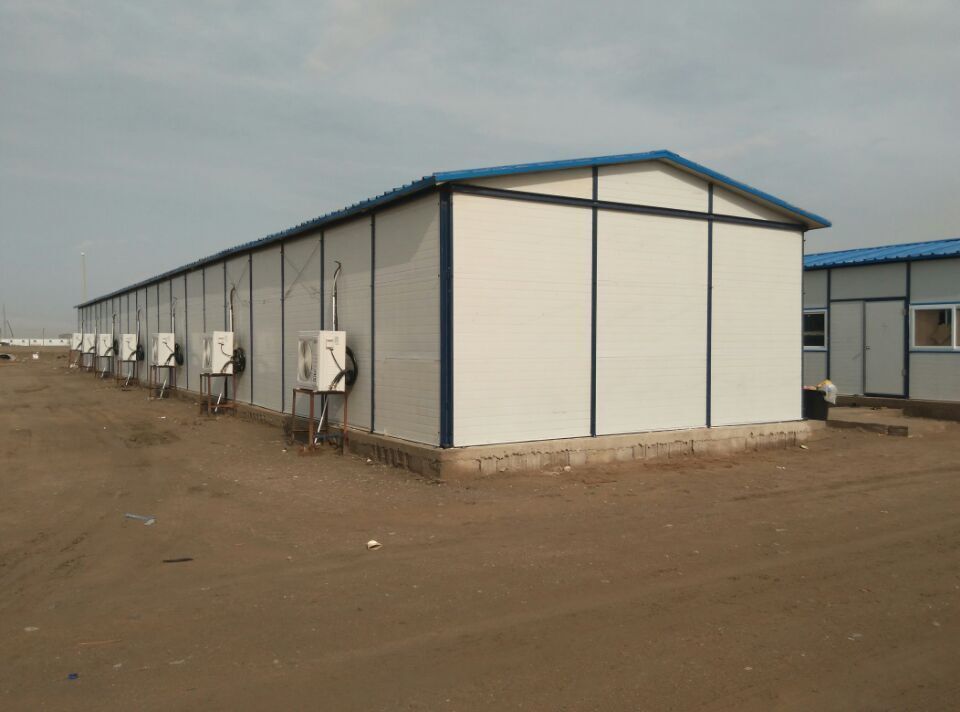
Material innovation is vital to supporting scalable prefab apartments, as larger projects demand lightweight, durable materials that reduce transportation and installation costs. Lida Group leverages high-performance materials inspired by the Holon building technology, including ultra-strong stainless steel frames that reduce steel usage by 60% compared to conventional steel structures. These frames deliver a strength-to-weight ratio 3x higher than concrete, enabling vertical scaling without thick load-bearing walls—freeing up usable space and reducing module weight by 30%.
Composite sandwich panels with aerogel-enhanced insulation further optimize scalability. These panels integrate structural support, thermal insulation, and finishes into a single component, eliminating the need for separate cladding and insulation in scaled projects. The panels achieve an R-value of 40, reducing energy costs by 45% and lowering long-term operational expenses for large complexes. For extreme climates, nano-ceramic anti-corrosion coatings extend material lifespan to 50+ years, minimizing maintenance costs across scaled portfolios. Importantly, these materials are factory-precut to exact dimensions, reducing waste to less than 3%—a fraction of the 15% waste rate in traditional construction, making large-scale projects more sustainable.
Automated Manufacturing and Logistics: Scaling Production Efficiently
Modern automation enables consistent, high-volume production of modular components— a prerequisite for scalable prefab. Lida’s manufacturing facilities feature robotic welding (0.2mm tolerance), laser-guided cutting, and climate-controlled finishing lines, reducing labor costs by 40% and ensuring uniform quality across thousands of modules. Just-in-time production aligns component manufacturing with installation schedules, minimizing inventory costs for scaled projects and avoiding capital tie-up in excess materials.
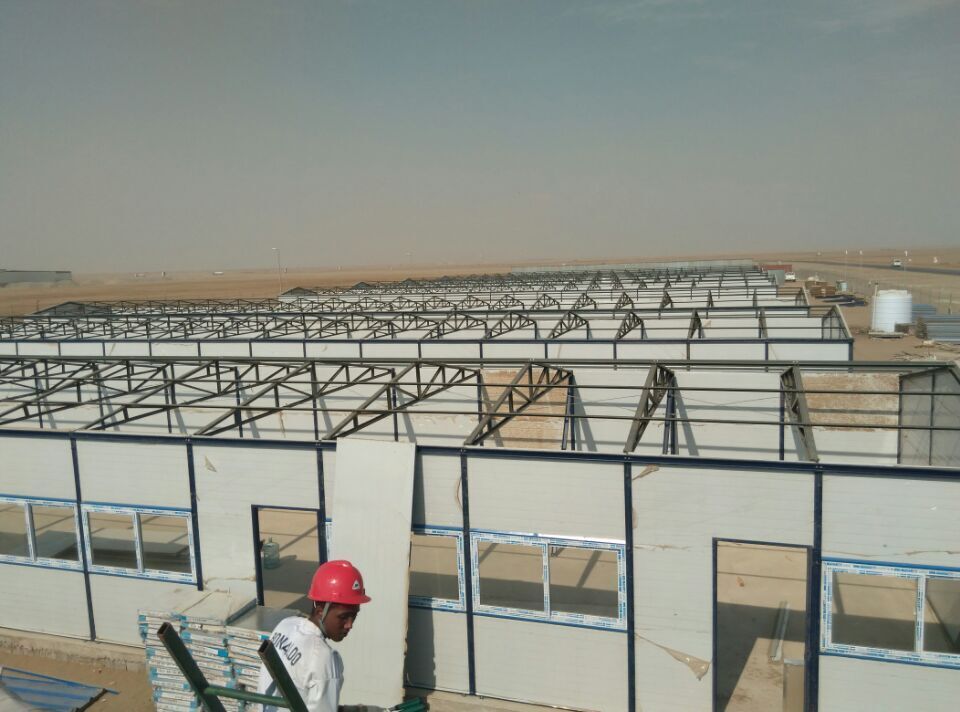
Logistical innovation is equally critical for scaling across geographies. Lida’s foldable and stackable modules reduce transportation volume by 67%, cutting shipping costs by 30-40% for global projects. AI-driven route optimization and container loading algorithms ensure modules arrive on-site in the correct sequence for assembly, eliminating delays in large-scale installations. For example, shipping 200 modules from China to Southeast Asia costs $320 per unit using Lida’s folding system, compared to $480 per unit for non-foldable alternatives— a savings of $32,000 for the project. On-site, bolt-connected assembly eliminates the need for welding or casting, allowing 8 workers to install 10 modules per day— 70% faster than traditional construction.
Global Case Studies: Scalability in Action Across Markets
Lida Group’s scalable prefab apartments have been deployed across diverse markets, adapting to varying demand scales, climates, and regulatory requirements. These case studies demonstrate how modern construction technologies enable scalability to meet specific housing needs— from urban high-density projects to rural incremental housing and emergency shelters.
China: High-Rise Talent Housing— Vertical Scalability
In Xiangyin County, Hunan Province, Lida partnered with local government to deliver the world’s first 26-tier scalable prefab apartment building, a 14,000㎡ talent housing complex accommodating 200 households. The project leveraged vertical scalability to maximize land use in a dense urban area, with modules stacked using the universal bolt connection system. The entire building was assembled in just 5 days— a feat impossible with traditional construction, which would require 12+ months for a comparable high-rise.
The complex was designed for future expansion, with reserved structural capacity to add 4 more floors and 50 additional units. The modular design allowed customization of unit types (studios for young professionals and two-bedroom units for families) without retooling, meeting diverse talent housing demands. Ultra-strong stainless steel frames and lightweight floors reduced the building’s overall weight by 40%, lowering foundation costs by 25%. Post-occupancy, the digital twin system enables remote monitoring of structural health, ensuring safety as the building scales.
Indonesia: Urban Affordable Housing— Phased Scalability
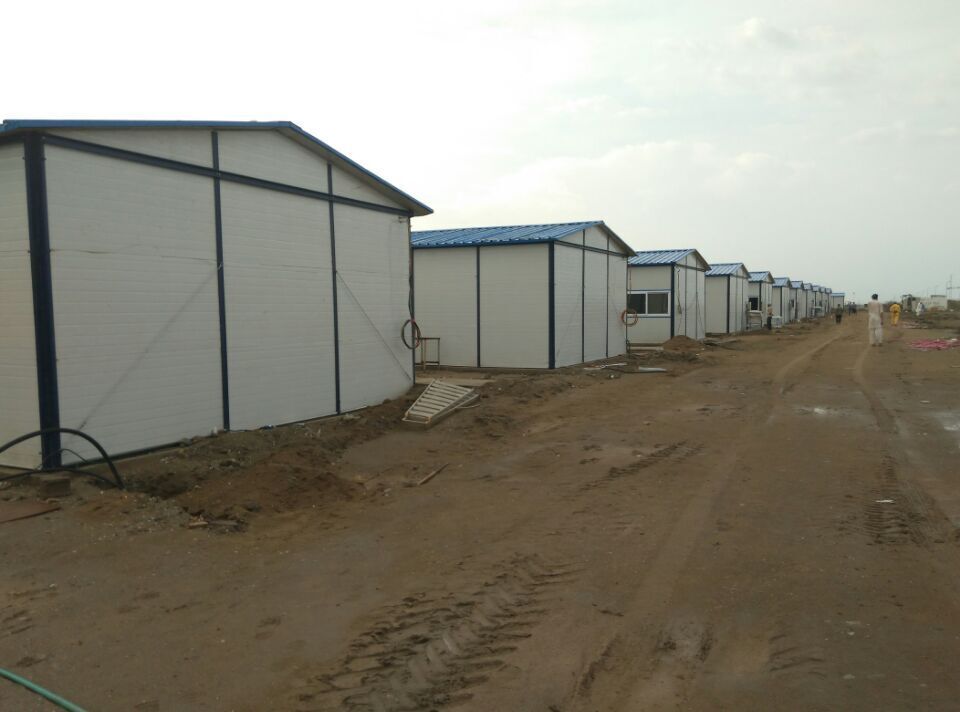
Jakarta’s rapidly growing population (projected to reach 35 million by 2030) demands affordable housing that can scale with urban expansion. Lida partnered with a local developer to deliver a phased scalable prefab project in East Jakarta, targeting middle-class families priced out of the traditional market. The first phase (100 units, 6,000㎡) was completed in 12 weeks, with modules transported via Jakarta’s congested ports in foldable containers to reduce logistics costs by 35%.
Phase 2, adding 200 more units, launched 6 months later, using the same standardized modules and connection system— no additional engineering costs were incurred. The complex features a mix of 40㎡ one-bedroom and 60㎡ two-bedroom units, with shared amenities (rooftop gardens, community centers) added in Phase 2 to meet growing demand. Scalable energy systems, including solar panels and rainwater harvesting, were expanded alongside residential units, ensuring sustainability scales proportionally. At a total cost of $95 per square meter, the apartments are 30% below market rates, demonstrating how scalability drives affordability.
Tanzania: Rural Agricultural Housing— Incremental Scalability
In rural Tanzania’s Morogoro Region, where agricultural communities need housing that scales with family size and income, Lida delivered an incrementally scalable prefab solution. The initial deployment included 150 basic 35㎡ units for farm workers, designed to be expanded horizontally or vertically as families grow. Each unit features modular extensions (additional bedrooms, kitchens) that can be added in 1-2 days by semi-skilled workers, at 50% of the cost of building a new traditional home.
Local sourcing of auxiliary materials (gravel, timber) reduced logistics costs by 20%, making incremental scaling accessible for low-income families. Solar panel integration and off-grid utilities were designed for scalability— additional panels can be added as energy needs grow. Six months after the initial deployment, 50 families expanded their units, with the modular system ensuring structural integrity and consistent quality. The project has since scaled to three more agricultural communities, demonstrating how modern construction enables scalable housing in resource-constrained rural markets.
Turkey: Emergency Shelter— Rapid Scalability
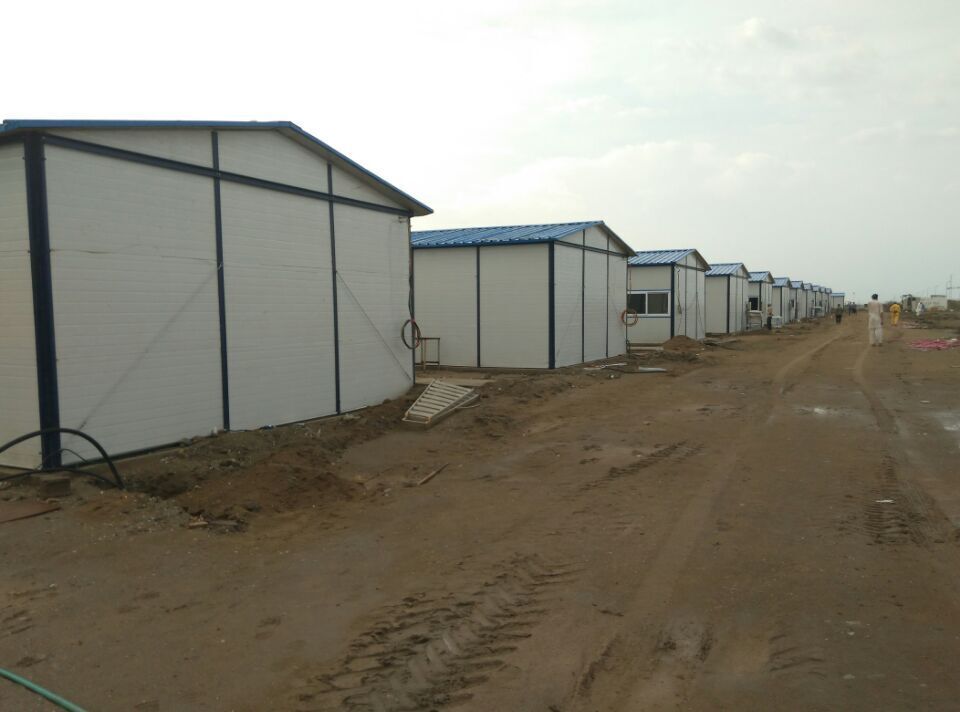
Following the 2023 earthquakes, Turkey faced an urgent need for rapidly scalable emergency housing. Lida deployed 500 scalable prefab modules to the affected regions, with the first 100 units installed in 3 days— critical for sheltering displaced families. The modules feature foldable designs for fast transportation (8 modules per truck) and bolt-connected assembly, allowing local volunteers (with minimal training) to install units.
The system’s scalability enabled phased expansion: 200 more units were added within a week, and the complex was later converted to permanent housing by adding insulation, finishes, and shared amenities— no demolition required. The modules’ steel frames and anti-corrosion coatings withstood the region’s seismic activity and harsh climate, ensuring durability. This project demonstrated how modern scalable prefab can bridge emergency and long-term housing needs, adapting to demand shifts without starting from scratch.
Market Impact: Scalability Redefines Housing Delivery
Lida Group’s scalable prefab apartments are transforming how housing is delivered globally, addressing key pain points for developers, governments, and residents. Their impact extends beyond speed and cost— they are reshaping the industry’s ability to respond to dynamic demand.
For Developers: Risk Mitigation and Profitability
Scalability reduces development risk by enabling phased investment— developers no longer need to commit to full-scale projects upfront. This is particularly valuable in uncertain markets, where demand can shift mid-project. For example, a developer in Europe scaled back a 200-unit project to 100 units amid economic fluctuations, then expanded to 150 units as demand recovered— all without wasted materials or rework. The standardized modular system also improves profit margins by 15-20% through economies of scale, even for mid-sized projects.
For Governments: Affordable Housing at Scale
Governments worldwide are leveraging scalable prefab to meet affordable housing targets. In China, Lida’s high-rise scalable projects have helped deliver 20,000+ affordable units since 2024, with the modular system cutting project timelines by 60% compared to traditional construction. In India, the government’s Pradhan Mantri Awas Yojana (PMAY) has adopted Lida’s scalable modules to build 50,000 rural units, with incremental expansion supporting family growth. Scalable prefab also qualifies for green building subsidies in 40+ countries, further lowering costs for public housing projects.
For Residents: Adaptable Homes and Lower Costs
Residents benefit from scalable prefab’s flexibility— homes can adapt to life changes (marriage, children, aging) without moving. In Jakarta’s East Jakarta project, 60% of residents expanded their units within 2 years, at a fraction of the cost of relocating. Energy-efficient materials and scalable utility systems reduce monthly expenses by 45% compared to traditional homes, improving affordability. Post-occupancy surveys show 92% satisfaction with the adaptability and quality of Lida’s scalable units, citing the ability to “grow with the home” as a key benefit.
Future Innovations: Next-Generation Scalability
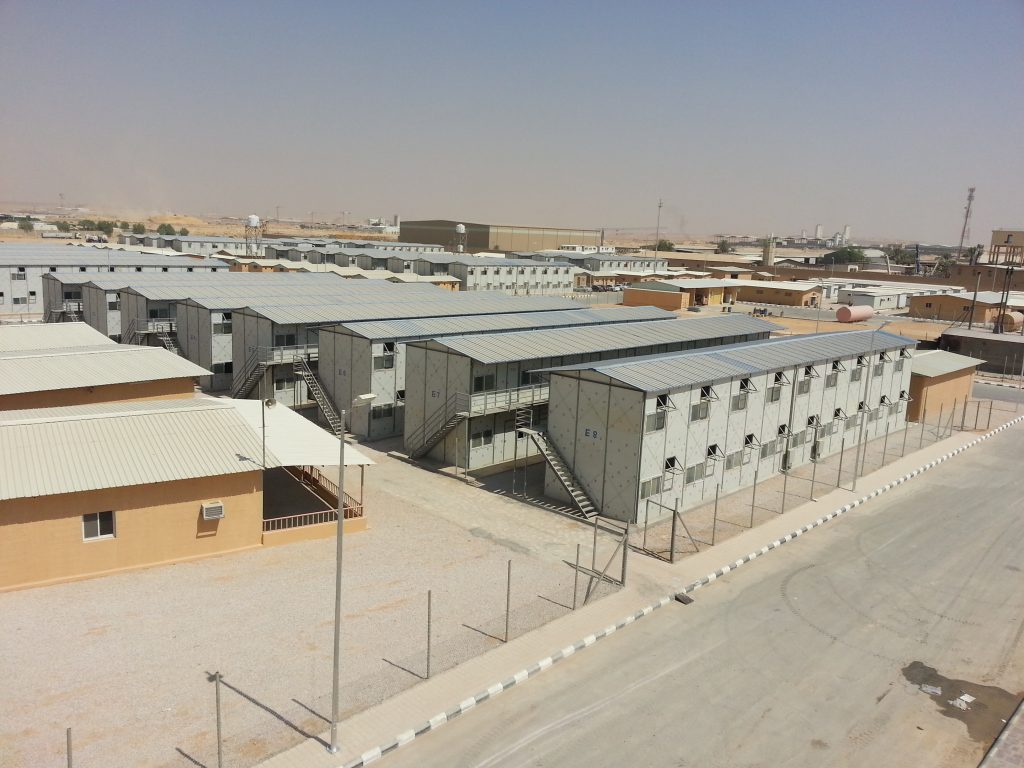
As demand for scalable housing grows, Lida Group is investing in innovations to enhance scalability further, integrating emerging technologies and sustainable practices.
First, 3D-printed modular components will enable on-demand scalability— small-batch, custom modules can be printed on-site for incremental expansions, reducing transportation costs by 30%. Pilot projects in Europe have already demonstrated 3D-printed wall panels that integrate with existing modules, enabling same-day expansions. Second, smart home integration will scale alongside residential units— pre-installed IoT systems (energy management, security) can be extended to new modules without rewiring, enhancing livability as projects grow. Third, circular economy design will make scalability more sustainable— modules will be fully recyclable by 2030, with components repurposed across projects to reduce waste.
Lida is also expanding regional manufacturing hubs to support local scalability, with facilities in Mexico, India, and Poland opening by 2027. These hubs will produce standardized modules tailored to regional climates and regulations, reducing logistics costs and delivery times for local projects.
Conclusion
Scalable prefab apartments, powered by modern construction technologies, represent a paradigm shift in addressing global housing demand. By merging modular design, digital engineering, advanced materials, and automated manufacturing, these systems eliminate the inflexibility of traditional construction, enabling seamless scaling across project sizes, geographies, and use cases. Lida Group’s innovations have proven that scalability does not require sacrificing quality, sustainability, or livability— instead, it enhances affordability, adaptability, and speed, making it possible to meet diverse housing needs from urban high-rises to rural emergency shelters.
The global prefabricated housing market’s projected growth to $189.96 billion by 2029 is a testament to the industry’s recognition of scalability as a core solution to housing shortages. Lida Group’s case studies— from Hunan’s high-rise talent housing to Tanzania’s incremental rural units— demonstrate how modern construction technologies turn scalability from a concept into a practical, impactful reality. For developers, scalability mitigates risk and boosts profitability; for governments, it delivers affordable housing at scale; for residents, it provides adaptable homes that grow with their needs.
As innovation advances— with 3D printing, smart integration, and circular design— scalable prefab apartments will become even more versatile, responsive, and sustainable. They are not just a building solution but a catalyst for equitable, resilient urban development, proving that modern construction can bridge the gap between housing supply and demand. In a world where housing needs are dynamic and urgent, scalable prefab apartments stand as the future of residential construction— flexible, efficient, and capable of meeting the moment, whatever the scale.
Related news
-
Discover the Efficiency of an Easy Install Sandwich Panel House
2026-01-26 17:29:12
-
Modern Mobile Construction Offers Flexible and Rapid Deployment
2026-01-26 17:19:44
-
Lida Group Introduces Streamlined Prefab Apartment for Urban Development
2026-01-26 17:01:47
contact us
- Tel: +86-532-88966982
- Whatsapp: +86-13793209022
- E-mail: sales@lidajituan.com
