



Robust Metal Frame Warehouse Ideal for Industrial Applications
2026-Feb-26 17:33:41
By Admin
In the global industrial landscape, warehouses serve as the backbone of supply chain management, logistics operations, and industrial production, playing a critical role in storing raw materials, finished products, and production equipment. With the rapid development of industrialization, globalization, and e-commerce, the demand for high-performance, durable, and efficient warehouses has grown exponentially. Among various warehouse construction types, robust metal frame warehouses have emerged as the preferred choice for industrial applications, thanks to their superior structural stability, durability, cost-effectiveness, and flexibility. As a global leader in prefabricated steel structure solutions, Lida Group has rich experience in designing and constructing robust metal frame warehouses, delivering high-quality, customized facilities that meet the diverse needs of industrial clients worldwide. This article comprehensively explores the value of robust metal frame warehouses in industrial applications, Lida Group’s core capabilities in their design and construction, key technologies, typical global projects, and their profound impact on the industrial logistics industry, demonstrating why robust metal frame warehouses are the ideal solution for modern industrial needs.
A robust metal frame warehouse refers to a prefabricated warehouse structure with a steel frame as the core load-bearing system, combined with metal cladding, insulation materials, and auxiliary systems (such as ventilation, fire protection, and lighting). Unlike traditional concrete warehouses, metal frame warehouses feature high strength, light weight, rapid construction, and strong adaptability, making them suitable for a wide range of industrial scenarios, including manufacturing plants, logistics centers, distribution hubs, cold storage facilities, and hazardous material storage. In industrial applications, warehouses are required to withstand heavy loads (such as stacking goods, heavy equipment), harsh environmental conditions (such as extreme temperatures, humidity, corrosion), and meet strict safety standards (such as fire resistance, seismic resistance). Robust metal frame warehouses, with their excellent structural performance and customizable design, perfectly address these requirements, becoming an indispensable part of modern industrial infrastructure.
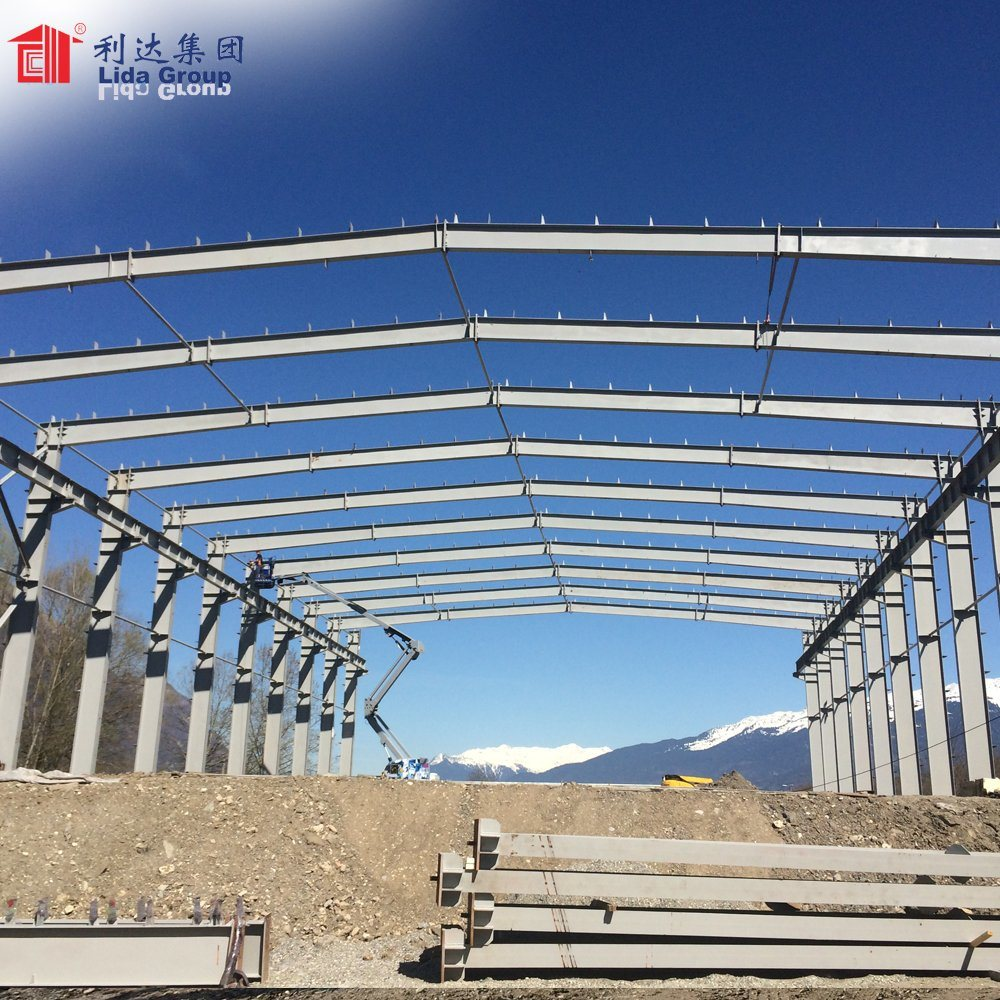
1. The Global Demand for Industrial Warehouses and the Advantages of Robust Metal Frame Structures
The global industrial warehouse market is undergoing steady growth, driven by the expansion of manufacturing, the boom in e-commerce logistics, and the acceleration of global supply chain integration. However, industrial clients face increasing challenges in warehouse construction, including high construction costs, long construction cycles, and the need for flexible adaptation to changing production and storage needs. Robust metal frame warehouses have become the optimal solution to these challenges, thanks to their unique advantages that surpass traditional warehouse structures.
1.1 Booming Global Demand for Industrial Warehouses
In recent years, the global demand for industrial warehouses has been on the rise, driven by several key factors. First, the rapid development of manufacturing industries worldwide, especially in emerging economies such as China, India, Vietnam, and Mexico, has increased the demand for warehouses to store raw materials, semi-finished products, and finished goods. With the expansion of production scales, industrial enterprises require larger, more durable warehouses to ensure the smooth operation of production lines.
Second, the boom in e-commerce has revolutionized the logistics industry, leading to a surge in demand for large-scale distribution centers and storage warehouses. E-commerce platforms require warehouses with high storage density, efficient handling capabilities, and fast construction cycles to meet the needs of rapid order processing and delivery. Robust metal frame warehouses, with their large span, high ceiling height, and flexible interior layout, are perfectly suited for e-commerce logistics operations.
Third, the acceleration of global supply chain integration has increased the demand for cross-border logistics warehouses, including bonded warehouses, transit warehouses, and regional distribution centers. These warehouses need to be built quickly to adapt to the dynamic changes of the global supply chain, and must have strong durability to withstand long-term use and harsh environmental conditions.
Fourth, the increasing emphasis on industrial safety and environmental protection has raised the standards for warehouse construction. Industrial warehouses are required to meet strict fire resistance, seismic resistance, and environmental protection standards, especially for warehouses storing hazardous materials or perishable goods. Robust metal frame warehouses, with their advanced design and high-quality materials, can easily meet these strict requirements.
1.2 Core Advantages of Robust Metal Frame Warehouses for Industrial Applications
Compared with traditional concrete warehouses and other structural types, robust metal frame warehouses have significant advantages that make them ideal for industrial applications, including structural stability, durability, cost-effectiveness, rapid construction, and flexibility.
First, superior structural stability and load-bearing capacity. Metal frame structures, especially steel frames, have high strength-to-weight ratio, enabling them to withstand heavy loads, large spans, and extreme weather conditions. Industrial warehouses often need to stack heavy goods (such as machinery, raw materials) and install large-scale handling equipment (such as cranes, forklifts). Robust metal frame warehouses can easily meet these load-bearing requirements, ensuring the safety and stability of the warehouse structure. In addition, metal frame structures have excellent seismic performance, which is crucial for warehouses located in seismic zones.
Second, exceptional durability and corrosion resistance. Industrial warehouses are often exposed to harsh environmental conditions, such as high temperature, high humidity, chemical corrosion, and UV radiation. Robust metal frame warehouses use high-quality steel materials and advanced anti-corrosion technologies (such as hot-dip galvanization, anti-corrosion paint spraying), which can effectively resist corrosion and extend the service life of the warehouse. The service life of a well-designed and constructed metal frame warehouse can reach 50 years or more, significantly longer than that of traditional concrete warehouses.
Third, cost-effectiveness and high return on investment. Metal frame warehouses adopt prefabricated construction methods, with most components manufactured in the factory and assembled on-site. This reduces on-site construction time and labor costs, lowering the overall construction cost. In addition, metal frame warehouses have low maintenance costs, as the anti-corrosion treatment and durable materials reduce the need for regular maintenance. The rapid construction cycle also enables industrial enterprises to put the warehouse into use quickly, generating economic benefits earlier.
Fourth, rapid construction and short delivery cycle. Traditional concrete warehouses require long construction cycles (6-12 months or more) due to on-site pouring and curing. In contrast, robust metal frame warehouses use prefabricated components, which can be manufactured in the factory while the foundation is being constructed on-site, realizing parallel construction. The on-site assembly cycle is usually 2-4 months, which is 50% shorter than that of concrete warehouses. This is particularly important for industrial enterprises that need to expand their storage capacity quickly.
Fifth, flexible design and strong adaptability. Industrial needs are diverse, and warehouses need to be customized according to different storage types, production processes, and site conditions. Robust metal frame warehouses have flexible design capabilities, allowing for adjustable span, ceiling height, and interior layout. They can also be easily expanded or renovated in the future to adapt to changes in production and storage needs. For example, if an enterprise expands its production scale, the metal frame warehouse can be extended by adding additional prefabricated components, without affecting the normal operation of the existing warehouse.
Sixth, environmental friendliness and sustainability. Steel is a 100% recyclable material, and the prefabricated construction method of metal frame warehouses reduces construction waste and environmental pollution. In addition, metal frame warehouses can be equipped with energy-saving systems (such as insulation materials, solar panels, and energy-efficient lighting), reducing energy consumption and carbon emissions. This is in line with the global trend of green and low-carbon industrial development.
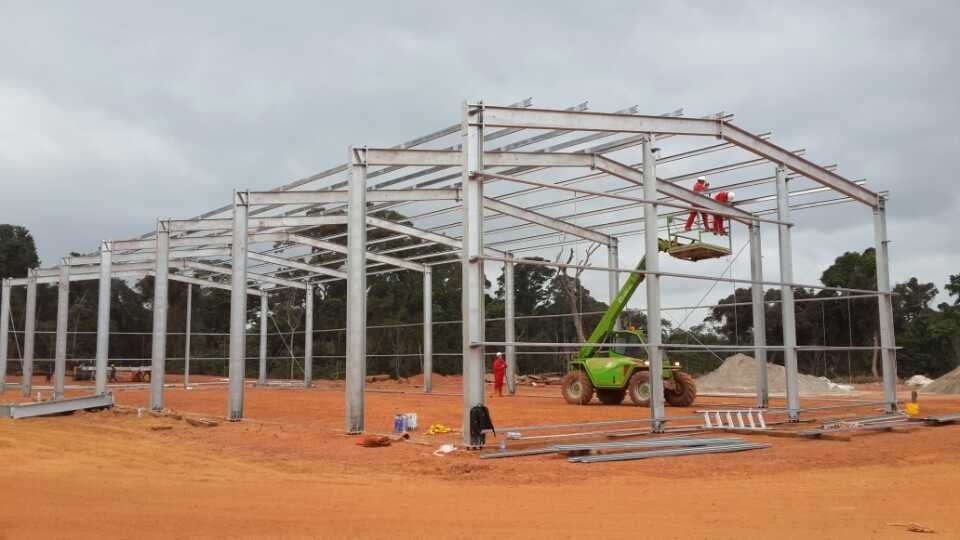
2. Lida Group’s Core Capabilities in Designing and Constructing Robust Metal Frame Warehouses
Lida Group has been deeply engaged in the prefabricated steel structure industry for decades, accumulating rich experience in designing and constructing robust metal frame warehouses. The company has formed a complete service system covering design, manufacturing, installation, and after-sales service, and has established core capabilities in meeting the diverse needs of industrial clients. Lida Group’s core capabilities are reflected in professional design, precision manufacturing, efficient installation, strict quality control, and customized solutions.
2.1 Professional Design Capabilities: Tailored to Industrial Needs
The design of robust metal frame warehouses is the foundation of their performance, and Lida Group has a professional design team composed of senior structural engineers, industrial design experts, and logistics planning specialists. The team is proficient in international design standards (such as AISC, Eurocode, GB, and JIS) and advanced design software, and adopts a customer-centric design concept to provide tailored solutions for each industrial client.
Lida Group’s design team conducts in-depth investigations of the client’s industrial needs, including storage types (heavy goods, perishable goods, hazardous materials), storage density, handling equipment, production processes, local climate conditions, and site constraints. Based on these investigations, the team formulates a comprehensive design plan that covers the steel frame structure, cladding materials, insulation systems, ventilation systems, fire protection systems, lighting systems, and drainage systems.
To ensure the rationality and safety of the design, Lida Group adopts advanced design technologies, including Building Information Modeling (BIM), finite element analysis (FEA), and digital twin. BIM technology is used to build a 3D digital model of the warehouse, which can simulate the structural layout, load-bearing capacity, and interior flow of the warehouse in detail. This helps to identify potential design problems in advance and optimize the design scheme, improving the efficiency and safety of the warehouse. Finite element analysis (FEA) is used to simulate the stress and deformation of the metal frame structure under various loads (such as heavy goods stacking, wind load, and seismic load), ensuring that the structure meets the strict safety standards. Digital twin technology creates a virtual replica of the warehouse, allowing the client to simulate the operation of the warehouse before construction and make adjustments to the design scheme as needed.
In addition, Lida Group’s design team has rich experience in designing warehouses for different industrial sectors, including manufacturing, logistics, cold storage, and hazardous material storage. For example, for cold storage warehouses, the team designs a thermal insulation system with high thermal resistance to maintain a stable low temperature; for hazardous material storage warehouses, the team adopts fire-resistant and explosion-proof design to ensure safety.
2.2 Precision Manufacturing: Ensuring High-Quality Components
The quality of prefabricated metal components is crucial to the performance and durability of robust metal frame warehouses. Lida Group has established multiple modern production bases around the world, equipped with advanced automated production equipment and strict quality control systems, ensuring that each component is manufactured with high precision and high quality.
Lida Group’s production bases are equipped with a full set of automated production equipment, including CNC cutting machines, robotic welding machines, shot blasting machines, precision testing equipment, and automated assembly lines. These equipment ensure that the metal components (such as steel beams, steel columns, and metal cladding) are manufactured with high precision, with a dimensional tolerance of less than 0.2mm. CNC cutting machines can achieve high-precision cutting of steel plates and profiles, ensuring that the size and shape of components are accurate; robotic welding machines ensure stable welding quality and high welding efficiency, reducing the impact of human factors on welding quality.
Lida Group strictly selects high-quality steel materials for metal frame warehouses, including high-strength steel (Q355B, Q460, S355JR), weather-resistant steel, and corrosion-resistant steel. These materials have excellent mechanical properties, corrosion resistance, and durability, ensuring that the warehouse structure can withstand harsh industrial environments and long-term use. In addition, Lida Group adopts advanced anti-corrosion treatment technologies, such as hot-dip galvanization and anti-corrosion paint spraying, to further enhance the anti-corrosion performance of the components. The hot-dip galvanization process forms a dense zinc layer on the surface of the components, which can effectively isolate the steel from the external environment; the anti-corrosion paint spraying adopts a “two primers and two topcoats” system, which improves the weather resistance and corrosion resistance of the components.
Lida Group implements a strict quality control system throughout the manufacturing process, from raw material inspection to finished product inspection. All raw materials are inspected strictly before entering the production line, and unqualified raw materials are firmly rejected. During the production process, each link (cutting, welding, anti-corrosion treatment) is monitored in real time, ensuring that the quality of components meets the design requirements. After production, all finished components are inspected strictly according to international standards, and only qualified components are allowed to leave the factory. The company also establishes a quality traceability system, which records the production process, inspection results, and other information of each component, enabling full traceability of product quality.
2.3 Efficient Installation: Ensuring Rapid Delivery
The installation of robust metal frame warehouses is a key link in the project, and Lida Group has a professional installation team composed of senior installers, technical supervisors, and safety officers. The team has rich experience in installing metal frame warehouses in various environments and can ensure efficient and safe construction.
Lida Group adopts a scientific installation strategy, including pre-installation simulation, modular installation, and high-precision positioning. Pre-installation simulation uses BIM technology to simulate the installation process, identifying potential installation problems in advance and formulating corresponding solutions. Modular installation involves pre-assembling metal components into modules in the factory, then transporting them to the construction site for overall installation. This significantly improves installation efficiency and reduces on-site construction time. For example, the steel frame modules can be pre-assembled in the factory, and then lifted to the design position on-site using cranes, which reduces the on-site assembly time by 30% or more.
High-precision positioning uses advanced positioning equipment (such as total stations and laser trackers) to ensure that the installation position of the metal components is accurate, meeting the strict requirements of the warehouse structure. The installation team strictly follows the installation procedures and safety standards, ensuring the safety and stability of the installation process. In addition, Lida Group adopts parallel construction methods, where the foundation construction and component manufacturing are carried out simultaneously, further shortening the project cycle.
Lida Group attaches great importance to construction safety, establishing a strict safety management system. The installation team undergoes strict safety training before construction, and safety protection measures (such as safety nets, climbing equipment, and anti-fall devices) are fully equipped on the construction site. Regular safety inspections are carried out during construction to eliminate potential safety hazards in a timely manner. For large-scale or high-risk installation projects, Lida Group also formulates special safety plans and emergency response measures to ensure the safety of construction personnel and the project.
2.4 Strict Quality Management: Ensuring Project Excellence
Quality is the life of robust metal frame warehouses, and Lida Group has established a comprehensive quality management system that covers the entire project cycle, from design, manufacturing, and installation to after-sales service. The system is in line with international standards such as ISO 9001, CE EN 1090, and SGS, ensuring that every link of the project meets the highest quality standards.
In the design phase, Lida Group conducts strict design review to ensure that the design scheme meets the functional, safety, and quality requirements of the client. The design review team is composed of senior engineers and technical experts who conduct a comprehensive review of the design drawings, calculation reports, and technical specifications, identifying and correcting potential design problems.
In the manufacturing phase, as mentioned earlier, Lida Group implements strict quality control, from raw material inspection to finished product inspection, ensuring that the metal components are of high quality. The company also conducts regular audits of the production process to continuously improve the manufacturing quality.
In the installation phase, Lida Group conducts strict quality inspection of the installation process, including the positioning accuracy of components, the quality of node connections, and the performance of auxiliary systems (such as fire protection and ventilation). After the installation is completed, a comprehensive acceptance is carried out according to international standards and client requirements, ensuring that the warehouse meets the design and quality standards.
In the after-sales service phase, Lida Group provides professional maintenance and technical support services, regularly inspecting the warehouse structure and auxiliary systems, and solving any quality problems in a timely manner. This ensures the long-term stability and safety of the warehouse, winning the trust of clients.
2.5 Customized Solutions: Meeting Diverse Industrial Needs
Industrial clients have diverse needs for warehouses, depending on their industry sector, production scale, and storage requirements. Lida Group adheres to a customer-centric concept, providing customized solutions for each client to meet their unique needs.
For manufacturing enterprises, Lida Group designs warehouses that integrate storage and production, with flexible interior layout to accommodate production equipment and raw material storage. For example, the warehouse can be divided into different areas for raw material storage, semi-finished product storage, and finished product storage, with convenient access for handling equipment.
For logistics and distribution enterprises, Lida Group designs warehouses with high storage density and efficient handling capabilities, including multi-layer storage racks, conveyor systems, and loading and unloading platforms. The warehouse can be equipped with intelligent logistics systems to improve the efficiency of order processing and delivery.
For cold storage warehouses, Lida Group designs a thermal insulation system with high thermal resistance, using high-quality insulation materials (such as polyurethane foam and rock wool) to maintain a stable low temperature. The warehouse is also equipped with refrigeration systems, temperature monitoring systems, and humidity control systems to ensure the quality of perishable goods.
For hazardous material storage warehouses, Lida Group adopts fire-resistant, explosion-proof, and anti-leakage design, using corrosion-resistant materials and special ventilation systems to ensure the safety of the warehouse. The warehouse also meets the strict safety standards of local authorities, ensuring compliance with relevant regulations.
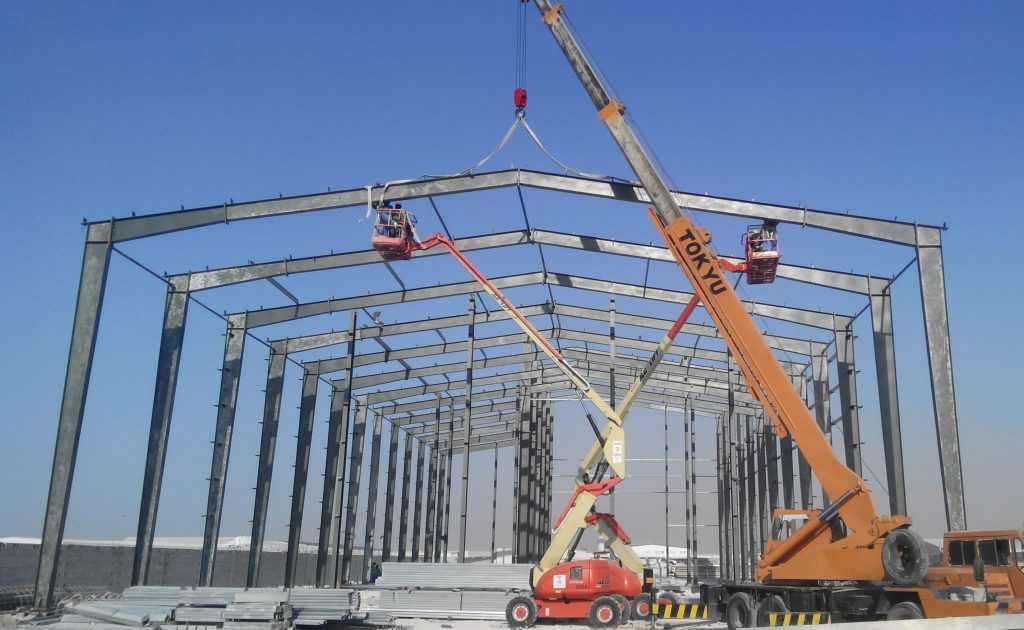
3. Key Technologies of Lida Group in Robust Metal Frame Warehouse Construction
Lida Group’s outstanding performance in robust metal frame warehouse construction is supported by a series of advanced key technologies. These technologies cover design, manufacturing, installation, and auxiliary systems, forming a complete technical system that ensures the high quality, high efficiency, and high safety of the warehouse.
3.1 BIM-Based Integrated Design and Construction Technology
Building Information Modeling (BIM) technology is the core technology of Lida Group in robust metal frame warehouse design and construction. Lida Group integrates BIM technology into the entire project cycle, realizing integrated design, simulation, and management.
In the design phase, BIM technology is used to build a 3D digital model of the warehouse, which can accurately display the steel frame structure, metal cladding, insulation systems, auxiliary systems, and interior layout. The design team can use the model to conduct collision detection, identifying potential conflicts between components and auxiliary systems (such as ventilation pipes and lighting fixtures), and optimizing the design scheme in a timely manner. This reduces design errors and rework, improving design efficiency and quality.
In the manufacturing phase, the BIM model is used to generate detailed manufacturing drawings and component lists, guiding the automated production of metal components. The model can also be used to simulate the manufacturing process, optimizing the cutting, welding, and assembly processes, improving manufacturing efficiency and precision.
In the installation phase, the BIM model is used to simulate the installation process, determining the installation sequence, positioning points, and lifting plan. The model can also be connected to on-site positioning equipment, enabling real-time comparison between the actual installation position and the design position, ensuring high-precision installation. In addition, BIM technology enables effective collaboration between the design, manufacturing, and installation teams, realizing information sharing and real-time communication, which improves project management efficiency and reduces project risks.
3.2 High-Precision Prefabrication Technology for Metal Components
Robust metal frame warehouses rely on high-precision prefabricated components to ensure structural stability and performance. Lida Group has developed a series of high-precision prefabrication technologies to meet the manufacturing needs of metal components.
First, CNC precision cutting technology. Lida Group uses advanced CNC plasma cutting machines and laser cutting machines, which can achieve high-precision cutting of steel plates and profiles with a cutting accuracy of ±0.1mm. This ensures that the size and shape of the components are accurate, meeting the strict design requirements.
Second, robotic welding technology. For metal components with high welding requirements, Lida Group uses robotic welding machines, which have the advantages of stable welding quality, high welding efficiency, and strong adaptability. The robotic welding system can automatically adjust the welding parameters according to the shape and size of the component, ensuring uniform welding seams and high welding strength. This reduces the impact of human factors on welding quality and improves the reliability of the components.
Third, precision assembly technology. Lida Group uses advanced assembly equipment and positioning tools to ensure the precision of component assembly. The assembly process is monitored in real time using precision testing equipment, ensuring that the assembly accuracy meets the design requirements. For example, the steel beams and steel columns are pre-assembled in the factory to ensure that the connection nodes are accurate, reducing on-site assembly time and errors.
Fourth, advanced anti-corrosion treatment technology. As mentioned earlier, Lida Group adopts hot-dip galvanization and anti-corrosion paint spraying technologies to enhance the anti-corrosion performance of metal components. The hot-dip galvanization process forms a dense zinc layer on the surface of the components, which can effectively resist corrosion from rain, humidity, and chemical substances. The anti-corrosion paint spraying adopts high-quality anti-corrosion paint, which has excellent weather resistance and corrosion resistance, extending the service life of the components.
3.3 Modular Installation and Rapid Construction Technology
Rapid construction is one of the key advantages of robust metal frame warehouses, and Lida Group has developed modular installation and rapid construction technologies to shorten the project cycle.
Modular installation involves dividing the warehouse into several prefabricated modules in the design phase, which are manufactured and pre-assembled in the factory. The modules include steel frame modules, cladding modules, and auxiliary system modules. These modules are then transported to the construction site for overall installation, which significantly improves installation efficiency. For example, a 10,000 square meter metal frame warehouse can be installed in 2-3 months using modular installation technology, compared with 6-8 months for traditional concrete warehouses.
Lida Group also adopts advanced lifting technology to improve installation efficiency. Large cranes and hydraulic jacks are used to lift the prefabricated modules to the design position, ensuring stable and efficient installation. In addition, the company uses lightweight materials for the cladding and insulation systems, which reduces the weight of the modules and simplifies the installation process.
Parallel construction is another key technology for rapid construction. Lida Group carries out the foundation construction and component manufacturing simultaneously, which shortens the overall project cycle. For example, while the foundation is being constructed on-site, the metal components are being manufactured in the factory, so that the components can be installed immediately after the foundation is completed.
3.4 Advanced Auxiliary System Integration Technology
Robust metal frame warehouses for industrial applications require a variety of auxiliary systems to ensure their normal operation, including fire protection systems, ventilation systems, lighting systems, drainage systems, and intelligent management systems. Lida Group has developed advanced auxiliary system integration technology to integrate these systems into the warehouse structure seamlessly.
Fire protection systems are crucial for industrial warehouses, especially those storing flammable or hazardous materials. Lida Group integrates fire alarm systems, sprinkler systems, fire extinguishing equipment, and fire partitions into the warehouse design. The steel frame structure is treated with fire-resistant paint to improve its fire resistance rating, ensuring that the warehouse can withstand fire for a certain period of time, providing sufficient time for personnel evacuation and fire fighting.
Ventilation systems are used to maintain air circulation in the warehouse, reducing humidity and preventing the accumulation of harmful gases. Lida Group designs natural ventilation and mechanical ventilation systems according to the warehouse’s use and local climate conditions. For example, warehouses storing perishable goods are equipped with mechanical ventilation systems to maintain a stable temperature and humidity; warehouses storing hazardous materials are equipped with explosion-proof ventilation systems to prevent the accumulation of flammable gases.
Lighting systems are designed to ensure sufficient lighting in the warehouse, improving the efficiency of handling operations and ensuring safety. Lida Group uses energy-efficient lighting fixtures (such as LED lights) and designs a reasonable lighting layout to ensure uniform lighting in the warehouse. The lighting system can also be integrated with intelligent control systems to adjust the lighting intensity according to the actual needs, reducing energy consumption.
Intelligent management systems are increasingly used in modern industrial warehouses to improve operational efficiency. Lida Group integrates intelligent systems such as warehouse management systems (WMS), inventory management systems, and video surveillance systems into the warehouse design. These systems enable real-time monitoring of inventory, automated order processing, and remote management of the warehouse, improving the efficiency and safety of warehouse operations.
3.5 Seismic and Wind Resistance Reinforcement Technology
Industrial warehouses need to withstand extreme weather conditions, such as earthquakes and strong winds, especially those located in seismic zones or coastal areas. Lida Group has developed a series of seismic and wind resistance reinforcement technologies to improve the stability and safety of metal frame warehouses.
In terms of seismic reinforcement, Lida Group adopts advanced seismic design concepts, including ductile design and energy dissipation design. The steel frame structure is designed with ductile nodes and energy dissipation devices (such as dampers), which can absorb and dissipate seismic energy during an earthquake, reducing the damage to the structure. In addition, the company uses high-strength steel materials and optimized structural design to improve the seismic performance of the warehouse. The warehouse is designed to meet the seismic resistance requirements of the local area, ensuring that it can withstand earthquakes of a certain intensity without collapsing.
In terms of wind resistance reinforcement, Lida Group conducts detailed wind tunnel tests and wind load calculations for the warehouse, especially for warehouses located in coastal areas or high-wind zones. The structure is designed to resist strong winds, with optimized shape and structural layout to reduce wind resistance. The metal cladding is fixed firmly to the steel frame to prevent it from being blown off by strong winds. In addition, Lida Group uses wind-resistant devices (such as wind barriers and vibration dampers) to reduce the impact of wind on the warehouse, ensuring the stability of the structure under strong wind conditions.
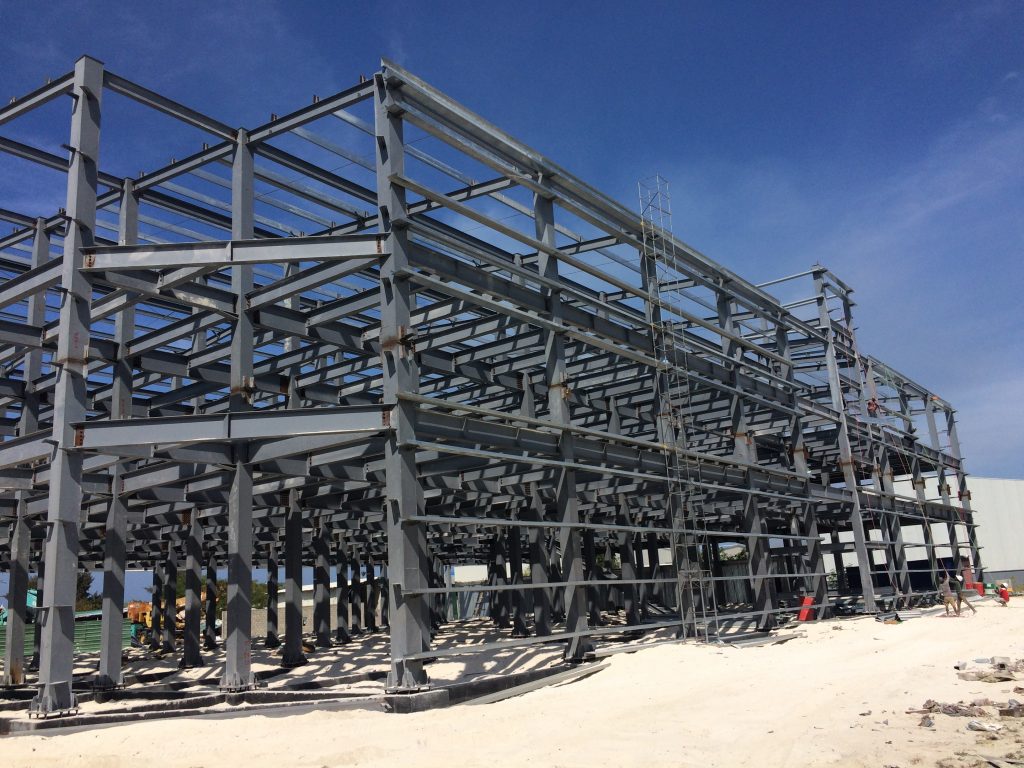
4. Typical Global Projects of Lida Group’s Robust Metal Frame Warehouses
Over the years, Lida Group has undertaken a large number of robust metal frame warehouse projects around the world, covering various industrial sectors such as manufacturing, logistics, cold storage, and hazardous material storage. These projects have not only verified Lida Group’s strong technical strength and project management capabilities but also become model projects in the local industrial logistics industry, winning wide recognition from clients and the industry. The following are several typical global projects that showcase Lida Group’s excellence in robust metal frame warehouse construction.
4.1 Large-Scale Logistics Warehouse Project in the Middle East (Dubai)
A leading logistics company in Dubai (United Arab Emirates) needed to build a large-scale logistics warehouse to meet the growing demand for e-commerce logistics. The warehouse required a large span, high ceiling height, and efficient handling capabilities, with a total area of 15,000 square meters. The project had strict requirements for construction speed, durability, and fire resistance, as the warehouse would store a large number of e-commerce goods and require 24-hour operation. After comparing multiple solutions, the logistics company chose Lida Group as the general contractor for the project.
For this project, Lida Group designed a robust metal frame warehouse with a span of 30 meters and a ceiling height of 12 meters, which provided sufficient space for multi-layer storage racks and handling equipment. The steel frame structure used high-strength steel (Q355B) to ensure load-bearing capacity, and the metal cladding adopted color steel plates with thermal insulation layers to improve energy efficiency. The warehouse was equipped with an advanced fire protection system (including sprinkler systems, fire alarm systems, and fire partitions), a mechanical ventilation system, and an intelligent warehouse management system.
In the manufacturing phase, Lida Group used advanced CNC cutting machines and robotic welding machines to produce the metal components with high precision. The components were treated with hot-dip galvanization and anti-corrosion paint to resist the high temperature and humidity in Dubai. In the installation phase, Lida Group adopted modular installation technology, pre-assembling the steel frame modules and cladding modules in the factory, then transporting them to the construction site for installation. The project was completed in 3 months, which was 50% faster than the planned cycle.
After completion, the warehouse passed the strict acceptance of the local authorities, with fire resistance rating of Class A and seismic resistance level of 8 degrees. The warehouse has been in stable operation for many years, effectively meeting the logistics company’s needs for efficient storage and order processing. The project has become a model for large-scale logistics warehouses in the Middle East, demonstrating Lida Group’s strong capability in logistics warehouse construction.
4.2 Heavy-Duty Manufacturing Warehouse Project in Europe (Germany)
A large automotive manufacturing enterprise in Germany needed to build a heavy-duty warehouse to store raw materials and production equipment. The warehouse required a high load-bearing capacity (up to 30 tons per square meter) to accommodate heavy automotive parts and large-scale production equipment. The project also required strict environmental protection and noise reduction measures, as the warehouse was located near a residential area. Lida Group won the bid for the project with its advanced design scheme and rich experience in heavy-duty warehouse construction.
For this project, Lida Group designed a robust metal frame warehouse with a total area of 12,000 square meters, using high-strength steel (Q460) for the steel frame structure to ensure high load-bearing capacity. The warehouse was divided into two areas: raw material storage and equipment storage. The raw material storage area was equipped with heavy-duty storage racks, and the equipment storage area was designed with a reinforced floor to withstand the weight of large-scale equipment. The metal cladding adopted sound-insulating and heat-insulating color steel plates to reduce noise and energy consumption. The warehouse was also equipped with a dust removal system and a waste treatment system to meet environmental protection requirements.
In the manufacturing phase, Lida Group strictly controlled the quality of the metal components, using advanced testing equipment to detect the mechanical properties and anti-corrosion performance of the components. The components were manufactured with high precision to ensure the stability of the structure. In the installation phase, Lida Group adopted high-precision positioning technology and modular installation technology, ensuring that the installation accuracy met the design requirements. The project was completed in 4 months, meeting the enterprise’s production schedule.
After completion, the warehouse passed the strict environmental protection and safety inspections of the local authorities. The warehouse has been in stable operation for many years, withstanding the heavy load of raw materials and equipment, and effectively reducing noise and environmental pollution. The project has been highly recognized by the automotive manufacturing enterprise and the local government, demonstrating Lida Group’s strong capability in heavy-duty manufacturing warehouse construction.
4.3 Cold Storage Warehouse Project in Southeast Asia (Indonesia)
A large food processing enterprise in Indonesia needed to build a cold storage warehouse to store perishable food products (such as fruits, vegetables, and meat). The warehouse required a stable low temperature (0-5℃) and high humidity control, with a total area of 8,000 square meters. The project had strict requirements for thermal insulation, refrigeration efficiency, and durability, as the local climate is hot and humid. Lida Group provided a customized cold storage warehouse solution for the project.
For this project, Lida Group designed a robust metal frame cold storage warehouse, using high-quality thermal insulation materials (polyurethane foam) for the walls and roof to ensure good thermal insulation performance. The steel frame structure was treated with anti-corrosion paint to resist the high humidity in Indonesia. The warehouse was equipped with an advanced refrigeration system (including compressors, evaporators, and condensers), a temperature and humidity monitoring system, and an air circulation system to maintain a stable low temperature and humidity. The warehouse was also designed with a loading and unloading platform with thermal insulation doors to prevent cold air leakage.
In the manufacturing phase, Lida Group produced the metal components and thermal insulation modules in the factory, ensuring high precision and quality. The components were transported to the construction site for modular installation, which reduced on-site construction time and ensured the thermal insulation performance of the warehouse. In the installation phase, Lida Group strictly inspected the installation of the refrigeration system and thermal insulation modules, ensuring that the warehouse could maintain a stable low temperature. The project was completed in 2.5 months, allowing the food processing enterprise to put the warehouse into use quickly.
After completion, the warehouse maintained a stable temperature of 0-5℃, with a temperature fluctuation of less than ±0.5℃, meeting the storage requirements of perishable food products. The warehouse has been in stable operation for many years, effectively extending the shelf life of food products and reducing food waste. The project has become a model for cold storage warehouses in Southeast Asia, demonstrating Lida Group’s strong capability in cold storage warehouse construction.
4.4 Hazardous Material Storage Warehouse Project in Africa (Nigeria)
A large chemical enterprise in Nigeria needed to build a hazardous material storage warehouse to store chemical raw materials (such as solvents and corrosive substances). The warehouse required strict fire-resistant, explosion-proof, and anti-leakage design, meeting the local safety and environmental protection standards. The project had a total area of 5,000 square meters, and the warehouse needed to be divided into different areas to store different types of hazardous materials. Lida Group won the bid for the project with its professional design scheme and rich experience in hazardous material warehouse construction.
For this project, Lida Group designed a robust metal frame warehouse with a fire-resistant and explosion-proof structure. The steel frame structure was treated with fire-resistant paint to improve its fire resistance rating, and the walls and roof adopted explosion-proof metal cladding. The warehouse was divided into four independent areas, each with a separate ventilation system and anti-leakage floor to prevent cross-contamination. The warehouse was also equipped with an advanced fire alarm system, a foam fire extinguishing system, and an emergency response system to ensure safety.
In the manufacturing phase, Lida Group used corrosion-resistant steel materials and advanced anti-corrosion treatment technologies to ensure that the warehouse could resist the corrosion of chemical substances. The components were manufactured with high precision, and the connection nodes were designed to be explosion-proof. In the installation phase, Lida Group adopted strict safety protection measures and high-precision installation technology, ensuring the safety and stability of the warehouse. The project was completed in 3.5 months, meeting the enterprise’s safety requirements.
After completion, the warehouse passed the strict safety and environmental protection inspections of the local authorities, meeting the relevant regulations for hazardous material storage. The warehouse has been in stable operation for many years, without any safety accidents, ensuring the safe storage of chemical raw materials. The project has been highly recognized by the chemical enterprise and the local government, demonstrating Lida Group’s strong capability in hazardous material storage warehouse construction.
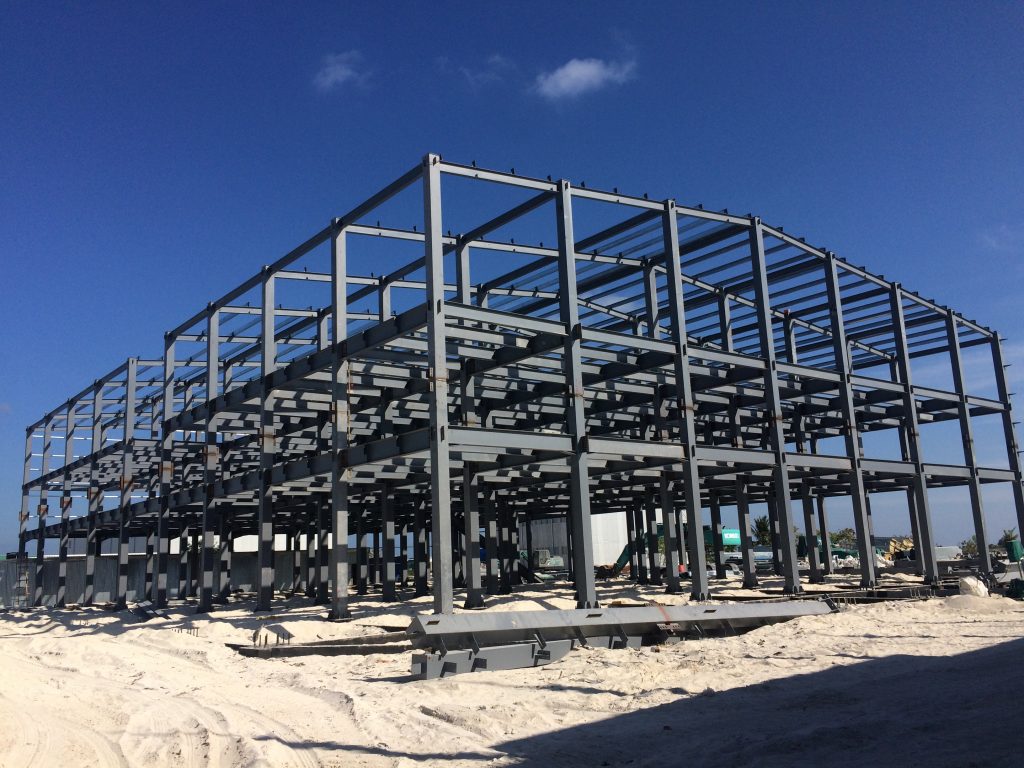
5. The Impact of Lida Group’s Robust Metal Frame Warehouses on the Global Industrial Logistics Industry
Lida Group’s robust metal frame warehouses have not only brought significant economic benefits to industrial clients but also had a profound impact on the global industrial logistics industry, promoting the transformation and upgrading of warehouse construction and setting benchmarks for quality and efficiency.
5.1 Promoting the Modernization of Industrial Warehouse Construction
Robust metal frame warehouses represent the future direction of industrial warehouse construction, and Lida Group’s development in this field has promoted the modernization of the global industrial warehouse industry. Traditional concrete warehouses are gradually being replaced by metal frame warehouses due to their long construction cycles, high costs, and poor flexibility. Lida Group’s advanced design and construction technologies have improved the performance and efficiency of metal frame warehouses, making them the preferred choice for industrial clients worldwide.
Lida Group’s prefabricated construction mode has also promoted the industrialization of warehouse construction. The prefabrication of components in the factory and assembly on-site reduces on-site construction time and labor costs, improving construction efficiency and quality. This industrialized construction mode has been widely promoted in the global industrial logistics industry, promoting the transformation and upgrading of the industry.
5.2 Supporting the Development of Global Supply Chains
Robust metal frame warehouses play a crucial role in global supply chain management, and Lida Group’s participation in a large number of warehouse projects around the world has supported the development of global supply chains. These warehouses provide efficient storage and logistics services for industrial enterprises, ensuring the smooth flow of raw materials and finished products. In particular, in emerging economies and “Belt and Road” countries and regions, Lida Group’s warehouse projects have improved local logistics infrastructure, promoting the integration of local supply chains into the global supply chain.
For example, the large-scale logistics warehouse in Dubai has improved the efficiency of e-commerce logistics in the Middle East, promoting the development of cross-border e-commerce. The heavy-duty manufacturing warehouse in Germany has supported the expansion of the automotive manufacturing enterprise, ensuring the smooth operation of the production line. The cold storage warehouse in Indonesia has extended the shelf life of food products, promoting the development of the food processing industry.
5.3 Promoting Green and Low-Carbon Industrial Development
Lida Group’s robust metal frame warehouses are in line with the global trend of green and low-carbon industrial development. Steel is a 100% recyclable material, and the prefabricated construction mode reduces construction waste and environmental pollution. In addition, Lida Group’s warehouses are equipped with energy-saving systems (such as thermal insulation materials, energy-efficient lighting, and solar panels), reducing energy consumption and carbon emissions.
For example, the cold storage warehouse in Indonesia uses high-quality thermal insulation materials and energy-efficient refrigeration systems, reducing energy consumption by 30% compared with traditional cold storage warehouses. The logistics warehouse in Dubai uses solar panels to generate electricity, reducing reliance on traditional energy sources. These green and energy-saving measures have not only reduced the operating costs of the warehouses but also contributed to global carbon reduction efforts.
5.4 Setting Benchmarks for Quality and Safety in the Industry
Lida Group’s strict quality management system and outstanding project performance have set benchmarks for quality and safety in the global industrial warehouse industry. The company’s adherence to high standards of design, manufacturing, and installation has ensured the quality and safety of the warehouses, winning the trust of clients and the industry. Many enterprises in the industry have learned from Lida Group’s experience, improving their own quality management levels.
In addition, Lida Group’s emphasis on safety has also set an example for the industry. The company’s strict safety management system and comprehensive safety protection measures have ensured the safety of construction personnel and the warehouses, reducing safety accidents in warehouse construction and operation. For example, the hazardous material storage warehouse in Nigeria has passed strict safety inspections, demonstrating the high safety standards of Lida Group’s warehouses.
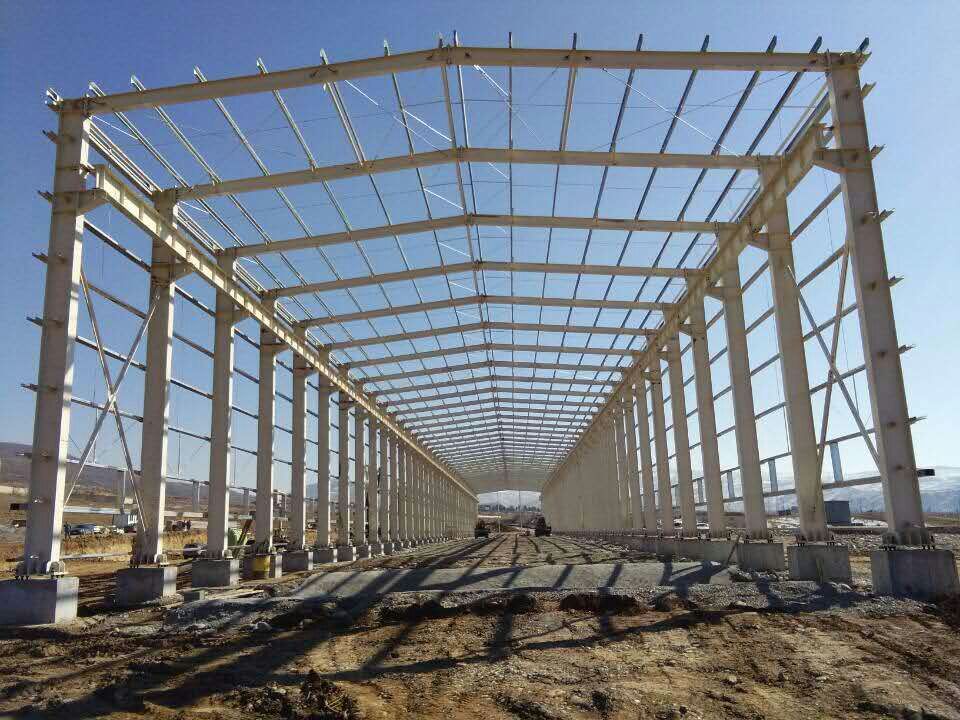
6. Conclusion
In the global industrial logistics industry, robust metal frame warehouses have become the ideal solution for industrial storage needs, thanks to their superior structural stability, durability, cost-effectiveness, rapid construction, and flexibility. As a global leader in prefabricated steel structure solutions, Lida Group has established an outstanding position in the design and construction of robust metal frame warehouses, relying on its professional design capabilities, precision manufacturing technology, efficient installation services, strict quality control, and customized solutions.
This article has comprehensively explored the value of robust metal frame warehouses in industrial applications, Lida Group’s core capabilities, key technologies, typical global projects, and industry impact. Lida Group’s core capabilities in robust metal frame warehouse construction are reflected in its professional design, precision manufacturing, efficient installation, strict quality control, and customized solutions, which enable the company to meet the diverse needs of industrial clients worldwide.
The key technologies of Lida Group, including BIM-based integrated design and construction technology, high-precision prefabrication technology, modular installation and rapid construction technology, advanced auxiliary system integration technology, and seismic and wind resistance reinforcement technology, form a complete technical system that ensures the high quality, high efficiency, and high safety of the warehouses. These technologies not only improve the performance of the warehouses but also promote the innovation and development of the global industrial warehouse industry.
The typical global projects, including the large-scale logistics warehouse in Dubai, the heavy-duty manufacturing warehouse in Germany, the cold storage warehouse in Indonesia, and the hazardous material storage warehouse in Nigeria, have verified Lida Group’s strong technical strength and project management capabilities. These projects have not only brought significant economic benefits to clients but also improved local industrial logistics infrastructure, promoting the development of the local economy.
Lida Group’s robust metal frame warehouses have had a profound impact on the global industrial logistics industry: promoting the modernization of warehouse construction, supporting the development of global supply chains, promoting green and low-carbon industrial development, and setting benchmarks for quality and safety in the industry. As the global demand for industrial warehouses continues to grow, Lida Group will continue to adhere to the concept of “customer-centric, quality-first”, deepen technological innovation, optimize product solutions, and provide better robust metal frame warehouse solutions for global industrial clients.
In the future, Lida Group will focus on three key development directions: first, strengthening the research and development of intelligent technologies (such as IoT, big data, and artificial intelligence) in warehouse construction, promoting the intelligentization of warehouse design, manufacturing, and operation, and improving the efficiency and safety of warehouses; second, developing more environmentally friendly and energy-saving warehouse solutions, using new materials and new processes to reduce the carbon footprint of warehouses and contribute to global green development; third, expanding the global market, especially focusing on emerging economies and “Belt and Road” countries and regions, bringing Lida’s high-quality robust metal frame warehouse solutions to more parts of the world. With these efforts, Lida Group will continue to lead the development of the global robust metal frame warehouse industry, making greater contributions to the modernization of the global industrial logistics industry.
Related news
-
Spacious and Efficient Large Span Farm House by Lida Group
2026-02-26 17:19:17
-
Lida Group Excels in Complex Steel Structure Construction
2026-02-26 17:27:58
-
Maximize Storage with Our Custom Metal Frame Warehouse
2026-02-26 17:09:15
contact us
- Tel: +86-532-88966982
- Whatsapp: +86-13793209022
- E-mail: sales@lidajituan.com
