



Revolutionizing Prefab House Construction with Easy Install Technology
2025-Dec-24 15:52:24
By Admin
The global construction industry is at a crossroads, grappling with mounting pressures to enhance efficiency, reduce environmental impact, and address persistent labor shortages. Traditional on-site construction methods, reliant on manual labor, lengthy curing times, and fragmented workflows, have long struggled to meet the fast-paced demands of modern urbanization and housing needs. In this context, prefabricated (prefab) house construction has emerged as a viable alternative, leveraging factory-controlled production to improve quality and cut timelines. However, early prefab solutions often faced criticism for complex installation processes, requiring specialized skills and heavy machinery that negated many of their inherent advantages. Today, a new wave of easy install technology is redefining prefab house construction, breaking down these barriers and ushering in an era of accessible, efficient, and scalable building solutions. As a global leader in prefabricated construction, Lida Group has been at the forefront of this revolution, integrating cutting-edge easy install technologies into its prefab house systems to deliver unprecedented value to clients worldwide. This article explores the transformative impact of easy install technology on prefab house construction, delving into its core innovations, technical advantages, diverse applications, market influence, and sustainability credentials, while highlighting how industry pioneers like Lida Group are shaping the future of built environments.
1. The Evolution of Prefab House Construction: From Inconvenience to Innovation
Prefabricated construction is not a new concept; its roots trace back to the 19th century, when modular components were used to accelerate building projects in remote areas. However, early prefab houses were often associated with clunky designs, limited customization, and cumbersome installation. These systems relied on welding, complex fasteners, and specialized equipment, requiring teams of skilled workers to assemble components on-site. As a result, prefab houses were largely confined to temporary structures or low-cost housing, failing to gain widespread acceptance in mainstream construction markets.
The turn of the 21st century brought renewed interest in prefab construction, driven by global urbanization, housing shortages, and growing environmental concerns. Governments and developers began to recognize the potential of prefab houses to address these challenges, but the installation bottleneck remained a critical barrier. The need for a paradigm shift became clear: prefab houses needed to be not just factory-made, but also easy to install by non-specialized labor, with minimal reliance on heavy machinery. This demand spurred the development of easy install technology, a suite of innovations designed to simplify assembly, reduce installation time, and lower skill requirements—ultimately unlocking the full potential of prefab house construction.
Lida Group, with its decades of experience in prefabricated steel structures and modular systems, was quick to embrace this shift. The company’s research and development teams focused on reimagining every aspect of prefab house design and production through the lens of installability, from component standardization to connection systems and material selection. The result is a portfolio of prefab houses that combine the quality and consistency of factory production with the simplicity and speed of easy install technology, catering to diverse markets and use cases.
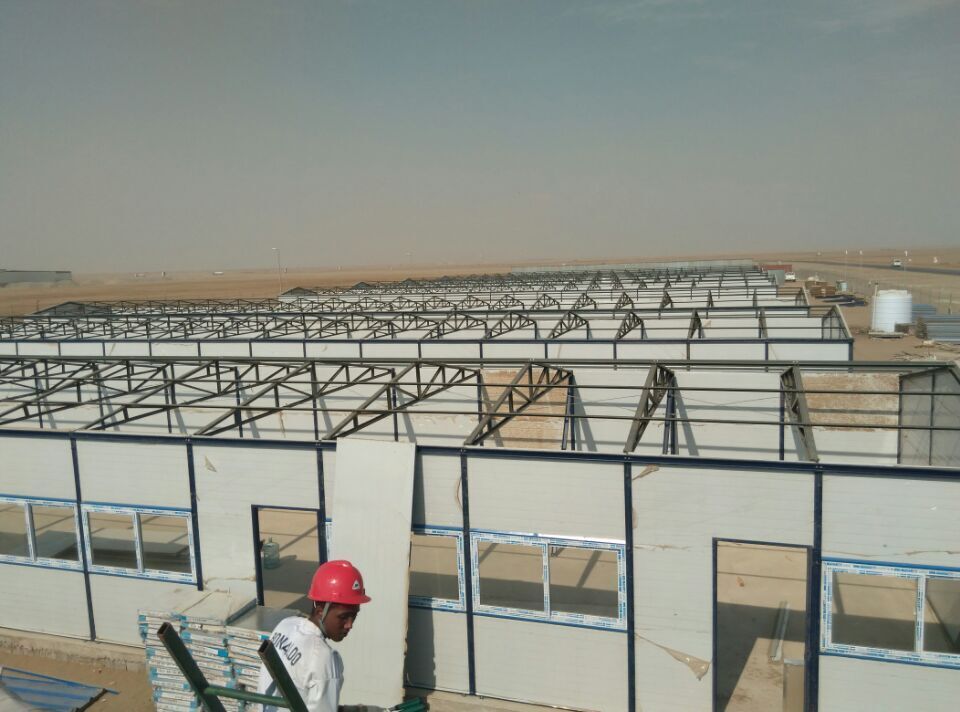
2. Core Easy Install Technologies: Redefining Prefab Assembly
Easy install technology encompasses a range of interconnected innovations, each designed to streamline the prefab house assembly process. These technologies work in tandem to eliminate complexity, reduce physical labor, and shorten on-site timelines, while maintaining structural integrity and performance. Below are the key technical advancements driving the revolution in prefab house construction.
2.1 Precision-Engineered Modular Connection Systems
The foundation of easy install prefab houses lies in their connection systems. Traditional prefab components relied on welding or bolted joints, which were time-consuming, labor-intensive, and prone to human error. Lida Group has developed proprietary modular connection systems that replace these complex methods with intuitive, tool-free or low-tool assemblies. The most impactful of these are cam-lock and tongue-and-groove joint systems, precision-manufactured to ensure seamless alignment and secure bonding between components.
Cam-lock connections feature interlocking mechanisms that engage with a simple twist, creating a tight, airtight seal without the need for welding or heavy fasteners. These joints are engineered to withstand wind loads of up to 120 km/h and seismic activity of magnitude 7, ensuring structural stability in diverse environments. Similarly, tongue-and-groove systems allow panels and modules to slot together effortlessly, with pre-installed weatherstripping to enhance insulation and waterproofing. Both systems enable a small team of general laborers to assemble a prefab house module in as little as 2–4 hours, a fraction of the time required for traditional connections.
To further simplify installation, Lida Group’s connection systems are standardized across its product line, ensuring compatibility between different modules and components. This standardization eliminates the need for custom fitting on-site, reducing errors and rework. Each component is labeled with clear identifiers, guiding installers through the assembly process step-by-step, even with minimal training.
2.2 Lightweight, High-Strength Material Integration
Easy installation is only possible with materials that balance strength and weight. Early prefab houses often used heavy concrete components, requiring cranes and specialized lifting equipment for installation. Lida Group has shifted to lightweight yet durable materials, primarily cold-formed thin-walled steel and advanced sandwich panels, to reduce handling complexity and equipment requirements.
Cold-formed steel (CFS) frames form the structural backbone of Lida Group’s prefab houses. These frames are manufactured using automated production lines, with dimensional accuracy controlled within ±0.2 millimeters—far exceeding the precision of on-site construction. CFS frames are up to 70% lighter than traditional steel frames while maintaining equivalent strength, allowing two workers to manually handle and install wall and roof frames without heavy machinery. The frames are also galvanized to resist corrosion, ensuring long-term durability in harsh climates.
Complementing the CFS frames are Lida Group’s advanced sandwich panels, which integrate structure, insulation, and finishing into a single component. Available with rock wool, polyurethane (PU), or EPS cores, these panels weigh just 15–20 kg per square meter, making them easy to transport and install. The panels feature pre-finished exteriors and interiors, eliminating the need for additional cladding, painting, or plastering on-site. This integration of materials not only simplifies installation but also enhances the prefab house’s thermal and acoustic performance, with U-values as low as 0.023 W/(m²·K) for PU core panels.
2.3 Pre-Integrated Utilities and Factory-Finished Components
A major source of on-site complexity in traditional construction is the installation of utilities—electrical, plumbing, and HVAC systems. Easy install prefab houses address this by pre-integrating these systems into components during factory production, reducing on-site setup time by up to 80%.
Lida Group’s prefab house modules are equipped with pre-wired electrical systems, including LED lighting, USB charging ports, and energy management controls. Wiring is concealed within wall panels and floor cavities during manufacturing, eliminating the need for on-site drilling and routing. Plumbing systems, including sinks, toilets, and shower units, are also pre-installed and tested in the factory, with only final connections to water sources required on-site. For HVAC, compact, energy-efficient systems are integrated into ceiling or wall cavities, sized to the module’s dimensions for optimal performance.
Beyond utilities, nearly all finishing work is completed in the factory. Flooring options—vinyl, composite wood, or polished concrete—are installed, and wall panels are finished with low-VOC materials. Built-in storage solutions, modular furniture, and trim work are also pre-fitted, meaning prefab houses are “move-in ready” within days of on-site assembly. This level of factory finishing not only simplifies installation but also ensures consistent quality, free from the defects common in on-site finishing, such as uneven surfaces or paint drips.
2.4 Digital Design and Installation Guidance Tools
Easy install technology is not limited to physical components; digital tools play a critical role in simplifying the prefab house assembly process. Lida Group leverages Building Information Modeling (BIM) and parametric design software to create detailed, 3D models of prefab houses, optimizing component design for installability and ensuring compatibility between modules.
BIM models include precise dimensions, connection points, and installation sequences, allowing installers to visualize the assembly process before arriving on-site. These models are also used to generate digital installation guides, complete with step-by-step videos and interactive diagrams, accessible via mobile devices. For complex projects, Lida Group offers remote support, with engineers able to guide installers through challenging steps in real time using augmented reality (AR) technology, overlaying digital instructions onto the physical components.
Digital tools also streamline pre-installation preparation. Components are labeled according to their position in the BIM model, ensuring easy identification on-site. The models are shared with logistics teams to optimize transportation, with components loaded onto trucks in the order they will be installed, reducing on-site handling and storage.
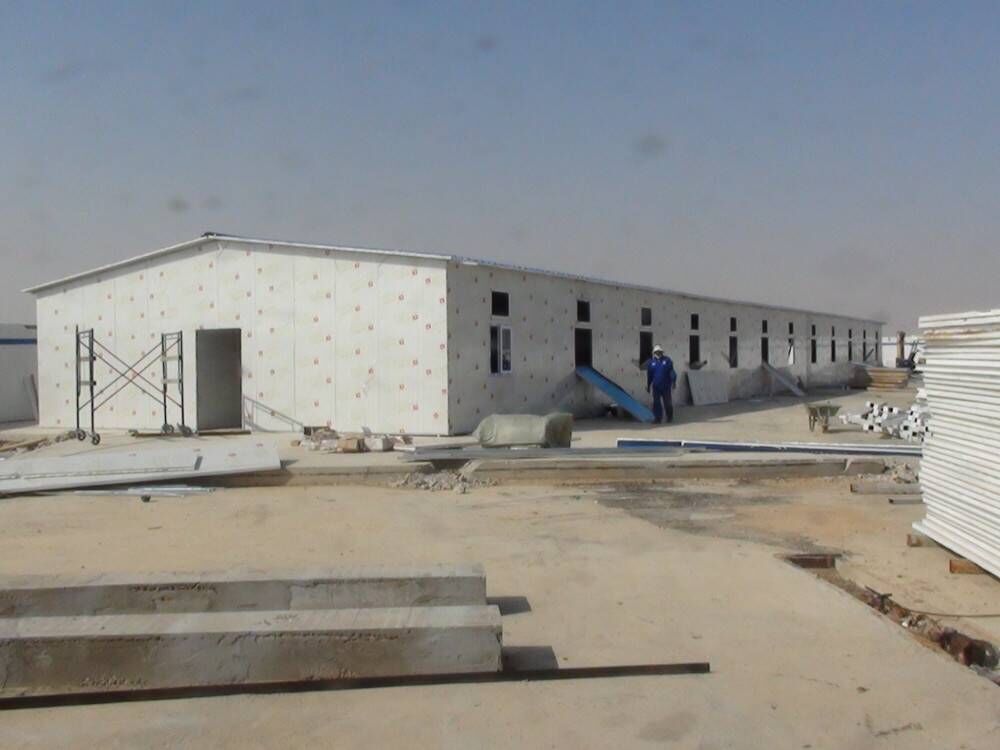
3. The Installation Process: From Factory to Finished Home in Days
The true impact of easy install technology is evident in the prefab house assembly workflow, which has been transformed from a weeks-long process into a streamlined operation that can be completed in days—even by non-specialized labor. Below is a breakdown of the typical installation process for Lida Group’s easy install prefab houses, highlighting efficiency gains at every stage.
3.1 Pre-Installation Preparation
Preparation for easy install prefab houses is minimal compared to traditional construction. On-site work begins with site leveling and the installation of a simple foundation—often a concrete slab or adjustable piers, which can be completed in 1–2 days. Unlike traditional houses, which require deep foundations to support heavy materials, Lida Group’s lightweight prefab houses need only shallow foundations, reducing excavation and material costs.
Meanwhile, components are manufactured and tested in Lida Group’s factories, with strict quality control checks to ensure compliance with international standards. Components are then packaged and labeled according to the installation sequence, loaded onto standard flatbed trucks for transportation. A 100-square-meter prefab house typically fits into 2–3 truckloads, reducing transportation costs and carbon emissions.
3.2 On-Site Assembly: Fast, Intuitive, and Low-Labor
On-site assembly begins with the installation of the floor frame, which is placed on the foundation and secured with simple anchor bolts. The floor panels—pre-integrated with flooring and insulation—are then laid onto the frame, with tongue-and-groove connections ensuring a seamless fit. Wall frames are next, lifted into place manually or with a small portable crane (for larger modules) and secured to the floor frame using cam-lock connections. Each wall panel is pre-fitted with windows and doors, eliminating the need for on-site installation of these components.
Roof frames and panels follow, with the same easy install connection systems ensuring rapid assembly. Ridge caps and edge trims—pre-finished and pre-cut—are installed to seal the roof, providing waterproofing and structural stability. The entire structural assembly of a 100-square-meter prefab house can be completed by a team of 3–4 general laborers in 2–3 days, compared to 2–3 weeks for traditional construction.
Utility connection is the final step, taking just a few hours. Electrical systems are connected to the main power supply, plumbing to water and sewage lines, and HVAC systems are activated. Since all systems are pre-tested in the factory, there is minimal troubleshooting required on-site.
3.3 Post-Installation Finishing
Finishing work for easy install prefab houses is negligible, as nearly all components are factory-finished. Installers conduct a final inspection to ensure all connections are secure, utilities are functioning properly, and the house meets quality standards. Any minor adjustments—such as sealing small gaps with weather-resistant caulk—are completed quickly, and protective films on surfaces are removed. The result is a fully finished, move-in-ready home in as little as 5–7 days from the start of on-site work.

4. Application Versatility: Easy Install Prefab Houses for Every Need
Easy install technology has expanded the applicability of prefab houses beyond traditional use cases, making them a viable solution for residential, commercial, public, and emergency scenarios. Their speed, flexibility, and low installation barriers enable them to adapt to diverse environments and requirements, from rural homes to urban apartments and disaster relief shelters.
4.1 Residential Housing: Affordable, Fast, and Customizable
In the residential sector, easy install prefab houses address the global housing shortage by delivering affordable, high-quality homes in record time. For rural communities, these houses are particularly valuable, as they can be installed without heavy machinery or skilled labor—critical in areas with limited infrastructure. In湖南湘乡金石镇 (Xiangxiang, Hunan), Lida Group supplied easy install prefab houses for a rural revitalization project, with 147-square-meter two-story homes assembled in just 3 months—60% faster than traditional construction. These homes feature earthquake-resistant CFS frames, rock wool insulation, and modern interiors, meeting the same quality standards as fixed houses at 20% lower cost.
In urban areas, easy install prefab houses are used for affordable housing developments, student dormitories, and accessory dwelling units (ADUs). Their modular design allows for vertical expansion, with multiple modules stacked to create multi-story buildings. For example, a 5-story prefab apartment building in Southeast Asia, constructed using Lida Group’s easy install technology, was completed in 3 months, compared to 12 months for a traditional concrete building. The apartments offer customizable layouts, energy-efficient systems, and sleek exteriors, appealing to modern urban dwellers.
4.2 Emergency and Disaster Relief: Rapid Deployment When It Matters Most
In emergency situations—natural disasters, pandemics, or displacement crises—speed is critical. Easy install prefab houses can be deployed and assembled in hours, providing safe shelter and essential facilities for affected communities. Lida Group’s emergency prefab houses are designed for ultra-rapid installation, with modules that can be transported by truck, ship, or air and assembled by local laborers with minimal training.
Following a flood in South Asia, Lida Group delivered 50 easy install prefab shelters and 10 field clinics, which were assembled by local teams in just 5 days. Each shelter features rock wool core panels for fire resistance, integrated plumbing, and solar-powered lighting, providing a safe and dignified living space for displaced families. The field clinics, equipped with pre-installed medical equipment and HVAC systems, were operational within 24 hours of arrival, delivering critical healthcare services to affected populations.
4.3 Commercial and Industrial Applications
Easy install prefab houses are also transforming commercial and industrial construction, serving as on-site offices, retail pods, storage facilities, and workshop spaces. For construction sites, these houses provide temporary offices that can be relocated as the project progresses, eliminating the need for permanent on-site structures. In the Middle East, a large-scale infrastructure project used Lida Group’s easy install prefab offices, which were assembled in 3 days and relocated twice during the project’s 2-year duration, reducing waste and costs.
In the retail sector, easy install prefab houses are used as pop-up stores, cafes, and information kiosks. Their sleek design and rapid installation allow businesses to capitalize on seasonal demand or temporary high-traffic locations, such as music festivals or holiday markets. A European retail chain used Lida Group’s prefab retail pods for a summer campaign, with 15 pods installed in 10 days across multiple cities. Each pod featured large display windows, branding panels, and integrated POS systems, generating 20% higher foot traffic than traditional kiosks.
4.4 Public Sector Projects
Governments and public institutions are increasingly adopting easy install prefab houses for schools, clinics, community centers, and public toilets. These projects require fast delivery, low maintenance, and compliance with strict safety standards—all of which easy install prefab houses provide. In a rural area of Africa, Lida Group supplied 8 easy install prefab classrooms for a school expansion project, assembled in 1 week by local teachers and community members. The classrooms feature large windows for natural light, sound insulation, and durable exteriors, improving the learning environment for over 400 students.
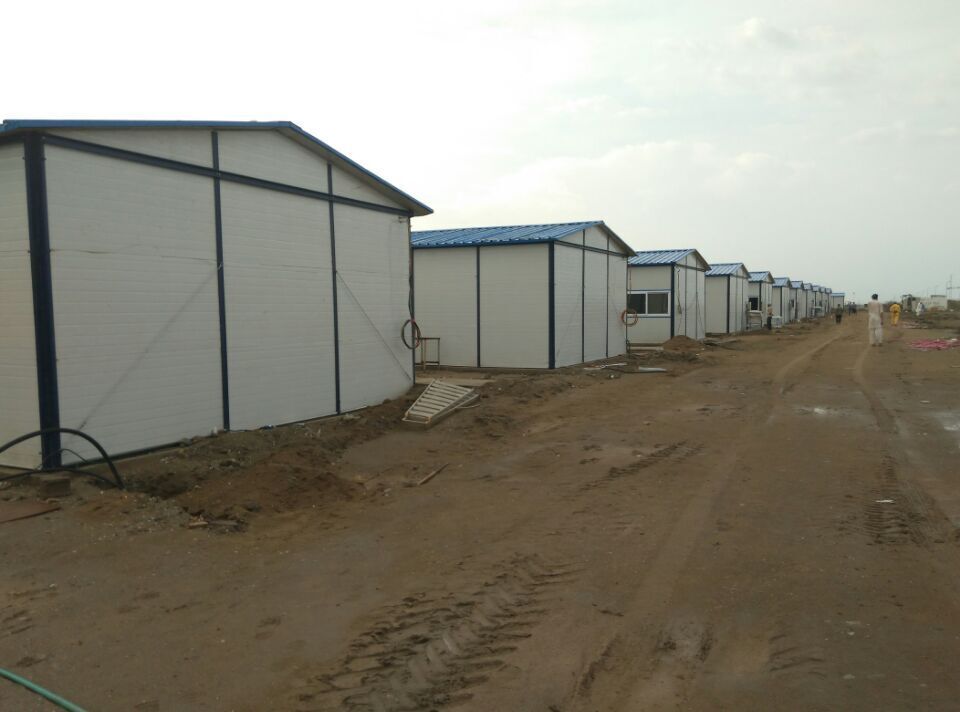
5. Market Impact: Reshaping the Global Construction Landscape
Easy install technology is not just changing how prefab houses are built—it is reshaping the entire construction industry, addressing longstanding challenges and creating new opportunities. Its impact is felt across labor markets, cost structures, and industry standards, driving widespread adoption of prefab construction.
5.1 Solving the Global Labor Shortage Crisis
The construction industry faces a global labor shortage, with millions of skilled worker positions unfilled. Easy install prefab houses mitigate this crisis by reducing reliance on skilled labor, as general laborers can assemble components with minimal training. This not only expands the labor pool but also reduces labor costs—general labor is typically 30–50% cheaper than skilled labor in developed markets. In Europe and North America, where skilled labor costs are highest, easy install prefab houses have become a cost-competitive alternative to traditional construction, driving adoption among developers.
5.2 Reducing Costs and Delays
Cost overruns and project delays are endemic in traditional construction, often caused by weather disruptions, labor shortages, and material waste. Easy install prefab houses minimize these risks by shortening on-site timelines by 60–70%, reducing exposure to weather delays. Factory production reduces material waste to less than 5%, compared to 15–20% for traditional construction, lowering material costs. Additionally, the rapid installation process reduces financing costs, as projects are completed faster and generate revenue or occupancy sooner. A case study of a residential development in China found that using Lida Group’s easy install prefab houses reduced total construction costs by 22% and cut project time from 6 months to 2 months.
5.3 Elevating Industry Standards
Easy install technology has raised the bar for prefab house quality and performance. Factory production ensures consistent quality control, with components tested to meet international standards for structural integrity, fire resistance, and energy efficiency. Lida Group’s prefab houses comply with ISO 9001 (quality management) and ISO 14001 (environmental management) standards, as well as local building codes in over 50 countries. This standardization has dispelled the myth that prefab houses are “low-quality” or “temporary,” positioning them as a premium alternative to traditional construction. As a result, other manufacturers are investing in easy install technology, driving industry-wide innovation and raising standards.
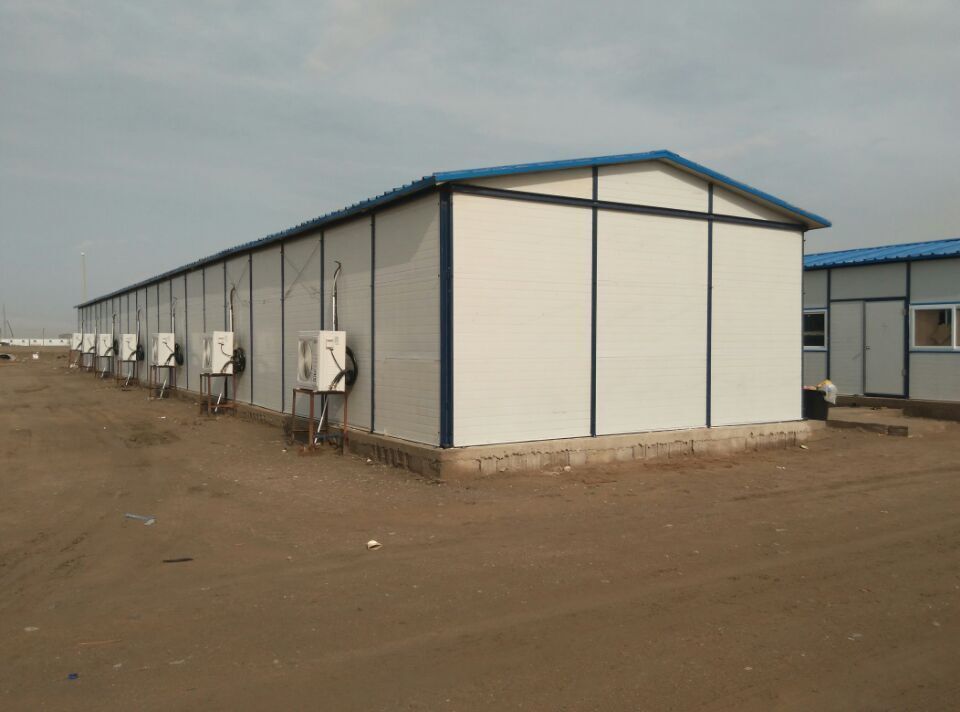
6. Sustainability: Easy Install Technology and Green Construction
Sustainability is a core driver of construction industry innovation, and easy install prefab houses align with global green building goals, offering lifecycle environmental benefits that traditional construction cannot match. From manufacturing to operation and end-of-life disposal, these houses minimize environmental impact while delivering energy efficiency.
6.1 Low-Carbon Manufacturing
Lida Group’s factories use 85% renewable energy (solar and wind power) for prefab house production, reducing carbon emissions associated with manufacturing. Factory-controlled production also reduces material waste, as components are cut to precise specifications, eliminating on-site waste from trimming and excess materials. The cold-formed steel used in Lida Group’s prefab houses is 100% recyclable, with 90% recycled content in the raw materials, further lowering the carbon footprint.
6.2 Energy Efficiency in Operation
Easy install prefab houses are engineered for optimal energy efficiency, thanks to their advanced insulation systems and airtight construction. Sandwich panels with rock wool or PU cores deliver exceptional thermal performance, reducing heating and cooling costs by 30–40% compared to traditional houses. Integrated energy-efficient systems—LED lighting, solar panels, and smart HVAC controls—further lower energy consumption. In深圳福田 (Futian, Shenzhen), a prefab house project integrated Lida Group’s easy install technology with light storage and flexible technology, reducing carbon emissions by 10% and cutting electricity bills by 25% for residents.
6.3 Circular Economy and Recyclability
At the end of their lifecycle, easy install prefab houses can be fully disassembled, with components recycled or repurposed—supporting a circular economy. CFS frames can be recycled into new steel products with a 90% recycling rate, while sandwich panels can be separated into core and facing materials for recycling. Lida Group offers a take-back program for old prefab houses, ensuring components are recycled responsibly, rather than ending up in landfills. This stands in contrast to traditional houses, which are often demolished and sent to landfills, generating significant waste.

7. Challenges and Future Outlook
Despite the transformative potential of easy install technology, prefab house construction still faces challenges in global adoption. In some markets, traditional construction perceptions remain entrenched, with clients and builders skeptical of prefab houses’ durability and aesthetic appeal. Additionally, shipping costs for large modules can be high in remote regions, though Lida Group has addressed this by establishing regional manufacturing facilities in key markets, reducing transportation distances.
Looking ahead, the future of easy install prefab houses is bright, driven by growing demand for sustainable, efficient construction solutions. The global prefab house market is projected to grow at a CAGR of 8.5% between 2025 and 2030, fueled by urbanization, green building policies, and labor shortages. Lida Group plans to capitalize on this growth by expanding its R&D efforts in three key areas:
Intelligent Integration: Incorporating advanced IoT technologies, such as remote monitoring, automated climate control, and smart security systems, to enhance the functionality and efficiency of easy install prefab houses. These technologies will enable predictive maintenance, further reducing operational costs.
Material Innovation: Developing lighter, more sustainable materials—such as carbon fiber-reinforced steel and bio-based insulation—to further reduce the weight of components, improve installability, and lower carbon footprints.
Small-Scale Equipment Adaptation: Addressing the challenge of narrow access in urban and rural areas by developing small, portable installation equipment that can navigate tight spaces, eliminating the need for large cranes.
8. Conclusion
Easy install technology has revolutionized prefab house construction, transforming a once-niche solution into a mainstream, scalable alternative to traditional building methods. By simplifying assembly, reducing labor requirements, and shortening timelines, this technology has broken down the barriers that limited prefab houses for decades, unlocking their potential to address global housing shortages, emergency needs, and sustainability goals.
Lida Group’s leadership in integrating easy install technologies—from precision connection systems to pre-integrated utilities—has set a new standard for the industry, demonstrating that prefab houses can be fast to install, high in quality, customizable, and sustainable. The versatility of these houses, spanning residential, commercial, public, and emergency applications, underscores their ability to adapt to the diverse needs of the modern world.
As the construction industry continues to prioritize efficiency, sustainability, and affordability, easy install prefab houses will play an increasingly central role. By combining innovation with practicality, these houses are not just redefining how we build—they are shaping a more resilient, efficient, and accessible built environment. For developers, builders, and governments seeking to embrace the future of construction, easy install prefab technology offers a proven, forward-thinking solution that delivers value at every stage of the project lifecycle, from factory production to long-term operation.
Related news
-
Lida Group Simplifies Construction with Easy Install Sandwich Panel System
2025-12-24 14:57:12
-
Sleek and Efficient Modern Mobile Building by Lida Group
2025-12-24 15:04:39
-
Next-Generation Modern Mobile Building Solutions from Lida Group
2025-12-18 17:49:35
contact us
- Tel: +86-532-88966982
- Whatsapp: +86-13793209022
- E-mail: sales@lidajituan.com
