



Revolutionize Your Project with Easy Install Sandwich Panel Building
2026-Jan-06 14:30:21
By Admin
In an era where the global construction industry is pressured by shrinking timelines, rising labor costs, and stringent sustainability mandates, the demand for transformative building solutions has never been more acute. Traditional on-site construction, with its reliance on piecemeal assembly, weather-dependent workflows, and excessive material waste, struggles to keep pace with modern project demands. Enter easy-install sandwich panel buildings—a game-changing innovation that merges precision engineering, lightweight materials, and user-centric design to redefine project efficiency, cost-effectiveness, and environmental performance. By streamlining installation processes, enhancing structural integrity, and adapting to diverse use cases, these systems are not just improving construction outcomes—they are revolutionizing how projects are planned, executed, and maintained. This article explores the technical foundations, core benefits, real-world applications, case studies, and future trends of easy-install sandwich panel buildings, providing a comprehensive guide to leveraging this technology for project success.
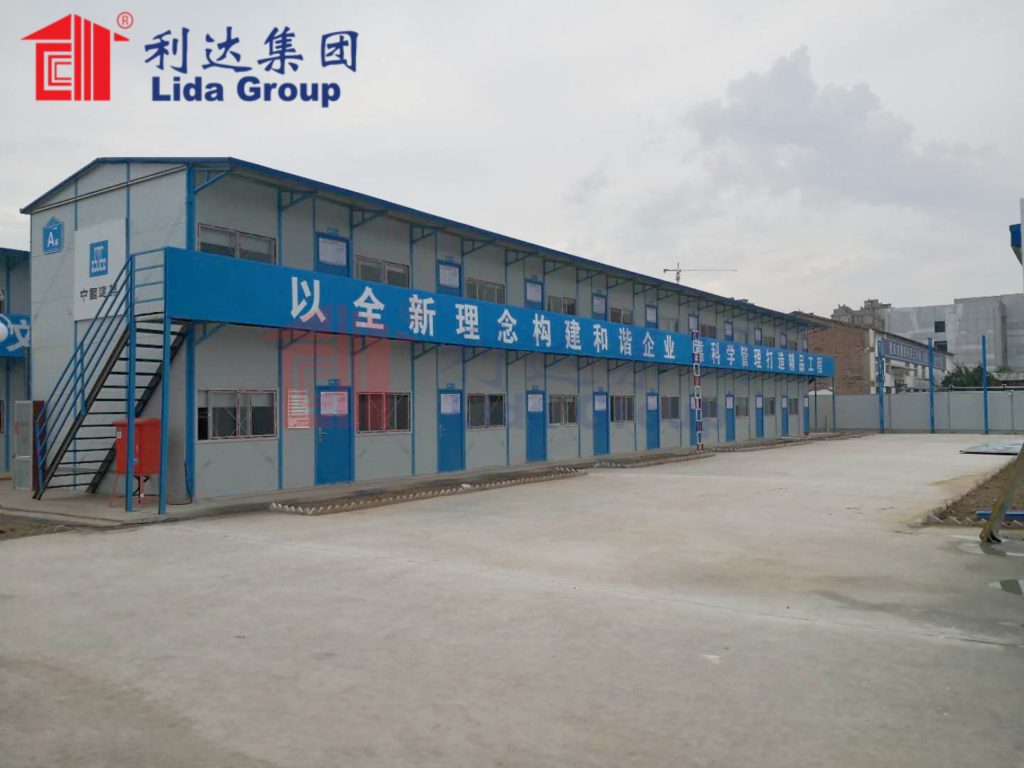
1. Understanding Easy-Install Sandwich Panel Technology
1.1 What Are Easy-Install Sandwich Panels?
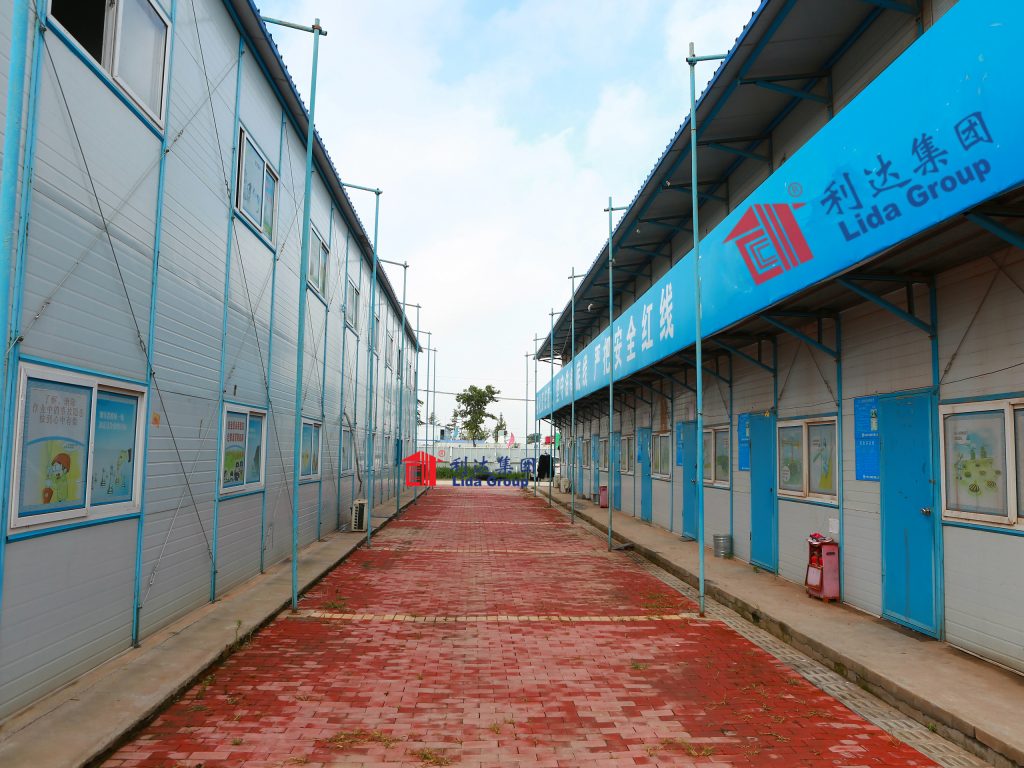
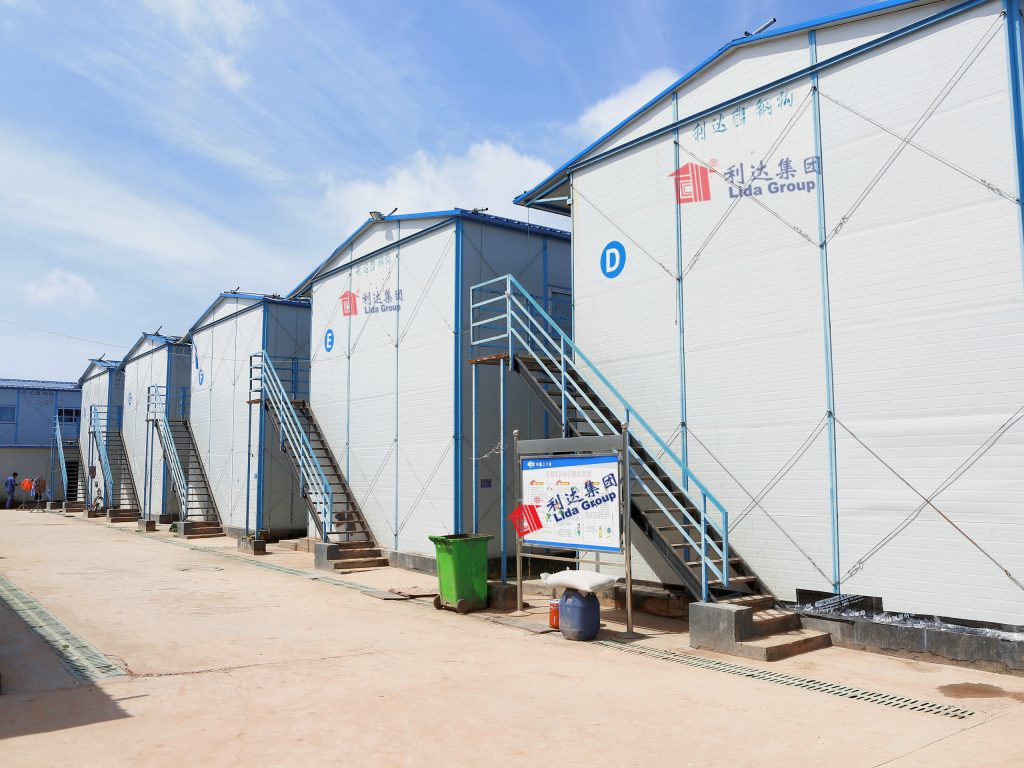
Sandwich panels are composite building components consisting of three integrated layers: two rigid outer facings and a core material engineered for insulation, rigidity, and performance. The defining feature of “easy-install” variants lies in their prefabricated precision, interlocking mechanisms, and lightweight design—elements that eliminate the need for specialized tools, extensive on-site modification, and skilled labor teams. Unlike conventional building materials such as brick, concrete, or traditional lumber, these panels are manufactured in controlled factory environments to exact specifications, ensuring consistent quality and seamless assembly.
The outer facings of easy-install sandwich panels typically use galvanized steel, aluminum, or FSC-certified timber, selected for durability, weather resistance, and aesthetic versatility. The core material, which dictates thermal, acoustic, and fire performance, varies by application: polyurethane (PU)/polyisocyanurate (PIR) for high-efficiency insulation, expanded polystyrene (EPS) for cost-effectiveness, rock wool for fire resistance, and cellulose for eco-friendly projects. This layered construction creates a single, self-contained building component that serves as wall, roof, or floor—eliminating the need for separate framing, insulation, and cladding steps in traditional construction.
1.2 Evolution of Easy-Install Design
The concept of sandwich panels dates back to the mid-20th century, when early iterations were used for temporary shelters and industrial warehouses. However, these early models suffered from cumbersome installation, limited durability, and one-size-fits-all designs. Over the past three decades, advancements in manufacturing technology—including automated lamination, precision CNC cutting, and modular interlocking systems—have transformed sandwich panels into user-friendly, high-performance solutions. Modern easy-install systems incorporate proprietary snap-fit, tongue-and-groove, or boltless connection mechanisms that enable rapid assembly, while factory-integrated utilities (electrical conduits, plumbing chases) further reduce on-site work.
A pivotal milestone in this evolution is the adoption of Building Information Modeling (BIM) integration, which allows panels to be designed, tested, and optimized digitally before production. This digital precision ensures that each panel fits perfectly with minimal adjustments, reducing installation time by up to 70% compared to traditional methods. Recent innovations, such as self-sealing joints and pre-finished surfaces, have further enhanced usability, making easy-install sandwich panels accessible to even non-specialized construction teams.
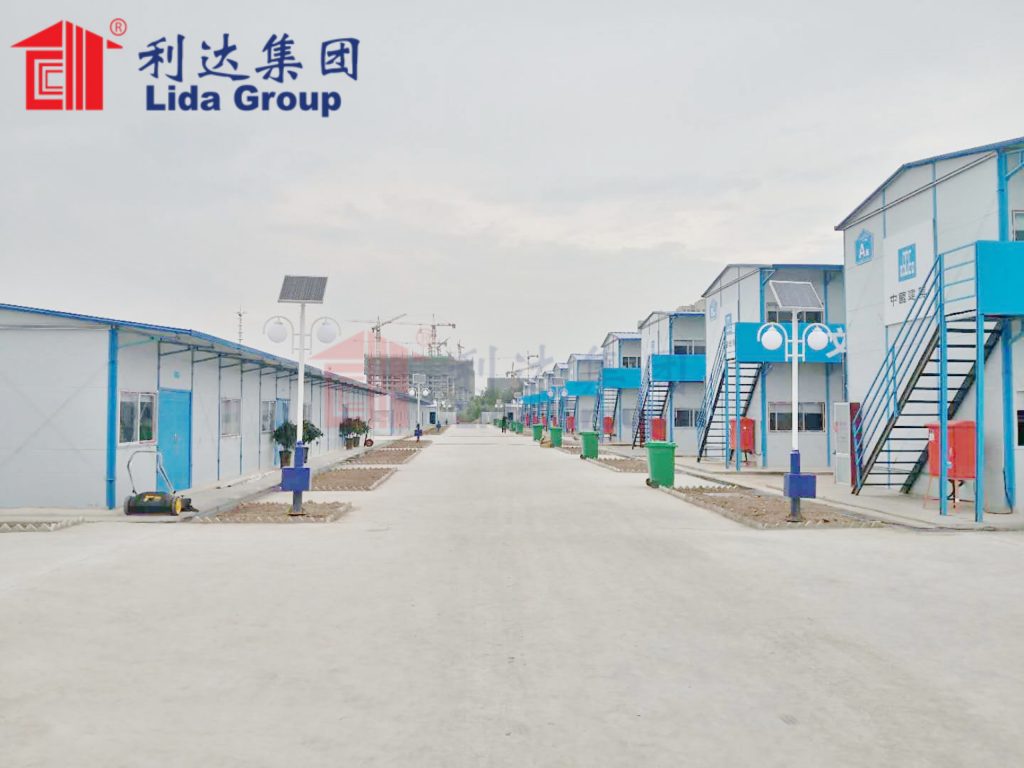
2. Technical Characteristics of Easy-Install Sandwich Panels
2.1 Core Material Performance and Selection
The core material is the backbone of sandwich panel performance, with each option tailored to specific project requirements. Below is a breakdown of common core materials and their technical attributes:
-
Polyurethane (PU)/Polyisocyanurate (PIR): The most widely used core materials for commercial and residential projects, PU/PIR cores offer exceptional thermal efficiency (thermal conductivity: 0.022–0.023 W/(m·K)) and compressive strength (≥150 kPa). They are resistant to extreme temperatures (-50°C to +120°C), meet global fire safety standards (ASTM E84 Class A, Euroclass B-S1, d0), and pair with PVDF-coated steel facings for UV and corrosion resistance—ideal for coastal or harsh environments. Panels with PU/PIR cores typically weigh 12–15 kg/m², enabling easy handling and installation.
-
Expanded Polystyrene (EPS): A cost-effective option for low-rise residential, temporary, and agricultural projects. EPS cores provide moderate thermal insulation (0.038–0.042 W/(m·K)) and lightweight construction (panel weight: 8–10 kg/m²) but have lower compressive strength (≤100 kPa) than PU/PIR. They are easy to cut on-site (if needed) and offer good sound absorption, making them suitable for workshops and storage facilities.
-
Rock Wool: Preferred for fire-critical applications (e.g., hospitals, schools, industrial facilities), rock wool cores achieve Class A fire ratings and offer superior sound insulation (sound transmission loss: 40–50 dB). With a thermal conductivity of 0.036–0.040 W/(m·K) and compressive strength of ≥120 kPa, they balance performance and safety, though their higher weight (18–22 kg/m²) requires minimal lifting equipment.
-
Bio-Based Cores: Emerging eco-friendly options, such as hemp, flax, or cellulose, offer renewable alternatives with low carbon footprints. These cores meet Greenguard Gold certification for low VOC emissions and are ideal for sustainable building projects seeking LEED or BREEAM accreditation.
2.2 Easy-Install Mechanisms and Design Features
The hallmark of modern sandwich panels is their installation-friendly design, which minimizes labor, time, and equipment needs. Key features include:
2.2.1 Interlocking Systems
Proprietary interlocking mechanisms—such as snap-fit joints, tongue-and-groove connections, or hidden bolt systems—enable panels to be joined securely without specialized tools. For example, Shanghe Panel’s snap-fit system allows a 4-person team to install 1000 square feet of wall panels in 3 hours, with joints that create an airtight seal to enhance energy efficiency. Hidden fasteners eliminate visible screws, improving aesthetics while preventing water infiltration and rust.
2.2.2 Lightweight and Precision Manufacturing
Most easy-install sandwich panels weigh 8–22 kg/m², allowing single workers to handle standard 4×8-foot panels. Factory production ensures dimensional accuracy within ±2mm, eliminating on-site cutting and waste. This precision is critical for modular assembly, where panels must align seamlessly to maintain structural integrity. For instance, the intelligent assembly garbage station in Changsha, China, used prefabricated ribbed sandwich panels with box-type bolt connections, enabling the entire structure to be built in just 7 days—with the main structure completed in 2 days.
2.2.3 Integrated Utilities and Finishes
Advanced easy-install panels come with pre-cut openings for doors, windows, and utilities, as well as factory-applied interior and exterior finishes (e.g., woodgrain, stone, or RAL-colored steel). This integration reduces on-site finishing work by up to 80%, as panels arrive ready to install with no need for additional cladding, painting, or insulation. Some manufacturers even offer panels with pre-installed electrical wiring and plumbing chases, further streamlining project timelines.
2.3 Structural Integrity and Durability
Despite their lightweight design, easy-install sandwich panels deliver exceptional structural performance. When paired with light steel framing, they can withstand wind loads up to 120 km/h, snow loads up to 2.5 kPa, and seismic activity up to magnitude 8.0—making them suitable for disaster-prone regions. Anti-corrosion treatments, such as galvanization and PVDF coatings, extend service life to 50+ years, even in coastal or high-humidity environments. The Changsha garbage station project, for example, uses panels with multi-layer anti-corrosion technology, ensuring durability against daily wear and environmental exposure.

3. Core Advantages: How Easy-Install Sandwich Panels Revolutionize Projects
3.1 Unmatched Construction Efficiency
The most transformative benefit of easy-install sandwich panels is their ability to compress project timelines. Factory prefabrication eliminates weather delays, material shortages, and on-site errors, while rapid assembly reduces construction time by 50–70% compared to traditional methods. A 300-square-meter residential project using sandwich panels can be fully assembled in 3–5 days, compared to 4–6 weeks for brick-and-mortar construction. The Changsha garbage station exemplifies this efficiency: from foundation preparation to final commissioning, the project took just 7 days, a fraction of the 4–6 weeks required for conventional construction.
This speed translates to earlier project completion and occupancy, reducing financing costs and enabling faster revenue generation for commercial projects. For emergency response efforts, the rapid deployment capability is invaluable—sandwich panel shelters can be manufactured, transported, and assembled in 48–72 hours to support disaster-stricken communities.
3.2 Significant Cost Savings
Easy-install sandwich panels deliver cost savings across the entire project lifecycle. In the construction phase, reduced labor requirements (60% less labor than traditional methods) and minimal waste (scrap rates below 5%, compared to 15–20% for on-site construction) lower direct costs by 20–30%. The Changsha project, for instance, achieved 30% cost savings by eliminating wet construction, reducing material waste to near-zero, and requiring only a small installation team.
Operational cost savings are equally impactful. The high thermal efficiency of sandwich panels reduces heating and cooling costs by 30–40% annually. Durable materials and low-maintenance designs cut routine upkeep expenses by 50% compared to traditional buildings. Additionally, the modular and reusable nature of panels allows for disassembly and relocation, extending their value beyond a single project and reducing lifecycle costs.
3.3 Superior Sustainability and Environmental Performance
As the construction industry strives for carbon neutrality, easy-install sandwich panels emerge as a sustainable solution. Their factory production minimizes on-site emissions, while the use of recycled materials (e.g., 100% recyclable steel facings, recycled EPS cores) reduces environmental impact. The Changsha garbage station used dry construction methods, generating no construction waste and aligning with China’s green building standards.
Life-cycle assessment (LCA) studies show that sandwich panel buildings reduce carbon emissions by 35–50% compared to traditional structures. This is achieved through reduced transportation emissions (lightweight panels require fewer shipments), lower energy consumption during operation, and circular economy design—panels can be disassembled, reused, or recycled at the end of their lifespan. Many panels also meet green building certifications, including LEED Silver, BREEAM Very Good, and China’s GB/T 50378 standard.
3.4 Exceptional Design Flexibility
Gone are the days of “cookie-cutter” prefabricated buildings. Easy-install sandwich panels offer unparalleled design versatility, supporting diverse architectural styles, sizes, and configurations. Panels are available in custom lengths (up to 14 meters), widths, and finishes (over 20 RAL colors, woodgrain, stone, or metallic textures), allowing projects to match aesthetic requirements. Modular design enables vertical and horizontal expansion—single-story structures can be expanded into multi-story buildings, and interior layouts can be reconfigured by modifying panel placements.
This flexibility is particularly valuable for urban projects with limited space, where panels can be stacked to maximize density, or rural projects with unique site conditions. For example, eco-resorts use curved sandwich panels to blend with natural landscapes, while urban pop-up stores leverage lightweight panels for quick, customizable installations.
3.5 Enhanced Occupant Comfort and Safety
Easy-install sandwich panels prioritize occupant well-being through superior insulation, soundproofing, and safety features. The airtight envelope created by interlocking joints eliminates drafts and maintains consistent indoor temperatures, reducing cold spots and mold growth. Rock wool and PU/PIR cores provide excellent sound insulation, reducing external noise by 40–50 dB—critical for residential, educational, and healthcare projects.
Fire safety is another key advantage. Rock wool and fire-retardant PU/PIR cores meet strict global fire standards, slowing flame spread and producing minimal smoke. The Changsha garbage station, which handles flammable waste, uses fire-resistant sandwich panels to mitigate fire risks. Additionally, low-VOC materials and factory-controlled production ensure better indoor air quality, making sandwich panel buildings suitable for sensitive applications like hospitals and schools.
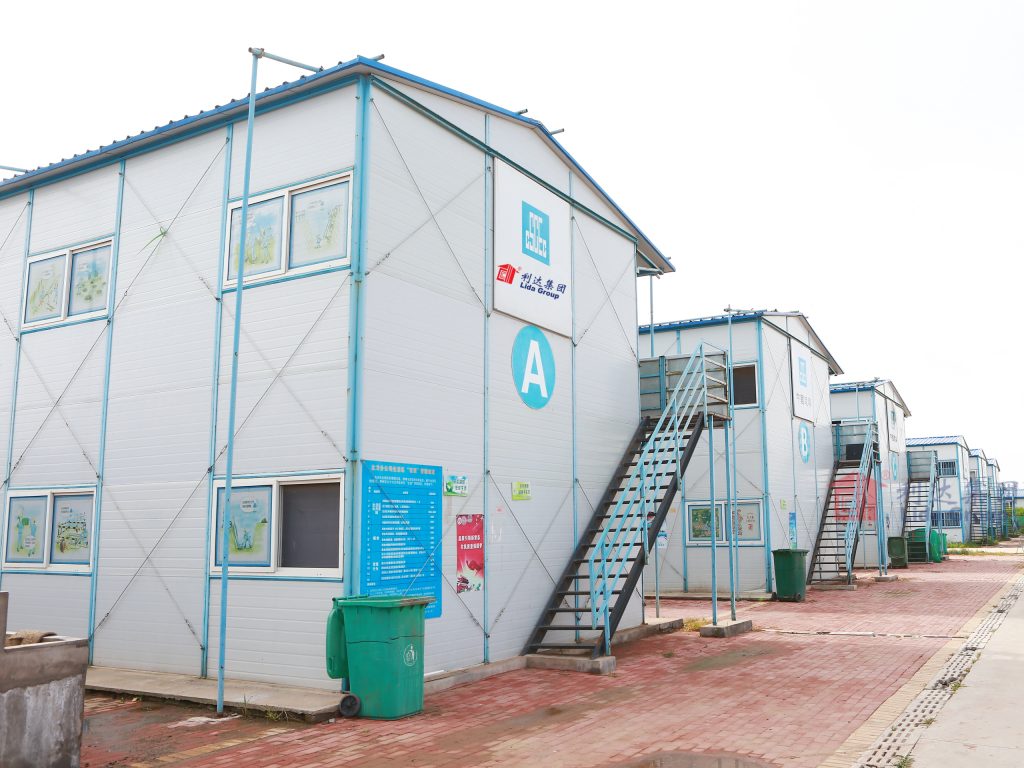
4. Application Scenarios: Transforming Diverse Projects
4.1 Residential Construction
Easy-install sandwich panels are reshaping residential projects, from affordable housing to luxury homes. In urban areas, they enable the rapid construction of micro-apartments, student dormitories, and affordable housing complexes—addressing global housing shortages. For example, a 500-unit affordable housing project in China used sandwich panels to complete construction in 4 months, compared to 12 months for traditional methods, with 25% cost savings and 30% lower utility bills for residents.
In rural and suburban areas, sandwich panels are ideal for vacation homes, farmhouses, and off-grid residences. Their lightweight design simplifies transportation to remote locations, while energy-efficient cores and compatibility with solar panels enable net-zero energy operation. Homeowners benefit from customizable designs, fast installation, and low maintenance, making sandwich panels a popular choice for self-build projects.
4.2 Commercial and Industrial Projects
Commercial and industrial sectors leverage easy-install sandwich panels for their speed, durability, and cost-effectiveness. Warehouses, factories, and logistics centers use large-format panels to cover expansive spaces quickly—Tesla’s Berlin Gigafactory used sandwich panels to reduce construction time by 40%, while Walmart warehouses report 40% lower energy costs due to thermal-efficient panels. Retailers use modular sandwich panels for pop-up stores and exhibition booths, enabling quick setup and relocation to test markets or capitalize on seasonal demand.
Office buildings benefit from flexible layouts and soundproofing, with panels that can be reconfigured as workspace needs change. Restaurants and hospitality venues use decorative panels to create unique atmospheres, while maintaining easy maintenance and hygiene standards.
4.3 Municipal and Public Infrastructure
Municipal projects increasingly adopt easy-install sandwich panels for their efficiency and sustainability. The Changsha intelligent garbage station is a prime example—its 7-day construction timeline minimized disruption to the surrounding campus, while dry construction eliminated waste and noise. Similar projects, including public toilets, community centers, and bus shelters, use sandwich panels to deliver cost-effective, durable infrastructure.
Schools and hospitals also benefit from sandwich panels’ rapid deployment and safety features. A primary school in Southeast Asia used sandwich panels to rebuild after a natural disaster, completing construction in 2 weeks and providing safe, comfortable classrooms for 500 students. Hospitals use fire-resistant and soundproof panels to create sterile, quiet environments for patient care.
4.4 Emergency and Humanitarian Housing
Easy-install sandwich panels are a lifeline in emergency response, enabling rapid deployment of shelters, clinics, and command centers. After a category 5 hurricane in Central America, 500 sandwich panel shelters were manufactured, transported, and assembled in 3 weeks, housing over 2,000 displaced people. The shelters were durable enough to withstand subsequent tropical storms and reusable for future disasters.
Humanitarian organizations value the panels’ portability—they can be transported by truck, ship, or aircraft to remote regions—and ease of installation, which requires no specialized labor. Emergency clinics built with sandwich panels include pre-installed medical equipment and energy-efficient systems, enabling healthcare workers to deliver quality care in crisis conditions.
4.5 Specialized Applications
Beyond mainstream projects, easy-install sandwich panels excel in specialized use cases. Cold storage facilities use PU/PIR-core panels to maintain sub-zero temperatures with minimal energy consumption, while coastal structures leverage corrosion-resistant facings to withstand saltwater exposure. High-altitude projects benefit from lightweight panels that simplify transportation, and agricultural buildings (e.g., greenhouses, barns) use panels to control temperature and humidity.
Military applications also use sandwich panels for barracks, command centers, and field hospitals, thanks to their portability, durability, and security features. The panels can be quickly assembled and disassembled as military needs change, providing flexible, secure infrastructure in remote locations.
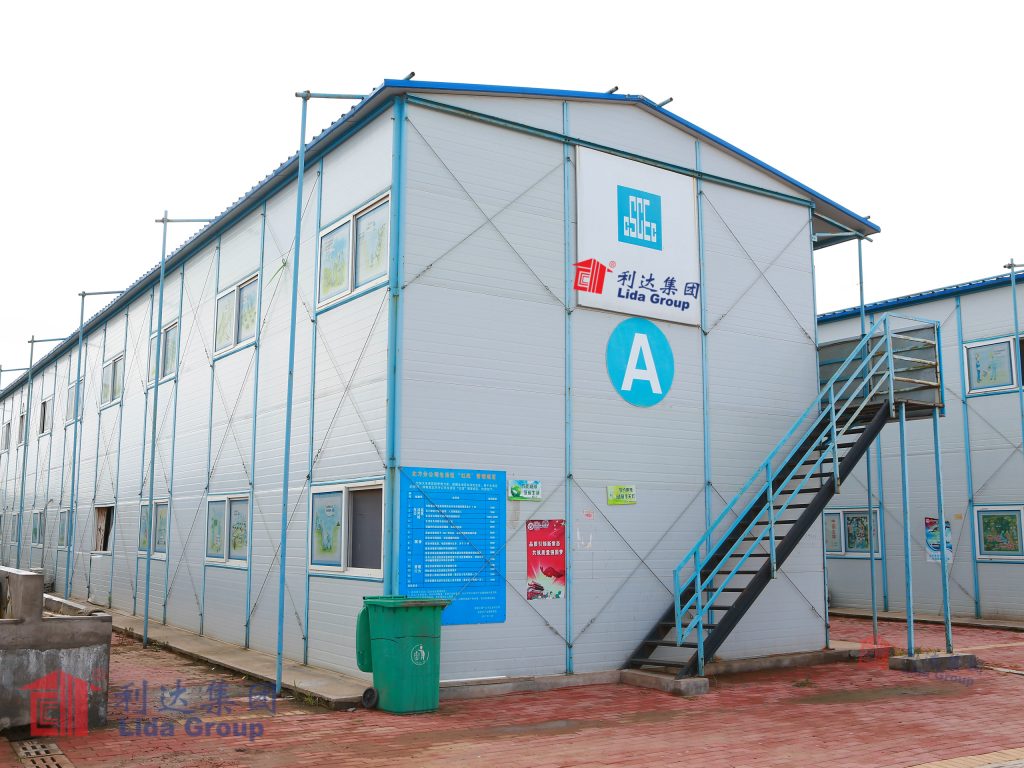
5. Case Studies: Real-World Project Transformations
5.1 Changsha Intelligent Garbage Station, China
Located at Changsha Commerce and Tourism Vocational and Technical College, this project demonstrates how easy-install sandwich panels revolutionize municipal infrastructure. Developed by Hunan Chengyou Green Building Technology Co., Ltd., the garbage station uses prefabricated ribbed sandwich panels with high-strength box-type bolt connections, insulation-sound insulation integrated technology, and lightweight high-strength concrete materials. The entire project—from foundation to interior finishing—was completed in just 7 days, with the main structure erected in 2 days.
Key outcomes include zero construction waste (thanks to dry construction), 30% cost savings compared to traditional methods, and excellent energy efficiency. The station’s sandwich panel envelope maintains stable internal temperatures, reducing energy consumption for waste treatment. The panels’ durability and anti-corrosion design ensure long-term performance in a high-traffic, high-moisture environment. This project has become a model for sustainable, rapid-deployment municipal infrastructure in China.
5.2 European Eco-Resort Development
A luxury eco-resort in Southeast Asia partnered with a leading sandwich panel manufacturer to build 40 beachfront villas, a main lodge, spa, and restaurant on a remote island. Traditional construction was logistically challenging and environmentally disruptive, so the team selected easy-install sandwich panels for their minimal site impact, rapid deployment, and design flexibility.
Panels with PU/PIR cores and recycled steel facings were manufactured in mainland Asia and shipped to the island. A team of 8 workers assembled the entire resort in 12 weeks, with each villa featuring custom open-plan layouts, large windows for natural light, and private balconies. The panels were finished in woodgrain textures to blend with the natural landscape, while integrated solar panels and rainwater harvesting systems enabled net-zero energy operation. The resort opened 6 months ahead of schedule, generating early revenue, and has since expanded with 10 additional villas—all installed in 2 weeks using the same sandwich panel system.
5.3 North American Industrial Warehouse
A major logistics company in the United States sought to build a 10,000-square-meter warehouse with tight deadlines and sustainability goals. The project team selected easy-install PU/PIR sandwich panels with PVDF-coated steel facings, citing speed, energy efficiency, and durability as key priorities. The panels featured pre-cut openings for loading docks and windows, as well as integrated electrical conduits, reducing on-site work.
Installation took just 3 weeks—70% faster than traditional steel-framed warehouses—with a 5-person team handling assembly. The warehouse achieved LEED Silver certification, with 40% lower energy costs due to the panels’ thermal efficiency. The hidden fastener system improved aesthetics and prevented water infiltration, ensuring durability in the region’s harsh winters. Post-construction, the company reported 25% lower total project costs and plans to use sandwich panels for all future warehouse expansions.
6. Market Trends and Future Outlook
6.1 Global Market Growth Drivers
The global easy-install sandwich panel market is poised for robust growth, driven by urbanization, sustainability mandates, and labor shortages. According to industry reports, the global prefabricated sandwich panel market is projected to reach $38.7 billion by 2030, growing at a CAGR of 6.2%. Key drivers include:
-
Government Policies: Governments worldwide are promoting prefabricated and green construction. China’s 14th Five-Year Plan targets 30% of new buildings using prefabricated methods by 2025, while the EU’s Green Deal mandates 55% carbon reductions in construction by 2030—creating strong demand for energy-efficient sandwich panels.
-
Labor Shortages: The global construction industry faces a projected shortage of 10 million workers by 2030. Easy-install sandwich panels reduce labor requirements by 60%, making them an attractive solution for contractors struggling to find skilled labor.
-
Urbanization: 68% of the world’s population will reside in cities by 2050, driving demand for rapid, space-efficient building solutions. Sandwich panels enable high-density, affordable housing and commercial projects in urban areas.
6.2 Emerging Innovations
The future of easy-install sandwich panels is defined by continuous innovation, with three key trends shaping the industry:
-
Smart Integration: Panels are being integrated with IoT sensors, BIM digital twins, and smart control systems. These features enable real-time monitoring of energy usage, structural health, and indoor air quality, optimizing performance and reducing maintenance costs. Some manufacturers are developing self-monitoring panels that alert teams to damage or inefficiencies.
-
Advanced Materials: Research is focused on bio-based cores (e.g., hemp, algae) and self-healing materials to enhance sustainability and durability. Photovoltaic (PV) integrated panels—solar cells embedded in the panel facings—are also emerging, enabling buildings to generate renewable energy while maintaining thermal performance.
-
Automated Installation: Robotics and drones are being tested for on-site panel installation, further reducing labor requirements. Factory automation is also advancing, with AI-powered production lines that optimize panel design and manufacturing for specific projects.
6.3 Challenges and Opportunities
Despite strong growth prospects, the market faces challenges. Regulatory barriers—such as inconsistent building codes for prefabricated structures in some regions—can delay projects. Consumer perceptions, with some viewing prefabricated buildings as “low-quality,” also need to be addressed. Additionally, high upfront manufacturing costs can deter small contractors.
These challenges present opportunities for innovation and education. Manufacturers are partnering with governments to develop standardized codes, while successful case studies (like the Changsha garbage station) are helping change consumer perceptions. Advances in manufacturing technology are reducing upfront costs, making sandwich panels accessible to smaller projects. Emerging markets in Asia-Pacific, Africa, and Latin America—where urbanization and infrastructure needs are greatest—offer significant growth potential for easy-install sandwich panel solutions.
7. Conclusion
Easy-install sandwich panel buildings represent a paradigm shift in construction, offering a transformative solution to the industry’s most pressing challenges—inefficiency, high costs, environmental impact, and inflexibility. By combining precision factory manufacturing, user-friendly installation mechanisms, and high-performance materials, these systems revolutionize project timelines, costs, and sustainability, delivering value across residential, commercial, municipal, and emergency applications.
Real-world case studies—from the 7-day Changsha garbage station to the luxury European eco-resort—demonstrate that easy-install sandwich panels are not just a niche solution but a mainstream alternative to traditional construction. Their ability to reduce time, costs, and environmental impact while enhancing design flexibility and safety makes them indispensable for modern projects.
As the industry evolves, driven by sustainability goals, labor shortages, and urbanization, easy-install sandwich panels will play an increasingly central role. Emerging innovations in smart technology, advanced materials, and automation will further enhance their performance, making them even more versatile and accessible. For contractors, developers, and governments seeking to deliver projects faster, cheaper, and more sustainably, easy-install sandwich panels are not just a building solution—they are a catalyst for transformation.
The future of construction is efficient, sustainable, and flexible—and easy-install sandwich panel buildings are leading the way. By embracing this technology, projects can transcend traditional limitations, delivering exceptional results that benefit both stakeholders and the planet.
Related news
-
Lida Group Introduces Next-Generation Modern Mobile Construction
2026-01-06 13:51:21
-
Innovative Prefab House Features Easy Install Sandwich Panel System
2026-01-06 13:34:03
-
Modern Mobile Construction Solutions Redefine Building Speeds
2026-01-05 17:30:56
contact us
- Tel: +86-532-88966982
- Whatsapp: +86-13793209022
- E-mail: sales@lidajituan.com
