



Reimagine Rural Living with Steel Structure Building Designs
2026-Feb-13 17:04:43
By Admin
Rural living has long been associated with traditions, simplicity, and a deep connection to nature. For centuries, rural communities around the world have built homes and public spaces using locally available materials—wood, clay, brick, and stone—shaped by the region’s climate, culture, and craftsmanship. These structures, while steeped in heritage, often struggle to meet the evolving needs of modern rural dwellers. Today, as urbanization slows and more people seek refuge from the chaos of city life, there is a growing demand to reimagine rural living: preserving its inherent charm while integrating comfort, sustainability, resilience, and functionality. One innovation that is reshaping rural landscapes and lifestyles is the adoption of steel structure building designs. Far from the cold, industrial connotations often linked to steel, modern steel structures offer a versatile, eco-friendly, and cost-effective solution to redefine rural homes, community spaces, and agricultural facilities. This article explores how steel structure building designs can transform rural living, examining their advantages, practical applications, real-world case studies, challenges, and future prospects, ultimately demonstrating their potential to create vibrant, sustainable, and livable rural communities for the 21st century.
1. The Current State of Rural Living and the Need for Innovation
Rural areas are the backbone of many economies, providing food, natural resources, and cultural heritage. However, rural communities globally face a host of challenges that hinder their development and quality of life—many of which are closely tied to the limitations of traditional building methods. In developing countries, rural homes often lack basic amenities such as proper insulation, ventilation, and structural safety, making them vulnerable to extreme weather events like earthquakes, floods, and hurricanes. In developed countries, rural housing stock is often outdated, inefficient, and expensive to maintain, while rural communities struggle with aging infrastructure and a lack of modern public spaces that foster social connection.
Traditional rural buildings, typically constructed from wood, brick, or adobe, have several inherent flaws that make them ill-suited for modern rural living. Wood-framed structures are prone to rot, termite infestation, and fire, requiring frequent maintenance and replacement. Brick and adobe buildings are heavy, time-consuming to construct, and have poor thermal insulation, leading to high energy costs for heating and cooling. Moreover, these materials are often sourced locally in unsustainable ways—deforestation for wood, soil erosion for adobe, and high carbon emissions from brick manufacturing—contributing to environmental degradation.
Compounding these issues is the global trend of “reverse urbanization,” where urban residents are moving to rural areas seeking a quieter, more sustainable lifestyle, and rural communities are striving to retain their youth by offering better living conditions and economic opportunities. This shift has created a demand for homes and spaces that are both rooted in rural traditions and equipped with modern comforts: open floor plans, energy efficiency, smart home integration, and flexible spaces that can adapt to changing needs (e.g., home offices, guest rooms, or small-scale agricultural operations). Traditional building methods struggle to meet these demands, as they are inflexible, slow, and often incompatible with modern design principles.
Additionally, rural communities are increasingly vulnerable to the impacts of climate change. Extreme weather events—more frequent and intense storms, droughts, and wildfires—require buildings that are resilient and durable. Traditional structures often fail to withstand these events, leading to costly damage, displacement, and loss of life. There is an urgent need for building solutions that are not only sustainable but also resilient, capable of protecting rural residents and their livelihoods in the face of climate uncertainty.
Steel structure building designs address these challenges head-on. By combining strength, versatility, and sustainability, steel structures offer a way to reimagine rural living—creating homes and spaces that are safe, comfortable, eco-friendly, and adaptable, while preserving the unique character and charm of rural communities. As we will explore in the following sections, steel is not just a building material; it is a catalyst for rural revitalization.
2. The Advantages of Steel Structure Buildings for Rural Living
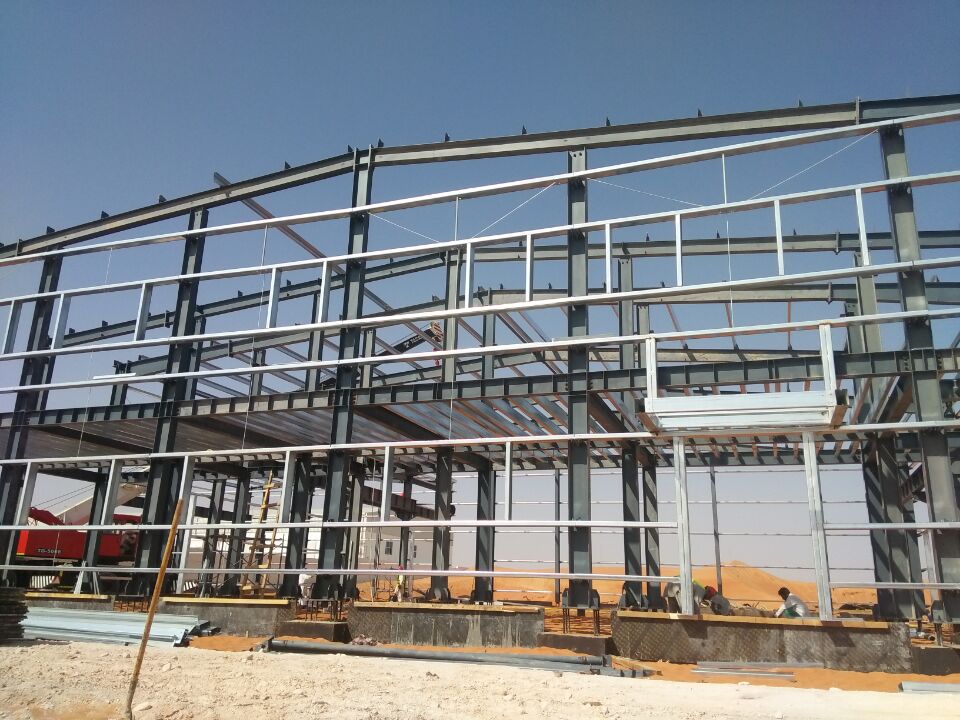
Steel has long been a staple in urban construction, used for skyscrapers, bridges, and industrial facilities, thanks to its strength, durability, and versatility. However, its application in rural areas has been limited by misconceptions—namely, that steel is cold, impersonal, and expensive. Modern advances in steel manufacturing and design have dispelled these myths, making steel an ideal material for rural construction. Below are the key advantages of steel structure buildings for rural living, each tailored to address the unique needs and challenges of rural communities.
2.1 Strength and Resilience: Protecting Rural Livelihoods
One of the most critical advantages of steel structures is their exceptional strength and resilience. Steel is a high-tensile material, meaning it can withstand heavy loads, extreme weather, and natural disasters far better than traditional materials. For rural communities, which are often located in remote areas prone to storms, earthquakes, floods, and wildfires, this resilience is life-saving.
Unlike wood, steel is fire-resistant—steel frames do not burn, warp, or collapse in the event of a wildfire, protecting homes and the people inside. In wildfire-prone regions, such as rural Australia, California, or the Mediterranean, steel structures can be paired with fire-resistant cladding (e.g., fiber cement, stone, or metal) to create homes that are nearly impervious to wildfires. Similarly, steel is resistant to water damage, rot, and termite infestation, eliminating the need for frequent maintenance and replacement—critical for rural residents who may not have easy access to construction services.
Steel structures are also highly earthquake-resistant. Unlike rigid brick or concrete structures, steel frames are flexible, able to bend and absorb seismic energy without collapsing. This is particularly important for rural communities in earthquake-prone zones, such as rural China, Nepal, or Turkey, where traditional homes often crumble during earthquakes, leading to high casualty rates. According to data from the China Iron and Steel Association, light steel structure houses can withstand magnitude 8 or higher earthquakes without collapsing, providing a crucial safety net for rural residents in high-risk areas. For example, after the 2023 Gansu Jishishan earthquake, 83% of the 18,000 resettlement houses planned by the local government were steel structure buildings, highlighting their reliability in disaster recovery.
2.2 Versatility and Flexibility: Adapting to Rural Needs
Rural living demands flexibility. Rural homes often need to serve multiple purposes: a home office for remote work, a guest room for visiting family, a storage space for agricultural equipment, or a small workshop for artisanal crafts. Steel structures are inherently flexible, allowing for open floor plans, modular designs, and easy modifications—something that traditional brick or wood structures cannot match.
Steel frames are lightweight yet strong, eliminating the need for load-bearing walls. This means rural homeowners can design open, airy spaces that flow seamlessly, with the ability to reconfigure rooms as their needs change. For example, a large open living area can be divided into a home office and a playroom using non-load-bearing partitions, or a garage can be converted into a guest room or workshop with minimal modifications. This flexibility is particularly valuable for rural families, whose needs often evolve over time (e.g., growing families, changing livelihoods).
Modular steel construction takes this flexibility a step further. Modular steel homes are built in prefabricated sections (modules) in a factory, then transported to the rural site and assembled on-site. These modules can be combined in countless ways to create homes of different sizes and layouts—from small cottages to large family homes. Modular construction also allows for easy expansion: if a family needs more space, additional modules can be added without disrupting the existing structure. This is ideal for rural areas, where land is often abundant and families may want to expand their homes over time.
Moreover, steel structures are not limited to homes. They can be used to build a wide range of rural spaces, including barns, sheds, greenhouses, community centers, schools, and clinics. For example, a steel-framed barn can be designed to accommodate livestock, hay storage, and farm equipment, with high ceilings and wide doorways for easy access. A steel-framed community center can be built with open spaces for meetings, events, and classes, as well as smaller rooms for offices or healthcare services. This versatility makes steel structures a one-stop solution for rural community development.
2.3 Sustainability and Eco-Friendliness: Preserving Rural Landscapes
Rural communities have a deep connection to nature, and sustainability is often a top priority for rural residents. Steel structure buildings are inherently sustainable, offering several environmental benefits over traditional building methods—making them an ideal choice for eco-conscious rural living.
First, steel is 100% recyclable. Unlike wood, brick, or concrete, which degrade over time and end up in landfills, steel can be recycled indefinitely without losing its strength or quality. In fact, nearly 90% of all steel used in construction is recycled, making steel one of the most recycled materials in the world. This reduces the demand for virgin steel production, which is energy-intensive and emits large amounts of carbon dioxide. For rural communities, this means less environmental impact—fewer trees cut down for wood, less soil erosion from adobe production, and lower carbon emissions from construction.
Second, steel structures are energy-efficient. Steel frames have excellent thermal conductivity, but when paired with modern insulation materials , they can create homes that are highly energy-efficient, reducing heating and cooling costs. For example, steel homes with proper insulation can have energy bills up to 40% lower than traditional wood or brick homes. This is particularly valuable for rural residents, who may live in areas with extreme temperatures and limited access to affordable energy. According to practical experience, steel farmhouses using insulated sandwich panel technology can reduce winter heating energy consumption by 65%, and can even achieve energy self-sufficiency when combined with photovoltaic roof technology.
Third, steel construction is less disruptive to rural landscapes. Traditional construction methods require extensive on-site work—digging, mixing concrete, cutting wood—which can disturb soil, damage vegetation, and pollute local water sources. Steel construction, particularly modular steel construction, minimizes on-site disruption. Most of the building work is done in a factory, so on-site work is limited to foundation preparation and module assembly. This reduces noise, dust, and pollution, preserving the natural beauty of rural areas and protecting local ecosystems.
Additionally, steel structures have a long lifespan—often 50 to 100 years or more—far longer than traditional wood or brick structures (which typically last 20 to 30 years). This means fewer resources are used for building replacement, reducing the environmental impact over time. Steel’s durability also means less maintenance, which reduces the use of toxic chemicals (e.g., wood preservatives, paint) that can harm the environment.
2.4 Cost-Effectiveness: Accessible for Rural Communities
A common misconception about steel structures is that they are expensive. While the initial cost of steel construction may be slightly higher than traditional wood or brick construction in some cases, the long-term cost savings make steel structures more cost-effective for rural communities. This is particularly important for rural residents, who often have limited incomes and may struggle to afford expensive construction or maintenance costs.
First, steel construction is faster than traditional construction. Modular steel homes can be assembled on-site in a matter of weeks, compared to months for traditional homes. This reduces labor costs, as fewer workers are needed on-site for a shorter period of time. In rural areas, where labor is often scarce and expensive, this can result in significant cost savings. For example, a pilot project in Shandong Province showed that farmers could move into their steel homes in just 52 days from foundation construction, which was 60% more efficient than traditional brick-concrete structures. Steel structures require only half the labor of traditional construction methods, which is particularly advantageous in rural areas where young people are migrating and labor costs are rising.
Second, steel structures require minimal maintenance. Unlike wood structures, which need to be painted, stained, or treated for termites every few years, steel structures are resistant to rot, termites, and corrosion (when properly coated), requiring little to no maintenance over their lifespan. This eliminates the ongoing maintenance costs associated with traditional homes, saving rural residents money in the long run. It is estimated that the long-term maintenance cost of steel structures can be reduced by about 40% compared to traditional buildings.
Third, steel structures are durable, reducing the need for repairs or replacement. Traditional wood or brick homes often require major repairs after 10 to 15 years (e.g., replacing rotted wood, fixing cracked brickwork), which can be costly. Steel structures, on the other hand, can last for decades without major repairs, making them a more cost-effective investment. Additionally, the recyclability of steel means that at the end of its lifespan, the steel frame can be sold for scrap, providing a return on investment that traditional materials cannot match—steel recycling value can reach more than 60% of the initial cost.
Finally, government incentives and subsidies are often available for sustainable construction, including steel structures. In many countries, rural residents can access grants, tax breaks, or low-interest loans to build energy-efficient, sustainable homes. For example, in China, more than 20 provinces have introduced targeted subsidy policies: Jiangsu Province provides a reward of 200 yuan per square meter for rural steel structure homes, and Yunnan Province implements a “steel instead of brick” plan in high earthquake-risk areas, with a maximum subsidy of 50,000 yuan per household. These incentives can help offset the initial cost of steel construction, making it more accessible for rural communities.

3. Practical Applications of Steel Structure Designs in Rural Living
Steel structure building designs are not a one-size-fits-all solution—they can be tailored to meet the unique needs, traditions, and landscapes of different rural communities. From small cottages to large family homes, from barns to community centers, steel structures can be adapted to a wide range of rural uses. Below are some practical applications of steel structure designs in rural living, highlighting how they can transform rural homes and spaces while preserving rural charm.
3.1 Rural Homes: Blending Tradition and Modernity
Rural homes are more than just places to live—they are a reflection of rural culture and traditions. Steel structure homes can be designed to blend seamlessly with rural landscapes and traditional architectural styles, while offering modern comforts and flexibility. For example, in rural Europe, steel-framed homes are often clad in stone, wood, or tile—materials that are traditional to the region—creating a rustic, charming appearance that fits in with the surrounding countryside. The steel frame is hidden beneath the cladding, so the home looks like a traditional rural cottage, but with all the benefits of steel construction (strength, energy efficiency, flexibility).
In rural China, steel-framed homes are often designed with traditional features such as sloped roofs, wooden balconies, and courtyard gardens, reflecting the country’s rural architectural heritage. The Lunan Village Coffee Kiln Roasting Restaurant is a typical example of transforming an idle steel structure into a rural space with local aesthetics: the design adopts a gentle sloping roof to weaken the industrial sense of the building, fits harmoniously with the distant mountains and skyline of Lunan Village, uses pure white as the main color for the facade, and adorns it with wooden window frames to balance the coldness of the steel structure and add a warm rural texture. Large windows are designed on the side facing the mountain scenery to introduce pastoral and village views into the room, creating a visual connection and interaction between the building and nature.
Modular steel homes are particularly popular for rural families, as they can be customized to meet specific needs. For example, a small modular steel home (50-80 square meters) is ideal for a single person or a couple, with an open living area, a bedroom, a bathroom, and a small kitchen. A larger modular home (100-150 square meters) can accommodate a family of four or five, with multiple bedrooms, a home office, a playroom, and a garage. The INSDAG Initiative in India has developed several rural building design models using structural steel, including a 350-square-foot unit house, which is compact and practical, suitable for rural families’ living needs. The interior of steel homes can be designed with modern finishes—wooden floors, stone fireplaces, and large windows—that add warmth and charm, dispelling the myth that steel homes are cold and impersonal.
Smart home integration is another feature that can be easily incorporated into steel homes. Steel frames can support the installation of smart home systems, such as thermostats, lighting, security cameras, and solar panels, making rural homes more comfortable, convenient, and energy-efficient. For example, a smart thermostat can automatically adjust the temperature based on the weather and the residents’ habits, reducing energy costs. Solar panels installed on the roof of a steel home can generate electricity, providing a sustainable energy source for rural residents who may not have access to the grid or who want to reduce their reliance on fossil fuels.
3.2 Agricultural Facilities: Enhancing Rural Livelihoods
Agriculture is the backbone of rural economies, and steel structures can play a crucial role in enhancing agricultural productivity and efficiency. Steel-framed agricultural facilities—barns, sheds, greenhouses, and storage facilities—are stronger, more durable, and more flexible than traditional wooden or concrete facilities, making them ideal for rural farmers.
Steel-framed barns are designed to withstand heavy loads, such as hay bales, livestock, and farm equipment. They can be built with wide doorways and high ceilings, making it easy to move equipment in and out. Steel barns are also resistant to fire, water, and pests, protecting livestock and agricultural products from damage. For example, a steel-framed barn can be designed to accommodate cows, horses, or chickens, with separate areas for feeding, milking, and nesting. The INSDAG Initiative has also designed a 1,500-square-foot meeting/panchayat hall and a 2,600-square-foot school building using steel frames, which can also be adapted for agricultural product processing and storage when needed.
Steel-framed greenhouses are another valuable application for rural farmers. Greenhouses allow farmers to grow crops year-round, regardless of the weather, increasing their yield and income. Steel frames are ideal for greenhouses because they are lightweight, strong, and corrosion-resistant—able to withstand the weight of glass or plastic panels and the elements. Steel-framed greenhouses can be designed in various sizes, from small backyard greenhouses to large commercial greenhouses, and can be equipped with ventilation systems, irrigation systems, and heating systems to create the optimal growing conditions for crops.
Steel-framed storage facilities are also essential for rural farmers, who need to store grain, seeds, fertilizers, and farm equipment. These facilities are designed to be airtight and moisture-proof, protecting stored products from mold, pests, and damage. Steel storage facilities can be built in various shapes and sizes, depending on the farmer’s needs, and can be easily expanded if storage requirements increase.
3.3 Community Spaces: Fostering Rural Connection
Strong communities are the heart of rural living, and steel structures can be used to build modern, functional community spaces that foster social connection and support rural development. Steel-framed community centers, schools, clinics, and libraries are durable, flexible, and cost-effective, making them ideal for rural communities that may have limited resources.
Steel-framed community centers are designed to serve multiple purposes: meetings, events, classes, and social gatherings. They can be built with open spaces for large events (e.g., weddings, festivals) and smaller rooms for meetings or classes (e.g., adult education, craft workshops). The Lunan Village Coffee Kiln Roasting Restaurant, transformed from an idle steel structure, has broken the limitations of a “single restaurant” and become a dual hub of “rural living room + tourist experience node”. For villagers, it is a public space where the elderly drink tea and chat, and young people socialize, filling the gap of high-quality public areas in the countryside; for tourists, it is a core carrier to deeply experience the slow life of Lunan Village, becoming a “magnet” to attract external traffic. Steel community centers can also be equipped with kitchens, bathrooms, and stage facilities, making them versatile and functional.
Steel-framed schools are another important application for rural communities. Rural schools often have small class sizes and limited resources, so they need flexible spaces that can adapt to changing student numbers and educational needs. Steel-framed schools can be built with modular designs, allowing for easy expansion if the student population grows. They can also be equipped with modern classrooms, libraries, and computer labs, providing rural children with access to quality education. The INSDAG Initiative’s steel-framed school building model covers an area of 2,600 square feet, with a reasonable layout and strong practicality, suitable for rural educational scenarios.
Steel-framed clinics are essential for rural communities, which often have limited access to healthcare services. These clinics can be built with examination rooms, treatment rooms, and a pharmacy, providing basic healthcare services to rural residents. Steel clinics are durable and easy to maintain, ensuring that they can serve the community for decades. They can also be equipped with telemedicine facilities, allowing rural residents to consult with doctors in urban areas, improving access to quality healthcare.
4. Real-World Case Studies: Steel Structures Transforming Rural Communities
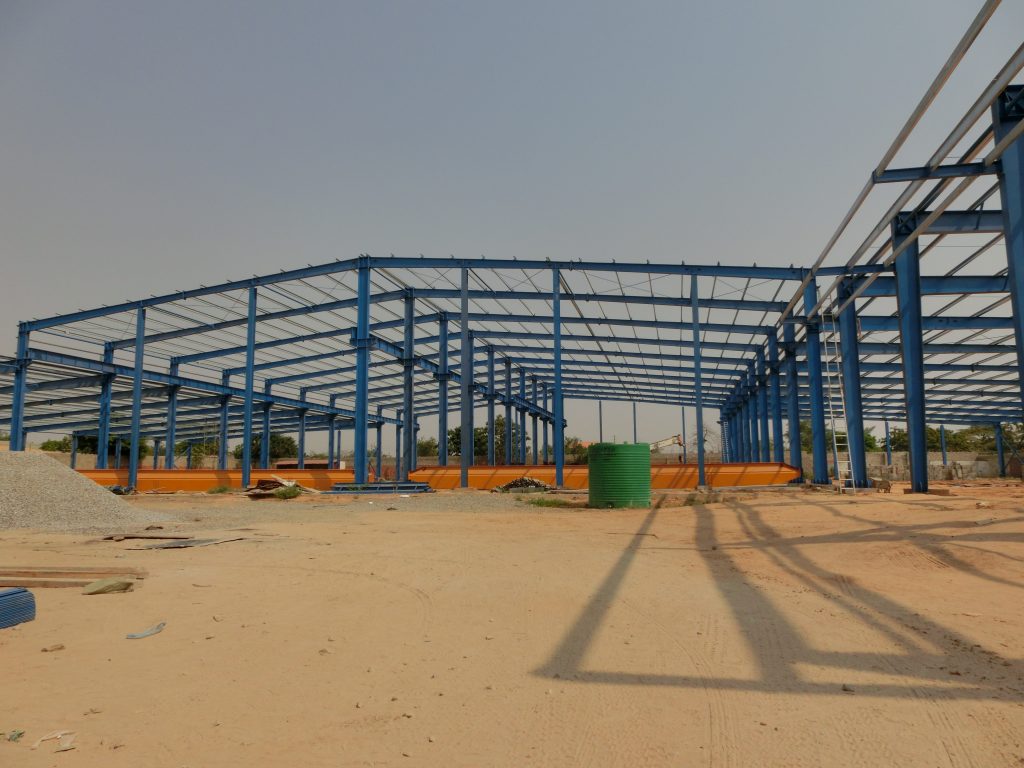
To fully understand the impact of steel structure building designs on rural living, it is helpful to examine real-world case studies from around the world. These case studies demonstrate how steel structures have transformed rural homes, agricultural facilities, and community spaces, improving the quality of life for rural residents and fostering rural revitalization.
4.1 Case Study 1: Lunan Village Coffee Kiln Roasting Restaurant, China
Located in China, Lunan Village faced the problem of idle steel structures and a lack of high-quality public spaces. To activate the idle stock assets and inject vitality into rural revitalization, the design team of China Construction Eighth Engineering Bureau First Company carried out a creative transformation of an idle steel structure, turning it into a coffee kiln roasting restaurant with rural aesthetics, which has become a new landmark of the village.
The core design idea focuses on two directions: “facade renewal” and “functional restructuring” — while retaining the stability of the original steel structure, the space is accurately adapted to the new needs of the countryside through design optimization, ultimately realizing the transformation from “idle stock” to “rural vitality engine”. In terms of appearance, the design adopts a gentle sloping roof to weaken the industrial sense of the steel structure, making the new building naturally integrate into the rural texture and avoid a sense of separation from the environment. The facade is mainly pure white, with simple and neat lines outlining the building outline, and wooden window frames are dotted to balance the cold steel structure and add a warm rural texture. Large windows are designed on the side facing the mountain scenery, using the “framed scenery” design to introduce pastoral and village views into the room, creating a visual connection and interaction between the building and nature.
In terms of landscape design, the principle of “complying with nature and integrating into nature” is always followed. The design team plans the layout according to the undulating slope and natural texture, making the landscape present a layered sense of hierarchy, which not only respects the natural landform but also strengthens the correlation between the building and the site. The transparent glass curtain wall, together with the terrace and leisure platform, breaks the boundary between indoor and outdoor space, allowing tourists to perceive the outdoor greenery indoors and enhancing the interaction frequency between people and nature. At the same time, with the green lawn as the basic landscape carrier and the distant mountains as the background, an outdoor space with both practicality (stopping and resting) and ornamental value (landscape experience) is built, adapting to the slow rural life rhythm.
The landing of this project has not only activated the idle steel structure but also filled the gap of high-quality public spaces in the village, becoming a bridge connecting villagers and tourists. It has not only improved the living environment of the village but also driven the development of rural tourism, providing a valuable reference for the renewal of rural space with steel structures.
4.2 Case Study 2: Steel Structure Rural Housing Promotion in China’s Earthquake-Prone Areas
China has many rural areas located in earthquake-prone zones, where traditional brick-concrete houses are vulnerable to collapse in earthquakes, posing a serious threat to the lives and property safety of villagers. To solve this problem, the Chinese government has actively promoted the use of steel structure rural houses in earthquake-prone areas, and many pilot projects have achieved remarkable results.
In Shandong Province, a pilot project of steel structure rural housing was carried out. Farmers only took 52 days from foundation construction to moving in, which was 60% more efficient than traditional brick-concrete structures. The steel structure houses adopted light steel frames, which could withstand magnitude 8 or higher earthquakes without collapsing, greatly improving the safety of the houses. At the same time, the walls of the steel structure houses were 15%-20% thinner than traditional houses, and the actual usable area was increased by about 10%, which could better meet the villagers’ needs for storage and agricultural machinery placement.
In Liangshan Yi Autonomous Prefecture, Sichuan Province, combined with Yi cultural elements, light steel wood grain composite houses were developed. These houses not only retained the visual characteristics of traditional “log pile houses” but also increased the seismic grade from 6 degrees to 8 degrees, realizing the integration of national culture and modern technology. Villagers said that the new steel structure houses were not only safe and comfortable but also in line with their traditional living habits, so they were very willing to accept them.
After the 2023 Gansu Jishishan earthquake, the local government planned to rebuild 18,000 resettlement houses, of which 83% were steel structure houses. These steel structure resettlement houses were built quickly, safely, and durably, allowing the affected people to move into new homes as soon as possible. At the same time, with the support of government subsidies, the cost pressure of villagers was greatly reduced, making steel structure houses popular in the affected areas.
4.3 Case Study 3: INSDAG Initiative Rural Steel Structure Models, India
To promote sustainable construction and popularize steel materials, the INSDAG Initiative in India has developed several rural building design models using structural steel, which have been applied in many rural areas of West Bengal, bringing new changes to rural living.
The initiative has designed four types of steel structure rural buildings based on the actual needs of rural communities: a 350-square-foot unit house, a 400-square-foot anganwadi-cum-health center, a 1,500-square-foot meeting/panchayat hall, and a 2,600-square-foot school building. These buildings adopt steel frames made of square hollow sections (SHS) or rectangular hollow sections (RHS), with a structural framework of 1.0m x 1.0m idealized panels, and the members are connected by insert plates, which is firm and stable.
In terms of cladding materials, 1m x 1m ferro-cement wall panels are used. Each panel is made of a 15mm thick cement-sand mortar (1:1) surface, with a layer of 0.265mm diameter galvanized chicken wire under it, and a layer of 2.65mm diameter steel mesh placed in the center at 25mm intervals in both directions. The gaps between the panels and the SHS sections are sealed with waterproof grouting to ensure no water leakage. The roof is covered with 0.5mm thick corrugated galvanized, galvalume, or color-coated steel sheets, which are lightweight, corrosion-resistant, and durable. The foundation adopts an RCC peripheral beam frame at the plinth level, supported by RCC pedestals and RCC isolated footings, which can adapt to the rural geological conditions.
These steel structure rural buildings have been put into use in rural technology parks and many villages, and have been highly recognized by villagers. The unit houses are compact and practical, suitable for small rural families; the anganwadi-cum-health center provides basic medical and child care services for villagers; the meeting/panchayat hall becomes a place for villagers to discuss village affairs and hold activities; the school building provides a safe and comfortable learning environment for rural children. These projects have proved that steel structure buildings can effectively meet the diverse needs of rural communities and promote rural development.
5. Challenges and Solutions in Promoting Steel Structure Buildings in Rural Areas
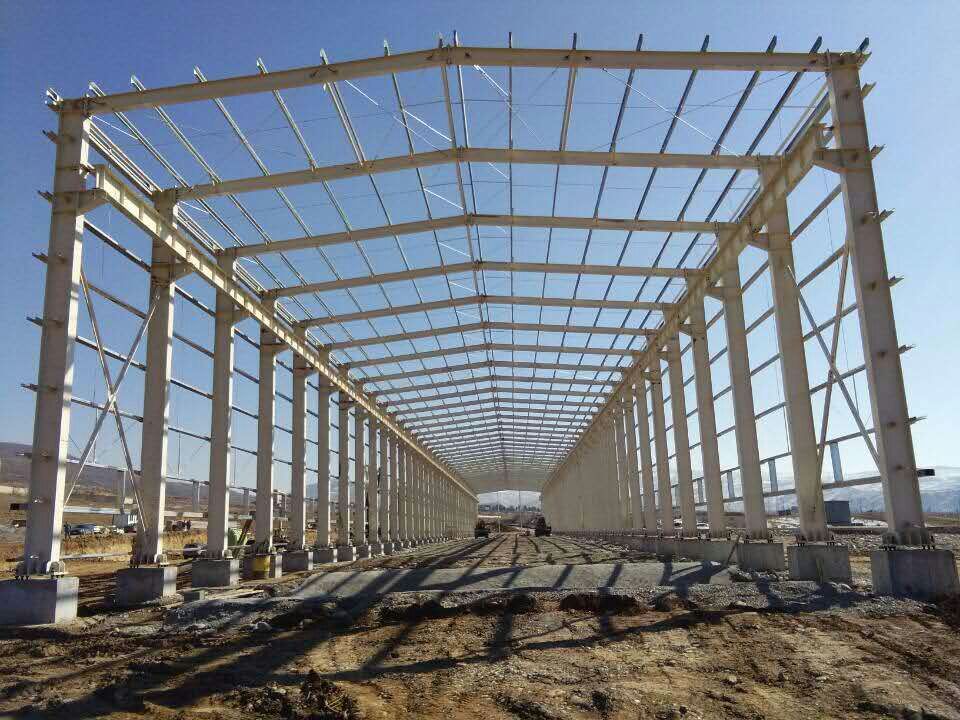
While steel structure buildings offer numerous advantages for rural living, their widespread adoption in rural areas faces several challenges—misconceptions, lack of awareness, limited access to materials and skilled labor, and cost barriers. Addressing these challenges is crucial to unlocking the full potential of steel structures to transform rural living. Below are the key challenges and practical solutions to overcome them.
5.1 Challenge 1: Misconceptions and Lack of Awareness
One of the biggest challenges in promoting steel structure buildings in rural areas is the misconception that steel is cold, impersonal, and unsuitable for rural living. Many rural residents associate steel with industrial facilities (e.g., factories, warehouses) and believe that steel homes will lack the warmth and charm of traditional homes. Additionally, there is a lack of awareness about the advantages of steel structures—strength, sustainability, flexibility, and cost-effectiveness—among rural residents, builders, and local governments.
Solution: Education and awareness-raising are key to overcoming this challenge. Local governments, non-governmental organizations (NGOs), and steel manufacturers can work together to educate rural residents about the benefits of steel structures through workshops, demonstrations, and site visits. For example, building a model steel home in a rural community allows residents to see firsthand the warmth, charm, and functionality of steel homes. Workshops for rural builders can teach them about steel construction techniques, highlighting the speed, ease, and cost savings of steel building. Additionally, marketing campaigns (e.g., brochures, social media, local radio) can showcase successful steel structure projects in rural areas, dispelling misconceptions and highlighting the benefits of steel.
In addition, AI technology can be fully utilized to allow farmers to intuitively experience the thermal insulation and seismic performance of steel structure houses, helping them better understand the advantages of steel structures and eliminate their doubts about “steel houses being cold in winter and hot in summer”.
5.2 Challenge 2: Limited Access to Materials and Skilled Labor
Rural areas are often remote, with limited access to building materials—including steel. Steel is typically produced in urban areas, and transporting steel materials to rural sites can be expensive and logistically challenging, particularly in areas with poor infrastructure (e.g., narrow roads, lack of transportation). Additionally, rural builders often lack the skills and experience needed to construct steel structures, as they are more familiar with traditional building methods (wood, brick, adobe). This lack of skilled labor can lead to poor construction quality, which undermines the credibility of steel structures.
Solution: Improving access to materials and training skilled labor is essential. Steel manufacturers can partner with local distributors to establish supply chains in rural areas, reducing transportation costs and making steel materials more accessible. In some cases, mobile steel fabrication units can be deployed to rural areas, allowing steel components to be manufactured on-site, reducing the need for transportation. In terms of labor training, vocational colleges can cooperate with production enterprises to build training bases to cultivate prefabricated building technicians, focusing on training rural builders in steel structure installation, welding, and maintenance techniques. These training programs can be funded by the government or steel manufacturers, making them accessible to rural builders. Additionally, modular steel construction can reduce the need for skilled labor on-site, as most of the work is done in a factory, and on-site assembly requires only basic skills.
In terms of industrial chain supporting facilities, steel structure industrial clusters can be laid out in conditional areas, controlling the transportation radius within 50 kilometers, reducing logistics costs, and improving the accessibility of steel materials in rural areas.
5.3 Challenge 3: Cost Barriers
While steel structures are cost-effective in the long run, the initial cost of steel construction can be a barrier for rural residents, who often have limited incomes. In some rural areas, the cost of steel materials and modular components is higher than traditional materials, particularly in areas with high transportation costs. Additionally, rural residents may not have access to financing options to cover the initial cost of steel construction, making it difficult for them to invest in steel homes.
Solution: Addressing cost barriers requires a combination of government incentives, financing options, and cost-saving measures. Governments can provide subsidies, grants, or tax breaks for rural residents who build steel homes, offsetting the initial cost. For example, as mentioned earlier, more than 20 provinces in China have introduced targeted subsidy policies, which effectively alleviate the cost pressure of rural residents to build steel structure houses. Some cities and counties also innovate land supply methods, giving priority to arranging construction land indicators for projects using prefabricated steel structures. Financial institutions can offer low-interest loans or microfinance to rural residents, allowing them to spread the cost of steel construction over time. Steel manufacturers can also work to reduce the cost of steel materials and modular components by improving production efficiency and scaling up production.
In terms of cost control, the government or relevant departments can uniformly bid for steel procurement, reducing the cost per household through “volume for price”. At the same time, optimizing the design of steel structures, adopting more economical steel types and specifications, and combining with local materials for cladding can also reduce the initial construction cost.
5.4 Challenge 4: Integration with Rural Traditions and Landscapes
Rural communities value their traditions and landscapes, and some rural residents may resist steel structures because they fear they will not fit in with the local architecture or natural environment. Steel structures that are designed without considering rural traditions and landscapes can appear out of place, undermining community acceptance.
Solution: The key to overcoming this challenge is to design steel structures that blend with rural traditions and landscapes. Steel homes and spaces should be designed to incorporate local architectural features—e.g., sloped roofs, traditional cladding materials, and cultural motifs—that are familiar to rural residents. For example, in rural areas with a tradition of wooden homes, steel homes can be clad in wood, creating a rustic appearance that fits in with the surrounding countryside. In areas with traditional stone architecture, steel homes can be clad in stone. Additionally, steel structures should be designed to minimize their impact on the natural environment—e.g., using sustainable materials, preserving trees and vegetation, and integrating with the local topography. By designing steel structures that respect rural traditions and landscapes, community acceptance can be greatly improved.
6. Conclusion: Reimagining Rural Living for the Future
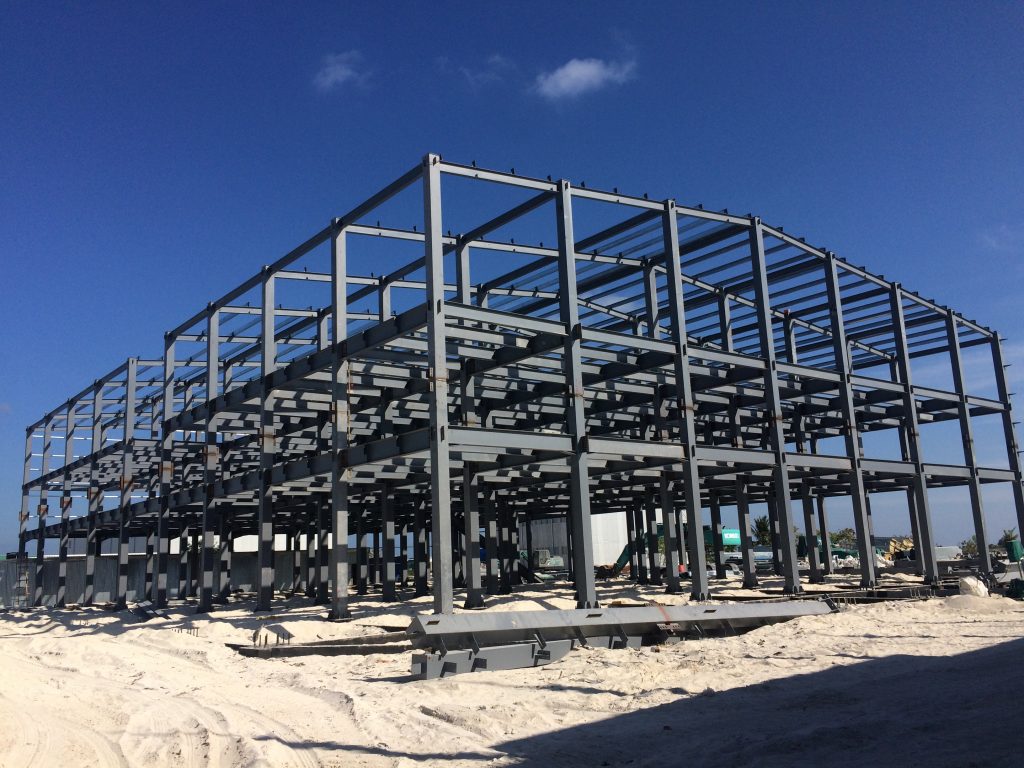
Rural living is at a crossroads. As the world grapples with urbanization, climate change, and a growing demand for sustainable lifestyles, there is an urgent need to reimagine rural homes and spaces—preserving their charm and traditions while integrating modern comforts, resilience, and sustainability. Steel structure building designs offer a powerful solution to this challenge, transforming rural living in ways that are safe, comfortable, eco-friendly, and adaptable.
As we have explored in this article, steel structures bring numerous advantages to rural living: exceptional strength and resilience, protecting rural residents from natural disasters; versatility and flexibility, adapting to the changing needs of rural families and communities; sustainability and eco-friendliness, preserving rural landscapes and reducing environmental impact; and cost-effectiveness, making modern construction accessible to rural communities. From rural homes that blend tradition and modernity to agricultural facilities that enhance productivity, to community spaces that foster connection, steel structures are reshaping rural landscapes and lifestyles around the world.
Real-world case studies—from the Lunan Village Coffee Kiln Roasting Restaurant in China, which activated idle steel structures and injected vitality into rural revitalization, to the steel structure rural housing promotion in China’s earthquake-prone areas, which improved the safety and living conditions of villagers, to the INSDAG Initiative in India, which developed practical steel structure rural building models—demonstrate the tangible impact of steel structures on rural communities. These projects prove that steel is not just a building material; it is a catalyst for rural revitalization, improving the quality of life for rural residents and fostering sustainable rural development.
Of course, promoting steel structure buildings in rural areas is not without challenges. Misconceptions, limited access to materials and skilled labor, cost barriers, and the need to integrate with rural traditions all require attention and action. However, through education and awareness-raising, improved supply chains and labor training, government incentives and financing options, and thoughtful design that respects rural traditions and landscapes, these challenges can be overcome.
Looking to the future, the potential of steel structure building designs to reimagine rural living is limitless. As technology advances, steel structures will become even more sustainable, efficient, and affordable. Modular construction will become more widespread, allowing for faster, more customizable rural homes. Smart home integration and renewable energy systems will become standard features, making rural homes more comfortable, convenient, and eco-friendly. Steel structures will also play a crucial role in addressing the impacts of climate change, providing resilient homes and spaces that protect rural residents and their livelihoods.
Ultimately, reimagining rural living with steel structure building designs is about more than just building homes—it is about creating vibrant, sustainable, and livable rural communities that honor the past while embracing the future. It is about ensuring that rural areas remain attractive places to live, work, and raise families, preserving their unique charm and contributing to a more sustainable world. With steel as a partner, we can build a future where rural living is not just a way of life, but a better way of life—for everyone.

Related news
-
High Quality Construction Defines Our Metal Frame Farmhouses
2026-02-13 16:56:24
-
Durable Metal Frame Farmhouse Solutions from Lida Group
2026-02-13 16:40:11
-
Lida Group Introduces Steel Structure Building for Modern Farmhouses
2026-02-13 16:26:11
contact us
- Tel: +86-532-88966982
- Whatsapp: +86-13793209022
- E-mail: sales@lidajituan.com
