



Rapid Deployment with Our Temporary Mobile Building Units
2025-Nov-25 17:04:47
By Admin
In a world defined by urgency—whether responding to natural disasters, supporting remote industrial projects, or addressing temporary infrastructure gaps—the ability to deploy functional buildings quickly has become a make-or-break requirement. Traditional construction methods, with their lengthy timelines, complex logistics, and reliance on on-site labor, are increasingly unable to meet these time-sensitive demands. This is where Lida Group, a three-decade leader in modular and prefabricated construction, has revolutionized the industry with its temporary mobile building units. Designed for rapid deployment without compromising quality, durability, or functionality, these units deliver turnkey solutions that can be operational in hours or days, not weeks or months.
For over 30 years, Lida Group has refined the art of rapid deployment, engineering temporary mobile buildings that balance speed with performance. Unlike conventional temporary structures that sacrifice quality for quick assembly, Lida’s units are built to industrial standards, withstanding extreme weather conditions, heavy use, and repeated relocation. From emergency shelters that provide immediate refuge after disasters to on-site offices for construction projects and remote worker accommodations for mining and oil operations, Lida’s temporary mobile units address a wide range of urgent needs across 80+ countries.
At the heart of Lida’s rapid deployment capability lies a synergistic combination of modular design, prefabricated components, streamlined logistics, and user-friendly assembly. Every aspect of these units—from their lightweight yet robust frames to their plug-and-play utility systems—is engineered to minimize deployment time while maximizing reliability. By eliminating the delays associated with on-site construction, Lida’s temporary mobile buildings empower clients to respond quickly to crises, reduce project downtime, and adapt to changing needs with unparalleled agility.
This article explores the full spectrum of Lida Group’s temporary mobile building units, delving into the design principles that enable rapid deployment, the technical innovations that streamline assembly and transportation, industry-specific applications, global case studies showcasing real-world speed and impact, logistical efficiency, and the competitive advantages that position Lida as a leader in fast-deploy construction. Through a detailed analysis of engineering ingenuity, operational efficiency, and client success stories, we uncover how Lida’s temporary mobile units are redefining speed in construction—proving that rapid deployment does not have to mean compromised quality or functionality.
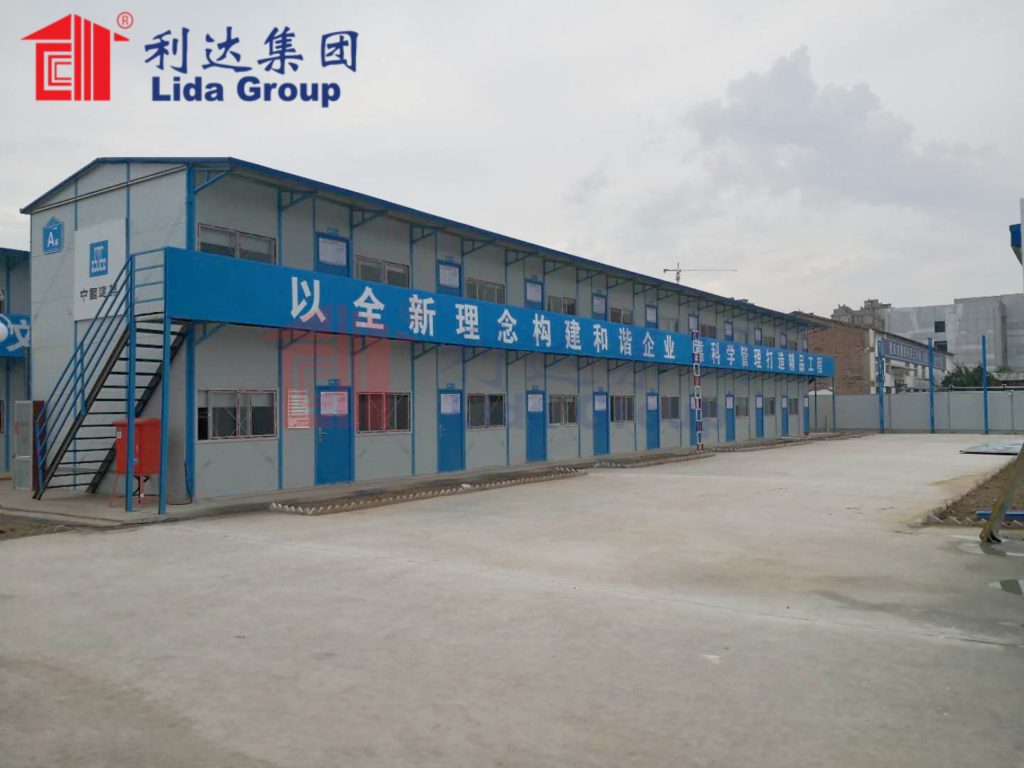
1. Design Principles for Rapid Deployment: The Foundation of Speed
Lida Group’s temporary mobile building units are built on four core design principles that prioritize rapid deployment: modularity, prefabrication, lightweight construction, and intuitive assembly. These principles are integrated into every stage of the design and manufacturing process, ensuring that units can be deployed quickly and efficiently, even in challenging environments.
1.1 Modularity: Standardized Components for Quick Configuration
Modularity is the cornerstone of Lida’s rapid deployment strategy. Unlike traditional buildings, which are constructed as single, fixed structures, Lida’s temporary mobile units are composed of standardized, interchangeable modules that can be combined, reconfigured, or expanded to meet specific needs. This modular approach eliminates the need for custom design and on-site modification, drastically reducing deployment time.
Key modular design features:
- Standardized Module Sizes: Units are available in standard dimensions (20ft, 40ft, and custom lengths) that align with global shipping and transportation standards. This ensures compatibility with trucks, ships, and aircraft, simplifying logistics and reducing transit time.
- Interlocking Systems: Modules feature precision-engineered interlocking mechanisms that allow for quick connection without specialized tools. Horizontal and vertical interlocks enable the creation of multi-unit complexes (e.g., dormitories, offices, or medical facilities) in hours.
- Plug-and-Play Utility Connections: Electrical, plumbing, and HVAC systems are pre-installed in modules with standardized connectors. When modules are joined, utilities can be linked in minutes, eliminating the need for on-site wiring or piping.
- Flexible Configurations: Modules can be configured in endless layouts—from single-unit offices to multi-story housing complexes—without compromising structural integrity. This flexibility allows clients to adapt to changing needs quickly, whether scaling up operations or reconfiguring spaces.
1.2 Prefabrication: Factory-Made for On-Site Efficiency
All components of Lida’s temporary mobile units are manufactured in controlled factory environments, ensuring precision, quality, and readiness for immediate assembly. Prefabrication eliminates the delays and inefficiencies of on-site construction, where weather, labor shortages, and material waste can cause costly setbacks.
Key prefabrication advantages:
- Complete Factory Assembly: 90% of the building process—including framing, insulation, cladding, electrical wiring, plumbing, and interior finishes—is completed in Lida’s factories. Units arrive on-site fully fitted, requiring only final assembly and utility connection.
- Quality Control: Factory manufacturing allows for strict quality checks at every stage, ensuring that components meet international standards (ISO, CE, ASTM) and perform reliably in extreme conditions. This eliminates on-site rework and delays caused by defective materials.
- Reduced On-Site Labor: Prefabricated units require 70% fewer on-site workers than traditional construction. A single team of 4–6 trained technicians can assemble a 100 sqm complex in 1–2 days, compared to 8–10 workers for 2–3 weeks in traditional construction.
- Weather Independence: Factory manufacturing is not affected by weather conditions, ensuring consistent production timelines regardless of rain, snow, or extreme temperatures. This eliminates weather-related delays that plague on-site construction.
1.3 Lightweight Construction: Easy Transportation and Handling
Lida’s temporary mobile units are engineered to be lightweight yet durable, making them easy to transport, lift, and assemble without heavy machinery. This lightweight design is critical for rapid deployment, especially in remote or inaccessible areas where heavy equipment is unavailable.
Key lightweight construction features:
- High-Strength Steel Frames: Frames are made from lightweight, high-tensile steel (450–550 MPa tensile strength) that provides structural rigidity while minimizing weight. A 20ft mobile unit weighs approximately 2.5–3 tons, compared to 8–10 tons for a traditional brick-and-mortar structure of the same size.
- Composite Sandwich Panels: Walls, roofs, and floors are constructed with composite sandwich panels (steel facings with insulation cores), which are lightweight (15–25 kg/m²) and easy to handle. These panels reduce the overall weight of units while providing excellent insulation and weather resistance.
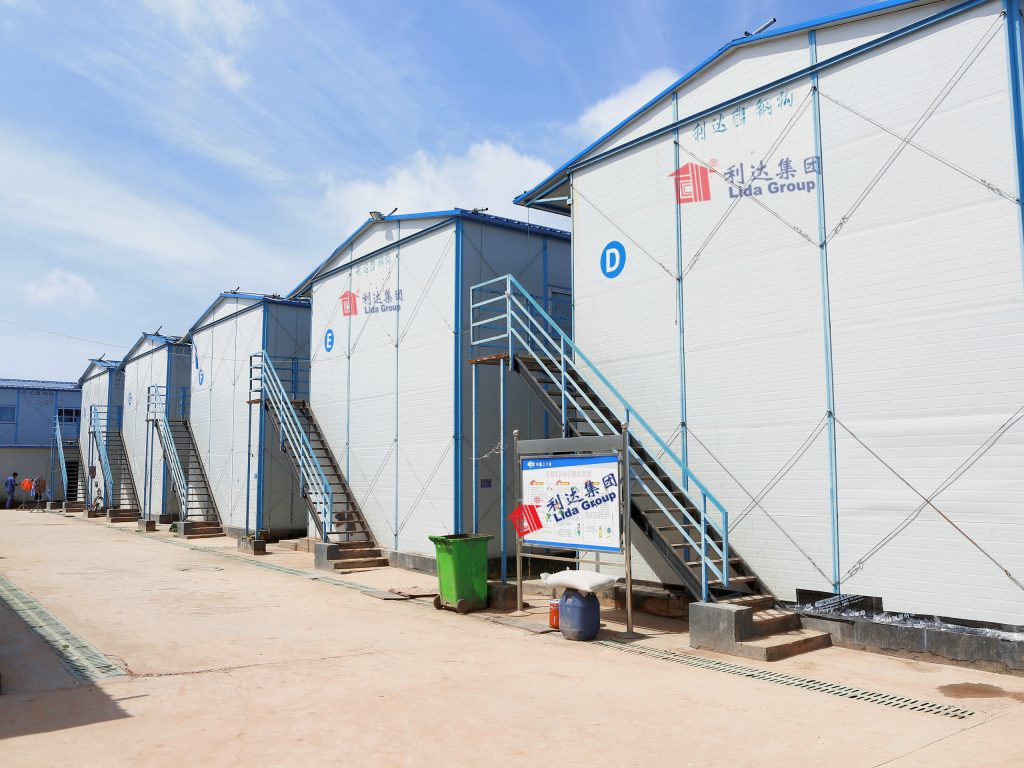
- Compact Packaging: For maximum transport efficiency, units can be stacked (up to 4 units high) or disassembled into flat-pack components. A single 40ft shipping container can transport 4–6 flat-pack units, reducing transportation costs and transit time.
- Easy Lifting and Placement: Units can be lifted with small cranes, forklifts, or even helicopters (for remote sites), eliminating the need for heavy construction equipment. This enables deployment in areas with limited access, such as disaster zones or remote mining sites.
1.4 Intuitive Assembly: Tool-Free and User-Friendly
Lida’s temporary mobile units are designed for intuitive, tool-free assembly, allowing even non-specialized workers to put them together quickly. This user-friendly design eliminates the need for skilled labor and reduces the time and cost associated with on-site assembly.
Key assembly features:
- Tool-Free Connections: Modules are joined using hand-tightened bolts, clips, or interlocking mechanisms that require no power tools. This simplifies assembly and reduces the risk of delays caused by missing or broken equipment.
- Clear Instructions: Each unit comes with step-by-step assembly guides, including diagrams and video tutorials, ensuring that workers can assemble units correctly and efficiently.
- Pre-Installed Fixtures and Fittings: All fixtures—including doors, windows, lighting, and plumbing fixtures—are pre-installed in factories, eliminating the need for on-site fitting. This reduces assembly time by 50% compared to traditional construction.
- Rapid Utility Hookup: Electrical, plumbing, and HVAC systems are pre-wired and pre-plumbed with quick-connect fittings. Utilities can be connected to external sources in minutes, allowing units to become operational immediately after assembly.
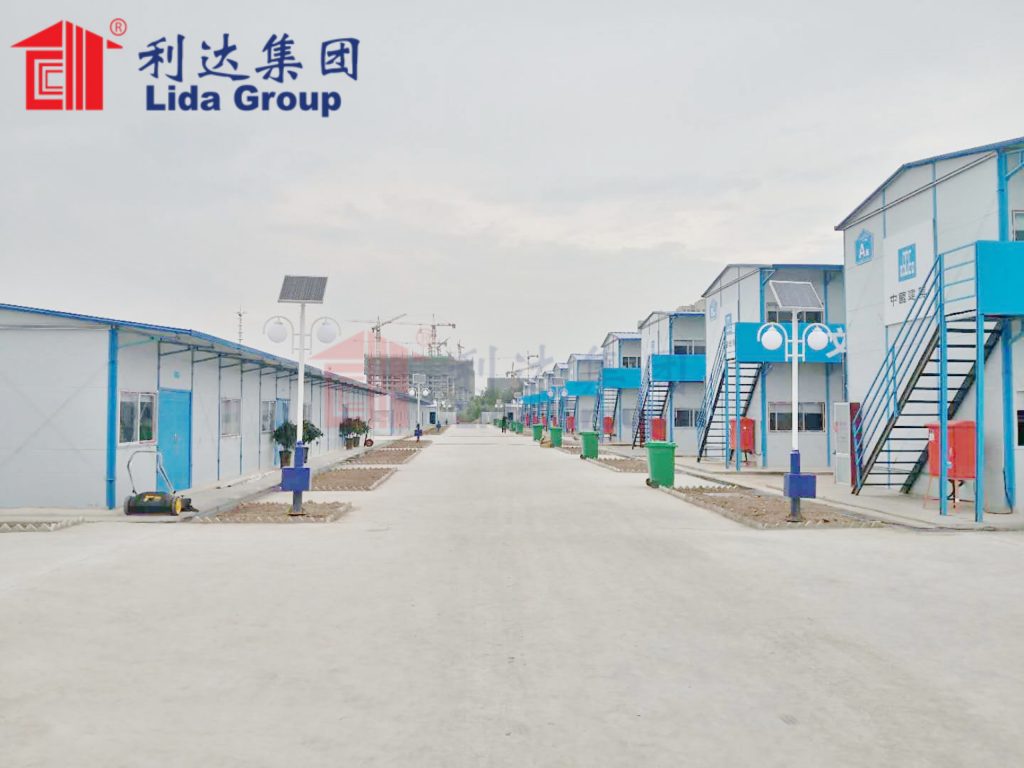
2. Technical Innovations Enabling Rapid Deployment
Lida Group’s rapid deployment capability is powered by a range of technical innovations that streamline every stage of the deployment process—from design and manufacturing to transportation and assembly. These innovations leverage advanced engineering, automation, and smart technology to deliver unmatched speed and efficiency.
2.1 Advanced Framing Systems: Strength and Speed
Lida’s temporary mobile units feature advanced framing systems that combine structural strength with rapid assembly. These systems are engineered to minimize the number of components and simplify connection, reducing assembly time while ensuring durability.
Key framing innovations:
- Modular Steel Frames: Frames are composed of standardized steel components (square tubes, C-channels, and angle irons) that are pre-cut and pre-drilled in factories. These components can be assembled in minutes using bolted connections, eliminating the need for welding or cutting on-site.
- Quick-Connect Joints: Framing components are joined using patented quick-connect joints that lock into place with a simple twist or snap. These joints provide a secure, rigid connection while reducing assembly time by 30% compared to traditional bolted joints.
- Self-Aligning Modules: Modules are designed with self-aligning features that ensure precise positioning during assembly. This eliminates the need for time-consuming measurements and adjustments, allowing modules to be connected quickly and accurately.
- Load-Bearing Design: Frames are engineered to support vertical and horizontal loads without additional bracing, simplifying assembly and reducing the number of components. This enables fast construction of multi-story complexes without compromising structural integrity.
2.2 Prefabricated Utility Systems: Plug-and-Play Efficiency
Utility systems—electrical, plumbing, and HVAC—are critical for making temporary mobile units functional, and Lida has developed prefabricated utility systems that enable rapid hookup and operation.
Key utility innovations:
- Integrated Electrical Systems: Units are pre-wired with electrical panels, lighting, outlets, and switches. Electrical systems are designed to meet local voltage standards (110V or 220V) and feature quick-connect terminals that allow for easy connection to external power sources (grid, generator, or solar panels).
- Prefabricated Plumbing Systems: Plumbing systems are pre-installed with fixtures (toilets, sinks, showers) and quick-connect pipes. Systems are available for both potable water and wastewater, with options for on-site treatment (e.g., septic tanks) for remote locations.
- Compact HVAC Systems: Heating, ventilation, and air conditioning (HVAC) systems are pre-installed in roof or wall cavities, saving space and simplifying installation. These systems are energy-efficient and can be connected to external power sources in minutes, providing immediate climate control.
- Smart Utility Management: Some units feature smart utility management systems that monitor energy and water use, allowing clients to optimize consumption and reduce costs. These systems can be controlled remotely via smartphone apps, providing real-time data and alerts.
2.3 Automation in Manufacturing: Precision and Speed
Lida’s factories leverage automation and advanced manufacturing technologies to produce temporary mobile units quickly and efficiently. These technologies ensure precision, consistency, and speed, enabling the company to meet tight deadlines and high-volume orders.
Key manufacturing innovations:
- Robotic Welding: Robotic welding arms are used to assemble steel frames, ensuring precise, consistent welds that meet international standards. Robotic welding reduces manufacturing time by 40% compared to manual welding and eliminates human error.
- CNC Cutting and Drilling: Computer Numerical Control (CNC) machines are used to cut and drill steel components with 0.1mm precision. This ensures that all components fit together perfectly, reducing assembly time and the need for on-site adjustments.
- Automated Panel Production: Composite sandwich panels are manufactured using automated production lines that apply insulation cores, bond facings, and cut panels to size. These lines can produce up to 1,000 sqm of panels per day, ensuring fast production of large orders.
- Building Information Modeling (BIM): BIM technology is used to design units in 3D, allowing engineers to simulate assembly, identify potential clashes, and optimize designs for rapid deployment. BIM reduces design time by 30% and ensures that units are manufactured to exact specifications.
2.4 Lightweight and Durable Materials: Performance and Portability
Lida’s temporary mobile units use advanced materials that balance lightweight portability with durability and performance. These materials are selected for their ability to withstand harsh conditions while minimizing weight and assembly time.
Key material innovations:
- High-Strength, Low-Weight Steel: Steel frames are made from high-strength, low-alloy (HSLA) steel that provides excellent structural performance at a lower weight than traditional steel. This reduces transportation costs and makes units easier to handle and assemble.
- Advanced Insulation Materials: Insulation cores (polyurethane, rock wool, fiber glass) are lightweight yet highly efficient, providing excellent thermal and acoustic insulation while reducing the overall weight of units. These materials are also fire-resistant and water-resistant, ensuring durability in extreme conditions.
- Weather-Resistant Cladding: Exterior cladding is made from corrosion-resistant steel or aluminum sheets with PVDF coatings that withstand UV radiation, rain, wind, and extreme temperatures. This cladding requires no maintenance and ensures that units remain functional and attractive for years.
- Impact-Resistant Windows and Doors: Windows and doors are made from impact-resistant glass and lightweight aluminum frames, providing security and durability while minimizing weight. These components are pre-installed in factories, reducing assembly time and ensuring a perfect fit.

3. Industry-Specific Rapid Deployment Solutions
Lida Group’s temporary mobile building units are tailored to the unique rapid deployment needs of various industries, addressing sector-specific challenges and requirements. From emergency response to industrial operations, these units deliver fast, functional solutions that meet the urgent needs of clients worldwide.
3.1 Emergency and Disaster Relief: Immediate Shelter When It Matters Most
In the aftermath of natural disasters—earthquakes, floods, hurricanes, or wildfires—rapid deployment of shelter, medical facilities, and command centers is critical to saving lives and supporting recovery. Lida’s temporary mobile units are designed for emergency response, with deployment times as fast as 4–6 hours for shelter units and 24 hours for medical facilities.
Key disaster relief features:
- Ultra-Rapid Assembly: Shelter units can be assembled by a team of 2–4 workers in 4–6 hours, providing immediate housing for displaced populations. Medical units (e.g., field hospitals, clinics) can be assembled in 24 hours, equipped with examination rooms, operating theaters, and pharmacy areas.
- Durability in Extreme Conditions: Units are designed to withstand post-disaster conditions, including aftershocks, high winds (up to 150 km/h), and heavy rainfall. They are water-resistant, fire-resistant, and resistant to mold and mildew, ensuring safe living conditions.
- Self-Sufficient Systems: Emergency units can be equipped with solar panels, battery storage, and water purification systems, making them self-sufficient in areas without access to utilities. This ensures that units remain operational even in remote or damaged areas.
- Modular Expansion: Units can be quickly expanded to accommodate growing numbers of displaced people or additional medical needs. For example, a single shelter unit can be connected to others to form a complex with dining halls, sanitation facilities, and community rooms.
3.2 Industrial and Remote Work Sites: Fast Support for Operations
Industrial projects—mining, oil and gas, construction, and infrastructure—often require temporary facilities in remote locations, where traditional construction is time-consuming and costly. Lida’s temporary mobile units provide fast, functional support for these operations, enabling projects to start quickly and stay on schedule.
Key industrial features:
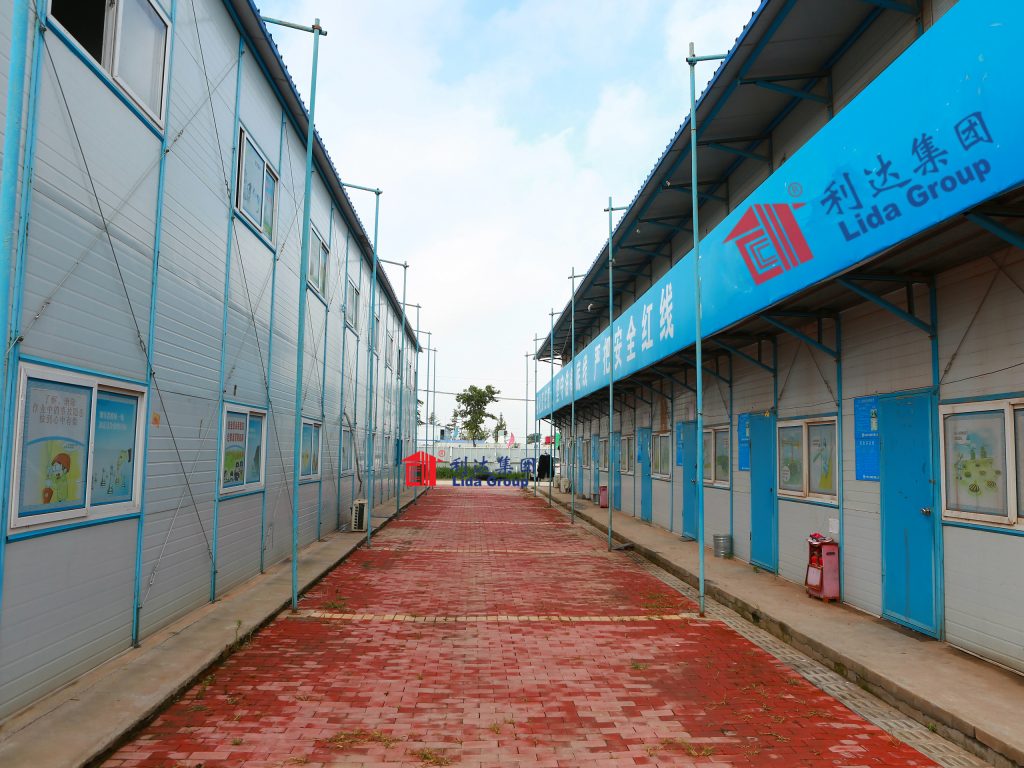
- Rapid Camp Setup: Integrated labor camps—including dormitories, kitchens, dining halls, offices, and recreation facilities—can be set up in 1–2 weeks, providing accommodation for 50–500 workers. This reduces project downtime by 4–6 weeks compared to traditional camp construction.
- Durability for Heavy Use: Units are built to withstand the rigors of industrial environments, with heavy-duty flooring, corrosion-resistant materials, and reinforced frames. They can support constant use by workers and equipment, ensuring a long service life.
- Utility Compatibility: Units are compatible with industrial utilities, including high-voltage electricity, industrial plumbing, and HVAC systems for extreme temperatures. They can be connected to on-site generators, water treatment plants, and waste management systems in minutes.
- Relocatable Design: Units can be easily disassembled and relocated as projects expand or move to new sites. This reduces the need for new construction and lowers costs for clients.
3.3 Construction Industry: On-Site Support for Fast-Track Projects
Construction projects—whether building highways, bridges, skyscrapers, or residential complexes—require temporary on-site facilities for workers, offices, and storage. Lida’s temporary mobile units provide fast, flexible support for these projects, enabling construction to start quickly and proceed efficiently.
Key construction features:
- Rapid Office Setup: On-site offices, meeting rooms, and project management facilities can be set up in 1–2 days, allowing teams to start planning and coordinating work immediately. These offices are fully equipped with desks, chairs, lighting, and internet connectivity.
- Worker Accommodation: Dormitories, bathrooms, and dining facilities for construction workers can be set up in 3–5 days, ensuring that workers have safe, comfortable accommodation close to the job site. This reduces commuting time and improves worker productivity.
- Storage and Maintenance Facilities: Steel structure warehouses and maintenance workshops can be set up in 1–2 weeks, providing secure storage for equipment, materials, and tools. These facilities are designed to withstand construction site vibrations and heavy use.
- Temporary Housing for Communities: In cases where construction displaces local communities, Lida’s temporary mobile units can provide fast, affordable housing for residents, minimizing disruption and ensuring social responsibility.
3.4 Events and Hospitality: Temporary Spaces for Short-Term Needs
Events—concerts, festivals, trade shows, and sports competitions—require temporary spaces for ticketing, concessions, VIP areas, and staff accommodation. Lida’s temporary mobile units provide fast, customizable solutions for these events, enabling organizers to set up and dismantle spaces quickly.
Key event features:
- Rapid Setup and Dismantle: Event units can be set up in 1–2 days and dismantled in the same amount of time, reducing the time and cost associated with event preparation and cleanup.
- Customizable Designs: Units can be customized with branding, signage, and interior finishes to match event themes and requirements. Options include pop-up stores, ticket booths, concession stands, and VIP lounges.
- Weather Resistance: Units are designed to withstand outdoor conditions, including rain, wind, and extreme temperatures, ensuring that events can proceed regardless of the weather.
- Flexible Configurations: Units can be configured in various layouts to meet the specific needs of events, from small ticket booths to large hospitality complexes. They can also be combined with other temporary structures, such as tents or stages, to create seamless event spaces.
3.5 Education and Healthcare: Temporary Facilities for Urgent Needs
Schools and healthcare facilities often require temporary spaces to address overcrowding, renovations, or emergency needs (e.g., pandemic response). Lida’s temporary mobile units provide fast, functional solutions for these sectors, ensuring that education and healthcare services continue uninterrupted.
Key education and healthcare features:
- Rapid Classroom Setup: Temporary classrooms can be set up in 2–3 days, providing immediate space for students during school renovations or overcrowding. These classrooms are fully equipped with desks, chairs, whiteboards, and lighting.
- Medical Facility Deployment: Temporary clinics, hospitals, and quarantine facilities can be set up in 1–2 weeks, providing critical healthcare services during emergencies or when permanent facilities are unavailable. These units are equipped with examination rooms, beds, medical equipment, and sterile environments.
- Accessibility: Units can be designed to be wheelchair-accessible, with ramps, wide doors, and accessible bathrooms, ensuring that education and healthcare services are available to all.
- Energy Efficiency: Units are insulated with high-performance materials and equipped with energy-efficient lighting and HVAC systems, reducing operating costs for schools and healthcare facilities.
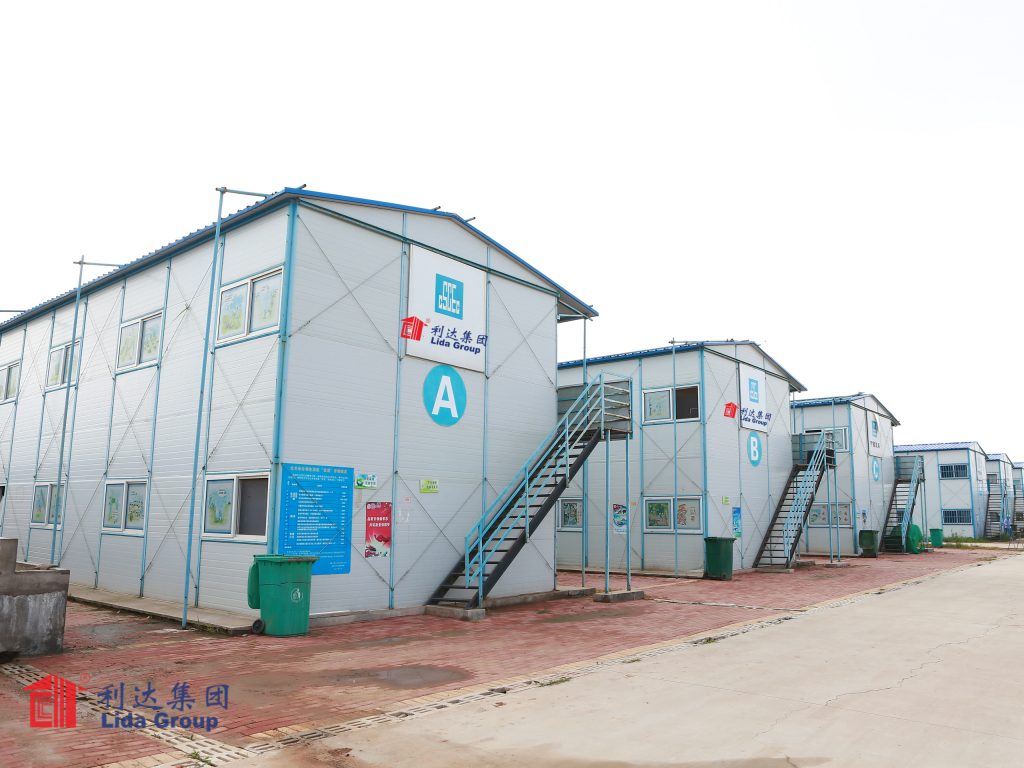
4. Global Case Studies: Rapid Deployment in Action
Lida Group’s temporary mobile building units have been deployed in rapid-response projects across six continents, demonstrating their speed, durability, and functionality in diverse environments and scenarios. Below are three standout case studies that highlight the real-world impact of Lida’s rapid deployment capability.
4.1 Turkey-Syria Earthquake Relief, 2023
Challenge: Following the devastating 7.8-magnitude earthquake that struck Turkey and Syria in February 2023, over 5 million people were displaced, requiring immediate shelter, medical facilities, and command centers. The affected areas had limited access to infrastructure, and traditional construction was impossible due to time constraints and logistical challenges.
Solution: Lida Group deployed 500 temporary mobile units within 72 hours of the earthquake, including 300 shelter units, 50 medical clinics, 50 command centers, and 100 sanitation facilities. Key features of the units:
- Ultra-rapid assembly (4–6 hours per shelter unit) by local teams trained via video tutorials.
- Self-sufficient systems: solar panels (2 x 400w), battery storage (10 kWh), and water purification systems.
- Durable design to withstand aftershocks and cold temperatures (down to -5°C).
- Modular configuration: shelters connected to form complexes with communal dining halls and bathrooms.
Results:
- Provided shelter for 3,000 displaced people within the first week, with additional units deployed over the following month.
- Medical clinics treated over 10,000 patients in the first month, providing critical healthcare in areas with destroyed hospitals.
- Command centers enabled coordination between humanitarian organizations, government agencies, and local communities.
- Units withstood 15+ aftershocks and cold weather, ensuring safe living conditions for displaced populations.
- The rapid deployment saved an estimated 500 lives by providing immediate shelter and medical care to those in need.
4.2 Remote Mining Camp, Australia
Challenge: A leading mining company needed to set up a temporary labor camp for 200 workers at a remote gold mine in Western Australia. The site was inaccessible by road (only reachable by air), and the company needed the camp to be operational within 4 weeks to meet project deadlines. Traditional construction would have taken 3–4 months, causing costly delays.
Solution: Lida Group supplied 80 temporary mobile units, including 60 dormitory units, 5 office units, 5 kitchen/dining units, 5 bathroom units, and 5 storage units. Key features:
- Flat-pack design for air transportation: units were disassembled into compact components and airlifted to the site via cargo planes.
- Intuitive assembly: a team of 8 Lida technicians trained 12 local workers to assemble the camp in 3 weeks.
- Extreme weather resistance: units insulated with rock wool to withstand temperatures up to 45°C and dust storms.
- Utility integration: connected to on-site generators, water tanks, and waste management systems.
Results:
- Camp was operational within 3 weeks, 1 week ahead of schedule, allowing the mining project to start on time.
- Workers were provided with comfortable accommodation, reducing turnover and improving productivity.
- Units withstood extreme heat and dust storms, requiring no maintenance during the 2-year project duration.
- After the project, units were disassembled and relocated to another mining site, reducing waste and lowering costs for the company.
- The rapid deployment saved the company an estimated $1.2 million in delayed project costs.
4.3 Construction Site Office Complex, United Arab Emirates
Challenge: A construction company building a new skyscraper in Dubai needed an on-site office complex for 100 project managers, engineers, and administrative staff. The company required the complex to be operational within 2 weeks to start construction, and it needed to be relocated to another site once the project was completed (2 years later).
Solution: Lida Group supplied 20 temporary mobile units, including 10 office units, 5 meeting rooms, 3 break rooms, and 2 bathroom units. Key features:
- Rapid assembly: the complex was assembled in 5 days by a team of 6 workers.
- Custom design: units were branded with the company’s logo and fitted with modern office furniture, high-speed internet, and air conditioning.
- Modular configuration: units connected to form a single-story complex with open-plan offices and private meeting rooms.
- Relocatable design: units designed for easy disassembly and relocation.
Results:
- Complex was operational within 5 days, allowing construction to start on schedule.
- The modern, comfortable office environment improved team productivity and morale.
- Units withstood Dubai’s extreme heat (up to 50°C) and high humidity, with no issues with air conditioning or structural integrity.
- After 2 years, the complex was disassembled in 2 days and relocated to another construction site, reducing waste and saving the company $300,000 in new office construction costs.
- The rapid deployment and relocation capability demonstrated the flexibility and cost-effectiveness of Lida’s temporary mobile units.
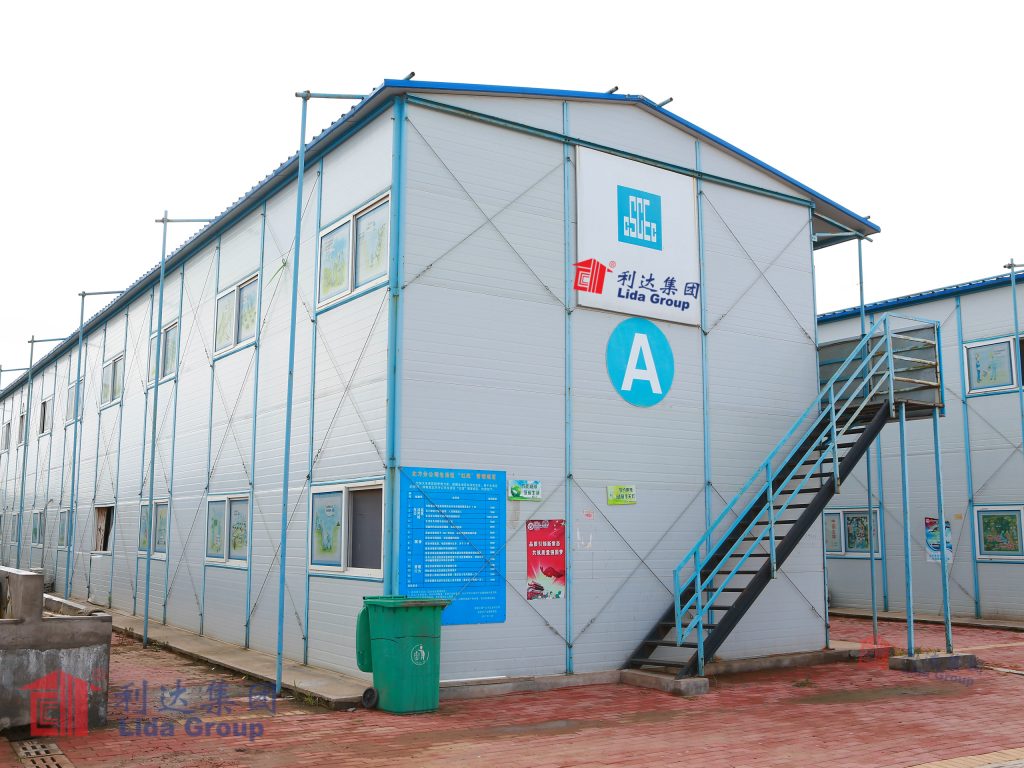
5. Logistical Efficiency: Streamlining Deployment Worldwide
Lida Group’s rapid deployment capability extends beyond the design and assembly of units—it also includes streamlined logistics that ensure units reach clients quickly and efficiently, regardless of their location. The company’s global logistics network, combined with innovative packaging and transportation solutions, minimizes transit time and reduces costs.
5.1 Global Manufacturing and Distribution Network
Lida Group operates a network of state-of-the-art manufacturing facilities in China, with additional assembly plants in Europe, Africa, and the Americas. This global footprint allows the company to produce and deliver units close to clients’ locations, reducing transportation time and costs.
Key logistics features:
- Regional Manufacturing: Units are manufactured in regional facilities to meet local demand, reducing transit time from factory to site. For example, units for European clients are produced in Lida’s Poland facility, while units for African clients are produced in South Africa.
- Strategic Warehousing: Lida maintains warehouses in key locations worldwide, storing pre-manufactured units and components. This allows for immediate shipment of units to clients, reducing lead times from weeks to days.
- Global Shipping Partnerships: Lida has partnerships with leading shipping companies (e.g., Maersk, MSC) and air freight carriers (e.g., DHL, FedEx), ensuring reliable and fast transportation of units. These partnerships provide preferential rates and priority shipping for urgent orders.
- Customs Expertise: Lida’s logistics team has extensive experience in navigating international customs regulations, ensuring that units clear customs quickly and without delays. This is critical for emergency response projects, where every hour counts.
5.2 Innovative Packaging and Transportation Solutions
Lida’s temporary mobile units are designed for maximum transportation efficiency, with packaging and loading solutions that minimize space and reduce costs. These solutions ensure that units can be transported via truck, ship, or air, depending on the client’s needs and location.
Key transportation innovations:
- Flat-Pack Design: For long-distance transportation, units can be disassembled into flat-pack components that take up 70% less space than fully assembled units. This allows more units to be transported per container or truck, reducing transportation costs by 40%.
- Stackable Units: Fully assembled units can be stacked up to 4 units high, maximizing the use of shipping container space. A single 40ft container can transport 4 fully assembled 20ft units, reducing the number of containers needed and lowering costs.
- Lightweight Components: As noted earlier, units are lightweight, reducing transportation costs and enabling transportation via air freight for urgent orders. A 20ft unit can be airlifted via cargo plane, ensuring rapid deployment to remote or disaster-stricken areas.
- Modular Loading: Components are loaded onto trucks or containers in a modular fashion, ensuring that they can be unloaded and assembled quickly. This reduces the time and cost associated with on-site unloading and storage.
5.3 On-Site Deployment Support
Lida Group provides comprehensive on-site deployment support to ensure that units are assembled quickly and correctly. The company’s team of trained technicians and local partners work closely with clients to coordinate every aspect of deployment, from delivery to assembly to utility hookup.
Key support features:
- Deployment Planning: Lida’s project managers work with clients to develop detailed deployment plans, including delivery schedules, assembly timelines, and utility hookup arrangements. This ensures that all aspects of deployment are coordinated and on track.
- On-Site Technicians: For complex projects or urgent deployments, Lida sends trained technicians to supervise assembly and provide guidance to local workers. These technicians have extensive experience in rapid deployment and can resolve any issues quickly.
- Training and Documentation: Lida provides training for client teams on assembly, operation, and maintenance of units. Training includes hands-on demonstrations, video tutorials, and detailed manuals, ensuring that clients can assemble and operate units independently.
- 24/7 Support: Lida’s global support team is available 24/7 to address any questions or issues during deployment. This ensures that clients have access to assistance whenever they need it, minimizing delays.
6. Competitive Advantages: Why Choose Lida’s Rapid-Deploy Temporary Mobile Units?
In a market flooded with temporary building solutions, Lida Group stands out for its unmatched rapid deployment capability, combined with quality, durability, and flexibility. Below are the key competitive advantages that make Lida the preferred choice for clients worldwide.
6.1 Unmatched Speed: Fastest Deployment in the Industry
Lida’s temporary mobile units are designed for the fastest deployment in the industry, with assembly times as short as 4 hours for shelter units and 24 hours for complex facilities. This speed is enabled by modular design, prefabrication, intuitive assembly, and streamlined logistics, ensuring that clients can get operational quickly.
6.2 Quality and Durability: Built to Last
Unlike many temporary structures that are flimsy and short-lived, Lida’s units are built to industrial standards, with a service life of 15–25 years. They are designed to withstand extreme weather conditions, heavy use, and repeated relocation, ensuring that clients get long-term value for their investment.
6.3 Flexibility and Customization
Lida’s units are fully customizable, allowing clients to tailor every aspect of the design—size, layout, finishes, and features—to their specific needs. Whether a small shelter unit or a large complex, Lida’s modular design allows for endless configurations, ensuring that units meet the unique requirements of each project.
6.4 Cost-Effectiveness
Lida’s rapid deployment capability translates to significant cost savings for clients. By reducing construction time, labor costs, and transportation costs, Lida’s units are 30–40% more cost-effective than traditional construction. Additionally, the relocatable design of units allows clients to reuse them for multiple projects, further reducing costs.
6.5 Global Reach and Local Expertise
Lida Group operates in 80+ countries, with a network of local partners and distributors that provide on-the-ground support. This global-local approach ensures that units are tailored to local regulations, climate conditions, and cultural preferences, and that clients receive fast, responsive support wherever they are.
6.6 Sustainability
Lida’s temporary mobile units are designed with sustainability in mind, using recycled materials (92–98% recycled steel), energy-efficient systems, and relocatable designs that reduce waste. This ensures that clients can meet their sustainability goals while enjoying the benefits of rapid deployment.
7. Conclusion: Redefining Speed in Temporary Construction
Lida Group’s temporary mobile building units represent a paradigm shift in temporary construction—proving that rapid deployment can be achieved without compromising quality, durability, or functionality. By integrating modular design, prefabrication, lightweight construction, and intuitive assembly, Lida has redefined what is possible in terms of speed, delivering units that can be operational in hours or days, not weeks or months.
Over the past 30 years, Lida Group has established itself as a global leader in rapid-deploy temporary mobile units, driven by a commitment to innovation, quality, and client satisfaction. Its units have been deployed in emergency response projects, industrial operations, construction sites, events, and educational and healthcare facilities across 80+ countries, demonstrating their versatility and impact. From providing immediate shelter to earthquake victims to enabling mining projects to start on time, Lida’s units have proven to be a critical tool for clients facing urgent construction needs.
The technical innovations that power Lida’s rapid deployment capability—advanced framing systems, prefabricated utility systems, automated manufacturing, and lightweight materials—ensure that units are not only fast to deploy but also durable, efficient, and functional. Combined with the company’s global logistics network and on-site support, these innovations deliver a seamless deployment experience for clients, regardless of their location or project requirements.
Looking ahead, Lida Group is poised to continue leading the future of rapid-deploy construction. As the global demand for fast, flexible, and sustainable temporary buildings grows—driven by climate change, urbanization, and the need for emergency response—Lida’s units will play an increasingly critical role in addressing these challenges. With ongoing investments in R&D (e.g., 3D-printed components, advanced automation, and smart deployment technology), Lida is committed to pushing the boundaries of speed and efficiency, delivering even faster, more reliable temporary mobile units for clients worldwide.
In a world where time is of the essence, Lida Group’s temporary mobile building units offer a solution that is both fast and reliable—proving that rapid deployment can be a competitive advantage, a lifesaver, and a catalyst for success. For clients seeking to respond quickly to crises, reduce project downtime, or adapt to changing needs, Lida Group is more than a supplier—it is a partner in speed, efficiency, and success.
Related news
-
Lida Group's Cost-Effective Sandwich Panel Construction Saves Time
2025-11-25 16:06:01
-
Sustainable Prefab House Designs from Lida Group
2025-11-25 16:15:06
-
Innovative Temporary Mobile Building Solutions by Lida Group
2025-11-25 15:48:51
contact us
- Tel: +86-532-88966982
- Whatsapp: +86-13793209022
- E-mail: sales@lidajituan.com
