



**Introduction**
Time is the most unforgiving variable in construction. Every day a project is delayed translates directly into escalating costs, missed operational milestones, and competitive disadvantage. For industries ranging from mining and energy to disaster response and residential development, the ability to deploy functional buildings rapidly is not merely an advantage—it is a necessity. Traditional construction methods, with their sequential processes, weather dependencies, and labor-intensive on-site work, simply cannot meet the demands of projects that require immediate occupancy.
Enter the era of prefab easy assembly building systems. Engineered from the ground up for speed, these innovative structures represent a fundamental departure from conventional construction. By shifting the majority of building work from chaotic job sites to controlled factory environments, prefab easy assembly systems deliver complete, code-compliant buildings in a fraction of the time required by traditional methods. A single-family home that would take 6-12 months to construct conventionally can be assembled in 2-6 weeks. A 100-unit workforce camp that would require 12-18 months can be operational in 4-6 weeks. These are not theoretical projections but documented outcomes from real-world deployments across the globe.
This article explores the comprehensive capabilities of prefab easy assembly building systems designed for rapid deployment. We will examine the engineering principles that enable lightning-fast assembly, the manufacturing processes that compress timelines, the logistical strategies that ensure timely delivery, the real-world applications that validate performance, and the economic benefits that make rapid deployment a strategic imperative. By the conclusion, it will be evident that prefab easy assembly building systems represent the definitive solution for projects where speed is paramount.
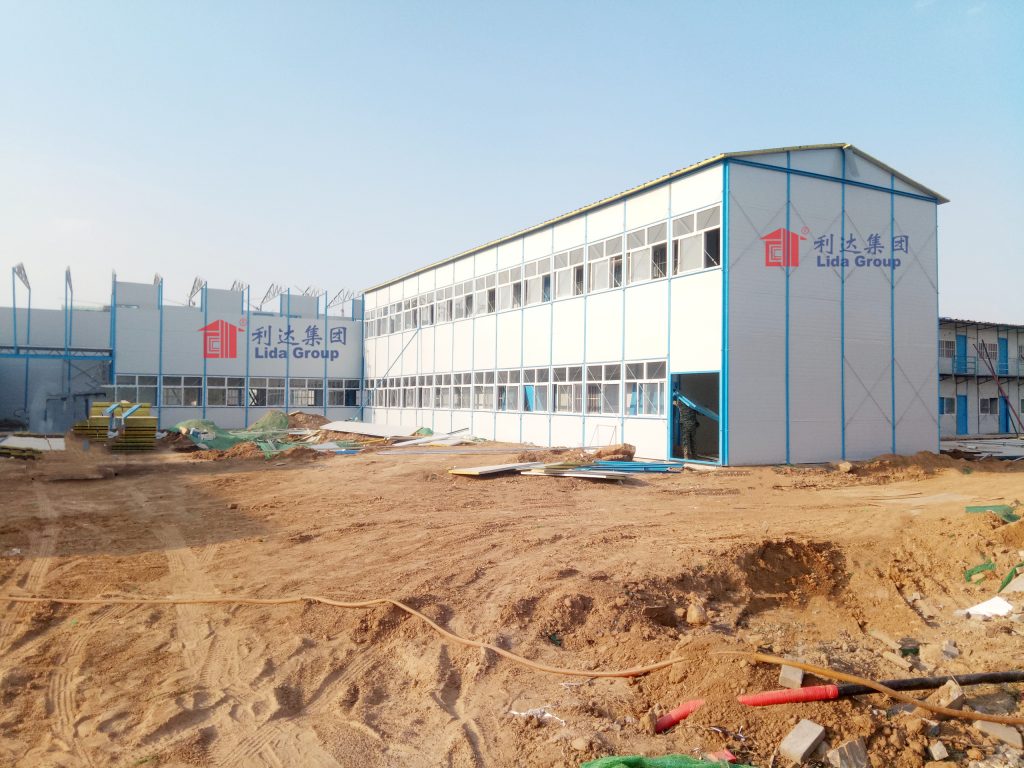
**Chapter 1: The Imperative for Speed in Modern Construction**
Understanding the value of rapid deployment begins with recognizing the costs of delay. In today’s fast-paced business environment, slow construction is no longer acceptable.
**1.1 The Cost of Delay**
In large-scale industrial projects, the cost of delay is measured in millions per day. A delayed mining operation misses production targets; a delayed oil and gas project incurs massive idle equipment costs; a delayed manufacturing facility postpones revenue generation. For every day that workforce accommodation is unavailable, the main project cannot begin or expand.
In the mining sector, where capital expenditures can exceed $1 billion, a six-month delay can cost $100 million or more in lost production and interest costs. In construction, where contractors face liquidated damages clauses that impose daily penalties for late completion, the financial impact is immediate and severe.
**1.2 The Workforce Imperative**
Beyond financial considerations, rapid deployment is essential for workforce recruitment and retention. Skilled workers in high-demand fields have choices about where to work. Projects that cannot provide immediate, quality accommodation lose top talent to competitors who can. The message is clear: speed in establishing living conditions directly correlates with ability to attract and retain skilled labor.
**1.3 The Disaster Response Context**
In humanitarian and disaster response scenarios, speed is measured not in days but in hours. Following earthquakes, hurricanes, floods, or conflicts, displaced populations require immediate shelter. Traditional construction is irrelevant in these contexts. Only prefab easy assembly systems can deliver functional housing within the critical window when lives are most vulnerable.
**Chapter 2: The Prefab Easy Assembly Paradigm**
Prefab easy assembly building systems are fundamentally different from traditional construction. They are not simply alternative materials but a complete reimagining of how buildings are created.
**2.1 Core Principles**
Several principles define the prefab easy assembly approach:
– **Factory Fabrication:** Building components—walls, floors, roofs, structural elements—are manufactured in controlled factory environments using precision equipment. This eliminates weather delays, ensures consistent quality, and enables parallel processing.
– **Modular Design:** Components are designed to standardized dimensions and connection systems, enabling predictable assembly and easy expansion. Standardization simplifies logistics, reduces manufacturing costs, and ensures compatibility between components.
– **Simplified Assembly:** Connection systems are engineered for rapid installation with basic tools and minimal skilled labor. Bolted connections replace welding and complex joinery. Color-coded components and detailed instructions enable intuitive assembly.
– **Integrated Systems:** Electrical wiring, plumbing, insulation, and finishes are installed at the factory rather than on-site. This eliminates the sequential dependency of trades and ensures all systems are properly integrated.
**2.2 The Flat-Pack Advantage**
One of the most significant innovations is the flat-pack design. Instead of shipping fully assembled volumetric modules, flat-pack systems ship as compact bundles of panels, columns, and components. A single 40-foot shipping container can carry components for 200-300 square meters of wall and roof area—equivalent to a small house or several workforce housing units.
The flat-pack approach delivers multiple speed benefits:
– **Reduced shipping volume:** 70% less than volumetric modules
– **Fewer shipments:** Lower risk of logistics delays
– **Simplified handling:** Components are lightweight and can be moved with small equipment
– **Rapid customs clearance:** Fewer containers mean faster processing
**2.3 Precision Manufacturing for Speed**
Factory fabrication enables precision that is impossible in field construction. Computer Numerical Control (CNC) machines cut components to tolerances of 0.5mm or better. Automated welding ensures consistent, strong joints. Quality control inspections occur at every stage of production. This precision translates directly into assembly speed—components fit together without field modification, eliminating the delays caused by on-site adjustments.
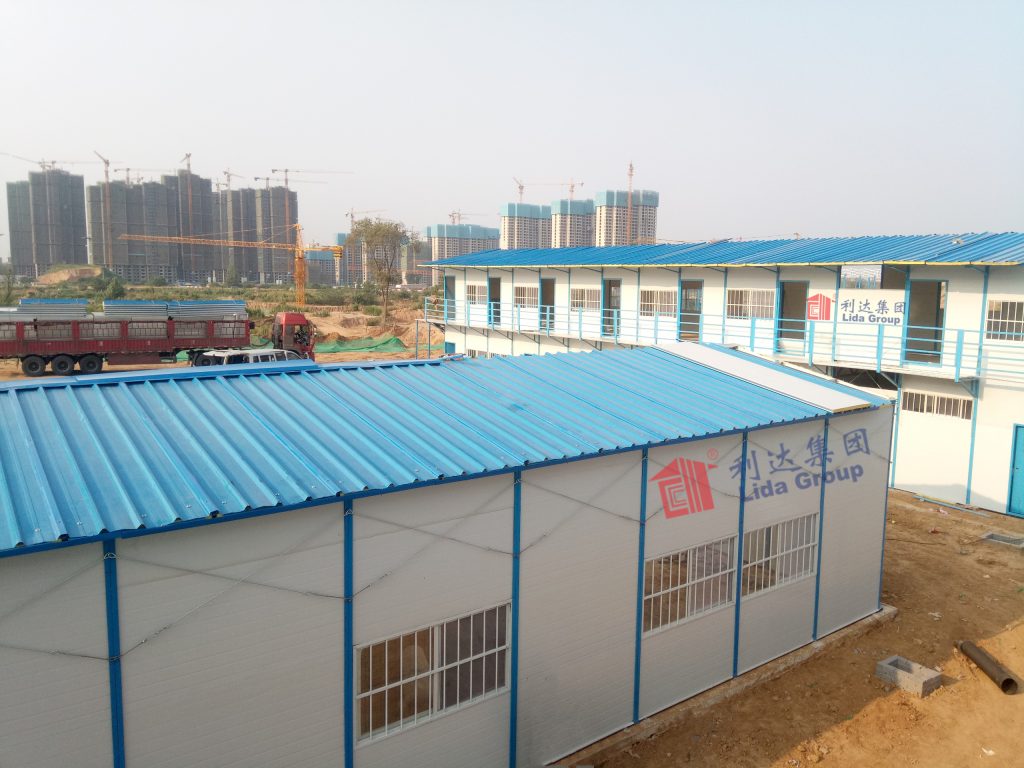
**Chapter 3: The Rapid Deployment Process—From Factory to Occupancy**
The speed of prefab easy assembly buildings is not achieved through a single innovation but through a holistic process optimized at every stage.
**3.1 Parallel Processing**
The time savings begin with parallel processing. While site preparation occurs on location—clearing, grading, foundation installation—the building components are being fabricated in the factory. These parallel work streams eliminate the sequential dependency of traditional construction. By the time the foundation is ready, the building components are already fabricated, packed, and awaiting shipment.
This parallel approach compresses the critical path from months to weeks. Where traditional construction measures progress linearly, prefab easy assembly achieves simultaneous advancement across multiple work streams.
**3.2 Foundation Solutions for Speed**
Traditional foundations require excavation, formwork, steel reinforcement, concrete pouring, and weeks of curing before construction can proceed. Prefab easy assembly buildings utilize accelerated foundation solutions:
– **Screw piles:** Steel piers screwed into the ground using hydraulic equipment, installed in hours rather than days. No concrete, no curing, no delay.
– **Precast concrete pads:** Factory-manufactured foundation elements placed directly on prepared ground.
– **Gravel pads:** Compacted stone bases that provide stable support without concrete.
– **Adjustable steel supports:** Leveling systems that accommodate uneven terrain without extensive site grading.
These foundation options can be installed in 1-2 days, compared to 2-4 weeks for traditional concrete foundations.
**3.3 Delivery and Logistics**
Once components are manufactured, the logistics chain is activated:
– **GPS-tracked shipments:** Real-time visibility ensures accurate arrival predictions
– **Staged delivery:** Components arrive in the order of assembly, minimizing on-site storage and handling
– **Just-in-time coordination:** Delivery synchronized with site readiness
– **Multi-modal transport:** Seamless transfer between sea, rail, and truck
Experienced manufacturers manage the entire logistics chain, coordinating with freight forwarders, customs brokers, and local transport providers to ensure timely arrival.
**3.4 On-Site Assembly Workflow**
The assembly process itself is streamlined for maximum speed. A typical workflow proceeds as follows:
**Day 1-2: Foundation Installation**
Screw piles or concrete pads installed and leveled. Site utilities roughed in to connection points.
**Day 3: Component Delivery and Staging**
Flat-packed components arrive, staged in assembly sequence. Small mobile crane positioned.
**Day 4-5: Floor Assembly**
Steel floor cassettes placed and bolted together. Leveling confirmed. Subfloor installed.
**Day 6-8: Wall Erection**
Pre-insulated, pre-wired wall panels lifted into place and bolted. Windows and doors pre-installed. Corners squared and braced.
**Day 9-10: Roof Installation**
Roof panels placed and secured. Ridge caps and flashings installed. Building envelope complete.
**Day 11: Utility Connections**
Pre-installed electrical wiring connected to main distribution panel. Plumbing lines connected to mains. Data cables terminated. System testing begins.
**Day 12-13: Interior Finishing**
Trim installation, final paint touch-ups, fixture installation. Cabinet and countertop installation. Final cleaning.
**Day 14: Final Inspection and Occupancy**
Quality inspection completed. Systems tested. Punch list items addressed. Keys delivered.
A complete single-family home can be assembled in 5-10 days. A 100-unit workforce camp can be operational in 4-6 weeks. These timelines represent reductions of 70-80% compared to traditional construction.
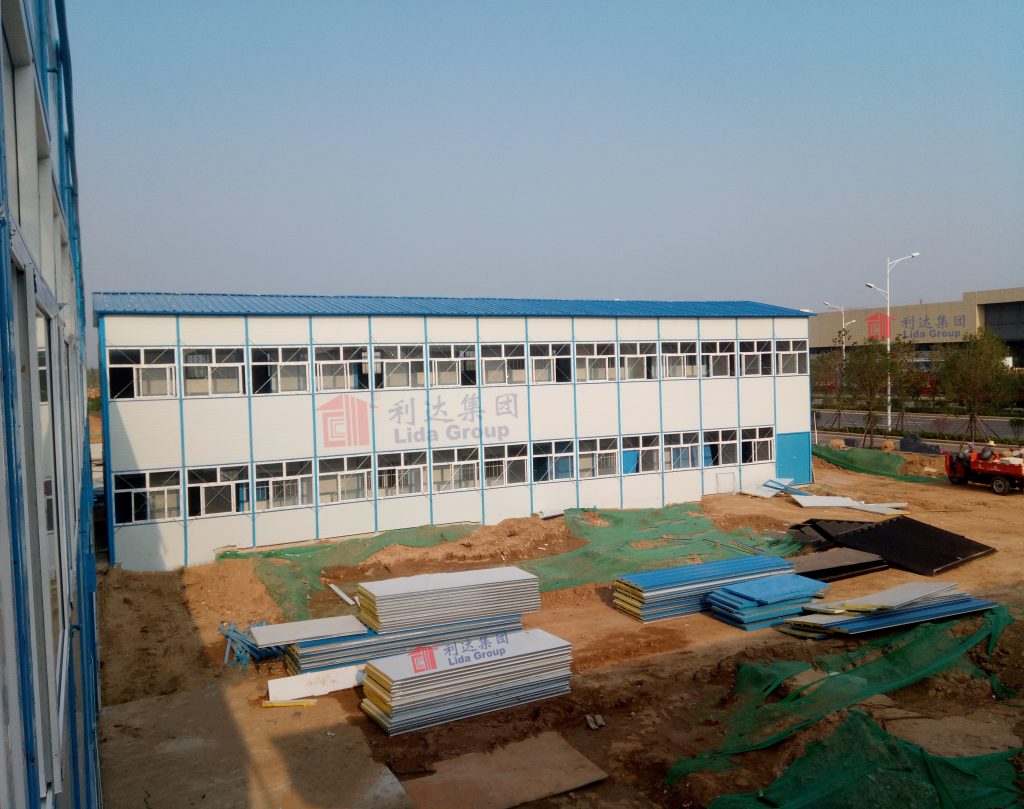
**Chapter 4: Engineering for Speed Without Compromise**
Rapid deployment does not mean sacrificing quality or durability. Prefab easy assembly buildings are engineered to meet or exceed building codes applicable to permanent structures.
**4.1 Structural Integrity**
The structural framework utilizes cold-rolled galvanized steel—a material with exceptional strength-to-weight ratio. Q235B grade steel, the standard for these systems, offers tensile strength exceeding 400 MPa while remaining lightweight. The structural design parameters meet rigorous standards:
– **Floor live load:** 2.0 KN/m², sufficient for residential and commercial occupancy
– **Roof live load:** 0.5-1.0 KN/m², accommodating snow accumulation
– **Wind load resistance:** 0.6-1.2 KN/m², equivalent to 120-180 mph wind speeds
– **Earthquake resistance:** Grade 8-9 on seismic intensity scale
– **Stacking capacity:** Up to three stories
**4.2 Bolted Connection Systems**
Unlike traditional steel construction that relies on welding, prefab easy assembly buildings use high-strength bolted connections. Bolted connections offer speed advantages:
– **No welding certification required:** Installation by general laborers
– **No curing time:** Connections immediately achieve full strength
– **No heat-affected zones:** No risk of structural weakening
– **Easy inspection:** Visual confirmation of proper installation
Bolts are typically grade 8.8 or higher, with corrosion-resistant coatings ensuring long-term performance.
**4.3 Advanced Insulation Systems**
The building envelope is critical for energy efficiency. Prefab easy assembly buildings incorporate sandwich panel construction with advanced insulation cores:
– **Wall panels:** 75mm insulation core (EPS, polyurethane, or mineral wool)
– **Roof panels:** 100-150mm insulation core for enhanced thermal protection
– **Thermal conductivity:** 0.022-0.038 W/(m·K)
– **U-values:** 0.25-0.35 W/(m²·K) for walls; 0.20-0.30 W/(m²·K) for roofs
These values represent 50-60% better thermal performance than conventional construction.
**4.4 Durability Features**
Rapid deployment does not mean short lifespan. Corrosion protection includes multi-layer coating systems:
– **Galvanization:** Hot-dip galvanized steel
– **Primer coating:** Epoxy primer, 20-40 μm thickness
– **Finishing coat:** Polyurethane coating, 40-50 μm thickness
– **Total protection:** Exceeding 80 μm coating thickness
These protection systems enable service lives of 25-50 years, even in coastal or industrial environments.
**Chapter 5: Real-World Applications—Speed in Action**
The rapid deployment capabilities of prefab easy assembly building systems are validated through successful projects across diverse industries and geographies.
**5.1 European Mountain Workforce Camp**
In a remote mountainous region of Eastern Europe, a hydroelectric project required workforce housing for 200 workers. The site faced severe winter conditions, with temperatures dropping to -25°C and heavy snowfall expected within 60 days. Traditional construction would have required 12-18 months, delaying the project by a full season.
The developer utilized prefab easy assembly buildings with 100mm sandwich panel walls and 150mm roof insulation. Components were manufactured in 25 days, shipped flat-packed, and assembled by a six-person crew in 8 hours per unit. The entire 50-unit camp—including sleeping quarters, dining facilities, recreation areas, and a medical clinic—was operational in 21 days. The project commenced on schedule, avoiding the costly delay of a full construction season.
**5.2 Australian Mining Camp Expansion**
A major iron ore mining operation in Western Australia required an additional 200 accommodation units to support a production expansion. The site was located 1,200 kilometers from the nearest major city, with limited local construction resources. Every day of delay meant millions in lost production revenue.
Using flat-pack prefab easy assembly buildings, the supplier delivered all materials within four weeks of order confirmation. A 12-person assembly crew completed the installation in 21 days, with the first units occupied within 10 days of the crew’s arrival. The rapid deployment enabled the mining operation to accelerate production by three months, generating millions in additional revenue.
**5.3 Caribbean Disaster Response**
Following a devastating hurricane that destroyed thousands of homes in the Caribbean, a humanitarian organization needed to establish shelter for displaced families within weeks. Traditional construction was impossible due to damaged infrastructure and overwhelmed local contractors.
The organization deployed 100 prefab easy assembly units that shipped within 10 days of the order and arrived via roll-on/roll-off vessel. Local workers, with guidance from supplier-provided supervisors, assembled the units on screw-pile foundations, completing the community in 18 days. Families moved in before the next storm season began—a timeline impossible with any other construction method.
**5.4 North American Affordable Housing**
A developer in the southeastern United States needed to deliver 25 affordable housing units on a tight timeline to qualify for government incentives. Traditional construction would have required 8-10 months, causing the developer to miss the incentive deadline.
The developer utilized prefab easy assembly homes ranging from 800 to 1,500 square feet. The entire community was completed in 14 weeks, with individual homes averaging 10 days of on-site assembly. The accelerated timeline allowed the project to meet the incentive deadline, securing funding that would otherwise have been lost.
**5.5 Emergency Medical Facility**
During a public health crisis, a municipality required an additional 100-bed medical facility within 30 days. Traditional construction would have required 12-18 months.
The municipality deployed prefab easy assembly modules configured as patient rooms, examination areas, and support spaces. Modules were manufactured in 15 days, shipped, and assembled on a prepared foundation in 10 days. The facility was operational 25 days after project initiation, providing critical capacity when it was most needed.
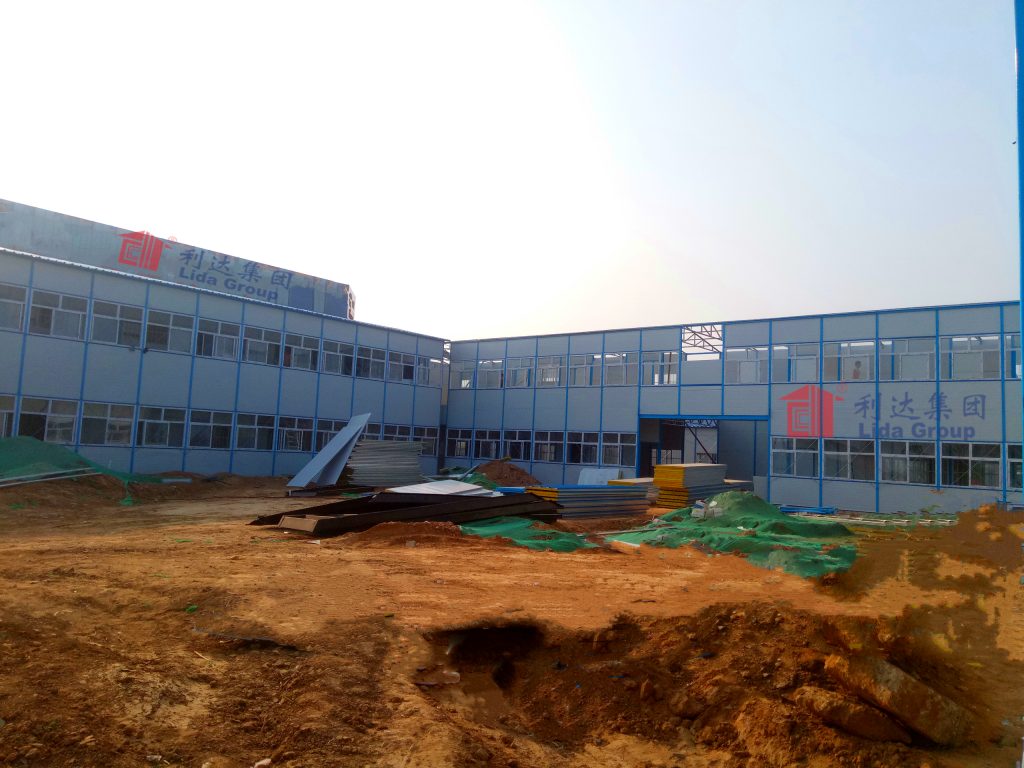
**Chapter 6: Economic Benefits of Rapid Deployment**
The speed of prefab easy assembly buildings delivers compelling economic advantages that extend far beyond the construction phase.
**6.1 Reduced Financing Costs**
Construction loans accrue interest throughout the building period. A shorter construction timeline means less interest paid. For a $5 million commercial project, reducing construction time from 12 months to 2 months can save $150,000-$250,000 in interest costs.
**6.2 Earlier Revenue Generation**
For income-producing properties—apartment buildings, hotels, commercial facilities—every month of earlier occupancy generates revenue. A 50-unit apartment building generating $50,000 monthly net income would yield $250,000 of additional revenue if completed five months earlier.
**6.3 Lower Overhead Costs**
Extended construction periods require extended site management, security, temporary facilities, and insurance. These overhead costs accumulate month after month. A shorter construction period reduces these carrying costs by 70-80%.
**6.4 Reduced Cost Overruns**
Traditional construction is notorious for cost overruns driven by weather delays, labor shortages, and material price fluctuations. Prefab easy assembly buildings offer cost predictability through fixed-price contracts and factory-controlled production. This predictability protects budgets and improves return on investment.
**6.5 Faster Capital Turnover**
For developers, capital tied up in a project cannot be deployed elsewhere. Faster completion means faster capital turnover, enabling developers to pursue additional projects sooner. This accelerated capital velocity improves overall business performance.
**Chapter 7: Sustainability and Rapid Deployment**
Environmental responsibility and rapid deployment are not conflicting goals. Prefab easy assembly buildings deliver sustainability benefits alongside speed.
**7.1 Reduced Construction Waste**
Factory fabrication achieves material utilization rates exceeding 95%, compared to 70-80% for traditional construction. Scrap steel, insulation offcuts, and packaging materials are recycled at the factory rather than sent to landfills. Less waste means less environmental impact.
**7.2 Lower Transport Emissions**
The lightweight nature of prefab easy assembly buildings reduces transport-related emissions. A typical sandwich panel wall assembly weighs 15-20 kg/m²; a traditional masonry wall weighs 200-250 kg/m². For remote projects, this weight reduction translates directly into reduced fuel consumption and CO₂ emissions.
**7.3 Energy Efficiency**
The high insulation values of sandwich panel construction reduce operational energy consumption by 30-50% compared to conventional buildings. For projects in remote locations reliant on diesel generators, these savings represent significant fuel reduction and associated emissions.
**7.4 Minimal Site Disturbance**
Traditional construction requires extensive site work—excavation, material storage, worker facilities, and heavy equipment movement. Prefab easy assembly buildings require minimal on-site activity, reducing soil disturbance, vegetation removal, and ecosystem impact.
**Chapter 8: Overcoming Challenges**
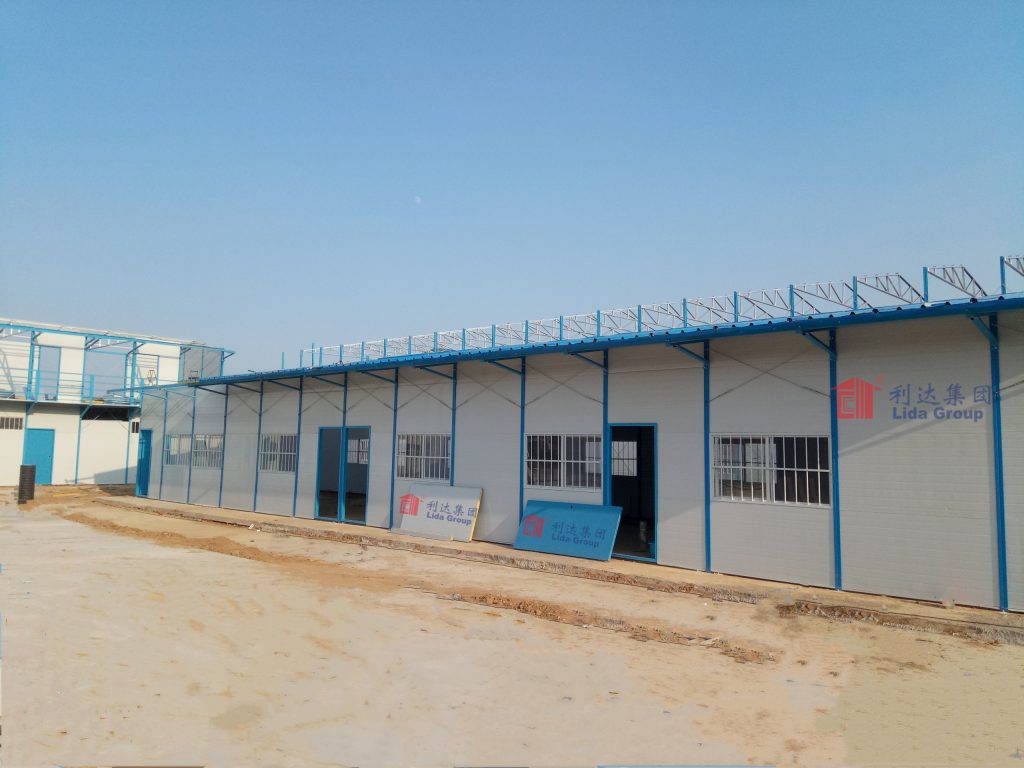
While the advantages of rapid deployment are substantial, successful implementation requires addressing certain challenges.
**8.1 Permitting and Regulatory Acceptance**
Building codes and zoning regulations in some jurisdictions have not fully adapted to prefab construction. Strategies for successful permitting include:
– Engaging local building departments early in the planning process
– Working with manufacturers that provide engineered drawings and certification documentation
– Presenting systems as pre-engineered metal buildings—a well-established classification
**8.2 Site Access and Logistics**
Remote sites may have limited road access, requiring careful logistics planning. Experienced manufacturers manage:
– Route surveys to identify low-clearance bridges, weight-restricted roads, and other obstacles
– Multi-modal transport coordination for sites requiring rail, barge, or helicopter delivery
– Staging area requirements for component assembly
**8.3 Skilled Assembly Supervision**
While assembly is designed to be simple, quality depends on proper execution. Suppliers providing on-site supervisors ensure that assembly meets specifications and local building codes.
**Chapter 9: The Future of Rapid Deployment**
As technology advances, the speed of prefab easy assembly buildings will continue to improve.
**9.1 Automated Assembly**
Robotics and automation will further reduce assembly time. Automated guided vehicles (AGVs) transporting components; robotic arms positioning and fastening connections; drones performing quality inspections.
**9.2 Smart Connection Systems**
Advanced connection technologies will eliminate manual bolting. Quick-connect mechanisms that lock components with a single action; self-aligning connectors that compensate for minor positioning errors; sensor-embedded connections that confirm proper installation.
**9.3 Integrated Logistics Platforms**
Digital platforms will optimize the entire deployment process. Real-time tracking of every component from factory to site; predictive analytics identifying potential delays before they occur; automated customs clearance and documentation.
**9.4 Pre-commissioned Modules**
Increasing levels of factory finishing will reduce on-site work. Modules arriving with furniture installed, appliances connected, and systems pre-commissioned; plug-and-play utility connections requiring minutes rather than hours.
**Conclusion**
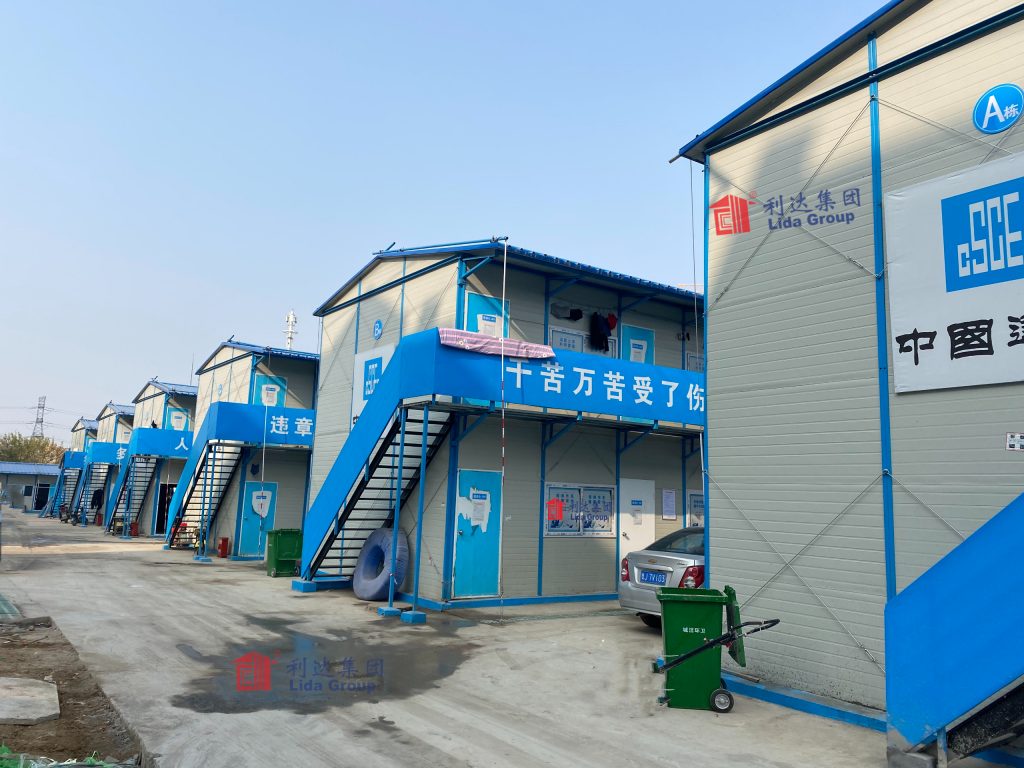
Rapid deployment with prefab easy assembly building systems represents a fundamental advancement in construction capability. By shifting the majority of building work from chaotic job sites to controlled factory environments, these systems deliver code-compliant buildings in a fraction of the time required by traditional methods. The time savings are dramatic and transformative—a single-family home in 2-6 weeks rather than 6-12 months; a 100-unit workforce camp in 4-6 weeks rather than 12-18 months; an emergency medical facility in 25 days rather than 12 months.
These speed advantages are not achieved through compromise. Prefab easy assembly buildings are engineered to meet or exceed building codes applicable to permanent structures. High-strength steel frames provide structural integrity rated for magnitude 8 earthquakes and 150 mph winds. Advanced sandwich panel insulation achieves thermal performance that reduces energy consumption by 30-50%. Corrosion protection systems enable service lives of 25-50 years, even in coastal or industrial environments.
The economic benefits of rapid deployment are compelling. Reduced financing costs, earlier revenue generation, lower overhead, and cost predictability improve project economics and return on investment. For developers, faster capital turnover enables pursuit of additional projects. For industrial operators, accelerated project commencement generates revenue months earlier.
Real-world validation across continents confirms the performance of these systems. European mountain camps delivered in 21 days despite -25°C conditions. Australian mining expansions enabling three months of accelerated production. Caribbean disaster response communities providing shelter before the next storm season. North American affordable housing meeting government incentive deadlines. Emergency medical facilities operational in 25 days during a public health crisis.
As the global community faces pressing challenges—housing shortages, climate change, infrastructure needs, disaster response—the ability to deploy buildings rapidly and responsibly has never been more critical. Prefab easy assembly building systems offer a proven solution. They deliver the speed to meet urgent timelines, the quality to ensure long-term value, and the sustainability to minimize environmental impact.
For project managers, developers, and organizational leaders facing time-sensitive construction needs, the message is clear: rapid deployment is not only possible but achievable with today’s technology. Prefab easy assembly building systems transform the construction timeline from a constraint into an advantage, enabling projects to proceed when they must, where they must, and how they must—without delay, without compromise, and without the limitations of traditional construction.
Related news
-
Lida Group Completes Major Construction Site Labor Accommodation Project
2026-03-26 15:36:08
-
Energy-Efficient Eco-Friendly Sandwich Panel House by Lida Group
2026-03-26 15:55:47
-
Innovative Prefab Easy Assembly Building Saves Time and Resources
2026-03-26 15:25:33
contact us
- Tel: +86-532-88966982
- Whatsapp: +86-13793209022
- E-mail: sales@lidajituan.com
