



Rapid Deployment with Easy Install Container House Technology
2026-Feb-14 13:55:22
By Admin
In an era marked by global uncertainty, rapid urbanization, and the growing need for flexible, cost-effective housing solutions, easy install container house technology has emerged as a transformative force in the construction industry. Unlike traditional construction methods that are time-consuming, labor-intensive, and inflexible, container house technology leverages the inherent durability and modularity of shipping containers to deliver housing that can be deployed quickly, installed with minimal effort, and adapted to a wide range of applications. From emergency relief and temporary workforce housing to permanent residential complexes and commercial spaces, rapid deployment container houses are redefining how we think about building—prioritizing speed, efficiency, and affordability without compromising on quality, safety, or comfort.
The global demand for rapid deployment housing solutions has never been higher. Natural disasters such as earthquakes, hurricanes, and floods displace millions of people each year, creating an urgent need for temporary shelter that can be delivered and installed in days, not weeks. At the same time, industries including mining, renewable energy, construction, and oil and gas continue to expand into remote regions, requiring fast, reliable housing for their workforces. Urban areas facing housing shortages and rising construction costs are also turning to container house technology as a viable alternative to traditional housing. Additionally, the COVID-19 pandemic highlighted the critical need for rapid deployment medical facilities, quarantine centers, and temporary housing for frontline workers—needs that container house technology was uniquely positioned to meet. In all these scenarios, the core advantage of easy install container house technology is its ability to deliver functional, durable housing in the shortest possible time, with minimal on-site labor and equipment.
This article explores the ins and outs of rapid deployment with easy install container house technology, examining its core principles, key features, technical advantages, practical applications, market trends, and real-world case studies. By delving into the technology that enables quick deployment and easy installation, we aim to provide a comprehensive overview of how container house solutions are addressing global housing challenges and shaping the future of construction. From the manufacturing process that ensures prefabricated precision to the innovative installation methods that reduce on-site work, every aspect of this technology is designed to prioritize speed and simplicity—making it a game-changer for industries and communities worldwide.
1. Overview of Easy Install Container House Technology
Easy install container house technology refers to a modular construction method that uses modified shipping containers or purpose-built container-like modules as the core structural component, designed specifically for rapid deployment, simple on-site installation, and flexibility. Unlike traditional container houses that may require extensive modification or heavy machinery to install, easy install container houses are engineered with prefabricated components, standardized connection systems, and lightweight yet durable materials—all of which streamline the installation process and reduce deployment time.
The origins of container house technology can be traced back to the mid-20th century, when shipping containers became a staple of global trade. Their rugged design, standardized dimensions, and durability made them ideal for repurposing into temporary shelters, but early iterations lacked the ease of installation and comfort needed for widespread use. Over the past two decades, advances in manufacturing technology, modular design, and construction materials have transformed container houses from basic repurposed units into sophisticated, easy-to-install solutions that can be deployed in hours or days, depending on the size and complexity of the project.
At the heart of easy install container house technology is the principle of prefabrication—manufacturing as many components as possible in a controlled factory environment before transporting them to the site. This approach ensures consistent quality, reduces waste, and minimizes on-site work, which is often the biggest bottleneck in traditional construction. Easy install container houses typically have a prefabrication rate of 90% or higher, meaning that everything from the structural frame and walls to the internal fixtures and utility connections is completed in the factory. Once delivered to the site, the only remaining work is to connect the modules, secure them to the foundation (if required), and commission the utilities—tasks that can be completed by a small team with minimal specialized skills.
Another key principle of this technology is standardization. Easy install container houses are built using standardized dimensions (typically 20-foot or 40-foot, matching traditional shipping containers) and standardized connection interfaces. This standardization ensures that modules can be easily stacked, connected, or rearranged to create housing of any size or configuration—from single-unit temporary shelters to multi-story residential complexes. The standardized connection systems, which often use bolt-together or clip-on mechanisms, eliminate the need for welding or heavy machinery, making installation quick and straightforward.
It is important to distinguish between easy install container house technology and traditional container repurposing. While both use container-like structures, traditional repurposed containers often require extensive on-site modification (such as cutting openings for windows and doors, installing insulation, and connecting utilities), which can be time-consuming and labor-intensive. In contrast, easy install container houses are purpose-built from the ground up for quick installation, with pre-installed insulation, windows, doors, fixtures, and utility connections. This purpose-built design ensures that the units are ready to use within hours of delivery, rather than days or weeks.
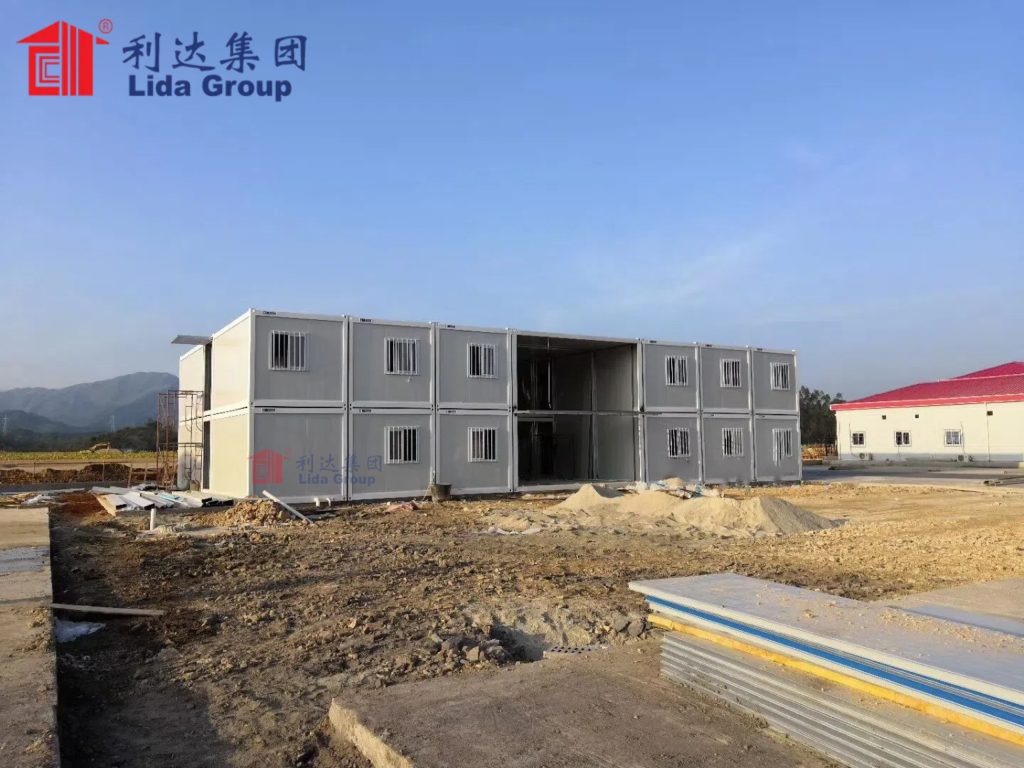
2. Key Technical Features Enabling Rapid Deployment and Easy Installation
The ability of easy install container house technology to deliver rapid deployment and simple installation is made possible by a set of core technical features, each designed to streamline the process from manufacturing to on-site setup. These features work together to minimize on-site labor, reduce installation time, and ensure that the final structure is durable, functional, and safe. Below is a detailed overview of the most critical technical features:
2.1 Modular Design with Standardized Dimensions
Modular design is the foundation of easy install container house technology. Each container house unit is a self-contained module that can be used independently or combined with other modules to create larger structures. The modules are built to standardized dimensions—most commonly 20 feet (6055mm × 2438mm × 2896mm) or 40 feet (12192mm × 2438mm × 2896mm)—which align with global shipping container standards. This standardization ensures that modules can be easily transported using standard shipping methods (trucks, ships, trains) and quickly connected on-site without the need for custom modifications.
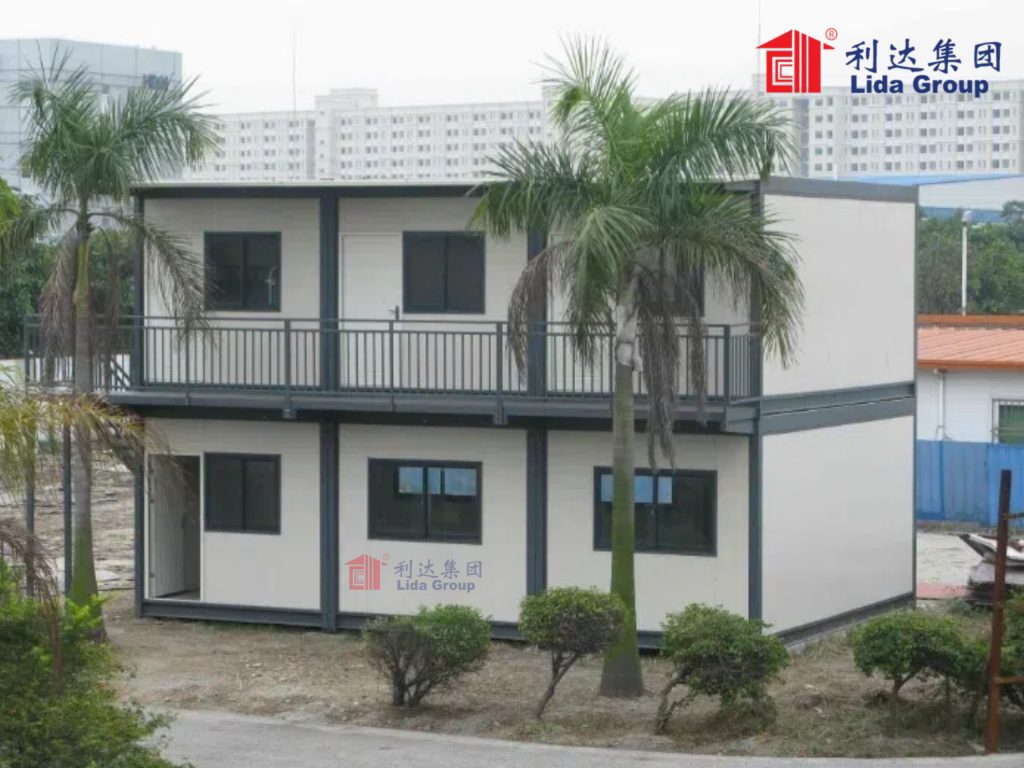
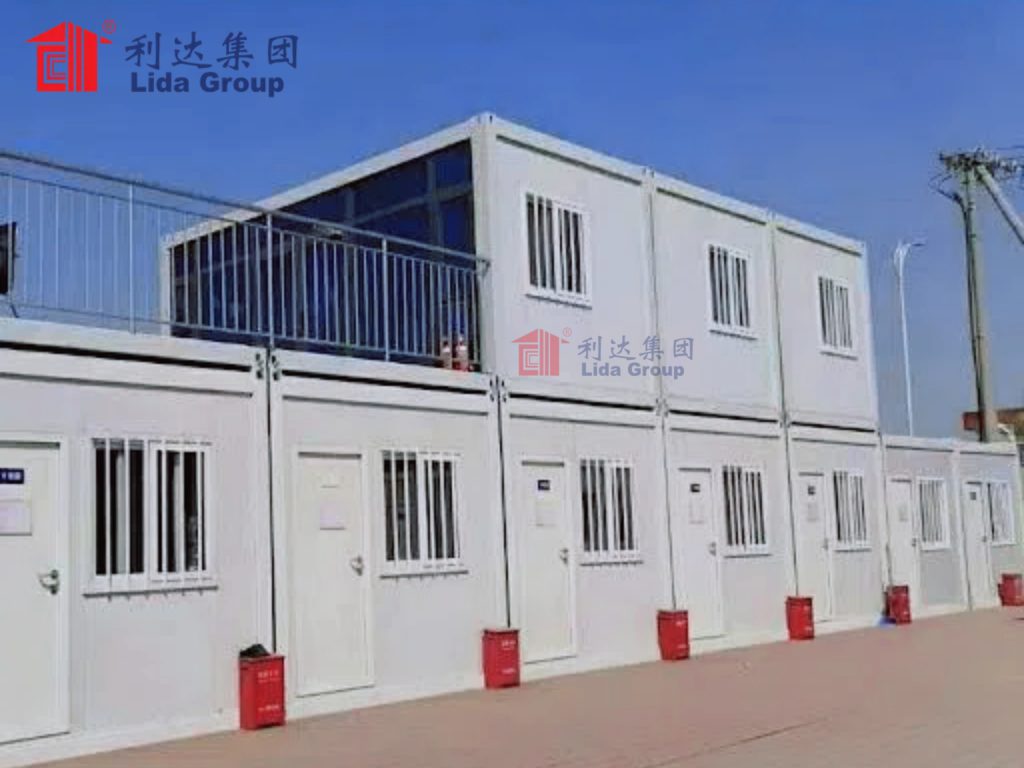
The modular design also allows for unparalleled flexibility. Modules can be stacked vertically up to 3 levels (with minimal foundation support) or connected horizontally to create longer or wider structures. For example, two 20-foot modules connected horizontally can form a spacious one-bedroom house, while three stacked 40-foot modules can create a multi-story apartment complex. This flexibility means that easy install container houses can be adapted to meet a wide range of needs, from single-person shelters to large-scale residential or commercial projects—all while maintaining the ability to deploy quickly.
To facilitate easy connection, each module is equipped with standardized connection points—typically located at the corners and along the edges. These connection points use high-strength steel bolts or clip-on mechanisms that can be secured by a small team using basic tools. The bolt-together design eliminates the need for welding, which is not only time-consuming but also requires specialized skills and equipment. In most cases, two workers can connect two modules in less than an hour, significantly reducing installation time.
2.2 High Prefabrication Rate and Factory-Assembled Components
One of the most significant advantages of easy install container house technology is its high prefabrication rate—typically 90% to 95%. This means that nearly all components of the container house are manufactured and assembled in a controlled factory environment before being shipped to the site. Factory prefabrication ensures that each component is built to strict quality standards, reducing the risk of defects and ensuring consistency across all modules.
Factory-assembled components include: the steel frame (pre-welded and treated for corrosion), sandwich panel walls and roof (pre-insulated with high-density materials), floor systems (pre-installed with non-slip surfaces and underfloor insulation), windows and doors (pre-fitted with weatherstripping and locks), internal fixtures (such as cabinets, shelves, and bunk beds), and utility connections (pre-routed for electrical, plumbing, and HVAC systems). Even complex components like kitchens and bathrooms can be fully prefabricated in the factory, with all appliances and fixtures installed and tested before delivery.
The high prefabrication rate minimizes on-site work to a minimum. Once the modules arrive at the site, the only tasks required are: positioning the modules (using a small crane or forklift, if needed), connecting the modules using the standardized connection system, securing the modules to a simple foundation (such as concrete slabs or gravel pads), and connecting the utilities (electrical, water, sewage) to the pre-routed connections. For a single 20-foot module, this entire process can be completed in 6 to 8 hours by a team of 2 to 4 workers. For a larger camp with 10 modules (accommodating 40 to 50 people), installation can be completed in 2 to 3 days—compared to weeks or months for traditional construction.
2.3 Lightweight yet Durable Construction Materials
Easy install container houses are built using lightweight yet durable materials that balance portability with longevity. The core structural frame is typically made from high-strength galvanized steel (Q235B grade), which provides exceptional durability and corrosion resistance while remaining relatively lightweight. The steel frame is treated with a dual-layer anti-corrosion coating—galvanization (80μm-100μm) to prevent rust and a fluorocarbon paint finish (20μm-30μm) to protect against moisture, UV radiation, and chemical exposure. This treatment ensures that the frame can withstand harsh environmental conditions, including extreme temperatures, high winds, and coastal saltwater, for 15 to 20 years with minimal maintenance.
The walls, roof, and floor are constructed using lightweight steel sandwich panels, which consist of two thin steel sheets (0.8mm-1.0mm thick) bonded to a high-density insulation core (typically rock wool, polyurethane, or EPS). These panels are lightweight (weighing approximately 15-20 kg/㎡) but highly durable, with excellent thermal insulation, sound insulation, and fire resistance. The insulation core provides a thermal conductivity of ≤0.04W/(㎡·K), ensuring that the interior remains comfortable in extreme temperatures (from -35℃ to 45℃) without excessive energy consumption. The sandwich panels are also easy to handle and install, further streamlining the on-site process.
To reduce weight and improve portability, many easy install container houses use lightweight internal fixtures and materials. For example, internal walls may be made from lightweight gypsum board or aluminum composite panels, while flooring may use vinyl or linoleum instead of heavy hardwood. These lightweight materials not only make the modules easier to transport and install but also reduce the overall load on the foundation, allowing for simpler, less expensive foundation solutions (such as gravel pads or concrete blocks) in many cases.
2.4 Innovative Quick-Connection Systems
The key to easy installation lies in the innovative quick-connection systems used to join container modules together. Unlike traditional container houses, which may require welding or complex bolting, easy install container houses use standardized, tool-free or low-tool connection systems that allow for rapid assembly.
One of the most common connection systems is the bolt-together corner casting system. Each module is equipped with reinforced corner castings (made from high-strength steel) that have pre-drilled holes aligned with the connection points of adjacent modules. High-strength steel bolts (M16-M20) are inserted through these holes and tightened using a standard wrench, creating a secure connection between modules. This system requires no specialized tools or skills, and two workers can connect two modules in less than 30 minutes.
Another innovative connection system is the clip-on or snap-fit system, which uses interlocking metal clips to join modules together. This system is even faster than bolt-together systems, as the clips can be inserted and secured by hand or with a simple tool. Clip-on systems are ideal for temporary structures that may need to be disassembled and relocated frequently, such as emergency shelters or temporary workforce camps.
In addition to module-to-module connections, easy install container houses also feature quick-connect utility systems. Electrical, plumbing, and HVAC connections are pre-routed in the factory with standardized plug-and-play interfaces. On-site, workers simply plug the utility lines from one module into the corresponding connections of another module, eliminating the need for complex wiring or piping. This quick-connect utility system reduces the time required to commission the utilities by 70% compared to traditional construction.
2.5 Simplified Foundation Requirements
Traditional construction requires complex, time-consuming foundations (such as deep concrete footings) to support the structure, which can add weeks to the construction timeline. Easy install container house technology eliminates this bottleneck by requiring only simple, lightweight foundations—thanks to the modular design and lightweight construction materials.
The most common foundation solutions for easy install container houses include: gravel pads (leveled and compacted gravel), concrete slabs (thin, 100-150mm thick slabs), concrete blocks (placed at the corners and along the edges of the modules), and screw piles (twisted into the ground for unstable terrain). These foundations are quick and easy to install, with a small team able to prepare the foundation for a single module in 1 to 2 hours.
For temporary structures (such as emergency shelters or short-term workforce camps), no foundation may be required at all—modules can be placed directly on level ground, provided the soil is compacted. This is possible because the modular design distributes the weight of the structure evenly, reducing the pressure on the ground. For longer-term structures or areas with unstable soil, simple foundations like concrete blocks or screw piles are sufficient to ensure stability, without the need for expensive, time-consuming excavation.
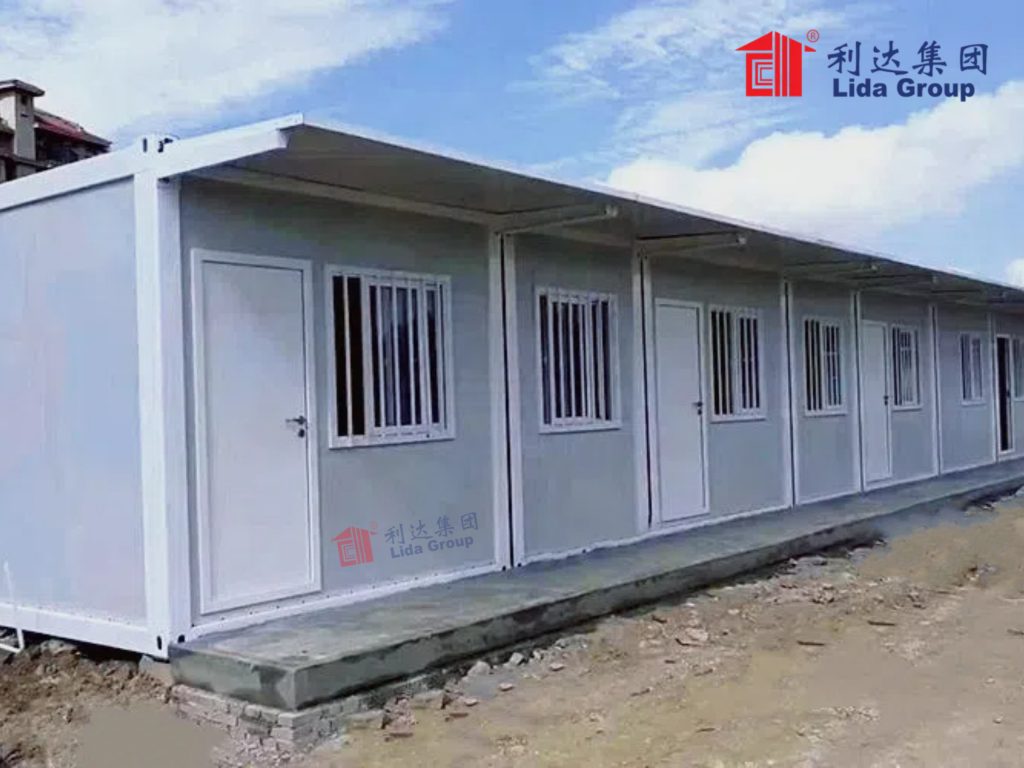
3. Core Advantages of Rapid Deployment Easy Install Container Houses
Easy install container house technology offers a wide range of advantages over traditional construction methods and even conventional container houses, making it the preferred solution for applications where speed, flexibility, and cost-effectiveness are critical. These advantages stem directly from the technical features outlined above, and they address the key pain points of traditional housing solutions—long deployment times, high labor costs, inflexibility, and poor adaptability to remote or emergency environments. Below are the core advantages:
3.1 Unmatched Speed of Deployment
The most obvious and significant advantage of easy install container houses is their rapid deployment capability. As noted earlier, a single 20-foot module can be delivered and installed in 6 to 8 hours, while a large camp with 50+ modules can be fully operational in 3 to 5 days. This is a fraction of the time required for traditional construction, which typically takes weeks or months to complete. For emergency situations (such as earthquakes, hurricanes, or pandemics), this speed can be life-saving—providing shelter, medical facilities, or quarantine spaces to those in need within hours of a disaster.
The speed of deployment is also a critical advantage for remote industrial projects (such as mining, wind farms, or oil and gas exploration), where workers need to be housed quickly to start project operations. Traditional construction in remote areas is often delayed by the lack of skilled labor, heavy machinery, and infrastructure, but easy install container houses can be delivered and installed using minimal on-site resources, ensuring that workers are housed on time and projects stay on schedule.
3.2 Significantly Lower Labor Costs
Easy install container houses require far less on-site labor than traditional construction, resulting in significant cost savings. Traditional construction typically requires a large team of skilled workers (carpenters, masons, electricians, plumbers) to complete on-site tasks, which can be expensive—especially in remote areas where labor is scarce. In contrast, easy install container houses can be installed by a small team of 2 to 4 unskilled or semi-skilled workers, with no need for specialized tradespeople (except for utility connections, in some cases).
For example, installing a 10-module workforce camp (accommodating 40 workers) requires only 2 to 3 days of work by 4 workers—compared to 2 to 3 weeks of work by 10+ skilled workers for a traditional camp. This reduces labor costs by 50% to 70%, making easy install container houses a cost-effective solution for organizations operating on tight budgets.
3.3 Exceptional Flexibility and Adaptability
Easy install container houses are highly flexible and adaptable, making them suitable for a wide range of applications. The modular design allows for easy expansion, reduction, or relocation of the structure as needs change. For example, a workforce camp can be expanded by adding more modules as the project team grows, or reduced by removing modules as the project nears completion. Modules can also be disassembled and transported to a new location, making them ideal for mobile projects (such as highway construction or mobile mining operations).
The flexibility of easy install container houses also extends to customization. Modules can be tailored to meet specific needs, such as adding insulation for cold regions, installing solar panels for off-grid locations, or modifying the internal layout for medical facilities or offices. This customization can be done in the factory before delivery, ensuring that the modules are ready to use upon installation—without the need for on-site modifications.
3.4 Durability and Longevity
Despite their lightweight construction and easy installation, easy install container houses are extremely durable and long-lasting. The high-strength galvanized steel frame and corrosion-resistant coating ensure that the structure can withstand harsh environmental conditions, including extreme temperatures (-35℃ to 45℃), high winds (up to 13 levels), seismic activity (up to 7 magnitudes), and heavy snow loads (up to 1.5kN/㎡). The sandwich panel walls and roof provide excellent fire resistance (B1 grade) and water resistance (IP67 rating), ensuring that the interior remains safe and dry even in extreme weather.
With proper maintenance, easy install container houses have a service life of 15 to 20 years—comparable to traditional construction. Additionally, the modular design allows for easy replacement of individual components (such as walls or fixtures) if they become damaged, extending the overall service life of the structure. This durability makes easy install container houses a viable long-term solution, not just a temporary fix.
3.5 Cost-Effectiveness Across the Lifecycle
Easy install container houses are cost-effective not just in terms of initial deployment, but across their entire lifecycle. The lower labor costs, rapid deployment (reducing project downtime), and low maintenance requirements all contribute to significant long-term savings. Compared to traditional construction, easy install container houses can reduce total lifecycle costs by 30% to 50%.
Initial costs are also lower than traditional construction, thanks to the efficient factory production process and reduced on-site work. Factory prefabrication reduces material waste by 70% to 80% compared to traditional construction, further lowering costs. Additionally, the reusability of modules means that organizations can reuse container houses for multiple projects, reducing the need to build new structures and lowering long-term housing costs.
3.6 Environmental Sustainability
Easy install container house technology is also environmentally sustainable, aligning with global efforts to reduce carbon emissions and promote green construction. The high prefabrication rate reduces construction waste by 70% to 80% compared to traditional construction, as materials are used more efficiently in a controlled factory environment. The steel frame is made from recycled steel (where possible), and steel is one of the most recyclable materials in the world—meaning that the frame can be fully recycled at the end of the structure’s service life.
The insulation materials used in sandwich panels (such as rock wool) are eco-friendly, non-toxic, and recyclable. Energy-efficient features (such as advanced insulation, LED lighting, and optional solar power systems) reduce energy consumption by 35% to 45% compared to traditional housing, lowering carbon emissions and energy costs. Additionally, the ability to relocate and reuse modules reduces the need for new construction, minimizing the environmental impact of building new housing.
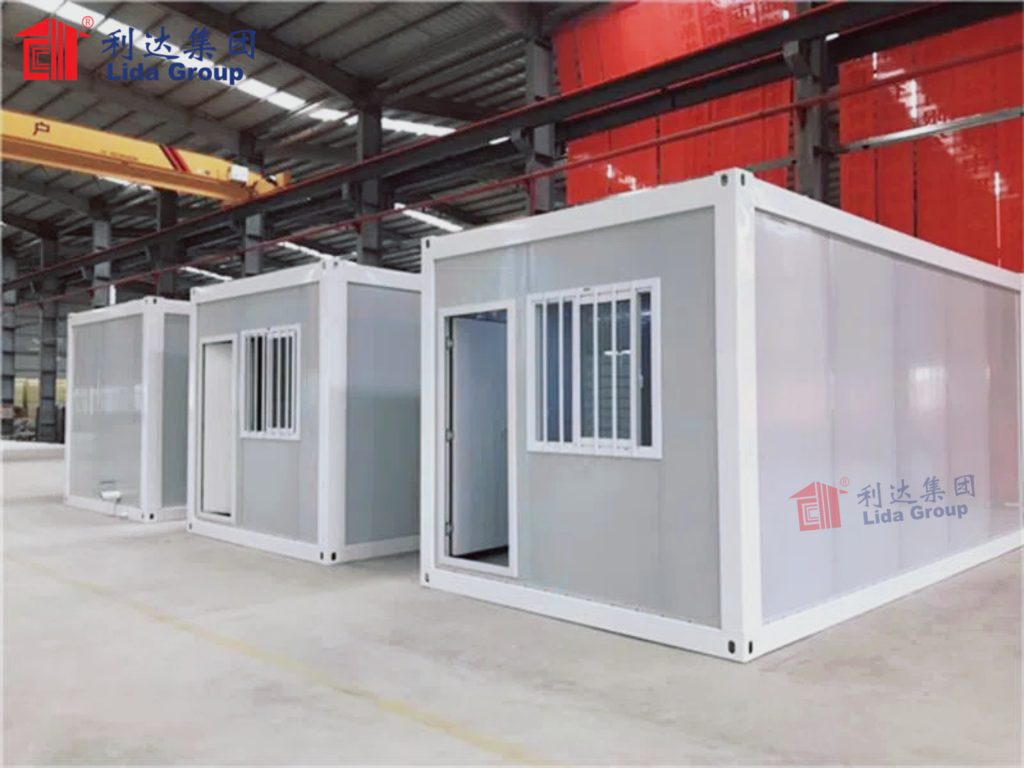
4. Practical Application Scenarios of Easy Install Container Houses
The rapid deployment and easy installation of container house technology make it suitable for a wide range of practical applications, spanning emergency response, industrial projects, residential housing, commercial spaces, and government initiatives. Each application leverages the core advantages of the technology—speed, flexibility, durability, and cost-effectiveness—to address specific housing or space needs. Below are the key application scenarios, with real-world case studies demonstrating the effectiveness of easy install container houses:
4.1 Emergency Relief and Disaster Response
One of the most critical applications of easy install container house technology is emergency relief and disaster response. When natural disasters (earthquakes, hurricanes, floods, wildfires) strike, communities need immediate shelter for displaced people, medical facilities for the injured, and command centers for relief workers. Easy install container houses are ideal for this purpose, as they can be deployed within hours of a disaster and installed quickly with minimal on-site resources.
Case Study: In 2025, a powerful earthquake struck a remote region in Nepal, displacing over 10,000 people and destroying thousands of homes. Local and international relief organizations needed to provide emergency shelter quickly to prevent further suffering. A global modular construction company deployed 500 easy install container houses (20-foot modules) to the region. The modules were transported by truck and helicopter to remote villages, and each module was installed by a team of 2 workers in 6 hours. Within 10 days, the 500 modules were fully installed, providing shelter for 2,500 displaced people. The modules were equipped with basic furniture, insulation, and solar-powered lighting, ensuring that families had a safe, comfortable place to stay while their homes were rebuilt. Additionally, 20 of the modules were customized as medical clinics, with pre-installed examination tables, medical equipment, and refrigeration for vaccines. These clinics provided critical medical care to over 5,000 injured people in the weeks following the disaster. The easy install design allowed relief workers to focus on other critical tasks, such as distributing food and water, while the shelters were quickly set up.
4.2 Remote Workforce Housing for Industrial Projects
Remote industrial projects—such as mining, renewable energy (wind, solar), oil and gas exploration, and infrastructure construction—require housing for workers deployed to remote regions with no existing housing infrastructure. These projects often have tight timelines, and workers need to be housed quickly to start operations. Easy install container houses are the perfect solution, as they can be deployed and installed rapidly, even in the most remote and harsh environments.
Case Study: A European renewable energy company was building a large wind farm in the remote mountains of Chile, requiring housing for 200 construction workers for a 3-year project. The site was located at an altitude of 3,000 meters, with extreme temperatures (ranging from -10℃ to 30℃) and high winds. The company chose 40 easy install container houses (40-foot modules) to create a workforce camp. The modules were transported by ship to a port in Chile, then by truck to the remote wind farm site. The camp was installed by a team of 4 workers in 3 days, with each module connected using the bolt-together connection system. The modules were equipped with enhanced insulation, floor heating, and solar-powered electrical systems (since the site had no access to the grid). The camp included dormitories (accommodating 5 workers per module), communal kitchens, bathrooms, and a recreation area. The easy install design allowed the company to house workers within 2 weeks of the modules arriving on-site, ensuring that construction of the wind farm started on schedule. Over the 3-year project, the camp required minimal maintenance, and when the project was completed, the modules were disassembled and transported to another wind farm project in Argentina—demonstrating their reusability and cost-effectiveness.
4.3 Temporary Housing for Urban Development and Construction
Urban development projects—such as the renovation of old neighborhoods, construction of new highways, or expansion of public facilities—often require temporary housing for displaced residents or construction workers. Easy install container houses provide a flexible, cost-effective solution for this need, as they can be deployed quickly and relocated once the project is completed.
Case Study: A city in China was undergoing a large-scale urban renewal project, renovating 500 old buildings and displacing 2,000 residents. The city government needed temporary housing for the displaced residents while their homes were being renovated. They chose 400 easy install container houses (20-foot modules) to create a temporary residential community. The modules were installed on a vacant lot near the renovation site, with the entire community set up in 5 days. Each module was customized as a one-bedroom or two-bedroom unit, with a kitchenette, bathroom, and living area. The community included communal gardens, playgrounds, and a community center—creating a comfortable living environment for the displaced residents. The easy install design allowed the city government to move residents into temporary housing quickly, minimizing disruption to their lives. Once the renovation project was completed (after 18 months), the modules were disassembled and relocated to another urban renewal project in a nearby city—reducing waste and lowering the cost of temporary housing.
4.4 Medical Facilities and Quarantine Centers
The COVID-19 pandemic highlighted the need for rapid deployment of medical facilities and quarantine centers to handle surges in patients or isolate individuals exposed to infectious diseases. Easy install container houses are ideal for this application, as they can be quickly customized into medical clinics, testing centers, or quarantine rooms—with pre-installed utilities and medical equipment.
Case Study: During a COVID-19 surge in 2024, a city in India needed to quickly set up a quarantine center to isolate 500 individuals exposed to the virus. The city government partnered with a modular construction company to deploy 100 easy install container houses (20-foot modules) as quarantine rooms. The modules were customized with pre-installed beds, ventilation systems, bathroom facilities, and video monitoring systems (to allow medical staff to check on patients remotely). The entire quarantine center was installed in 4 days by a team of 6 workers, with utilities (water, electricity, sewage) connected using the quick-connect systems. The modules were placed 2 meters apart to ensure social distancing, and a separate module was set up as a medical station for staff. The quarantine center was operational within a week of the modules arriving on-site, helping to slow the spread of the virus by isolating exposed individuals. After the surge passed, the modules were repurposed as primary health clinics in rural areas, providing long-term value to the community.
4.5 Military Camps and Field Operations
Military forces often require temporary camps for field operations, training exercises, or peacekeeping missions in remote or hostile environments. Easy install container houses are well-suited for this application, as they are durable, portable, and can be deployed quickly with minimal equipment—critical for military operations where speed and mobility are essential.
Case Study: A NATO military force was conducting a training exercise in a remote region of Eastern Europe, requiring a temporary camp for 300 soldiers for a 2-month period. The military chose 60 easy install container houses (40-foot modules) to create the camp, which included barracks, command centers, medical facilities, and storage units. The modules were transported by military trucks to the training site, and the entire camp was installed by a team of 8 soldiers in 2 days—using only basic tools and a small crane for positioning the modules. The modules were equipped with reinforced security doors, camouflage paint, and communication systems, ensuring that the camp was secure and functional for military operations. The easy install design allowed the military to set up the camp quickly and focus on the training exercise, and when the exercise was completed, the camp was disassembled and transported to a nearby military base for future use.
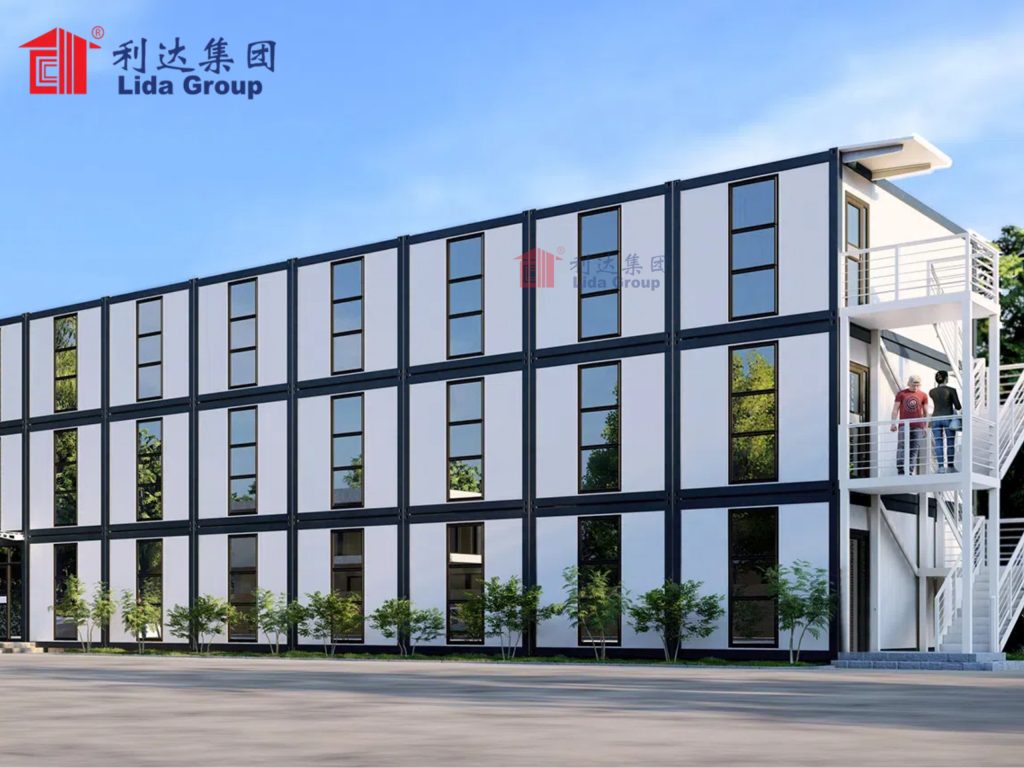
5. Market Background and Development Trends
The global market for easy install container houses is growing at an unprecedented rate, driven by increasing demand for rapid deployment housing solutions across various industries. As organizations and governments recognize the advantages of this technology—speed, flexibility, cost-effectiveness, and durability—the market is expected to expand significantly in the coming years. Below is an overview of the market background, key drivers, and future development trends:
5.1 Market Size and Growth
According to industry reports, the global modular container house market (including easy install solutions) was valued at approximately $12.8 billion in 2025 and is projected to grow at a compound annual growth rate (CAGR) of 9.2% from 2026 to 2030, reaching $18.7 billion by 2030. The rapid deployment and easy install segment is expected to grow even faster, with a CAGR of 11.5% during the same period—driven by increasing demand for emergency relief, remote workforce housing, and temporary medical facilities.
The Asia-Pacific region is the largest market for easy install container houses, accounting for approximately 45% of the global market in 2025. This is due to the high frequency of natural disasters in the region (such as earthquakes in Japan and China, floods in India and Bangladesh), rapid urbanization, and large-scale infrastructure projects. North America and Europe are also significant markets, driven by demand for remote workforce housing in the renewable energy and mining industries, as well as temporary housing for urban development projects.
5.2 Key Market Drivers
Several key factors are driving the growth of the easy install container house market:
-
Increasing Frequency of Natural Disasters: Climate change has led to an increase in the frequency and severity of natural disasters worldwide, creating a growing need for rapid deployment emergency shelter solutions. Governments and relief organizations are increasingly turning to easy install container houses to respond quickly to disasters.
-
Expansion of Remote Industrial Projects: The global shift toward renewable energy (wind, solar, hydro) and the continued expansion of mining and oil and gas exploration in remote regions are driving demand for remote workforce housing. Easy install container houses are the preferred solution for these projects, as they can be deployed quickly and efficiently.
-
Urbanization and Housing Shortages: Rapid urbanization in developing countries has led to severe housing shortages, particularly in low-income communities. Easy install container houses provide a cost-effective, quick solution for temporary or permanent housing in urban areas.
-
Advancements in Manufacturing Technology: Advances in automation, 3D modeling, and materials science have improved the quality and efficiency of container house production, reducing costs and increasing the prefabrication rate—making easy install container houses more accessible and affordable.
-
Growing Focus on Sustainability: Governments and organizations worldwide are increasingly focused on sustainable construction practices. Easy install container houses are environmentally friendly, with reduced waste, recyclable materials, and energy-efficient features—aligning with global sustainability goals.
5.3 Future Development Trends
The easy install container house market is expected to undergo significant innovation in the coming years, with several key trends shaping the future of the technology:
-
Intelligent Integration: Easy install container houses will increasingly incorporate smart technologies, such as IoT sensors, smart lighting, and remote monitoring systems. These technologies will allow for real-time monitoring of the structure’s condition (temperature, humidity, structural integrity), remote control of utilities, and improved energy efficiency.
-
Material Innovation: New lightweight, high-strength materials (such as carbon fiber composites and advanced insulation materials) will be used to further reduce the weight of container modules, improve durability, and enhance thermal performance. These materials will also make modules easier to transport and install.
-
Modular Customization: Manufacturers will offer more advanced customization options, allowing clients to tailor container modules to their specific needs—such as modular medical facilities with specialized equipment, luxury temporary housing for remote workers, or disaster relief shelters with built-in water purification systems.
-
Automated Installation: The development of automated installation systems (such as robotic connection systems and drone-assisted positioning) will further reduce the time and labor required to install container modules. This will make it possible to install large camps with minimal human intervention.
-
Permanent Residential Applications: Easy install container houses will increasingly be used for permanent residential housing, particularly in urban areas. Advances in design and materials will make container houses more aesthetically pleasing and comfortable, challenging the perception that container houses are only for temporary use.
6. Technical Specifications and Installation Standards
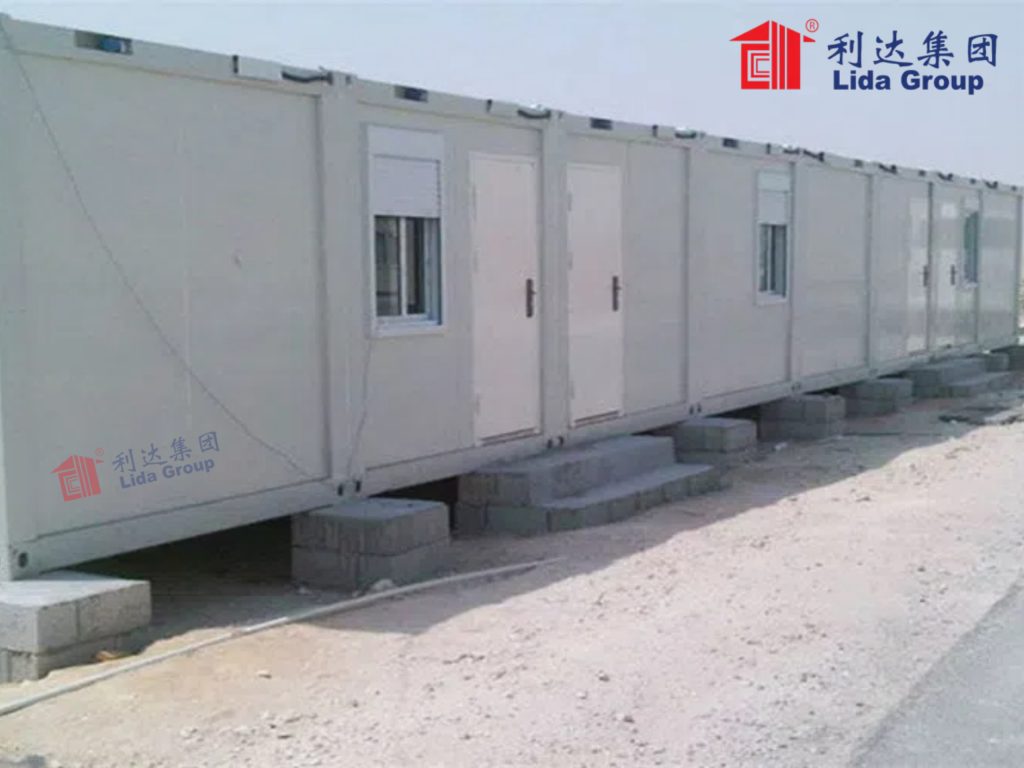
Easy install container houses are built to strict technical standards to ensure durability, safety, and ease of installation. These standards cover everything from the structural design and materials to the installation process and utility connections. Below is a detailed overview of the key technical specifications and installation standards for easy install container houses:
6.1 Structural Specifications
-
Frame Material: High-strength galvanized steel (Q235B grade), frame thickness of 2.5mm-3.5mm
-
Anti-corrosion Treatment: Galvanized layer (80μm-100μm) + fluorocarbon paint finish (20μm-30μm)
-
Module Dimensions: Standard 20-foot (6055mm × 2438mm × 2896mm); 40-foot (12192mm × 2438mm × 2896mm); custom sizes available (10-foot, 30-foot)
-
Weight: 20-foot module: 2.0-2.5 tons; 40-foot module: 4.0-4.5 tons (lighter than traditional repurposed containers due to lightweight materials)
-
Stacking Capacity: Up to 3 levels (with simple concrete block or screw pile foundation support)
-
Connection System: Bolt-together corner casting system (M16-M20 high-strength steel bolts) or clip-on snap-fit system
-
Walls/Roof/Floor: 100mm-150mm thick steel sandwich panels with high-density insulation core (rock wool, polyurethane, or EPS); outer steel sheet thickness 0.8mm-1.0mm
-
Windows: Aluminum alloy windows with double-layer tempered glass (6mm+12A+6mm); sound insulation ≥45dB; thermal insulation U-value ≤2.8W/(㎡·K); weatherstripping and optional insect screens
-
Doors: Heavy-duty steel security doors (1.2mm thick) with anti-theft locks and weatherstripping; door size: 900mm × 2100mm
6.2 Performance Standards
-
Prefabrication Rate: ≥90% (core components prefabricated in factory)
-
Installation Time: Single 20-foot module: 6-8 hours (2-4 workers); 10-module camp: 2-3 days; 50-module camp: 4-5 days
-
Service Life: 15-20 years (with proper maintenance); Reusable for ≥10 relocations
-
Seismic Resistance: Up to 7 magnitudes (compliant with GB50011-2010 and ISO 14001)
-
Wind Resistance: Up to 13 levels (wind speed 134-149 km/h)
-
Temperature Resistance: Operational range of -35℃ to 45℃
-
Fire Resistance: B1 grade fire rating; 2-hour fire resistance limit
-
Waterproof Performance: IP67 rating (no water leakage in heavy rain: 250mm/24h)
-
Energy Efficiency: 35-45% reduction in energy consumption compared to traditional temporary housing
-
Safety Compliance: ISO 9001 certified, CE certified; electrical components meet IEC standards
6.3 Installation Standards and Procedures
Easy install container houses follow a standardized installation process to ensure speed, safety, and consistency. The key steps in the installation process are:
-
Site Preparation: Clear and level the installation site; compact the soil (if needed); install the foundation (gravel pad, concrete slab, or concrete blocks) – this step takes 1-2 hours per module.
-
Module Delivery: Transport the modules to the site using standard trucks or ships; unload the modules using a small crane or forklift (if needed) – this step takes 30-60 minutes per module.
-
Module Positioning: Place the modules on the foundation in the desired layout; align the connection points of adjacent modules – this step takes 30-45 minutes per module.
-
Module Connection: Secure the modules using the standardized bolt-together or clip-on connection system; tighten bolts to the required torque (400-500 N·m) – this step takes 20-30 minutes per module connection.
-
Utility Connection: Connect the electrical, plumbing, and HVAC systems using the quick-connect plug-and-play interfaces; test all utilities to ensure they are functioning properly – this step takes 1-2 hours per module.
-
Final Inspection: Inspect the structure for stability, water tightness, and utility functionality; make any necessary adjustments – this step takes 1 hour per 10 modules.
Installation standards require that all workers wear appropriate safety equipment (hard hats, safety shoes, gloves) during the installation process. Additionally, the installation site must be clear of obstacles, and the foundation must be level and stable to ensure the safety of the structure. For stacking modules above 2 levels, a structural engineer must inspect the foundation and connection points to ensure compliance with safety standards.
7. Challenges and Solutions in Easy Install Container House Technology
While easy install container house technology offers numerous advantages, it also faces several challenges that can impact its deployment and effectiveness. These challenges include transportation costs, extreme environment adaptability, public perception, and regulatory compliance. Below are the key challenges and practical solutions to address them:
7.1 Challenge: High Transportation Costs for Remote Locations
One of the main challenges of easy install container houses is the high transportation cost, particularly for remote locations with no access to major roads or ports. Shipping modules to these locations can be expensive, as it may require specialized transportation (such as helicopters or off-road trucks) and multiple transshipments.
Solution: To address this challenge, manufacturers are developing foldable or collapsible container modules that can be transported in a compact form, reducing shipping volume by 50% to 70%. Foldable modules can be stacked more efficiently on trucks or ships, reducing the number of shipments required. Additionally, manufacturers are partnering with local logistics providers in remote regions to reduce transportation costs and improve delivery times. For extremely remote locations, manufacturers are also offering kit-form modules, where components are shipped separately and assembled on-site—reducing the size and weight of each shipment.
7.2 Challenge: Adaptability to Extreme Environmental Conditions
Easy install container houses are designed to withstand harsh environments, but extreme conditions (such as arctic temperatures below -35℃, desert heat above 45℃, or coastal saltwater corrosion) can still pose challenges to their durability and functionality.
Solution: Manufacturers are developing specialized modules for extreme environments, including: arctic modules with enhanced insulation (200mm thick sandwich panels) and heated floors; desert modules with reflective roof coatings and solar-powered cooling systems; and coastal modules with enhanced corrosion-resistant coatings (such as zinc-aluminum alloy coatings) and stainless steel fixtures. Additionally, modular utility systems (such as solar power and water purification) are being integrated into the modules to ensure functionality in off-grid extreme environments.
7.3 Challenge: Negative Public Perception
Many people still perceive container houses as low-quality, cramped, and unsuitable for long-term living. This negative perception can make it difficult for organizations and governments to deploy container houses for permanent or semi-permanent housing applications.
Solution: To change public perception, manufacturers are focusing on improving the design and aesthetics of easy install container houses. Modern container houses feature sleek, modern exteriors (with customizable cladding and windows) and spacious, comfortable interiors (with open floor plans, high ceilings, and modern fixtures). Additionally, manufacturers are showcasing successful case studies of permanent container house communities, highlighting their durability, comfort, and sustainability. Governments and organizations are also launching awareness campaigns to educate the public about the benefits of container house technology.
7.4 Challenge: Regulatory Compliance and Building Codes
Building codes and regulations vary widely by country and region, and many traditional building codes were not designed for modular container houses. This can make it difficult for organizations to obtain permits for container house projects, particularly for permanent housing.
Solution: Manufacturers are working with governments and building code organizations to develop standardized building codes for easy install container houses. These codes address key safety and performance requirements, ensuring that container houses comply with local regulations. Additionally, manufacturers are obtaining international certifications (such as CE, ISO, and ASTM) for their products, which demonstrate compliance with global safety standards and make it easier to obtain permits in different countries. Organizations are also partnering with local architects and engineers to ensure that container house projects comply with local building codes and regulations.
8. Conclusion
Rapid deployment with easy install container house technology is transforming the construction industry, offering a fast, flexible, cost-effective, and sustainable solution to global housing challenges. From emergency relief and remote workforce housing to temporary medical facilities and permanent residential complexes, this technology is redefining how we build—prioritizing speed and simplicity without compromising on quality, durability, or comfort. The core technical features of easy install container houses—modular design, high prefabrication rates, quick-connection systems, lightweight materials, and simplified foundations—enable rapid deployment and easy installation, making them ideal for applications where time and efficiency are critical.
This article has explored the full scope of easy install container house technology, from its core principles and technical features to its practical applications, market trends, and challenges. We have seen how this technology addresses the key pain points of traditional construction—long deployment times, high labor costs, inflexibility, and poor adaptability—and how it is being used to solve real-world problems, such as providing emergency shelter after natural disasters, housing remote workers on industrial projects, and creating temporary medical facilities during health crises. The real-world case studies demonstrate that easy install container houses are not just a theoretical solution, but a proven, effective tool that is already making a difference in communities and industries worldwide.
The global market for easy install container houses is growing rapidly, driven by increasing demand for rapid deployment solutions, advancements in manufacturing technology, and a growing focus on sustainability. Future trends, such as intelligent integration, material innovation, and automated installation, will further enhance the capabilities of this technology, making it even more accessible and versatile. While challenges remain—such as transportation costs, extreme environment adaptability, and public perception—practical solutions are being developed to address these issues, ensuring that easy install container house technology continues to evolve and expand its impact.
In conclusion, easy install container house technology is more than just a temporary housing solution—it is a game-changer for the construction industry and a critical tool for addressing global housing challenges. Its ability to deliver functional, durable, and sustainable housing in the shortest possible time makes it indispensable for emergency response, remote industrial projects, urban development, and beyond. As the technology continues to innovate and evolve, it will play an increasingly important role in shaping the future of construction, providing safe, comfortable, and affordable housing for people around the world.
Related news
-
Lida Group Delivers Turnkey Prefabricated Container Worker Camp
2026-02-14 13:48:00
-
Durable Modular Dormitories Ideal for Remote Workforce Housing
2026-02-14 13:38:16
-
Simplify Housing with Our Easy Install Container House
2026-02-14 13:29:50
contact us
- Tel: +86-532-88966982
- Whatsapp: +86-13793209022
- E-mail: sales@lidajituan.com
