



**Introduction**
In the high-stakes world of large-scale infrastructure development, natural resource extraction, and emergency reconstruction, time is the most unforgiving variable. Every day that passes without adequate workforce accommodation translates directly into project delays, escalating costs, and missed operational milestones. For project managers, the question is no longer simply “Can we house our workers?” but “How quickly can we house them, and at what cost to productivity and safety?”
The answer to this question has undergone a remarkable transformation in recent years. What was once a matter of erecting makeshift tent cities or waiting months for conventional construction is now solved by a sophisticated class of building systems: rapid deployment prefabricated container labor camps. These are not merely shelters but fully engineered living environments designed for speed of installation without compromising on durability, comfort, or safety. Today, these solutions are not just conceptual—they are available, proven, and ready for deployment anywhere in the world.
This article explores the comprehensive landscape of rapid deployment container labor camps. We will examine the market forces driving the demand for speed, the engineering innovations that make rapid deployment possible, the logistical frameworks that support global delivery, the design features that prioritize worker welfare, and the real-world applications that demonstrate the effectiveness of these systems. We will also address the challenges of implementation and the future trajectory of this rapidly evolving industry. By the conclusion, it will be evident that rapid deployment prefabricated container labor camps represent not merely an alternative to traditional workforce housing but the new standard for projects operating on demanding timelines.
**Chapter 1: The Imperative for Speed in Workforce Housing**
To understand the significance of rapid deployment container labor camps, one must first appreciate the economic realities of modern large-scale projects. In sectors such as oil and gas, mining, renewable energy, and infrastructure construction, the timeline to first production or completion is a critical determinant of project viability.
**1.1 The Cost of Delay**
In the mining industry, for example, a delayed start can cost hundreds of thousands of dollars per day in lost production and idle equipment. Similarly, in construction, a workforce that lacks adequate accommodation often results in high turnover, safety incidents, and reduced productivity. Traditional accommodation solutions—whether permanent buildings or even conventional modular construction—typically require lead times of 6 to 12 months from design to occupancy. For projects that require immediate workforce deployment, this timeline is untenable.
**1.2 Remote Locations and Logistical Challenges**
Many of the world’s most significant resource projects are located in remote regions with limited infrastructure. Roads may be unpaved, ports may be rudimentary, and local labor markets may lack construction skills. In such environments, the ability to ship a complete accommodation solution in compact form and assemble it with minimal on-site resources becomes a decisive competitive advantage.
**1.3 Workforce Welfare as a Business Imperative**
Beyond economics, there is a growing recognition that worker welfare directly impacts project outcomes. A workforce housed in inadequate conditions—overcrowded tents, poorly insulated structures, or unsanitary facilities—experiences higher rates of illness, fatigue, and turnover. By contrast, a well-designed container labor camp provides the rest, nutrition, and recreation that enable workers to perform safely and productively. Rapid deployment systems must therefore deliver not just speed but quality.

**Chapter 2: Defining Rapid Deployment Container Labor Camps**
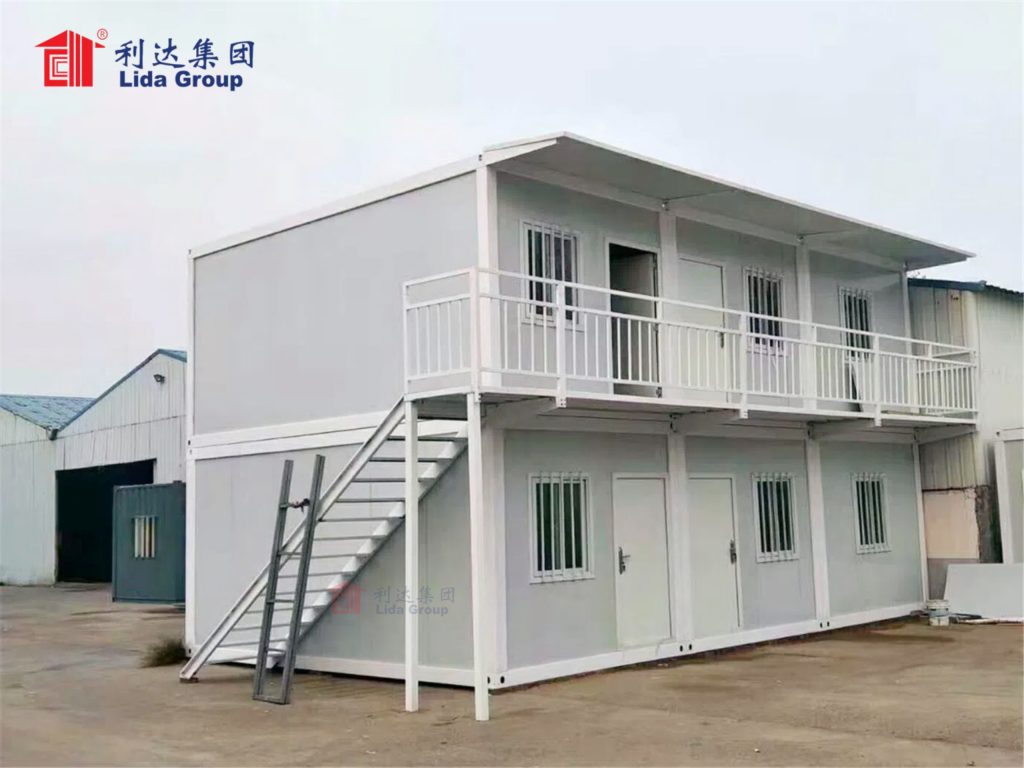
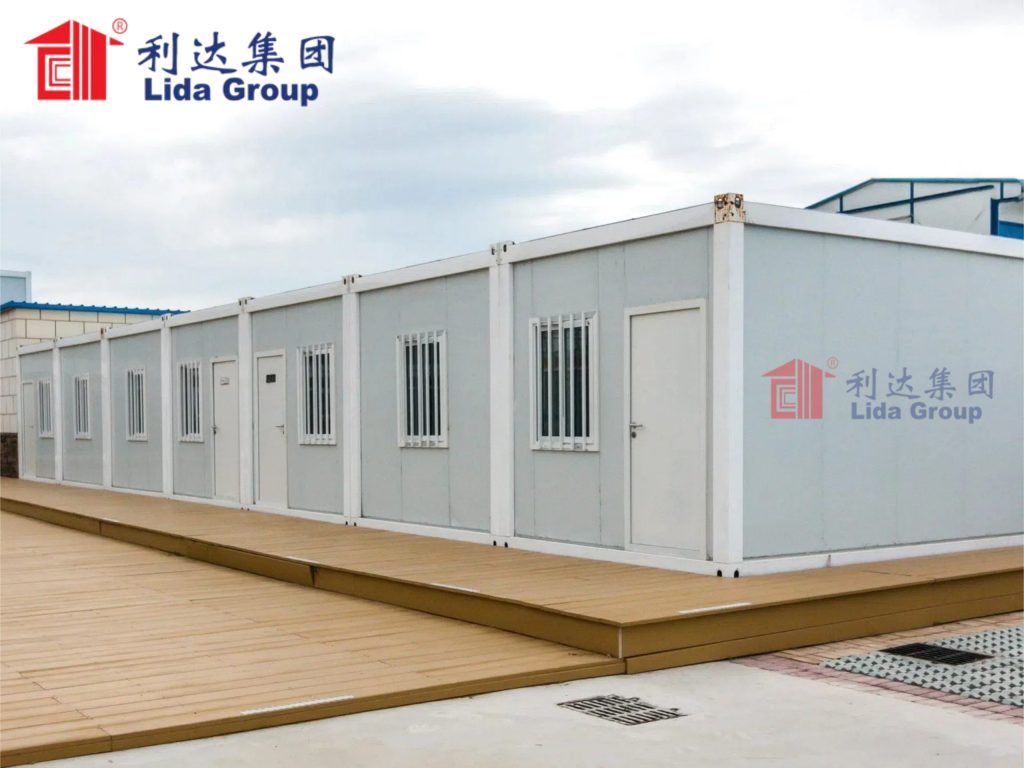
Rapid deployment prefabricated container labor camps are purpose-built accommodation systems engineered for minimal on-site construction time. They leverage the inherent advantages of shipping container dimensions and modular construction principles to achieve installation timelines measured in days or weeks rather than months.
**2.1 Core Characteristics**
Several defining characteristics distinguish rapid deployment systems from conventional workforce housing:
– **Factory Prefabrication:** All critical components—walls, floors, roofs, electrical systems, plumbing, and finishes—are manufactured and installed in a controlled factory environment. This eliminates weather delays and ensures consistent quality.
– **Compact Shipping:** Units are designed for efficient transport. Fully assembled containers ship as volumetric modules; flat-pack systems collapse wall panels and structural components into compact bundles that maximize container utilization.
– **Simplified Assembly:** Connection systems utilize bolted rather than welded joints, enabling assembly with basic tools and minimal skilled labor. Connection points are standardized, allowing for intuitive installation.
– **Integrated Utilities:** Electrical wiring, plumbing, and data cabling are pre-installed at the factory. On-site connections involve simple hookups to main distribution points rather than extensive field wiring.
– **Scalability:** The modular nature allows camps to start small and expand as workforce populations grow. Additional units can be added without disrupting existing operations.
**2.2 Types of Rapid Deployment Systems**
The industry has developed several distinct approaches to rapid deployment container camps:
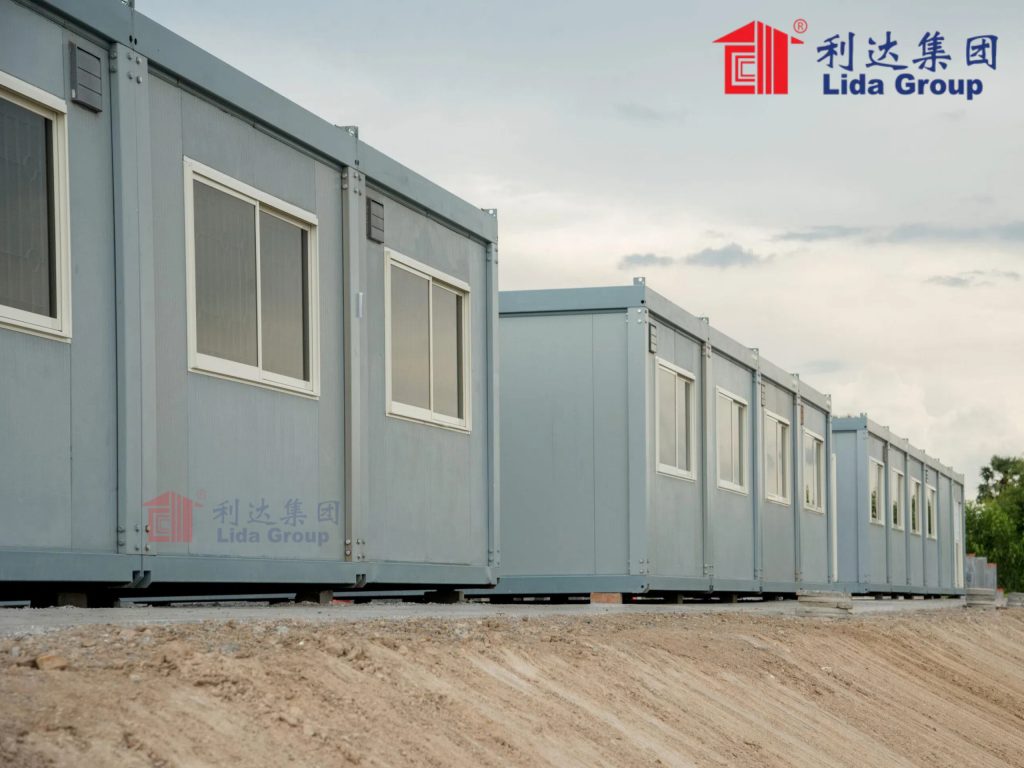
– **Volumetric Container Modules:** These are fully assembled containers, complete with interior finishes and utilities, shipped intact. On arrival, they are placed on foundations and connected to utilities. This approach offers the fastest on-site installation but requires more shipping space per unit.
– **Flat-Pack Panelized Systems:** These systems ship as disassembled components—wall panels, floor cassettes, roof sections, and structural columns—packed flat. On-site assembly involves bolting panels together to form complete units. This approach reduces shipping volume by up to 70% compared to volumetric modules, making it ideal for remote sites with high shipping costs.
– **Expandable Container Units:** These hybrid systems ship as compact containers but feature sliding or folding sections that expand on site to create larger living spaces. They combine the shipping efficiency of flat-pack systems with the rapid setup of volumetric units.
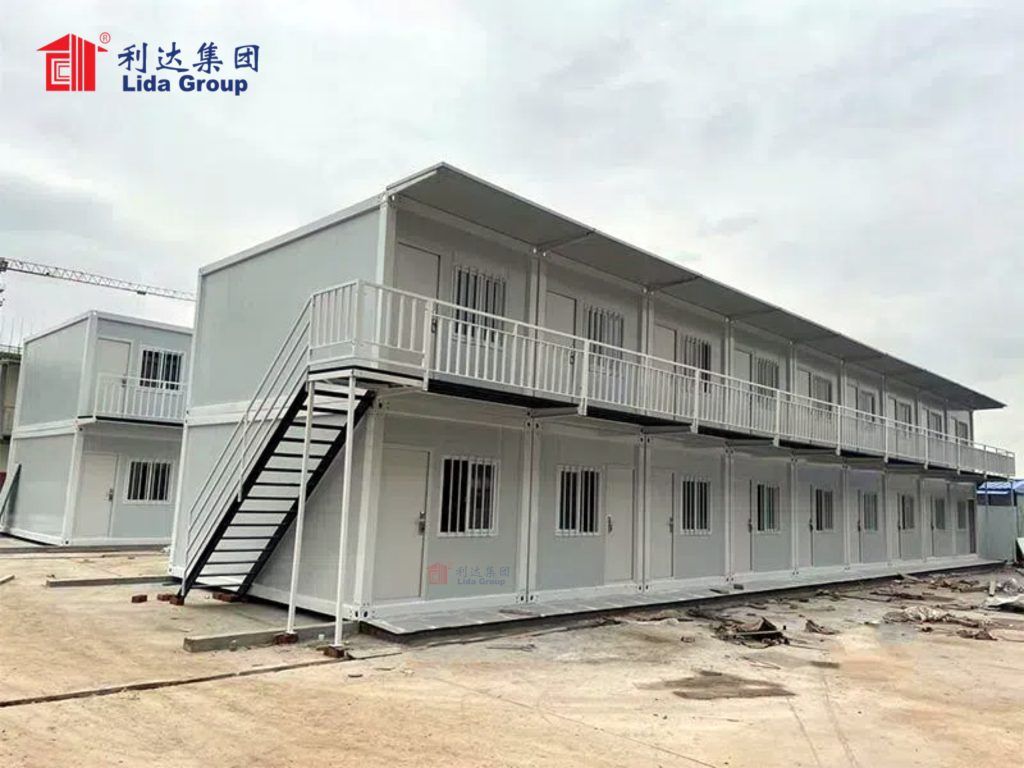
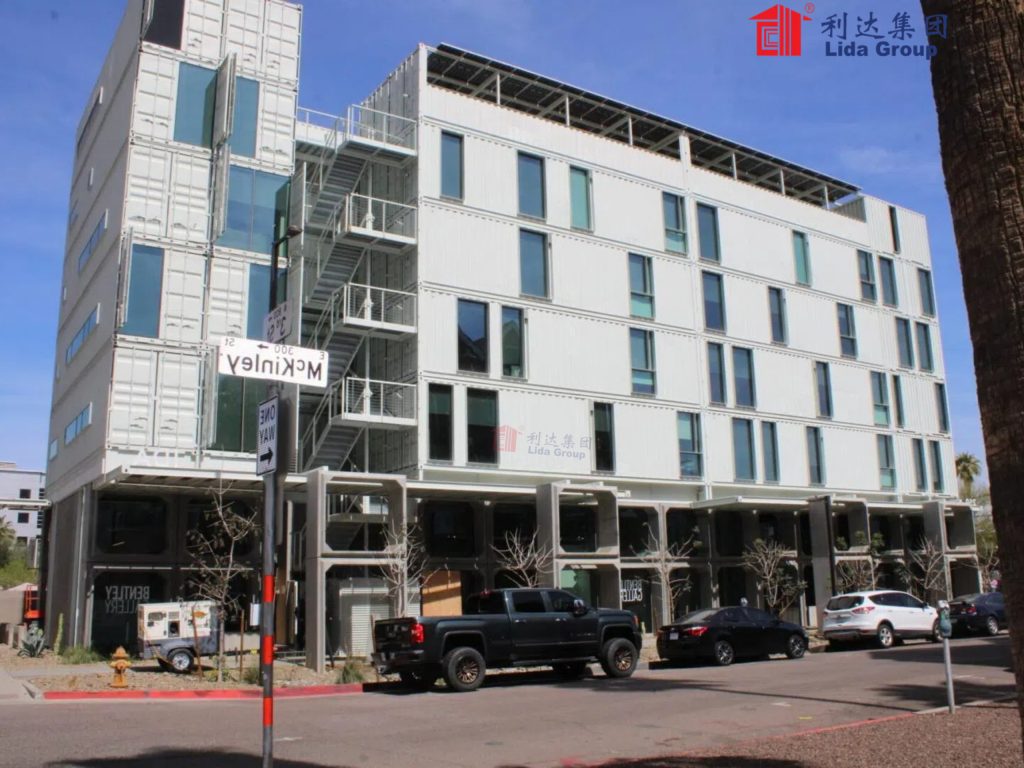
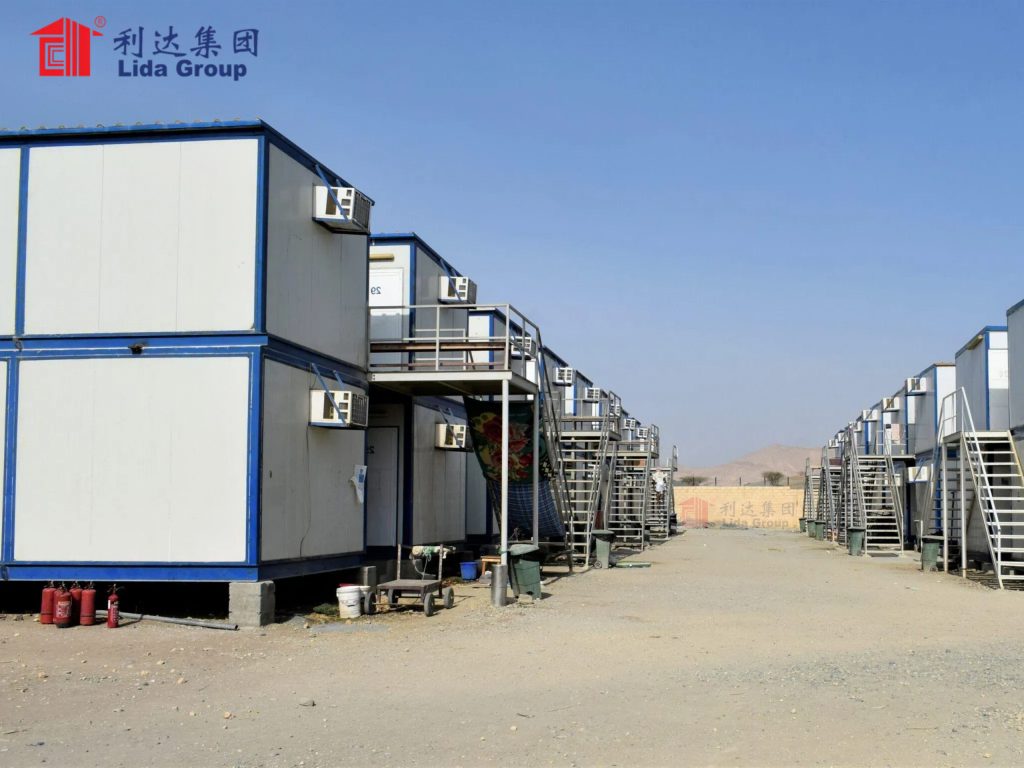
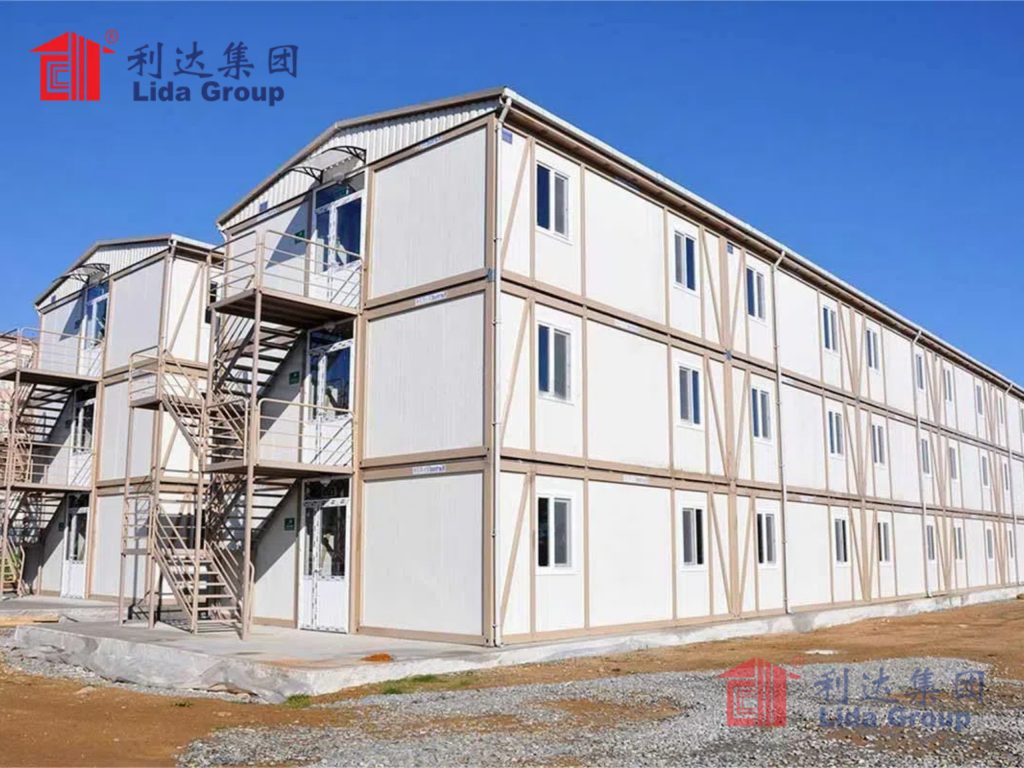
– **Stackable Modular Systems:** For high-density camps, these systems are designed for vertical stacking, allowing multiple stories to be erected efficiently. Structural connections between floors are standardized, and stair towers, elevator shafts, and utility risers are integrated into the system design.
**Chapter 3: Engineering Foundations for Speed and Durability**
The speed of deployment is not achieved by sacrificing structural integrity. On the contrary, rapid deployment container camps are engineered to meet or exceed building codes applicable to permanent structures.
**3.1 Steel Frame Construction**
The foundation of these camps is the steel frame. Whether utilizing repurposed shipping containers or purpose-built steel structures, the material offers exceptional strength-to-weight ratio. Steel frames are engineered to withstand:
– Wind loads up to 150 mph (240 km/h), suitable for cyclone-prone regions
– Seismic forces meeting Zone 4 earthquake standards
– Snow loads appropriate for arctic and alpine environments
– Stacking loads supporting up to three stories
The use of steel also confers fire resistance—steel does not burn—and immunity to termites and other pests that can compromise wooden structures.
**3.2 Insulation and Thermal Performance**
A common misconception about container-based structures is that they are prone to overheating or excessive cold. Modern rapid deployment systems address this through sophisticated insulation packages. Wall panels typically incorporate sandwich construction: an outer steel skin, a core of rigid insulation (expanded polystyrene, polyurethane, or mineral wool), and an interior finished surface. Insulation thicknesses range from 50mm to 100mm depending on climate, achieving R-values of R-20 to R-40.
This thermal envelope is critical not only for occupant comfort but also for operational efficiency. In remote camps where electricity is generated by diesel, reducing heating and cooling loads directly reduces fuel consumption and operational costs.
**3.3 Prefabricated Utility Integration**
One of the greatest time savings in rapid deployment systems comes from factory-installed utilities. Electrical wiring is run within wall cavities, terminated at junction boxes, and connected to main distribution panels. Plumbing lines are installed within wet walls, with fixtures pre-mounted. This factory work is performed under controlled conditions, ensuring quality and eliminating the need for on-site trades to work in sequence.
On site, utility connections are simplified to a few key points:
– Electrical: A main feeder cable connects the camp distribution panel to the power source (grid, generator, or solar array)
– Plumbing: Water supply lines connect to the camp’s water distribution manifold; waste lines connect to the sewer or septic system
– Data: Fiber optic or copper cables connect to the camp’s network backbone
These connections are typically completed within 24 to 48 hours for a medium-sized camp.
**3.4 Durability and Lifespan**
Despite their rapid deployment nature, these camps are engineered for extended service life. High-quality corrosion-resistant coatings protect steel components from rust. Roof systems are designed with integrated drainage to prevent water pooling. Floor structures are rated for heavy use and can accommodate industrial cleaning equipment. With proper maintenance, a rapid deployment container labor camp can remain serviceable for 15 to 25 years—long enough to serve multiple project phases or to be relocated to subsequent sites.
**Chapter 4: The Logistics of Rapid Global Delivery**
The availability of rapid deployment container labor camps is not merely a matter of manufacturing capacity; it depends on a sophisticated global logistics infrastructure capable of delivering to the world’s most remote locations.
**4.1 Manufacturing Centers and Inventory**
Leading suppliers maintain large-scale manufacturing facilities capable of producing hundreds of container units per month. These factories are typically located near major ports, facilitating efficient export shipping. In addition to manufacturing capacity, suppliers often maintain inventory of standard units, enabling immediate shipment for urgent projects.
**4.2 Shipping Configurations**
The choice of shipping configuration—volumetric, flat-pack, or expandable—depends on the project’s specific constraints:
– **Volumetric:** Best suited for sites with reasonable shipping costs and where on-site labor is scarce. A 40-foot container delivers a complete living unit with minimal assembly.
– **Flat-Pack:** Ideal for remote sites with high shipping costs. A single 40-foot container can ship components for three to five living units, dramatically reducing freight expenses.
– **Expandable:** Offers a balance between shipping efficiency and rapid setup. A 20-foot container can ship a unit that expands to approximately 35 square meters on site.
**4.3 In-Country Logistics and Site Access**
The journey from factory to site involves multiple transportation modes: sea freight to the destination country, customs clearance, inland transport by truck or rail, and final delivery to the site. For sites without road access, helicopters or barges may be required for final delivery. Experienced suppliers manage this entire logistics chain, coordinating with freight forwarders, customs brokers, and local transport providers to ensure timely arrival.
**4.4 On-Site Assembly Methodology**
Once components arrive on site, assembly proceeds according to a carefully orchestrated sequence:
1. **Foundation Installation:** Depending on site conditions, foundations may be concrete piers, screw piles, or concrete slabs. This work can proceed concurrently with component shipping.
2. **Component Staging:** Materials are staged in the order of assembly, with clear labeling and detailed assembly drawings.
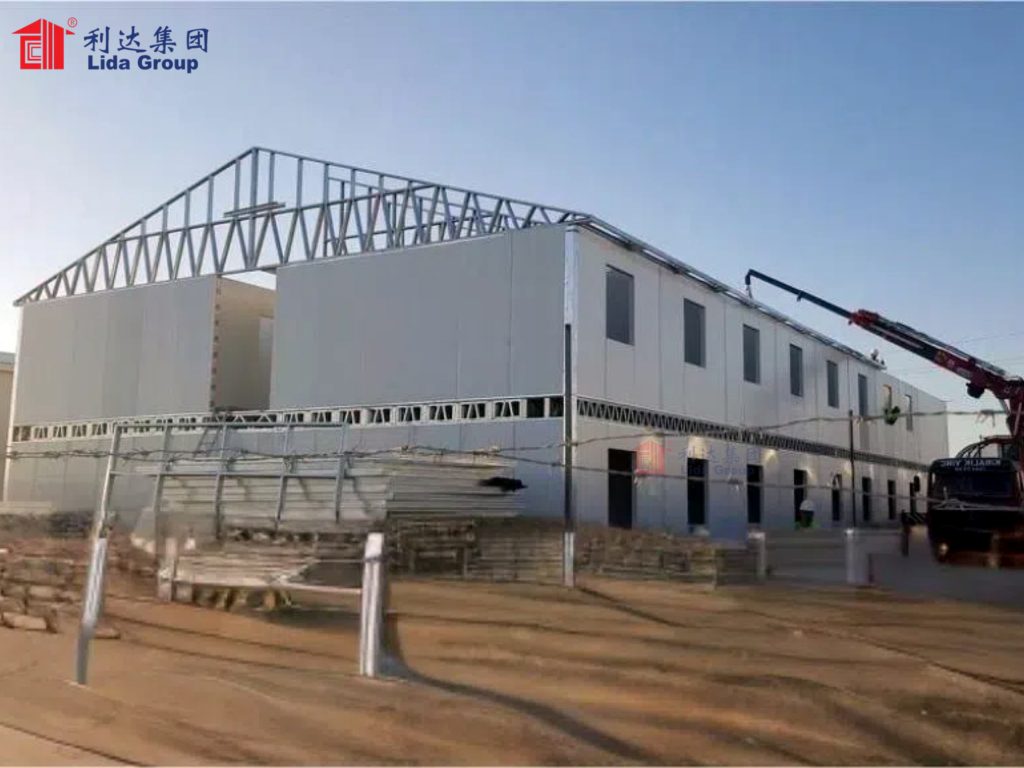
3. **Structural Assembly:** Wall panels, columns, and roof structures are erected, typically using a small mobile crane and a crew of 4 to 6 workers.
4. **Utility Connections:** Pre-installed utility lines are connected to main distribution points.
5. **Interior Completion:** Trim, fixtures, and final finishes are installed.
6. **Inspection and Turnover:** A final inspection verifies that all systems are functioning correctly before occupancy.
For a typical 100-unit camp, the entire assembly process from foundation to occupancy can be completed in 4 to 6 weeks, compared to 6 to 12 months for conventional construction.
**Chapter 5: Design Features for Workforce Welfare**
Speed of deployment is meaningless if the resulting accommodation fails to support worker health and productivity. Modern rapid deployment container camps incorporate design features that prioritize the well-being of occupants.
**5.1 Living Quarters**
Sleeping accommodations are the most critical component of any labor camp. Contemporary standards favor single-occupancy units wherever possible. A typical 20-foot container provides approximately 16 square meters (172 square feet) of living space, configured to include:
– A bed with quality mattress
– A small workstation or desk
– A private bathroom with shower, toilet, and sink
– Climate control system (heating and cooling)
– Ample storage for personal belongings
– Windows for natural light and ventilation
For projects where single occupancy is not feasible due to space constraints, two-person units are available with bunk beds and shared bathroom facilities.
**5.2 Communal Facilities**
Beyond sleeping quarters, a well-designed camp includes communal facilities that support the social and recreational needs of the workforce:
– **Dining Halls:** Commercial kitchens capable of serving hundreds of meals per day, with dining areas designed for efficient flow and comfortable seating.
– **Recreation Rooms:** Spaces equipped with televisions, gaming consoles, pool tables, and comfortable seating for off-hours relaxation.
– **Gyms:** Fitness facilities with cardio and strength equipment to support physical health.
– **Laundry Facilities:** Industrial washers and dryers sized to accommodate the camp population.
– **Medical Clinics:** Designated units equipped for basic healthcare, emergency response, and routine checkups.
– **Prayer Rooms:** Quiet spaces designed to accommodate diverse religious practices.
**5.3 Connectivity**
In an era where remote work and family connection are paramount, reliable internet connectivity is no longer a luxury but a necessity. Rapid deployment camps are equipped with structured cabling systems supporting high-speed Wi-Fi networks. Satellite backhaul provides connectivity in locations without terrestrial infrastructure. This connectivity enables workers to maintain contact with families, access online training, and engage in digital entertainment during off-hours.
**5.4 Climate Adaptation**
Rapid deployment camps are designed for the specific climate conditions of their deployment location:
– **Hot Climates:** Reflective roof coatings, increased insulation, air conditioning, and shaded outdoor areas.
– **Cold Climates:** Enhanced insulation, heating systems, double-glazed windows, and windbreaks.
– **Tropical Climates:** Elevated foundations to promote airflow, mold-resistant materials, and mosquito screening.
– **Coastal Climates:** Corrosion-resistant coatings, stainless steel hardware, and reinforced structures for cyclone resistance.
**Chapter 6: Real-World Applications and Case Studies**
The capabilities of rapid deployment container labor camps are best understood through real-world applications across diverse industries and environments.
**6.1 Mining Camp Expansion—Western Australia**
A major iron ore mining operation in Western Australia required an additional 200 accommodation units to support a production expansion. The site was located 1,200 kilometers from the nearest major city, with limited local construction resources. Using a combination of volumetric and flat-pack container units, the supplier delivered all materials within four weeks of order confirmation. A 12-person assembly crew completed the installation in 21 days, with the first units occupied within 10 days of the crew’s arrival. The camp included sleeping quarters, dining facilities, a gym, and a recreation building, all integrated with the existing camp infrastructure.
**6.2 Oil and Gas Exploration—Kazakhstan**
An energy company conducting exploration in the Kazakh steppe required a 150-person camp to support a drilling program with a tight 90-day window from project approval to first drilling. The remote location, with winter temperatures dropping to -30°C, demanded specialized cold-climate specifications. The supplier delivered 150 flat-pack container units, each equipped with 100mm insulation, double-glazed windows, and high-capacity heating systems. Despite challenging winter conditions, the camp was fully assembled and operational in 35 days, enabling the drilling program to commence on schedule.
**6.3 Renewable Energy Construction—Chile**
A solar power plant under construction in Chile’s Atacama Desert required workforce accommodation for 300 workers during the 18-month construction period. The site’s remote location and high altitude (2,400 meters above sea level) presented logistical challenges. The supplier utilized volumetric container modules shipped from the manufacturing facility to the port of Antofagasta, then trucked 400 kilometers to the site. The camp was designed with enhanced insulation to manage extreme temperature swings—daytime temperatures exceeding 35°C and nighttime temperatures dropping near freezing. The entire camp, including dining facilities, recreation areas, and a medical clinic, was installed in 28 days.
**6.4 Emergency Response—Hurricane Recovery**
Following a major hurricane that caused widespread destruction in a Caribbean island nation, a humanitarian organization needed to establish housing for recovery workers within weeks. Traditional construction was impossible due to damaged infrastructure and overwhelmed local contractors. The organization deployed 100 flat-pack container units that shipped within 10 days of the order and arrived at the island via roll-on/roll-off vessel. Local workers, with guidance from supplier-provided supervisors, assembled the units on screw-pile foundations, completing the camp in 18 days. The units were designed for future relocation, enabling them to be moved to subsequent recovery sites as needs evolved.
**Chapter 7: Economic Analysis and Value Proposition**
The decision to utilize a rapid deployment container labor camp is ultimately an economic one. While the upfront cost per unit may be comparable to or slightly higher than traditional alternatives, the total value proposition encompasses factors that extend far beyond initial purchase price.
**7.1 Capital Expenditure Considerations**
Upfront costs for a rapid deployment container labor camp include:
– Unit purchase or lease costs
– Shipping and logistics
– Foundation and site preparation
– On-site assembly labor
– Utility connections and infrastructure
Compared to conventional construction, the capital expenditure is typically similar or slightly lower, with the primary advantage being cost predictability. Factory fabrication eliminates the uncertainty of weather delays, labor shortages, and material price fluctuations that frequently drive cost overruns in traditional projects.
**7.2 Operational Expenditure Benefits**
The operational cost profile of a container labor camp offers several advantages:
– **Energy Efficiency:** High insulation values reduce heating and cooling costs, a significant expense in remote camps reliant on diesel generation.
– **Low Maintenance:** Steel construction requires minimal maintenance compared to wooden structures, which are susceptible to rot and pest damage.
– **Durability:** The robust construction withstands harsh conditions, reducing the frequency of repairs and replacements.
**7.3 Time-Based Value**
Perhaps the most compelling economic argument for rapid deployment systems is the value of time. Every day that a project is delayed due to insufficient workforce accommodation carries a cost. For large-scale projects, this cost can reach hundreds of thousands of dollars per day. By reducing accommodation installation time from months to weeks, rapid deployment systems enable earlier project commencement, faster ramp-up to full production, and accelerated revenue generation.
**7.4 Asset Value and Relocation**
Unlike traditional site-built accommodation, which has minimal residual value after a project concludes, container labor camps retain significant asset value. Units can be:
– Sold to other operators at the end of a project
– Relocated to subsequent project sites
– Repurposed for alternative uses such as storage or office space
– Refurbished and redeployed after extended service
This residual value transforms the accommodation from a sunk cost into a recoverable investment, improving overall project economics.
**Chapter 8: Challenges and Mitigation Strategies**
While rapid deployment container labor camps offer compelling advantages, successful implementation requires addressing several challenges.
**8.1 Permitting and Regulatory Compliance**
Zoning regulations, building codes, and permitting requirements vary significantly by jurisdiction. In some regions, container-based structures are not explicitly addressed in existing codes, leading to permitting delays. Mitigation strategies include:
– Engaging local authorities early in the planning process
– Working with suppliers that provide engineered drawings and certification documentation
– Utilizing foundation systems and structural configurations that align with local building standards
– For temporary camps, pursuing permits under expedited temporary structures classifications
**8.2 Site Conditions and Foundation Requirements**
Rapid deployment does not eliminate the need for proper site preparation. Uneven ground, poor soil conditions, and inadequate drainage can compromise even the best-engineered structures. Mitigation strategies include:
– Conducting thorough site assessments prior to ordering units
– Selecting appropriate foundation systems (screw piles for variable soil, concrete slabs for stable sites, elevated piers for flood-prone areas)
– Allowing adequate time in the project schedule for site preparation work
**8.3 Workforce Training and Assembly Quality**
While assembly is designed to be simple, quality depends on proper execution. Inexperienced assembly crews may make errors that compromise structural integrity or utility connections. Mitigation strategies include:
– Utilizing supplier-provided on-site supervisors
– Conducting pre-assembly training for local crews
– Following detailed assembly manuals with step-by-step instructions
– Performing quality inspections at each stage of assembly
**8.4 Supply Chain Disruptions**
Global supply chains are vulnerable to disruptions from port strikes, shipping delays, and customs issues. Mitigation strategies include:
– Working with suppliers that maintain inventory of standard units
– Ordering well in advance of required occupancy dates
– Utilizing multiple shipping routes where feasible
– Engaging experienced freight forwarders with local expertise
**Chapter 9: Sustainability and Environmental Responsibility**
Rapid deployment container labor camps offer significant environmental advantages over traditional construction approaches.
**9.1 Reduced Material Waste**
Factory prefabrication achieves material utilization rates exceeding 95%, compared to 70-80% for conventional site-built construction. Scrap steel, insulation offcuts, and packaging materials are recycled at the factory rather than sent to landfills.
**9.2 Lower Carbon Footprint**
The transportation efficiency of flat-pack shipping reduces freight-related emissions by up to 70% compared to volumetric modules. The lightweight steel structure requires less concrete for foundations, and concrete production is a major source of carbon emissions. Lifecycle assessments indicate that container-based camps can have a carbon footprint 30-50% lower than comparable conventional construction.
**9.3 Energy Efficiency in Operation**
The high insulation values and airtight construction of modern container camps reduce operational energy consumption. Many camps integrate solar photovoltaic systems to offset generator fuel use, further reducing environmental impact.
**9.4 Water Conservation**
Container camps can incorporate water conservation measures including low-flow fixtures, rainwater harvesting, and greywater recycling. These features are particularly valuable in arid regions where water resources are scarce.
**9.5 Circular Economy**
The ability to relocate and repurpose container camps aligns with circular economy principles. Instead of being demolished at the end of a project, units continue to provide value at new locations. This reduces the demand for new materials and the environmental impact of construction.
**Chapter 10: The Future of Rapid Deployment Workforce Housing**
The rapid deployment container labor camp industry continues to evolve, driven by technological innovation and changing workforce expectations.
**10.1 Smart Camp Technology**
The integration of Internet of Things (IoT) sensors and building management systems is transforming camps into intelligent environments. Smart systems monitor energy consumption, detect maintenance issues before they cause failures, and optimize heating and cooling based on occupancy patterns. Access control systems automate worker check-in and check-out, streamlining logistics for camps with high rotation rates.
**10.2 Enhanced Comfort and Amenities**
As workforce demographics shift and expectations rise, camps are incorporating higher levels of comfort and amenity. Premium camps now feature:
– Private en-suite bathrooms in all units
– High-quality bedding and furnishings
– Restaurant-quality dining with diverse menu options
– State-of-the-art fitness facilities
– High-speed internet with streaming capabilities
– Outdoor recreation areas with landscaping and seating
**10.3 Advanced Materials**
Research into new materials promises further improvements in performance. Phase-change materials integrated into walls can passively regulate temperature, reducing energy consumption. Bio-based insulation materials such as hempcrete offer lower embodied carbon. Self-healing coatings protect steel surfaces from corrosion, extending service life.
**10.4 Hybrid Deployment Models**
The industry is moving toward hybrid models that combine the strengths of different deployment approaches. For example, a camp might use volumetric modules for living quarters (maximizing speed) and flat-pack units for communal facilities (minimizing shipping volume). Standardized connection systems ensure compatibility between different unit types.
**10.5 Leasing and Service Models**
To reduce upfront capital requirements, suppliers are increasingly offering leasing arrangements where clients pay for use rather than purchase. These models may include ongoing maintenance, refurbishment between projects, and eventual retirement of units at the end of their service life.
**Conclusion**
The rapid deployment prefabricated container labor camp represents a fundamental advancement in workforce accommodation. What was once a bottleneck in project timelines has become a streamlined process that can deliver fully functional living environments in weeks rather than months. For project managers, this speed translates directly into earlier project commencement, faster ramp-up to full production, and improved overall economics.
The availability of these systems today—with proven track records across mining, oil and gas, renewable energy, construction, and emergency response sectors—means that no project need be delayed by the lack of workforce housing. Suppliers maintain manufacturing capacity, global logistics networks, and on-site assembly expertise to deliver camps of any scale to virtually any location on Earth.
But speed is only part of the value proposition. These camps are engineered to the highest standards of structural integrity, capable of withstanding the most demanding environmental conditions. They incorporate insulation and climate control systems that ensure worker comfort and operational efficiency. They provide the amenities and connectivity that modern workforces expect, supporting recruitment, retention, and productivity.
The economic case for rapid deployment systems is compelling. Capital expenditures are predictable, operational costs are reduced through energy efficiency and low maintenance requirements, and the asset value of the units provides a recoverable investment at project conclusion. When the value of accelerated timelines is factored in—often measured in hundreds of thousands of dollars per day for large projects—the return on investment is undeniable.
Sustainability considerations further strengthen the case. Reduced material waste, lower carbon footprint, energy efficiency, and the circular economy benefits of relocatable assets align with corporate environmental goals and increasingly stringent regulatory requirements.
Challenges remain—permitting complexity, site conditions, and supply chain risks require careful management. But these challenges are well understood, and the industry has developed proven mitigation strategies. Working with experienced suppliers that provide comprehensive support from design through installation is the key to successful implementation.
As we look to the future, the trajectory of rapid deployment workforce housing is clear. Smart technologies will create more efficient and responsive living environments. Enhanced comfort and amenities will elevate the worker experience. Advanced materials will improve performance and sustainability. And evolving business models will make these systems accessible to a broader range of projects and organizations.
For project managers, operations directors, and organizational leaders facing the challenge of workforce accommodation, the message is straightforward: rapid deployment prefabricated container labor camps are available, proven, and ready to support your next project. The era of waiting months for workforce housing is over. With today’s systems, you can have safe, comfortable, and fully functional accommodation when and where you need it—allowing your project to proceed on schedule, your workforce to perform at its best, and your organization to achieve its objectives without compromise.
Related news
-
Simplify Relocation with Easy Assembly Container House Systems
2026-03-24 16:55:03
-
Lida Group Delivers Scalable Modular Modern Container Accommodation
2026-03-24 17:51:12
-
Efficient Prefabricated Container Labor Camp Designed for Workforce
2026-03-24 14:50:22
contact us
- Tel: +86-532-88966982
- Whatsapp: +86-13793209022
- E-mail: sales@lidajituan.com
