



Rapid Deployment of Durable Mobile Dormitories by Lida Group
2026-Jan-29 16:37:25
By Admin
In a world characterized by rapid industrialization, infrastructure development, natural disasters, and global emergencies, the demand for temporary yet high-quality accommodation solutions has never been more pressing. Construction sites, mining camps, disaster relief zones, remote workstations, and temporary educational institutions all require dormitories that can be deployed quickly without compromising durability, safety, or comfort. Traditional temporary housing—such as makeshift tents, prefabricated wooden cabins, or conventional brick structures—often fails to balance these critical needs: tents lack durability and insulation, wooden cabins are vulnerable to weathering and pests, and brick structures are time-consuming to build and cannot be relocated. Against this backdrop, Lida Group, a global leader in prefabricated modular construction, has emerged as a pioneer in delivering rapid-deployment, durable mobile dormitories that address these gaps, redefining the standards for temporary accommodation worldwide.
Lida Group’s mobile dormitories are engineered to combine three core attributes: speed of deployment, long-term durability, and functional comfort. Unlike generic temporary housing solutions, these dormitories are designed with modularity, advanced materials, and optimized workflows at their core, enabling them to be deployed in days rather than weeks or months, while maintaining structural integrity and performance for decades. This article explores the full spectrum of Lida Group’s rapid-deployment durable mobile dormitories, including the company’s expertise, core technologies enabling rapid deployment and durability, optimized deployment workflows, global case studies, competitive advantages, industry challenges, and future advancements—providing a comprehensive overview of how Lida Group is transforming temporary accommodation through innovation and reliability.
1. Lida Group: A Leader in Modular Mobile Dormitory Innovation
Founded in 1993, Lida Group has grown from a regional construction materials manufacturer to a global integrated solution provider specializing in prefabricated modular buildings, including mobile dormitories, container homes, temporary offices, emergency shelters, and permanent modular structures. With headquarters in Qingdao, China, and branch offices and production bases across Asia, Africa, Europe, and North America, Lida Group serves clients in over 120 countries, earning a reputation for delivering high-quality, cost-effective, and rapidly deployable building solutions.
The company’s core competitiveness lies in its deep expertise in modular design, advanced manufacturing processes, and global supply chain management—all tailored to meet the unique demands of mobile dormitories. Unlike many competitors that focus solely on either speed or durability, Lida Group has mastered the balance between the two, leveraging standardized production, innovative materials, and optimized workflows to create mobile dormitories that are both quick to deploy and built to last. Lida Group’s commitment to quality is reflected in its adherence to international building standards, including ISO 9001 (Quality Management System), ISO 14001 (Environmental Management System), and OHSAS 18001 (Occupational Health and Safety Assessment Series), as well as local building codes in the regions where it operates.
Lida Group’s mobile dormitories are designed for versatility, catering to a wide range of applications: construction site dormitories for workers, mining camp accommodations, temporary dormitories for schools and universities during renovation, emergency dormitories for disaster relief, and remote workforce housing for oil, gas, and renewable energy projects. Each dormitory is customizable to meet specific client needs, including room configuration (single, double, or multi-occupancy), interior finishes, utility systems, and additional features such as storage spaces, restrooms, and common areas—all without compromising the speed of deployment or durability.
2. Core Technologies Enabling Rapid Deployment and Durability
Lida Group’s ability to deliver rapidly deployable, durable mobile dormitories is rooted in a suite of advanced technologies that optimize every aspect of the product lifecycle—from design and manufacturing to on-site deployment and long-term maintenance. These technologies prioritize standardization, precision, and durability, reducing the need for on-site labor, minimizing errors, and ensuring that dormitories can withstand harsh environmental conditions while being deployed in record time.
2.1 Standardized Modular Design: The Foundation of Rapid Deployment
At the heart of Lida Group’s rapid deployment capability is its standardized modular design system. Unlike custom-built temporary dormitories that require on-site design and fabrication, Lida Group’s mobile dormitories are built using pre-engineered, standardized modules that are manufactured in a controlled factory environment and then transported to the site for assembly. This standardization eliminates the need for on-site design adjustments, reduces material waste, and enables seamless integration between modules—all of which accelerate the deployment process.
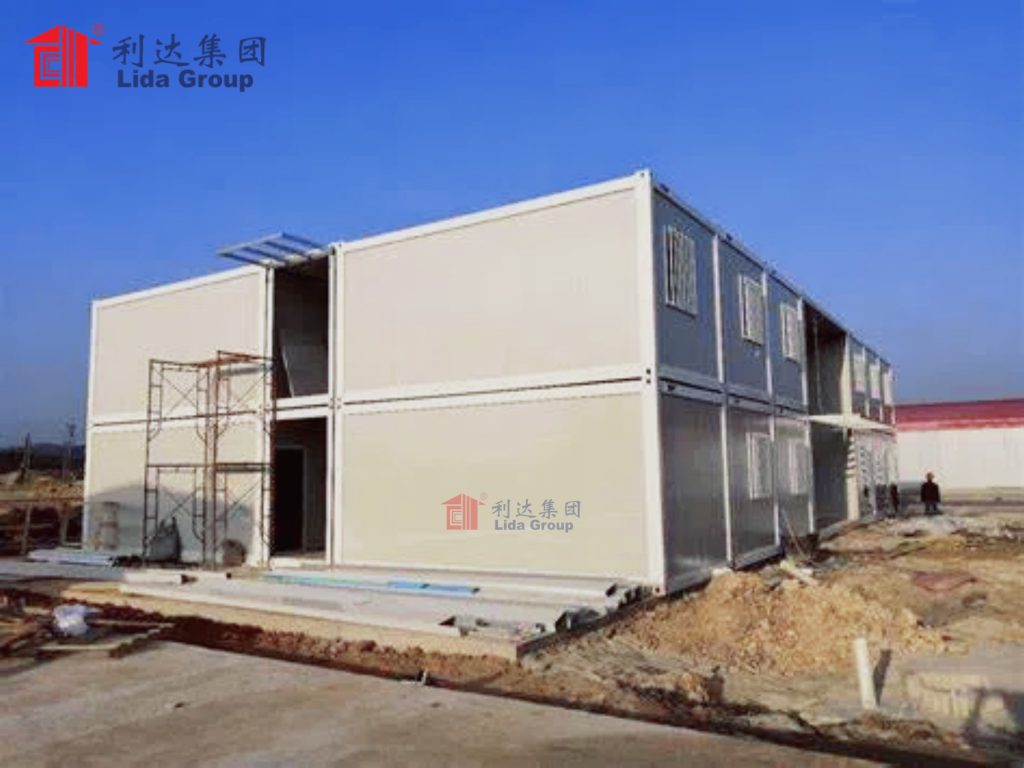
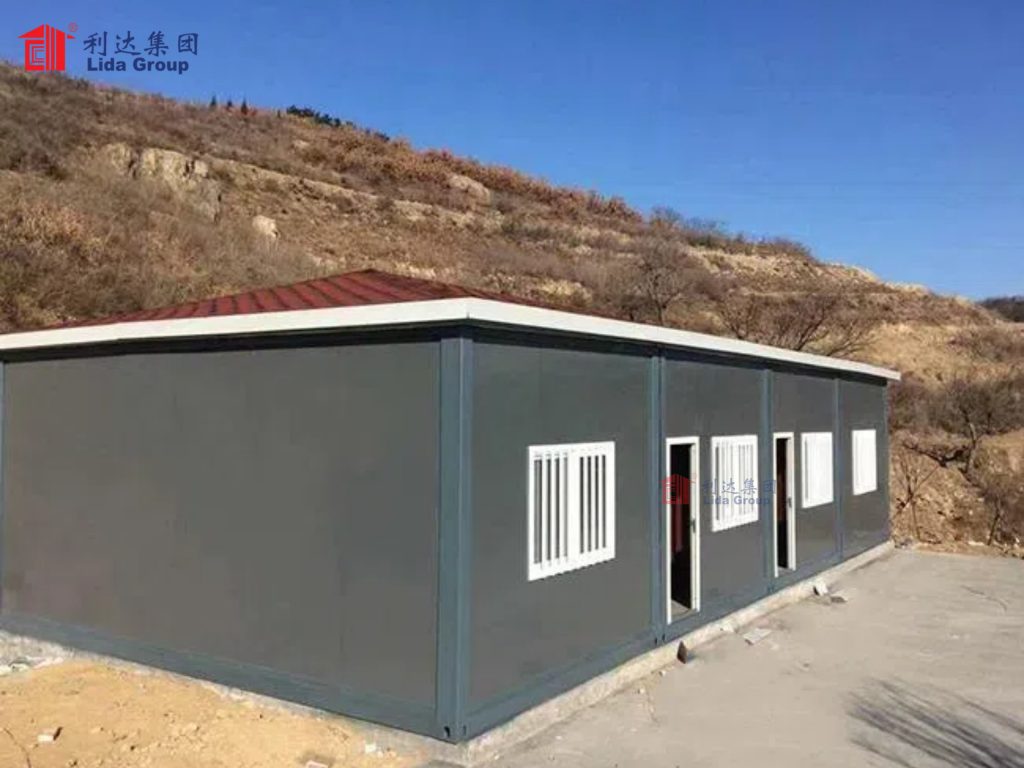
Lida Group’s modules are available in two primary sizes, based on standard shipping container dimensions to simplify transportation and handling: 20-foot (6.1m x 2.4m x 2.6m) and 40-foot (12.2m x 2.4m x 2.6m) modules, with high-cube options (9.5ft/2.9m height) for additional interior space. Each module is a self-contained unit that includes pre-installed walls, floors, ceilings, windows, doors, and utility connections—allowing for quick assembly on-site. For example, a standard 20-foot dormitory module can accommodate 4-6 workers in bunk beds, with built-in storage, lighting, and ventilation, while a 40-foot module can serve as a multi-occupancy dormitory or include a combination of sleeping quarters and a small common area.
Beyond size standardization, Lida Group’s modules feature standardized connection points and utility interfaces. All modules are equipped with ISO-standard Twistlock connectors—originally designed for shipping container stacking—that enable modules to be securely connected vertically and horizontally in minutes. These connectors are easy to install, require minimal tools, and can withstand loads of up to 25 tons per joint, ensuring structural stability for multi-story mobile dormitories. Utility interfaces (electrical, plumbing, ventilation) are also standardized, with pre-installed quick-connect fittings that align perfectly when modules are joined—eliminating the need for on-site soldering, welding, or extensive piping work.
2.2 Advanced Manufacturing Technologies: Ensuring Durability and Consistency
Lida Group’s mobile dormitories are manufactured in state-of-the-art factories using advanced production technologies that ensure consistent quality and long-term durability. Unlike on-site construction, which is vulnerable to weather conditions, human error, and material waste, factory manufacturing allows for precise control over every aspect of the module’s production—from material selection to assembly.
One key manufacturing technology is automated steel framing, which uses robotic arms to cut, weld, and assemble steel frames with precision of ±1mm. This automation ensures that each module’s frame is structurally sound and consistent, reducing the risk of structural weaknesses that could compromise durability. Lida Group uses high-quality Q235 or Q355 structural steel for its frames, which is corrosion-resistant, high-strength, and able to withstand seismic activity (up to magnitude 8.0) and strong winds (up to 120km/h)—making the dormitories suitable for use in harsh environments.
Another critical manufacturing technology is the use of prefabricated composite wall panels. Lida Group’s dormitory modules feature sandwich wall panels consisting of an inner steel sheet, a core of high-density polyurethane (PU) insulation, and an outer steel sheet or fiber-reinforced polymer (FRP) panel. These panels are manufactured in a continuous production line, ensuring uniform thickness and insulation performance. The PU insulation core provides excellent thermal insulation (U-value of 0.3-0.5 W/m²K), sound insulation (up to 45dB), and fire resistance (Class A fire rating), while the outer FRP or steel panel is weatherproof, corrosion-resistant, and easy to maintain. These panels are attached to the steel frame using automated bonding technologies, creating a seamless, durable structure that requires no additional on-site finishing.
Quality control is integrated into every stage of the manufacturing process. Lida Group’s factories are equipped with advanced testing equipment to inspect materials, structural integrity, and utility systems before modules leave the factory. Each module undergoes a series of tests, including water tightness, air tightness, structural load testing, and electrical safety testing, to ensure that it meets international standards and can withstand long-term use in harsh conditions. This rigorous quality control eliminates the need for on-site rework, further accelerating the deployment process.
2.3 Digital and Automation Technologies: Optimizing Deployment Efficiency
Lida Group leverages digital and automation technologies to optimize the deployment process, reducing the need for skilled labor and minimizing the risk of errors. Building Information Modeling (BIM) is a cornerstone of this approach, allowing designers, manufacturers, and installers to create a 3D digital model of the entire mobile dormitory complex before any on-site work begins.
The BIM model includes detailed specifications of each module, including dimensions, utility connections, structural components, and interior layouts. This model is used to optimize the on-site layout, crane positioning, and module sequencing—ensuring that modules are delivered and installed in the correct order, and that utility connections align perfectly. BIM also enables clash detection, identifying potential conflicts between modules (such as overlapping utility lines) before they arrive on-site, eliminating the need for costly rework. For example, in a multi-story mobile dormitory complex, the BIM model can simulate the order in which modules should be lifted and positioned, ensuring that heavier modules are placed first and that the structure remains stable throughout the installation process.
Automation technologies are used to further accelerate on-site deployment. Lida Group uses automated mobile cranes equipped with GPS and laser positioning systems to lift and place modules with precision of ±2mm per meter. These cranes can be operated remotely, reducing the need for on-site crane operators and improving safety. Additionally, Lida Group has developed automated Twistlock connection systems that use hydraulic or electric mechanisms to lock modules together in seconds, rather than minutes. These systems can be operated by a single worker, reducing labor requirements and accelerating the assembly process.
2.4 Durability-Enhancing Technologies: Ensuring Long-Term Performance
While rapid deployment is critical, Lida Group’s mobile dormitories are also designed to be durable, with a service life of 15-20 years—far longer than traditional temporary dormitories (which typically last 3-5 years). This durability is achieved through a combination of advanced materials, protective coatings, and structural design.
Corrosion resistance is a key focus, particularly for dormitories deployed in coastal areas, humid climates, or industrial environments. Lida Group’s steel frames and exterior panels are treated with a hot-dip galvanizing coating (Zinc layer of 80-120μm) that provides excellent corrosion resistance, preventing rust and degradation even in saltwater environments. Additionally, exterior panels can be coated with a polyurea or polyurethane finish that further enhances weather resistance and UV protection, preventing fading and cracking over time.
Waterproofing and moisture resistance are also critical for durability. Lida Group’s modules feature seamless roof panels with built-in drainage systems that prevent water leakage. Window and door frames are equipped with rubber gaskets and sealants that create a tight seal, preventing water and moisture from entering the module. The interior flooring is made of anti-slip, water-resistant materials such as vinyl or ceramic tiles, which are easy to clean and resistant to mold and mildew.
Structural durability is ensured through robust design and materials. Lida Group’s modules are engineered to withstand extreme weather conditions, including heavy rain, snow, strong winds, and seismic activity. The steel frame is designed with additional bracing and reinforcement to distribute loads evenly, while the composite wall panels provide additional structural support. For dormitories deployed in seismic zones, Lida Group offers optional seismic reinforcement kits that further enhance structural stability, ensuring compliance with local building codes..
3. Optimized Workflow for Rapid Deployment of Lida’s Mobile Dormitories
Rapid deployment is not just a result of advanced technologies—it also requires a well-organized, standardized workflow that coordinates every stage of the process, from pre-deployment planning to on-site completion. Lida Group has developed a streamlined workflow that minimizes delays, reduces labor requirements, and ensures that mobile dormitories are deployed quickly and efficiently, regardless of the project size or location.
3.1 Pre-Deployment Planning: Laying the Groundwork for Speed
Pre-deployment planning is the foundation of Lida Group’s rapid deployment capability. This stage begins with a detailed consultation with the client to understand their specific needs, including the number of occupants, room configuration, utility requirements, deployment timeline, and site conditions. Based on this consultation, Lida Group’s design team creates a customized solution using the BIM model, ensuring that the mobile dormitory complex meets all client requirements and local building codes.
Site assessment is the next critical step. Lida Group’s team evaluates the deployment site to determine factors such as soil conditions, access for trucks and cranes, utility connections (water, electricity, sewage), and environmental conditions (wind speed, seismic activity, temperature). This assessment is done using drones and soil testing equipment, with results integrated into the BIM model to optimize module placement and foundation design.
Foundation preparation is another key component of pre-deployment planning. Lida Group’s mobile dormitories require minimal foundation work, thanks to their modular design and lightweight yet durable structure. For most sites, a prefabricated concrete slab or adjustable steel jacks are used, which can be installed in 1-2 days—significantly faster than traditional concrete foundations (which take weeks to cure). Adjustable jacks are ideal for uneven terrain, as they can be easily leveled on-site, eliminating the need for extensive site grading. For sites with poor soil conditions, pile foundations are used, which are prefabricated and installed quickly using specialized equipment.
Finally, pre-deployment planning includes obtaining all necessary permits and approvals from local authorities. Lida Group’s team works closely with local governments to ensure compliance with building codes and regulations, leveraging its global experience to navigate complex permit processes. In many regions, Lida Group’s mobile dormitories are eligible for “fast-track” permits, as they are prefabricated, standardized, and meet strict safety and environmental standards—reducing approval time from months to weeks.
3.2 Module Manufacturing and Delivery: Ensuring Timely Arrival
Once the pre-deployment planning is complete, Lida Group begins manufacturing the modules in its nearest factory. The standardized design and advanced manufacturing technologies enable Lida Group to produce modules quickly: a single 20-foot dormitory module can be manufactured in 3-5 days, while a 40-foot module takes 5-7 days. For large projects (10+ modules), Lida Group can scale up production using multiple production lines, ensuring that all modules are manufactured and delivered on time.
Module delivery is optimized using Lida Group’s global supply chain and just-in-time (JIT) delivery system. Modules are transported using specialized trucks that are designed to carry standard container sizes, with securing systems that prevent damage during transit. For long-distance transportation, modules are shipped via rail or sea, with final delivery to the site via truck. The JIT delivery system ensures that modules arrive on-site exactly when they are needed for installation, eliminating the need for on-site storage and reducing the risk of damage to modules while they are waiting to be installed.
Upon arrival at the site, each module undergoes a quick inspection (15-30 minutes per module) to ensure that it has not been damaged during transit and that all pre-installed systems (electrical, plumbing, ventilation) are functioning correctly. This inspection is done using a checklist based on the BIM model, ensuring that any issues are identified and addressed before installation begins.
3.3 On-Site Assembly: Rapid, Efficient Installation
On-site assembly is the most visible stage of the deployment process, and it is where Lida Group’s technologies and workflow shine. The assembly process typically involves four key steps: foundation installation (if not already completed), module positioning, module connection, and utility integration—all of which are completed quickly with minimal labor.
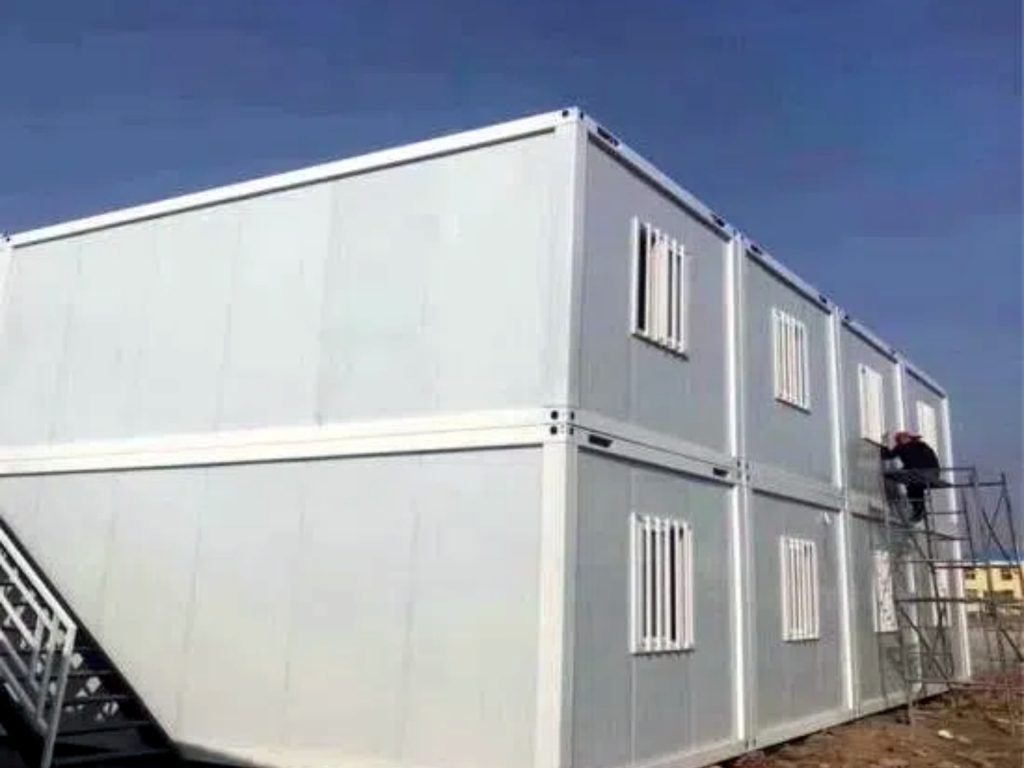
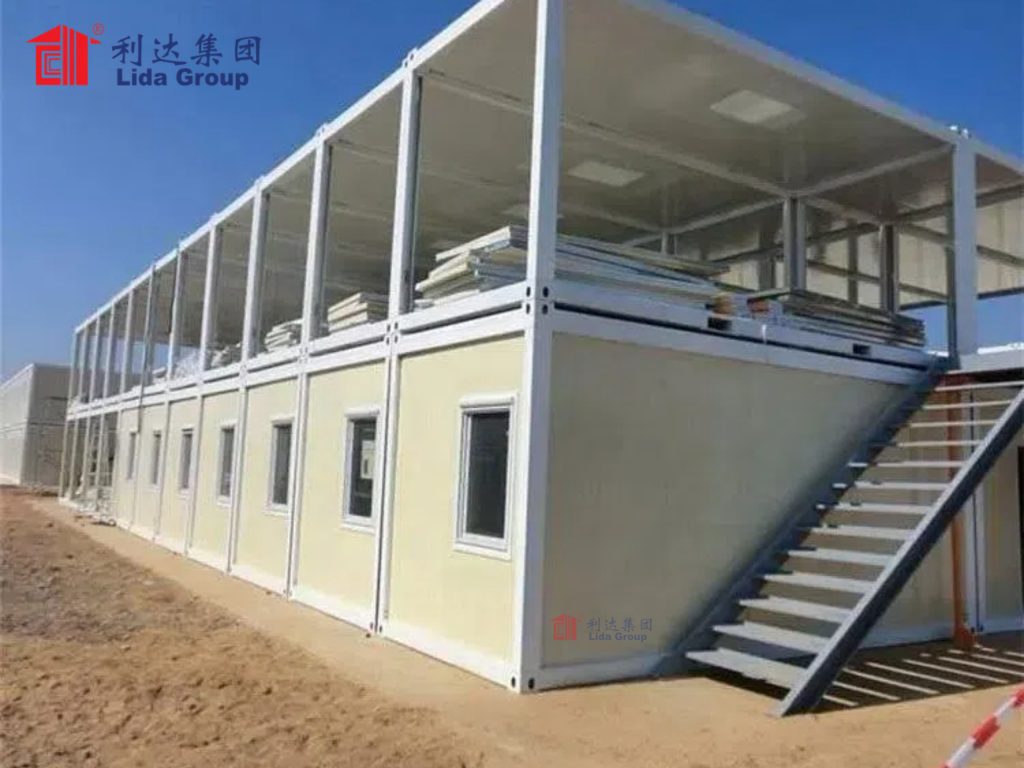
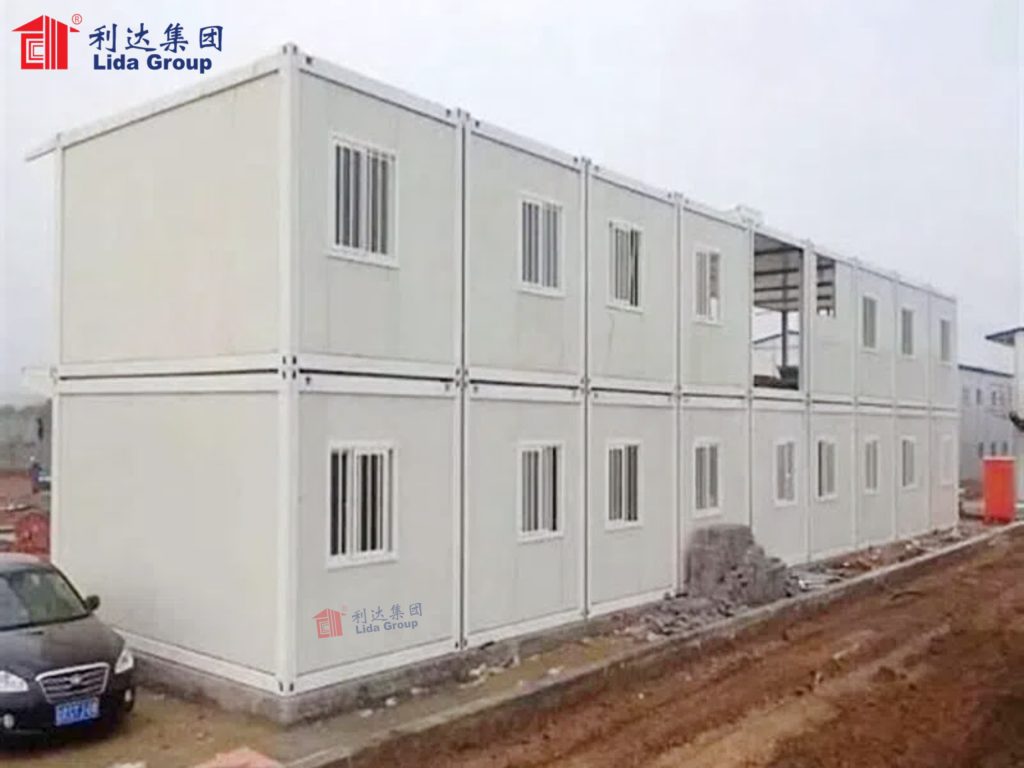
Module positioning is done using automated mobile cranes, which lift each module into place with precision using GPS and laser positioning systems. For a single-story mobile dormitory complex with 10-15 modules, positioning can be completed in 1-2 days. For multi-story complexes (up to 3 stories), the process takes 3-5 days—significantly faster than traditional temporary dormitories, which take weeks or months to build. The BIM model is used to guide the crane operators, ensuring that each module is level, aligned, and positioned correctly relative to other modules.
Once modules are positioned, they are connected using Lida Group’s automated Twistlock connectors. Each connection takes just 5-10 minutes, and the process requires only 2-3 workers per module—reducing labor costs and accelerating the assembly process. For multi-story complexes, vertical Twistlock connectors are paired with horizontal bracing systems that provide additional structural stability, ensuring that the complex can withstand extreme weather conditions.
Utility integration is the next step, and it is streamlined by the standardized utility interfaces in each module. Electrical, plumbing, and ventilation connections are made using quick-connect fittings that can be connected in minutes—eliminating the need for on-site soldering, welding, or extensive piping work. For example, electrical connections use plug-and-play systems that are connected to the local power grid in hours, while plumbing connections use compression fittings that ensure a leak-proof seal. Ventilation systems are integrated into the modules, with pre-installed fans and ductwork that require only minor on-site adjustments.
3.4 Final Finishing: Minimal On-Site Work
Final finishing is the last stage of the deployment process, and it is minimal compared to traditional construction—thanks to Lida Group’s factory-finished modules. The primary tasks include sealing gaps between modules, testing all systems, and cleaning the interior. Sealing gaps between modules is done using high-quality silicone or polyurethane sealants, which are applied quickly using automated tools to ensure a tight seal that prevents air and water leakage. This process takes 1-2 hours per module, with the entire complex sealed in 1 day.
All systems (electrical, plumbing, ventilation, fire safety) are tested to ensure that they are functioning correctly. This testing is done using specialized equipment, and it typically takes 1-2 days for a small complex and 3-4 days for a larger complex. Finally, the interior of the dormitories is cleaned, and any final adjustments (such as installing bunk beds, storage units, or lighting fixtures) are made. These adjustments are minimal, as most interior components are pre-installed in the factory. Once final finishing is complete, the mobile dormitory complex is ready for occupancy—often within 1-2 weeks of the first module arriving on-site.
4. Global Case Studies: Lida Group’s Mobile Dormitories in Action
Lida Group’s rapid-deployment durable mobile dormitories have been deployed successfully worldwide, in a wide range of contexts—from construction sites and mining camps to emergency relief zones and temporary educational institutions. These case studies demonstrate the versatility, efficiency, and durability of Lida Group’s solutions, highlighting how they address the unique needs of clients across different regions and industries.
4.1 Construction Site Dormitory: Dubai, United Arab Emirates
In 2024, Lida Group was awarded a contract to deliver 50 mobile dormitories for a large-scale construction project in Dubai, UAE. The project involved the construction of a new commercial complex, and the client required dormitories for 300 construction workers that could be deployed quickly (within 2 weeks) and withstand the harsh desert climate (high temperatures, strong winds, and sandstorms).
Lida Group delivered a solution consisting of 50 standardized 40-foot modules, each accommodating 6 workers in bunk beds, with built-in storage, ventilation, and restroom facilities. The modules were manufactured in Lida Group’s factory in Dubai, using advanced composite panels with high thermal insulation to withstand temperatures of up to 50°C. The modules were also equipped with dust-proof windows and doors, and corrosion-resistant exterior coatings to protect against sandstorms and humidity.
The deployment process began with pre-deployment planning and foundation preparation, which was completed in 1 day using prefabricated concrete slabs. Module delivery and on-site assembly took just 10 days, with modules being positioned and connected at a rate of 5-6 per day. Utility integration was completed in 2 days, and final finishing was done in 1 day—total deployment time was 14 days, meeting the client’s tight timeline.
The dormitories have been in use for over 1 year, with no structural issues or utility problems. The thermal insulation has proven effective, reducing the need for air conditioning and lowering energy costs by 30% compared to traditional temporary dormitories. The client reported high satisfaction with the durability and comfort of the dormitories, and they have extended the contract with Lida Group for additional dormitories for future projects.
4.2 Emergency Relief Dormitory: Turkey-Syria Earthquake, 2023
Following the devastating earthquakes in Turkey and Syria in February 2023, Lida Group responded quickly to deliver 200 mobile dormitories for displaced families and relief workers. The client (an international humanitarian organization) required dormitories that could be deployed in days, withstand aftershocks (up to magnitude 6.0), and provide safe, comfortable accommodation in cold, wet conditions.
Lida Group delivered a solution consisting of 200 standardized 20-foot modules, each accommodating 4-6 people, with built-in heating, insulation, and waterproofing. The modules were manufactured in Lida Group’s factory in Turkey, using seismic-resistant steel frames and composite panels with Class A fire rating. The modules were also equipped with quick-connect utility ports for electricity and water, enabling them to be connected to temporary power and water supplies in hours.
The deployment process was accelerated due to Lida Group’s pre-deployment planning and just-in-time delivery system. Foundation preparation was done using adjustable steel jacks, which were installed in hours, eliminating the need for concrete foundations. Module delivery and on-site assembly took just 5 days, with Lida Group deploying a team of 20 installers and 5 automated cranes to speed up the process. Utility integration was completed in 1 day, and the dormitories were ready for occupancy within 7 days of the initial request.
The dormitories have been in use for over 18 months, withstanding multiple aftershocks and harsh winter conditions. The humanitarian organization reported that the dormitories have provided a safe, stable living environment for displaced families, and they have praised Lida Group for its rapid response and the durability of the modules. Lida Group has since delivered additional dormitories to other earthquake-affected regions in Turkey and Syria.
4.3 Mining Camp Dormitory: Johannesburg, South Africa
In 2025, Lida Group delivered 80 mobile dormitories for a mining company in Johannesburg, South Africa. The client required dormitories for 480 miners that could be deployed in remote areas, withstand high humidity and temperature fluctuations, and be easily relocated as mining operations expanded.
Lida Group delivered a solution consisting of 80 standardized 40-foot modules, each accommodating 6 miners, with built-in restrooms, showers, and storage spaces. The modules were manufactured using corrosion-resistant steel frames and composite panels with moisture-resistant interior finishes, designed to withstand the humid mining environment. The modules were also equipped with solar panels and battery storage systems, enabling them to operate off-grid—critical for remote mining sites with no access to local power grids.
The deployment process began with site assessment and foundation preparation, which was completed in 2 days using adjustable steel jacks. Module delivery was done via rail and truck, with modules arriving on-site in batches of 20. On-site assembly took 7 days, with modules being positioned and connected using automated cranes and Twistlock connectors. The off-grid solar systems were integrated into the modules during assembly, and final finishing was done in 2 days—total deployment time was 12 days.
The dormitories have been in use for 6 months, and the mining company has reported high satisfaction with their durability and functionality. The off-grid solar systems have reduced energy costs by 50% compared to diesel generators, and the modules have withstood humidity and temperature fluctuations without any issues. The modular design has also allowed the client to relocate 20 modules to a new mining site in just 3 days—demonstrating the flexibility of Lida Group’s mobile dormitories.
4.4 Temporary School Dormitory: Jakarta, Indonesia
In 2024, Lida Group delivered 30 mobile dormitories for a school in Jakarta, Indonesia, which was damaged by flooding. The client required dormitories for 180 students that could be deployed quickly (within 1 week) and provide a safe, comfortable learning and living environment while the school was being renovated.
Lida Group delivered a solution consisting of 30 standardized 20-foot modules, each accommodating 6 students, with built-in desks, beds, storage, and ventilation. The modules were manufactured using waterproof composite panels and corrosion-resistant steel frames, designed to withstand future flooding and high humidity. The modules were also equipped with sound-insulating walls to ensure a quiet learning environment, and they were customized with the school’s colors and logo to create a welcoming atmosphere.
The deployment process was accelerated due to Lida Group’s local production base in Indonesia. Foundation preparation was done using prefabricated concrete slabs, which were installed in 1 day. Module delivery and on-site assembly took 4 days, with modules being positioned and connected at a rate of 7-8 per day. Utility integration was completed in 1 day, and final finishing (including installing desks and beds) was done in 1 day—total deployment time was 7 days, meeting the client’s urgent need.
The dormitories have been in use for 6 months, and the school has reported high satisfaction with their quality and comfort. The students and staff have praised the quiet, well-insulated interior, and the waterproof design has protected the dormitories from minor flooding during the rainy season. Once the school renovation is complete, the dormitories will be relocated to a rural area to provide temporary accommodation for students in need—demonstrating the reusability of Lida Group’s mobile dormitories.
5. Advantages of Lida Group’s Rapid-Deployment Durable Mobile Dormitories
Lida Group’s mobile dormitories offer a wide range of advantages over traditional temporary dormitories and competitors’ products, making them the preferred choice for clients worldwide. These advantages span speed, durability, cost, sustainability, flexibility, and safety—addressing the key pain points of temporary accommodation.
5.1 Unmatched Rapid Deployment
The most significant advantage of Lida Group’s mobile dormitories is their rapid deployment capability. Thanks to standardized modular design, advanced manufacturing technologies, and optimized workflows, Lida Group can deploy a small dormitory complex (10-15 modules) in 1-2 weeks, and a large complex (50+ modules) in 3-4 weeks—reducing deployment time by 60-80% compared to traditional temporary dormitories (which take 1-3 months) and 30-50% compared to competitors’ modular dormitories.
This rapid deployment is critical for clients with urgent needs, such as emergency relief organizations, construction companies with tight project timelines, and schools or universities requiring temporary accommodation. It allows clients to start using the dormitories quickly, reducing downtime and ensuring that their operations or services can continue without disruption.
5.2 Exceptional Durability and Long Service Life
Lida Group’s mobile dormitories are built to last, with a service life of 15-20 years—far longer than traditional temporary dormitories (3-5 years) and competitors’ modular dormitories (10-12 years). This durability is achieved through high-quality materials, robust structural design, and rigorous quality control, ensuring that the dormitories can withstand harsh environmental conditions (extreme temperatures, strong winds, flooding, corrosion) and heavy use.
The long service life reduces the need for frequent replacement, lowering the total cost of ownership for clients. It also makes the dormitories suitable for long-term temporary accommodation, such as mining camps or construction sites that operate for several years.
5.3 Cost-Effective Solution
Lida Group’s mobile dormitories are a cost-effective solution compared to traditional temporary dormitories and permanent construction. The rapid deployment reduces labor costs by 30-50%, as fewer workers are needed on-site. The factory-controlled production minimizes material waste (by up to 80% compared to traditional construction), reducing material costs. The long service life eliminates the need for frequent replacement, lowering maintenance and replacement costs over time.
Additionally, Lida Group’s mobile dormitories are reusable and relocatable, allowing clients to use them for multiple projects—further reducing costs. For example, a construction company can use the same dormitories for multiple construction sites, rather than building new temporary dormitories each time. The off-grid solar integration option also reduces energy costs by 30-50% compared to traditional temporary dormitories that rely on diesel generators.
5.4 Enhanced Sustainability
Lida Group’s mobile dormitories are designed with sustainability in mind, aligning with global environmental goals. The factory-controlled production minimizes material waste, as excess materials can be reused or recycled. The modular design enables easy disassembly and reuse, reducing waste at the end of the dormitory’s service life. For example, modules can be relocated to new sites or repurposed for other uses (such as offices or storage units) once they are no longer needed as dormitories.
The composite wall panels with PU insulation provide excellent thermal insulation, reducing energy consumption for heating and cooling. The off-grid solar integration option further reduces carbon emissions, as it eliminates the need for diesel generators. Lida Group also uses eco-friendly materials and coatings that are free from harmful chemicals, ensuring that the dormitories are safe for occupants and the environment.
5.5 Greater Flexibility and Scalability
Lida Group’s mobile dormitories are highly flexible and scalable, allowing clients to adapt to changing needs. The modular design enables clients to add or remove modules quickly, depending on the number of occupants. For example, a mining company can add 10-20 modules if the workforce expands, or remove modules if the workforce decreases—all without disrupting existing operations.
The dormitories are also relocatable, making them suitable for projects with changing locations, such as construction sites or mining operations. Relocating the dormitories is quick and easy, requiring only that the modules be disconnected, transported to the new site, and reassembled—typically in 3-5 days for a small complex.
Additionally, the dormitories are customizable, allowing clients to tailor them to their specific needs. Clients can choose from a range of room configurations, interior finishes, utility systems, and additional features—all without compromising the speed of deployment or durability.
5.6 Superior Safety and Comfort
Lida Group’s mobile dormitories prioritize the safety and comfort of occupants. The structural design meets international safety standards, with seismic resistance (up to magnitude 8.0), wind resistance (up to 120km/h), and fire resistance (Class A fire rating). The modules are equipped with smoke detectors, fire extinguishers, and emergency exits, ensuring that occupants are safe in the event of a fire or other emergency.
The interior of the dormitories is designed for comfort, with excellent thermal insulation, sound insulation, and ventilation. The composite wall panels keep the interior cool in hot climates and warm in cold climates, reducing the need for heating and cooling. The sound-insulating walls ensure a quiet living environment, and the pre-installed ventilation systems provide fresh air, preventing the buildup of moisture and mold.
The dormitories also include built-in storage, lighting, and other amenities that enhance comfort, such as bunk beds, desks, and restroom facilities. For clients requiring additional comfort, Lida Group offers optional features such as air conditioning, heating, and common areas—all of which can be pre-installed in the factory.
6. Challenges and Future Advancements
While Lida Group has established itself as a leader in rapid-deployment durable mobile dormitories, the industry still faces several challenges that limit broader adoption. However, Lida Group is actively investing in research and development to address these challenges and drive future advancements, ensuring that its mobile dormitories remain at the forefront of innovation.
6.1 Current Challenges
One of the biggest challenges is the lack of standardized building codes for mobile dormitories in some regions. While many countries (such as the UAE, Turkey, and South Africa) have developed specific codes for modular construction, others still rely on traditional building codes, which may not account for the unique characteristics of mobile dormitories. This can lead to delays in permit approval and increased costs, as Lida Group may need to make custom modifications to meet outdated codes.
Another challenge is the limited availability of skilled installers trained in modular construction technologies. While Lida Group’s deployment process requires fewer workers than traditional construction, the workers that are needed must be trained in the use of advanced technologies (such as BIM, automated cranes, and quick-connect systems). Labor shortages in this area can delay projects, particularly in regions where modular construction is still emerging.
Logistical challenges also persist, particularly in remote areas. Delivering large modules to remote sites can be difficult and costly, and the lack of access for large cranes may limit the use of mobile dormitories. Additionally, in some regions, the infrastructure (such as roads and bridges) may not be able to support the weight of the modules, requiring additional modifications or alternative transportation methods.
Finally, social perception remains a challenge. Many people still associate mobile dormitories with low-quality, temporary housing, which can make it difficult for clients to market the dormitories to occupants (such as workers or students). While Lida Group’s dormitories are durable, comfortable, and safe, changing public perception will require more successful case studies and education about the benefits of modular mobile dormitories.
6.2 Future Advancements
Despite these challenges, the future of Lida Group’s rapid-deployment durable mobile dormitories is bright, with several key advancements on the horizon:
1. Full Automation: Lida Group is investing in fully automated deployment processes, including autonomous cranes, robotic module connection systems, and self-driving delivery trucks. This will eliminate the need for human workers on-site, reducing labor costs and improving safety. The company is also exploring the use of drone technology for site assessment and module inspection, further accelerating the deployment process.
2. AI and Machine Learning Integration: AI and machine learning will be used to optimize every stage of the product lifecycle, from design and manufacturing to deployment and maintenance. AI algorithms will analyze site data, weather patterns, and logistical information to develop the most efficient deployment schedule, and they will monitor the performance of the dormitories in real-time, identifying potential issues before they arise. Machine learning will also be used to improve the precision of automated equipment, reducing the risk of errors.
3. Advanced Material Innovations: Lida Group is researching new lightweight, durable materials to further reduce module weight and improve energy efficiency. For example, carbon fiber composites are being tested for use in module frames, as they are 50% lighter than steel but just as strong. These materials will reduce transportation and installation costs, making mobile dormitories more accessible in remote areas. The company is also developing self-healing sealants and coatings that can repair minor damage automatically, further enhancing durability and reducing maintenance costs.
4. Smart Dormitory Integration: Lida Group is developing smart mobile dormitories equipped with IoT (Internet of Things) sensors and smart devices. These sensors will monitor temperature, humidity, air quality, and energy consumption, allowing occupants and clients to adjust settings remotely for optimal comfort and energy efficiency. Smart locks and security systems will also be integrated, enhancing the safety of the dormitories. The data collected by the sensors will also be used to improve future designs and deployment processes.
5. Global Standardization and Collaboration: Lida Group is working with industry organizations and governments worldwide to develop standardized global building codes for mobile dormitories. This will eliminate regulatory barriers and make mobile dormitories more consistent across regions, enabling global adoption. The company is also collaborating with other modular construction manufacturers to share best practices and drive innovation in the industry.
Conclusion
Lida Group has redefined the standard for temporary accommodation through its rapid-deployment durable mobile dormitories, combining advanced technologies, standardized workflows, and a commitment to quality to deliver solutions that are fast to deploy, built to last, and cost-effective. In an era where speed, durability, and sustainability are critical, Lida Group’s mobile dormitories address the key pain points of traditional temporary accommodation, providing a versatile solution for a wide range of applications—from construction sites and mining camps to emergency relief zones and temporary schools.
The company’s core strengths—standardized modular design, advanced manufacturing technologies, optimized deployment workflows, and global supply chain management—enable it to deliver mobile dormitories that are unmatched in terms of speed and durability. The global case studies highlighted in this article demonstrate the versatility and effectiveness of Lida Group’s solutions, from the harsh desert climate of Dubai to the earthquake-affected regions of Turkey and Syria, and from remote mining camps in South Africa to flood-damaged schools in Indonesia. These projects have proven that Lida Group’s mobile dormitories are not just temporary structures—they are reliable, comfortable, and sustainable accommodation solutions that meet the needs of clients worldwide.
While challenges remain—including regulatory barriers, labor shortages, and social perception—Lida Group’s ongoing investment in research and development is addressing these issues, paving the way for even more innovative solutions in the future. From fully automated deployment to smart dormitory integration and advanced material innovations, Lida Group is committed to staying at the forefront of modular construction technology, ensuring that its mobile dormitories continue to transform temporary accommodation for years to come.
In essence, Lida Group’s rapid-deployment durable mobile dormitories are more than just buildings—they are a testament to the power of innovation and engineering to solve real-world problems. By prioritizing speed, durability, cost, and sustainability, Lida Group is not only meeting the current demand for temporary accommodation but also shaping the future of how we live and work in temporary environments. As urbanization continues to accelerate, natural disasters become more frequent, and remote work becomes more common, Lida Group’s mobile dormitories will play an increasingly critical role in providing safe, comfortable, and rapidly deployable accommodation for people around the world.
Related news
-
Streamlined Installation for Prefabricated Container Apartments
2026-01-29 14:31:38
-
Innovative Prefabricated Container Apartment Solutions Now Available
2026-01-29 13:12:55
-
Engineering Excellence in Every High-Quality Construction Project
2026-01-28 17:29:09
contact us
- Tel: +86-532-88966982
- Whatsapp: +86-13793209022
- E-mail: sales@lidajituan.com
