



New Prefab Worker Dormitory Combines Affordability and Durability
2026-Feb-25 16:35:01
By Admin
In the global construction industry, worker accommodation stands as a critical yet often overlooked component of project success. Construction companies, contractors, and project owners face a persistent dilemma: how to provide safe, comfortable housing for workers without compromising on cost or long-term usability. Traditional worker dormitories—whether temporary board houses, brick-and-concrete structures, or repurposed buildings—have long failed to balance these two core needs. Temporary board houses are cheap but flimsy, prone to damage from weather, wear, and tear, requiring frequent repairs or replacement and ultimately increasing long-term costs. Brick-and-concrete dormitories are durable but expensive to build, with lengthy construction cycles that delay worker deployment and drive up labor and material expenses. This trade-off between affordability and durability has plagued the industry for decades, wasting resources, increasing project costs, and even compromising worker safety and well-being.
Today, a transformative solution has emerged to resolve this dilemma: the new prefab worker dormitory, engineered specifically to combine affordability and durability without sacrificing quality, safety, or comfort. This innovative housing solution leverages advanced prefabrication technology, optimized material selection, and streamlined design to deliver a cost-effective yet long-lasting alternative to traditional worker accommodation. Unlike conventional dormitories that force project stakeholders to choose between low upfront costs or long-term durability, the new prefab worker dormitory achieves a harmonious balance of both, offering immediate cost savings during construction and minimal long-term maintenance expenses, while withstanding the rigors of construction site environments, extreme weather, and repeated use. As the global construction industry continues to prioritize efficiency, cost control, and sustainability, this new prefab dormitory is quickly becoming the gold standard for worker accommodation, revolutionizing how construction companies approach housing for their teams.
To fully understand the significance of this innovation, it is essential to first examine the inherent flaws of traditional worker dormitories and the industry pain points that the new prefab solution addresses. Construction projects—whether large-scale infrastructure, commercial buildings, residential developments, or industrial facilities—rely on a skilled workforce, and providing adequate accommodation is not just a legal requirement in most countries but also a key factor in worker retention, productivity, and safety. However, traditional dormitory options fall short in meeting these needs while balancing cost and durability.
Temporary board houses, the most common form of worker accommodation in many construction projects, are typically made of thin steel sheets and low-quality insulation materials. They are cheap to produce and quick to assemble, with upfront costs that appeal to budget-conscious contractors. However, their lack of durability becomes apparent within months of use. The thin steel sheets are prone to rust and corrosion, especially in humid or coastal environments, leading to leaks, structural damage, and poor indoor comfort. The low-quality insulation fails to regulate temperature, resulting in overheating in summer and freezing in winter, which not only reduces worker comfort but also increases the risk of health issues. These dormitories are also vulnerable to damage from strong winds, heavy rain, and physical impact, requiring frequent repairs—such as replacing rusted panels, fixing leaks, or reinforcing structures—that add up over time. In many cases, temporary board houses are discarded after a single project, resulting in resource waste and additional costs for new accommodation at the next site.
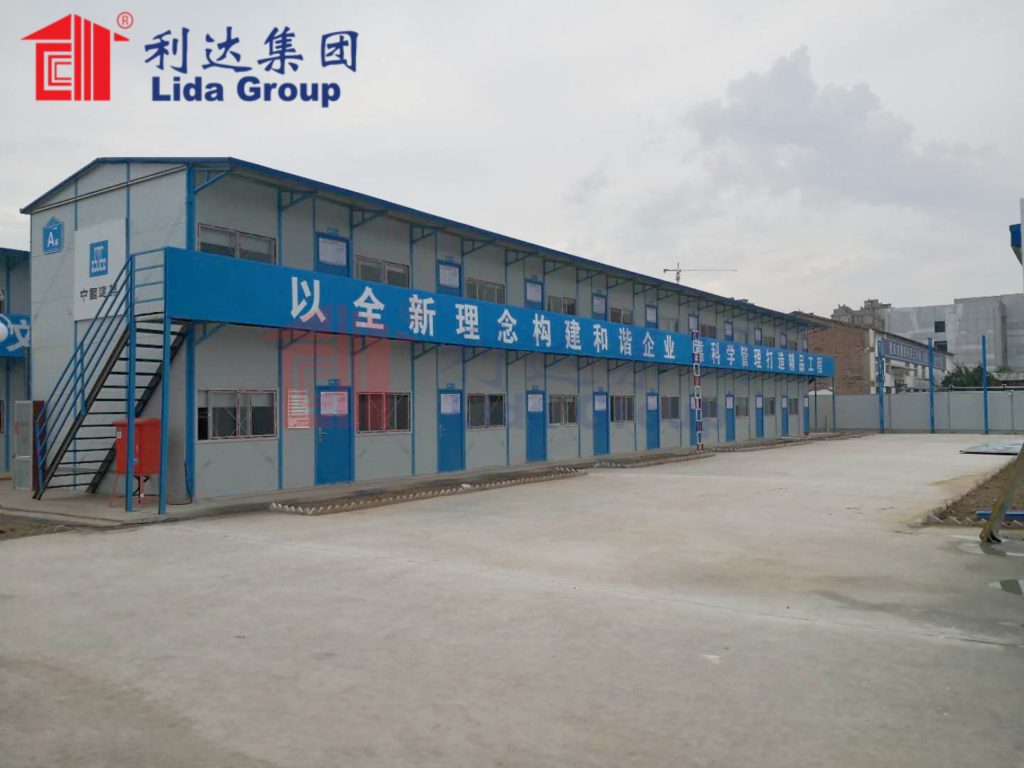
On the other end of the spectrum, brick-and-concrete worker dormitories offer superior durability, with a lifespan of 30-40 years if properly maintained. They are resistant to weather, corrosion, and physical damage, providing a stable and safe living environment for workers. However, their high cost and lengthy construction cycle make them impractical for most temporary construction projects. Building a brick-and-concrete dormitory requires a large workforce, extensive on-site labor, and a long construction period—often 2-3 months for a single dormitory block—delaying worker deployment and increasing project timelines. Material costs are also significantly higher, with brick, concrete, and steel accounting for a large portion of the budget. Additionally, brick-and-concrete dormitories are not reusable; once the construction project is completed, they are either demolished (wasting resources) or repurposed, which often requires costly renovations. For construction companies working on short-term projects or with tight budgets, brick-and-concrete dormitories are simply not a feasible option.
The new prefab worker dormitory is designed to eliminate this trade-off, integrating the best aspects of both temporary and permanent accommodation while addressing their flaws. Prefabrication technology—where building components are manufactured in a factory and then transported to the construction site for assembly—forms the foundation of this innovation. Unlike traditional on-site construction, which is prone to delays, waste, and inconsistent quality, factory prefabrication ensures precision, efficiency, and consistency, while reducing costs and improving durability. The new prefab dormitory takes this technology a step further, with optimized designs, high-performance materials, and modular construction that enhance both affordability and longevity.
One of the key ways the new prefab worker dormitory achieves affordability is through streamlined production and reduced material waste. In factory settings, components are manufactured using computer-aided design (CAD) and advanced machinery, ensuring precise cutting and fabrication with minimal waste. Traditional on-site construction typically generates 10-15% material waste due to manual errors, imprecise cutting, and over-ordering of materials. In contrast, the prefabrication process reduces waste to less than 3%, significantly lowering material costs. For example, steel components are cut to exact specifications using numerical control (NC) machines, and any leftover materials are recycled and reused in future production, further reducing waste and costs. Additionally, the modular design of the dormitory allows for standardized production of components—such as wall panels, floor slabs, and roof panels—which reduces manufacturing costs through economies of scale. Mass-producing identical components lowers the cost per unit, making the dormitory more affordable for construction companies.
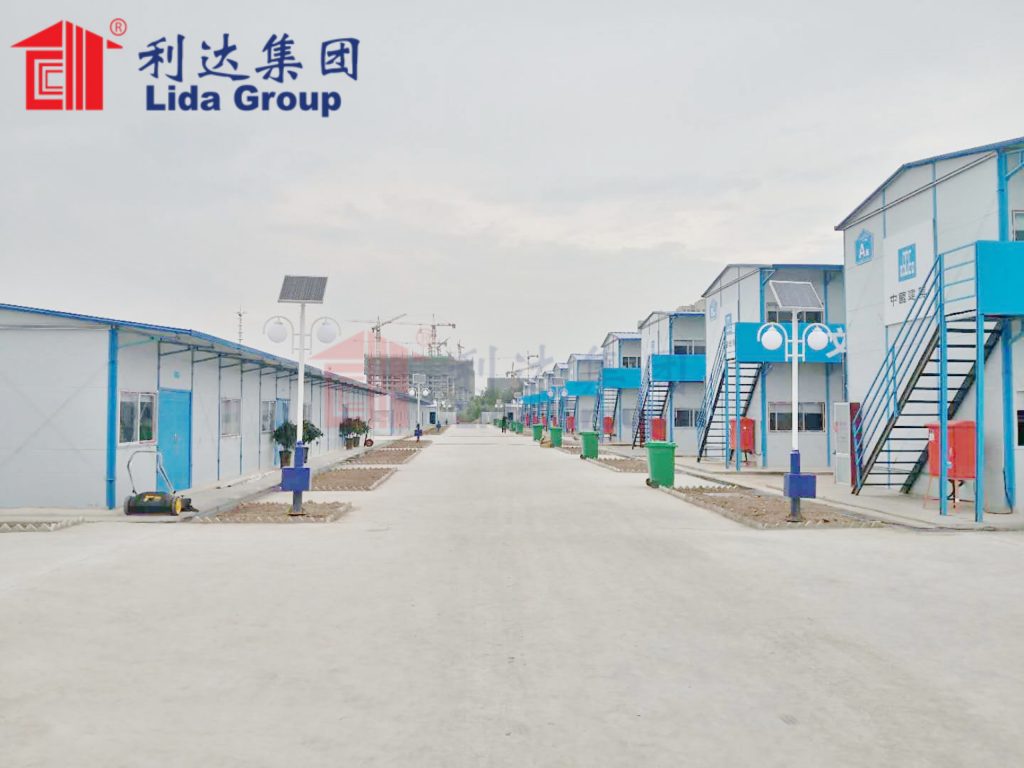
Reduced labor costs also contribute significantly to the affordability of the new prefab worker dormitory. Traditional on-site construction requires a large workforce of skilled laborers—including masons, carpenters, electricians, and plumbers—for extended periods. Labor costs account for 30-40% of total project costs for traditional dormitories. In contrast, the prefab dormitory’s components are fully manufactured in the factory, with only a small team of certified installers needed on-site to assemble the modules. The assembly process is rapid and efficient: a typical dormitory block capable of accommodating 50 workers can be fully assembled in 5-7 days, compared to 2-3 months for a traditional brick-and-concrete dormitory. This reduces labor costs by 50% or more, as fewer workers are needed for a shorter period. For example, a construction company building 10 dormitory blocks for 500 workers using the new prefab solution can save up to 40% on total labor costs compared to traditional construction.
Long-term cost savings further enhance the affordability of the new prefab worker dormitory. Unlike temporary board houses that require frequent repairs and replacement, the prefab dormitory is designed for durability, reducing maintenance costs over its lifespan. The high-performance materials used in the dormitory resist wear, corrosion, and damage, minimizing the need for repairs. Additionally, the modular design allows for easy replacement of individual components—such as a damaged wall panel or window—without having to renovate the entire dormitory block, further reducing maintenance costs. The dormitory’s energy efficiency also contributes to long-term savings: advanced insulation materials reduce heating and cooling costs by 30-40% compared to traditional dormitories, lowering utility expenses for construction companies and improving worker comfort.
Perhaps most importantly, the new prefab worker dormitory is highly reusable, which delivers significant long-term cost savings. Unlike traditional dormitories that are discarded after a single project, the prefab dormitory can be easily disassembled, transported to a new construction site, and reassembled multiple times. A well-maintained prefab dormitory can be reused up to 10 times, reducing the need to build new accommodation for each project. For example, a construction company working on a series of infrastructure projects across a region can use the same prefab dormitory modules for each project, saving 60-70% of the cost compared to building new dormitories each time. This reusability not only lowers costs but also reduces resource waste, aligning with the industry’s growing focus on sustainability.
While affordability is a core advantage, the new prefab worker dormitory never compromises on durability—a critical factor in ensuring long-term value and worker safety. Durability is integrated into every stage of the dormitory’s design, material selection, and production, ensuring that it can withstand the harsh conditions of construction sites and repeated use.
Material selection is key to the dormitory’s durability. The new prefab worker dormitory uses high-performance, cost-effective materials that balance strength and affordability. The main structural components—including wall panels, floor slabs, and roof panels—are made of galvanized light steel frames combined with composite materials such as fiber-reinforced cement (FRC) panels or high-density foam insulation. Galvanized light steel is chosen for its exceptional strength-to-weight ratio, corrosion resistance, and durability. The steel is treated with a hot-dip galvanizing layer that provides a protective barrier against rust and corrosion, making it suitable for use in humid, coastal, or industrial environments. Unlike the thin steel sheets used in temporary board houses, galvanized light steel frames can withstand exposure to extreme weather conditions—including heavy rain, strong winds (up to 150 km/h), snowstorms, and temperatures ranging from -45°C to 50°C—without damage.
The composite wall panels used in the dormitory further enhance durability. These panels consist of two outer layers of FRC (which is strong, fire-resistant, and moisture-proof) and a middle layer of high-density foam insulation (which provides thermal insulation and additional structural support). The panels are bonded together using a high-strength adhesive that ensures structural integrity, preventing delamination even after years of use. Unlike traditional board house panels, which are prone to warping, cracking, and damage, the composite panels are rigid and durable, able to withstand physical impact and heavy use. They are also waterproof and moisture-proof, preventing mold growth and water damage—common issues in traditional worker dormitories.

The modular structure of the new prefab worker dormitory also contributes to its durability. The dormitory is composed of individual modules that are connected using high-strength bolts and connectors, creating a rigid and stable structure. This modular design ensures that the dormitory can withstand seismic activity of up to 8 magnitudes and wind loads of 1.5 kN/m²—far exceeding the safety standards of traditional temporary dormitories. The modules are designed to distribute weight evenly, reducing stress on individual components and enhancing overall structural stability. Additionally, the modular design allows for easy inspection and maintenance of each component, ensuring that any potential issues are identified and addressed before they become major problems.
To ensure consistent durability, the new prefab worker dormitory undergoes rigorous quality control throughout the production and assembly process. In the factory, every component is tested for strength, durability, and performance before being integrated into a module. This includes material strength tests, corrosion resistance tests, waterproof tests, and thermal insulation tests. For example, galvanized steel frames are tested for zinc coating thickness and adhesion to ensure corrosion resistance, while composite panels are tested for impact resistance and water tightness. Advanced automated inspection systems—such as 3D scanning and laser measurement—are used to ensure that each module meets precise dimensional standards, with errors kept below 2mm. During on-site assembly, certified installers follow strict guidelines to ensure that modules are connected correctly and securely. After assembly, a comprehensive final inspection is conducted to verify that the dormitory meets all safety, durability, and quality standards.
In addition to affordability and durability, the new prefab worker dormitory also prioritizes worker comfort and safety—factors that are essential for worker productivity and retention. Contrary to the stereotype of “spartan” temporary housing, the new prefab dormitory is designed with humanized features that ensure workers have a comfortable and safe place to rest after a hard day’s work.
The dormitory’s interior is spacious and well-designed, with a variety of layout options to meet the needs of different project sizes and worker numbers. A typical single dormitory module has a size of 3.6m × 7.2m, with a floor height of 3.2m, providing ample living space for workers. Each dormitory room is equipped with essential facilities, including metal bunk beds (with safety rails), wardrobes, desks, chairs, and energy-efficient lighting. The rooms are well-ventilated, with large windows that allow natural light to enter, improving indoor air quality and worker mood. The advanced insulation materials used in the wall and roof panels ensure that the indoor temperature remains comfortable year-round—18-22°C in winter and 24-26°C in summer—without excessive reliance on heating or cooling systems. This not only improves worker comfort but also reduces energy costs.
Safety is a top priority in the design of the new prefab worker dormitory. The dormitory is equipped with a complete set of safety facilities, including fire extinguishers, smoke detectors, emergency lights, and evacuation routes. The composite panels and galvanized steel frames are fire-resistant, reaching Class A fire protection standards, which prevents the spread of fire and ensures worker safety in case of a fire. The dormitory also features a reliable lightning protection and grounding system, which protects against lightning damage to the building and electrical equipment. The windows are made of tempered glass, which is shatter-resistant, reducing the risk of injury from broken glass. Additionally, the dormitory is designed with wide corridors (no less than 2 meters) and multiple emergency exits, ensuring smooth evacuation in case of emergencies.
The new prefab worker dormitory is also highly versatile, adapting to a wide range of construction scenarios and climate conditions. Construction projects vary significantly in scale, location, and climate, and the prefab dormitory is designed to meet these diverse needs. For large-scale infrastructure projects—such as railways, highways, and wind farms—the dormitory can be configured into multi-story blocks to accommodate hundreds of workers. For small-scale projects—such as residential renovations or commercial fit-outs—the dormitory can be set up as single-story modules to accommodate smaller teams. The dormitory is also adaptable to different climate conditions: in cold regions, it can be equipped with thickened insulation modules and floor heating systems; in hot and humid regions, it can be optimized for ventilation and moisture resistance; in coastal regions, it can use enhanced anti-corrosion materials to withstand salt spray; and in high-altitude regions, it can be equipped with oxygen supply systems to adapt to thin air.
To demonstrate the real-world impact of the new prefab worker dormitory, we highlight several successful case studies from around the world, each showcasing how the dormitory has delivered on its promise of affordability and durability.
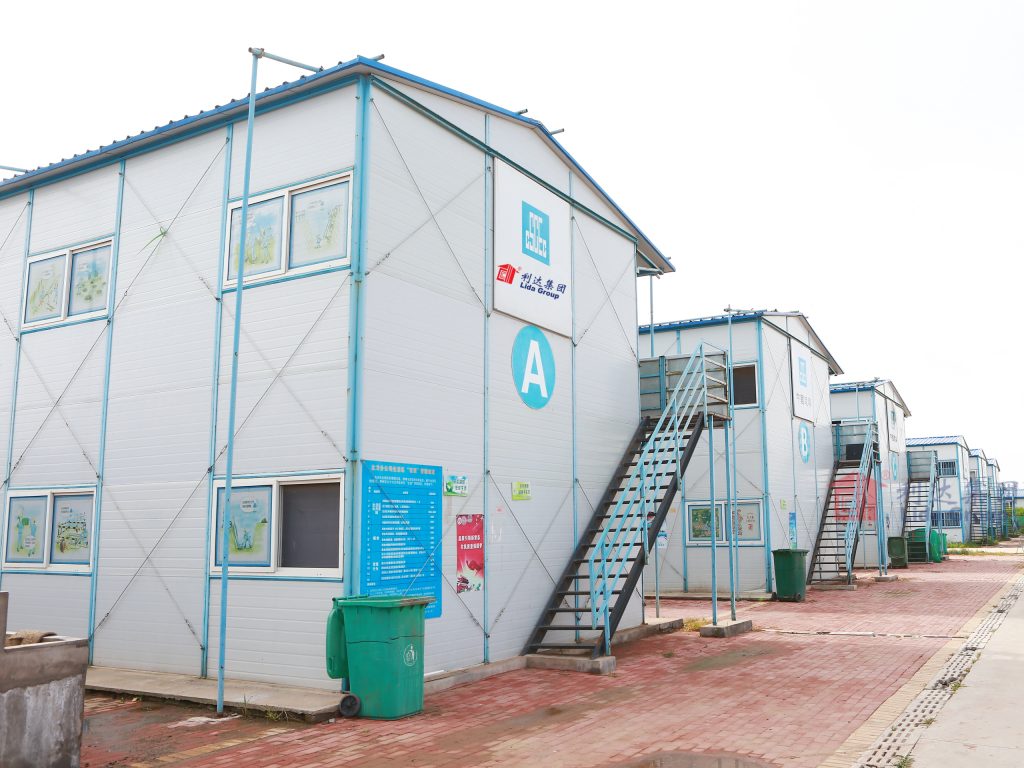
In a large-scale railway construction project in northern China, a construction company needed to provide accommodation for 800 workers in a remote region with harsh winter conditions (temperatures dropping to -30°C) and limited infrastructure. The company initially considered traditional brick-and-concrete dormitories but rejected them due to high costs and long construction cycles. Instead, they chose the new prefab worker dormitory. A total of 16 dormitory blocks (each accommodating 50 workers) were manufactured in the factory in 20 days and transported to the construction site, where they were assembled in just 10 days. The dormitories were equipped with thickened insulation modules and floor heating systems, ensuring a comfortable indoor temperature even in extreme cold. The total cost of the prefab dormitories was 35% lower than that of traditional brick-and-concrete dormitories. After 3 years of use, the dormitories remain in excellent condition, with no major repairs needed. When the railway project was completed, the dormitory modules were disassembled and transported to another highway construction project in southern China, where they were reassembled and reused—saving the company 60% of the cost of building new dormitories.
In a coastal wind farm project in Australia, a renewable energy company needed to provide accommodation for 300 workers in a region with high salt spray, strong winds, and humid conditions. Traditional temporary board houses had failed in previous projects, requiring frequent repairs due to corrosion and water damage. The company opted for the new prefab worker dormitory, which used enhanced anti-corrosion galvanized steel and waterproof composite panels. The dormitories were assembled in 8 days, and the total construction cost was 40% lower than that of brick-and-concrete dormitories. After 2 years of use, the dormitories showed no signs of corrosion or water damage, and maintenance costs were less than 5% of the total construction cost. The dormitories were also designed to withstand strong winds of up to 140 km/h, which was put to the test during a severe storm—no damage was reported, and workers remained safe and comfortable.
In a construction project in Kenya, a local contractor needed to provide affordable accommodation for 200 workers in a rural region with limited resources and a hot, arid climate. The contractor had a tight budget and needed a dormitory that could be built quickly and withstand the harsh sun and occasional heavy rains. The new prefab worker dormitory was the perfect solution: 4 dormitory blocks were manufactured and assembled in just 5 days, with a total cost that was 50% lower than traditional dormitories. The dormitories were equipped with high-quality insulation and large windows for ventilation, keeping the indoor temperature cool even in extreme heat. After 1 year of use, the dormitories remained in excellent condition, with no major maintenance required. The contractor was able to reuse the dormitories for a subsequent construction project, further reducing costs and improving profitability.
The widespread adoption of the new prefab worker dormitory is having a profound impact on the global construction industry, driving positive change in how worker accommodation is designed, built, and used. Firstly, it helps construction companies reduce costs and improve profitability by eliminating the trade-off between affordability and durability. The upfront cost savings from streamlined production and reduced labor, combined with long-term savings from low maintenance and reusability, make the prefab dormitory a cost-effective solution for projects of all sizes. Secondly, it improves worker safety and well-being, leading to higher retention rates and productivity. By providing a comfortable, safe, and durable living environment, construction companies can attract and retain skilled workers, reducing the costs associated with turnover and training. Thirdly, it promotes sustainability by reducing material waste, energy consumption, and carbon emissions. The prefab dormitory’s reusability and efficient material usage align with the industry’s growing focus on green construction, helping to reduce the environmental impact of construction projects. Fourthly, it accelerates project timelines by enabling rapid deployment of workers. The quick assembly of the prefab dormitory ensures that workers can move on-site sooner, reducing project delays and improving efficiency.
Looking to the future, the new prefab worker dormitory is poised to become the standard for worker accommodation in the global construction industry. As technology continues to advance, we can expect further innovations in material science and prefabrication technology, making the dormitory even more affordable, durable, and comfortable. For example, the integration of smart technologies—such as AI-driven energy management systems and real-time structural monitoring—will further reduce maintenance costs and improve safety. The development of new, more sustainable materials—such as recycled composites and bio-based insulation—will enhance the dormitory’s environmental performance. Additionally, the expansion of global supply chains will make the prefab dormitory more accessible to construction companies in developing countries, helping to address the global shortage of safe, affordable worker accommodation.
Construction companies, contractors, and project owners are increasingly recognizing the value of the new prefab worker dormitory, and demand is growing rapidly. As more projects adopt this innovative solution, the cost of production will continue to decrease due to economies of scale, making it even more affordable for small and medium-sized construction companies. Governments around the world are also supporting the adoption of prefabrication technology through policies and incentives, further driving the growth of the prefab dormitory market.
Summary
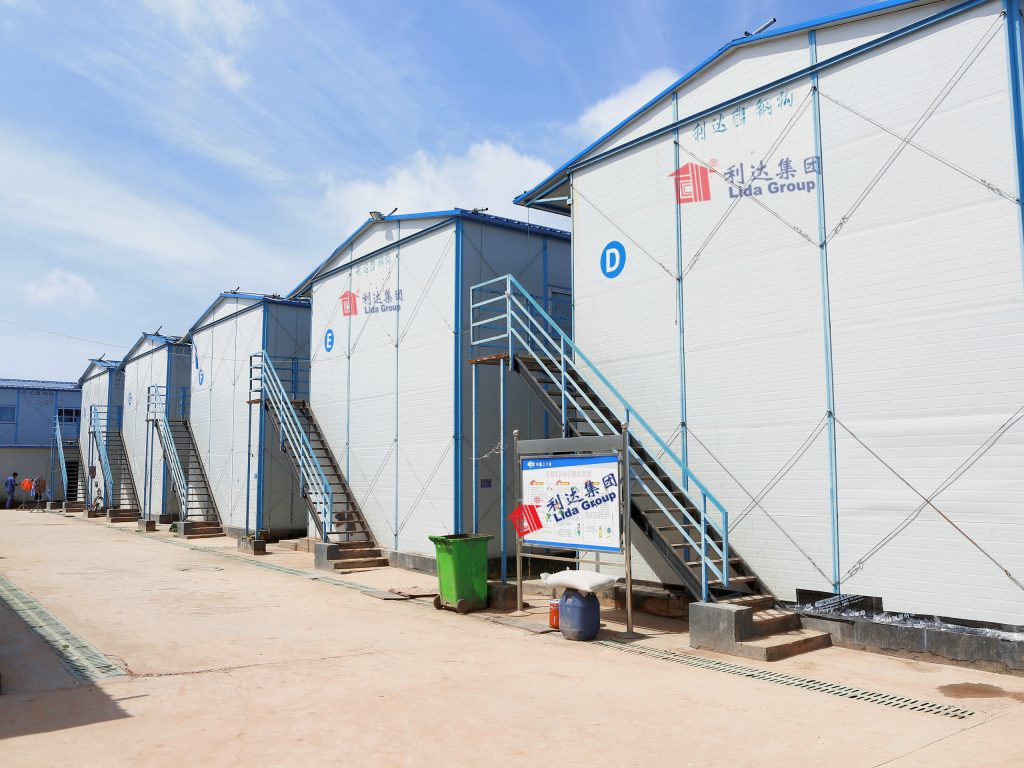
The global construction industry has long struggled with a critical dilemma: providing worker accommodation that is both affordable and durable. Traditional options—temporary board houses and brick-and-concrete dormitories—force stakeholders to choose between low upfront costs or long-term usability, resulting in wasted resources, increased costs, and compromised worker safety. The new prefab worker dormitory resolves this trade-off, leveraging advanced prefabrication technology, optimized materials, and modular design to deliver a solution that combines affordability and durability without sacrificing quality, comfort, or safety.
The affordability of the new prefab worker dormitory is achieved through multiple channels: streamlined factory production that reduces material waste to less than 3% (compared to 10-15% in traditional construction), reduced labor costs (50% lower than traditional dormitories) due to rapid on-site assembly (5-7 days per dormitory block), long-term maintenance savings from durable materials, and significant cost reductions from reusability (up to 10 reuses per module). These cost savings make the dormitory accessible to construction companies of all sizes, from large infrastructure firms to small local contractors.
Durability is integrated into every aspect of the dormitory’s design and production. High-performance materials—including galvanized light steel frames and composite wall panels—provide exceptional strength, corrosion resistance, and weather resistance, enabling the dormitory to withstand extreme conditions (temperatures from -45°C to 50°C, winds up to 150 km/h, seismic activity up to 8 magnitudes) and repeated use. Rigorous quality control processes ensure consistent performance, with a lifespan of over 50 years and minimal maintenance requirements.
Beyond affordability and durability, the new prefab worker dormitory prioritizes worker comfort and safety, with spacious, well-ventilated rooms, essential facilities, and comprehensive safety systems. Its versatility allows it to adapt to diverse project sizes and climate conditions, from large-scale infrastructure projects in cold regions to small-scale projects in hot, humid environments. Real-world case studies from China, Australia, and Kenya demonstrate the dormitory’s tangible impact, delivering cost savings, durability, and improved worker well-being.
The new prefab worker dormitory is revolutionizing the construction industry, driving cost savings, improving worker conditions, promoting sustainability, and accelerating project timelines. As technology advances and adoption grows, it will continue to evolve, becoming even more affordable, durable, and sustainable. In conclusion, the new prefab worker dormitory represents a paradigm shift in worker accommodation, proving that affordability and durability can coexist—and that investing in quality worker housing is not just a moral and legal obligation, but also a smart business decision that delivers long-term value for construction companies and their teams.
Related news
-
Sustainable Housing: Eco-Friendly Sandwich Panel House by Lida Group
2026-02-24 17:55:11
-
Achieve Low-Cost Durable Building with Our Innovative Prefab Solutions
2026-02-14 16:38:15
-
Innovative Design for Durable Modular Container Living Spaces
2026-02-14 16:11:21
contact us
- Tel: +86-532-88966982
- Whatsapp: +86-13793209022
- E-mail: sales@lidajituan.com
