



Modern Prefabricated Container Apartments Redefine Modular Living
2026-Jan-28 17:46:25
By Admin
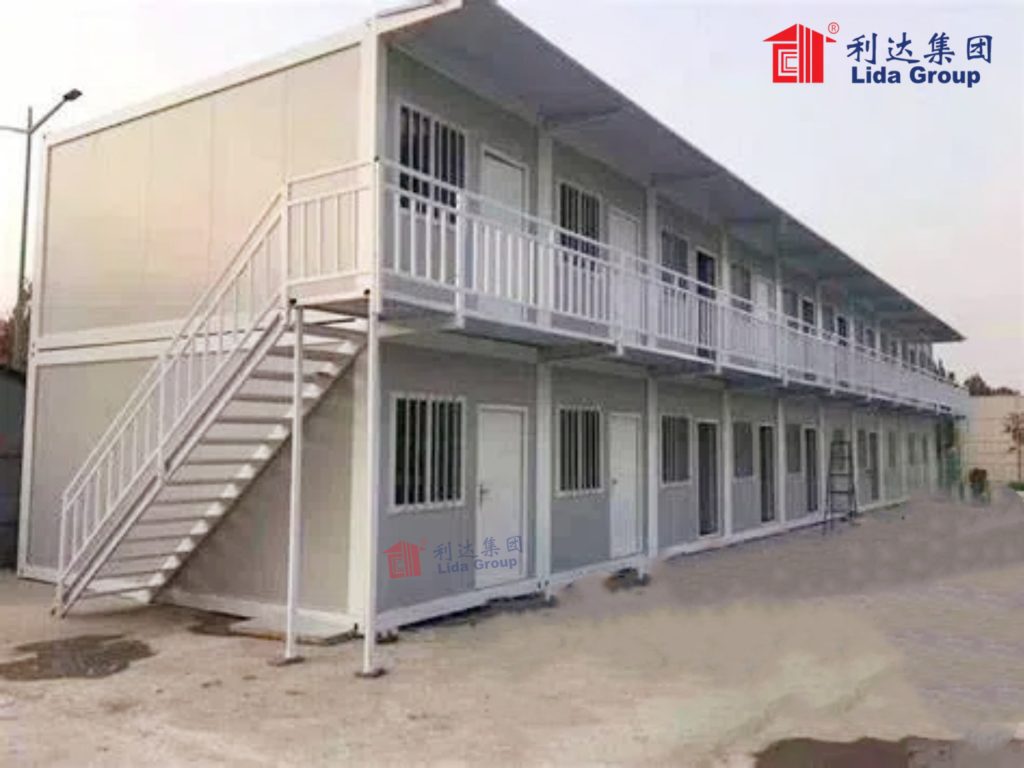
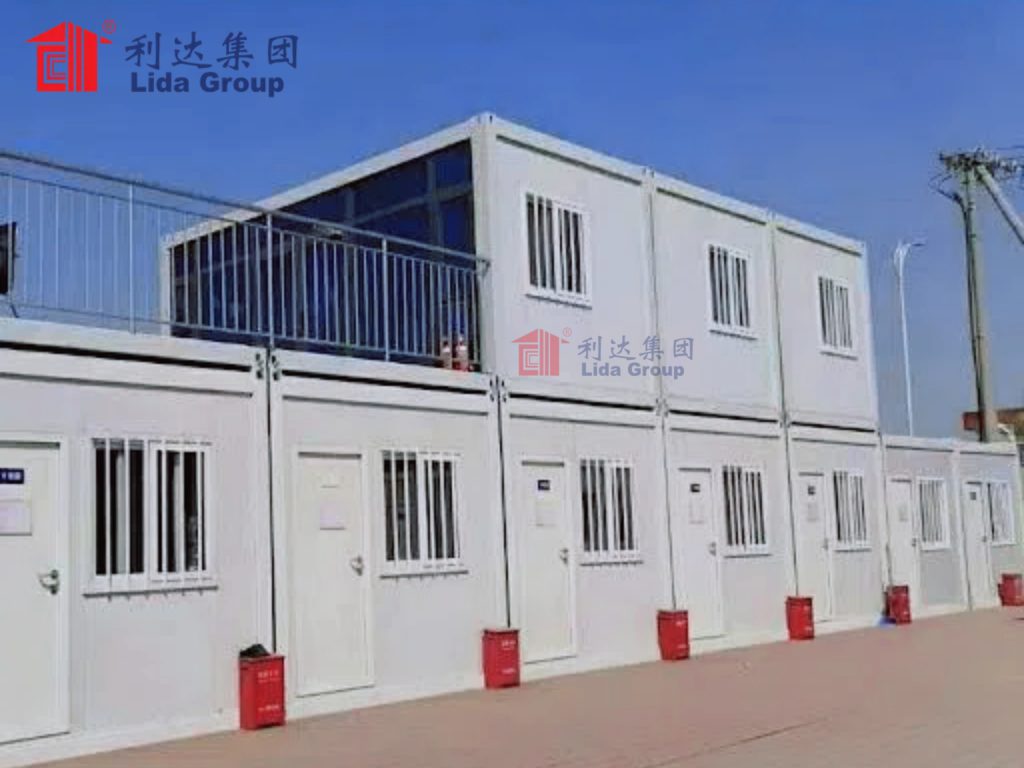
As urban populations surge globally—with projections indicating over two-thirds of the world’s people will reside in cities by 2050—the limitations of traditional construction have become increasingly glaring. Chronic delays, skyrocketing costs, excessive carbon emissions, and inflexible designs have rendered conventional building methods ill-equipped to address the urgent demands of sustainable urban development. Amid this crisis, modern prefabricated container apartments have emerged as a transformative solution, evolving from niche temporary structures to mainstream residential options that redefine modular living. By integrating advanced engineering, eco-friendly technologies, and innovative design, these dwellings are not merely altering how we build homes but reshaping our understanding of urban habitation, offering a blueprint for resilient, efficient, and human-centric communities.
1. The Rise of Prefabricated Container Apartments: From Temporary Shelters to Permanent Homes
The concept of using shipping containers for construction traces back to the mid-20th century, when surplus containers were first repurposed as temporary storage and shelter. However, early iterations were rudimentary—crude, poorly insulated, and limited to utilitarian roles such as construction site dormitories or disaster relief housing. These early structures suffered from a host of flaws: extreme temperature fluctuations (acting as “metal ovens” in summer and “freezers” in winter), inadequate soundproofing, and a pervasive perception as “substandard” housing. For decades, container buildings remained confined to marginal use cases, dismissed as a stopgap measure rather than a viable residential solution.
The paradigm shift began in the early 21st century, driven by three interconnected forces: the global push for sustainability, advancements in modular construction technology, and growing urban housing shortages. As the construction industry faced scrutiny over its environmental impact—accounting for 8% of global CO₂ emissions from cement production alone and generating over 30% of urban landfill waste—container repurposing emerged as a circular economy success story. A single 40-foot container, typically made of Q355B low-alloy high-strength steel, boasts a 98% material recovery rate and reduces steel consumption by 3.5 tons compared to traditional building methods, with carbon emissions cut by 65% . This environmental advantage, combined with technological breakthroughs in insulation, structural engineering, and smart integration, propelled container apartments into the mainstream.
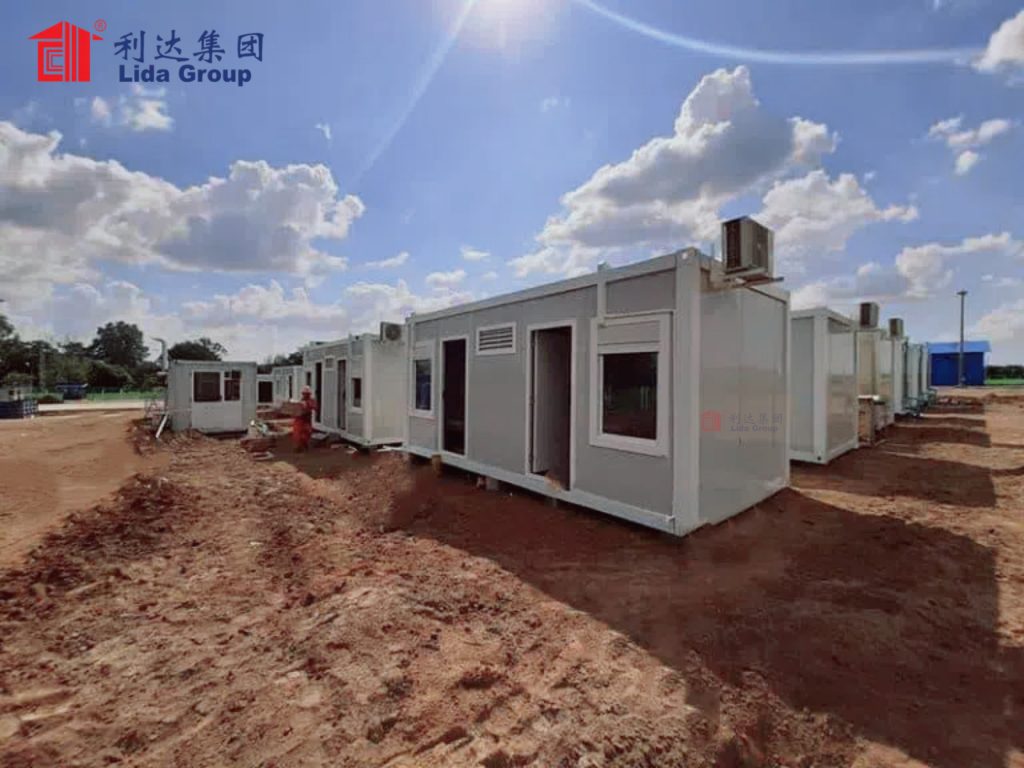
Today’s prefabricated container apartments bear little resemblance to their predecessors. Equipped with “sandwich” composite walls, 150mm-thick polyurethane insulation layers (boasting a thermal conductivity as low as 0.022W/(m·K)), and double-glazed Low-E glass, they offer thermal performance that outperforms many traditional buildings—reducing winter heating costs by 40% and summer air conditioning consumption by 35%. Structurally, they adhere to rigorous international standards, utilizing full penetration welding and ISO Twistlock connectors that enable each joint to withstand 25 tons of load, resisting magnitude 8 earthquakes and category 12 typhoons (150km/h winds). This combination of durability, sustainability, and comfort has transformed container apartments from temporary shelters into permanent, desirable residential spaces.
2. Technological Innovation: The Engineering Behind Modern Container Living
2.1 Prefabrication and Efficient Construction
At the core of container apartments’ appeal is their ultra-high prefabrication rate—typically exceeding 95%—which revolutionizes the construction timeline and efficiency. Unlike traditional buildings, where most work occurs on-site, container modules are fully fabricated in factories: walls, floors, ceilings, plumbing, electrical systems, and even interior finishes are completed off-site before being transported to the construction site for assembly. This “factory prefabrication + on-site assembly” model eliminates the delays associated with on-site weather disruptions, material shortages, and labor inefficiencies.
Case studies worldwide demonstrate the dramatic time savings. The Ibis Hotel project in Perth, Australia, utilized container modules to complete a 17-story building in just 4 months—60% shorter than the traditional construction period. In Amsterdam, the Netherlands, a three-story container apartment complex set an industry record by finishing assembly in 72 hours. Advanced technologies further streamline the process: BIM (Building Information Modeling) + 5G collaborative construction systems enable precise module positioning, with a single container requiring only 28 minutes to hoist and install. For global projects, this efficiency translates to 48-hour response times and 15-day delivery cycles, making container apartments ideal for rapid urban development and emergency housing needs.
2.2 Structural Integrity and Adaptability
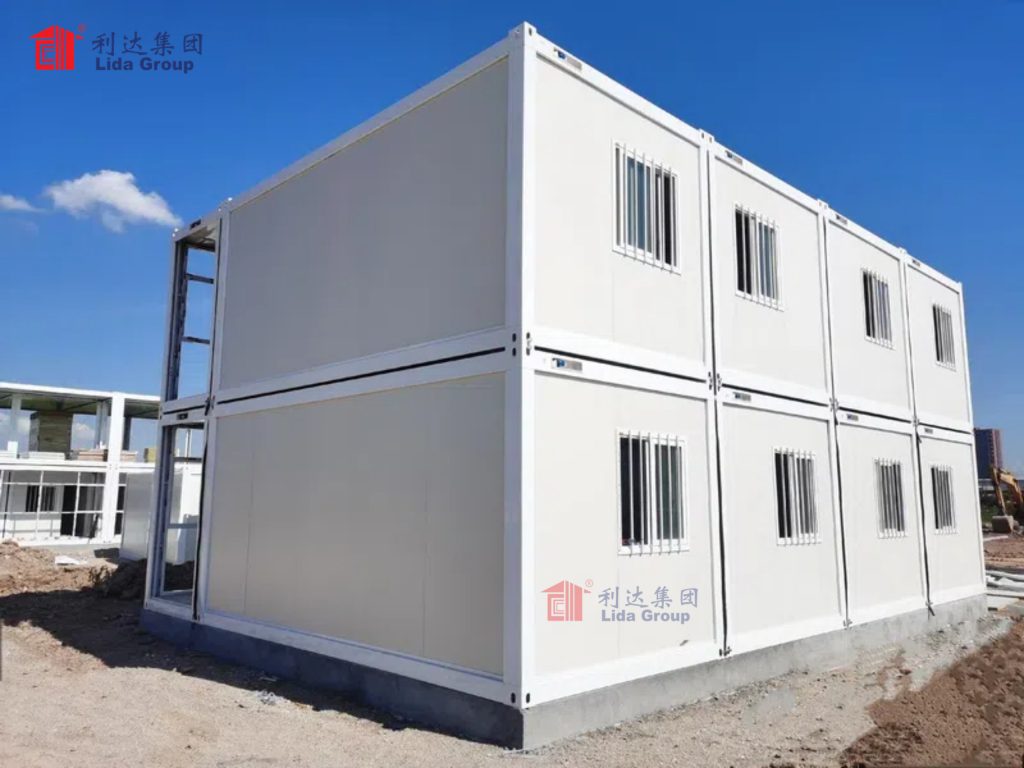
Modern container apartments overcome the structural limitations of early designs through innovative engineering. The base material—hot-dip galvanized Q355B steel—offers corrosion resistance exceeding 20 years, with 95% of components reusable after decommissioning following rigorous recycling standards. This durability enables vertical stacking of up to 40 floors, increasing plot ratio by 40% compared to traditional buildings and maximizing land use efficiency in dense urban areas.
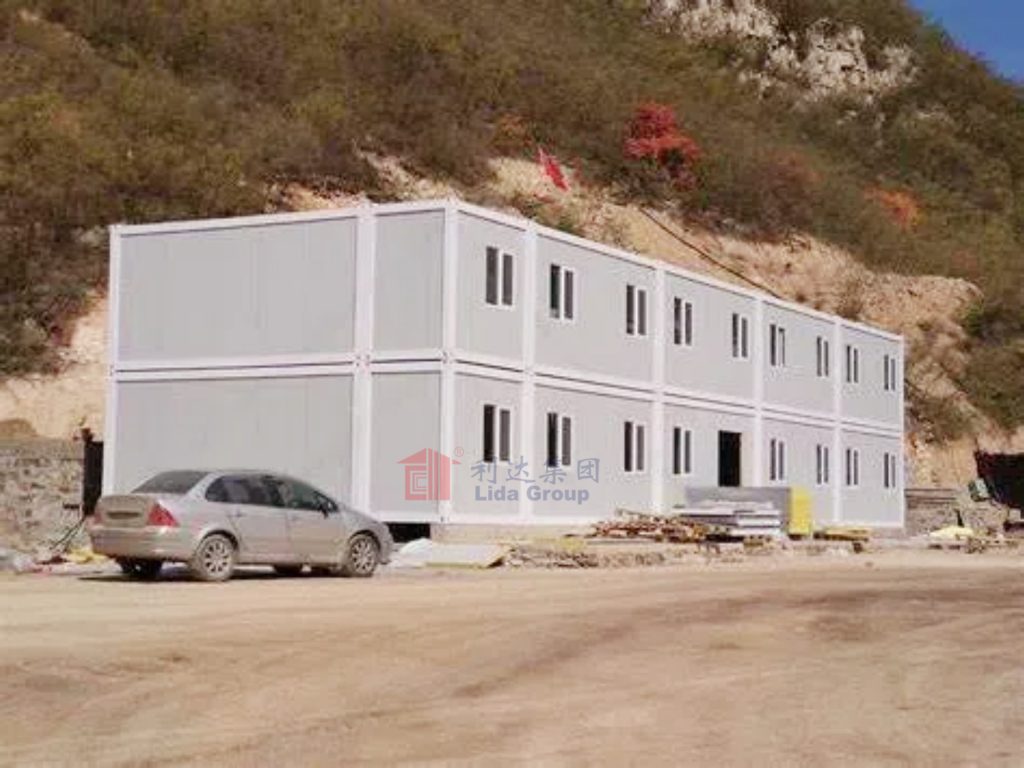
Their “Lego-style” modular design allows for infinite expansion in three dimensions (X/Y/Z), adapting to diverse residential needs. For example, the STACK Innovation Center in Australia uses 32 module combinations to accommodate offices, meeting rooms, and leisure spaces, while a 5,000㎡ temporary office complex in Xiongan New Area achieved “7-day design, 15-day construction, 3-day relocation” flexibility. This adaptability extends to extreme environments: container apartments in Abu Dhabi’s oil camps operate stably for 25 years under desert heat and sandstorms, while Nordic polar research stations maintain structural integrity at -40℃ .
2.3 Smart Integration and Digital Operation
The integration of smart technologies has elevated container apartments from functional dwellings to intelligent living spaces. BIM design systems and IoT monitoring platforms enable full-lifecycle digital management, from design and production to operation and maintenance. Siemens’ smart central control systems automatically optimize 23 environmental parameters, reducing per capita energy consumption by 28%, while remote operation and maintenance platforms (such as Chengdong’s “Chengzhu Cloud”) cut equipment fault response time to under 2 hours.
In high-tech applications, container apartments serve as integrated smart units. Huawei’s overseas bases deploy container modules equipped with 5G base stations and energy storage systems, completing smart community construction in 72 hours and boosting cross-regional team collaboration efficiency by 70%. Renewable energy integration further enhances their intelligence: a photovoltaic power station living area in Gansu, China, integrates monocrystalline silicon panels on 200 container roofs, generating 250,000 kWh annually to meet 60% of daily electricity needs. The Belgian Living Box project achieves 100% self-sufficiency in living resources through geothermal heat pumps and rainwater harvesting systems, reducing operational costs by 35%.
3. Sustainability: A Circular Solution for Urban Carbon Neutrality
3.1 Carbon Reduction and Material Recycling
Prefabricated container apartments are a cornerstone of sustainable urban development, aligning with global “dual carbon” goals through their circular lifecycle. The repurposing of shipping containers diverts waste from landfills—each reused container reduces steel production demand, which in turn cuts carbon emissions by 3.5 tons. Compared to traditional buildings, container apartments reduce embodied carbon by 65% and construction waste by over 80%, as factory prefabrication minimizes on-site material loss.
Their end-of-life recyclability further strengthens their environmental credentials. After a 25-year service life, 95% of container components pass recycling standard inspections (GB/T 19879) and can be repurposed, with secondary use value reaching 60% of the original. Even retired containers from infrastructure projects, such as wind power stations in Xinjiang, maintain structural performance after renovation, avoiding asset idleness.
3.2 Green Certification and Operational Efficiency
Container apartments naturally meet the core indicators of LEED certification, the global gold standard for green buildings. By using low-VOC coatings, rainwater recycling systems, and renewable materials, they easily achieve LEED Gold or Platinum certification. The Hegu Container Community in Jing’an, Shanghai—a renovation project of 156 containers—obtained LEED Platinum certification with a 62% carbon reduction rate and high water recycling efficiency, leading to a 30% rent premium. Internationally, LEED-certified container buildings command a 15-20% higher asset valuation than conventional structures, attracting green investment.
Operational sustainability is equally impressive. The combination of advanced insulation, smart energy management, and renewable integration reduces annual operational costs by 18-25%. Panasonic’s phase-change energy storage walls enable self-regulation in temperature ranges from -40℃ to 50℃, adapting to global climate zones and further lowering energy consumption. For residents, this translates to lower utility bills and a smaller environmental footprint, creating a win-win for affordability and sustainability.
4. Market Expansion and Diverse Application Scenarios
4.1 Affordable Housing and Urban Renewal
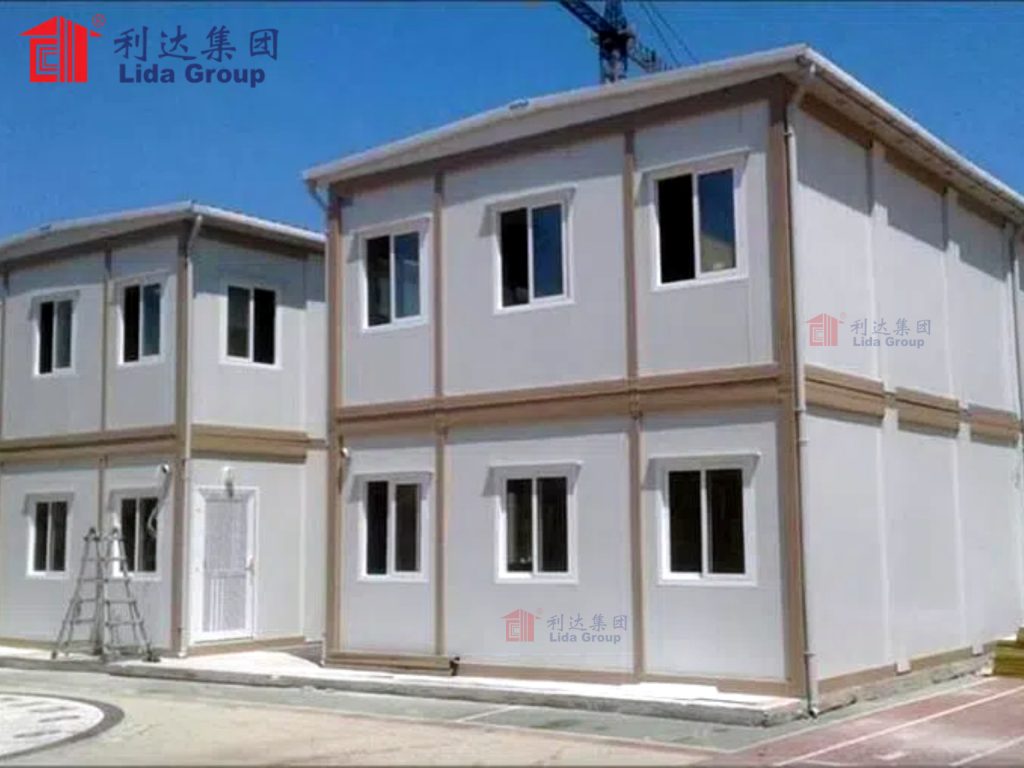
Container apartments address the global affordable housing crisis by offering cost-effective, rapid solutions. In Shenzhen’s “Youth Apartment Program,” 28-square-meter apartments converted from standard 40-foot containers cost only 180,000 RMB per unit, with rents 40% lower than market rates in the same area—achieving an 89.3% occupancy satisfaction rate. These projects leverage policy support: Chinese local governments offer floor area ratio incentives, approval green channels, and subsidies of up to 200 RMB per square meter for modular building projects.
In urban renewal, container apartments provide flexible transition solutions for areas undergoing renovation. The Jiku Community in Jing’an, Shanghai, uses 156 containers to create a mixed-use space integrating offices, commerce, and leisure, increasing land utilization by 60%. Unlike traditional buildings, container modules can be disassembled and relocated as land use plans change, avoiding asset waste and maximizing land value.
4.2 Cultural Tourism and Experiential Living
The unique industrial aesthetic of container apartments has made them a magnet for cultural tourism projects. In Whale Bay, South Africa, a container hotel features cantilevered designs with ocean-view suites, commanding 800 USD per night with a 92% occupancy rate. In Dali, Yunnan, traditional rammed earth techniques are combined with containers to create 20-square-meter LOFT homestays expanded to 40 square meters, delivering a 40% higher return on investment than conventional homestays.
These projects prioritize environmental preservation—their rapid construction minimizes disruption to natural landscapes, aligning with eco-tourism trends. The “Mobile Living Lab” initiative by Huazhu Group’s “City Product” brand deploys themed pop-up container communities in 12 Chinese cities, attracting over 50,000 visitors per event and generating 28% of revenue from derivatives. Container apartments thus blur the line between accommodation and cultural experience, creating new value in the tourism sector.
4.3 Emergency Response and Special Scenarios
The rapid deployment capability of container apartments makes them indispensable for emergency situations. During the 2024 global pandemic, German modular mobile ICU units built with containers completed negative pressure isolation system installation in 6 hours, with 3,000 units deployed worldwide. In post-disaster reconstruction in Ecuador, 200 earthquake-resistant container homes were delivered in 15 days, equipped with reclaimed water treatment systems achieving 80% annual water savings.
They also excel in special environments: 120 containers form a 130,000-square-meter living area for Abu Dhabi’s oil camps, operating stably for 25 years in harsh desert conditions. Border outposts and polar research stations rely on container modules for durable, climate-resistant housing, demonstrating their versatility across extreme use cases.
5. Policy Support and Market Dynamics
5.1 Global Policy Incentives
Governments worldwide are embracing container apartments through supportive policies. In China, the “14th Five-Year Plan for Construction Industry Development” mandates that prefabricated buildings account for over 30% of new construction by 2025, with container modules identified as a key development direction. The Ministry of Housing and Urban-Rural Development simplifies land registration for container projects, allowing 5-8 year usage periods for collective land, while financial institutions offer special loans with interest rates reduced by at least 20 basis points.
Internationally, the EU provides carbon emission trading exemptions for LEED-certified container projects, while Australia and Singapore offer tax incentives for modular construction. These policies reduce compliance costs and accelerate project implementation, particularly in urban renewal and affordable housing initiatives.
5.2 Market Growth and Industry Evolution
The global container apartment market is experiencing robust growth. In China, the market size exceeded 18 billion RMB in 2025, with projections reaching 32 billion RMB by 2027—a compound annual growth rate (CAGR) of over 29%. Demand is driven by emergency housing, cultural tourism, and urban renewal, with exports rising 29.4% year-on-year to 870 million USD in 2024, primarily to Southeast Asia, the Middle East, and Africa.
The industry is undergoing structural transformation: leading enterprises such as CIMC Group and Broad Homes integrate BIM+AIoT to create digital closed loops from design to operation, while cultural tourism operators focus on high-premium experiential products. The supply chain is becoming more integrated, with a national collaborative cloud platform in China connecting over 150 component factories, 80 smart system providers, and 60 green material suppliers to optimize full-lifecycle management.
6. Challenges and Future Outlook
6.1 Current Limitations
Despite their advantages, container apartments face persistent challenges. Energy efficiency remains a concern for non-optimized designs— a Belgian family of four living in a 48-square-meter container reported annual electricity costs soaring from 250 EUR to 2,100 EUR due to poor insulation, highlighting the need for standardized thermal solutions. Industry fragmentation and inconsistent quality standards plague small and medium enterprises, leading to homogeneous competition and unstable delivery cycles .
Social perception barriers also exist. Many still associate container housing with poverty or temporariness, limiting adoption in high-end residential markets. Additionally, logistical costs account for 20% of project budgets in some regions, and the low popularity of EPC general contracting models (35% penetration) hinders efficiency.
6.2 Future Trends
The future of container apartments lies in technological integration and ecosystem expansion. Smartification will deepen: by 2027, over 55% of new container apartments will feature AIoT systems for remote monitoring, energy optimization, and personalized living experiences. Digital twins and blockchain will enhance supply chain transparency, reducing costs and improving quality control.
Sustainability will be elevated through carbon-negative designs, integrating direct air capture technologies and fully renewable energy systems. Globalization will accelerate, with foldable modular designs optimizing cross-border logistics—one 40-foot shipping container can carry 20 sets of foldable panels, increasing space utilization by 2-3 times and reducing logistics costs by 40-50%.
Finally, container apartments will become integral to future urban ecosystems, supporting “space as a service” (SaaS) models where service revenue accounts for over 40% of total income. They will play a key role in smart cities, serving as flexible nodes for energy storage, community services, and emergency response, redefining urban resilience and livability.
Conclusion
Modern prefabricated container apartments have transcended their humble origins as temporary shelters to redefine modular living for the 21st century. Through technological innovation, they address the inefficiencies of traditional construction—slashing timelines, reducing costs, and minimizing environmental impact. Their sustainability credentials, from high material recycling rates to carbon reduction, align with global climate goals, while their adaptability enables diverse applications across affordable housing, tourism, and emergency response.
Supported by favorable policies and driven by market demand, container apartments are reshaping urban development paradigms. While challenges such as energy efficiency optimization and social perception persist, ongoing technological advancements and industry integration promise to overcome these barriers. As cities grapple with population growth, climate change, and housing shortages, container apartments offer a scalable, resilient, and human-centric solution—proving that modular living is not just a trend but a fundamental shift in how we build and inhabit our urban spaces. In the decades ahead, they will continue to evolve, integrating with smart technologies and circular economies to create a more sustainable and inclusive future for urban dwellers worldwide.
Related news
-
Engineering Excellence in Every High-Quality Construction Project
2026-01-28 17:29:09
-
Discover the Durability of Our Steel Structure Building Systems
2026-01-28 16:45:26
-
Lida Group Delivers Premium Metal Frame Warehouse for Logistics Hub
2026-01-28 15:45:37
contact us
- Tel: +86-532-88966982
- Whatsapp: +86-13793209022
- E-mail: sales@lidajituan.com
