



Modern Mobile Construction Solutions Redefine Building Speeds
2026-Jan-05 17:30:56
By Admin
The global construction industry is undergoing a profound transformation, driven by the dual pressures of increasing labor shortages, rising material costs, and the urgent demand for efficient, low-carbon development. For decades, traditional construction methods have been plagued by inefficiencies, long project cycles, and heavy reliance on manual labor, making it difficult to meet the fast-paced needs of urban renewal, infrastructure expansion, and emergency shelter construction. In this context, modern mobile construction solutions have emerged as a disruptive force, integrating advanced technologies such as artificial intelligence (AI), the Internet of Things (IoT), 5G communication, and modular design to redefine the speed and efficiency of building construction. These innovative solutions not only shorten project timelines significantly but also optimize resource allocation, improve construction safety, and promote the industry’s shift from “experience-driven” to “data-driven” development. This article explores the core technologies, practical applications, industry impacts, and future prospects of modern mobile construction solutions, revealing how they are reshaping the landscape of the global construction industry.
To understand the revolutionary impact of modern mobile construction solutions, it is first necessary to clarify their core connotation. Unlike traditional construction methods that rely on on-site casting and scattered operations, modern mobile construction solutions refer to a series of portable, modular, and intelligent building technologies and equipment that can realize rapid deployment, standardized production, and efficient assembly. Their core characteristics include mobility, modularity, intelligence, and integration—enabling construction activities to break free from the constraints of fixed sites and complex environments, and complete building construction in a more flexible and efficient manner. At the heart of these solutions is the integration of multiple cutting-edge technologies: BIM (Building Information Modeling) provides a digital foundation for the entire construction process; IoT and 5G technologies realize real-time perception and seamless communication of on-site data; AI and robotics replace manual labor in high-risk and low-efficiency links; and modular prefabrication realizes the factory-based production of building components, greatly reducing on-site construction time.
The technological innovation of modern mobile construction solutions is the key to redefining building speeds. Among them, intelligent construction equipment represented by mobile “building factories” and professional robots has become a major breakthrough. A typical example is the lightweight building machine independently developed by China State Construction Third Engineering Bureau (CSCEC Third Bureau), which was successfully applied in the Yuzhu Old City Renewal and Reconstruction Project in Guangzhou. This equipment integrates six intelligent systems, including a power support system, a steel platform system, and a safety protection system, and adopts a reverse construction mode from top to bottom after the main structure is capped. Compared with traditional construction methods, it reduces high-altitude operation risks by 70%, improves construction efficiency by 40%, and shortens the standard floor construction cycle to 4 days. The 300-ton-level residential building machine platform equipped in the project can even ensure continuous construction in 8-level gale and heavy rain weather, with equipment turnover rate exceeding 85% and concrete pouring efficiency increased by more than 30% . Such mobile intelligent equipment has transformed the traditional “on-site assembly” mode into a “factory-like on-site production” mode, realizing the leap from “manual construction” to “intelligent construction.”

Another important technological pillar of modern mobile construction solutions is the digital management system based on 5G and IoT technologies. The “5G + Smart Construction Site” platform built by Shandong Mobile Dongying Branch in the National Oil and Gas Exploration Science and Technology Public Innovation Base is a typical case. This platform constructs a full-cycle management closed-loop of “prevention-control-analysis” by deploying environmental monitoring sensors, intelligent cameras, and other terminal devices. Relying on the low-latency and high-bandwidth characteristics of 5G networks, it realizes real-time linkage between the construction management system and on-site equipment, enabling managers to conduct remote visual command. The platform can collect and analyze more than 300 parameters such as tower crane load, settlement displacement, and noise and dust in real time, shortening the hidden danger response time to within 15 minutes and reducing the accident rate by 40%. In addition, the introduced “5G + AR panoramic imaging management system” allows managers to view the 3D scene of the entire construction site through PC or mobile terminals, and click any area to link the monitoring camera and sensor data of that point, realizing full-domain visual supervision . This digital and intelligent management model has broken the information barrier between the construction site and the management center, making the construction process more transparent and efficient.
Modular prefabrication technology is also an important part of modern mobile construction solutions, which has been widely used in residential buildings, public facilities, and emergency shelters. Different from the traditional prefabricated buildings that are limited by component transportation and on-site assembly, the modular components in mobile construction solutions have the characteristics of light weight, standardization, and quick assembly. They can be pre-produced in the factory with high precision and then transported to the construction site for rapid assembly through simple hoisting equipment. A notable example is the application of the intelligent beam factory solution provided by Weibai Software in the Guangzhou-Foshan Intercity Railway North Extension Project. This solution integrates BIM, GIS, and QR code technologies to realize the digital management of the entire process of prefabricated beam production. Through AI video automatic recognition technology, it can identify the current production process of the beam slab in real time with a recognition success rate of more than 90%, and automatically record the start and end time of the process, realizing the automatic flow of processes without additional operations by on-site personnel. At the same time, the collaborative management of PC and APP terminals enables managers to track the production process in real time, which significantly improves the production efficiency of the beam factory and ensures the construction progress .
The application of modern mobile construction solutions is not limited to urban construction projects but also shows unique advantages in complex environments such as transportation infrastructure and remote areas. In the Beijing-Hong Kong-Macao Expressway Hubei North Section Reconstruction and Expansion Project, the smart construction site platform provided by Weibai Software integrates the mixing station, steel processing plant, prefabricated beam factory, and other facilities into a unified management system, establishing an all-round data fusion mechanism. Through IoT and AI technologies, it realizes the online flow, analysis, and utilization of construction data, greatly reducing the workload of on-site construction personnel and ensuring the rapid progress of the project. In the Fangwu Expressway Xingshan to Changyang Section, which faces the challenge of complex terrain, the smart construction site management platform takes IoT technology as the core, realizing online monitoring, automatic supervision, and remote command of construction, ensuring the smooth realization of construction goals such as quality, safety, and progress . These cases fully demonstrate the strong adaptability of modern mobile construction solutions, which can play a role in different types of construction projects and effectively improve construction speed and quality.
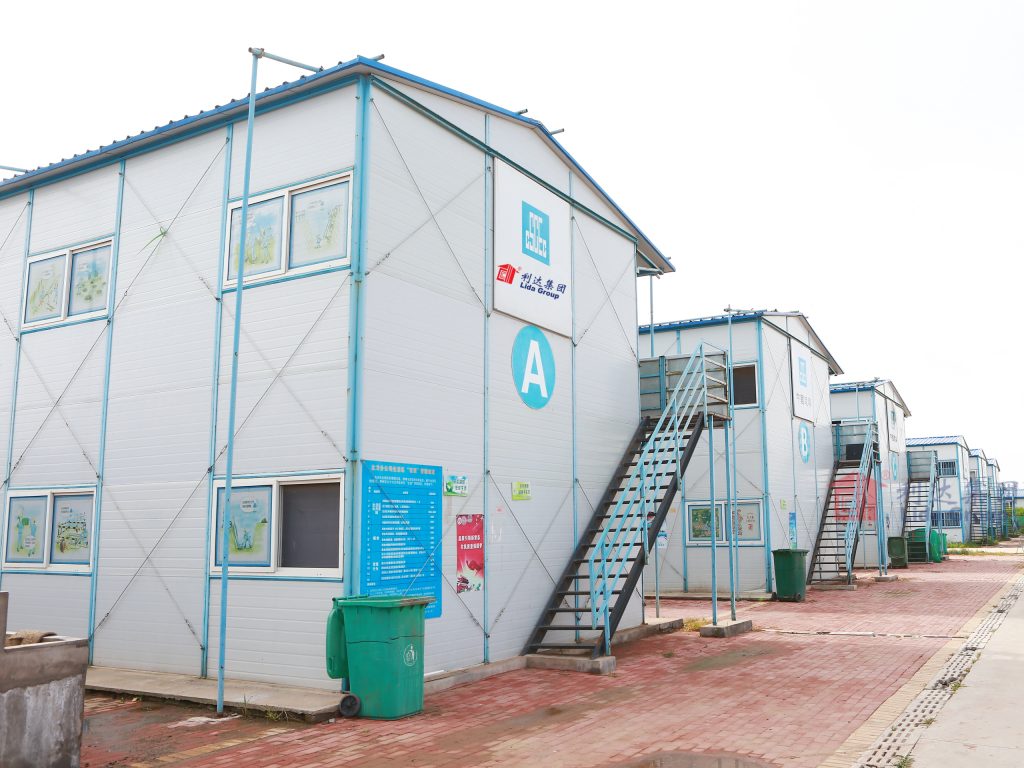
The impact of modern mobile construction solutions on the construction industry is multi-dimensional, first of all, it has subverted the traditional construction speed cognition. Taking the Yuzhu Old City Renewal Project as an example, the traditional facade construction requires multi-trade cross-operation, which takes a long time. The lightweight building machine adopted in the project can complete the facade project 30 days earlier than the traditional process . In the tunnel construction of the Guangzhou-Foshan Intercity Railway North Extension Project, the in-depth integration of shield equipment and IoT sensors has realized the intelligent management of shield construction, reducing the construction cycle of the shield machine and reducing safety risks . For emergency construction scenarios such as disaster relief and temporary shelter construction, modern mobile construction solutions can exert their advantages of rapid deployment. For example, modular mobile houses can be transported to the disaster area in a short time and assembled into livable shelters within a few days, which is of great significance for ensuring the basic living needs of disaster victims.
In addition to improving construction speed, modern mobile construction solutions also effectively optimize the allocation of construction resources and reduce construction costs. The factory-based production of modular components ensures the precise utilization of materials, reducing material waste by more than 50% compared with traditional construction methods. The application of intelligent robots replaces manual labor in high-risk and low-efficiency links, reducing labor demand. Taking the bridge internal inspection robot developed by CCCC Group as an example, it can complete the manual inspection task that originally took 2 days in only 3 hours, and the hollowing detection rate exceeds 95% . This not only improves inspection efficiency but also reduces the labor intensity and safety risks of workers. At the same time, the digital management platform can realize the refined management of “people, machines, materials, methods, and environment”, optimize the scheduling of construction resources, and reduce the waste of time and resources caused by unreasonable scheduling.
The popularization of modern mobile construction solutions also promotes the transformation of the construction industry’s labor market. Traditional construction relies heavily on skilled labor, but there is a serious shortage of professional and technical personnel in the global construction industry. It is estimated that by 2020, the shortage of professional and technical personnel in China’s prefabricated building sector alone will be nearly 1 million. Modern mobile construction solutions have lower requirements for the skill level of on-site workers due to their standardized and simplified operation processes, which helps to alleviate the labor shortage. At the same time, construction enterprises have also launched corresponding training programs to equip construction teams with the skills needed to operate intelligent equipment and digital platforms, promoting the transformation of the construction labor force from “manual workers” to “technical workers” .
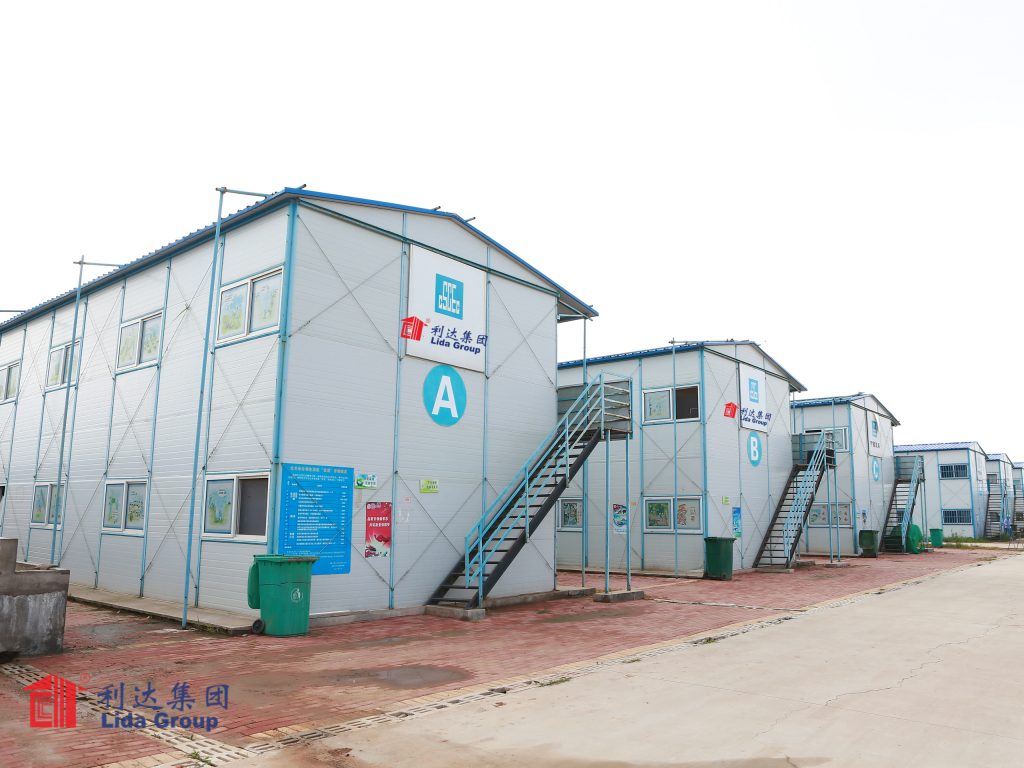
In terms of environmental protection and sustainable development, modern mobile construction solutions also show obvious advantages. Traditional construction methods generate a lot of dust, noise pollution, and construction waste during the on-site construction process, which has a negative impact on the environment. Modern mobile construction solutions minimize on-site wet work through modular prefabrication and factory-based production, significantly reducing dust and noise pollution. The steel components used in the structure are 100% recyclable, with a recovery rate of more than 90% at the end of the service life, which greatly reduces construction waste. In addition, the energy-efficient design of intelligent equipment and digital management systems also helps to reduce energy consumption and carbon emissions during the construction process, which is in line with the global low-carbon development goals .
The development of modern mobile construction solutions is also supported by strong policy guidance and market demand. Many countries have issued relevant policies to promote the development of intelligent construction and prefabricated buildings. For example, China’s “Action Plan for 5G Application ‘Sailing'” clearly supports the integration and application of 5G technology in the construction industry, and the “White Paper on the Development of Intelligent Construction 2024” issued by the Ministry of Housing and Urban-Rural Development also points out the direction for the development of intelligent construction. Driven by policies, the global market for mobile construction solutions is showing a rapid growth trend. According to industry forecasts, the global intelligent construction market size will exceed 100 billion US dollars by 2030, with a compound annual growth rate of more than 15%. The strong market demand and policy support will further promote the innovation and popularization of modern mobile construction solutions.
However, despite the remarkable advantages and broad development prospects, the widespread popularization of modern mobile construction solutions still faces many challenges. From the technical level, the adaptability of intelligent robots in unstructured environments such as wild construction sites is still poor, and the integration of BIM software and domestic industrial software ecosystems has not been completed, with 90% relying on foreign platforms such as Revit . From the management level, the phenomenon of “data islands” is prominent, and the data of design, construction, and operation and maintenance links are fragmented, which affects the overall efficiency of the construction process. The digital literacy of traditional construction teams is insufficient, and more than 50% of workers have not received training on intelligent equipment, which restricts the popularization and application of new technologies . From the cost level, the initial investment in modern mobile construction solutions is high. The deployment cost of a single smart construction site system is no less than 2 million yuan, which makes many small and medium-sized construction enterprises flinch .
To address these challenges, all parties in the industry need to work together to promote technological innovation and industrial upgrading. In terms of technology research and development, enterprises and research institutions should strengthen cooperation to improve the adaptability of intelligent equipment in complex environments and accelerate the research and development and popularization of domestic industrial software. In terms of standardization construction, industry associations and governments should formulate unified technical standards and regulatory frameworks to promote the standardization and serialization of mobile construction components and equipment. In terms of cost control, the government can set up special funds for intelligent construction to subsidize enterprises that purchase intelligent equipment. For example, Guangzhou provides a 30% subsidy for enterprises that purchase construction robots . At the same time, enterprises can also promote lightweight SaaS platforms to reduce the use threshold of small and medium-sized enterprises. In terms of talent training, universities and vocational colleges should set up intelligent construction-related majors to cultivate professional and technical personnel who master “BIM + AI + robot” technology. At present, 58 universities in China have been approved to enroll students in intelligent construction majors, which will provide a talent guarantee for the development of the industry .
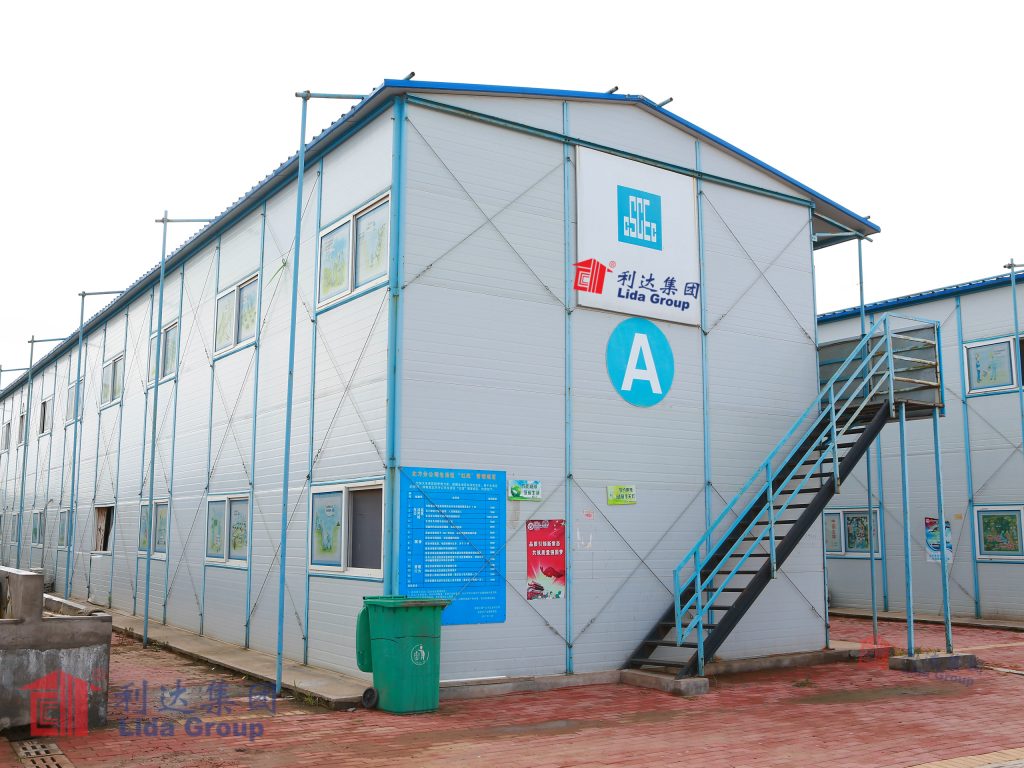
Looking ahead, modern mobile construction solutions will usher in a new stage of development driven by technological innovation and market demand. The large-scale application of 3D printing technology in the construction field will be an important trend. China State Construction Technology has printed a 15-meter-high concrete sentry box in Xiong’an New Area, with material loss only 1/10 of that of traditional construction . The collaborative operation of robot clusters will also become a reality. The bricklaying robot cluster developed by the Hong Kong University of Science and Technology can realize autonomous wall masonry through group intelligent algorithms . In addition, the sinking of space infrastructure technology will also bring new opportunities for the development of mobile construction solutions. The “lunar surface construction robot” technology developed by Tongji University has been transformed for civilian use and applied to the unmanned construction of Sichuan-Tibet Railway tunnels . These technological innovations will further improve the speed and quality of construction and promote the construction industry to move towards the direction of “unmanned construction.”
In addition to technological innovation, the integration and development of modern mobile construction solutions with other industries will also become a new trend. The cross-integration with the digital economy will realize the full-life cycle digital management of buildings; the integration with the green economy will further improve the energy efficiency and environmental protection level of construction; the integration with the intelligent manufacturing industry will promote the upgrading of the construction equipment manufacturing industry. With the continuous deepening of global economic integration, modern mobile construction solutions will also usher in broader development space in the international market. Enterprises need to strengthen international cooperation, adapt to the technical standards and market demands of different countries and regions, and promote the global popularization of Chinese mobile construction technology and equipment.
Conclusion
Modern mobile construction solutions, driven by technologies such as AI, IoT, 5G, and BIM, have thoroughly subverted the traditional construction model and redefined the speed and efficiency of building construction. From the intelligent building machines that realize factory-like on-site production to the digital management platforms that realize full-cycle visual supervision, from the modular prefabrication technology that ensures rapid assembly to the 5G + AR technology that optimizes on-site management, these solutions have shown remarkable advantages in improving construction efficiency, reducing construction risks, and promoting sustainable development. A large number of practical cases, such as the Yuzhu Old City Renewal Project and the 5G + Smart Construction Site Project, have fully proved the huge potential and practical value of modern mobile construction solutions in promoting the transformation and upgrading of the construction industry.
Although facing challenges such as technical bottlenecks, high initial investment, and insufficient talent reserves, with the joint efforts of the government, enterprises, and research institutions, these obstacles will be gradually overcome. Policy support, technological innovation, standardization construction, and talent training will provide a strong guarantee for the healthy development of modern mobile construction solutions. In the future, with the continuous emergence of new technologies and new models, modern mobile construction solutions will move towards a more intelligent, green, and integrated direction, promoting the global construction industry to complete the transformation from “labor-intensive” to “intelligence-intensive.”
In essence, the popularization and application of modern mobile construction solutions is not only a technological iteration of the construction industry but also a revolutionary change in engineering philosophy. It marks that the construction industry has entered a new era of data-driven and intelligent development. As the global demand for efficient, low-carbon, and safe construction solutions continues to grow, modern mobile construction solutions will play an increasingly important role in urban construction, infrastructure construction, and emergency support, making important contributions to promoting the high-quality development of the global construction industry and building a sustainable future.

Related news
-
The Future of Housing: Modern Mobile Container Living
2025-12-30 14:24:34
-
Lida Group Sets the Standard for Cost-Effective Prefab Building
2025-12-30 13:45:47
-
Simplify Your Project with Easy Assembly Container Systems
2025-12-30 13:19:35
contact us
- Tel: +86-532-88966982
- Whatsapp: +86-13793209022
- E-mail: sales@lidajituan.com
