



Modern Mobile Construction Offers Flexible and Rapid Deployment
2026-Jan-26 17:19:44
By Admin
In a world defined by dynamic population flows, urgent disaster response needs, and evolving infrastructure demands, the construction industry is undergoing a transformative shift toward mobility and agility. Traditional fixed construction methods—characterized by permanent foundations, prolonged timelines, and rigid designs—can no longer keep pace with the need for buildings that adapt to changing requirements, deploy quickly in crises, and minimize resource waste. From construction site dormitories and disaster relief shelters to temporary commercial spaces and remote community housing, modern societies require solutions that balance speed, versatility, and durability. At the forefront of this revolution is modern mobile construction, a modular building approach that leverages precision engineering, lightweight materials, and off-site manufacturing to deliver structures that can be deployed, relocated, and reconfigured with unprecedented efficiency. Lida Group, a global leader in steel structure and modular building solutions with over three decades of expertise, has refined modern mobile construction technologies to redefine what’s possible, offering systems that combine rapid deployment (up to 70% faster than traditional methods) with unmatched flexibility. This article explores how modern mobile construction is reshaping the industry, focusing on its core innovations, real-world applications, and the pivotal role of Lida Group in advancing flexible, fast-deploying building solutions.
The Imperative for Modern Mobile Construction: Addressing Global Building Challenges
The global construction landscape is grappling with a confluence of challenges that make mobile, rapid-deploy solutions increasingly indispensable. First, the frequency and intensity of natural disasters—from hurricanes and earthquakes to floods and wildfires—demand emergency shelters that can be deployed within hours or days, not months. The World Bank estimates that natural disasters displace 21.5 million people annually, creating an urgent need for temporary housing that is safe, durable, and quickly assemble. Second, infrastructure development projects—including highways, bridges, and industrial parks—require on-site housing and facilities that can move with project progress, avoiding the waste of building and demolishing fixed structures. Third, urban renewal and event management call for temporary spaces that can be quickly installed and removed without disrupting existing communities. Finally, global sustainability goals mandate a reduction in construction waste and carbon emissions; traditional building generates 30% of global construction debris and accounts for 39% of worldwide carbon emissions, a burden that mobile construction is uniquely positioned to alleviate.
Traditional temporary structures, such as conventional prefabricated board houses or tents, fall short of these demands. They are often single-use, fire-prone, and lack structural resilience—most have a service life of only 2-3 years and cannot withstand extreme weather. In contrast, modern mobile construction integrates advanced materials, modular design, and precision manufacturing to deliver structures that are relocatable, reusable, and robust. According to the 2026 Global Modular and Mobile Construction Market Report, the sector is projected to grow at a CAGR of 8.5% through 2030, driven by demand from emerging markets and infrastructure projects under initiatives like the “Belt and Road.” Governments are also supporting this shift: the European Union has allocated 68 billion euros to promote energy-efficient modular building solutions, while China offers subsidies for mobile disaster relief shelters. Modern mobile construction, as exemplified by Lida Group’s systems, is engineered to capitalize on these trends, offering a holistic response to the limitations of traditional building methods.

Core Innovations: The Engineering Behind Flexible, Rapid-Deploy Mobile Construction
Modern mobile construction owes its success to a suite of technological innovations that prioritize portability without compromising strength, and flexibility without sacrificing efficiency. At the heart of these solutions is a lightweight yet robust structural framework, advanced modular design, and integrated green technologies—all refined by Lida Group over three decades of engineering expertise. These innovations enable structures to be deployed in a fraction of the time of traditional builds, relocated multiple times, and reconfigured to meet diverse needs, while adhering to global safety and sustainability standards.
Light Steel Frameworks with Diaphragm Action: Strength in Lightweight Design
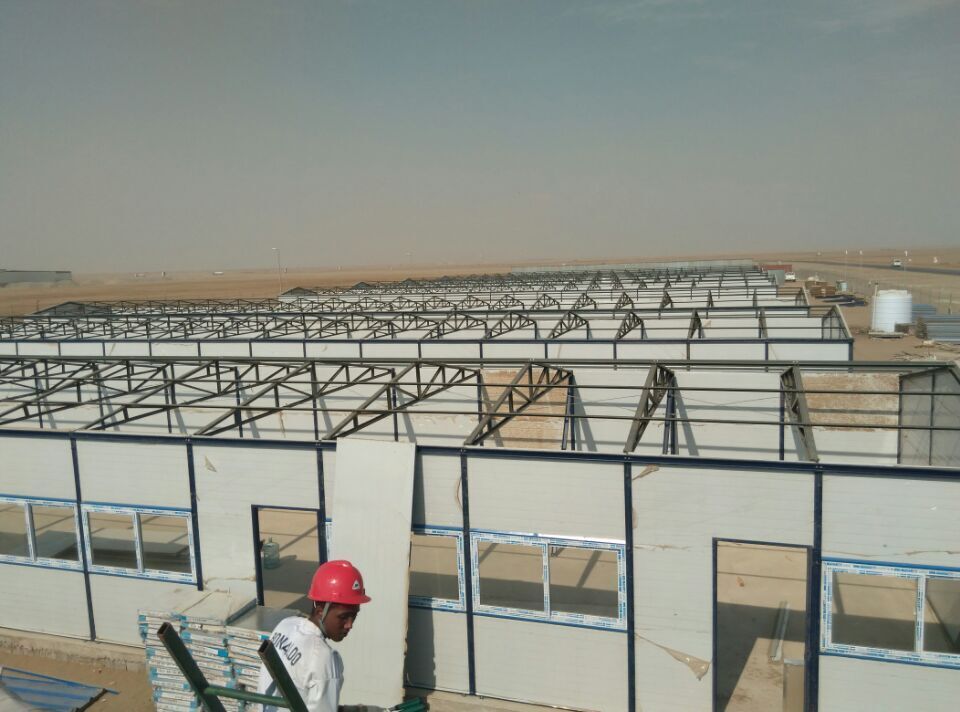
The backbone of modern mobile construction is the optimized light steel framework, enhanced by the diaphragm action (or “skin effect”) to deliver exceptional structural resilience at a fraction of the weight of concrete or brick structures. Lida Group’s light steel components—manufactured using 92% recycled steel, aligning with circular economy principles—undergo rigorous anti-corrosion treatment, including hot-dip galvanization and epoxy coating, ensuring a service life of up to 20 years even in harsh environments. The diaphragm action, borrowed from aerospace and marine engineering, involves covering the steel framework with structural panels (such as OSB boards or calcium silicate boards), which distribute horizontal and vertical loads across the entire structure, eliminating the need for redundant support members.
This design delivers remarkable strength-to-weight ratios: Lida’s light steel frameworks have a tensile strength of 550 MPa, enabling them to withstand wind speeds of up to 250 km/h (12-level hurricanes) and seismic events of magnitude 7.0 or higher. In contrast to traditional concrete structures that require thick load-bearing walls, Lida’s steel frames allow for slim profiles, with internal wall thicknesses of just 12cm—reducing material use by 40% while maximizing usable space. The lightweight nature of the framework is critical for rapid deployment: 4-5 mobile modules can be packed into a single shipping container, reducing transportation costs by 60% compared to traditional prefabricated structures, and enabling delivery to remote or disaster-stricken areas with limited access.
Lida’s commitment to resource efficiency extends to material reuse, mirroring innovations in industrial waste recycling. The company repurposes excess steel from manufacturing processes to produce secondary components for mobile structures, reducing waste and cutting material costs by 15%. This closed-loop approach not only aligns with global sustainability goals but also enhances the cost-competitiveness of mobile construction solutions.
Modular “Building Block” Design: Flexibility by Design
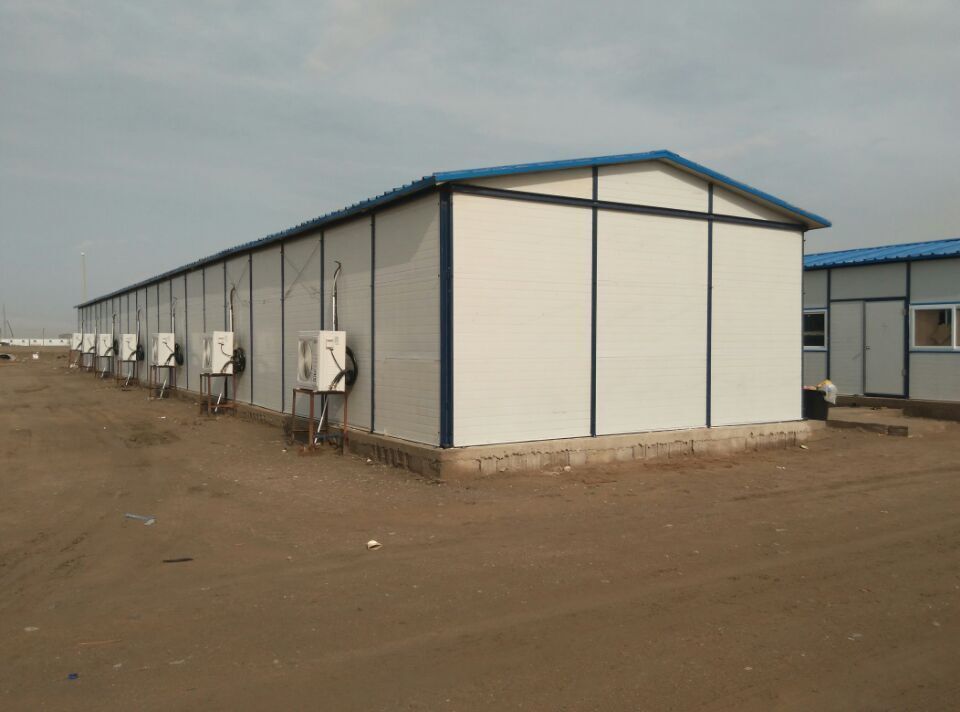
Flexibility is embedded in the modular design of modern mobile construction, which adopts a “building block” approach to enable infinite configurations and adaptations. Lida Group’s standard mobile modules measure 6m×3m×2.8m, but the system’s flexible grid design allows for seamless combination—vertically (up to 3 floors) or horizontally—to form structures of varying sizes and functions. Partition walls are lightweight, removable, and adjustable, enabling quick reconfiguration of interior spaces without structural modifications: a worker dormitory can be converted into a temporary classroom, a medical clinic, or a commercial kiosk in hours, not days.
This versatility is amplified by pre-integrated utility systems with standardized interfaces. Electrical wiring, plumbing, and HVAC systems are installed in the factory, with “plug-and-play” connections that allow rapid integration on-site. For example, a mobile medical unit can be equipped with diagnostic equipment, refrigeration for vaccines, and power backup systems in the factory, then deployed to a remote community and made operational within 24 hours of assembly. The modular design also supports disassembly and relocation: Lida’s mobile modules can be reused up to 15 times without structural degradation, reducing the total cost of ownership by 40% over their lifecycle compared to single-use temporary structures.
Bio-Based and High-Performance Insulation: Sustainability Meets Comfort
Modern mobile construction prioritizes sustainability without compromising occupant comfort, leveraging advanced insulation materials to reduce energy consumption and environmental impact. Lida Group integrates bio-based insulation materials—such as straw-based foam composites and hempcrete—into its mobile modules, offering superior thermal performance and eco-friendliness. These materials, derived from renewable biomass sources, have a density of 0.05-0.4 g/cm³, a thermal conductivity of less than 0.03 W/m·k, and achieve B1-level fire resistance, meeting international safety standards. Unlike synthetic insulations, bio-based materials are fully biodegradable at the end of their lifecycle, further reducing carbon footprints.
For extreme climates, Lida supplements bio-based insulation with rock wool cores (120kg/m³ density) for enhanced fire resistance and soundproofing (up to 30dB). This combination ensures that mobile structures maintain comfortable interior temperatures—ranging from 18°C to 26°C—even in environments with external temperatures as low as -20°C or as high as 45°C. The insulation systems reduce heating and cooling costs by 45% compared to traditional temporary structures, making mobile construction a cost-effective solution for long-term temporary use.
Rapid Deployment Processes: From Factory to Site in Days
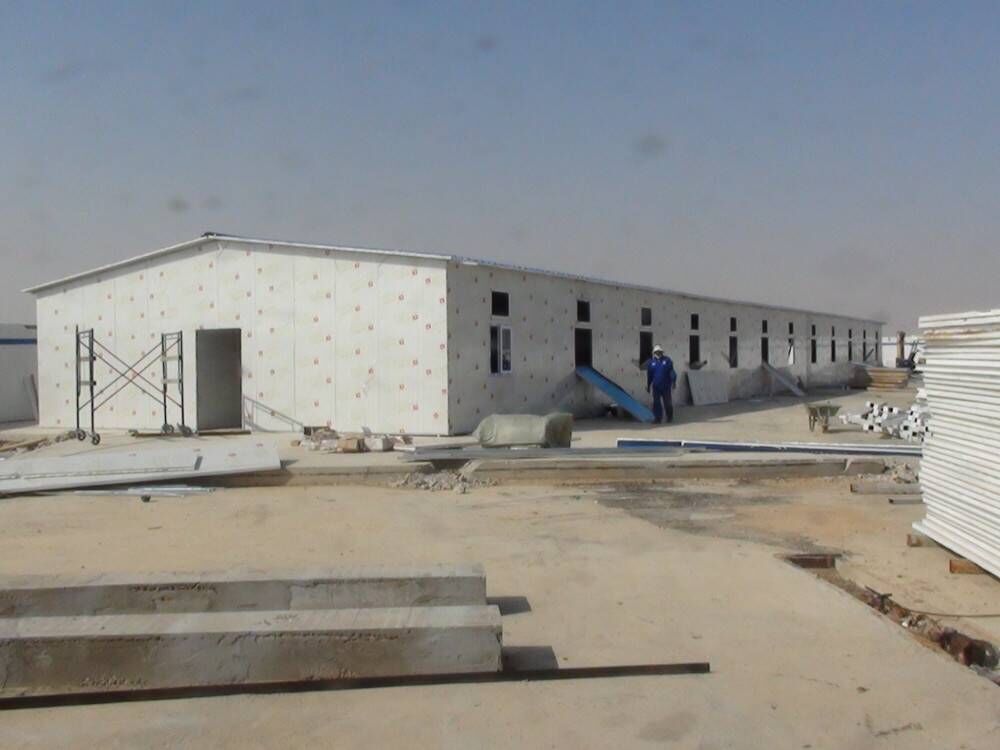
The defining advantage of modern mobile construction is its rapid deployment capability, enabled by off-site manufacturing and simplified on-site assembly. Lida Group’s mobile modules are fully prefabricated in controlled factory environments, where precision robotics and automated production lines ensure consistent quality and eliminate weather-related delays. Factory production reduces on-site work by 70%, as structural assembly, interior finishing, and utility integration are completed before modules reach the site.
On-site assembly is designed for simplicity, requiring only a small team of semi-skilled workers and standard tools. Lida’s bolt-connected assembly system eliminates the need for on-site welding or casting, allowing 6 workers to assemble a 300㎡ mobile complex in just 2 days. For emergency scenarios, folding mobile modules can be installed in as little as 6-8 minutes per unit by unskilled labor—a critical advantage for disaster relief. Modules are transported in compact batches, with 6-8 units per truck, reducing construction traffic by 60% compared to traditional builds and minimizing disruption to urban or disaster-stricken areas.
Real-World Applications: Flexible, Rapid-Deploy Solutions Across Industries
Modern mobile construction’s versatility makes it suitable for a wide range of scenarios, from disaster relief and infrastructure projects to commercial events and remote communities. Lida Group’s product portfolio, tailored to diverse needs while retaining core advantages of flexibility and rapid deployment, has proven its value across continents and industries.
Disaster Relief: Rapid Shelter for Displaced Populations
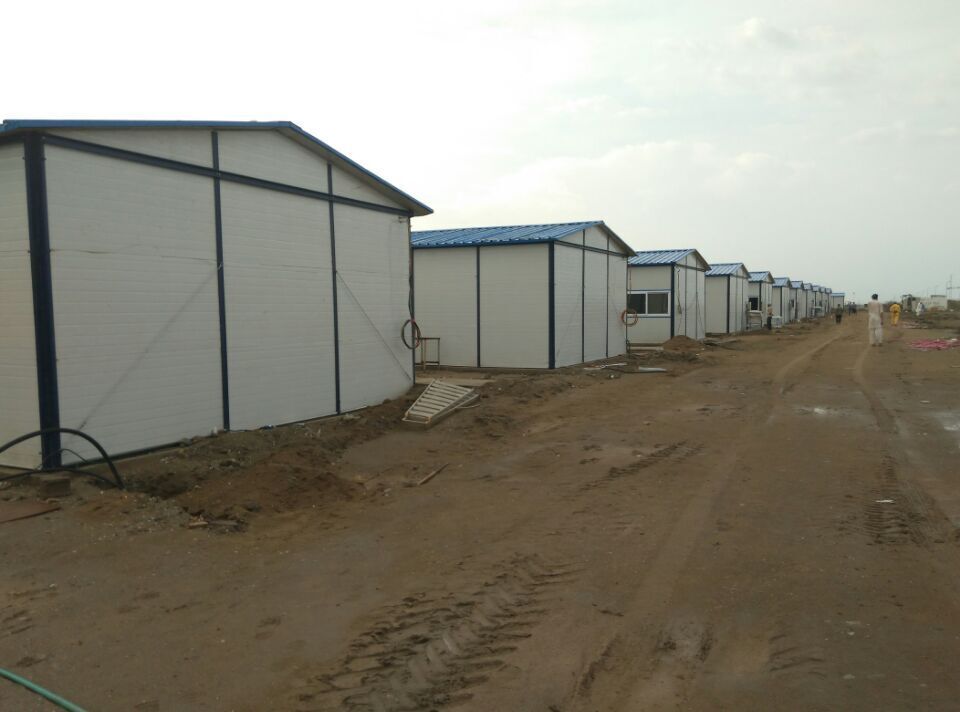
In the aftermath of natural disasters, speed is a matter of life and death, and modern mobile construction delivers shelters that can be deployed within hours to support displaced communities. Following a 2024 hurricane in Mauritius, Lida Group delivered 50 folding mobile shelters that withstood residual winds of 180 km/h and provided safe housing for 200 people. The shelters were transported by air and sea, assembled by local volunteers in 4 hours per unit, and equipped with bio-based insulation, rainwater harvesting systems, and solar panels for self-sufficiency—critical in areas with damaged infrastructure.
Unlike traditional tents that degrade within months, Lida’s mobile shelters remained functional for 18 months, serving as temporary homes until permanent housing was rebuilt. After the disaster recovery phase, the shelters were disassembled, transported to a neighboring region, and reused to house families displaced by flooding—demonstrating the flexibility of mobile construction to adapt to ongoing crises. Lida’s 24/7 multilingual support team provided on-site training for local communities, ensuring long-term usability and maintenance.
Infrastructure and Mining: Mobile Housing for Dynamic Workforces
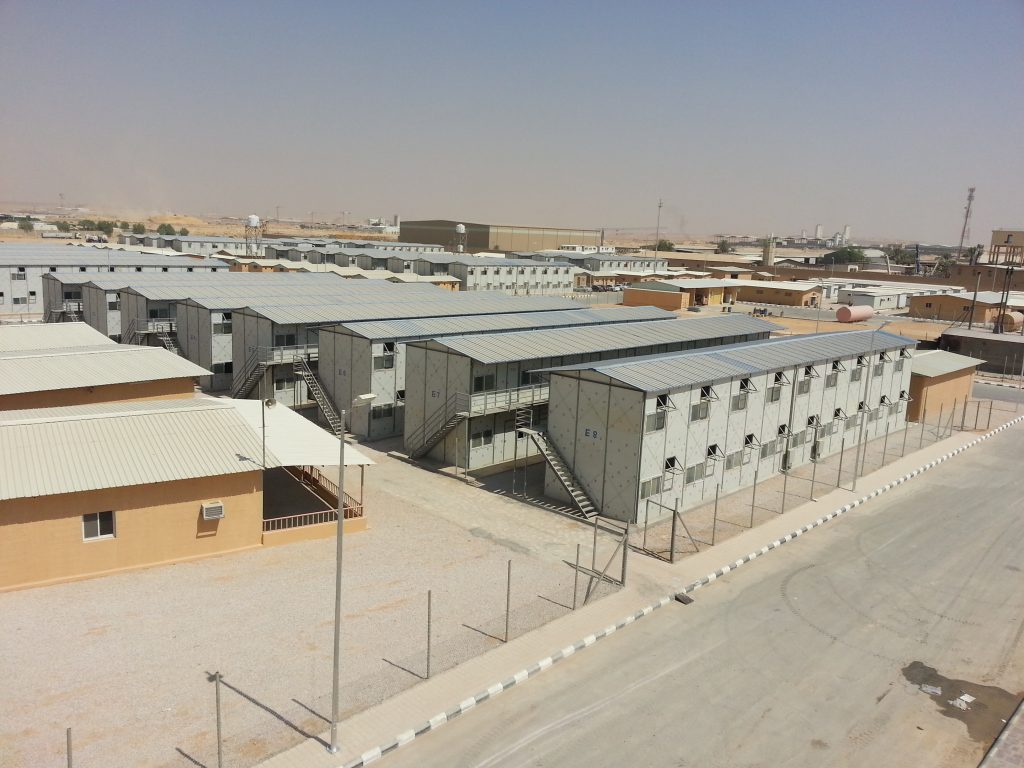
Large-scale infrastructure and mining projects require housing and facilities that can move with the workforce, and modern mobile construction offers a cost-effective, flexible solution. Lida Group partnered with a mining company in Zambia to deliver 120 mobile modules for a worker camp housing 500 employees. The modules were transported in 25 shipping containers, assembled on-site in 10 days, and equipped with solar-powered lighting, ventilation systems, and fire safety equipment.
The camp’s modular design allowed for seamless expansion: as the mining operation scaled, 40 additional modules were added in 3 days, supporting the growing labor force. When the mine’s operation shifted to a new site after 5 years, the entire camp was disassembled, relocated, and reassembled—retaining 90% of its structural components and generating zero construction waste. This mobility reduced the client’s housing costs by 30% compared to building fixed dormitories, while the bio-based insulation and energy-efficient systems cut operational costs by 25% annually.
Temporary Commercial and Community Spaces
Modern mobile construction is also transforming temporary commercial and community spaces, offering flexibility for events, urban renewal, and pop-up initiatives. Lida Group partnered with a music festival organizer in Europe to provide 200 mobile modules for attendee accommodation, 10 restroom blocks, and 5 food service stations. The modules were assembled and disassembled in 3 days, with a lightweight design that minimized ground damage and integrated waste management systems that reduced the festival’s environmental impact. The modules were reused for three consecutive festivals, demonstrating their cost-effectiveness and sustainability.
In urban contexts, Lida’s mobile modules have been used to create temporary community centers during urban renewal projects. A project in Shanghai, China, transformed a vacant lot into a community hub using 15 mobile modules, assembled in 5 days. The hub featured a library, workshop space, and outdoor seating area, with a modular layout that could be adjusted for different events—from art exhibitions to senior care services. After the renewal project was completed, the modules were relocated to a suburban area to serve as a rural community center, achieving full reuse and zero waste.
Global Impact: Lida Group’s Leadership in Mobile Construction
Lida Group’s modern mobile construction solutions have made a tangible impact across 80+ countries, adapting to diverse climates, regulatory environments, and cultural needs. The company’s success stems from its ability to combine global engineering expertise with local customization, delivering flexible, rapid-deploy solutions that address region-specific challenges.
Emerging Markets: Addressing Infrastructure Gaps
In emerging markets—particularly in Southeast Asia, Africa, and the Middle East—modern mobile construction is playing a pivotal role in addressing infrastructure gaps. In Indonesia, Lida’s mobile modules are widely used for worker housing in highway and bridge projects, where remote locations and limited transportation resources demand compact, easy-to-transport solutions. The company’s local office in Jakarta provides end-to-end support, from design customization to on-site training, ensuring that local workers can assemble modules efficiently.
In Africa, Lida’s mobile shelters and worker camps are essential for mining, oil, and gas projects in remote regions. The modules’ ability to withstand extreme temperatures (5°C to 38°C), dust storms, and high humidity has made them a preferred partner for international firms. In Tanzania, Lida delivered 80 mobile modules for a rural healthcare initiative, deploying clinics that can be relocated to serve different villages based on medical needs. Each clinic is equipped with examination rooms, pharmacy storage, and solar-powered refrigeration, providing critical healthcare access to underserved communities.
Competitive Edge: What Sets Lida’s Mobile Solutions Apart
Lida Group’s competitive advantage lies in its end-to-end service capabilities, rigorous quality control, and commitment to innovation. The company offers a full suite of services, from design and engineering to production, transportation, assembly, and maintenance, eliminating the need for clients to coordinate multiple contractors. Its in-house logistics team specializes in international shipping and customs clearance, ensuring timely delivery even to remote or disaster-stricken areas.
Quality control is a top priority: each mobile module undergoes 12+ inspections during production, including structural load testing, thermal performance analysis, and fire resistance verification. Lida’s manufacturing facilities produce over 1,000 tons of steel components monthly, with strict adherence to international certifications such as CE EN 1090, ISO 9001, and SGS. The company’s investment in R&D has yielded 180+ patents, including innovations in diaphragm action optimization, bio-based insulation integration, and rapid-assembly bolt systems—ensuring its mobile solutions remain at the forefront of the industry.
Compared to competitors, Lida’s mobile construction offers a superior balance of cost, flexibility, and durability. While the initial investment is 20-30% higher than traditional temporary structures, the high reusability rate (up to 15 times) and lower operational costs reduce the total cost of ownership by 40% over the lifecycle. Additionally, Lida’s customization capabilities allow it to tailor solutions to local needs—adding extra insulation for cold climates in Russia, waterproofing for rainy regions in Malaysia, or seismic reinforcement for earthquake-prone areas in Turkey.
Future Outlook: Innovating the Next Generation of Mobile Construction
As global demand for flexible, rapid-deploy solutions grows, Lida Group is investing in innovation to enhance its modern mobile construction systems further. The company’s R&D team is focused on three key areas: advanced materials, smart integration, and automation.
In materials innovation, Lida is exploring carbon fiber-reinforced steel components to reduce module weight by a further 25% while increasing strength, enhancing portability for air transportation in emergency scenarios. The company is also expanding its use of bio-based materials, developing straw-based foam composites with enhanced fire resistance (up to 1200°C ceramicization) for use in high-risk environments such as chemical plants or wildfire-prone regions.
Smart technology integration is another priority. Lida is embedding 5G-enabled IoT sensors into modules to monitor indoor air quality, temperature, and structural health in real time, enabling remote management and predictive maintenance. AI-powered energy management systems will automatically adjust lighting, heating, and cooling based on occupancy and environmental conditions, further reducing energy consumption by 20%. The company is also developing modular energy storage systems that integrate with solar panels, ensuring self-sufficiency for off-grid mobile structures.
Automation in assembly is on the horizon, with Lida testing robotic arms for on-site module installation in large-scale projects. This will reduce labor requirements by 40% and further shorten deployment times, making mobile construction accessible in regions with severe labor shortages. Market expansion plans focus on North America and Europe, where Lida intends to establish local manufacturing facilities to reduce logistics costs and shorten delivery times for regional projects.
Conclusion
Modern mobile construction represents a paradigm shift in the global construction industry, redefining what’s possible with flexible, rapid-deploy solutions that address the dynamic needs of modern societies. By combining lightweight steel frameworks with diaphragm action, modular design, and bio-based materials, this approach delivers structures that are faster to deploy, more versatile, and more sustainable than traditional building methods. Lida Group, with its three decades of engineering expertise and global market experience, has emerged as a leader in this revolution, delivering mobile solutions that have proven their value across disaster relief, infrastructure, commercial, and community contexts—from Mauritius’ hurricane shelters to Zambia’s mining camps and Shanghai’s temporary community hubs.
The success of modern mobile construction lies in its ability to balance speed and flexibility with strength and sustainability. Lida’s systems reduce deployment times by up to 70%, cut carbon emissions by 42%, and enable 15+ reuse cycles, addressing the urgent challenges of disaster response, resource efficiency, and cost-effectiveness. Beyond functional advantages, modern mobile construction embodies a vision for a more adaptive, resilient built environment—one where buildings move with people, not the other way around.
As the world faces growing climate risks, infrastructure demands, and population mobility, modern mobile construction will play an increasingly critical role in shaping the future of building. Lida Group’s commitment to innovation, quality, and customization ensures it will remain at the forefront of this transformation, continuing to deliver solutions that empower communities, businesses, and governments to respond quickly to change while building a more sustainable world. In an industry often constrained by tradition, modern mobile construction proves that progress is possible—proving that the future of building is flexible, fast, and forward-thinking.
For organizations seeking to navigate dynamic building needs without compromising on safety, efficiency, or sustainability, modern mobile construction is the definitive solution. It is more than a building method; it is a catalyst for resilience, adaptability, and responsible growth in a rapidly changing world.
Related news
-
Lida Group Introduces Streamlined Prefab Apartment for Urban Development
2026-01-26 17:01:47
-
Build Faster with Our Easy Install Sandwich Panel House System
2026-01-26 16:54:08
-
Lida Group Unveils Innovative Prefab Apartment Solutions for Modern Living
2026-01-26 16:14:46
contact us
- Tel: +86-532-88966982
- Whatsapp: +86-13793209022
- E-mail: sales@lidajituan.com
