



Modern Living Redefined with a Metal Frame House
2025-Dec-25 17:56:50
By Admin
The concept of modern living is in constant evolution, shaped by shifting priorities toward flexibility, sustainability, comfort, and technological integration. For decades, traditional construction materials like concrete and wood dominated residential design, imposing limitations on spatial versatility, energy efficiency, and long-term adaptability. Today, metal frame houses have emerged as a transformative force, redefining what a modern home can be. By leveraging the inherent strengths of steel—precision, durability, and design flexibility—metal frame structures transcend the constraints of conventional building methods, offering homeowners a new paradigm of living that balances aesthetic innovation with practical functionality. From open-concept layouts that adapt to changing family needs to smart, energy-efficient systems that reduce environmental impact, metal frame houses are not just buildings; they are dynamic spaces tailored to the rhythms of contemporary life. This article explores how metal frame houses are reshaping modern living through spatial freedom, sustainable design, technological integration, comfort optimization, and global architectural innovation, solidifying their place as the future of residential construction.
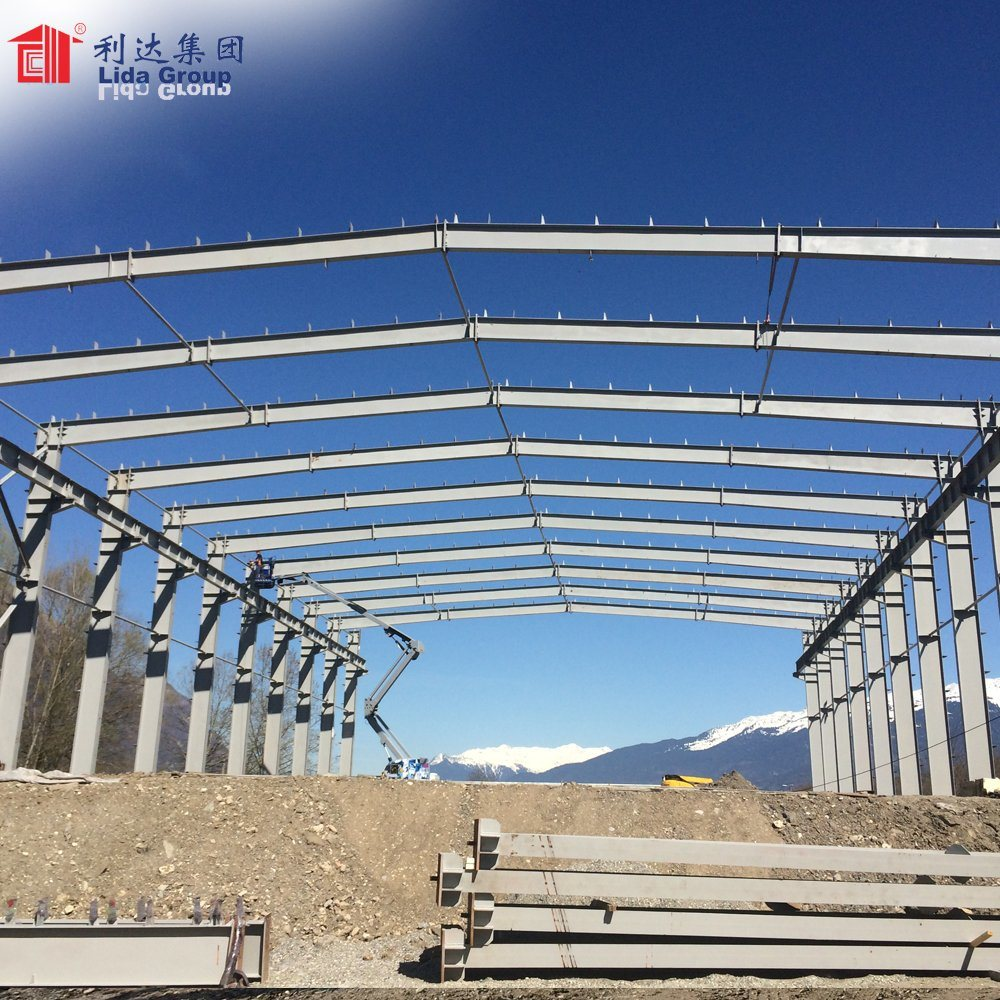
1. Spatial Freedom: Unlocking Flexible Design for Modern Lifestyles
One of the most profound ways metal frame houses redefine modern living is through unparalleled spatial flexibility. Unlike traditional concrete structures with load-bearing walls that fragment interiors or wooden frames limited by span capabilities, metal frames—particularly cold-formed steel (CFS) systems—enable expansive, unobstructed spaces that adapt to the diverse needs of modern households. The high strength-to-weight ratio of steel allows for longer spans and slimmer structural profiles, eliminating the need for bulky intermediate supports and creating a blank canvas for personalized design. This flexibility is not just an architectural advantage; it aligns with the fluidity of modern life, where homes must transition seamlessly from workspaces to entertainment areas, from family hubs to private retreats.
1.1 Open-Concept Living and Customizable Layouts
Metal frames are the backbone of the open-concept design trend that has become a hallmark of modern living. By supporting wider spans—up to 15 meters without additional columns—steel structures enable vast, interconnected living spaces that merge kitchens, dining areas, and lounges into a single, cohesive zone. This layout fosters social connection, a key priority for modern families, while maximizing natural light penetration and visual flow. A striking example is a 14,300-square-foot metal frame residence in Aspen, Colorado, where a folded plate steel roof spans 40 feet, creating a light, transparent living area that frames panoramic mountain views . The thin steel roof appears to float above the structure, enhanced by clerestory windows and low partitions that maintain openness without compromising structural integrity—a design made possible only by steel’s unique mechanical properties.
Beyond open-concept main areas, metal frames support customizable, modular layouts that adapt to changing life stages. Non-load-bearing steel stud walls can be easily reconfigured, allowing homeowners to convert home offices into nurseries, guest rooms into fitness spaces, or open lofts into private bedrooms—all without major structural renovations. This adaptability addresses a critical limitation of traditional homes, where fixed layouts become obsolete as families grow, downsize, or shift priorities. Light steel construction systems, with their prefabricated, standardized components, further enhance this flexibility, enabling rapid reconfiguration with minimal waste or disruption . For urban dwellers in compact spaces, this means maximizing every square foot of living area, turning small footprints into multi-functional havens.
1.2 Vertical Expansion and Spatial Efficiency
In densely populated urban areas, where land is at a premium, metal frame houses excel at vertical expansion, unlocking additional living space without increasing the building’s footprint. Steel’s lightweight nature reduces foundation loads, making multi-story construction more feasible and cost-effective than with concrete or wood. This is particularly valuable in cities like Tokyo, London, and New York, where narrow lots and height restrictions demand innovative vertical design. A modular metal frame townhouse development in Tokyo leverages steel’s strength to build three-story homes on compact plots, with each floor featuring flexible layouts and ample natural light—achieving spatial efficiency that traditional wooden structures cannot match.
Steel’s slim profile also enhances interior spatial efficiency by reducing wall thickness. Metal stud walls are typically 3.5 to 5.5 inches thick, compared to 6 to 8 inches for wooden stud walls and 12 inches or more for concrete walls. This difference translates to additional usable square footage—up to 5% more living space in a typical home—without increasing the building’s overall dimensions. For modern homeowners, this means more storage, larger rooms, or the ability to incorporate luxury features like walk-in closets, built-in shelving, or open staircases that add visual interest while maintaining functionality. The precision of factory-manufactured steel components ensures that every inch of space is optimized, with pre-punched service holes for wiring and plumbing eliminating the need for on-site cutting that wastes space in traditional construction.
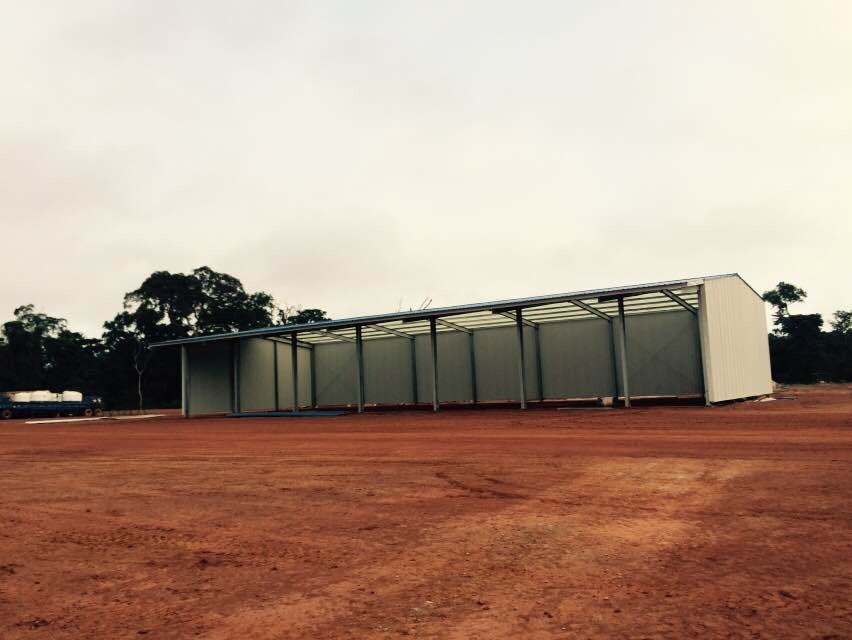
2. Sustainable Living: Metal Frames and the Green Modern Home
Modern living is increasingly defined by environmental consciousness, with homeowners seeking homes that minimize carbon footprints, reduce energy consumption, and align with circular economy principles. Metal frame houses stand out as a sustainable alternative to traditional construction, offering inherent eco-friendly advantages that extend from production to demolition. Steel’s recyclability, energy efficiency, and durability make it a cornerstone of green residential design, redefining modern living as a harmonious balance between comfort and environmental responsibility.
2.1 Recyclability and Circular Economy
Steel is the most recyclable construction material globally, with a recycling rate exceeding 90%—far surpassing wood (15%), concrete (5%), and plastic (9%) . Unlike wood, which degrades when recycled, steel retains its structural properties indefinitely, allowing it to be melted down and reused repeatedly without quality loss. The production of recycled steel requires 74% less energy than virgin steel, reducing carbon emissions by 75% and conserving finite natural resources . Metal frame houses are designed for disassembly, enabling components to be recycled or repurposed at the end of their service life—eliminating the waste associated with traditional demolition, where materials often end up in landfills.
Prefabrication, a hallmark of metal frame construction, further enhances sustainability by minimizing on-site waste. Factory-manufactured steel components are precision-cut to exact specifications, reducing material waste by up to 70% compared to traditional wooden framing, where on-site cutting and trimming generate significant offcuts . Excess steel from production is recycled in-house, creating a closed-loop system that aligns with modern circular economy goals. For example, a metal frame home built by a leading sustainable developer in Portland, Oregon, diverted 95% of construction waste from landfills, with steel components accounting for 80% of recycled materials. This commitment to waste reduction not only benefits the environment but also lowers construction costs, making sustainable living accessible to more homeowners.
2.2 Energy Efficiency and Passive Design
Metal frame houses excel at energy efficiency, a key component of modern sustainable living. The precision of steel construction creates an airtight building envelope, reducing air infiltration and heat loss by up to 40% compared to wooden homes. When paired with advanced insulation materials—such as spray foam, fiberglass, or mineral wool—metal frame walls achieve thermal resistance (R-values) of R-24 to R-38, exceeding the energy efficiency of traditional wooden walls (R-13 to R-21). This translates to 30% lower heating and cooling costs, reducing both utility bills and carbon emissions .
Metal frames also support passive design strategies that harness natural elements to optimize comfort and energy use. Large, unobstructed window openings—made possible by steel’s span capabilities—maximize solar gain in winter, while overhangs and sunshades (supported by steel brackets) block excessive heat in summer. In the Aspen residence mentioned earlier, the folded steel roof incorporates passive solar design, with the roof’s angle capturing winter sunlight to warm the interior and clerestory windows facilitating natural ventilation . Advanced metal frame systems also integrate photovoltaic (PV) panels seamlessly into roofing and facades, creating solar-ready homes that generate clean energy. A metal frame home in Berlin, Germany, uses a steel roof structure to support a 5kW PV system, producing enough electricity to power 60% of the home’s annual needs and reducing carbon emissions by 3 tons per year.
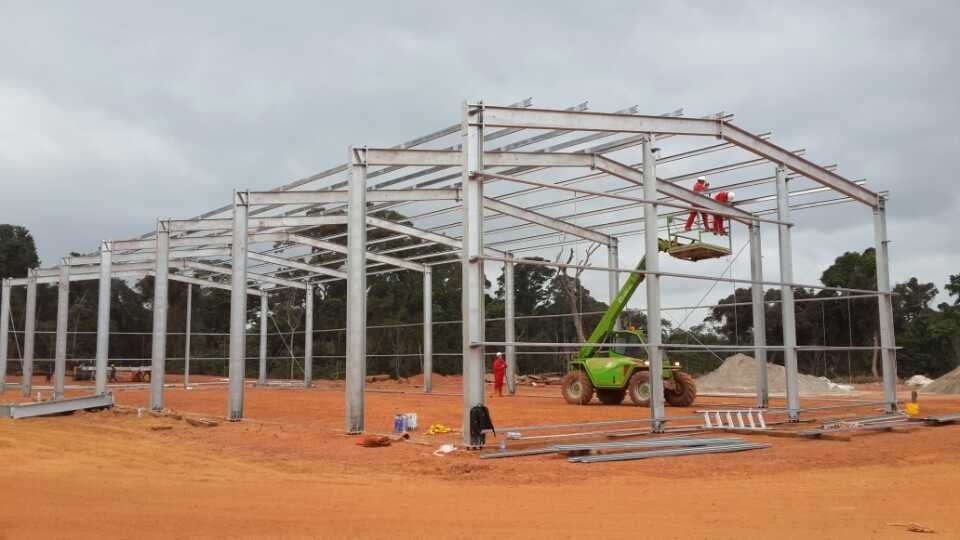
3. Technological Integration: Smart Homes Powered by Metal Frames
Modern living is inseparable from technology, with smart home systems becoming a standard feature for homeowners seeking convenience, safety, and efficiency. Metal frame houses are uniquely suited to integrate cutting-edge technology, thanks to their precision construction, flexible wiring infrastructure, and compatibility with smart building systems. From integrated IoT (Internet of Things) devices to advanced energy management systems, steel structures provide a stable, adaptable platform for the smart homes of today and tomorrow.
3.1 Seamless Wiring and Infrastructure
The prefabricated nature of metal frame components simplifies the installation of smart home infrastructure. Steel studs come with pre-punched service holes, strategically placed to accommodate wiring, plumbing, and HVAC ducts without compromising structural integrity. This eliminates the need for on-site drilling or cutting, which can weaken wooden frames and create fire hazards. The consistent spacing of these holes ensures that wiring can be routed efficiently throughout the home, supporting distributed smart systems such as wireless sensors, smart lighting, and home automation hubs.
Metal frames also support hidden wiring and devices, maintaining the clean, minimalist aesthetic that defines modern design. Smart thermostats, security cameras, and audio systems can be integrated into steel walls and ceilings without unsightly exposed wiring, creating a seamless blend of technology and design. For example, a luxury metal frame villa in Dubai features a fully integrated smart home system, with wiring routed through steel studs to connect motorized window treatments, voice-controlled lighting, and a centralized security system—all controlled via a smartphone app. The steel structure’s stability ensures that these systems operate reliably, with minimal interference from structural movement or environmental factors.
3.2 Intelligent Climate and Energy Management
Metal frame houses are ideal for advanced climate and energy management systems, which are central to modern smart living. The airtight building envelope and high insulation levels of steel homes provide a stable thermal base, allowing smart thermostats and HVAC systems to operate more efficiently. Integrated sensors can monitor temperature, humidity, and air quality in real time, adjusting heating, cooling, and ventilation to maintain optimal comfort while minimizing energy use.
Some metal frame homes go a step further, incorporating “seven constant” (seven恒) ecological systems that maintain constant temperature, humidity, oxygen levels, cleanliness, quietness, pressure, and intelligence . These systems use capillary管网 radiation, dual-cold-source dehumidification, and multi-layer air filtration to create a healthy, comfortable interior environment year-round. In a metal frame residence in Shanghai, this system reduces energy consumption by 40% compared to traditional homes, while providing superior air quality and thermal comfort. The steel structure’s precision ensures that these systems integrate seamlessly with the building envelope, maximizing their effectiveness and durability.
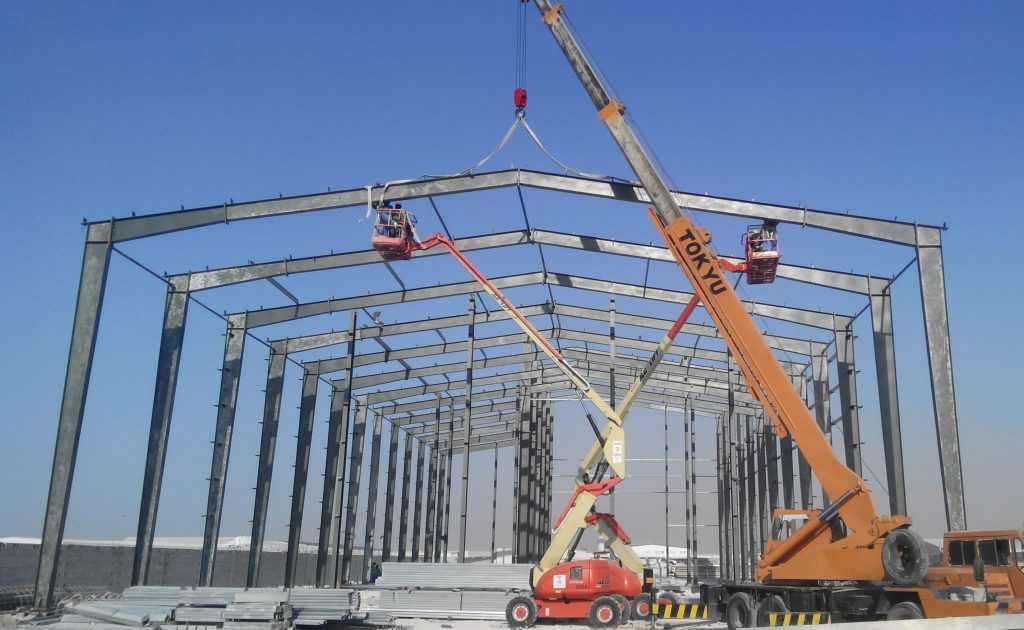
4. Comfort and Wellness: Redefining the Modern Living Experience
Modern living prioritizes wellness, with homeowners seeking homes that support physical and mental health through optimal comfort, noise reduction, and safety. Metal frame houses excel in these areas, addressing common shortcomings of traditional homes—such as poor sound insulation, temperature fluctuations, and safety vulnerabilities—to create spaces that nurture well-being.
4.1 Acoustic Comfort and Noise Reduction
Contrary to a common misconception, metal frame houses offer exceptional acoustic comfort when properly insulated. Steel’s density and the airtight building envelope reduce airborne and impact noise, creating a quiet interior environment—critical for modern homeowners living in urban areas or with busy family lives. Advanced insulation materials, such as high-density吸音棉 and damping layers, work in tandem with steel studs to absorb mid-to-high frequency noise and attenuate vibrations . Double-layered steel walls with staggered studs further enhance soundproofing, reducing noise transmission between rooms by up to 50 decibels—equivalent to the difference between a conversation and a whisper.
In the Aspen residence, the folded steel roof and moss rock wall work together to minimize noise, with the roof’s structure absorbing external sounds (such as wind and snow) and the wall concealing mechanical ducts that could generate noise . For urban metal frame homes, double-glazed windows with magnetic seals and soundproofing gaskets further block external noise from traffic, construction, and neighbors, creating a peaceful retreat from the chaos of city life. This acoustic comfort is not just a luxury; it supports mental health by reducing stress and improving sleep quality—key components of modern wellness-focused living.
4.2 Thermal Comfort and Indoor Air Quality
Metal frame houses maintain consistent indoor temperatures, eliminating hot or cold spots common in wooden homes due to uneven insulation and air infiltration. The airtight envelope and high R-value insulation ensure that heat is retained in winter and excluded in summer, creating a comfortable environment year-round without excessive reliance on heating or cooling systems. This thermal stability reduces energy use and prevents moisture buildup, which can lead to mold growth and poor indoor air quality.
Steel’s non-combustible nature and resistance to mold, mildew, and pest infestation further enhance indoor air quality. Unlike wood, which can harbor mold and termites, steel is impervious to biological growth, eliminating allergens and toxins that compromise health . Metal frame homes also use low-VOC (volatile organic compound) materials in insulation, paints, and finishes, reducing off-gassing and improving air quality. In a study of modern homes in Europe, metal frame residences were found to have 30% lower indoor allergen levels than wooden homes, making them ideal for homeowners with allergies or respiratory conditions.
4.3 Safety and Durability for Peace of Mind
Safety is a foundational element of modern living, and metal frame houses offer superior protection against natural disasters and hazards. Steel’s ductility and strength enable it to withstand earthquakes (up to magnitude 8), hurricanes (Category 5 wind speeds of 250 km/h), and wildfires—threats that pose significant risks to traditional homes . Unlike wood, steel is non-combustible, retaining structural integrity at temperatures up to 500°C for over an hour, providing ample time for evacuation during fires.
Metal frames also require minimal maintenance, reducing the stress and cost of homeownership. Galvanized steel components resist corrosion, with a service life of 70 to 100 years in moderate environments—more than double that of wooden frames . There is no need for termite treatments, painting, or repairs due to warping, rot, or mold, freeing homeowners to focus on living rather than maintenance. This durability not only enhances safety but also provides peace of mind, knowing that the home will protect loved ones and retain value for generations.
5. Architectural Innovation: Metal Frames and Modern Aesthetics
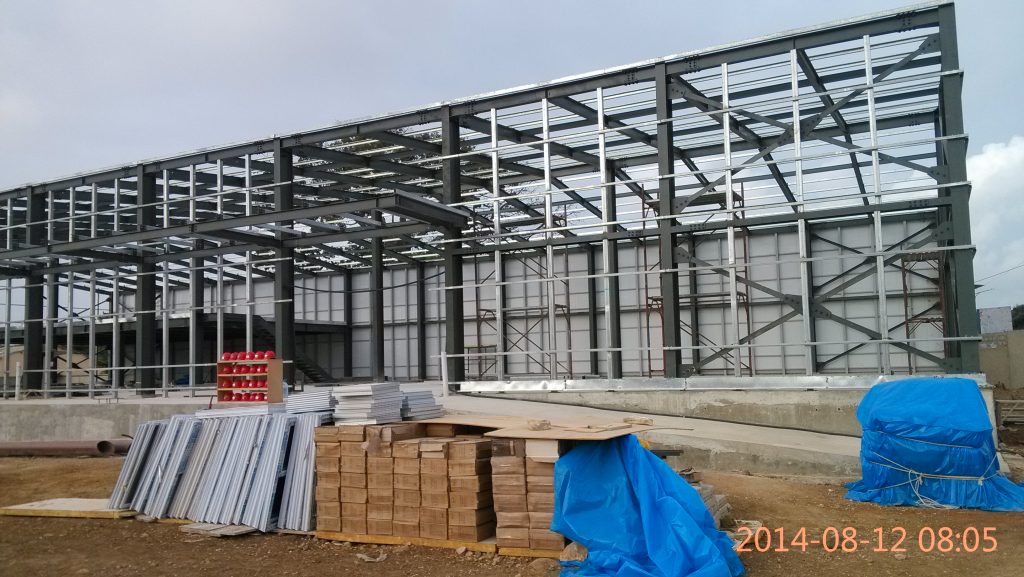
Modern living is defined by aesthetic individuality, with homeowners seeking homes that reflect their personal style while embracing contemporary design trends. Metal frame houses enable architectural innovation, supporting bold, minimalist, and versatile designs that are impossible with traditional materials. From sleek, modern villas to rustic-modern cabins, steel structures adapt to a wide range of aesthetic visions, redefining residential architecture.
5.1 Minimalist and Contemporary Design
Metal frames are the perfect complement to minimalist design, characterized by clean lines, open spaces, and a focus on functionality. Steel’s slim profile and strength allow for large glass walls, floating staircases, and cantilevered elements that create a sense of lightness and transparency. The Aspen residence embodies this aesthetic, with its folded steel roof and floor-to-ceiling windows blurring the line between indoor and outdoor spaces . The steel structure’s precision ensures that every design element—from the straightness of walls to the alignment of windows—is executed flawlessly, creating a polished, contemporary look.
Contemporary metal frame homes often feature mixed materials, combining steel with glass, wood, stone, or concrete to create texture and visual interest. A modern metal frame home in Vancouver, Canada, uses steel framing with reclaimed wood siding and glass walls, blending industrial strength with natural warmth. The steel structure supports large overhangs that protect the wood siding from weathering, ensuring the home retains its aesthetic appeal for decades. This versatility allows homeowners to create unique, personalized spaces that stand out while fitting seamlessly into their surroundings.
5.2 Adaptive Reuse and Urban Infill
Metal frame houses are also driving innovation in urban infill and adaptive reuse projects, redefining modern living in dense city centers. Steel’s lightweight nature and modular design make it ideal for converting industrial buildings—such as warehouses and factories—into residential lofts, a trend that preserves urban heritage while meeting modern housing needs. A former steel factory in Brooklyn, New York, was converted into 20 metal frame lofts, with exposed steel beams and columns retained as design features. The steel structure was reinforced to meet residential safety standards, while modular steel walls were added to create private spaces, blending industrial history with modern comfort.
In urban infill projects, metal frame houses maximize limited space, with narrow footprints and vertical designs that fit into unused city lots. A metal frame townhouse development in Paris, France, features three-story homes on 10-foot-wide lots, with steel framing enabling open-concept layouts and rooftop terraces. These homes demonstrate that modern urban living can be spacious, comfortable, and sustainable—even in the most densely populated areas.
6. Global Case Studies: Metal Frame Homes Shaping Modern Living Worldwide
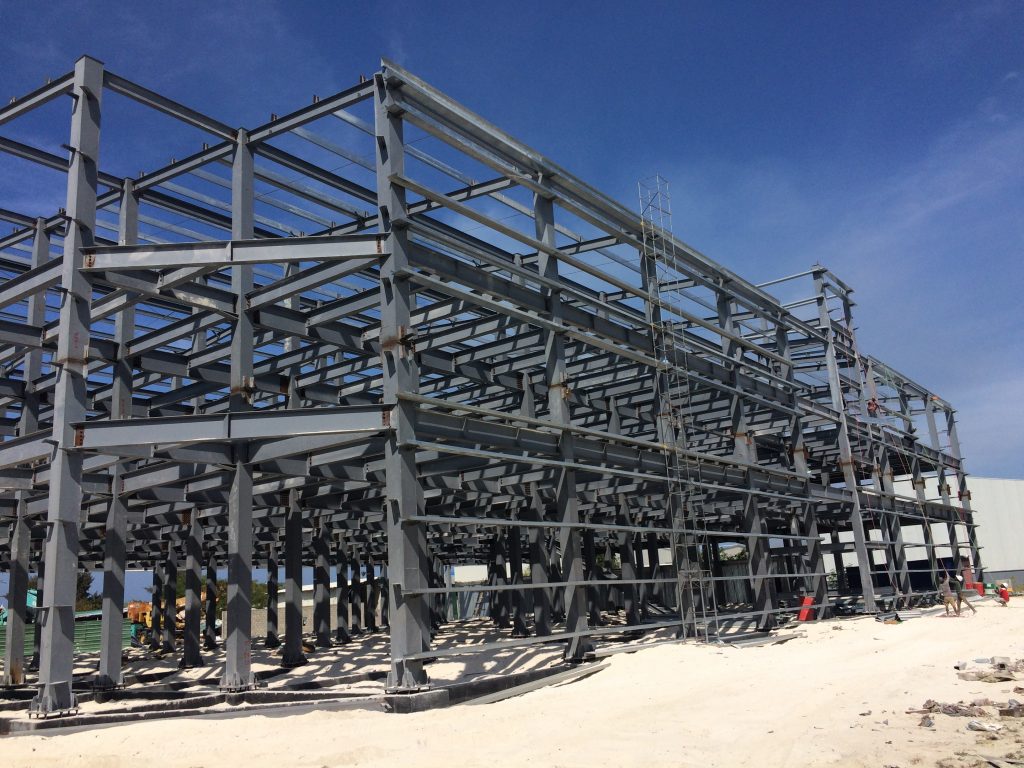
Metal frame houses are redefining modern living across the globe, with projects in diverse climates and cultures showcasing their versatility and adaptability. From mountain retreats to urban lofts, these case studies demonstrate how steel structures are meeting the unique needs of modern homeowners worldwide.
6.1 Aspen, Colorado: The Folded Plate Steel Residence
This 14,300-square-foot residence is a masterpiece of modern metal frame design, using a folded plate steel roof to create a light, transparent structure that maximizes mountain views . Originally designed with concrete, the roof was redesigned with structural steel due to Aspen’s harsh climate, which limited concrete placement time and risked costly delays. The steel roof spans 40 feet, supported by transverse steel trusses that form visible ribs inside the home, breaking down the longitudinal lines of the ceiling for visual interest. A moss rock wall divides the residence into living spaces and private quarters, concealing mechanical ducts and structural columns to maintain the clean, minimalist aesthetic. The home’s steel frame enables large windows and open spaces, blending indoor comfort with the natural beauty of the surrounding landscape—epitomizing modern mountain living.
6.2 Shanghai, China: The Smart Eco-Villa
This metal frame villa integrates steel construction with advanced smart and sustainable technologies, redefining modern luxury living. The home uses a cold-formed steel frame with a seven-constant ecological system, maintaining optimal temperature, humidity, and air quality year-round . The steel structure supports a photovoltaic roof and energy storage system, generating 60% of the home’s electricity needs and reducing carbon emissions by 4 tons annually. Modular steel walls allow for flexible layouts, with a home office that converts into a guest room and a fitness space that expands into a party area. The villa’s airtight steel envelope and high insulation reduce heating and cooling costs by 40%, while acoustic insulation creates a quiet interior environment—proving that sustainability, technology, and comfort can coexist in modern living.
6.3 Berlin, Germany: The Urban Infill Metal Frame Home
Located on a narrow city lot in Berlin’s trendy Kreuzberg neighborhood, this three-story metal frame home maximizes space and sustainability in an urban setting. The steel frame supports a compact footprint of 80 square meters, with vertical expansion creating 240 square meters of living space. Large steel-framed windows and a rooftop terrace maximize natural light and outdoor access, while a green wall on the facade improves air quality and reduces heat island effect. The home uses recycled steel components, with 90% of construction waste diverted from landfills. A smart energy management system integrates with the steel structure’s insulation and airtight envelope, reducing energy use by 35% compared to traditional urban homes. This project demonstrates that metal frame houses can redefine modern urban living, offering spacious, sustainable, and stylish homes in even the most constrained city environments.
7. Conclusion: Metal Frame Houses—The Future of Modern Living
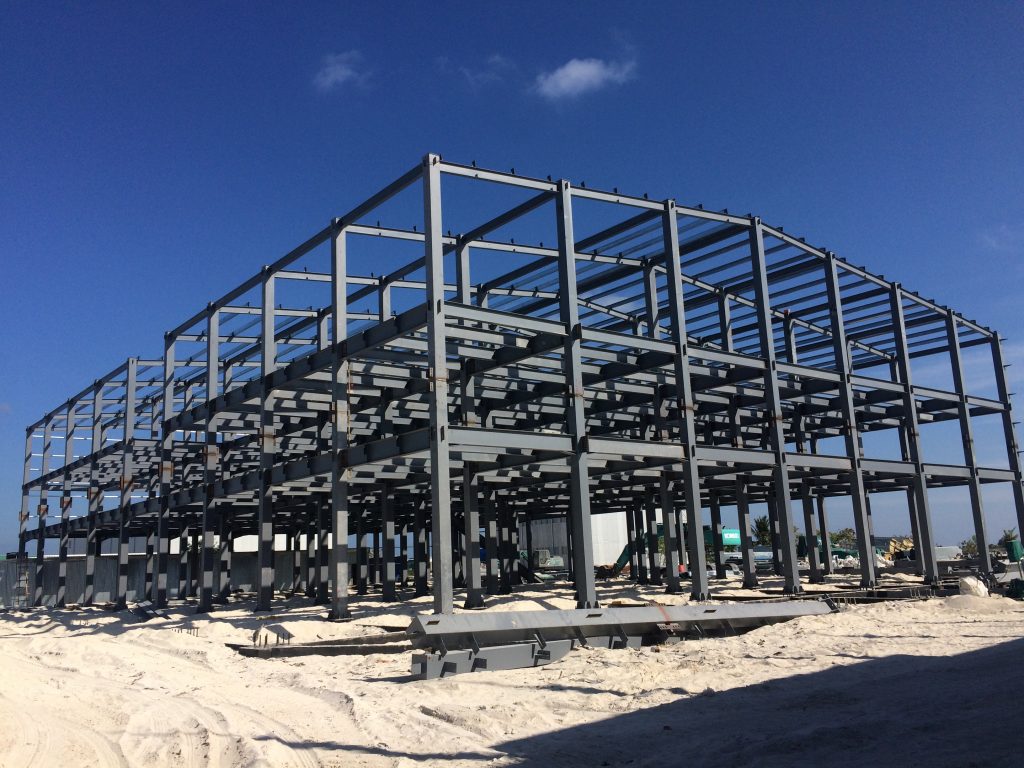
Metal frame houses have emerged as a transformative force in residential construction, redefining modern living through spatial flexibility, sustainability, technological integration, comfort, and architectural innovation. By transcending the limitations of traditional materials, steel structures offer homeowners a dynamic, adaptable, and responsible way to live—aligning with the evolving priorities of contemporary life. From open-concept layouts that grow with families to smart, energy-efficient systems that reduce environmental impact, metal frame houses are not just buildings; they are reflections of modern values.
The global case studies highlighted—from the Aspen mountain retreat to the Berlin urban infill home—demonstrate the versatility of metal frame design, proving that steel structures can thrive in diverse climates, cultures, and lifestyles. Steel’s inherent strengths—durability, recyclability, and precision—make it a foundational material for the homes of the future, where flexibility, sustainability, and wellness are non-negotiable.
As modern living continues to evolve, metal frame houses will remain at the forefront of residential innovation. They offer a solution to the challenges of urbanization, climate change, and shifting family dynamics, providing spaces that are both functional and meaningful. By choosing a metal frame house, homeowners are not just investing in a home; they are embracing a lifestyle that prioritizes adaptability, sustainability, and comfort—redefining what it means to live modernly.
In a world where change is constant, metal frame houses stand as a stable, forward-thinking choice, proving that the future of modern living is built on steel—strong, flexible, and designed to last.
Related news
-
Discover the Strength of Our Metal Frame House Designs
2025-12-25 17:33:33
-
Engineered for Longevity: Steel Structure Building by Lida Group
2025-12-25 17:44:00
-
Lida Group Sets New Standard in High Quality Durable Construction
2025-12-25 16:06:32
contact us
- Tel: +86-532-88966982
- Whatsapp: +86-13793209022
- E-mail: sales@lidajituan.com
