



Maximize Value with Our Cost-Effective Container House Design
2026-Jan-29 17:05:17
By Admin
In today’s economic landscape, where cost efficiency, sustainability, and versatility are paramount, the demand for housing solutions that deliver maximum value without compromising on quality has never been higher. Whether for residential use, commercial applications, temporary accommodation, or disaster relief, clients worldwide are seeking alternatives to traditional brick-and-mortar construction—alternatives that are affordable, durable, quick to deploy, and adaptable to diverse needs. Container houses have emerged as a game-changing solution, but not all container designs are created equal. Our cost-effective container house design stands out by focusing on one core objective: maximizing value at every stage of the project, from initial design and manufacturing to long-term use and maintenance. By leveraging innovative design principles, advanced materials, and streamlined processes, we transform standard shipping containers into high-value, functional spaces that meet and exceed client expectations—all while keeping costs in check.
Value, in the context of container house design, is not merely about low upfront costs. It encompasses a holistic balance of affordability, durability, energy efficiency, functionality, aesthetics, and sustainability. A cost-effective design should minimize initial investment, reduce long-term operating and maintenance expenses, enhance usability, and retain its value over time. Unfortunately, many container house designs on the market prioritize cost-cutting over value, resulting in structures that are flimsy, inefficient, and costly to maintain in the long run. Our approach is different: we integrate cost-saving strategies into every aspect of the design process without sacrificing quality or functionality, ensuring that our clients get the most out of their investment. This article explores how our cost-effective container house design delivers unparalleled value, the key principles guiding our design philosophy, the specific strategies we implement, real-world applications, and why choosing our design is the smart choice for maximizing return on investment (ROI).
1. The Case for Cost-Effective Container House Design: Why Value Matters
Traditional construction methods are often plagued by high costs, long lead times, material waste, and inflexibility. For many clients—whether individuals looking to build a affordable home, businesses seeking temporary or permanent commercial spaces, or organizations responding to emergency housing needs—these challenges make traditional construction impractical or unaffordable. Container houses, by contrast, offer a inherently cost-effective foundation, as they repurpose existing shipping containers (which are abundant and affordable) into functional living or working spaces. However, without thoughtful design, even container houses can fail to deliver true value. Poorly designed container homes may suffer from inadequate insulation, inefficient space utilization, structural weaknesses, or high energy bills—all of which erode cost savings and reduce overall value.
Our cost-effective container house design addresses these pitfalls by prioritizing value-driven decisions at every step. We recognize that our clients want more than just a low-cost structure; they want a space that is comfortable, durable, energy-efficient, and tailored to their specific needs. Whether it’s a small residential unit, a multi-container commercial complex, or a temporary emergency shelter, our design ensures that every dollar spent contributes to long-term value. This holistic approach to cost-effectiveness has made our container house designs the preferred choice for clients across industries, from individual homeowners and small businesses to large corporations and humanitarian organizations.
The global container house market is growing rapidly, driven by increasing urbanization, a rising demand for affordable housing, and a growing focus on sustainability. According to industry reports, the global container construction market is projected to grow at a CAGR of 8.5% through 2030, with cost-effectiveness and sustainability being the primary drivers of adoption. In this competitive market, our design differentiates itself by delivering superior value—proving that cost-effective does not mean low-quality. By focusing on maximizing value, we help our clients achieve their goals, whether that’s building an affordable home, reducing operational costs for a business, or providing efficient emergency housing.
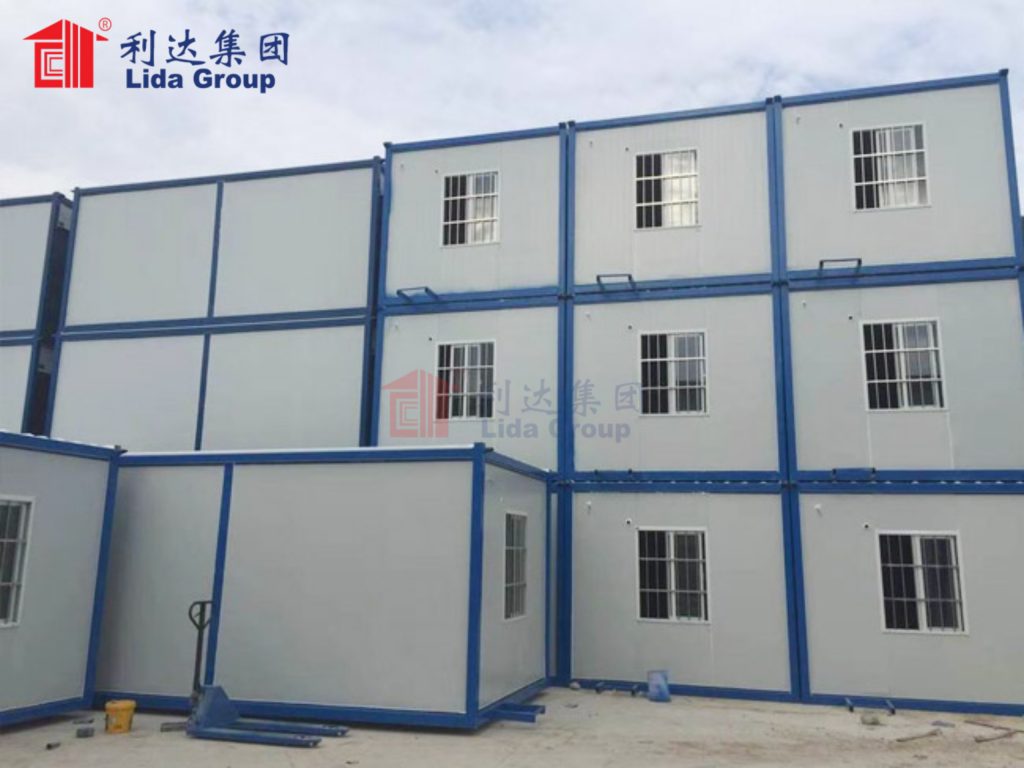
2. Core Principles of Our Cost-Effective Container House Design
Our cost-effective container house design is guided by four core principles that ensure maximum value: standardization with customization, material efficiency, energy optimization, and lifecycle cost reduction. These principles are integrated into every aspect of the design process, from initial concept development to final manufacturing and deployment. By adhering to these principles, we create structures that are affordable upfront, efficient to operate, and durable over time—delivering value that lasts.
2.1 Standardization with Customization: Balancing Affordability and Individual Needs
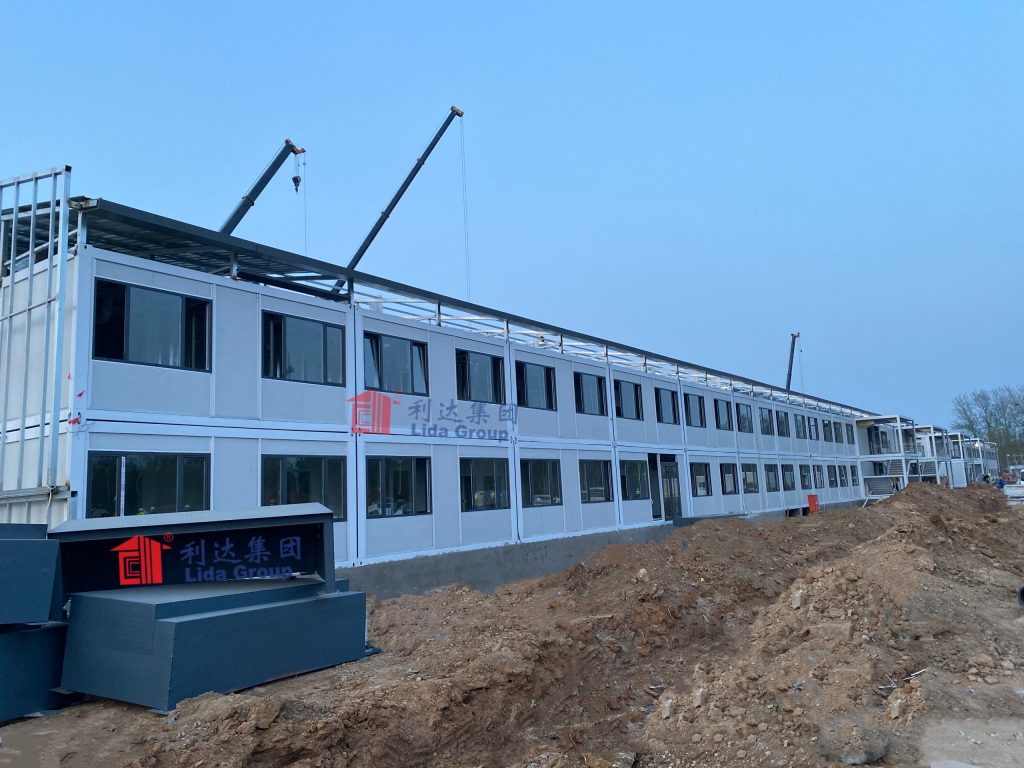
Standardization is key to reducing costs in container house design. We leverage standard shipping container dimensions (20-foot and 40-foot units, with high-cube options) to minimize manufacturing complexity, reduce material waste, and streamline transportation and deployment. Standardization allows us to take advantage of economies of scale, as components can be mass-produced, lowering per-unit costs. For example, standard wall panels, flooring, and utility systems can be prefabricated in our factory, ensuring consistency and reducing labor costs on-site.
However, we understand that every client has unique needs. That’s why we combine standardization with flexible customization options, allowing clients to tailor their container houses to their specific requirements without incurring excessive costs. Our design team works closely with clients to identify their priorities—whether it’s a specific room configuration, interior finishes, or additional features—and integrates these into the standard design framework. For instance, a client building a residential container home may want an open-concept living area and a private bedroom, while a business may need a reception area and office spaces. By customizing within a standardized structure, we avoid the high costs associated with fully custom designs while still delivering a space that meets the client’s needs.
This balance of standardization and customization is a hallmark of our cost-effective design. It ensures that clients get a space that is both affordable and functional, without sacrificing personalization. For example, our standard 40-foot container house can be customized to include 2 bedrooms, a bathroom, a kitchen, and a living area—all while retaining the cost-saving benefits of standardization. This approach has proven to be highly effective, as it reduces design time, minimizes errors, and keeps costs predictable.
2.2 Material Efficiency: Choosing Cost-Effective, Durable Materials
Material selection is a critical factor in achieving cost-effectiveness and maximizing value. Our design prioritizes materials that are both affordable and durable, ensuring that the container house stands the test of time and requires minimal maintenance. We avoid expensive, high-maintenance materials in favor of cost-effective alternatives that do not compromise on quality or performance.
The foundation of our container house design is the standard shipping container, which is made of high-strength Q355 structural steel. This steel is inherently durable, corrosion-resistant (when properly treated), and affordable—making it an ideal base material. We enhance the container’s durability with a two-step corrosion protection process: hot-dip galvanizing (80-120μm zinc layer) followed by a polyurea topcoat. This dual protection ensures that the container can withstand harsh environmental conditions, including coastal saltwater, humid climates, and industrial pollutants, extending its service life to 15-20 years.
For interior and exterior finishes, we choose cost-effective, low-maintenance materials that enhance functionality and aesthetics. For example, our wall panels are sandwich composite panels with a high-density polyurethane (PU) insulation core, an inner steel sheet, and an outer fiber-reinforced polymer (FRP) or galvanized steel panel. These panels are affordable, lightweight, and provide excellent thermal and sound insulation—reducing long-term energy costs. The PU insulation core has a U-value of 0.3-0.5 W/m²K, ensuring that the interior remains comfortable in all climates, while the FRP outer panel is resistant to scratches, fading, and weathering, requiring no repainting or extensive maintenance.
Flooring options include anti-slip, water-resistant vinyl or ceramic tiles, which are affordable, easy to clean, and durable. These materials are ideal for high-traffic areas and humid environments, as they resist mold, mildew, and wear. For windows and doors, we use aluminum alloy frames with double-glazed glass—an affordable option that provides excellent thermal and sound insulation, reducing energy costs and enhancing comfort.
By focusing on material efficiency, we reduce upfront material costs while ensuring that the container house is durable and low-maintenance. This approach minimizes long-term expenses, as clients do not have to spend money on frequent repairs or replacements—maximizing the overall value of their investment.
2.3 Energy Optimization: Reducing Long-Term Operating Costs
A key component of value maximization is reducing long-term operating costs, and energy efficiency is a critical factor in achieving this. Our cost-effective container house design incorporates a range of energy-saving features that lower utility bills and reduce environmental impact—without adding significant upfront costs. These features are integrated into the design from the start, ensuring that energy efficiency is not an afterthought but a core component of the structure.
The high-density PU insulation in our wall panels, ceilings, and floors is the foundation of our energy-efficient design. This insulation minimizes heat transfer, keeping the interior cool in hot climates and warm in cold climates, reducing the need for heating and cooling systems. Studies have shown that our insulated container houses reduce energy consumption for heating and cooling by 30-50% compared to uninsulated container structures or traditional construction—resulting in significant cost savings over time.
We also incorporate passive design strategies to further optimize energy efficiency. For example, our designs include strategically placed windows and doors to maximize natural light and ventilation, reducing the need for artificial lighting and mechanical ventilation. In hot climates, windows are positioned to take advantage of cross-ventilation, while overhangs are added to shade windows from direct sunlight, reducing heat gain. In cold climates, windows are placed to maximize solar heat gain, while insulation is enhanced to retain warmth.
For clients in remote areas or those looking to further reduce energy costs, we offer optional solar panel and battery storage systems. These systems are integrated into the design, allowing the container house to operate off-grid, reducing reliance on expensive diesel generators or local power grids. The solar systems can power lighting, ventilation, small appliances, and even heating or cooling systems—further lowering operating costs and enhancing sustainability.
Additionally, our designs include energy-efficient lighting and appliances as standard features. LED lighting is used throughout the structure, as it is more energy-efficient and longer-lasting than traditional incandescent bulbs, reducing replacement costs and energy consumption. Energy-efficient appliances, such as refrigerators, stoves, and air conditioners, are also recommended, further lowering utility bills.
2.4 Lifecycle Cost Reduction: Designing for Long-Term Value
True cost-effectiveness is not just about upfront savings; it’s about minimizing total lifecycle costs—the sum of upfront costs, operating costs, maintenance costs, and replacement costs over the life of the structure. Our design focuses on reducing lifecycle costs by ensuring that the container house is durable, low-maintenance, and adaptable, extending its service life and maximizing its value over time.
As mentioned earlier, our use of high-quality, durable materials and corrosion protection ensures that the container house has a service life of 15-20 years—two to three times longer than many low-cost container structures on the market. This long service life reduces the need for frequent replacement, lowering replacement costs and maximizing ROI. Additionally, our design minimizes maintenance requirements by using low-maintenance materials and incorporating features that prevent common issues, such as water leakage and mold buildup.
The modular nature of our container house design also contributes to lifecycle cost reduction. Container modules can be easily disassembled, relocated, or repurposed, allowing clients to adapt the structure to changing needs without incurring the cost of building a new structure. For example, a temporary office container can be relocated to a new site when the project is complete, or repurposed into a storage unit or residential space. This adaptability ensures that the container house retains its value even as the client’s needs change.
We also incorporate easy-access maintenance features into our design, such as removable wall panels and accessible utility systems, making it easier and less costly to perform routine maintenance or repairs. This reduces maintenance time and labor costs, further lowering lifecycle expenses.
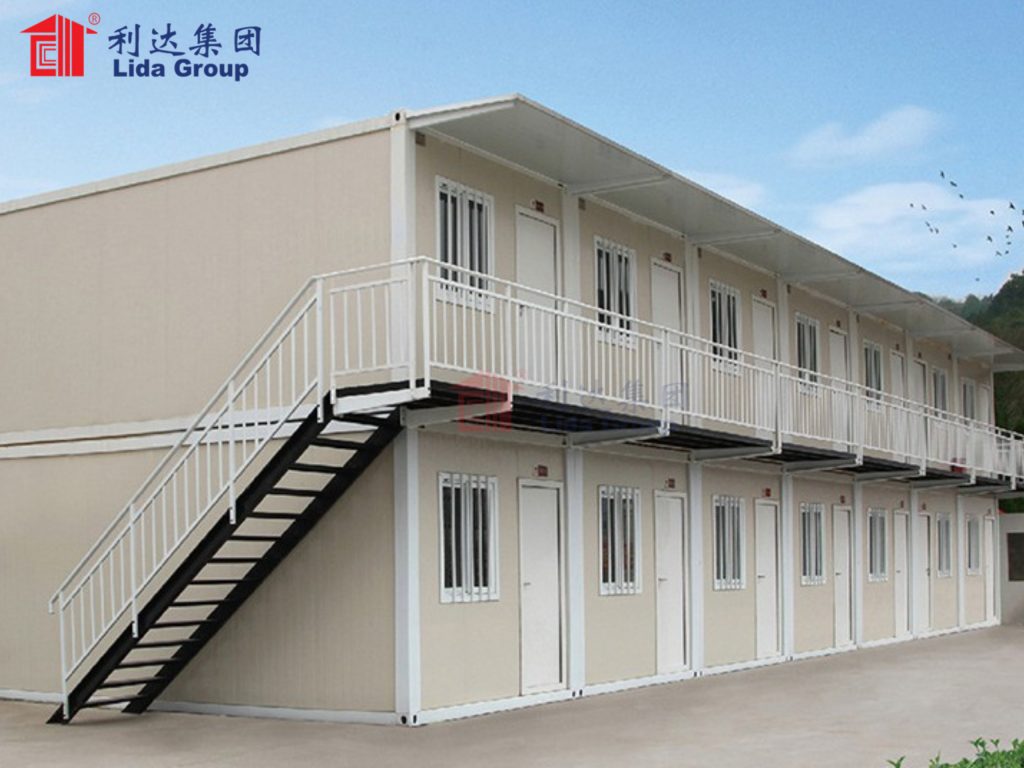
3. Key Design Strategies to Maximize Value
Building on our core principles, we implement a range of specific design strategies to ensure that our cost-effective container house designs deliver maximum value. These strategies focus on space optimization, streamlined manufacturing and deployment, flexible configuration, and quality control—all of which contribute to cost savings and enhanced functionality.
3.1 Space Optimization: Making the Most of Every Square Foot
One of the biggest challenges in container house design is maximizing space within the standard dimensions of shipping containers. Our design team specializes in space optimization, creating layouts that are functional and comfortable, even in compact spaces. By carefully planning room configurations, incorporating multi-purpose furniture, and utilizing vertical space, we ensure that every square foot of the container house is used efficiently—enhancing functionality without increasing the size (and cost) of the structure.
For example, our 20-foot container house (which has approximately 140 square feet of interior space) can be designed to include a bedroom, a bathroom, a kitchenette, and a living area—all without feeling cramped. This is achieved by using multi-purpose furniture, such as a sofa that converts into a bed, a dining table that doubles as a workspace, and built-in storage solutions that maximize vertical space. Built-in wardrobes, shelves, and cabinets are integrated into the design, eliminating the need for additional furniture and freeing up floor space.
In larger multi-container designs, we optimize space by connecting containers in strategic configurations to create open-concept areas, such as living rooms, kitchens, or commercial spaces. For example, two 40-foot containers can be connected side-by-side to create a 280-square-foot open-concept living area, while additional containers can be added vertically or horizontally to expand the space as needed. This modular approach to space optimization allows us to create larger spaces without incurring the high costs associated with traditional construction.
We also focus on natural light and ventilation to make spaces feel larger and more comfortable. Strategically placed windows, skylights, and glass doors maximize natural light, reducing the need for artificial lighting and creating a bright, inviting atmosphere. Cross-ventilation is incorporated into the design, ensuring that fresh air circulates throughout the space, enhancing comfort and reducing the need for mechanical ventilation.
3.2 Streamlined Manufacturing and Deployment: Reducing Time and Costs
Time is money, and our design prioritizes streamlined manufacturing and deployment processes to reduce lead times and labor costs. We use a prefabricated manufacturing approach, where 90% of the construction work is completed in our state-of-the-art factory before the modules are shipped to the site. This factory-controlled process ensures consistency, reduces material waste, and minimizes on-site labor requirements—all of which lower costs.
In the factory, each container module is fitted with pre-installed walls, floors, ceilings, windows, doors, utility systems, and interior finishes. This eliminates the need for extensive on-site construction, as the modules only need to be connected, leveled, and connected to utilities once they arrive at the site. A single 20-foot container house can be deployed in 1-2 days, while a multi-container complex (10-15 units) can be fully installed in 1-2 weeks—far faster than traditional construction, which can take months or even years.
Our streamlined deployment process also reduces transportation costs. Standard shipping containers can be easily transported via truck, rail, or sea, ensuring that they can be delivered to any location—including remote or hard-to-reach areas—at a low cost. Additionally, the modular nature of our design allows for easy loading and unloading, reducing transportation time and labor costs.
We also leverage advanced technologies to further streamline manufacturing and deployment. Building Information Modeling (BIM) software is used to design and optimize each container module, ensuring that all components fit together perfectly and reducing errors during manufacturing. Automated cutting and welding equipment are used in the factory to improve precision and efficiency, reducing manufacturing time and costs. On-site, we use ISO-standard Twistlock connectors to quickly and securely connect container modules, further accelerating deployment.
3.3 Flexible Configuration: Adapting to Diverse Needs
Flexibility is a key component of value, as it allows the container house to adapt to changing needs over time. Our design incorporates flexible configuration options, ensuring that the structure can be modified, expanded, or repurposed with minimal cost and effort. This adaptability ensures that the container house retains its value even as the client’s needs change—maximizing long-term ROI.
Our modular design allows for easy expansion, as additional container modules can be added vertically or horizontally to increase space. For example, a client who initially builds a 20-foot residential container home can later add a second 20-foot module to create a larger home with additional bedrooms or living space. This expansion can be completed in a matter of days, without disrupting the existing structure.
The interior of our container houses is also designed for flexibility. Removable wall panels allow clients to reconfigure room layouts as needed, while built-in storage solutions can be adjusted to accommodate changing storage needs. For commercial applications, such as offices or retail spaces, the interior can be easily modified to create different layouts, allowing businesses to adapt to changing market conditions.
Additionally, our container houses are fully relocatable, making them ideal for temporary or mobile applications. For example, a construction company can use a container office for a project and then relocate it to a new site when the project is complete. A humanitarian organization can deploy container shelters to a disaster zone and then relocate them to another area once relief efforts are finished. This relocability ensures that the container house can be used for multiple purposes, maximizing its value.
3.4 Rigorous Quality Control: Ensuring Durability and Reliability
Cost-effectiveness does not mean compromising on quality. Our design includes rigorous quality control processes to ensure that every container house meets the highest standards of durability, safety, and performance. This quality control starts with the selection of materials and continues through every stage of manufacturing, testing, and deployment—ensuring that the container house is reliable and long-lasting.
All materials used in our designs are carefully selected and tested to ensure they meet our quality standards. The Q355 structural steel used in the containers is tested for strength and corrosion resistance, while the composite wall panels are tested for thermal insulation, sound insulation, and fire resistance. We only work with trusted suppliers who meet our strict quality requirements, ensuring that every component is of the highest quality.
During manufacturing, each container module undergoes a series of strict tests to ensure that it meets our design specifications. These tests include: water tightness tests (to ensure no leakage), structural load tests (to ensure the frame can withstand heavy loads and stacking), electrical safety tests (to ensure compliance with international standards), and corrosion resistance tests (to ensure the frame can withstand harsh environments). Only modules that pass all these tests are shipped to the site.
On-site, our team of experienced technicians oversees the deployment process, ensuring that the modules are connected correctly, leveled, and connected to utilities safely. A final inspection is conducted to ensure that the container house meets all quality and safety standards before it is handed over to the client. This rigorous quality control ensures that our container houses are durable, reliable, and safe—reducing maintenance costs and maximizing long-term value.
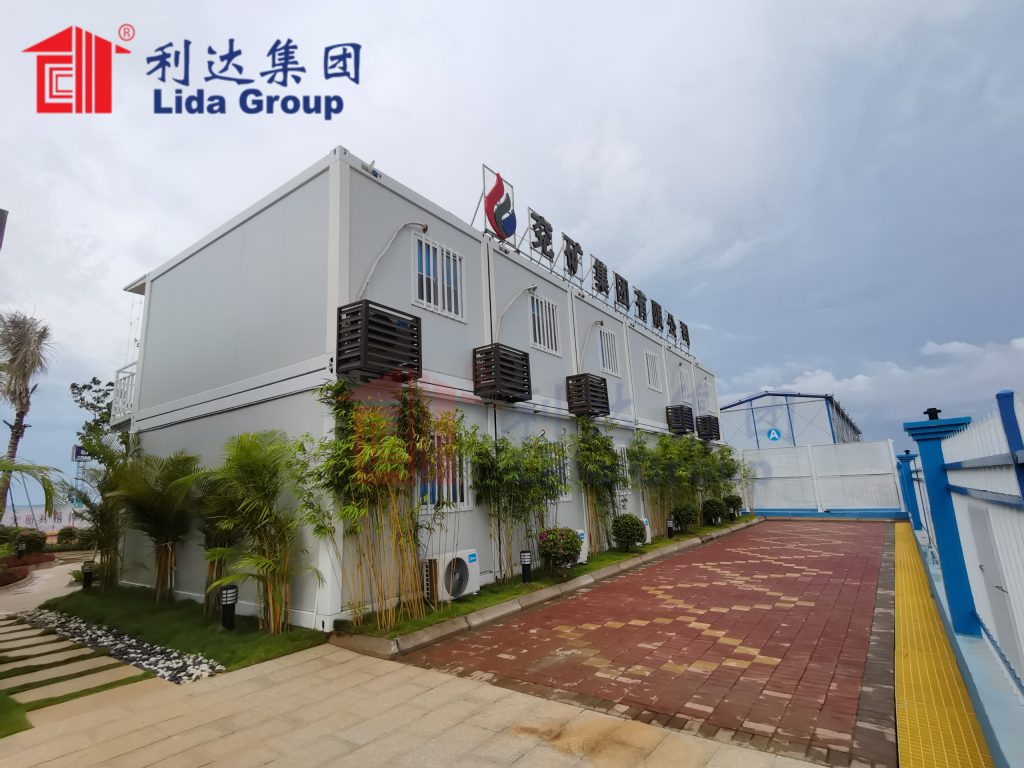
4. Real-World Applications: Maximizing Value Across Industries
Our cost-effective container house design is versatile and adaptable, making it suitable for a wide range of applications across various industries. From residential and commercial use to emergency relief and industrial housing, our designs deliver maximum value in every scenario. Below are some real-world examples of how our container house designs have helped clients maximize value.
4.1 Residential Applications: Affordable, Comfortable Homes
For individuals and families seeking affordable, sustainable housing, our container house designs offer an ideal solution. Our residential container homes are cost-effective, durable, and customizable, allowing clients to build a home that meets their needs and budget. For example, a young couple in a suburban area wanted to build a starter home without incurring the high costs of traditional construction. We designed a 40-foot container home with 2 bedrooms, a bathroom, a kitchen, and a living area—all for 30-40% less than the cost of a traditional brick-and-mortar home of the same size.
The home featured our standard energy-efficient design, including PU insulation, double-glazed windows, and LED lighting, reducing monthly energy bills by 30-50% compared to traditional homes. The modular design also allowed the couple to expand the home later, adding a third bedroom and a home office as their family grew. The home’s durable construction and low-maintenance materials ensured that they spent minimal money on repairs and maintenance, further maximizing value. After five years, the home retained 90% of its initial value, making it a sound investment.
In urban areas, where space is limited and housing costs are high, our compact container homes are particularly popular. For example, in a densely populated city, we designed a series of 20-foot container homes for a housing development, providing affordable housing for low-income families. Each home included a bedroom, a bathroom, a kitchenette, and a living area, with built-in storage solutions to maximize space. The development was completed in just 8 weeks, far faster than traditional housing developments, and the homes were priced 50% lower than nearby apartments—delivering exceptional value to both the developer and the residents.
4.2 Commercial Applications: Cost-Effective Business Spaces
Businesses of all sizes are turning to our container house designs for cost-effective commercial spaces, such as offices, retail stores, cafes, and storage facilities. Our commercial container spaces are quick to deploy, customizable, and energy-efficient, reducing upfront and operating costs while providing a functional, professional environment. For example, a small business owner wanted to open a retail store in a high-traffic area but could not afford the high rent and construction costs of a traditional storefront. We designed a 40-foot container retail space with large display windows, a sales floor, a storage area, and a small office—all for a fraction of the cost of a traditional storefront.
The store was deployed in just 5 days, allowing the business owner to open quickly and start generating revenue. The energy-efficient design reduced monthly utility bills by 40%, while the customizable interior allowed the owner to brand the space to match their business. The modular design also allowed the owner to expand the store later, adding a second container module to create a larger sales floor as the business grew. After two years, the business owner reported that the container store had saved them over $50,000 in rent and operating costs—maximizing their profit margin.
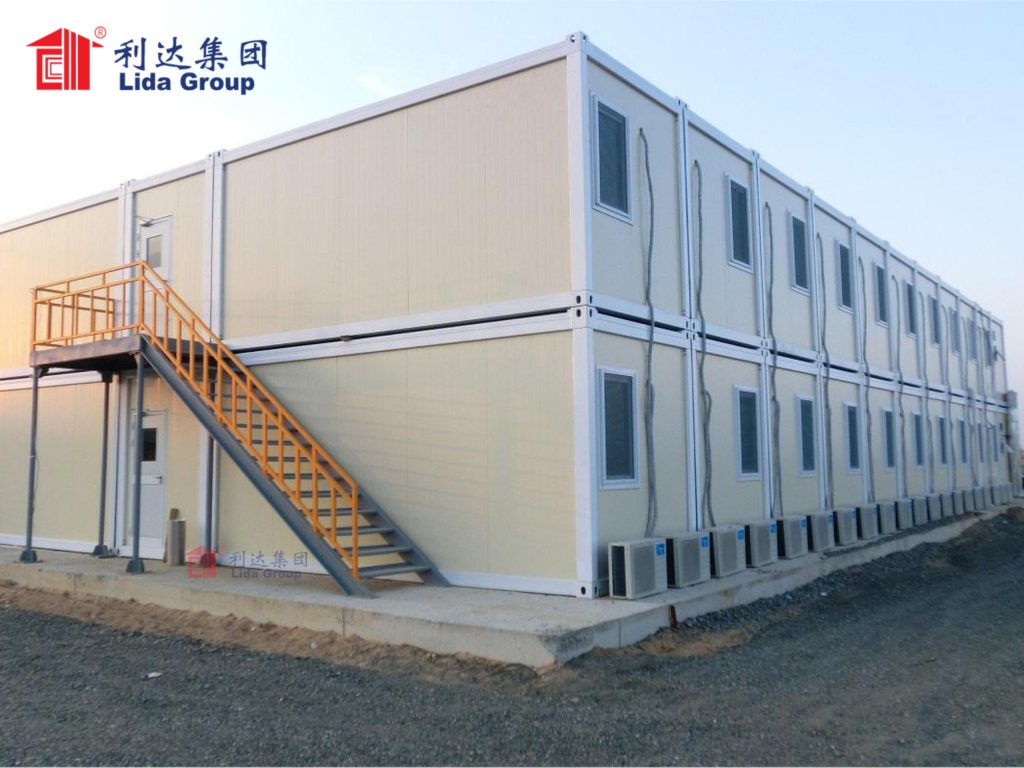
For large corporations, our container office complexes are an ideal solution for temporary or permanent office spaces, particularly for construction sites, remote workstations, or temporary projects. For example, a construction company needed temporary office space for a 3-year construction project. We designed a complex of 10 container modules, including offices, meeting rooms, a break room, and a first-aid station. The complex was deployed in 2 weeks, and the energy-efficient design reduced monthly utility bills by 35% compared to traditional temporary offices. The relocatable design allowed the company to move the office complex to a new construction site once the project was complete, further maximizing value.
4.3 Emergency Relief and Humanitarian Applications: Rapid, Affordable Shelter
In emergency situations, such as natural disasters or refugee crises, our cost-effective container house designs provide rapid, affordable shelter for displaced families, relief workers, and medical personnel. Our emergency container shelters are quick to deploy, durable, and functional, providing a safe, comfortable environment when it is needed most. For example, after a major flood in a developing country, a humanitarian organization needed to provide shelter for 500 displaced families. We designed and deployed 100 20-foot container shelters, each capable of accommodating 4-5 people, in just 10 days.
The shelters featured waterproof roofing, insulation, built-in beds, and basic utility connections, providing a safe, comfortable space for the displaced families. The cost-effective design allowed the organization to provide shelter for all 500 families at a fraction of the cost of traditional emergency shelters. The durable construction ensured that the shelters could withstand future weather events, while the relocatable design allowed the organization to move the shelters to other disaster zones as needed. The shelters also included solar panel systems, allowing them to operate off-grid in areas with damaged infrastructure—ensuring that families had access to light and power.
In refugee camps, our container shelters are used as permanent or semi-permanent housing, providing a more dignified living environment than traditional tents. Our shelters are customizable, allowing for the addition of kitchens, bathrooms, and storage spaces, and the energy-efficient design reduces the need for external power sources. For example, in a refugee camp in Africa, we designed a complex of 200 container shelters, including housing, schools, and medical clinics. The complex was deployed in 3 weeks, and the cost-effective design allowed the humanitarian organization to stretch their budget and provide more services to the refugee population.
4.4 Industrial and Remote Workforce Applications: Durable, Functional Housing
For industries such as mining, oil and gas, renewable energy, and forestry, our container house designs provide durable, functional housing for remote workforces. Our industrial container dormitories are designed to withstand harsh environmental conditions, such as high temperatures, humidity, dust, and saltwater, and provide a comfortable living environment for workers. For example, a mining company in Australia needed housing for 100 workers at a remote mining site. We designed a complex of 25 40-foot container dormitories, each accommodating 4 workers, with built-in bathrooms, showers, storage spaces, and common areas.
The dormitories featured reinforced steel frames, corrosion-resistant coatings, and dust-proof ventilation systems, ensuring that they could withstand the harsh Australian outback climate. The energy-efficient design included solar panel systems, allowing the dormitories to operate off-grid, reducing reliance on expensive diesel generators. The modular design allowed the company to add more dormitories as the workforce expanded, and the relocatable design allowed them to move the dormitories to a new mining site once the current site was depleted. The company reported that the container dormitories saved them 30% in housing costs compared to traditional remote workforce housing, and the low-maintenance design reduced maintenance costs by 40%.
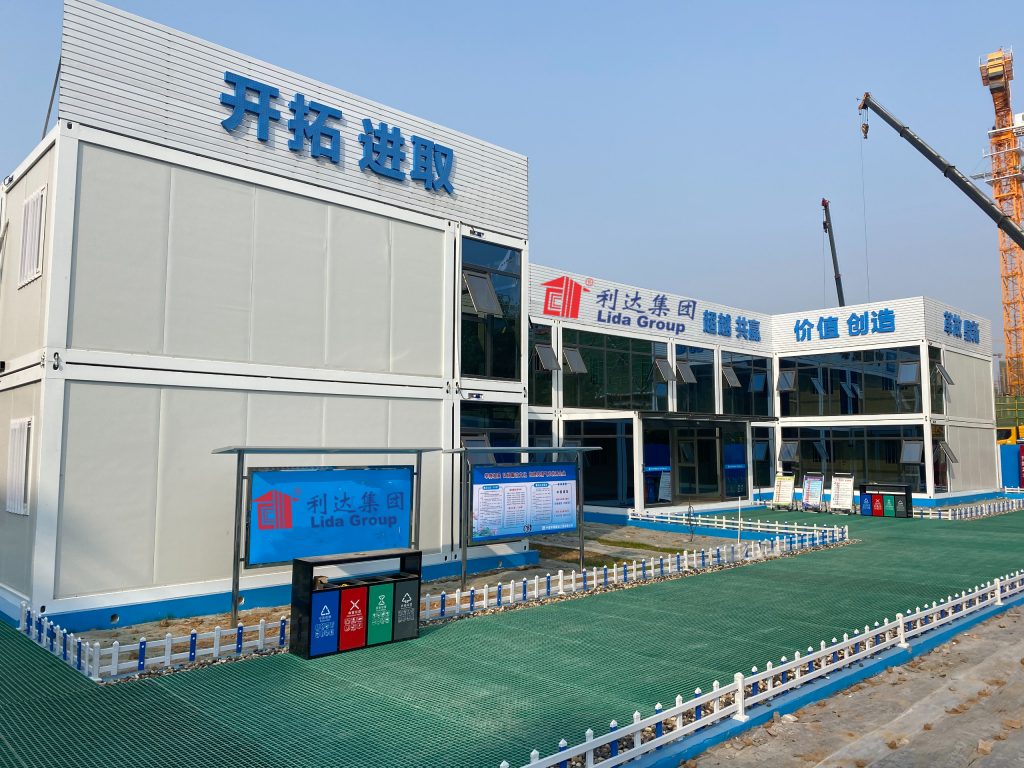
5. Common Misconceptions About Cost-Effective Container House Design
Despite the many benefits of cost-effective container house design, there are several common misconceptions that prevent some clients from choosing this solution. Below, we address these misconceptions and explain why our design delivers true value.
5.1 Misconception 1: Cost-Effective Container Houses Are Low-Quality
One of the most common misconceptions is that cost-effective container houses are low-quality, flimsy, and uncomfortable. This is not true—our cost-effective design focuses on reducing unnecessary costs, not on compromising on quality. We use high-quality, durable materials, implement rigorous quality control processes, and prioritize functionality and comfort. Our container houses are built to last 15-20 years, meet international safety standards, and provide a comfortable living or working environment. The key is that we eliminate wasteful spending on unnecessary features, not on quality components.
5.2 Misconception 2: Container Houses Are Not Customizable
Another common misconception is that container houses are one-size-fits-all and cannot be customized to meet individual needs. This is false—our design combines standardization with flexible customization options, allowing clients to tailor their container houses to their specific requirements. From room configurations and interior finishes to additional features such as solar panels and built-in storage, we work closely with clients to create a space that meets their needs and budget.
5.3 Misconception 3: Container Houses Are Not Energy-Efficient
Many people believe that container houses are cold in winter and hot in summer, with high energy bills. However, our design incorporates advanced insulation, passive design strategies, and energy-efficient features that make our container houses highly energy-efficient. Our insulated wall panels, double-glazed windows, and strategic ventilation reduce energy consumption for heating and cooling by 30-50% compared to traditional construction, resulting in lower utility bills.
5.4 Misconception 4: Container Houses Are Difficult to Obtain Permits For
Some clients worry that container houses are not compliant with local building codes and that obtaining permits will be difficult. However, our container house designs meet international building standards (including ISO 9001, ISO 14001, and OHSAS 18001) and local building codes in most regions. Our design team works closely with clients to ensure that their container house meets all local requirements, and we provide documentation and support to help clients obtain the necessary permits quickly and easily.
6. Future Trends in Cost-Effective Container House Design
The container house industry is constantly evolving, and we are committed to staying at the forefront of innovation to continue delivering maximum value to our clients. Below are some future trends that will shape cost-effective container house design in the coming years:
6.1 Integration of Smart Technologies
Smart technologies, such as IoT sensors, AI-powered energy management systems, and smart home automation, will become increasingly integrated into container house designs. These technologies will allow clients to monitor and control energy consumption, temperature, humidity, and security remotely, further reducing operating costs and enhancing comfort. For example, IoT sensors can detect changes in temperature and adjust heating or cooling systems automatically, optimizing energy efficiency. AI-powered energy management systems can analyze energy usage data and provide recommendations for reducing costs.
6.2 Advanced Material Innovations
Advancements in materials science will lead to the development of even more cost-effective, durable, and sustainable materials for container house design. For example, lightweight, high-strength composites will reduce the weight of container modules, lowering transportation costs. Self-healing sealants and coatings will further enhance durability and reduce maintenance costs. Recycled and eco-friendly materials will become more widely used, aligning with growing sustainability goals and reducing material costs.
6.3 Increased Focus on Sustainability
Sustainability will continue to be a key driver of container house design, with clients increasingly seeking eco-friendly solutions. Our future designs will focus on further reducing carbon emissions, minimizing material waste, and enhancing energy efficiency. We will expand our use of renewable energy systems, such as solar and wind power, and incorporate circular design principles, allowing container modules to be easily recycled or repurposed at the end of their service life.
6.4 Modular and Prefabricated Construction Growth
The trend toward modular and prefabricated construction will continue to grow, as clients recognize the cost and time savings associated with these methods. We will further streamline our manufacturing and deployment processes, leveraging automation and advanced technologies to reduce lead times and costs. This will allow us to deliver container houses even faster and more affordably, further maximizing value for our clients.
Conclusion
Our cost-effective container house design is more than just a low-cost housing solution—it is a value-driven approach to construction that maximizes return on investment, enhances functionality, and ensures long-term durability. By adhering to core principles of standardization with customization, material efficiency, energy optimization, and lifecycle cost reduction, we create container houses that deliver unparalleled value at every stage of the project.
Through key design strategies such as space optimization, streamlined manufacturing and deployment, flexible configuration, and rigorous quality control, we ensure that our container houses are affordable upfront, efficient to operate, and adaptable to diverse needs. Our real-world applications across residential, commercial, emergency relief, and industrial sectors demonstrate that our designs deliver maximum value in any scenario—helping clients save money, reduce risk, and achieve their goals.
We understand that value is not just about cost—it is about getting the most out of your investment. Our cost-effective container house design ensures that you receive a high-quality, functional, and sustainable space that meets your needs and budget, while minimizing long-term costs and maximizing long-term value. Whether you are building a home, a commercial space, or emergency shelter, our design team is committed to working closely with you to create a container house that delivers maximum value—now and for years to come.
As the container house industry continues to evolve, we remain committed to innovation, sustainability, and client-centric design. We will continue to integrate advanced technologies, new materials, and best practices into our designs, ensuring that our clients always receive the most cost-effective, high-value container house solutions available. Choosing our cost-effective container house design is not just a smart financial decision—it is a decision to invest in a space that delivers value, durability, and versatility for years to come.
Related news
-
Lida Group Launches Durable Mobile Container Dormitory Series
2026-01-29 16:50:53
-
Rapid Deployment of Durable Mobile Dormitories by Lida Group
2026-01-29 16:37:25
-
Innovative Prefabricated Container Apartment Solutions Now Available
2026-01-29 13:12:55
contact us
- Tel: +86-532-88966982
- Whatsapp: +86-13793209022
- E-mail: sales@lidajituan.com
