



Maximize Storage with Our Custom Metal Frame Warehouse
2026-Feb-26 17:09:15
By Admin
In the global supply chain and logistics industry, efficient storage solutions are the cornerstone of operational success. As global trade expands, e-commerce booms, and industrial production scales up, the demand for large-capacity, flexible, and cost-effective storage facilities has never been higher. Traditional storage warehouses, often constructed with brick-concrete, wooden, or standardized steel structures, frequently fail to meet the diverse and personalized storage needs of enterprises—whether due to limited space utilization, inflexible layout, poor durability, or high construction and operation costs. In this context, custom metal frame warehouses have emerged as a game-changer, offering unparalleled flexibility, scalability, and storage optimization capabilities. Our custom metal frame warehouse solutions are designed to maximize storage space, adapt to diverse storage scenarios, and deliver long-term value for businesses across industries, including manufacturing, logistics, retail, agriculture, and cold chain. This article comprehensively explores the core value of custom metal frame warehouses in maximizing storage, the key technologies and design strategies, typical application cases, and their profound impact on the global storage and logistics industry, demonstrating how tailored metal frame solutions redefine efficient storage.
Metal frame construction has long been recognized for its strength, durability, and cost-effectiveness, but it is the customization capability that truly unlocks its potential in storage optimization. Unlike standardized warehouses that adopt a one-size-fits-all approach, custom metal frame warehouses are designed and built based on the specific needs of each enterprise—including storage capacity requirements, types of goods stored , spatial constraints of the construction site, local climate conditions, and future expansion plans. By integrating advanced design concepts, high-quality materials, and precision manufacturing, our custom metal frame warehouses maximize every square meter of space, improve storage density, and ensure seamless integration with existing logistics systems. Whether it is a small-scale warehouse for a local retailer, a large-scale distribution center for a multinational logistics enterprise, or a specialized storage facility for agricultural products or industrial raw materials, our custom solutions can be tailored to meet unique storage needs, helping businesses reduce costs, improve operational efficiency, and gain a competitive edge in the market.
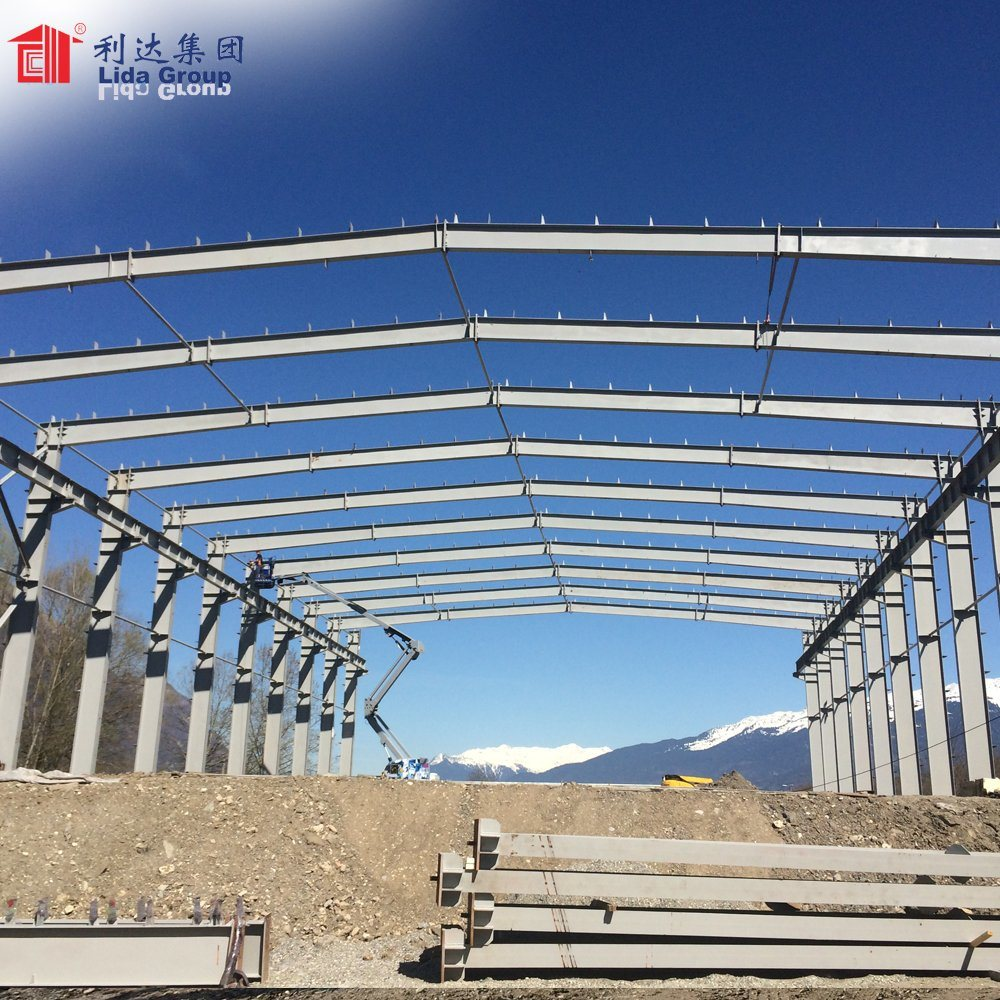
1. The Urgent Need for Optimized Storage Solutions in the Global Market
The global storage and logistics industry is undergoing a profound transformation driven by factors such as the rapid growth of e-commerce, the globalization of supply chains, the increasing complexity of goods types, and the rising demand for operational efficiency. Traditional storage facilities are struggling to keep pace with these changes, exposing significant limitations in storage optimization. To understand the core value of custom metal frame warehouses in maximizing storage, it is first necessary to analyze the challenges faced by traditional storage solutions and the evolving market demand for optimized storage.
1.1 Limitations of Traditional Storage Warehouses in Storage Optimization
Brick-concrete warehouses, the most common traditional storage facilities, have inherent drawbacks that hinder storage optimization. First, brick-concrete construction is rigid and inflexible—once built, the layout, height, and internal structure are difficult to modify, making it impossible to adapt to changes in storage needs (such as increasing storage capacity or adjusting the storage layout for different types of goods). Second, brick-concrete warehouses have limited height—due to the structural limitations of brick and concrete, the height of most traditional warehouses is less than 8 meters, resulting in underutilization of vertical space, which is a critical factor in maximizing storage capacity. Third, the construction cycle of brick-concrete warehouses is long (usually 6-12 months), and the construction cost is high, making it difficult for enterprises to quickly expand or adjust their storage facilities in response to market changes.
Wooden warehouses, although cheaper and faster to construct than brick-concrete warehouses, have even more severe limitations in storage optimization. Wooden structures have poor load-bearing capacity, limiting the height of the warehouse and the weight of stored goods. They are also susceptible to rotting, warping, and insect infestations, requiring frequent maintenance and reducing the service life of the warehouse. In addition, wooden warehouses have poor fire resistance and moisture resistance, making them unsuitable for storing fragile, moisture-sensitive, or high-value goods, further restricting their application in optimized storage.
Standardized steel frame warehouses, while overcoming some of the limitations of brick-concrete and wooden warehouses, still fail to meet the personalized storage needs of many enterprises. These warehouses adopt a fixed design and layout, with no consideration for the specific characteristics of the goods stored or the operational habits of the enterprise. For example, a standardized steel frame warehouse designed for palletized goods may not be suitable for storing bulk materials or oversized equipment, leading to wasted space and reduced storage efficiency. In addition, standardized warehouses often lack flexibility in expansion, making it difficult for enterprises to scale up their storage capacity as their business grows.
Another major limitation of traditional storage warehouses is the lack of integration with modern logistics technologies. With the development of intelligent logistics, technologies such as automated storage and retrieval systems (AS/RS), conveyor belts, and warehouse management systems (WMS) have become essential for optimizing storage efficiency. However, traditional warehouses are often not designed to accommodate these technologies, requiring costly modifications and renovations to integrate them, which further increases the operational costs of enterprises.
1.2 Evolving Market Demand for Optimized Storage Solutions
Against the backdrop of global economic development and the digital transformation of logistics, the demand for optimized storage solutions is becoming increasingly diverse and personalized. Enterprises across all industries are seeking storage facilities that can maximize storage capacity, improve operational efficiency, reduce costs, and adapt to future changes. Specifically, the market demand for optimized storage solutions is mainly reflected in the following aspects:
First, the demand for maximum space utilization. With the rising cost of land and construction, enterprises are increasingly focused on maximizing the use of both horizontal and vertical space in warehouses. This requires storage facilities to have a flexible layout, high load-bearing capacity, and the ability to adapt to different storage methods (such as pallet racking, shelving, bulk storage, and mezzanine storage). For example, e-commerce enterprises need warehouses with high storage density to accommodate a large number of SKUs, while manufacturing enterprises need warehouses with large open spaces to store bulk raw materials and oversized equipment.
Second, the demand for flexibility and scalability. In a dynamic market environment, enterprises’ storage needs often change with changes in business scale, product types, and market demand. Therefore, storage facilities need to be flexible enough to adjust their layout, storage capacity, and internal structure quickly and cost-effectively. In addition, enterprises also require storage facilities that can be expanded easily as their business grows, avoiding the need for costly and time-consuming new construction.
Third, the demand for compatibility with intelligent logistics technologies. The adoption of intelligent logistics technologies such as AS/RS, WMS, and automated conveyor systems is essential for improving storage efficiency and reducing labor costs. Therefore, modern storage facilities need to be designed to accommodate these technologies, with features such as high ceilings for AS/RS, smooth floors for conveyor systems, and integrated wiring for intelligent management systems.
Fourth, the demand for durability and cost-effectiveness. Storage facilities are long-term investments, and enterprises expect them to have a long service life, low maintenance costs, and high cost-effectiveness. This requires storage facilities to be constructed with high-quality materials that can withstand harsh environmental conditions (such as high temperature, high humidity, salt spray, and heavy snow) and reduce the need for frequent maintenance and repairs.
Fifth, the demand for customization for specific industries. Different industries have unique storage requirements based on the types of goods they store. For example, cold chain enterprises need warehouses with thermal insulation and temperature control functions; hazardous materials enterprises need warehouses with explosion-proof, fire-proof, and leak-proof features; agricultural enterprises need warehouses with moisture-proof, insect-proof, and ventilation functions. Therefore, storage solutions need to be customized to meet the specific needs of each industry.
Faced with the limitations of traditional storage warehouses and the evolving market demand for optimized storage, custom metal frame warehouses have emerged as the ideal solution. By combining the inherent advantages of metal frame construction (high strength, durability, and fast construction) with personalized design, our custom metal frame warehouses can perfectly meet the multi-dimensional storage needs of enterprises, helping them maximize storage space, improve operational efficiency, and reduce costs.
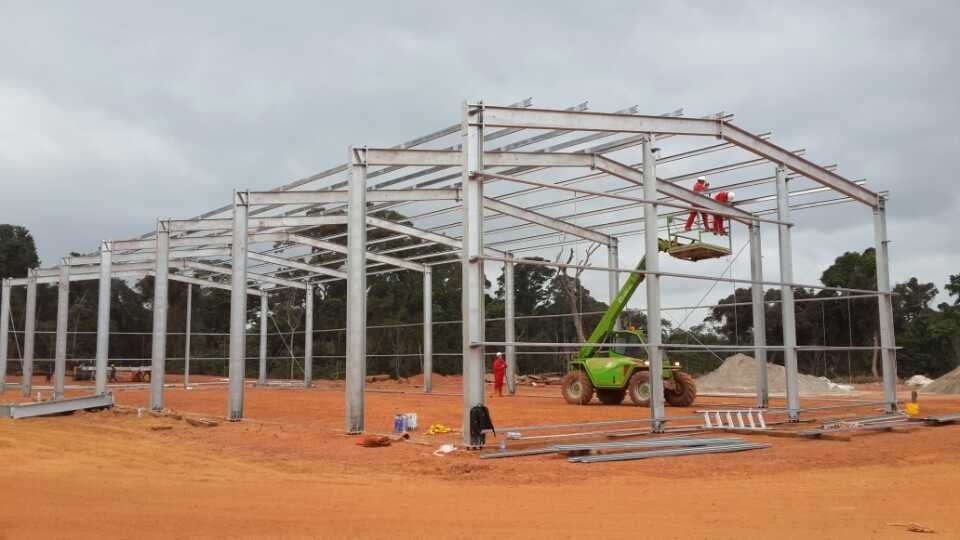
2. Core Advantages of Custom Metal Frame Warehouses in Maximizing Storage
Our custom metal frame warehouses are designed to maximize storage space and optimize operational efficiency, with a range of core advantages that set them apart from traditional storage solutions. These advantages are rooted in the flexibility of customization, the strength of metal frame construction, and the integration of advanced design concepts. The key advantages of custom metal frame warehouses in maximizing storage are specifically reflected in the following aspects:
2.1 Tailored Design for Optimal Space Utilization
The most significant advantage of custom metal frame warehouses is their ability to be tailored to the specific storage needs of each enterprise, ensuring optimal space utilization. Unlike standardized warehouses, which adopt a fixed design, our custom solutions start with a comprehensive analysis of the enterprise’s storage requirements—including the type, quantity, and size of goods stored, the storage method (palletized, bulk, shelving, etc.), the flow of goods, and the integration of intelligent logistics technologies. Based on this analysis, we design the warehouse’s layout, height, span, and internal structure to maximize every square meter of space.
For example, for enterprises that need to store a large number of palletized goods, we design high-ceiling warehouses (up to 20 meters or more) with wide spans (up to 50 meters) to accommodate multi-level pallet racking systems, significantly increasing vertical storage capacity. For enterprises that store bulk materials (such as grain, coal, and cement), we design open-span warehouses with reinforced floors and adjustable storage bins to maximize horizontal storage space and facilitate the loading and unloading of bulk goods. For enterprises that store small parts or fragile goods, we design mezzanine floors and custom shelving systems to utilize vertical space and improve storage density.
In addition, the flexible layout of custom metal frame warehouses allows for the optimization of goods flow, reducing the distance between storage areas and loading/unloading docks, and improving operational efficiency. We can design dedicated areas for receiving, storing, picking, packing, and shipping, ensuring a smooth and efficient workflow, which further enhances the overall storage efficiency of the warehouse.
2.2 High Strength and Load-Bearing Capacity for Vertical Expansion
Metal frame construction has excellent strength and load-bearing capacity, which is essential for maximizing vertical storage space. Our custom metal frame warehouses use high-quality high-strength steel (such as Q355B, Q460, and S355JR) for the main frame, with a yield strength of more than 355MPa, ensuring that the warehouse can withstand heavy loads and high ceilings. This allows us to design warehouses with heights of up to 30 meters, which is significantly higher than traditional brick-concrete warehouses (usually 6-8 meters), enabling enterprises to utilize vertical space to the maximum extent.
The high load-bearing capacity of metal frames also allows for the installation of multi-level pallet racking systems, mezzanine floors, and heavy-duty storage equipment, further increasing storage density. For example, a 15-meter-high custom metal frame warehouse with a multi-level pallet racking system can store 3-4 times more goods than a traditional 8-meter-high brick-concrete warehouse of the same floor area. In addition, the metal frame structure is highly stable, ensuring that the warehouse can safely support the weight of stored goods and equipment, even in harsh environmental conditions.
2.3 Flexibility and Scalability for Changing Storage Needs
Custom metal frame warehouses are highly flexible and scalable, making them ideal for enterprises with changing storage needs. Unlike traditional brick-concrete warehouses, which are difficult to modify, metal frame warehouses can be easily adjusted, expanded, or reconfigured to adapt to changes in business scale, product types, or storage methods.
For example, if an enterprise’s storage capacity needs to increase, we can expand the warehouse by adding additional steel frames and cladding, without disrupting the existing operations. If the enterprise needs to change the storage layout (such as switching from palletized storage to bulk storage), the internal structure of the metal frame warehouse can be easily modified by adjusting the racking systems, mezzanine floors, or partition walls. This flexibility ensures that the warehouse can adapt to the dynamic needs of the enterprise, reducing the need for costly new construction and maximizing the return on investment.
In addition, the modular design of custom metal frame warehouses allows for the prefabrication of steel components in the factory, which can be quickly assembled on-site. This modular approach not only shortens the construction cycle but also makes it easier to expand or modify the warehouse in the future. Enterprises can start with a small-scale warehouse and gradually expand it as their business grows, ensuring that their storage facilities always meet their current needs.
2.4 Compatibility with Intelligent Logistics Technologies
Modern storage optimization cannot be separated from intelligent logistics technologies, and our custom metal frame warehouses are designed to be fully compatible with these technologies. We integrate the installation of intelligent equipment into the design phase, ensuring that the warehouse has the necessary structural support, space, and wiring to accommodate automated storage and retrieval systems (AS/RS), warehouse management systems (WMS), conveyor belts, automated guided vehicles (AGVs), and other intelligent equipment.
For example, when designing a warehouse for e-commerce enterprises, we预留 space for AS/RS systems, with high ceilings and precise structural positioning to ensure that the automated equipment can operate smoothly. We also design smooth, flat floors to facilitate the movement of AGVs and conveyor systems, and integrate wiring for WMS to enable real-time inventory management and order processing. This integration of intelligent technologies significantly improves storage efficiency, reduces labor costs, and minimizes errors in inventory management, further maximizing the value of the warehouse.
2.5 Durability and Cost-Effectiveness for Long-Term Storage Value
Custom metal frame warehouses are highly durable and cost-effective, providing long-term value for enterprises. The high-quality steel used in the construction is resistant to corrosion, wear, and weathering, and we adopt advanced anti-corrosion treatment technologies (such as hot-dip galvanization and anti-corrosion paint spraying) to further extend the service life of the warehouse. The service life of our custom metal frame warehouses is more than 50 years, which is significantly longer than traditional brick-concrete warehouses (30-50 years) and wooden warehouses (20-30 years).
In addition, the construction cycle of custom metal frame warehouses is short—usually 3-6 months, which is 50% faster than brick-concrete warehouses. This short construction cycle allows enterprises to put the warehouse into use quickly, reducing the time to market and improving the return on investment. The maintenance costs of metal frame warehouses are also low—due to their durability and resistance to damage, they require only regular inspection and simple maintenance, which is far lower than the maintenance costs of traditional warehouses.
Furthermore, metal is a 100% recyclable material, making custom metal frame warehouses an environmentally friendly storage solution. At the end of the warehouse’s service life, the steel components can be recycled and reused, reducing resource waste and construction waste, which is in line with the global green development trend and helps enterprises achieve their sustainability goals.
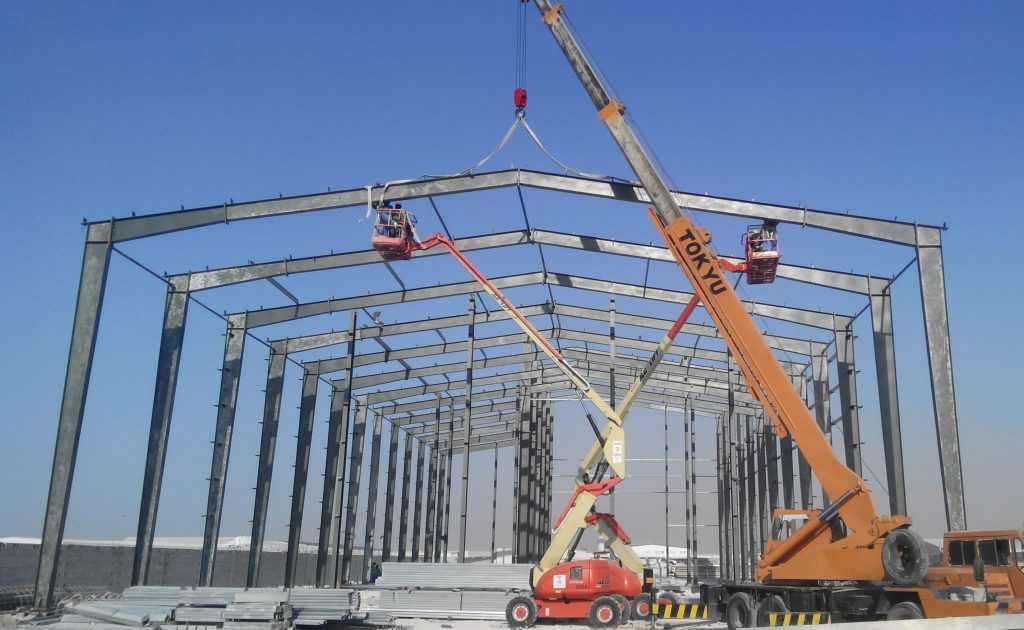
3. Core Technologies and Design Strategies for Custom Metal Frame Warehouses
The ability of custom metal frame warehouses to maximize storage space is supported by advanced core technologies and scientific design strategies. We integrate advanced design concepts, precision manufacturing technologies, and quality control systems to ensure that each custom warehouse meets the highest standards of storage optimization, durability, and safety. The core technologies and design strategies are specifically reflected in the following aspects:
3.1 Advanced Design Technologies: BIM and Digital Twin
We adopt advanced Building Information Modeling (BIM) technology and digital twin simulation technology in the design phase of custom metal frame warehouses, ensuring the scientificity and rationality of the design. BIM technology allows us to build a three-dimensional digital model of the warehouse, which can simulate the layout, structure, load-bearing capacity, and goods flow of the warehouse in detail. This virtual prototyping technology enables us to identify potential design problems in advance (such as insufficient space utilization, unreasonable load distribution, or incompatibility with intelligent equipment) and optimize the design scheme in a timely manner.
Digital twin simulation technology takes this a step further by creating a virtual replica of the warehouse that is connected to the physical warehouse in real time. This allows us to simulate the operation of the warehouse under different conditions (such as different storage loads, goods flow rates, and environmental conditions), predict the performance of the warehouse, and optimize the design to maximize storage efficiency. For example, we can use digital twin technology to simulate the layout of pallet racking systems and mezzanine floors, ensuring that the storage density is maximized while maintaining smooth goods flow.
In addition, BIM and digital twin technologies enable us to collaborate with customers more effectively during the design phase. Customers can view the 3D model of the warehouse, provide feedback on the layout and design, and make adjustments in real time, ensuring that the final design meets their specific storage needs.
3.2 High-Quality Steel Material Selection and Anti-Corrosion Technology
The quality of steel materials is the foundation of the durability and load-bearing capacity of custom metal frame warehouses. We strictly select high-quality high-strength steel materials from well-known domestic and foreign steel manufacturers, including Q355B, Q460, S355JR, and other series of high-strength steel. These steel materials have excellent yield strength, tensile strength, and ductility, ensuring that the warehouse can withstand heavy loads and high ceilings.
Corrosion is one of the main factors affecting the durability of metal frame warehouses, especially in harsh environments (such as coastal areas, humid regions, and industrial zones). To solve this problem, we adopt a “double protection” anti-corrosion system of hot-dip galvanization and anti-corrosion paint spraying. The hot-dip galvanization process forms a dense zinc layer on the surface of steel components, which can effectively prevent corrosion caused by rain, humidity, salt spray, and chemical substances. The anti-corrosion paint adopts a “two primers and two topcoats” alkyd paint system, which further improves the anti-corrosion performance of the structure, extending the service life of the warehouse to more than 50 years.
For warehouses in special environments (such as cold regions, high-temperature regions, or areas with high levels of chemical pollution), we also customize anti-corrosion solutions, such as using weather-resistant steel materials, adding anti-corrosion layers, or adopting special paint systems, to ensure the durability of the warehouse.
3.3 Optimized Structural Design for Storage Efficiency
We adopt a variety of optimized structural designs to maximize storage efficiency, including truss structures, frame structures, and composite structures. The choice of structure depends on the specific storage needs of the enterprise, the size of the warehouse, and the local climate conditions.
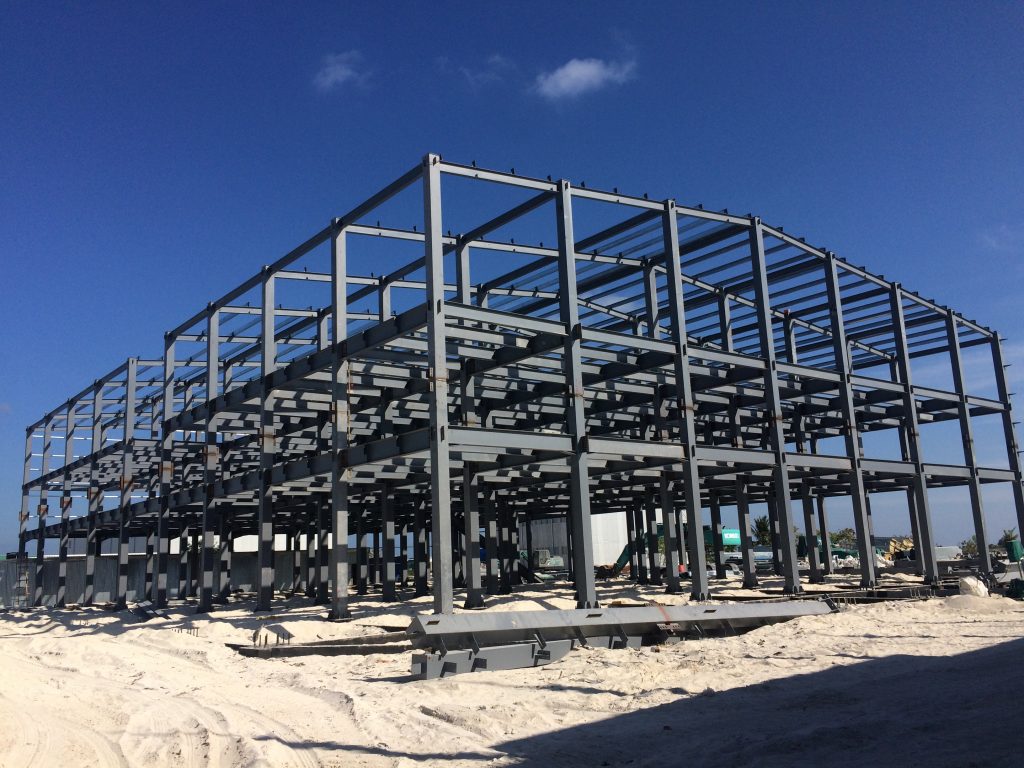
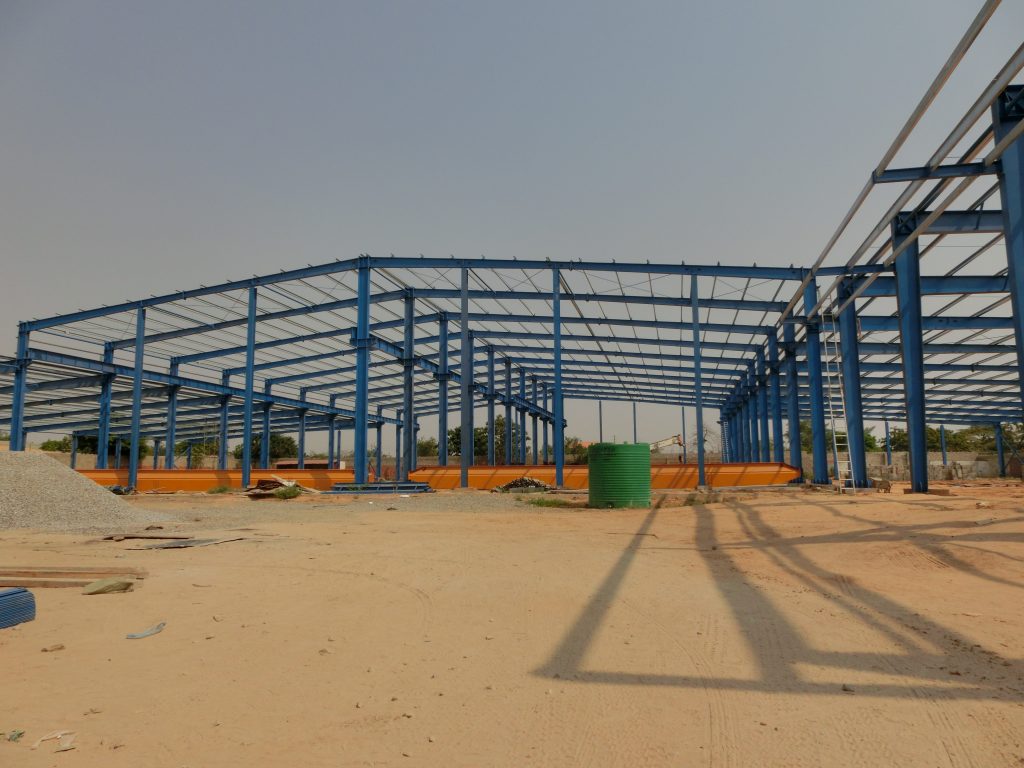
Truss structures are ideal for large-span warehouses (up to 50 meters or more), as they have excellent load-bearing capacity and can span large spaces without the need for intermediate columns. This design maximizes the open space in the warehouse, making it easier to install large-scale storage equipment (such as pallet racking systems and bulk storage bins) and facilitate the movement of goods. Frame structures are suitable for multi-story warehouses or warehouses with mezzanine floors, as they provide strong support for the floors and ensure the stability of the structure. Composite structures (combining truss and frame structures) are used for complex warehouses that require both large spans and multi-level storage, providing the best of both worlds in terms of space utilization and structural stability.
In addition, we optimize the node design of the steel frame to ensure that the connection between components is firm and stable, improving the overall load-bearing capacity of the warehouse. We also design the roof and walls of the warehouse to be lightweight and durable, using materials such as color steel sandwich panels, which not only reduce the weight of the structure but also provide thermal insulation and moisture-proof performance, ensuring that the warehouse is suitable for storing a variety of goods.
3.4 Precision Manufacturing and Quality Control
The precision of steel components is crucial for the structural stability and storage efficiency of custom metal frame warehouses. We have multiple modern production bases equipped with advanced automated production equipment, including CNC cutting machines, robotic welding machines, shot blasting machines, and precision testing equipment. These equipment ensure that the steel components are manufactured with high precision, with a tolerance of less than 0.2mm, ensuring that the components fit together perfectly during installation.
We implement a strict quality control system throughout the production process, from raw material inspection to finished product inspection. All steel raw materials are inspected strictly before entering the production line, and unqualified raw materials are firmly rejected. During the production process, we monitor the cutting, welding, and anti-corrosion treatment of components, ensuring that each link meets the quality standards. After production, all finished components are inspected strictly according to international standards (such as ISO 9001, CE EN 1090, and SGS), ensuring that each component meets the design requirements.
In addition, we have established a quality traceability system, which records the production process, inspection results, and other information of each component, enabling full traceability of product quality. This system not only ensures the quality of the products but also provides a reliable basis for after-sales maintenance and service.
3.5 Customized Layout Design for Specific Storage Needs
The layout design of the warehouse is a key factor in maximizing storage efficiency, and we tailor the layout to the specific storage needs of each enterprise. We first conduct a comprehensive analysis of the enterprise’s goods types, storage quantity, storage method, and goods flow, and then design a layout that optimizes space utilization and operational efficiency.
For example, for e-commerce enterprises with a large number of SKUs, we design a layout with multi-level pallet racking systems and dedicated picking areas, ensuring that each SKU is stored in an orderly manner and can be picked quickly. For manufacturing enterprises that store bulk raw materials and oversized equipment, we design an open-span layout with reinforced floors and large loading/unloading docks, facilitating the loading and unloading of goods. For cold chain enterprises, we design a layout with separate temperature-controlled zones, ensuring that different types of perishable goods are stored at the appropriate temperature.
We also optimize the flow of goods in the warehouse, designing dedicated paths for receiving, storing, picking, packing, and shipping, reducing the distance between different areas and improving operational efficiency. For example, we place the loading/unloading docks close to the storage areas to minimize the distance that goods need to be moved, and design picking paths that minimize the time and effort required to pick goods.
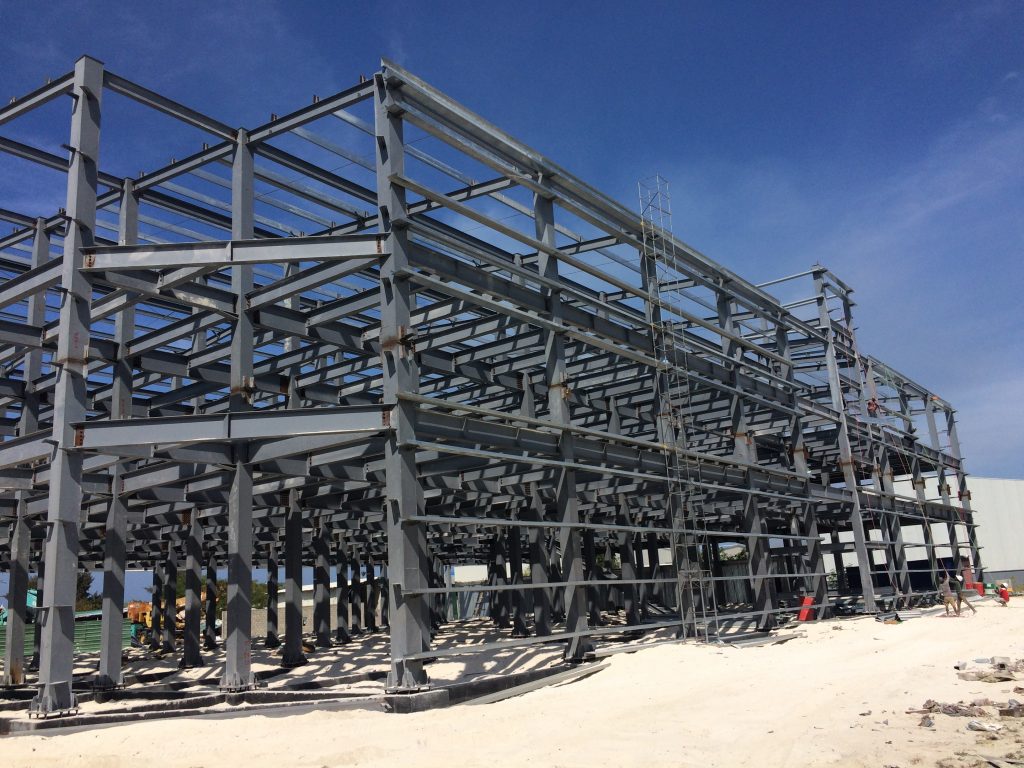
4. Typical Application Cases of Custom Metal Frame Warehouses
Over the years, we have completed numerous custom metal frame warehouse projects around the world, serving enterprises in various industries, including logistics, manufacturing, agriculture, e-commerce, and cold chain. These projects have not only verified the effectiveness of our custom solutions in maximizing storage but also brought significant economic benefits to our customers. The following are several typical application cases that showcase the strength and innovation of our custom metal frame warehouses.
4.1 E-Commerce Custom Metal Frame Distribution Center Project in North America
A leading e-commerce enterprise in North America needed to build a large-scale distribution center to meet the growing demand for online shopping. The enterprise required the distribution center to have a large storage capacity, high storage density, and compatibility with intelligent logistics technologies, as well as the flexibility to expand in the future. After comparing multiple solutions, the enterprise chose our custom metal frame warehouse solution.
For this project, we conducted a comprehensive analysis of the enterprise’s storage needs, including the types of goods (clothing, electronics, home goods, etc.), the number of SKUs (more than 100,000), and the order processing volume (more than 50,000 orders per day). Based on this analysis, we designed a custom metal frame distribution center with a total area of 50,000 square meters and a height of 18 meters. The warehouse adopted a truss structure with a span of 45 meters, maximizing the open space for storage equipment.
The internal layout of the warehouse was designed to accommodate a multi-level AS/RS system, with 15 levels of pallet racking, significantly increasing the vertical storage capacity. We also designed dedicated picking areas, packing areas, and shipping areas, with automated conveyor systems connecting each area to ensure a smooth workflow. The warehouse was equipped with a WMS to enable real-time inventory management and order processing, improving operational efficiency and reducing errors.
The project adopted a modular design, allowing for future expansion. The construction cycle was only 4 months, and the warehouse was put into use on schedule. After the completion of the project, the distribution center’s storage capacity was increased by 300% compared to the enterprise’s previous warehouse, and the order processing efficiency was improved by 250%. The enterprise’s operational costs were reduced by 40%, and the customer satisfaction rate was significantly improved. This project fully demonstrates the ability of our custom metal frame warehouses to maximize storage for e-commerce enterprises.
4.2 Manufacturing Custom Metal Frame Warehouse Project in Europe
A large manufacturing enterprise in Germany needed to build a custom warehouse to store bulk raw materials (such as steel, aluminum, and plastic) and oversized production equipment. The enterprise required the warehouse to have a large open space, high load-bearing capacity, and durability, as well as the flexibility to adjust the storage layout according to changes in production needs. We provided a tailored custom metal frame warehouse solution for the project.
The warehouse had a total area of 30,000 square meters, with a height of 15 meters and a span of 50 meters, adopting a truss structure to maximize open space. The floor of the warehouse was reinforced with high-strength concrete, with a load-bearing capacity of up to 50 tons per square meter, enabling it to store heavy raw materials and oversized equipment. We designed adjustable bulk storage bins for the raw materials, and dedicated areas for the storage of oversized equipment, optimizing the use of space.
The warehouse was equipped with large loading/unloading docks and cranes, facilitating the loading and unloading of bulk materials and equipment. We also designed a flexible layout that allowed the enterprise to adjust the storage areas according to changes in production needs, such as increasing the storage space for a particular raw material or adding a new area for equipment storage.
The project was completed in 5 months, and the warehouse has been in stable operation for many years. The enterprise’s storage capacity has been increased by 200%, and the operational efficiency of loading and unloading has been improved by 150%. The warehouse’s durability and low maintenance costs have also brought significant economic benefits to the enterprise, reducing its long-term operational costs by 35%.
4.3 Agricultural Custom Metal Frame Warehouse Project in Southeast Asia
A large agricultural enterprise in Thailand needed to build a custom warehouse to store agricultural products (such as rice, rubber, and fruits) and agricultural machinery. The enterprise required the warehouse to have moisture-proof, insect-proof, and ventilation functions, as well as a large storage capacity to accommodate the seasonal harvest of agricultural products. We provided a customized metal frame warehouse solution tailored to the local climate conditions and the enterprise’s storage needs.
The warehouse had a total area of 20,000 square meters, with a height of 12 meters and a span of 35 meters. We used moisture-proof color steel sandwich panels for the walls and roof, and installed a high-efficiency ventilation system to reduce humidity and prevent mold growth. The warehouse was also equipped with anti-mosquito nets and insect-proof facilities to protect the agricultural products from insect infestations.
The internal layout of the warehouse was designed to separate the storage areas for agricultural products and agricultural machinery. We designed multi-level shelving systems for the storage of rice and rubber, and open areas for the storage of agricultural machinery. The warehouse also had a dedicated area for the processing and packaging of agricultural products, improving the operational efficiency of the enterprise.
The project was completed in 3 months, and the warehouse has been in stable operation for many years. The enterprise’s storage capacity has been increased by 180%, and the loss of agricultural products due to moisture and insect infestations has been reduced by 80%. The warehouse’s durability and adaptability to the tropical climate have been highly recognized by the enterprise, helping it to improve the efficiency of agricultural product storage and transportation.
4.4 Cold Chain Custom Metal Frame Warehouse Project in South America
A cold chain logistics enterprise in Brazil needed to build a custom cold storage warehouse to store perishable goods (such as fruits, vegetables, and meat). The enterprise required the warehouse to have precise temperature control, thermal insulation, and durability, as well as a large storage capacity to meet the growing demand for cold chain storage. We provided a customized metal frame cold storage warehouse solution for the project.
The warehouse had a total area of 25,000 square meters, with a height of 14 meters and a span of 40 meters. We used high-quality thermal insulation color steel sandwich panels for the walls and roof, with a thermal conductivity of less than 0.03 W/(m·K), ensuring effective thermal insulation. The warehouse was divided into multiple temperature-controlled zones (ranging from -20°C to 10°C), allowing for the storage of different types of perishable goods at the appropriate temperature.
The warehouse was equipped with an advanced temperature control system, which could monitor and adjust the temperature in real time, ensuring that the temperature remained stable. We also designed a sealed structure to prevent cold air leakage, reducing energy consumption for refrigeration. The internal layout of the warehouse was designed to accommodate multi-level pallet racking systems, maximizing the storage capacity, and the loading/unloading docks were equipped with insulated doors to prevent cold air loss during loading and unloading.
The project was completed in 6 months, and the warehouse has been in stable operation for many years. The enterprise’s cold storage capacity has been increased by 250%, and the energy consumption for refrigeration has been reduced by 30%. The warehouse’s precise temperature control and durability have ensured the quality of perishable goods, reducing the loss rate by 70%, and bringing significant economic benefits to the enterprise.
5. The Impact of Custom Metal Frame Warehouses on the Global Storage and Logistics Industry
Our custom metal frame warehouses have not only brought significant economic benefits to individual enterprises but also had a profound impact on the global storage and logistics industry, promoting the transformation and upgrading of the industry and redefining the standards of efficient storage. The impact is specifically reflected in the following aspects:
5.1 Promoting the Transformation of Storage Industry from Standardization to Customization
Before the emergence of custom metal frame warehouses, the global storage industry was dominated by standardized storage facilities, which could not meet the diverse and personalized storage needs of enterprises. Our custom metal frame warehouse solutions have broken this pattern, promoting the transformation of the storage industry from standardization to customization. By providing tailored solutions for each enterprise, we have helped enterprises maximize storage space, improve operational efficiency, and gain a competitive edge in the market.
This transformation has also driven the development of related industries, such as steel production, component processing, and intelligent logistics equipment. More and more enterprises in the storage and logistics industry are beginning to adopt custom metal frame warehouses, forming a new industrial chain of custom storage solutions, which has promoted the healthy development of the global storage industry.
5.2 Improving the Overall Efficiency of the Global Supply Chain
Custom metal frame warehouses play a crucial role in improving the overall efficiency of the global supply chain. By maximizing storage space and optimizing operational efficiency, these warehouses help enterprises reduce inventory costs, improve order processing speed, and shorten the time for goods to reach the market. This is particularly important in the context of global supply chain integration, where efficient storage and logistics are essential for maintaining competitiveness.
For example, e-commerce enterprises using custom metal frame distribution centers can process orders more quickly, ensuring that goods are delivered to customers in a timely manner. Manufacturing enterprises using custom metal frame warehouses can optimize the storage of raw materials and finished products, reducing production delays and improving production efficiency. Cold chain enterprises using custom metal frame cold storage warehouses can ensure the quality of perishable goods, extending the shelf life of products and expanding the market reach.
5.3 Driving the Development of Intelligent Logistics
Custom metal frame warehouses are closely integrated with intelligent logistics technologies, driving the development of intelligent logistics in the global storage and logistics industry. Our custom solutions are designed to accommodate a variety of intelligent equipment, such as AS/RS, WMS, AGVs, and automated conveyor systems, which significantly improve storage efficiency and reduce labor costs.
The integration of intelligent technologies and custom metal frame warehouses has also promoted the digital transformation of the storage industry. Enterprises can use WMS to monitor inventory in real time, track the flow of goods, and optimize storage layout, improving the visibility and controllability of the storage process. This digital transformation not only improves operational efficiency but also helps enterprises make more informed decisions based on data, further optimizing their storage and logistics strategies.
5.4 Promoting Green and Sustainable Development of the Storage Industry
Custom metal frame warehouses are an environmentally friendly storage solution, promoting the green and sustainable development of the global storage industry. Steel is a 100% recyclable material, and the steel components of custom metal frame warehouses can be recycled and reused after the warehouse’s service life, reducing resource waste and construction waste. In addition, the short construction cycle of metal frame warehouses reduces the environmental impact of construction, and the thermal insulation and energy-saving design of the warehouses reduces energy consumption, contributing to the realization of global “dual carbon” goals.
By promoting the use of custom metal frame warehouses, we are helping enterprises reduce their carbon footprint and achieve their sustainability goals, which is in line with the global trend of green development. This not only benefits the environment but also helps enterprises improve their brand image and gain the recognition of environmentally conscious customers.
6. Conclusion
In the era of global supply chain integration and digital transformation, efficient storage solutions are essential for the success of enterprises across all industries. Custom metal frame warehouses, with their tailored design, high strength, flexibility, and compatibility with intelligent technologies, have become the optimal choice for enterprises seeking to maximize storage space, improve operational efficiency, and reduce costs. Our custom metal frame warehouse solutions are designed to meet the unique storage needs of each enterprise, unlocking the full potential of storage optimization and delivering long-term value.
This article has comprehensively analyzed the limitations of traditional storage warehouses and the evolving market demand for optimized storage, demonstrating that custom metal frame warehouses are the future development direction of the global storage industry. Our custom solutions have significant advantages in space utilization, load-bearing capacity, flexibility, compatibility with intelligent technologies, durability, and cost-effectiveness, ensuring that each warehouse can maximize storage capacity and adapt to the changing needs of enterprises. The core technologies and design strategies, including BIM and digital twin technology, high-quality steel material selection, optimized structural design, precision manufacturing, and customized layout design, provide a solid foundation for the performance of our custom metal frame warehouses.
The typical application cases in North America, Europe, Southeast Asia, and South America have verified the effectiveness of our custom solutions in different industries and environments, showcasing our ability to deliver high-quality, tailored storage solutions for enterprises around the world. These projects have not only brought significant economic benefits to our customers but also promoted the transformation and upgrading of the global storage and logistics industry.
Custom metal frame warehouses have had a profound impact on the global storage and logistics industry: promoting the transformation from standardization to customization, improving the overall efficiency of the global supply chain, driving the development of intelligent logistics, and promoting green and sustainable development. As the global storage and logistics industry continues to evolve, the demand for custom metal frame warehouses will continue to grow, and we will continue to adhere to the concept of “customer-centric, quality-first”, deepen the research and development of custom storage technologies, optimize our solutions, and provide better services for global customers.
In the future, we will focus on three key development directions: first, strengthening the integration of custom metal frame warehouses with intelligent technologies such as artificial intelligence, big data, and the Internet of Things, promoting the development of intelligent and digital storage facilities; second, developing more environmentally friendly and energy-saving custom solutions, using new materials and new processes to reduce the carbon footprint of warehouses and contribute to global green development; third, expanding the global market, especially focusing on emerging markets and “Belt and Road” countries and regions, bringing our high-quality custom metal frame warehouse solutions to more enterprises around the world. With these efforts, we will continue to lead the development of the global custom storage industry, helping enterprises maximize storage value and achieve sustainable development in the dynamic global market.
Related news
-
Lida Group Delivers Durable Steel Structure Construction Projects
2026-02-26 17:00:30
-
Innovative Large Span Farm House Designed for Modern Agriculture
2026-02-26 16:48:45
-
Versatile Metal Frame Warehouse Solutions by Lida Group
2026-02-26 16:38:16
contact us
- Tel: +86-532-88966982
- Whatsapp: +86-13793209022
- E-mail: sales@lidajituan.com
