



Introduction: Building the Next Generation of Efficient Logistics Facilities
The rapid growth of global e-commerce, international trade, and supply chain networks has created new demands for modern logistics infrastructure. Today’s distribution centers are no longer simple storage facilities. They have evolved into highly efficient operational hubs where automation systems, transportation networks, inventory management technologies, and large-scale material handling processes work together.
To support these complex operations, logistics companies require warehouses that provide maximum flexibility, efficient space utilization, and long-term structural reliability. Traditional warehouse designs with frequent interior supports can limit operational efficiency by restricting equipment movement, reducing storage flexibility, and creating challenges for future expansion.
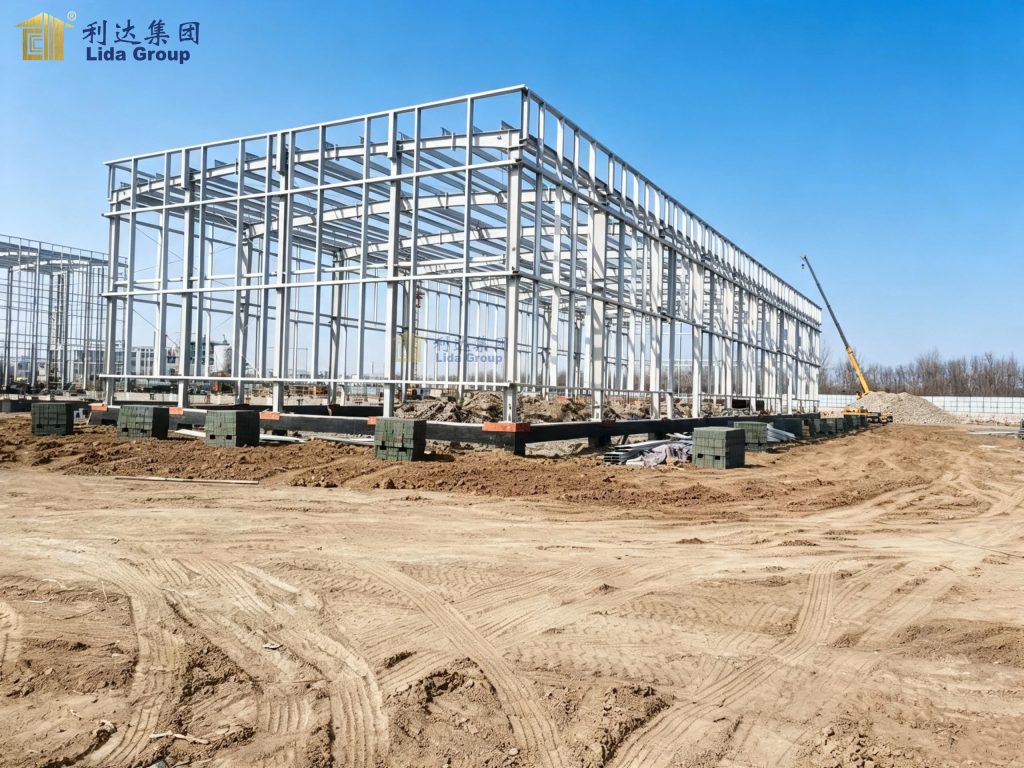
To address these requirements, a major logistics company has developed a long-span warehouse featuring open-web steel joists designed to create unobstructed floor plans. This advanced structural solution provides the open interior space needed for modern distribution operations while maintaining excellent load-bearing performance and design flexibility.
By using open-web steel joists as a key structural component, the warehouse achieves a spacious interior environment without unnecessary columns or obstacles. This allows logistics operators to optimize storage layouts, improve workflow efficiency, and integrate advanced technologies more effectively.
The project represents the growing importance of innovative steel structure solutions in the logistics industry. With the combination of long-span engineering, efficient construction methods, and adaptable design, modern steel warehouses are becoming essential infrastructure for businesses seeking greater operational performance.
The Changing Requirements of Modern Logistics Warehouses
From Storage Buildings to High-Performance Distribution Centers
The role of warehouses has changed significantly over recent years. In the past, warehouses were mainly used for storing goods until they were needed. Today, distribution facilities must support much more complex activities, including sorting, packaging, inventory management, order fulfillment, and automated material handling.
Modern logistics operations require buildings that can support:
-
Large storage capacity
-
Fast movement of goods
-
Automated systems
-
Flexible internal layouts
-
Efficient workforce management
A warehouse’s structural design directly influences how effectively these activities can be performed.
For example, interior columns may interrupt transportation routes, limit equipment positioning, and reduce the available space for storage systems. As logistics companies continue to adopt automation and advanced warehouse technologies, open and adaptable floor plans have become increasingly important.
Long-span steel structures provide an effective solution by creating large, uninterrupted spaces that allow businesses to maximize operational efficiency.
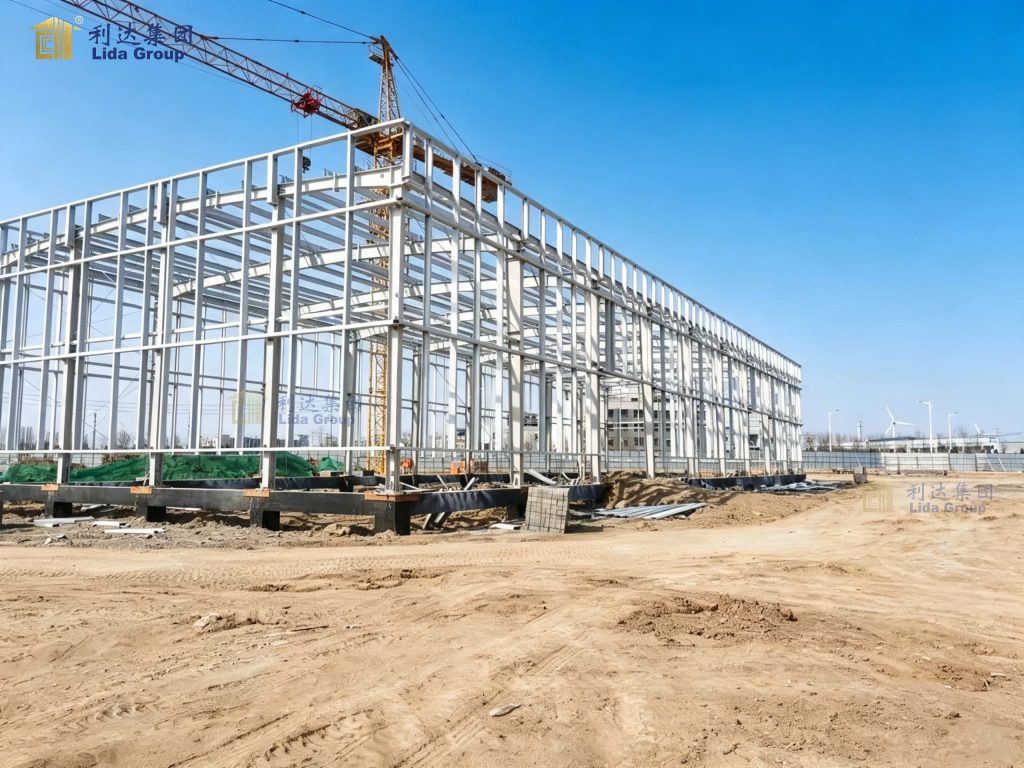
Understanding Open-Web Steel Joists in Warehouse Construction
Creating Large, Flexible Interior Spaces
Open-web steel joists are engineered structural components designed to support large spans while maintaining efficient material usage.
Unlike traditional solid beams, open-web steel joists use a lightweight truss-like design that provides strength while reducing overall structural weight. This makes them particularly suitable for large commercial and industrial buildings where wide interior spaces are required.
In warehouse applications, open-web steel joists offer several important advantages:
-
Greater interior flexibility
-
Reduced need for supporting columns
-
Efficient structural performance
-
Easier installation of building systems
The open design also allows mechanical, electrical, and ventilation systems to pass through the joists more efficiently, helping simplify building coordination.
For large logistics facilities, this means more usable space and improved adaptability for future operational changes.
The Advantages of a Long-Span Warehouse Design
Maximizing Space Utilization for Distribution Operations
One of the primary goals of modern warehouse design is maximizing usable floor space.
A long-span warehouse eliminates many of the limitations associated with traditional structural layouts. By reducing the number of interior supports, the building provides a large open area where companies can arrange storage systems, equipment, and work zones according to their operational requirements.
This open environment allows logistics companies to:
-
Optimize warehouse layouts
-
Improve traffic flow
-
Increase storage density
-
Adapt to changing business needs
For distribution operations that depend on speed and accuracy, layout flexibility is a major competitive advantage.
As inventory requirements change and new technologies are introduced, an unobstructed warehouse floor plan allows operators to modify internal arrangements without major structural changes.
Supporting Modern Distribution Technologies
Preparing Warehouses for Automation and Smart Operations
The logistics industry is increasingly adopting advanced technologies, including automated storage systems, robotic handling equipment, and intelligent inventory management platforms.
These technologies require warehouse environments with flexible layouts and reliable structural conditions.
A long-span warehouse supported by open-web steel joists provides an ideal foundation for these developments.
The open interior space allows easier installation and adjustment of:
-
Automated equipment
-
Conveyor systems
-
Storage racks
-
Sorting facilities
-
Operational zones
Without excessive interior columns, automated equipment can move more efficiently and companies can redesign workflows as operational demands evolve.
This adaptability ensures that the warehouse remains valuable and functional for many years.
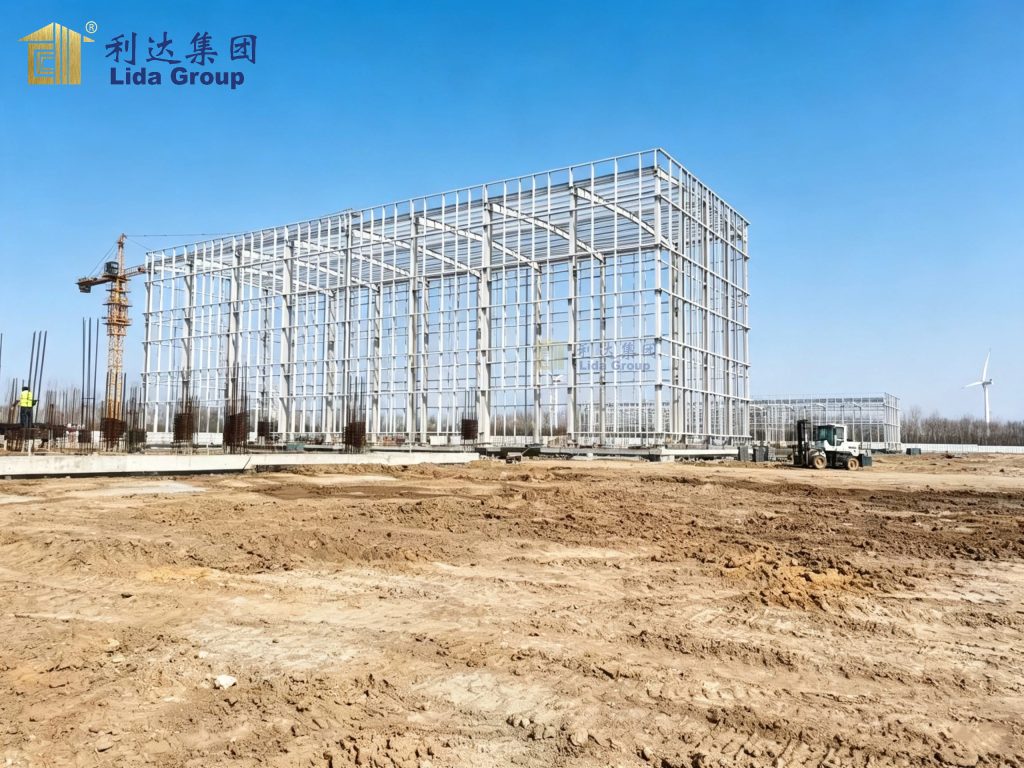
Structural Strength and Reliability of Steel Warehouse Systems
Engineering for Heavy-Duty Industrial Applications
Logistics warehouses must withstand demanding operational conditions. They are often required to support heavy storage loads, frequent equipment movement, and continuous daily activity.
Steel structures are widely used in industrial construction because of their excellent strength, durability, and design flexibility.
The long-span warehouse system combines carefully engineered steel components to provide:
-
Reliable load-bearing capacity
-
Structural stability
-
Long service life
-
Resistance to demanding operating conditions
Open-web steel joists contribute to the overall efficiency of the structure by providing strong support across wide spaces while maintaining a relatively lightweight design.
Through professional engineering and quality manufacturing, steel warehouses can provide dependable performance for large-scale logistics operations.
Improving Operational Efficiency Through Better Warehouse Design
Creating a More Productive Working Environment
A warehouse is not only a physical structure; it is an important part of the supply chain system.
The design of the building can influence productivity, safety, and overall operational performance.
An unobstructed floor plan provides advantages by improving movement efficiency within the facility.
Forklifts, automated vehicles, workers, and inventory systems can operate with fewer physical limitations.
The open layout also improves visibility, allowing managers to monitor operations more effectively and adjust workflows when necessary.
For major logistics companies handling large volumes of goods, these improvements can contribute to faster processing times and better resource utilization.
Efficient Construction Through Steel Prefabrication
Reducing Project Complexity and Improving Quality Control
Modern steel warehouses benefit from prefabrication technology, where many structural components are manufactured in controlled factory environments before being transported to the construction site.
This approach improves construction efficiency by reducing dependence on complex on-site fabrication.
The prefabricated process allows:
-
More consistent manufacturing quality
-
Faster assembly
-
Better material control
-
Reduced construction waste
Steel components can be produced according to precise engineering specifications and assembled efficiently on-site.
For large logistics projects, shorter construction schedules mean facilities can become operational sooner, helping companies respond more quickly to market demands.
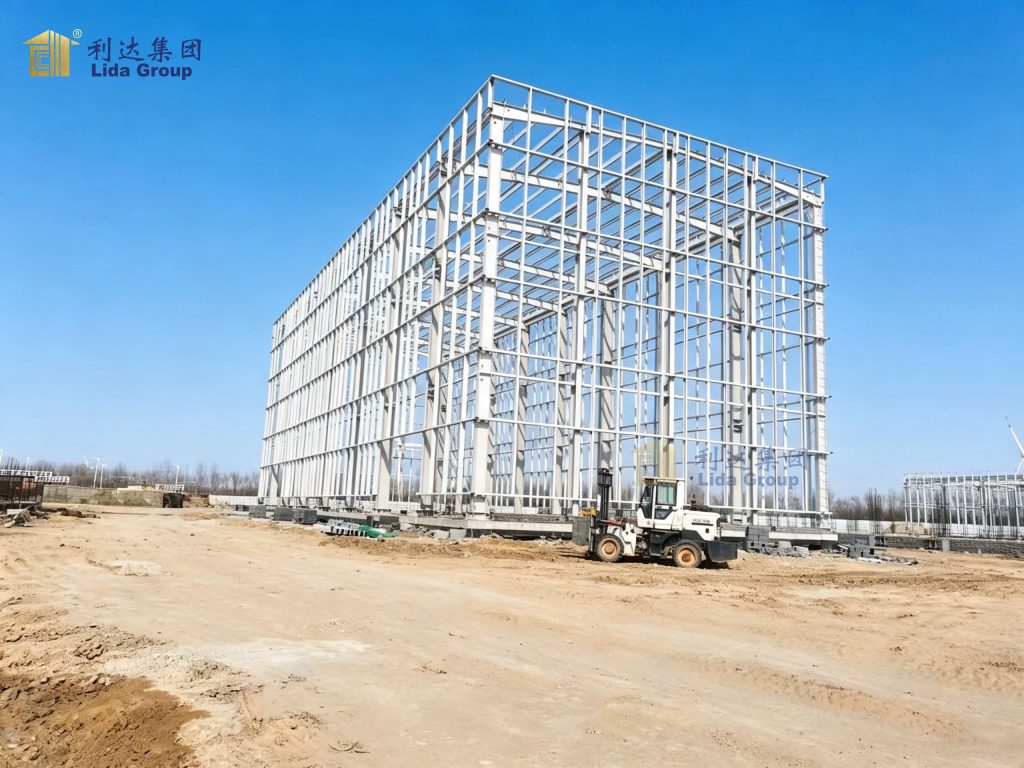
Flexible Design for Future Expansion
Creating Warehouses That Adapt to Business Growth
The logistics industry is constantly changing. Companies may experience increased inventory volumes, new distribution requirements, or technological upgrades.
A warehouse designed with flexibility in mind can adapt more easily to these changes.
The long-span steel structure provides a strong foundation for future development.
Because the interior space is largely unobstructed, businesses can modify layouts without major structural adjustments.
Future improvements may include:
-
Additional storage systems
-
New automation equipment
-
Updated logistics workflows
-
Expanded operational areas
This adaptability helps extend the useful life of the warehouse and protects the long-term value of the investment.
Sustainability Benefits of Steel Structure Warehouses
Supporting More Responsible Industrial Development
Sustainability has become an important consideration in modern industrial construction.
Steel warehouse systems contribute to more environmentally responsible development in several ways.
Steel is a recyclable material, allowing resources to be recovered and reused at the end of a building’s service life.
The efficiency of prefabricated steel construction also helps reduce material waste during production and installation.
In addition, large-span warehouse designs can support energy-efficient solutions by providing better opportunities for:
-
Natural lighting systems
-
Efficient ventilation design
-
Optimized building management
By combining structural efficiency with sustainable practices, steel warehouses support the future development of greener logistics infrastructure.
Applications Beyond Traditional Warehousing
A Versatile Solution for Multiple Industrial Needs
Although designed primarily for logistics operations, long-span steel warehouses can serve many other industries.
Their flexible layouts and strong structures make them suitable for:
-
Manufacturing facilities
-
Distribution centers
-
Industrial workshops
-
Equipment storage buildings
-
Commercial logistics hubs
The ability to create large, open spaces makes these structures valuable wherever efficient movement and flexible operations are required.
As industries continue to demand more adaptable facilities, long-span steel construction will remain an important building solution.
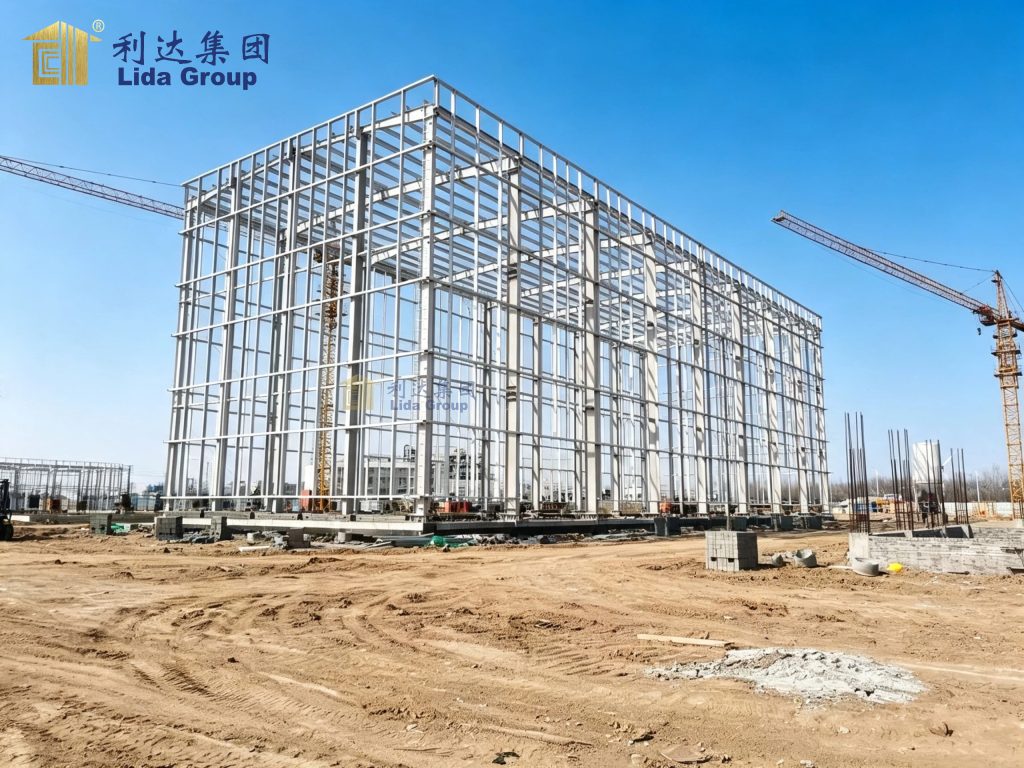
The Role of Professional Engineering in Large Warehouse Projects
Ensuring Performance from Design to Completion
The success of a long-span warehouse depends on careful planning, engineering expertise, and quality control throughout the entire project process.
Professional engineers must consider factors such as:
-
Building dimensions
-
Structural loads
-
Local environmental conditions
-
Operational requirements
-
Future expansion plans
A successful warehouse is not simply a large building. It is a carefully designed operational environment that supports the company’s business objectives.
By combining advanced structural technology with practical logistics requirements, engineers can create facilities that deliver both immediate and long-term value.
The Future of Long-Span Steel Warehouses
Supporting the Evolution of Global Supply Chains
As global supply chains continue to develop, demand for efficient logistics facilities will keep increasing.
Future warehouses will require greater flexibility, smarter technology integration, and improved sustainability.
Long-span steel structures with open-web steel joists are expected to play an increasingly important role because they provide the adaptable spaces needed for next-generation distribution operations.
The combination of structural efficiency, construction speed, and operational flexibility makes these buildings well suited for the future of logistics.
As companies continue investing in automation and advanced supply chain management, warehouse design will become an increasingly important factor in maintaining competitiveness.
Conclusion: Long-Span Steel Warehouses Creating the Future of Logistics Infrastructure
The long-span warehouse developed for a major logistics company demonstrates how advanced steel structure technology can support modern distribution operations.
By incorporating open-web steel joists, the facility achieves an unobstructed floor plan that provides maximum flexibility for storage, automation, and future operational adjustments. This design approach allows logistics companies to optimize space utilization while maintaining strong structural performance and long-term reliability.
Compared with traditional warehouse designs that rely on more restrictive interior structures, long-span steel solutions offer greater adaptability and efficiency for today’s rapidly changing logistics environment.
Through innovative engineering, efficient construction methods, and flexible design principles, modern steel warehouses are becoming essential assets for businesses seeking improved supply chain performance.
As global logistics continues to evolve, facilities that combine strength, flexibility, and intelligent design will play a critical role in supporting faster, smarter, and more efficient distribution networks. Long-span steel warehouses with open-web steel joists represent a powerful solution for meeting the challenges of modern industrial development and building the future of logistics infrastructure.

Related news
-
A Tour of Lida Group’s State-of-the-Art Prefab Home Factory and the Mass Customization Techniques Used to Produce High-Quality Sandwich Panel Buildings
2026-08-24 15:30:22
-
Poultry producer partners with fabrication specialists at Lida Group to construct large-scale cost-efficient steel-framed poultry house
2026-08-13 16:57:49
-
Lida Group's new patented sandwich panel system could revolutionize fast and affordable construction of prefabricated modular homes
2026-08-12 17:08:39
contact us
- Tel: +86-532-88966982
- Whatsapp: +86-13793209022
- E-mail: sales@lidajituan.com
