



The global housing and construction sector stands at a critical crossroads. Confronted with the intertwined challenges of rapid urbanization, environmental degradation, and a growing demand for affordable, yet high-quality living spaces, the industry is being compelled to abandon outdated models and seek innovative solutions. In this landscape of transition, Lida Group has emerged not merely as a manufacturer but as a visionary pioneer, championing a radical new paradigm: Modern Free Design Container Living. This concept represents a fundamental departure from the early, often rigid applications of shipping containers in architecture. It is a holistic philosophy that redefines these steel modules not as constraints, but as liberating tools for creating sustainable, adaptable, and profoundly human-centric habitats. Lida Group’s vision is not about placing people in boxes; it is about using the container as a generative DNA to craft spaces that are both deeply personal and universally responsive to the pressing needs of our time.
This article will delve into the core principles of Lida Group’s vision, exploring how the company synthesizes the virtues of modular construction with boundless aesthetic and functional freedom, thereby charting a course for the future of how we live, work, and connect with our environment.
**Part 1: The Foundational Imperative – Why a New Vision is Necessary**
To fully appreciate Lida’s vision, one must first understand the deficits of the status quo.
**1.1 The Failings of Conventional Construction**
Traditional brick-and-mortar construction is increasingly seen as anachronistic and unsustainable. It is a slow, labor-intensive process plagued by protracted timelines, frequent budget overruns, and massive material waste—often exceeding 30% on a typical project. This model is ill-suited to address the urgent need for rapid urbanization, where cities must accommodate millions of new residents each year. Furthermore, the design of many modern residential developments often prioritizes profit over people, resulting in generic, inflexible spaces that fail to foster community or connect with their natural surroundings.
**1.2 The Limitations of Early Container Architecture**
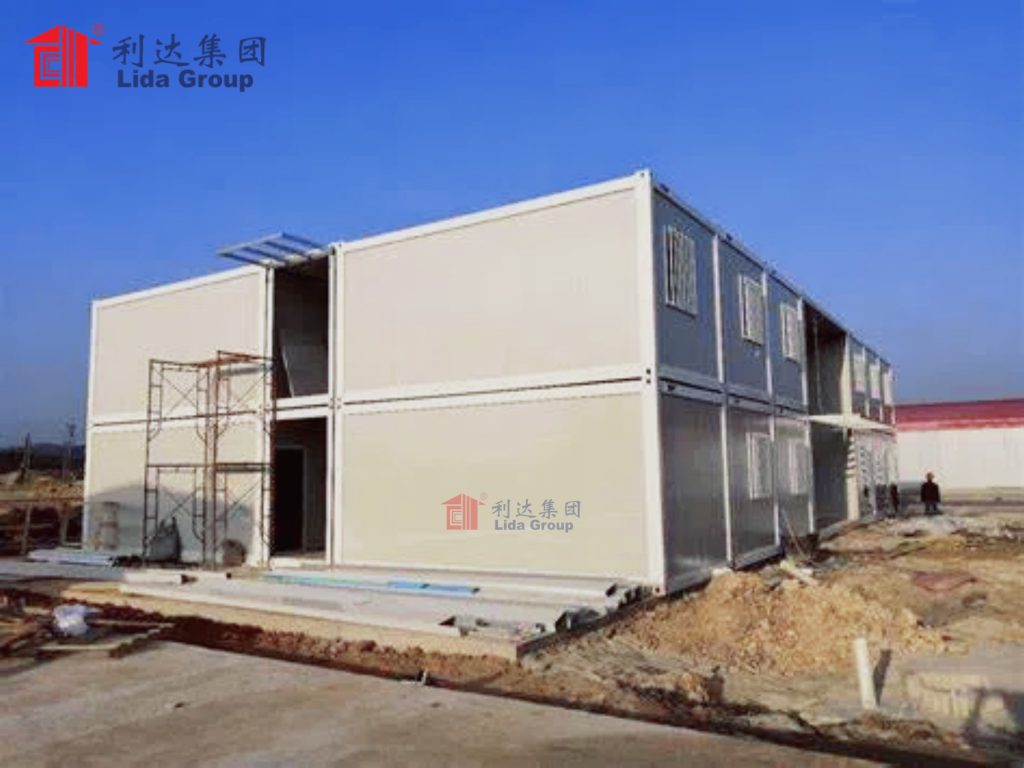
The initial wave of container architecture, while well-intentioned, often fell short of its potential. Many projects treated the container as a finished product rather than a starting point. The results were frequently defined by their limitations: low ceilings, narrow floor plans, an overtly industrial aesthetic, and challenges with thermal performance. This reinforced the public perception of container homes as being cramped, temporary, or solely the domain of avant-garde enthusiasts on a tight budget. The “box” remained a box, albeit a repurposed one.
Lida Group’s vision directly confronts these shortcomings, offering a compelling alternative that leverages the container’s inherent strengths while systematically eliminating its historical limitations.
**Part 2: The Pillars of Lida’s Vision**
Lida Group’s philosophy for Modern Free Design Container Living is built upon four interdependent pillars that collectively form a robust new framework for construction.
**Pillar 1: Uncompromising “Free Design”**
This is the most revolutionary aspect of Lida’s approach. “Free Design” signifies a complete emancipation from the rectilinear tyranny of the single container unit.
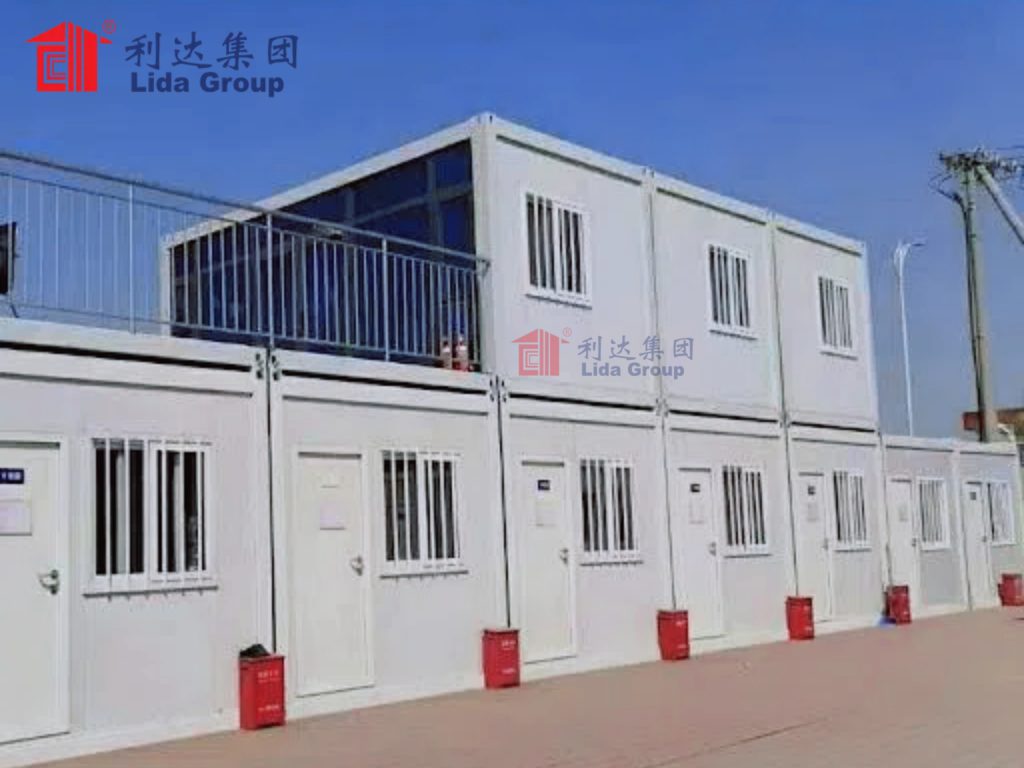
* **Spatial Agility:** Lida treats individual containers as primary structural components—three-dimensional pixels that can be aggregated in infinite configurations. Through advanced engineering, containers are stacked, cantilevered, splayed at angles, and clustered around central atriums. A Lida design might feature a dramatic overhang creating a sheltered carport, a series of containers radiating out from a central living core like the petals of a flower, or a vertical stack that is deliberately offset to create terraces on multiple levels.
* **Architectural Expression:** The exterior is no longer defined solely by corrugated steel. Lida employs a sophisticated system of external cladding and insulation. A container structure can be clad in warm cedar wood, sleek composite panels, rustic stone veneer, or even living green walls. This allows the building to aesthetically blend into any environment, from a forest retreat to an urban infill site, while the container skeleton provides the underlying strength and modular efficiency.
* **The Power of the Cut:** Perhaps the most transformative technique is the strategic removal of container walls. Lida’s designs often replace entire sides with floor-to-ceiling glazing systems, effectively turning a solid wall into a transparent membrane that dissolves the boundary between inside and outside. Sections of the roof are removed to create interior courtyards; ends are opened up to form grand entrances; and portions of floors and ceilings are cut away where units intersect to create double-height living spaces filled with light and volume.
**Pillar 2: Core Modular Efficiency**
The freedom of design is not achieved through bespoke, one-off fabrication. It is precisely enabled by a disciplined, modular system.
* **Pre-Engineered Precision:** Lida has developed a proprietary system of pre-engineered connection details, structural reinforcements, and standardized component kits. This means that even the most complex, free-form design is assembled from a catalog of precision-manufactured parts. This factory-controlled approach ensures unparalleled quality control, structural integrity, and safety.
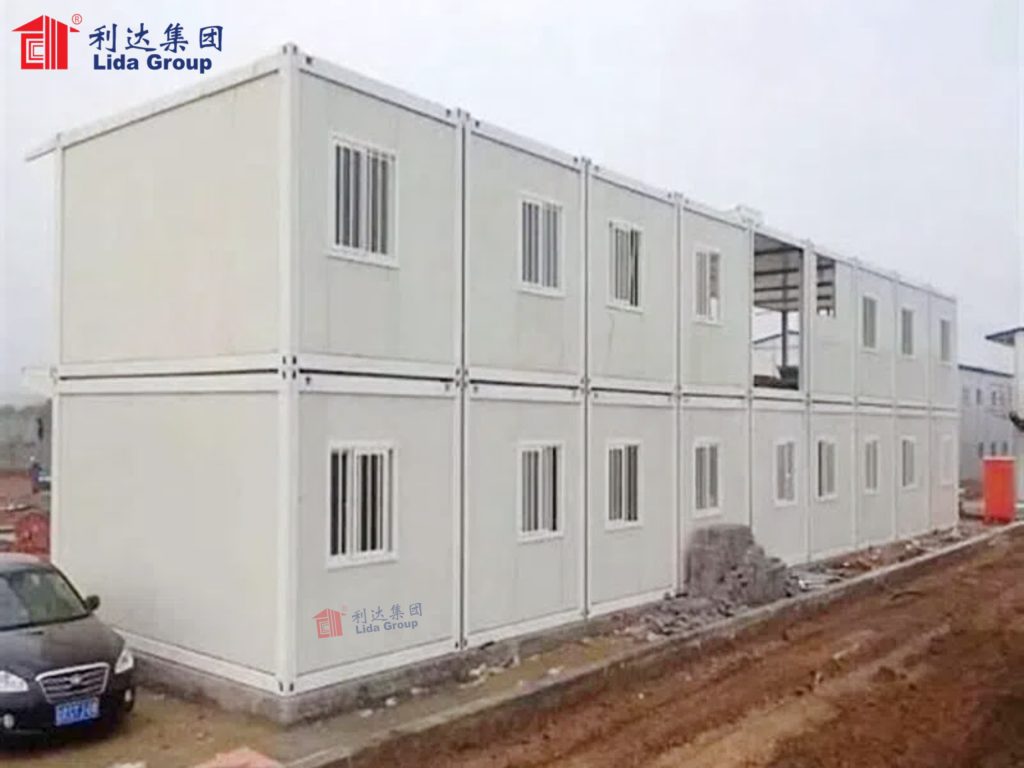
* **The Speed of Assembly:** By marrying modular efficiency with free design, Lida achieves what seems like a contradiction: highly customized homes built with the speed of prefabrication. While the site is prepared, the container modules are being professionally modified, insulated, and pre-fitted with MEP (Mechanical, Electrical, and Plumbing) systems in a controlled factory setting. On-site assembly then becomes a rapid process of connecting these large, complex modules, reducing construction time by up to 60% compared to traditional methods.
**Pillar 3: Deep-Rooted Sustainability**
For Lida, sustainability is not a buzzword but a non-negotiable core value, deeply embedded in every stage of the building’s lifecycle.
* **Circular Economy in Practice:** The primary act of using retired shipping containers is a massive exercise in adaptive reuse, diverting significant steel waste from landfills and reducing the demand for virgin building materials.
* **High-Performance Building Envelope:** Lida’s container structures are engineered to be highly energy-efficient. Advanced insulation materials, such as spray foam that conforms to the corrugations, are combined with high-performance windows and airtight seals to create a superior thermal envelope. This drastically reduces the energy required for heating and cooling, leading to low utility bills and a small carbon footprint.
* **Integrated Green Technology:** Sustainability is designed in, not bolted on. Lida’s designs readily incorporate solar panels on large roof areas, rainwater harvesting systems, and greywater recycling. The strategic placement of glazing maximizes passive solar gain in winter and natural cross-ventilation in summer, minimizing reliance on mechanical systems.
**Pillar 4: Human-Centric Experience**
Ultimately, the success of any living space is measured by the quality of life it affords its inhabitants. Lida’s vision places human experience at its center.
* **Health and Wellbeing:** The emphasis on natural light, connection to the outdoors, and the use of non-toxic, low-VOC (Volatile Organic Compound) materials creates a healthy indoor environment. The biophilic design—connecting people to nature—is a natural outcome of large windows framing views and the use of natural materials like wood and stone.
* **Adaptability and Personalization:** The inherent flexibility of the modular system means that a Lida home can evolve with its occupants. A growing family can add new modules; a home office can be reconfigured; interior layouts can be changed with relative ease. This “future-proofing” ensures the home remains relevant and functional for decades.
* **Community and Context:** Lida’s vision extends beyond the single dwelling. They envision container modules as building blocks for sustainable communities—be it a cluster of eco-friendly villas, a student housing complex, or a resort. The design is always sensitive to its context, respecting the local culture, topography, and climate.
**Part 3: The Lida Process: From Vision to Reality**
Realizing this ambitious vision requires a seamless, integrated process that blends architectural creativity with industrial discipline.
**Phase 1: Co-Creation and Conceptual Design**
The journey begins with a deep, collaborative dialogue between the client and Lida’s design team. Using advanced 3D modeling and BIM (Building Information Modeling), the team and client explore possibilities in a virtual environment. This phase is not about selecting from a catalog, but about co-creating a unique living concept that reflects the client’s lifestyle, site, and aspirations.
**Phase 2: Digital Engineering and Factory Fabrication**
Once the design is finalized, the digital model becomes the blueprint for manufacturing. The power of BIM allows Lida to resolve all structural, mechanical, and aesthetic conflicts digitally before any physical work begins. In the factory, the containers undergo their transformation: they are cut, reinforced, insulated, and pre-fitted with windows, doors, and internal systems. This controlled environment guarantees a level of quality, precision, and consistency that is unattainable in on-site construction.
**Phase 3: Rapid On-Site Assembly and Finishing**
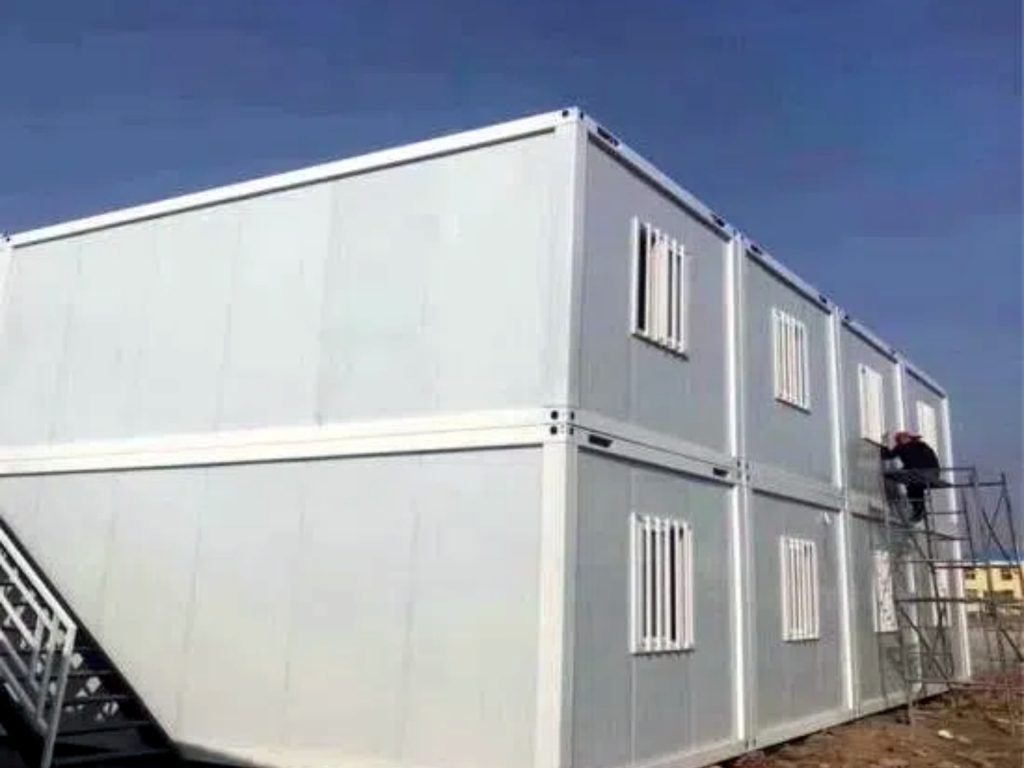
The pre-fabricated modules are transported to the site and assembled with crane-assisted precision. The speed of this phase is a direct result of the extensive off-site work. With the structure enclosed in days or weeks, the focus shifts to interior finishing and the connection of site utilities. The client receives a turnkey home that is a direct physical manifestation of the initial digital vision.
**Part 4: A Glimpse into the Future: Conceptual Applications of the Vision**
Lida’s vision is scalable and applicable across a diverse range of typologies.
* **The “Cliffside Sanctuary”:** A private residence where multiple containers are cantilevered over a dramatic landscape, featuring glass walls, a green roof, and a design that makes the inhabitant feel immersed in nature.
* **The “Urban Oasis” Village:** A mid-rise, high-density residential complex in a city center, built from stacked and offset containers. It features communal rooftop gardens, shared courtyards carved from the volume, and ground-floor commercial spaces, all wrapped in a dynamic, modern facade that revitalizes an urban block.
* **The “Modular Frontier” Research Station:** A deployable facility for extreme environments, demonstrating the system’s robustness and self-sufficiency. It can be shipped flat-packed and assembled on-site with minimal intervention, powered by integrated renewables.
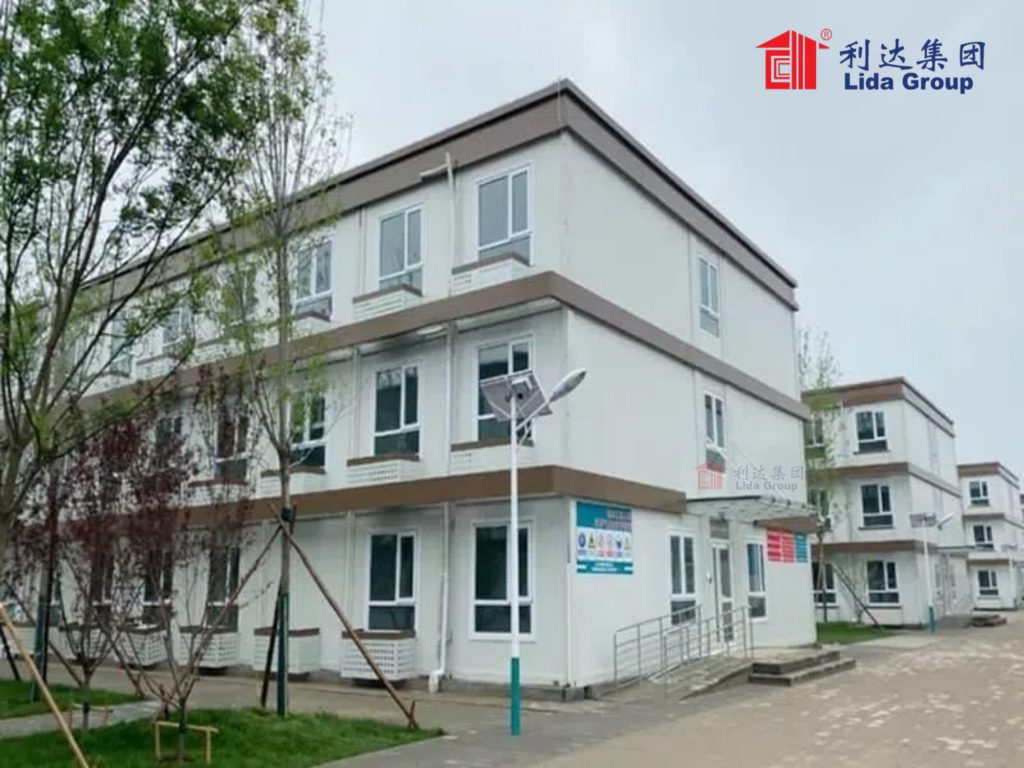
**Conclusion: A Manifesto for a New Architectural Language**
Lida Group’s vision for Modern Free Design Container Living is far more than a construction technique; it is a comprehensive manifesto for a smarter, more sustainable, and more expressive way of living. It successfully dismantles the perceived conflict between efficiency and artistry, between affordability and quality, and between modular standardization and individual expression.
By championing **”Free Design,”** Lida has liberated the container from its industrial past, transforming it into a versatile medium for architectural creativity. By grounding this freedom in a system of **core modular efficiency**, they have ensured that this creativity is practical, scalable, and economically viable. By embedding **deep-rooted sustainability** into their process, they have aligned their vision with the ecological imperatives of the 21st century. And by placing the **human-centric experience** at the heart of everything they do, they have ensured that their buildings are not just structures, but homes that enhance well-being and foster connection.
In the final analysis, Lida Group is not just selling container buildings; they are offering a new language for architecture—one where the vocabulary is modular and efficient, but the poetry is boundless. They present a future where our homes are not static, burdensome assets, but dynamic, adaptable partners in our lives; where construction is a clean, precise process rather than a disruptive, wasteful one; and where the dream of a beautiful, sustainable, and personalized home is accessible to a far wider audience. This is the profound promise and the powerful vision of Lida Group: a future where we live not in boxes, but in freedom.
Related news
-
Sustainable Prefab Mobile Container House by Lida Group
2025-11-27 13:38:33
-
Blending Aesthetics with Modern Free Design Container Building
2025-11-27 13:49:27
-
Achieve Speed and Savings with Cost-Effective Prefab Construction
2025-11-27 13:55:36
contact us
- Tel: +86-532-88966982
- Whatsapp: +86-13793209022
- E-mail: sales@lidajituan.com
