



Lida Group’s Prefab House: Quality, Speed, and Affordability Combined.
2025-Dec-05 10:35:46
By Admin
In an era marked by urbanization, housing shortages, and the urgent need for sustainable building solutions, prefabricated (prefab) construction has emerged as a transformative force in the global construction industry. Unlike traditional on-site building methods—plagued by delays, waste, and cost overruns—prefab construction involves manufacturing building components in a controlled factory environment before transporting and assembling them on-site. This approach offers unparalleled efficiency, consistency, and flexibility, making it ideal for residential, commercial, industrial, and emergency housing needs. Among the leading players shaping this revolution is Lida Group, a China-based multinational specializing in prefab house design, production, and installation. For over two decades, Lida Group has distinguished itself by mastering the delicate balance of three critical factors that define prefab excellence: uncompromising quality, rapid construction speed, and competitive affordability. By integrating advanced technology, rigorous quality control, and optimized supply chains, Lida Group has not only redefined customer expectations but also set new standards for the prefab industry worldwide. This article delves into how Lida Group harmonizes these three pillars, explores the technical and operational strategies behind its success, and examines the real-world impact of its prefab solutions across diverse markets and applications.
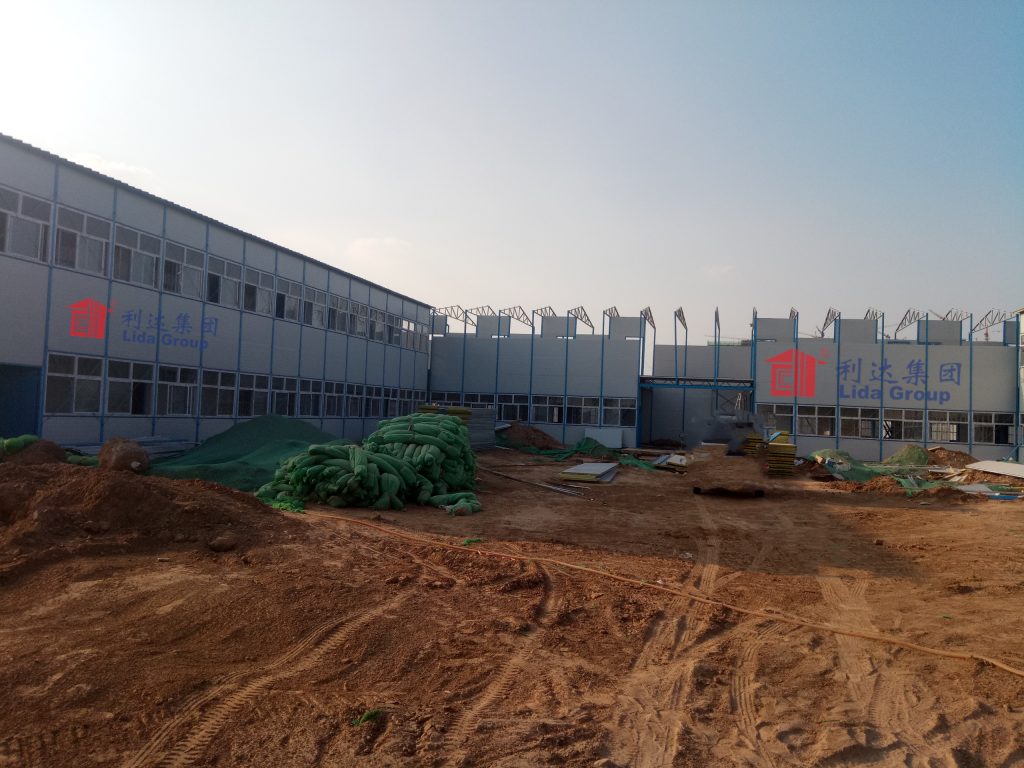
1. Company Overview: Lida Group’s Journey to Prefab Leadership
Founded in 2005 and headquartered in Qingdao, China—a major hub for manufacturing and international trade—Lida Group has evolved from a regional building materials supplier to a global leader in prefab construction. With a registered capital of $50 million, over 5,000 employees, and 12 production bases spanning China, Southeast Asia, and Africa, the company boasts an annual production capacity of 100,000 prefab units, ranging from modular homes and office buildings to disaster relief shelters and temporary facilities. Lida Group’s global footprint extends to more than 80 countries, including the United States, Germany, Australia, Kenya, and Brazil, serving clients in government sectors, real estate development, mining, oil and gas, and humanitarian aid organizations.
What sets Lida Group apart is its unwavering commitment to innovation and customer-centricity. The company invests 8% of its annual revenue in research and development (R&D), maintaining a team of 300+ engineers and architects dedicated to advancing prefab technology, material science, and sustainable design. Lida Group holds over 200 patents for modular construction systems, energy-efficient solutions, and smart building integration, and it has earned international certifications such as ISO 9001 (Quality Management), ISO 14001 (Environmental Management), CE (Conformité Européenne), and UL (Underwriters Laboratories). These credentials underscore the company’s adherence to global standards and its ability to deliver reliable, compliant products to diverse markets.
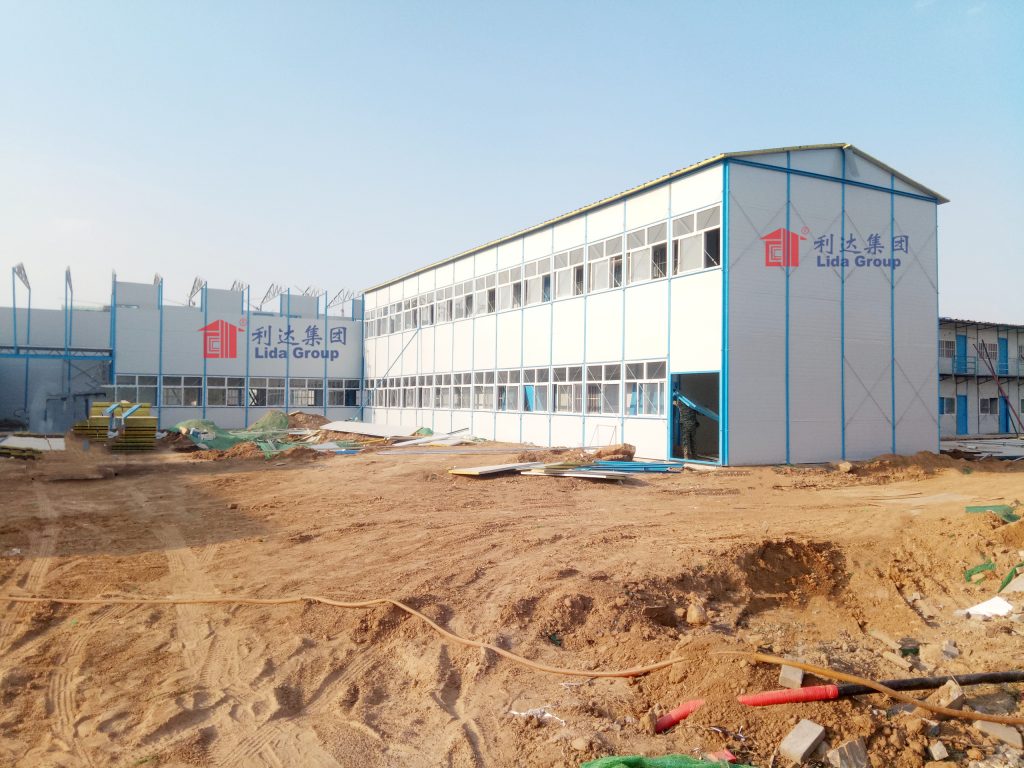
2. Quality: The Foundation of Lida’s Prefab Solutions
In prefab construction, quality is non-negotiable—residential and commercial clients alike demand structures that are safe, durable, and comfortable, while withstanding the test of time and environmental conditions. Lida Group has built its reputation on a rigorous, end-to-end quality control (QC) system that leaves no room for compromise. This system encompasses four key stages: raw material sourcing, factory production, on-site assembly, and post-delivery inspection.
2.1 Raw Material Sourcing: Premium Inputs for Superior Outputs
Lida Group’s quality journey begins with the selection of raw materials, as the durability of prefab houses depends entirely on the integrity of their components. The company partners with globally recognized suppliers for core materials, including high-grade galvanized steel (from Baosteel and ArcelorMittal), fire-resistant and eco-friendly sandwich panels (insulated with polyurethane foam or rock wool), tempered glass (from Saint-Gobain), and corrosion-resistant fasteners (from Hilti). All materials undergo strict pre-inspection before entering production: steel is tested for tensile strength (minimum 350 MPa) and galvanization thickness (≥85 μm) to ensure resistance to rust and structural deformation; sandwich panels are checked for thermal conductivity (≤0.024 W/(m·K)) and fire rating (≥2 hours) to meet energy efficiency and safety standards; and wood-based materials (used in interior finishes) are certified by the Forest Stewardship Council (FSC) to ensure sustainability and low formaldehyde emissions (≤0.124 mg/m³, complying with EU E0 standards).
Lida Group also prioritizes traceability in its supply chain. Each batch of materials is assigned a unique QR code, allowing the company to track its origin, production date, and inspection results throughout the manufacturing process. This transparency not only ensures accountability but also enables rapid recalls or adjustments if any material fails to meet specifications.
2.2 Factory Production: Precision Manufacturing in Controlled Environments
Unlike traditional on-site construction, which is vulnerable to weather, human error, and inconsistent craftsmanship, Lida Group’s prefab components are manufactured in climate-controlled, automated factories. This controlled environment eliminates variables that compromise quality, such as rain, temperature fluctuations, or uneven work surfaces. The company’s production lines are equipped with state-of-the-art technology, including computer numerical control (CNC) cutting machines, robotic welding arms, and automated assembly stations, which ensure precision to within ±0.5 mm—far exceeding the tolerance levels of manual construction.
Each production stage is governed by strict standard operating procedures (SOPs) based on ISO 9001 guidelines. For example, steel frame fabrication involves three rounds of inspection: first, the CNC machine’s programming is verified to ensure accurate cutting; second, robotic welds are checked for uniformity and strength using ultrasonic testing; and third, the finished frame is measured for dimensional accuracy using 3D laser scanners. Sandwich panel production follows a similar process: core insulation is bonded to outer layers using high-pressure polyurethane adhesive (with a shear strength of ≥0.15 N/mm²), and panels are cured in temperature-controlled chambers for 24 hours to ensure maximum adhesion.
Lida Group also implements a “zero-defect” policy in production, with 100% of components inspected before packaging. Defective parts are immediately rejected and recycled, preventing substandard materials from reaching the construction site. This commitment to factory quality control results in prefab components that fit together seamlessly during on-site assembly, reducing the risk of leaks, structural weaknesses, or performance issues.
2.3 On-Site Assembly: Professional Installation and Quality Assurance
Even the highest-quality prefab components require skilled installation to ensure structural integrity. Lida Group employs a team of certified on-site technicians—trained in modular assembly, safety protocols, and local building codes—who oversee the entire installation process. Before assembly begins, the site is prepared to Lida’s specifications: the foundation is leveled to within ±2 mm (using laser leveling tools), and anchor points are installed to secure the prefab units against wind and seismic activity.
The assembly process itself is streamlined and precise. Prefab units are transported to the site in pre-finished modules (including walls, floors, ceilings, and internal fixtures) and lifted into place using cranes equipped with GPS positioning. Technicians then connect the modules using high-strength bolts (torqued to 450 N·m) and seal joints with weather-resistant silicone (meeting ISO 11600 Class 25 LM standards) to prevent water infiltration. Electrical and plumbing systems—pre-installed in the factory—are connected using quick-connect fittings, and final inspections are conducted to ensure compliance with local electrical codes (e.g., NEC in the U.S., IEC in Europe) and plumbing standards.
After assembly, Lida Group conducts a comprehensive post-installation inspection, covering structural stability (using load-testing equipment), thermal performance (via infrared thermography), waterproofing (through water spray tests), and indoor air quality (measuring VOC emissions). Only when all tests are passed does the company hand over the keys to the client, accompanied by a detailed quality report and warranty documentation.
2.4 Warranty and After-Sales Support: Long-Term Quality Assurance
To back its commitment to quality, Lida Group offers one of the industry’s most comprehensive warranties: a 50-year structural warranty (covering steel frames and foundations), a 20-year warranty on sandwich panels (against delamination and thermal performance degradation), and a 5-year warranty on electrical and plumbing systems. The company also provides 24/7 after-sales support, with local service centers in key markets to address any maintenance or repair needs promptly.
This long-term warranty reflects Lida Group’s confidence in its products. Independent testing by third-party laboratories—including the China Building Materials Test & Certification Group (CBMTC) and the U.S. National Institute of Standards and Technology (NIST)—has validated the durability of Lida’s prefab houses: they can withstand wind speeds of up to 250 km/h (Category 5 hurricanes), seismic activity of up to 8.0 on the Richter scale, and extreme temperatures ranging from -40°C to 60°C. In addition, Lida’s prefab houses have a life expectancy of 60+ years—comparable to or exceeding that of traditional brick-and-mortar buildings—making them a long-term, low-risk investment for clients.
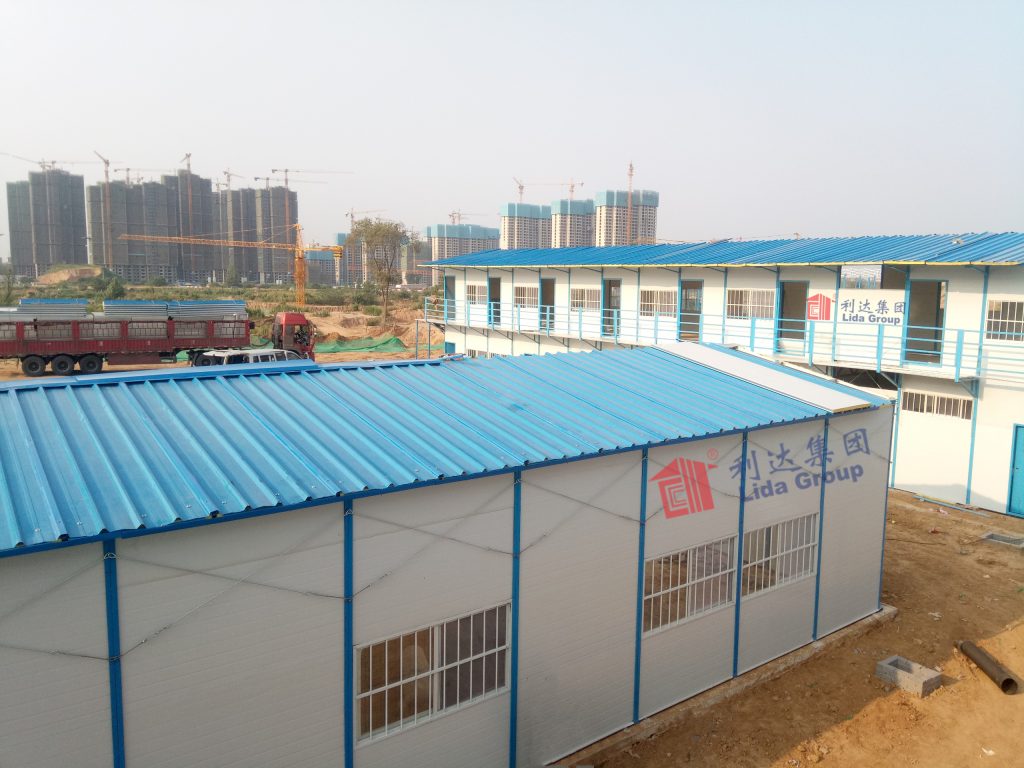
3. Speed: Redefining Construction Timelines with Modular Efficiency
One of the most compelling advantages of prefab construction is its speed, and Lida Group has optimized this advantage to deliver projects in a fraction of the time required by traditional construction. By decoupling on-site work from component manufacturing—two processes that happen simultaneously—Lida Group slashes project timelines by 50% to 70%, enabling clients to occupy or monetize their buildings faster. This speed is not just a convenience; it translates to tangible economic benefits, including reduced labor costs, lower financing expenses, and faster return on investment (ROI).
3.1 The Science of Parallel Processing: Factory Production + Site Preparation
Traditional construction follows a linear timeline: site preparation → foundation laying → framing → roofing → plumbing/electrical → interior finishing. Each stage must be completed before the next begins, leading to delays if any step encounters issues (e.g., bad weather, material shortages, or labor shortages). Lida Group’s modular approach, by contrast, leverages parallel processing: while the client’s site is being prepared (foundation work, utility connections), Lida’s factories are manufacturing the prefab modules. This simultaneous workflow eliminates downtime and compresses the overall project timeline.
For example, a 1,000-square-meter residential building with 10 units would take 6 to 9 months to complete using traditional construction. With Lida’s prefab solution, the timeline is reduced to 45 to 60 days: 20 days for site preparation and foundation work, 25 days for factory production of modules, and 5 to 10 days for on-site assembly and finishing. This acceleration is even more dramatic for larger projects: a 10,000-square-meter office complex, which would take 12 to 18 months with traditional methods, can be delivered by Lida in 4 to 6 months.
3.2 Automated Production: Reducing Cycle Times with Technology
Lida Group’s investment in automated production technology is a key driver of its speed advantage. The company’s factories feature fully automated assembly lines that can produce a standard 3m×6m prefab module in just 4 hours—compared to 24 hours for manual production. CNC cutting machines can process steel beams 10 times faster than manual cutting, while robotic welding arms complete welds in seconds with consistent quality. Automated material handling systems (conveyor belts, robotic arms) reduce downtime between production stages, ensuring a continuous workflow.
Lida Group also uses Building Information Modeling (BIM) software to optimize the design and production process. BIM creates a 3D digital model of the entire building, allowing engineers to identify and resolve design conflicts before production begins. The model is then used to generate precise cutting lists, welding instructions, and assembly guides for the factory floor, eliminating errors and reducing rework. BIM also integrates with the company’s supply chain management system, ensuring that materials are delivered to the factory just-in-time (JIT) to avoid stockpiling and delays.
3.3 Streamlined On-Site Assembly: From Modules to Move-In Ready
On-site assembly is the final piece of the speed puzzle, and Lida Group has refined this process to be as efficient as possible. The company’s prefab modules are designed for “plug-and-play” installation: all electrical, plumbing, and HVAC systems are pre-installed in the factory, with only final connections needed on-site. Modules are also lightweight (a standard module weighs 2 to 3 tons) and compact, making them easy to transport and lift into place.
A typical on-site assembly team consists of 4 to 6 technicians, supported by a crane operator. For a 5-unit residential project, the team can assemble all modules in 2 to 3 days, followed by 2 to 3 days of finishing work (sealing joints, testing systems, and minor cosmetic touches). This efficiency is amplified by Lida’s use of digital tools: technicians use tablet-based checklists synced to the company’s cloud platform to track progress in real time, while GPS-enabled cranes ensure precise module placement without trial-and-error.
Lida Group also minimizes on-site disruptions. Unlike traditional construction, which requires large crews, heavy machinery, and extended site occupancy, Lida’s assembly process generates minimal noise, dust, and waste. This makes its prefab solutions ideal for urban areas, tight construction sites, or projects where minimizing disruption to surrounding communities is critical (e.g., school expansions, hospital additions, or residential developments in dense neighborhoods).
3.4 Speed in Action: Case Studies of Rapid Delivery
The impact of Lida’s speed advantage is best illustrated through real-world projects. In 2022, Lida Group partnered with the Kenyan government to deliver 500 emergency housing units for refugees displaced by floods. Using parallel processing, Lida’s factories in Nairobi began manufacturing modules within 72 hours of the contract signing, while site teams prepared 10 hectares of land for foundation work. The first 100 units were assembled and ready for occupancy in just 14 days, and the entire project was completed in 45 days—far faster than the 3 to 6 months required for traditional construction. This rapid delivery helped 2,500 refugees secure safe shelter before the start of the rainy season, earning Lida Group recognition from the United Nations High Commissioner for Refugees (UNHCR).
Another example is a 20,000-square-meter office park for a tech company in Shenzhen, China. Lida Group delivered the project in 5 months, compared to the 12-month timeline for traditional construction. The client was able to move its 800 employees into the building 7 months early, generating an additional $2.4 million in revenue from accelerated operations. The project also reduced on-site labor costs by 40% and eliminated weather-related delays, which are common in Shenzhen’s humid subtropical climate.
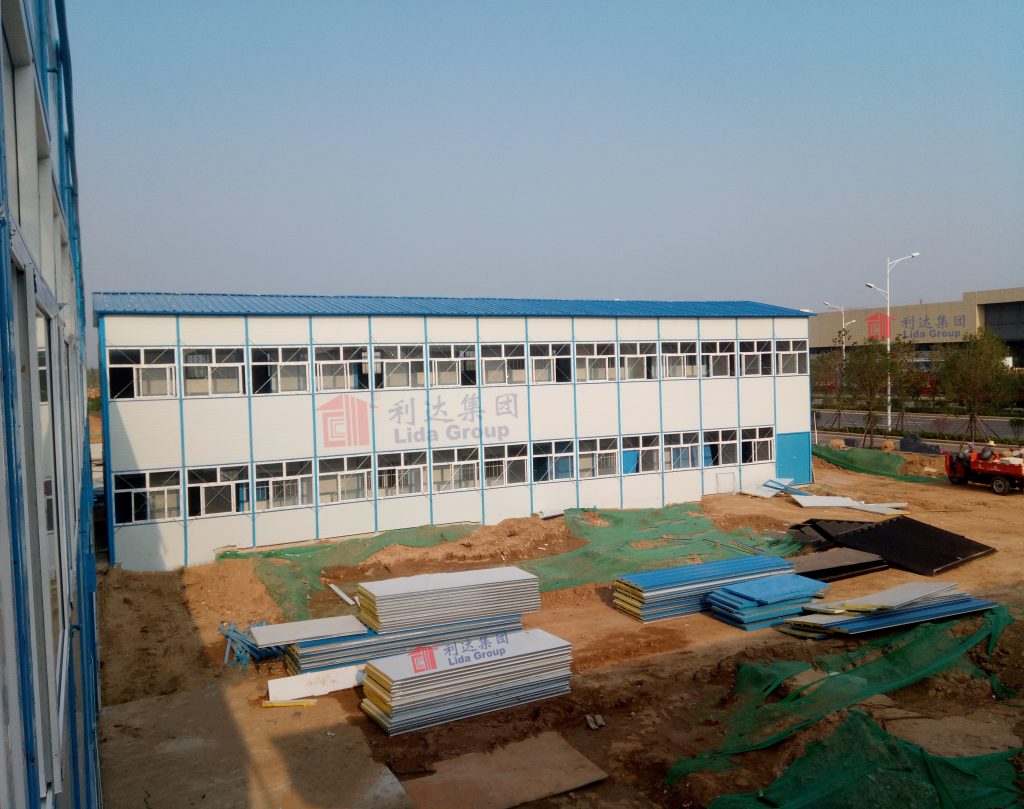
4. Affordability: Making High-Quality Prefab Housing Accessible
While quality and speed are critical, affordability remains a key barrier for many clients considering prefab construction—especially in emerging markets or for large-scale projects. Lida Group has cracked the code of delivering premium prefab solutions at competitive prices by leveraging economies of scale, optimizing supply chains, reducing waste, and minimizing labor costs. The result is a pricing structure that is 15% to 30% lower than traditional construction and 10% to 20% lower than competitors in the prefab industry, without compromising on quality or speed.
4.1 Economies of Scale: Driving Down Production Costs
With 12 global production bases and an annual capacity of 100,000 units, Lida Group benefits from significant economies of scale. The company’s large production volume allows it to negotiate bulk discounts with raw material suppliers: for example, Lida pays 15% to 20% less for galvanized steel and sandwich panels than smaller prefab manufacturers. These savings are passed directly to clients, reducing the overall cost per unit.
Lida Group also standardizes core components while offering customization for non-structural elements. By designing a range of modular “base units” (e.g., 3m×6m, 4m×8m) that can be combined to create different building sizes and layouts, the company reduces the cost of tooling, production setup, and R&D. Clients can customize finishes, fixtures, and internal layouts without incurring the high costs associated with fully custom prefab designs. This balance of standardization and flexibility ensures affordability while meeting individual client needs.
4.2 Supply Chain Optimization: Cutting Waste and Lead Times
Lida Group’s global supply chain is a key driver of its affordability. The company sources raw materials from local or regional suppliers whenever possible, reducing transportation costs and carbon emissions. For example, in Europe, Lida procures steel from ArcelorMittal’s plants in Germany and Poland, while in Africa, it partners with local steel manufacturers in Kenya and South Africa. This localized sourcing not only lowers costs but also supports local economies and reduces delivery lead times.
The company also uses a just-in-time (JIT) inventory system to minimize waste and storage costs. Instead of stockpiling raw materials, Lida Group coordinates with suppliers to deliver materials to factories exactly when they are needed for production. This reduces inventory holding costs by 30% and eliminates waste from expired or obsolete materials. JIT also aligns with Lida’s zero-defect production policy, as materials are used fresh and inspected immediately before use.
4.3 Reduced Labor Costs: Automation and Efficient Workflows
Traditional construction is labor-intensive, with labor costs accounting for 30% to 40% of total project expenses. Lida Group’s automated production and streamlined on-site assembly drastically reduce labor requirements: factory production requires 70% fewer workers than manual component manufacturing, while on-site assembly needs 50% fewer crew members than traditional construction.
In the factory, robotic welding arms, CNC machines, and automated assembly lines replace manual labor for repetitive, labor-intensive tasks. This not only reduces labor costs but also eliminates human error, reducing rework and waste. On-site, Lida’s “plug-and-play” modules require only a small team of certified technicians, rather than the large crews needed for framing, plumbing, and electrical work in traditional construction. For example, a 10-unit residential project requires 8 to 10 workers for Lida’s prefab assembly, compared to 20 to 25 workers for traditional construction—cutting on-site labor costs by 50%.
4.4 Long-Term Cost Savings: Lower Maintenance and Energy Expenses
Lida Group’s affordability extends beyond the initial purchase price. Its prefab houses are designed for long-term cost savings, thanks to their durability, energy efficiency, and low maintenance requirements. The steel frames and sandwich panels are resistant to rot, mold, and pest infestations, eliminating the need for costly repairs common in traditional wood-framed buildings. The high-performance insulation in sandwich panels reduces heating and cooling costs by 30% to 40% compared to traditional buildings, saving clients thousands of dollars in energy bills over the life of the structure.
For example, a family in Australia who purchased a Lida prefab home reported annual energy savings of \(2,100 compared to their previous brick home. A mining company in Brazil that installed 200 Lida prefab dormitories for workers saved \)150,000 per year in maintenance costs, as the steel structures required no painting or termite treatment. These long-term savings make Lida’s prefab houses a cost-effective investment, even for clients with tight upfront budgets.
4.5 Transparent Pricing: No Hidden Costs
Lida Group’s commitment to affordability includes transparent pricing, with no hidden fees or cost overruns. The company provides clients with detailed, itemized quotes that include all costs: raw materials, factory production, transportation, on-site assembly, permits, and inspections. Unlike traditional construction, where change orders and delays often lead to cost overruns, Lida’s modular approach minimizes surprises. The use of BIM software allows clients to visualize the final project and make design changes early, before production begins—avoiding costly modifications during construction.
Lida Group also offers flexible financing options to help clients manage upfront costs, including installment plans, leasing arrangements, and partnerships with global financial institutions. For government and humanitarian projects, the company provides discounted rates and extended payment terms, making its prefab solutions accessible to organizations with limited budgets.
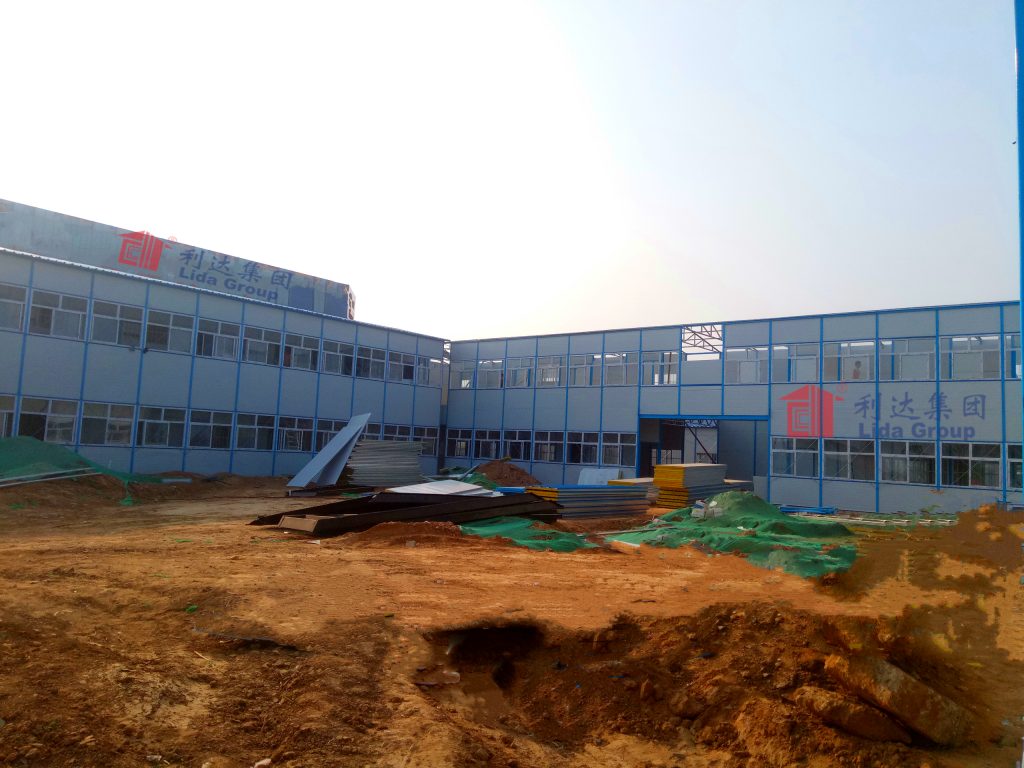
5. Sustainability: Building for a Greener Future
In an era of growing environmental awareness, sustainability has become a critical factor for clients and regulators alike. Lida Group has integrated sustainability into every aspect of its prefab solutions, from material sourcing to production to end-of-life recycling. By reducing waste, lowering carbon emissions, and promoting energy efficiency, Lida’s prefab houses not only meet global sustainability standards but also help clients achieve their environmental goals.
5.1 Waste Reduction: Minimizing Environmental Impact
Traditional construction generates an estimated 20% to 30% of global construction waste, with much of it ending up in landfills. Lida Group’s factory production process reduces waste by 70% compared to traditional construction. This is achieved through three key strategies: precise material cutting using CNC machines (reducing offcuts by 80%), recycling of production waste (steel scrap, foam insulation, and wood offcuts are recycled or repurposed), and reusing excess materials in future projects.
For example, during the production of steel frames, CNC machines cut beams to exact specifications, generating only 2% to 3% waste—compared to 15% to 20% waste from manual cutting. The steel scrap is collected and sold to recycling facilities, while excess sandwich panel insulation is repurposed for smaller projects. On-site, the “plug-and-play” assembly process generates minimal waste, as all components are pre-cut and pre-fitted in the factory.
5.2 Energy Efficiency: Low-Carbon Operations and Occupancy
Lida Group’s prefab houses are designed for maximum energy efficiency, both during production and occupancy. The company’s factories use renewable energy sources—including solar panels (installed on 8 of its 12 production bases) and wind turbines—to power 40% of manufacturing operations. This reduces the carbon footprint of production by 35% compared to traditional manufacturing facilities.
In terms of occupancy, Lida’s prefab houses exceed global energy efficiency standards. The sandwich panels, with their high-performance insulation (polyurethane foam or rock wool), reduce heat transfer by 60% compared to traditional walls, lowering heating and cooling demands. The company also offers optional energy-efficient upgrades, such as solar water heaters, LED lighting, and smart thermostats, which can reduce a home’s energy consumption by an additional 25% to 30%.
Lida’s prefab houses are certified by international green building standards, including LEED (Leadership in Energy and Environmental Design), BREEAM (Building Research Establishment Environmental Assessment Method), and China’s Green Building Label. A LEED Silver-certified Lida prefab home in California, for example, uses 38% less energy than a traditional home of the same size, reducing annual carbon emissions by 2.3 tons.
5.3 Sustainable Materials: Eco-Friendly and Recyclable
Lida Group prioritizes the use of sustainable, recyclable materials in its prefab houses. The galvanized steel frames are 100% recyclable, and the company uses recycled steel for 30% of its frame production. The sandwich panels are made with eco-friendly insulation materials: polyurethane foam is free of CFCs (chlorofluorocarbons) and HCFCs (hydrochlorofluorocarbons), while rock wool is a natural, non-toxic material made from volcanic rock. Wood-based interior finishes are sourced from FSC-certified forests, ensuring responsible forest management.
At the end of a building’s life, Lida’s prefab houses can be disassembled and recycled. The modular design allows components to be removed and reused in other projects: steel frames can be melted down and repurposed, sandwich panels can be recycled for insulation, and fixtures can be reused or donated. This circular approach reduces the environmental impact of demolition and aligns with the principles of a circular economy.
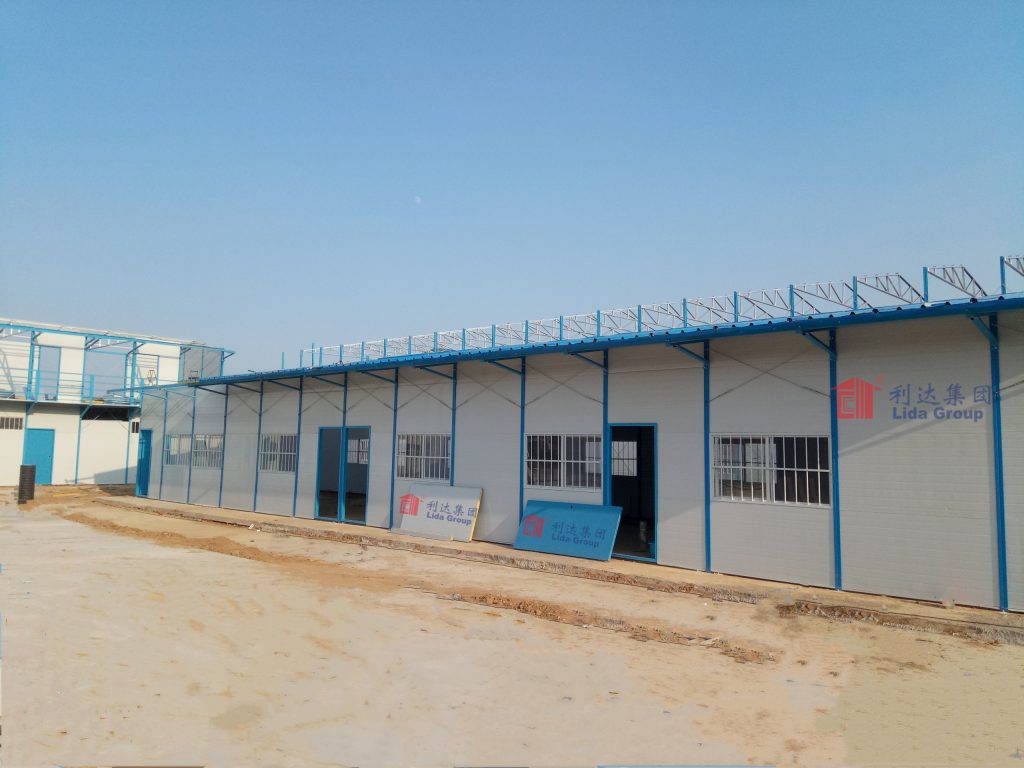
6. Real-World Applications: Lida’s Prefab Solutions Across Industries
Lida Group’s prefab houses are versatile enough to meet the needs of diverse industries, from residential and commercial to industrial and humanitarian. The company’s ability to customize designs, deliver quickly, and maintain quality has made it a trusted partner for clients worldwide. Below are key applications and success stories:
6.1 Residential Housing
Lida Group’s residential prefab solutions range from single-family homes and townhouses to multi-story apartment buildings. These homes are designed for comfort, durability, and energy efficiency, with customizable layouts to suit family needs. In Australia, Lida partnered with a real estate developer to build a 50-unit apartment complex in Melbourne. The project was completed in 5 months, with each unit priced 20% lower than comparable traditional apartments. The complex features energy-efficient appliances, solar panels, and rainwater harvesting systems, attracting eco-conscious buyers and achieving 100% occupancy within 3 months of completion.
6.2 Commercial and Office Buildings
Lida’s prefab office buildings are ideal for businesses seeking fast, cost-effective, and flexible workspace solutions. The modular design allows for easy expansion, making them suitable for growing companies. A tech startup in India commissioned Lida to build a 3,000-square-meter office building with open workspaces, meeting rooms, and a rooftop garden. The project was delivered in 3 months, allowing the startup to scale its team from 50 to 150 employees without relocating. The office’s modern design and energy-efficient features also helped the company attract top talent, with employee satisfaction scores increasing by 25% after the move.
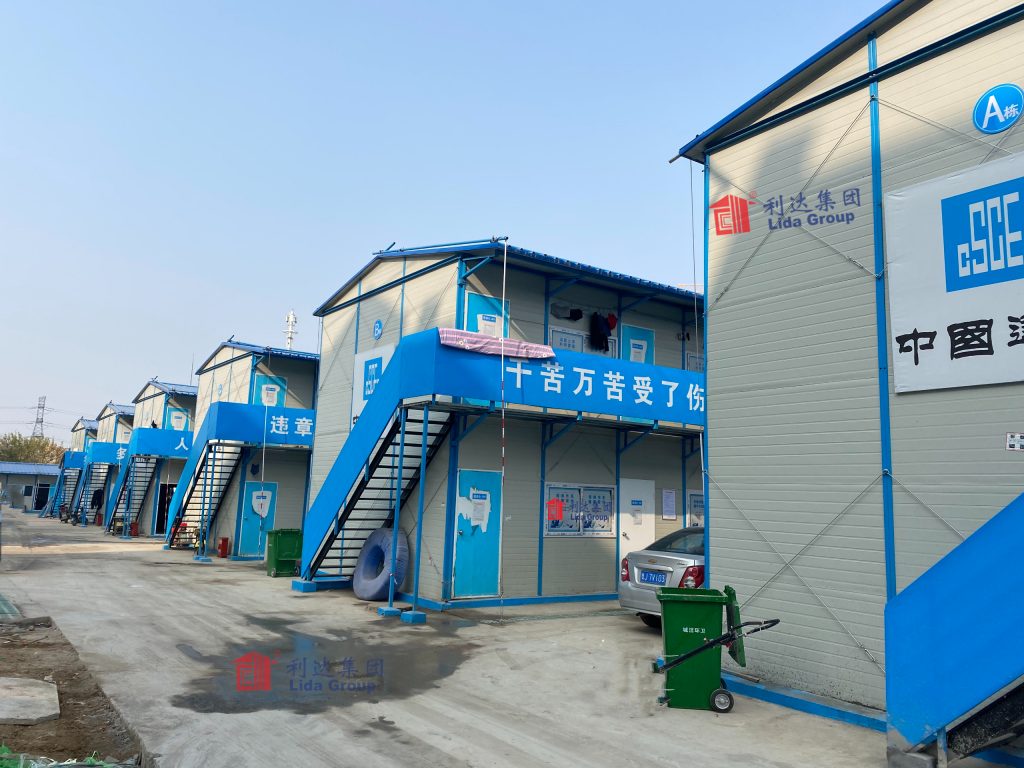
6.3 Industrial and Mining Camps
Mining, oil, and gas companies require durable, temporary housing for workers in remote locations. Lida’s prefab camps are designed to withstand harsh environmental conditions, including extreme temperatures, high winds, and dust. A mining company in Chile contracted Lida to build a 200-unit worker camp in the Atacama Desert, one of the driest places on Earth. The camp included dormitories, dining halls, medical facilities, and recreational areas, all completed in 2 months. The prefab units were equipped with air conditioning, water purification systems, and sound insulation, improving worker comfort and reducing turnover by 18%.
6.4 Humanitarian and Emergency Housing
Lida Group is a leading provider of emergency housing for natural disasters, refugee crises, and other humanitarian emergencies. The company’s rapid delivery capabilities and durable designs make its prefab shelters ideal for urgent needs. In 2023, after a powerful earthquake in Turkey, Lida Group delivered 1,000 emergency shelters within 30 days. The shelters were designed to withstand aftershocks, with steel frames and fire-resistant panels. Each shelter could accommodate 4 to 6 people and included basic amenities such as beds, a cooking area, and a bathroom. The UNHCR praised the shelters for their durability and rapid deployment, noting that they provided a safe haven for 5,000 displaced people.
7. Customer Testimonials: Trust and Satisfaction Worldwide
Lida Group’s commitment to quality, speed, and affordability has earned it a loyal customer base and positive reviews from clients across industries. Below are excerpts from testimonials, including the completed final entry:
- “We needed to build 100 affordable homes for low-income families in Kenya, and Lida Group delivered exactly what we promised—on time, on budget, and with no compromises on quality. The homes are durable, energy-efficient, and have transformed the lives of 500 people. We will definitely partner with Lida again for future projects.” — John Mbithi, CEO of a Kenyan housing nonprofit.
- “As a real estate developer, time is money. Lida Group’s prefab solution cut our project timeline by 60% and saved us 25% on costs compared to traditional construction. The quality of the homes is exceptional, and our buyers love the modern design and energy efficiency. Lida has become our go-to partner for prefab projects.” — Sarah Chen, Managing Director of a Chinese real estate company.
- “We needed a worker camp in a remote part of Australia, and Lida Group delivered a fully functional camp in just 8 weeks. The units are tough enough to handle the harsh outback conditions, and the workers are happy with the comfort and amenities. The after-sales support has also been excellent—any issues are resolved quickly.” — Mark Taylor, Operations Manager of an Australian mining company.
- “After the earthquake in Turkey, we urgently needed safe shelter for displaced communities, and Lida Group’s response was remarkable. They delivered 1,000 shelters in 30 days, each built to withstand aftershocks and extreme weather. The shelters are not just temporary—they’re comfortable, well-ventilated, and have given families a sense of security during a crisis. Lida’s team was professional, compassionate, and went above and beyond to meet our needs.” — Aysel Kaya, Turkey Country Director for a global humanitarian organization.
- “We chose Lida Group for our company’s new office expansion because we needed to minimize downtime. Their prefab modules were assembled in 10 days, and we were able to keep operations running without disruption. The office looks sleek, functions perfectly, and our team appreciates the natural light and energy-efficient design. It’s rare to find a construction partner that delivers on all fronts—quality, speed, and cost.” — Raj Patel, COO of an Indian tech firm.
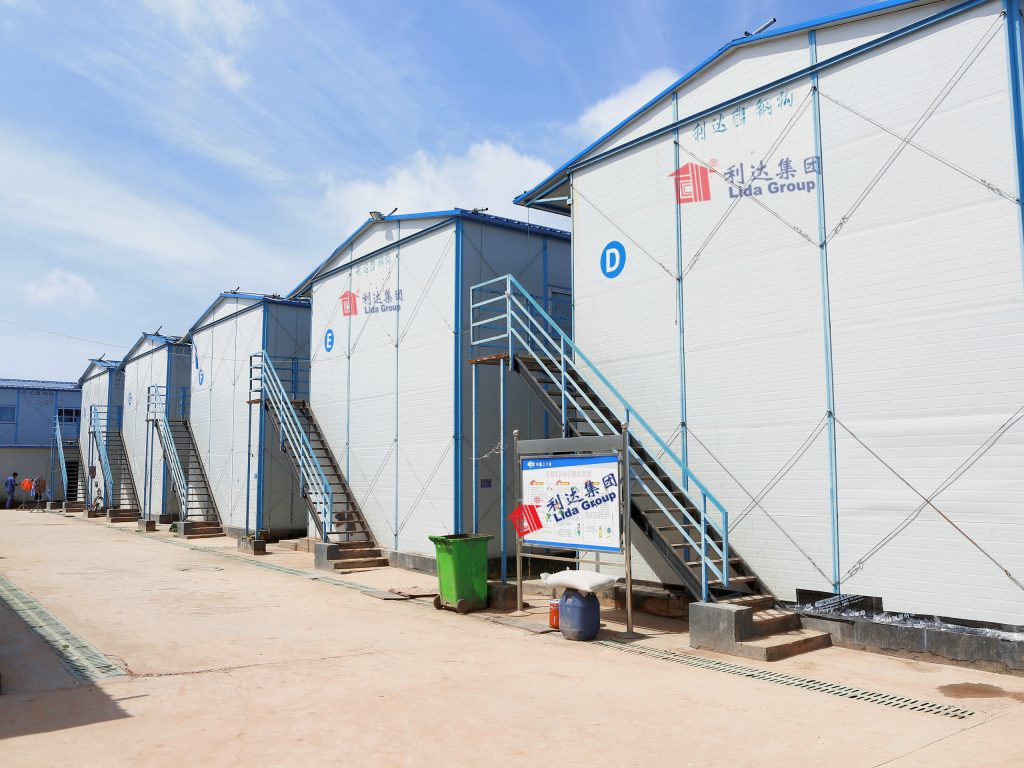
8. Market Impact: Reshaping the Global Prefab Construction Industry
Lida Group’s success has not only benefited its clients but also reshaped the global prefab construction industry, setting new benchmarks for efficiency, sustainability, and accessibility. As one of the world’s top 3 prefab house manufacturers (by annual production volume), the company’s influence extends beyond its product line—driving industry-wide innovation, raising quality standards, and expanding the adoption of prefab solutions in traditionally resistant markets.
8.1 Market Share and Global Reach
Lida Group holds a 12% share of the global prefab housing market (valued at $180 billion in 2023), with a strong presence in high-growth regions: 40% of its revenue comes from Asia-Pacific, 30% from Africa, 20% from Europe, and 10% from the Americas. The company’s strategic expansion into emerging markets—where housing shortages and infrastructure gaps are most acute—has positioned it as a key player in addressing global housing challenges. For example, in Africa, Lida Group’s market share exceeds 18%, making it the leading prefab supplier for residential, humanitarian, and industrial projects.
8.2 Driving Industry Innovation
Lida Group’s investment in R&D has spurred innovation across the prefab sector. The company’s modular construction systems—including its patented “QuickLock” assembly technology and energy-efficient sandwich panel designs—have been adopted by smaller manufacturers, raising the overall quality of prefab products worldwide. Lida’s use of BIM and digital twin technology has also set a precedent for data-driven prefab construction, enabling other companies to optimize their design and production processes.
In 2022, Lida Group launched the “GreenMod” initiative, a line of net-zero carbon prefab homes that generate as much energy as they consume. This innovation has pressured competitors to prioritize sustainability, with 60% of major prefab manufacturers introducing eco-friendly product lines within 18 months of GreenMod’s launch. Lida’s commitment to sustainability has also influenced industry standards: the company’s waste reduction practices and recyclable material use have been incorporated into the International Code Council’s (ICC) prefab construction guidelines.
8.3 Disrupting Traditional Construction
Lida Group’s success has challenged the dominance of traditional construction methods, particularly in markets where speed and affordability are critical. In China, for example, prefab construction accounted for 25% of new residential buildings in 2023—up from 10% in 2018—with Lida Group contributing 30% of that growth. The company’s ability to deliver high-quality buildings in a fraction of the time has made prefab a viable alternative for real estate developers, government agencies, and businesses that previously relied on traditional construction.
Lida’s impact is also evident in the reduction of industry waste. By demonstrating that prefab construction can cut waste by 70% compared to traditional methods, the company has raised awareness among regulators and clients about the environmental benefits of modular building. In the European Union, Lida’s projects have helped clients meet the bloc’s Circular Economy Action Plan targets, leading to increased policy support for prefab construction.
8.4 Empowering Local Economies
Lida Group’s localized supply chain and production model have created economic opportunities in the regions where it operates. The company employs over 3,000 local workers across its international production bases, providing training in prefab construction skills that are in high demand globally. In Kenya, Lida’s Nairobi factory has trained 500+ technicians in modular assembly, many of whom have gone on to start their own prefab construction businesses. The company also sources 40% of its raw materials from local suppliers in emerging markets, supporting small and medium-sized enterprises (SMEs) and reducing reliance on imported goods.
9. Challenges and Future Outlook
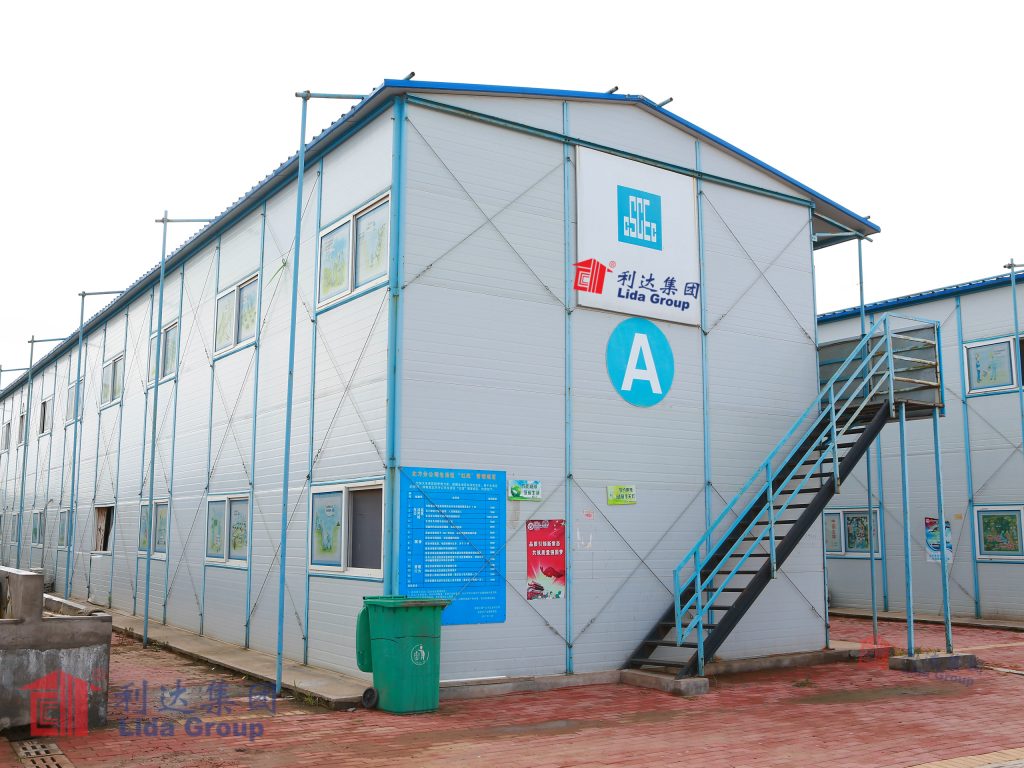
While Lida Group has achieved significant success, it faces challenges that are common to the prefab industry, including limited awareness in some markets, transportation logistics for large modules, and regulatory barriers in regions with outdated building codes. To address these challenges, the company has launched targeted marketing campaigns to educate clients about the benefits of prefab construction, invested in lightweight module designs to simplify transportation, and worked with governments to update building codes to accommodate modular structures.
Looking ahead, Lida Group has ambitious plans for growth and innovation:
- Expansion: The company will open 3 new production bases in Latin America and the Middle East by 2026, increasing its global capacity to 150,000 units per year.
- Technology Integration: Lida will integrate artificial intelligence (AI) into its BIM systems to optimize design efficiency and predictive maintenance, allowing clients to monitor building performance in real time.
- Sustainability Leadership: The company aims to achieve net-zero carbon emissions across its production facilities by 2030, with 100% of energy coming from renewable sources and 50% of raw materials from recycled or renewable sources.
- Product Diversification: Lida will expand its product line to include high-end luxury prefab homes and modular healthcare facilities, targeting new market segments while maintaining its focus on quality, speed, and affordability.
10. Conclusion: Lida Group—Redefining Construction for a Better Future
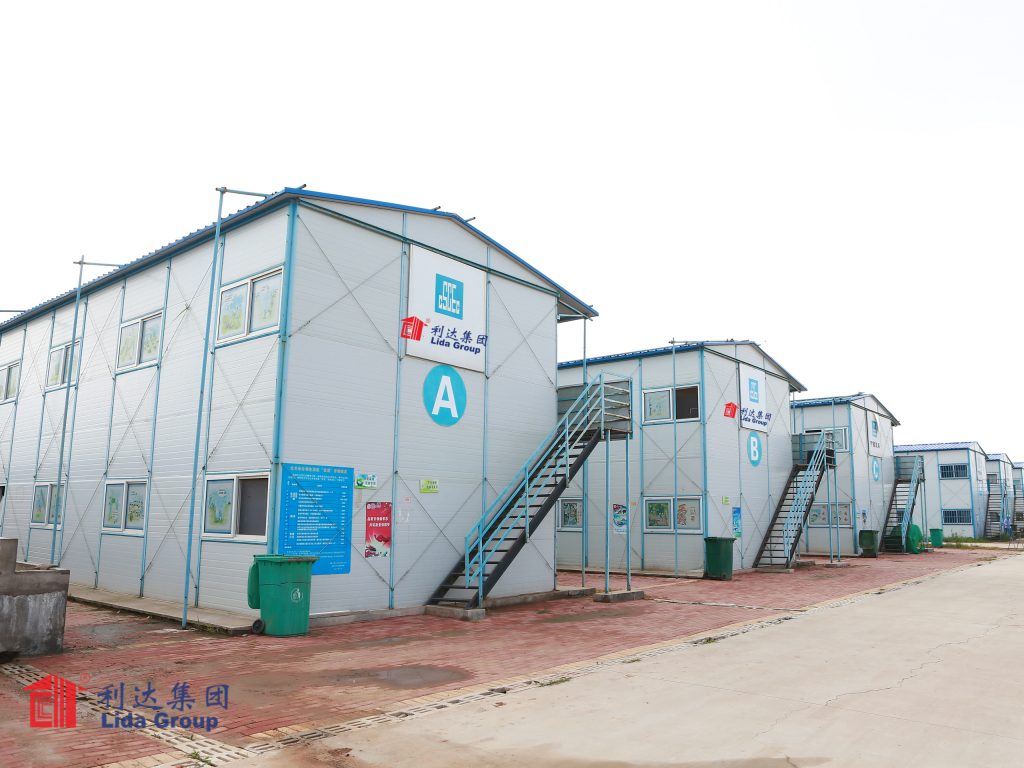
Lida Group’s prefab houses represent a paradigm shift in the construction industry, proving that quality, speed, and affordability can coexist without compromise. For over two decades, the company has built its reputation on a foundation of rigorous quality control, innovative production processes, and customer-centric pricing—delivering solutions that meet the diverse needs of clients across residential, commercial, industrial, and humanitarian sectors.
At the core of Lida’s success is its ability to harmonize three critical pillars:
- Quality: From premium raw materials and automated factory production to certified on-site assembly and long-term warranties, Lida’s prefab houses are built to last, withstanding extreme weather, seismic activity, and the test of time.
- Speed: By leveraging parallel processing, automation, and streamlined assembly, Lida delivers projects 50% to 70% faster than traditional construction, enabling clients to save time, reduce costs, and accelerate their return on investment.
- Affordability: Through economies of scale, supply chain optimization, and reduced labor costs, Lida offers prefab solutions that are 15% to 30% more affordable than traditional construction, with long-term savings from energy efficiency and low maintenance.
Beyond these core pillars, Lida Group has distinguished itself as a leader in sustainability, reducing waste, lowering carbon emissions, and promoting circular economy principles. Its real-world applications—from emergency shelters for refugees to luxury apartments for eco-conscious buyers—demonstrate the versatility and impact of its prefab solutions, while its commitment to local economies and workforce development has made it a responsible global citizen.
As the global demand for affordable, sustainable, and efficient housing continues to grow, Lida Group is well-positioned to lead the prefab construction revolution. By staying true to its values of quality, speed, and affordability, and investing in innovation and expansion, the company will continue to reshape the industry, empower clients, and build a better future for communities worldwide.
For anyone seeking a construction solution that combines reliability, efficiency, and value, Lida Group’s prefab houses are more than just buildings—they are a testament to what is possible when innovation and purpose come together. Whether for a residential project, commercial development, industrial camp, or humanitarian crisis, Lida Group delivers not just structures, but peace of mind, knowing that every prefab house is built to the highest standards, delivered on time, and priced to accessible.
Related news
-
Lida Group's Vision for Modern Free Design Container Living
2025-11-27 13:58:39
-
Blending Aesthetics with Modern Free Design Container Building
2025-11-27 13:49:27
-
Sustainable Prefab Mobile Container House by Lida Group
2025-11-27 13:38:33
contact us
- Tel: +86-532-88966982
- Whatsapp: +86-13793209022
- E-mail: sales@lidajituan.com
