



The global construction industry stands at a critical juncture. Faced with the dual challenges of escalating climate change and rising energy costs, the demand for sustainable, efficient, and cost-effective building solutions has never been greater. Traditional construction methods, often characterized by prolonged timelines, material waste, and unpredictable energy performance, are increasingly seen as inadequate for the needs of the 21st century. In this landscape, prefabricated construction, or off-site manufacturing, has emerged as a powerful alternative, promising speed, precision, and enhanced quality control. Among the leaders in this field, Lida Group has distinguished itself by engineering prefab houses that are not just fast to erect but are paragons of superior energy efficiency. This article delves deep into the methodologies, technologies, and design philosophies that enable Lida Group to create building envelopes that significantly reduce energy consumption, lower carbon footprints, and provide unparalleled comfort and value for occupants.
**I. Deconstructing the Inefficiencies of Traditional Construction**
To fully appreciate the energy-efficient revolution offered by Lida Group, one must first understand the inherent weaknesses of conventional building techniques.
1. **Inconsistent Envelope Integrity:** Traditional construction is a sequential process involving multiple trades working on-site under variable weather conditions. This often results in an imperfect building envelope—the physical barrier between the conditioned interior and the exterior. Gaps, seams, and thermal bridges (areas where insulation is bypassed by more conductive materials) are common. These imperfections create pathways for air infiltration and exfiltration, forcing heating and cooling systems to work harder to maintain a constant temperature.
2. **Variable Material Performance and Waste:** On-site construction is prone to material inconsistencies. Insulation batts may be improperly cut or installed, leaving voids. Moisture can be introduced into building materials before the structure is fully enclosed, compromising their insulating properties. Furthermore, the cut-and-waste approach on-site generates significant debris, representing both an economic and environmental cost.
3. **Quality Control Challenges:** Supervising quality across a sprawling construction site is difficult. Human error, combined with the pressures of timelines and budgets, can lead to compromises in the execution of energy-efficient details.
Lida Group’s prefabricated approach systematically addresses and eliminates these very issues, creating a foundation upon which superior energy efficiency is built.
#### **II. The Pillars of Efficiency: Lida’s Core Prefabrication Philosophy**
The energy efficiency of a Lida prefab house is not a single feature but the result of a holistic, integrated system. It begins with a fundamental shift in the construction paradigm from an on-site *assembly* to a factory-based *manufacturing* process.
**A. Precision Engineering in a Controlled Environment**
The cornerstone of Lida’s efficiency is the controlled factory environment. Here, houses are built as individual panels or modular units with a level of precision unattainable on a conventional site.
* **Computer-Aided Design and Manufacturing (CAD/CAM):** Every component of a Lida house is first meticulously designed using advanced software. This digital model allows engineers to optimize the structure for thermal performance, identify and eliminate potential thermal bridges, and ensure perfect fit for all parts. The digital plans then directly drive automated cutting and fabrication machinery (CAM), ensuring that every stud, panel, and insulation piece is produced to exact specifications.
* **Jig-Based Assembly:** Components are assembled on fixed jigs, which guarantee dimensional accuracy and squareness. This precision is critical for ensuring that when modules are joined on-site, the seals are tight and continuous, preventing the air leaks that plague traditional buildings.
* **Climate-Controlled Production:** By building indoors, Lida eliminates the impact of rain, wind, and extreme temperatures on building materials. Insulation and air barrier materials are kept dry and installed correctly, preserving their full R-value (a measure of thermal resistance) from day one.
**B. The Integrated Building Envelope: A Fortress Against Energy Loss**
The building envelope is the primary defender against energy transfer. Lida Group employs a multi-layered, integrated approach to create an exceptionally tight and highly insulated shell.
**1. Advanced Wall Systems:**
Lida’s wall panels are engineered sandwiches of high-performance materials. A typical energy-efficient wall system may include:
* **Structural Frame:** Made from high-grade steel or engineered wood, designed for strength and minimal thermal bridging.
* **Continuous and High-Performance Insulation:** Unlike traditional construction that often relies solely on cavity insulation, Lida utilizes a combination.
* **Cavity Insulation:** The spaces between wall studs are filled with dense-packed cellulose, spray foam, or high-R-value mineral wool batts, which conform perfectly to the space, leaving no gaps.
* **Continuous Rigid Insulation:** A layer of rigid foam insulation (such as Polyisocyanurate or EPS) is often applied to the exterior of the structural frame. This is a critical step as it covers the studs themselves, effectively breaking the primary thermal bridges present in standard wood or steel-framed walls. This continuous layer dramatically improves the overall effective R-value of the wall assembly.
* **Air and Vapor Barriers:** A key component is a professionally installed, continuous air barrier. This is a membrane or sheathing layer designed to be impermeable to air flow. Installed under controlled factory conditions, Lida ensures this barrier is fully sealed at all seams, around windows, and at panel connections. This “airtight” build is arguably the single most important factor in reducing energy loss due to air leakage.
* **Exterior and Interior Finishes:** The exterior cladding (siding, brick veneer, etc.) is applied, creating a drainage plane and weather-resistant surface. Internally, vapor-resistant drywall or other finishes complete the assembly.
This multi-layered wall system results in a U-value (the inverse of R-value, measuring heat loss) that is significantly lower—meaning better performance—than that of most custom-built traditional homes.
**2. Superior Roof and Floor Systems:**
The same principles are applied to the roof and floor. Roof panels are heavily insulated, often with higher R-values than walls to combat heat gain in summer and heat loss in winter. Floor systems are designed to be well-insulated and sealed against air infiltration from crawl spaces or the ground, preventing the “cold floor” phenomenon common in many houses.
**3. High-Performance Windows and Doors:**
A super-insulated wall is only as good as its weakest point. Lida integrates triple-paned or high-performance double-paned windows filled with inert gases like Argon or Krypton. These windows feature “warm-edge” spacers between the panes and frames constructed with thermal breaks to prevent condensation and heat transfer. Similarly, doors are insulated and installed with robust sealing systems to match the airtightness of the walls.
**C. The Synergy of Airtightness and Mechanical Ventilation**
Creating an ultra-tight building envelope necessitates a paradigm shift in ventilation. A leaky traditional house gets its fresh air—uncontrolled and often excessive—through cracks and gaps. This is highly inefficient as it constantly expels conditioned air. A Lida prefab house is so tight that it requires a dedicated, balanced mechanical ventilation system.
* **Heat Recovery Ventilators (HRV) and Energy Recovery Ventilators (ERV):** These systems are the lungs of the energy-efficient home. They continuously exhaust stale, moist air from kitchens and bathrooms while simultaneously bringing in fresh outdoor air. The magic lies in the core of the unit, where the two airstreams pass each other without mixing. In an HRV, heat from the warm outgoing air is transferred to the cool incoming air in winter (and vice-versa in summer). An ERV also transfers moisture, helping to maintain ideal humidity levels. This process can recover 70-90% of the energy that would otherwise be lost, providing fresh air without the massive energy penalty.
This combination of an airtight envelope and an HRV/ERV system is a hallmark of high-performance building standards like Passive House, and it is central to Lida’s energy efficiency offering.
**III. Beyond the Shell: Integrated Systems for Holistic Efficiency**
Lida’s commitment to efficiency extends beyond the building envelope to the integrated systems that provide comfort and functionality.
**A. Smart HVAC Integration**
The heating and cooling loads of a Lida prefab house are drastically reduced due to the efficient shell. This allows for the use of smaller, right-sized, and often more efficient HVAC equipment. Lida specializes in integrating systems like:
* **Air-Source or Ground-Source Heat Pumps:** These are exceptionally efficient systems that transfer heat rather than generate it through combustion. They provide both heating and cooling and perform optimally in the stable thermal environment of a Lida home.
* **Mini-Split Systems:** For smaller homes or specific zones, highly efficient ductless mini-split systems can be used, eliminating duct losses.
* **Radiant Floor Heating:** When combined with an efficient heat source like a heat pump, radiant floors provide supreme comfort at low operating temperatures.
The design and installation of these systems are planned during the factory phase, ensuring optimal placement, minimal duct runs, and sealed ductwork to avoid energy losses in distribution.
**B. Energy-Efficient Lighting and Appliances**
As a standard or optional feature, Lida homes are equipped with LED lighting throughout and ENERGY STAR-rated appliances. These components significantly reduce the plug loads and internal heat gains of the home, further contributing to lower energy bills.
**C. Renewable Energy Readiness**
The simple, strong, and often large roof surfaces of Lida’s prefab designs are ideal for the integration of solar photovoltaic (PV) panels. The company designs structures to be “solar-ready,” with pre-conduit runs and reinforced roof points, making the future addition of solar panels straightforward and cost-effective. In many cases, a highly efficient Lida home with a modest solar array can achieve net-zero energy status, producing as much energy as it consumes annually.
**IV. Quantifying the Benefits: From Theory to Tangible Results**
The theoretical advantages of Lida’s approach translate into concrete, measurable benefits for homeowners, businesses, and the environment.
**1. Drastic Reduction in Energy Bills:**
The primary benefit is financial. Owners of Lida prefab houses routinely report energy savings of 50% to 80% compared to homes built to standard code requirements. The reduced demand for heating and cooling means smaller utility bills month after month, for the lifetime of the structure. This provides a strong return on investment, offsetting the initial capital cost.
**2. Enhanced Comfort and Health:**
Superior energy efficiency directly correlates with superior comfort. The continuous insulation and airtight envelope eliminate drafts and cold spots, ensuring consistent temperatures from room to room and from floor to ceiling. The high-performance windows maintain a warmer interior surface temperature in winter, increasing perceived comfort. Furthermore, the controlled mechanical ventilation (HRV/ERV) ensures a constant supply of filtered fresh air, improving indoor air quality by reducing allergens, pollutants, and excess humidity that can lead to mold growth.
**3. Durability and Longevity:**
A tight building envelope protects the structure from the elements. By controlling moisture and preventing condensation within walls, the risk of rot, mold, and corrosion of structural components is vastly diminished. This leads to a longer building lifespan and reduced maintenance costs.
**4. Environmental Stewardship and Sustainability:**
The environmental case is compelling.
* **Reduced Operational Carbon:** The dramatic drop in energy consumption directly translates to lower greenhouse gas emissions, whether from electricity generation or on-site fossil fuel combustion.
* **Reduced Embodied Carbon:** The factory process generates far less material waste (often less than 5% compared to 30%+ for site-built homes). This waste is also more easily recycled in a factory setting. Furthermore, the precision in material use means fewer raw materials are consumed overall.
**5. Speed and Predictability:**
While not a direct energy benefit, the speed of off-site construction means the building is dried-in and made weather-tight in a fraction of the time of a traditional build. This protects the materials and the integrity of the insulation from weather damage during construction, ensuring the designed energy performance is achieved in practice.
**V. Case in Point: Application Across Sectors**
The principles of Lida’s energy-efficient prefab design are scalable and adaptable.
* **Residential Single-Family Homes:** From compact, minimalist dwellings to large family homes, the system allows for custom designs that do not sacrifice efficiency for aesthetics.
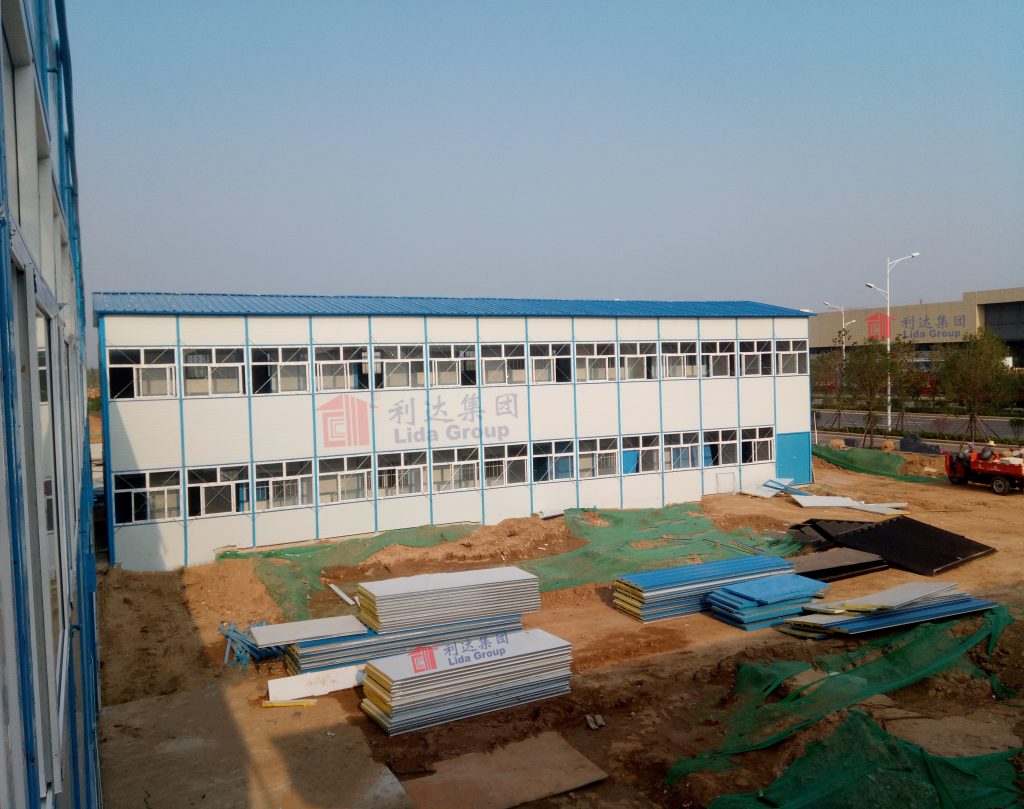
* **Multi-Unit Residential Buildings:** The modular approach is ideal for apartments, student housing, and senior living facilities, where replicable units can be stacked, ensuring consistent high performance across the entire building and lowering operational costs for developers and tenants.
* **Commercial and Institutional Buildings:** Offices, schools, and clinics benefit enormously from low lifetime operating costs. The ability to rapidly construct a comfortable, well-lit, and healthy work environment is a significant advantage.
#### **VI. Addressing Common Misconceptions**
Despite the proven benefits, some misconceptions about prefab homes persist.
* **Myth: Prefab is “Cheap” and Low-Quality.** Lida’s process is the antithesis of this. It is about precision manufacturing, akin to the automotive or aerospace industries. The quality of materials and the consistency of workmanship are often superior to site-built alternatives.
* **Myth: Prefab Lacks Design Flexibility.** Modern CAD systems and modular techniques allow for a vast range of architectural styles, from traditional to ultra-modern. The constraints are different, not greater, and often lead to more disciplined and efficient designs.
* **Myth: The Energy Efficiency Claims are Exaggerated.** The performance of buildings constructed to these principles is well-documented by international standards like Passive House. The physics of continuous insulation, airtightness, and heat recovery are scientifically proven and measurable through tests like blower door tests, which quantify air leakage.
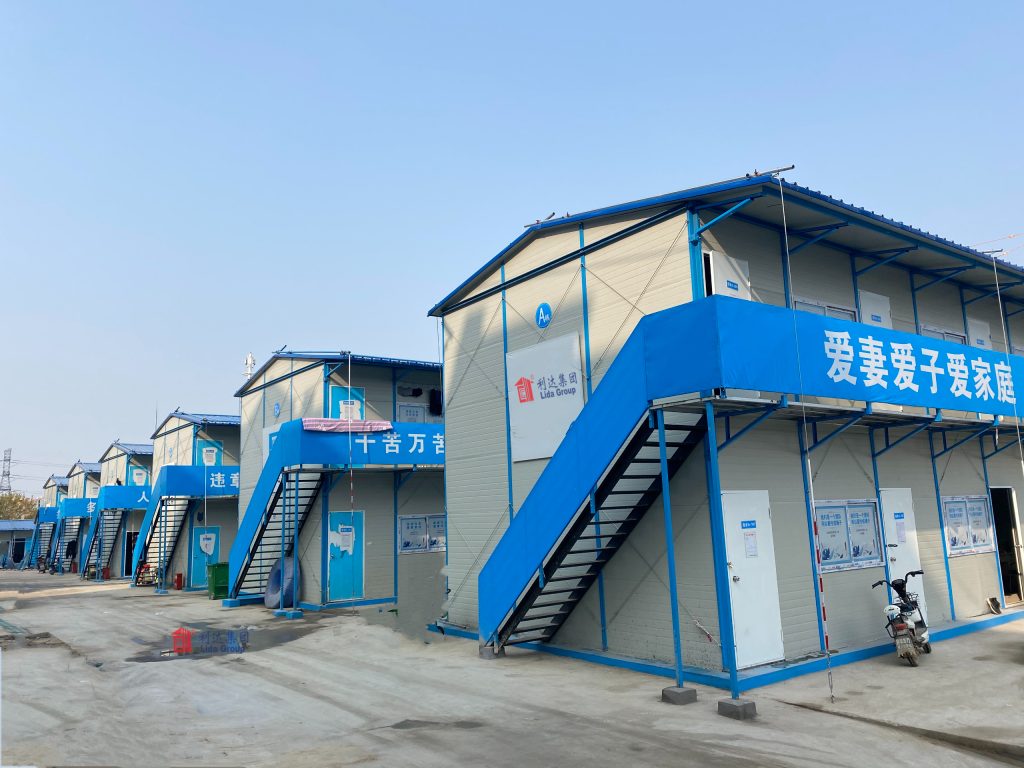
**Conclusion: A Blueprint for a Sustainable Built Environment**
In conclusion, Lida Group’s prefab house offering represents a fundamental and necessary evolution in construction methodology. It moves the industry away from the wasteful, unpredictable, and often inefficient practices of the past towards a future built on precision, sustainability, and performance. The superior energy efficiency of these structures is not an accidental byproduct but the central, engineered outcome of a holistic system.
This system rests on several interdependent pillars: the unparalleled precision of factory manufacturing, which ensures consistency and quality; the creation of a high-performance, integrated building envelope featuring continuous insulation and robust airtightness; and the strategic integration of balanced ventilation and right-sized mechanical systems. The result is a building that consumes a fraction of the energy of a conventional structure, providing immense economic benefits through lower utility bills, superior occupant comfort and health, exceptional durability, and a significantly reduced environmental footprint.
As the world grapples with the urgent need to decarbonize and create more resilient communities, the value of such building solutions becomes incontrovertible. Lida Group’s prefab houses are more than just shelter; they are highly tuned machines for living, offering a proven, scalable, and intelligent blueprint for the sustainable built environment of the 21st century. They demonstrate conclusively that by building better in the factory, we can build a better future for the planet.
Related news
-
Sustainable Prefab House Designs from Lida Group
2025-11-25 16:15:06
-
Rapid Deployment with Our Temporary Mobile Building Units
2025-11-25 17:04:47
-
Lida Group's Cost-Effective Sandwich Panel Construction Saves Time
2025-11-25 16:06:01
contact us
- Tel: +86-532-88966982
- Whatsapp: +86-13793209022
- E-mail: sales@lidajituan.com
