



**Introduction**
In the demanding world of remote workforce management, the definition of “adequate housing” has undergone a profound transformation. No longer is it sufficient to simply provide a roof over workers’ heads. Today, project managers, mining companies, and humanitarian organizations recognize that the quality of accommodation directly impacts worker retention, productivity, and safety. A comfortable, well-designed living environment is not a luxury—it is a strategic necessity.
At the forefront of this evolution stands Lida Group, a China-based integrated building engineering company that has, since its founding in 1993, redefined what is possible in modular workforce accommodation. With over 30 years of experience, a presence in more than 152 countries, and over 5,000 completed projects, Lida Group has demonstrated that container-based housing can deliver not only efficiency and durability but also exceptional comfort. Their modular modern container accommodation systems are engineered to ensure that workers in remote locations—whether mining camps in the Chilean Andes, oil fields in the Kazakh steppe, or construction sites in Southeast Asia—can enjoy living conditions that rival permanent housing.
This article explores the comprehensive comfort features of Lida Group’s modular container accommodation. We will examine the engineering principles that enable superior thermal and acoustic performance, the design elements that prioritize occupant well-being, the amenities that transform shelters into homes, the sustainability features that enhance livability, and the real-world projects that validate this approach. By the conclusion, it will be evident that Lida Group has successfully elevated container accommodation from utilitarian shelter to a genuinely comfortable living environment.
**Chapter 1: Redefining Comfort in Remote Workforce Housing**
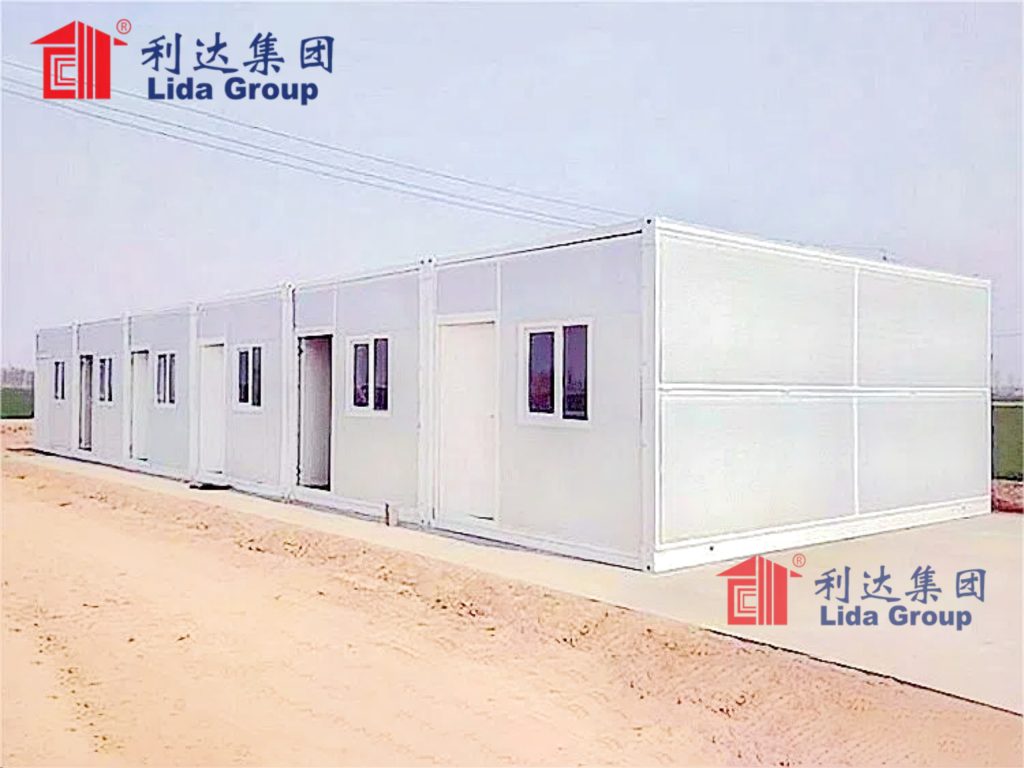
The concept of comfort in workforce accommodation has historically been neglected. Traditional remote camps often consisted of overcrowded dormitories, poorly insulated structures, inadequate sanitation, and minimal recreational facilities. Workers endured these conditions because alternatives were limited, but the costs were substantial: high turnover rates, increased safety incidents, and reduced productivity.
Modern understanding of workforce well-being has shifted this paradigm. Research consistently demonstrates that comfortable living conditions correlate with:
– Improved sleep quality, reducing fatigue-related accidents
– Enhanced mental health, decreasing absenteeism
– Higher retention rates, lowering recruitment and training costs
– Increased productivity, accelerating project timelines
Lida Group’s approach to modular container accommodation recognizes comfort as a multidimensional concept encompassing thermal regulation, acoustic privacy, indoor air quality, ergonomic design, and community amenities. Their systems are engineered to deliver across all these dimensions, ensuring that workers in even the most remote locations can rest, recharge, and perform at their best.
**Chapter 2: Engineering the Thermal Envelope—Climate Control as Foundation**
The foundation of any comfortable living space is thermal stability. In extreme environments—whether the scorching heat of the Australian outback or the bitter cold of Canadian oil sands—inadequate temperature regulation makes restful sleep impossible and can pose serious health risks.
**2.1 Advanced Insulation Systems**
Lida Group’s container accommodation units feature sophisticated multi-layer insulation systems designed to maintain consistent interior temperatures regardless of external conditions. The standard wall panel configuration includes 75mm fiberglass sandwich insulation with a density of 50kg/m³, achieving Grade A fire-proof classification while providing exceptional thermal resistance. The insulation is non-flammable, ensuring safety while maintaining performance.
For roof systems, Lida employs 100mm fiberglass insulation with aluminum foil facing, creating a thermal barrier that prevents heat gain in summer and heat loss in winter. This double-layer approach eliminates thermal bridging—a common problem in steel structures where the metal frame conducts heat directly through the building envelope.
The effectiveness of these systems is demonstrated in real-world applications. In northern China, where winter temperatures drop to -25°C, Lida’s container accommodation units equipped with 100mm insulation maintain interior temperatures above 18°C without excessive energy consumption. In desert environments, where daytime temperatures exceed 45°C, the same insulation systems keep interiors cool, reducing air conditioning loads by up to 40%.
**2.2 HVAC Integration**
Insulation alone is insufficient without active climate control. Lida’s units are pre-wired and pre-plumbed for high-efficiency heating, ventilation, and air conditioning (HVAC) systems. The electrical system is designed to accommodate air conditioning units, with dedicated 16A outlets for AC units and appropriate wiring (4 mm² AC cable) to handle the load.
For cold climates, electric heating systems or heat pumps can be integrated. For tropical environments, high-capacity air conditioning units ensure dehumidification and cooling. The result is a living environment that remains comfortable year-round, enabling workers to sleep restfully regardless of external conditions.
**2.3 Thermal Mass and Moisture Control**
Beyond insulation, Lida’s designs incorporate principles of thermal mass to further stabilize interior temperatures. The steel structure itself, when combined with interior finishes such as fiber cement board, provides thermal mass that absorbs heat during the day and releases it gradually at night, moderating temperature swings.
Moisture control is equally critical for comfort. The airtight construction of Lida’s units prevents condensation—a common problem in poorly insulated metal structures that leads to mold growth, musty odors, and respiratory issues. The insulation systems are designed with vapor barriers that prevent moisture migration through walls, maintaining healthy humidity levels.

**Chapter 3: Acoustic Comfort—The Sound of Silence**
In remote camps, noise is a persistent source of discomfort. Generators, vehicles, industrial equipment, and neighboring units can create a constant din that disrupts sleep and increases stress. Lida Group has engineered its container accommodation to address this challenge comprehensively.
**3.1 Structural Sound Isolation**
The inherent mass of steel construction provides a foundation for acoustic performance. However, Lida’s systems go further. The composite wall panels—with their steel skins, insulation core, and interior finishes—create a sound barrier that significantly reduces noise transmission. The 75mm fiberglass insulation not only provides thermal benefits but also serves as an acoustic dampening layer, absorbing sound energy rather than transmitting it.
Testing has demonstrated that Lida’s wall assemblies achieve sound transmission class (STC) ratings exceeding 45, meaning that normal conversation in an adjacent unit is barely audible. For contexts requiring even greater acoustic separation—such as near crushers in mining operations or along flight paths—additional acoustic treatments can be specified.
**3.2 Interior Acoustic Finishes**
Beyond the wall assembly, Lida’s interior finishes contribute to acoustic comfort. The 18mm fiber cement flooring provides a solid base that minimizes footfall noise transmission between stacked units. The PVC leather flooring finish adds a layer of acoustic damping while providing a comfortable surface underfoot.
For communal spaces such as dining halls and recreation rooms, acoustic ceiling treatments can be incorporated to reduce reverberation and create more pleasant environments for conversation and relaxation. These details reflect Lida’s understanding that acoustic comfort is essential to creating a truly livable space.
**3.3 Window and Door Seals**
Windows and doors are common weak points in acoustic isolation. Lida addresses this through double-glazed PVC sliding windows with 5mm glass panes and secure seals. The insulated light steel doors feature weatherstripping that blocks both air infiltration and sound transmission. For locations with extreme noise challenges, additional acoustic glazing and door upgrades are available.

**Chapter 4: Air Quality and Ventilation—Breathing Easy**
Indoor air quality is perhaps the most overlooked aspect of workforce accommodation, yet it has profound implications for health and cognitive function. Poor ventilation leads to accumulation of carbon dioxide, volatile organic compounds (VOCs), and airborne pathogens, contributing to fatigue, headaches, and increased illness.
**4.1 Material Selection and VOC Control**
Lida Group’s commitment to occupant health begins with material selection. Interior finishes utilize low-VOC paints, sealants, and adhesives, minimizing off-gassing of harmful chemicals. The fiberglass insulation is non-flammable and does not emit VOCs, unlike some spray foam alternatives. The aluminum-zinc coated steel surfaces are inert, contributing no chemical emissions.
This attention to material health is particularly important in container accommodation, where the enclosed nature of the space can concentrate indoor pollutants. By controlling emissions at the source, Lida ensures that the interior environment remains healthy from the moment of occupancy.
**4.2 Mechanical Ventilation with Heat Recovery (MVHR)**
For high-performance applications, Lida integrates Mechanical Ventilation with Heat Recovery (MVHR) systems. These systems continuously extract stale air from kitchens and bathrooms while drawing in fresh outdoor air. The outgoing and incoming air streams pass through a heat exchanger, transferring thermal energy from the exhaust to the incoming air (or vice versa), recovering up to 85% of the heat that would otherwise be lost.
MVHR systems provide several comfort benefits:
– **Constant fresh air supply:** Oxygen levels remain optimal, reducing drowsiness
– **Humidity control:** Excess moisture from showers and cooking is removed, preventing mold
– **Filtration:** Incoming air is filtered, removing dust, pollen, and particulates
– **Energy efficiency:** The heat recovery feature reduces HVAC loads
In contexts where MVHR is not specified, Lida’s units include operable windows and passive ventilation strategies to ensure adequate air exchange.
**4.3 Positive Pressure Systems for Dust-Prone Environments**
In mining and industrial settings, airborne dust—particularly silica, coal dust, and metal particulates—poses serious health risks. Lida’s accommodation units for such environments can be equipped with positive pressure ventilation systems that maintain slight positive air pressure inside the unit relative to outside. This prevents dust infiltration through gaps and seals, ensuring that interior air remains clean. HEPA filtration further removes particulates, protecting workers’ respiratory health.
**Chapter 5: Ergonomic Design and Spatial Comfort**
A comfortable living space is not only about temperature and air quality—it is also about how the space functions for its occupants. Lida Group’s container accommodation units are designed with careful attention to ergonomics and spatial efficiency.
**5.1 Optimized Floor Plans**
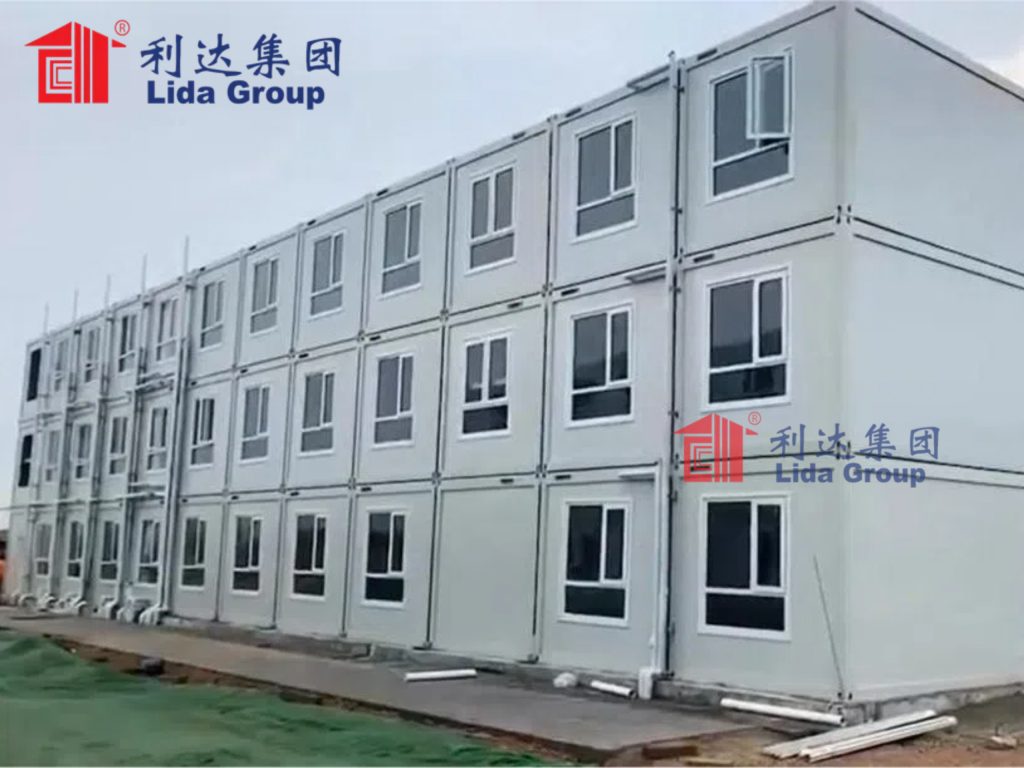
Lida’s 20-foot and 40-foot units provide flexible floor plans that maximize usable space. A typical 20-foot unit (approximately 16 square meters) can be configured to include:
– A comfortable bed with quality mattress
– A small workstation or desk
– A private bathroom with shower, toilet, and sink
– Ample storage for personal belongings
– Climate control system
For applications requiring higher density, two-person units with bunk beds are available. For premium applications, larger units can be combined to create apartment-style accommodations with separate living and sleeping areas.
**5.2 Ergonomic Details**
Comfort is in the details. Lida’s units feature:
– **Properly sized doorways:** Entrance doors at 850mm width accommodate easy movement and furniture passage
– **Adequate lighting:** Dual LED tube lights provide even illumination, with switching conveniently located
– **Accessible electrical outlets:** Five strategically placed sockets (one 16A for AC, four 10A for general use) eliminate the need for extension cords
– **Storage solutions:** Built-in cabinetry and closets maximize organization
**5.3 Natural Light and Visual Comfort**
Prolonged periods in artificial lighting can disrupt circadian rhythms and contribute to eye strain and fatigue. Lida’s designs prioritize natural light through strategically placed windows. Standard configurations include double-glazed PVC sliding windows sized appropriately for the unit dimensions, with additional windows available for the toilet area.
For residential and premium applications, larger windows and even floor-to-ceiling glazing can be specified, creating bright, airy interiors that connect occupants with the outdoors. This connection to the external environment—even when windows cannot be opened due to climate or security concerns—significantly enhances psychological comfort.
**Chapter 6: Amenities and Community Spaces**
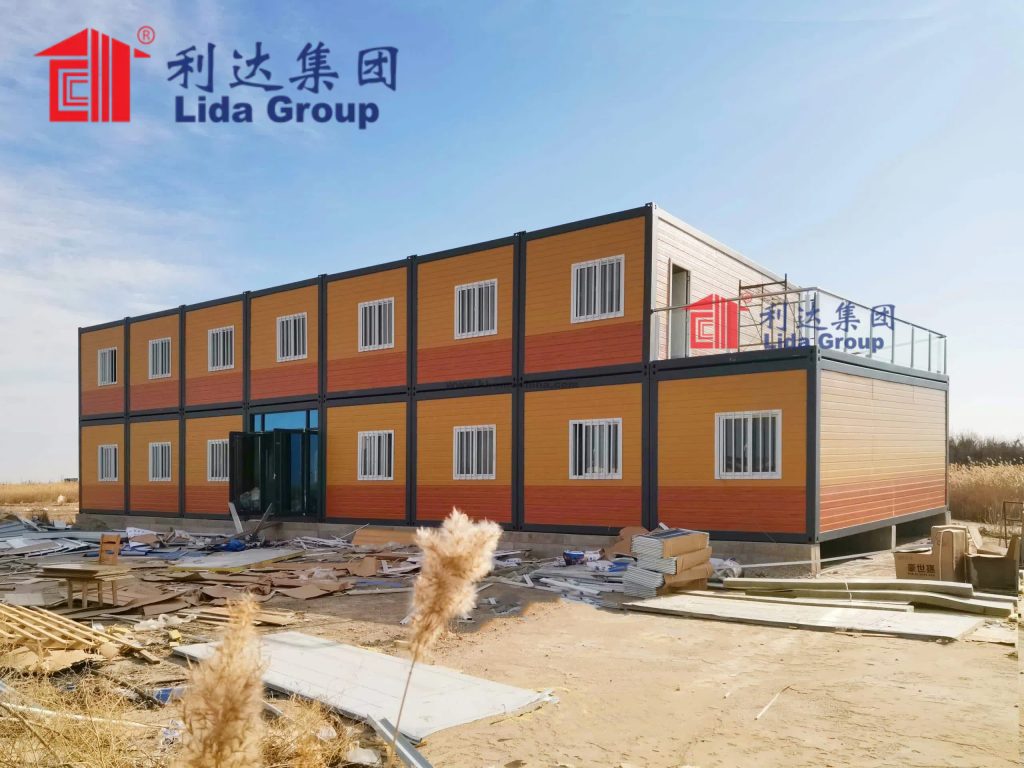
Individual living units provide the foundation for comfort, but true well-being in remote settings requires community. Lida Group’s larger camp solutions incorporate a range of amenities that transform collections of individual units into genuine communities.
**6.1 Dining Facilities**
Commercial-grade kitchens and dining halls are central to any camp. Lida’s dining modules are equipped with industrial cooking equipment, walk-in refrigeration, and dining areas designed for efficient service and comfortable seating. The modular design allows dining capacity to scale with camp population, ensuring that workers never face long queues or cramped conditions.
**6.2 Recreation and Fitness**
Physical activity and social interaction are essential for mental health, particularly in remote locations where entertainment options are limited. Lida’s recreation modules include:
– **Gyms:** Equipped with cardio and strength training equipment
– **Game rooms:** With pool tables, televisions, and comfortable seating
– **Multi-purpose spaces:** For yoga, group activities, or religious services
These facilities provide workers with opportunities to decompress, exercise, and connect with colleagues, reducing the isolation that contributes to remote workforce fatigue.
**6.3 Laundry and Sanitation**
Access to clean clothing and proper sanitation is fundamental to comfort. Lida’s camp solutions include dedicated laundry modules with industrial washers and dryers sized for the camp population. Sanitation modules provide additional restroom and shower facilities for communal areas, ensuring that capacity never becomes a bottleneck.
**6.4 Medical Facilities**
For camps located far from urban medical services, Lida can provide fully equipped medical modules. These include examination rooms, treatment areas, isolation wards, and telemedicine capabilities. The presence of on-site medical facilities provides peace of mind and ensures that minor injuries and illnesses can be treated promptly.
**Chapter 7: Smart Technology Integration for Enhanced Comfort**
The integration of smart building technologies is transforming how comfort is delivered and managed in container accommodation.
**7.1 Intelligent Climate Control**
Lida’s units can be equipped with smart thermostats and occupancy sensors that adjust temperature settings based on occupancy. When a unit is unoccupied, the system reduces heating or cooling to save energy; when the occupant returns, the system restores comfortable conditions. This approach ensures comfort while optimizing energy consumption.
**7.2 Lighting Automation**
Automated lighting systems can be programmed to simulate natural light patterns, supporting healthy circadian rhythms. Gradual dimming in the evening promotes melatonin production, while gentle brightening in the morning helps occupants wake naturally.
**7.3 Energy Management**
For camps operating on generator power, energy management systems prioritize critical loads and manage demand to prevent overloads. This ensures that comfort systems—HVAC, lighting, hot water—continue operating reliably even during periods of peak demand.

**Chapter 8: Real-World Validation—Projects That Demonstrate Comfort**
The comfort features of Lida Group’s container accommodation are not theoretical—they have been validated through successful deployment across diverse global contexts.
**8.1 Southeast Asian Residential Development**
In a Southeast Asian country, Lida Group completed the City Apartment Hotel Project using 33 modular container units configured as individual living spaces with private bathrooms and shared amenities. The units were customized with color schemes and secondary roofing for enhanced weather resistance. The project demonstrates that container accommodation can achieve the comfort standards expected in permanent residential developments.
**8.2 MTZ Project—Rapid Deployment Camp**
Also in Southeast Asia, the MTZ Project involved installation of 150 container housing units shipped in flat-pack form and assembled on site. These units were equipped with insulation materials, energy-efficient lighting, and double-glazed windows to reduce environmental impact and operational costs. The result was a comfortable living environment for workers, delivered rapidly and cost-effectively.
**8.3 Mining Camp in Chile**
In Chile’s Atacama Desert, Lida’s container apartments were deployed at an altitude of 3,000 meters, where daily temperature swings exceed 40°C. The units featured oxygen-enriched air systems and thermal mass walls that moderated temperature extremes. The outcome was zero altitude sickness cases among occupants, demonstrating that comfort features can address even the most challenging environmental conditions.
**8.4 Canadian Oil Sands**
In northern Canada, where winter temperatures plunge to -45°C, Lida’s Arctic-grade container units have operated continuously through multiple seasons. Features include triple-glazed windows, permafrost-preserving foundations, and self-regulating trace heating to prevent frozen pipes. Resident satisfaction surveys reported 92% approval, with workers specifically citing the comfortable interior conditions as a key factor.
**8.5 Zambian Copperbelt**
In Zambia’s Copperbelt mining region, Lida’s container apartments transformed worker housing conditions. The installation reduced worker turnover by 41% and illness-related downtime by 63%. These measurable outcomes demonstrate that investment in comfort delivers tangible returns in workforce stability and productivity.
**8.6 Integrated Camp House Concept**
Lida’s integrated camp house approach combines prefabricated construction with versatile design to create comfortable living environments across various settings. The houses feature well-insulated walls, efficient heating and cooling, proper ventilation, well-designed kitchens, comfortable bedrooms, and modern bathrooms. Shared amenities such as dining halls and recreational spaces foster community, creating a “home away from home” atmosphere.
**Chapter 9: Sustainability as a Comfort Multiplier**
Sustainable design features not only reduce environmental impact but also enhance occupant comfort. Lida Group’s commitment to sustainability delivers multiple comfort benefits.
**9.1 Solar Integration**
Solar-ready roofs provide a platform for photovoltaic arrays that can power lighting, ventilation, and even air conditioning. For camps in sunny locations, solar power reduces reliance on diesel generators, eliminating noise and vibration that disrupt sleep and creating a more pleasant acoustic environment.
**9.2 Water Conservation**
Water scarcity is a common challenge in remote locations. Lida’s units can be integrated with rainwater harvesting systems and greywater recycling, ensuring reliable water supply for showers, laundry, and sanitation. This reliability contributes to comfort by eliminating the uncertainty of water availability.
**9.3 Natural Ventilation**
Where climate permits, Lida’s designs incorporate natural ventilation strategies that allow occupants to control their environment. Operable windows and adjustable louvers enable fresh air circulation without mechanical systems, providing a connection to the outdoors that enhances psychological well-being.
**9.4 Biophilic Design Elements**
Recognizing the importance of connection to nature, Lida’s designs increasingly incorporate biophilic elements: views of natural surroundings, natural materials in interior finishes, and integration with outdoor spaces. For camps in barren environments, living walls and planted areas bring greenery into the living environment, reducing stress and improving mood.
**Chapter 10: The Future of Comfort in Container Accommodation**
The evolution of Lida Group’s container accommodation continues, with emerging technologies and design approaches promising even greater comfort.
**10.1 AI-Optimized Environments**
Future camps will utilize artificial intelligence to optimize comfort conditions continuously. Machine learning algorithms will learn occupant preferences, adjust temperature and lighting automatically, and predict maintenance needs before failures occur.
**10.2 Advanced Phase-Change Materials**
Phase-change materials (PCMs) integrated into walls will absorb heat during the day and release it at night, passively regulating temperature without energy consumption. These materials represent a significant advance in thermal comfort and energy efficiency.
**10.3 Enhanced Air Quality Monitoring**
Embedded sensors will continuously monitor indoor air quality—CO₂ levels, VOCs, particulates—and adjust ventilation systems automatically to maintain optimal conditions. Real-time data will provide occupants with confidence in the healthfulness of their environment.
**10.4 Personalized Comfort Zones**
Future systems will enable occupants to personalize their environment, with individual temperature controls, lighting presets, and acoustic preferences that follow them from space to space. This level of customization will transform container accommodation from standardized shelter to truly personalized living.
**Conclusion**
Lida Group’s modular modern container accommodation represents a comprehensive approach to workforce comfort that extends far beyond basic shelter. Through advanced engineering, thoughtful design, and commitment to quality, the company has demonstrated that container-based housing can deliver exceptional comfort across the most demanding environments on Earth.
The foundation of this comfort lies in superior thermal performance. Lida’s multi-layer insulation systems—with 75mm fiberglass walls and 100mm roof insulation—create a stable interior environment regardless of external conditions. From the -45°C winters of the Canadian oil sands to the 45°C summers of the Atacama Desert, these systems maintain comfortable temperatures that enable restful sleep and productive work.
Acoustic comfort is equally essential. The mass of steel construction, combined with acoustic damping insulation and quality seals, creates interiors shielded from the noise of generators, vehicles, and industrial activity. Workers in Lida’s units enjoy the peace and quiet necessary for recovery and relaxation.
Indoor air quality, often overlooked, is addressed through careful material selection, controlled ventilation, and filtration systems. Low-VOC finishes protect occupant health, while MVHR systems ensure constant fresh air without energy penalty. For dust-prone environments, positive pressure and HEPA filtration protect respiratory health.
Spatial comfort is achieved through optimized floor plans, ergonomic details, and natural light. Private bathrooms, comfortable beds, and ample storage transform compact units into genuine homes. Community amenities—dining halls, recreation facilities, medical clinics—create the social infrastructure that sustains mental health in remote settings.
Smart technology integration enhances comfort while optimizing resource use. Intelligent climate control, lighting automation, and energy management systems ensure that comfort is delivered efficiently and reliably.
Real-world validation across continents confirms the effectiveness of this approach. From Zambian copper mines to Chilean mountains, from Southeast Asian developments to Canadian oil sands, Lida’s container accommodation has delivered measurable improvements in worker satisfaction, retention, and productivity.
Sustainability features multiply comfort benefits. Solar integration eliminates generator noise. Water conservation ensures reliable supply. Natural ventilation connects occupants with their environment. These features demonstrate that environmental responsibility and occupant comfort are not competing priorities but complementary goals.
Looking forward, the trajectory is clear. AI optimization, phase-change materials, enhanced air quality monitoring, and personalized comfort zones will further elevate the standard of what is possible in container accommodation. Lida Group, with its 30 years of experience, global reach, and commitment to innovation, is positioned to lead this evolution.
For project managers, mining operators, and organizations requiring workforce accommodation, the message is clear: comfort is no longer a luxury to be deferred until project completion. It is a strategic imperative that directly impacts safety, productivity, and profitability. Lida Group’s modular modern container accommodation delivers this comfort—engineered for the most demanding environments, validated through real-world performance, and designed with the well-being of occupants at its core.
In an era where talent is the scarcest resource and working conditions determine who stays and who leaves, the ability to provide genuinely comfortable accommodation is a competitive advantage. Lida Group’s container solutions make this advantage accessible—transforming remote work from a hardship to be endured into a living experience that supports health, productivity, and well-being. This is the true measure of comfort, and it is the standard that Lida Group delivers.
Related news
-
Innovative Easy Assembly Container House Saves Time and Cost
2026-03-25 14:32:23
-
Rapid Deployment Prefabricated Container Labor Camp Now Available
2026-03-25 14:24:31
-
Lida Group Delivers Scalable Modular Modern Container Accommodation
2026-03-24 17:51:12
contact us
- Tel: +86-532-88966982
- Whatsapp: +86-13793209022
- E-mail: sales@lidajituan.com
