



Lida Group’s Metal Frame Farmhouse Withstands Harsh Conditions
2026-Feb-13 17:52:50
By Admin
In the global agricultural landscape, farmhouses serve as the backbone of rural productivity, providing shelter for farmers, storage for crops and equipment, and a hub for daily agricultural operations. However, farmhouses around the world face unprecedented challenges from harsh environmental conditions—extreme temperatures, violent storms, heavy snowfall, floods, droughts, corrosion, and pest infestations, to name a few. Traditional farmhouses, often constructed with wood, brick, or concrete, frequently struggle to withstand these adversities, leading to premature deterioration, costly repairs, disrupted operations, and even safety hazards for occupants. In this context, Lida Group, a global leader in prefabricated metal building solutions, has emerged with its innovative metal frame farmhouse, engineered specifically to endure the harshest of conditions while delivering long-term value, functionality, and sustainability. This article explores how Lida Group’s metal frame farmhouse redefines resilience in agricultural construction, examining its core design principles, material advantages, ability to withstand various harsh environments, real-world applications, and the lasting benefits it brings to farmers and rural communities worldwide.
With over two decades of experience in the prefabricated construction industry, Lida Group has established a reputation for excellence in designing and manufacturing durable, cost-effective, and environmentally friendly building solutions. Headquartered in China, the company operates globally, serving clients in more than 100 countries across Asia, Africa, Europe, North America, and South America. Lida Group’s core expertise lies in metal frame construction, leveraging advanced engineering technologies and high-quality materials to create buildings that adapt to diverse climatic and geographical conditions. Unlike traditional construction methods that are time-consuming, labor-intensive, and prone to quality inconsistencies, Lida Group’s metal frame farmhouses adopt a prefabricated approach—components are precision-manufactured in factories and then assembled on-site, ensuring consistent quality, faster construction times, and greater flexibility. The company’s commitment to innovation, quality control, and customer-centric design has made its metal frame farmhouses a preferred choice for farmers, agricultural enterprises, and rural developers seeking reliable shelter that can stand the test of time in even the most challenging environments.
At the heart of Lida Group’s metal frame farmhouse is its robust metal frame structure, the foundation of its exceptional resilience. Unlike traditional wooden frames that rot, warp, or succumb to termites, or brick/concrete frames that crack under extreme pressure or temperature fluctuations, Lida’s metal frames are constructed using high-grade galvanized steel or weathering steel, selected for their superior strength, durability, and resistance to environmental damage. This choice of material, combined with advanced structural engineering, enables the farmhouse to withstand a wide range of harsh conditions, from blizzards and hurricanes to earthquakes and floods. Moreover, Lida’s metal frame farmhouses are designed to be functional, sustainable, and adaptable, meeting the diverse needs of modern agriculture while minimizing environmental impact. Whether used as a residential farmhouse, crop storage facility, equipment shed, or livestock shelter, Lida’s metal frame farmhouse delivers consistent performance, ensuring that agricultural operations can continue uninterrupted, regardless of the weather or environmental challenges.
1. Lida Group: A Leader in Resilient Prefabricated Metal Construction
To understand the exceptional resilience of Lida Group’s metal frame farmhouse, it is first essential to recognize the company’s expertise and commitment to quality in prefabricated metal construction. Founded in 2001, Lida Group has grown from a regional construction firm to a global leader in prefabricated metal buildings, with a focus on innovation, sustainability, and customer satisfaction. The company’s core mission is to provide building solutions that are not only durable and functional but also cost-effective and environmentally responsible—an approach that has guided the development of its metal frame farmhouse line.
Lida Group’s success in delivering resilient building solutions stems from its integrated approach to design, manufacturing, and installation. The company employs a team of experienced engineers, architects, and technicians who specialize in metal frame construction, leveraging advanced software and simulation tools to design buildings that can withstand specific environmental challenges. From wind load calculations and snow load analysis to corrosion resistance testing and seismic design, every aspect of the metal frame farmhouse is meticulously engineered to meet or exceed international building standards, including ISO 9001, CE, and AISC. Lida Group’s state-of-the-art manufacturing facilities are equipped with automated production lines, ensuring that every component of the metal frame is precision-manufactured to strict quality standards, eliminating inconsistencies and defects that can compromise structural integrity.
In addition to its engineering and manufacturing expertise, Lida Group places a strong emphasis on quality control and customer support. Every batch of steel used in the metal frames undergoes rigorous testing to ensure it meets the required strength and corrosion resistance standards. During the prefabrication process, components are inspected at multiple stages to ensure they fit together seamlessly, reducing on-site assembly time and minimizing errors. The company also provides comprehensive on-site installation support, with trained technicians overseeing the assembly process to ensure that the farmhouse is constructed correctly and efficiently. Furthermore, Lida Group offers long-term after-sales service, including maintenance guidance and replacement parts, ensuring that its metal frame farmhouses continue to perform optimally for decades.
Lida Group’s metal frame farmhouses are designed with versatility in mind, catering to the diverse needs of farmers and agricultural operations worldwide. Whether in the snow-covered plains of Canada, the hurricane-prone coasts of the Caribbean, the arid regions of Australia, or the flood-prone valleys of Southeast Asia, Lida’s metal frame farmhouse can be customized to adapt to local environmental conditions. The company offers a range of design options, including different sizes, layouts, and additional features such as insulation, ventilation systems, and waterproofing, ensuring that the farmhouse meets the specific requirements of each customer. This flexibility, combined with the company’s global reach and local support, has made Lida Group a trusted partner for agricultural construction projects around the world.
2. Core Advantages of Lida’s Metal Frame Farmhouse: Built for Resilience
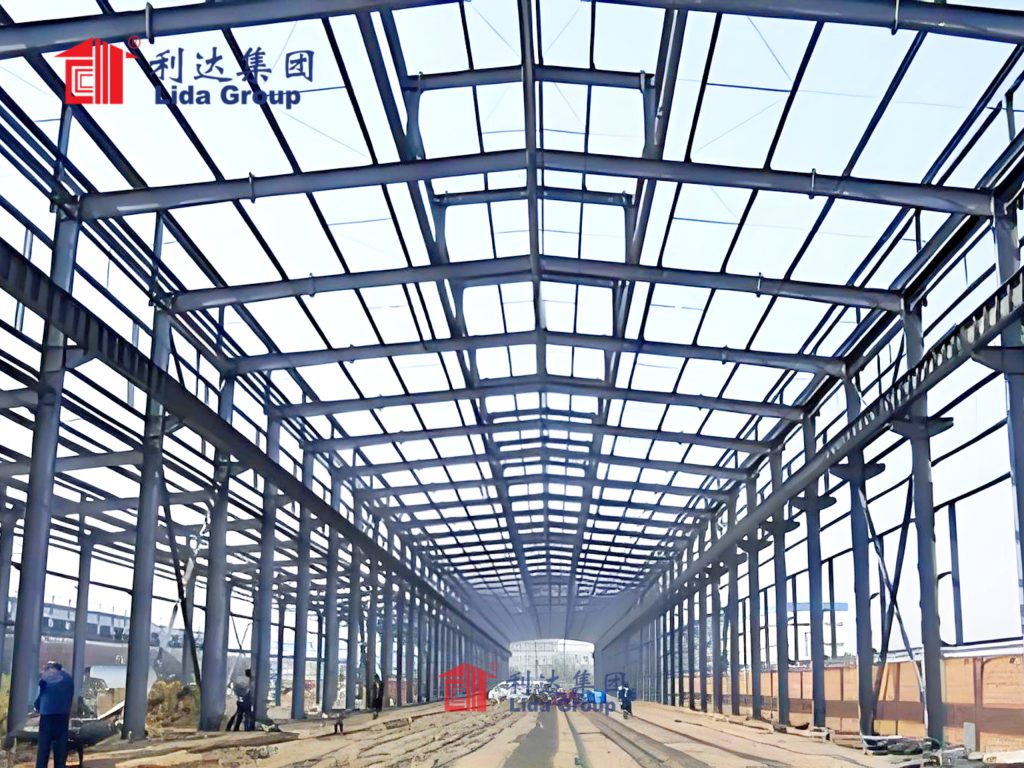
Lida Group’s metal frame farmhouse stands out from traditional farmhouses due to its unique combination of high-quality materials, advanced structural design, and prefabricated construction methods—all of which contribute to its exceptional ability to withstand harsh conditions. Below are the key advantages that make Lida’s metal frame farmhouse a resilient and reliable choice for agricultural shelter.
2.1 Superior Material Selection: Galvanized Steel for Maximum Durability
The foundation of Lida’s metal frame farmhouse’s resilience is its use of high-grade galvanized steel for the frame structure. Galvanized steel is steel that has been coated with a layer of zinc, which provides exceptional corrosion resistance, preventing rust and deterioration even in harsh, moist, or salty environments. Unlike traditional wooden frames, which are susceptible to rot, mold, and termite infestation, or brick/concrete frames, which can crack and crumble under extreme temperature changes or moisture, galvanized steel frames are designed to last for 50-100 years with minimal maintenance.
Lida Group uses hot-dip galvanization, the most effective method of galvanizing steel, which involves dipping the steel components into a bath of molten zinc. This process creates a thick, uniform zinc coating that bonds tightly to the steel, forming a barrier against moisture, oxygen, and other corrosive elements. The zinc coating not only prevents rust but also acts as a sacrificial layer—if the coating is scratched or damaged, the zinc will corrode first, protecting the underlying steel from damage. This makes galvanized steel ideal for use in harsh environments, including coastal areas with saltwater spray, humid regions with high rainfall, and agricultural areas with chemical exposure from fertilizers or pesticides.
In addition to galvanized steel, Lida Group also offers weathering steel (Corten steel) as an option for its metal frame farmhouses. Weathering steel develops a thick, stable rust-like patina over time, which acts as a natural barrier against further corrosion. This material is particularly well-suited for dry, rural environments where maintenance is difficult, as it requires no additional coating or treatment after installation. Both galvanized steel and weathering steel are known for their high strength-to-weight ratio, making them lightweight yet incredibly strong—capable of supporting heavy snow loads, withstanding strong winds, and resisting structural damage from impacts.
2.2 Advanced Structural Design: Engineered to Withstand Extreme Forces
Beyond superior materials, Lida’s metal frame farmhouse features an advanced structural design that is engineered to withstand extreme environmental forces. The company’s engineers use state-of-the-art software to conduct detailed structural analysis, including wind load, snow load, seismic load, and flood load calculations, ensuring that the farmhouse can endure the specific harsh conditions of its intended location.
One of the key structural features of Lida’s metal frame farmhouse is its rigid frame design. The frame consists of steel beams and columns that are connected using high-strength bolts and welds, creating a continuous, rigid structure that distributes forces evenly throughout the building. This design minimizes structural deflection and deformation, even under extreme pressure from heavy snow, strong winds, or earthquakes. For example, in hurricane-prone regions, the frame is engineered to withstand wind speeds of up to 150 mph (240 km/h), with additional bracing and reinforcement to prevent roof uplift and wall collapse. In snow-prone areas, the roof is designed to support snow loads of up to 100 pounds per square foot (488 kg per square meter), ensuring that it does not cave under heavy blizzards.
Lida’s metal frame farmhouse also features a modular design, which enhances its structural resilience. The prefabricated components are designed to fit together seamlessly, creating a unified structure that is stronger than traditional stick-built or masonry buildings. The modular design also allows for easy expansion or modification, enabling farmers to add additional space for storage, livestock, or living quarters as their needs grow, without compromising the structural integrity of the original building. Additionally, the metal frame is lightweight, which reduces the overall load on the foundation, making it suitable for use in areas with poor soil conditions or seismic activity.
2.3 Prefabricated Construction: Quality, Speed, and Consistency
Lida Group’s metal frame farmhouses are constructed using a prefabricated approach, which offers numerous advantages over traditional on-site construction—particularly when it comes to resilience. All components of the metal frame, including beams, columns, roof trusses, and wall panels, are precision-manufactured in Lida’s state-of-the-art factories, under controlled conditions. This ensures that every component meets strict quality standards, with consistent dimensions, materials, and craftsmanship, eliminating the inconsistencies and defects that are common in on-site construction.
Prefabricated construction also reduces the time required to build the farmhouse, which is critical in harsh environments. Traditional construction methods can take months or even years to complete, exposing the building to the elements during construction and increasing the risk of damage. In contrast, Lida’s prefabricated metal frame farmhouse can be assembled on-site in as little as 2-4 weeks, depending on the size and complexity of the design. This rapid assembly minimizes the time the building spends under construction, reducing the risk of damage from storms, snow, or other harsh conditions. Additionally, the prefabricated components are transported to the site in protective packaging, ensuring that they arrive in perfect condition, free from damage or corrosion.
The prefabricated approach also allows for greater quality control during the manufacturing process. Lida Group uses automated production lines and advanced testing equipment to ensure that every component is manufactured to the highest standards. For example, all welds are inspected using non-destructive testing methods to ensure they are strong and free from defects, and all steel components are tested for strength and corrosion resistance before leaving the factory. This rigorous quality control ensures that the metal frame farmhouse is built to last, with no weak points that could compromise its resilience in harsh conditions.
2.4 Sustainable and Low-Maintenance Design
Lida Group’s metal frame farmhouse is not only resilient but also sustainable and low-maintenance, reducing the long-term cost and environmental impact for farmers. The use of steel, which is 100% recyclable, makes the farmhouse an environmentally friendly choice, as it reduces the demand for virgin materials and minimizes construction waste. Additionally, the prefabricated construction process generates significantly less waste than traditional construction, as components are manufactured to precise specifications, with minimal cutting or trimming required on-site.
The low-maintenance nature of Lida’s metal frame farmhouse is another key advantage, particularly for farmers who may not have the time or resources to perform regular maintenance on their buildings. Unlike wooden farmhouses, which require regular painting, staining, and termite treatments, or brick/concrete farmhouses, which may require patching and sealing to prevent water damage, Lida’s metal frame farmhouse requires minimal upkeep. The galvanized steel frame is resistant to rust, rot, and pest infestation, and the exterior cladding (which can include metal panels, fiber cement, or vinyl) is designed to be durable and easy to clean. Additionally, the farmhouse’s roof is equipped with high-quality waterproofing materials, preventing leaks and water damage, and the insulation system is designed to reduce energy consumption, lowering heating and cooling costs for the occupants.
3. How Lida’s Metal Frame Farmhouse Withstands Specific Harsh Conditions
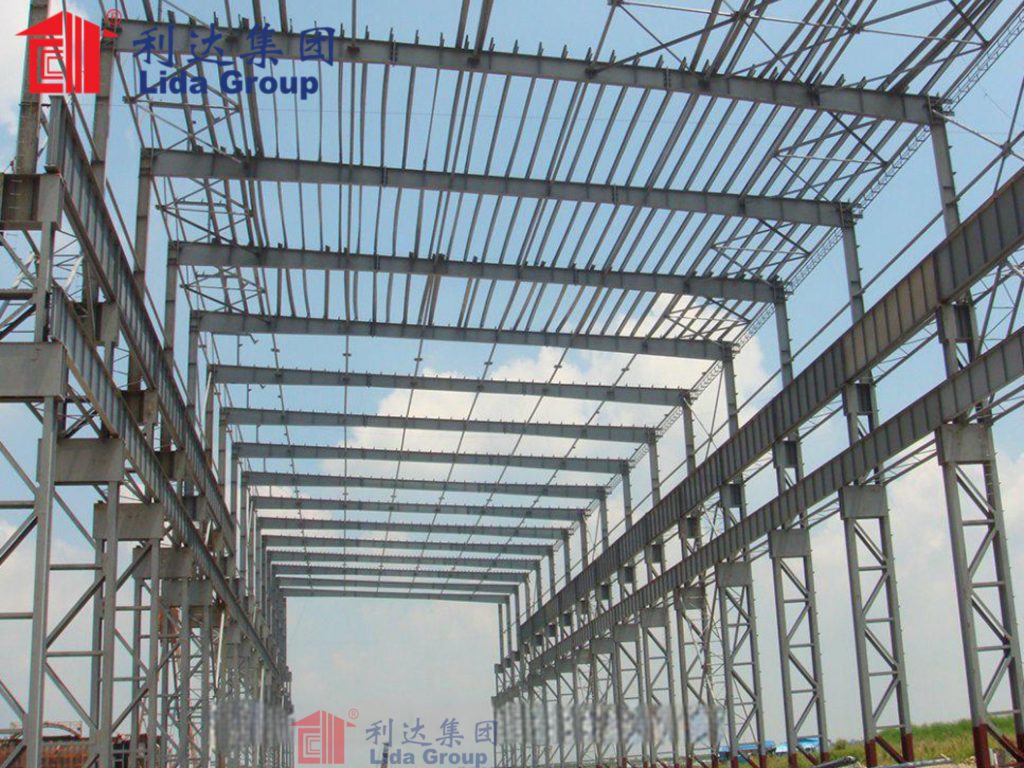
Lida Group’s metal frame farmhouse is engineered to withstand a wide range of harsh environmental conditions, from extreme temperatures and violent storms to floods and corrosion. Below is a detailed examination of how the farmhouse performs in some of the most challenging environments, highlighting the specific design features and materials that enable it to endure.
3.1 Extreme Temperatures: Hot and Cold Climates
Farmhouses in extreme temperature zones—whether hot deserts or cold polar regions—face unique challenges, including thermal expansion and contraction, heat loss, and heat gain. Traditional farmhouses often struggle to maintain comfortable indoor temperatures, leading to increased energy costs and discomfort for occupants. Lida’s metal frame farmhouse is designed to adapt to extreme temperatures, with features that ensure thermal efficiency and structural stability.
In cold climates, Lida’s metal frame farmhouse is equipped with a high-performance insulation system, including spray foam insulation, fiberglass batts, or rigid foam boards, which are installed in the walls, roof, and floor. This insulation creates a thermal barrier, preventing heat loss and maintaining a consistent indoor temperature, even in temperatures as low as -40°F (-40°C). The metal frame itself is resistant to thermal expansion and contraction, which can cause cracks in traditional brick or concrete frames. Additionally, the roof is designed with a steep pitch to prevent snow accumulation, reducing the risk of roof collapse under heavy snow loads. The exterior cladding is also selected for its ability to withstand freezing temperatures, with materials that do not become brittle or crack in cold weather.
In hot climates, Lida’s metal frame farmhouse is designed to minimize heat gain and maximize ventilation. The roof is equipped with reflective metal panels, which reflect sunlight and reduce heat absorption, keeping the interior cool. The walls are insulated with materials that have a high R-value, preventing heat from entering the building. Additionally, the farmhouse can be equipped with natural ventilation systems, such as windows, vents, and ceiling fans, which promote air circulation and reduce the need for air conditioning. The metal frame is also resistant to heat-related damage, with galvanized steel that does not warp or melt in high temperatures (up to 120°F (49°C) or higher). In arid regions, the farmhouse can also be equipped with rainwater harvesting systems, which collect and store rainwater for irrigation and other agricultural uses, addressing the challenge of water scarcity.
3.2 Violent Storms: Hurricanes, Tornadoes, and Thunderstorms
Violent storms, including hurricanes, tornadoes, and thunderstorms, pose a significant threat to farmhouses, with strong winds, flying debris, and heavy rainfall causing structural damage, roof uplift, and flooding. Lida’s metal frame farmhouse is engineered to withstand these extreme weather events, with design features that enhance its wind resistance and waterproofing.
For hurricane-prone regions, Lida’s metal frame farmhouse is designed to meet or exceed the wind load requirements of the International Building Code (IBC) and local building standards. The frame is reinforced with additional bracing, including diagonal bracing and cross-bracing, which distributes wind forces evenly throughout the structure and prevents wall and roof collapse. The roof is attached to the frame using high-strength bolts and clips, which prevent roof uplift—one of the most common causes of damage in hurricanes. The exterior cladding is secured with wind-resistant fasteners, ensuring that it does not blow off during strong winds. Additionally, the farmhouse can be equipped with impact-resistant windows and doors, which protect against flying debris and prevent water intrusion.
In tornado-prone regions, Lida’s metal frame farmhouse can be designed with a reinforced safe room, which provides a secure shelter for occupants during tornadoes. The safe room is constructed with extra-thick steel walls and a reinforced roof, capable of withstanding wind speeds of up to 250 mph (400 km/h) and impacts from flying debris. The main structure of the farmhouse is also engineered to be tornado-resistant, with a rigid frame that minimizes structural damage. For thunderstorm-prone regions, the farmhouse is equipped with lightning protection systems, which redirect lightning strikes away from the building, preventing electrical damage and fires. The roof is also designed to shed heavy rainfall quickly, with a steep pitch and waterproofing materials that prevent leaks and water damage.
3.3 Floods and Water Damage
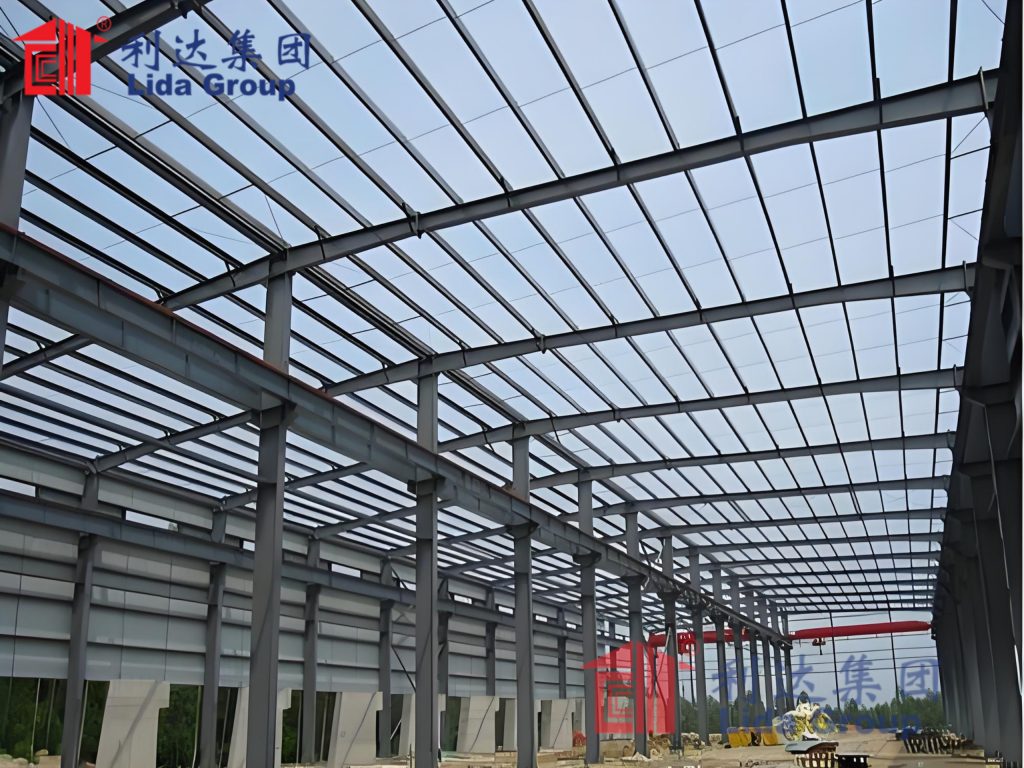
Floods are a common hazard for farmhouses located in low-lying areas, near rivers, or in regions with heavy rainfall. Traditional farmhouses, particularly those with wooden or masonry foundations, are highly susceptible to water damage, including rot, mold, and structural collapse. Lida’s metal frame farmhouse is designed to resist flood damage, with features that prevent water intrusion and protect the structure from moisture.
One of the key features of Lida’s flood-resistant metal frame farmhouse is its elevated foundation. The farmhouse can be built on concrete piers or a raised concrete slab, which elevates the main structure above the floodplain, preventing water from entering the interior. The foundation is also constructed with waterproof concrete and sealed with a waterproof membrane, preventing water from seeping into the structure. The metal frame itself is resistant to water damage, as galvanized steel does not rot or rust when exposed to water (unlike wood) and does not crack or crumble (unlike concrete). Additionally, the exterior cladding is selected for its water resistance, with materials such as metal panels or fiber cement that do not absorb water or suffer damage from prolonged exposure to moisture.
In areas prone to frequent flooding, Lida’s metal frame farmhouse can also be equipped with additional flood protection features, such as flood vents, which allow water to flow through the building without causing structural damage, and sump pumps, which remove water from the basement or crawl space. The interior finishes, such as flooring and wall coverings, are also selected for their water resistance, with materials that can be easily cleaned and dried after a flood, reducing the risk of mold and mildew growth. These features ensure that Lida’s metal frame farmhouse can withstand floods and continue to function normally after the water recedes, minimizing downtime and repair costs for farmers.
3.4 Corrosion and Pest Infestations
Corrosion and pest infestations are significant threats to farmhouses, particularly in coastal areas, humid regions, and agricultural areas with high chemical exposure. Traditional farmhouses, with wooden frames and exterior cladding, are highly susceptible to termite infestation, rot, and mold, while brick and concrete frames can suffer from corrosion due to saltwater or chemical exposure. Lida’s metal frame farmhouse is designed to resist both corrosion and pest infestations, ensuring long-term durability.
As previously mentioned, Lida’s metal frame is constructed using galvanized steel or weathering steel, both of which are highly resistant to corrosion. The galvanized zinc coating acts as a barrier against moisture, salt, and chemicals, preventing rust and deterioration. In coastal areas, where saltwater spray is a common problem, Lida Group uses extra-thick zinc coatings or marine-grade galvanized steel, which provides enhanced corrosion resistance. Additionally, all fasteners, such as bolts and screws, are also galvanized or made from stainless steel, ensuring that they do not corrode and compromise the structural integrity of the frame.
Lida’s metal frame farmhouse is also completely resistant to pest infestations, including termites, rodents, and insects. Unlike wooden frames, which are a food source for termites and rodents, steel frames do not attract pests and cannot be damaged by them. The exterior cladding, which is often made from metal or fiber cement, is also resistant to pest damage, as it cannot be chewed through or infested. Additionally, the prefabricated construction method eliminates gaps and cracks in the structure, which are common entry points for pests, further enhancing the farmhouse’s resistance to infestations. This eliminates the need for regular pest control treatments, reducing long-term maintenance costs for farmers.
3.5 Seismic Activity: Earthquake-Prone Regions
Farmhouses located in earthquake-prone regions face the risk of structural damage or collapse due to seismic waves. Traditional farmhouses, with rigid brick or concrete frames, are often unable to withstand the lateral forces generated by earthquakes, leading to catastrophic damage. Lida’s metal frame farmhouse is engineered to be seismic-resistant, with design features that allow it to absorb and dissipate seismic energy, minimizing structural damage.
The key to Lida’s seismic-resistant design is its flexible metal frame. Steel is a ductile material, meaning it can bend and deform without breaking, allowing it to absorb seismic energy and dissipate it throughout the structure. The frame is designed with moment-resisting connections, which allow the beams and columns to rotate slightly during an earthquake, reducing the lateral forces on the structure. Additionally, the frame is reinforced with shear walls and bracing, which provide additional stability and prevent the building from swaying excessively during seismic activity.
Lida’s metal frame farmhouse also features a lightweight design, which reduces the overall mass of the building and the forces generated during an earthquake. The prefabricated components are connected using high-strength bolts and welds, creating a unified structure that moves as a single unit during an earthquake, minimizing structural damage. The foundation is also engineered to be seismic-resistant, with deep concrete footings that anchor the building to the ground and prevent it from settling or collapsing. In earthquake-prone regions, Lida’s metal frame farmhouse is designed to meet or exceed local seismic building codes, ensuring that it can withstand earthquakes of varying magnitudes, protecting occupants and valuable agricultural equipment.

4. Global Case Studies: Lida’s Metal Frame Farmhouse in Action
To fully understand the resilience and performance of Lida Group’s metal frame farmhouse in harsh conditions, it is helpful to examine real-world case studies from around the world. These case studies demonstrate how Lida’s metal frame farmhouse has successfully withstood extreme environmental challenges, delivering lasting value to farmers and agricultural communities.
4.1 Case Study 1: Canada – Withstanding Heavy Snowfall and Extreme Cold
In the province of Alberta, Canada, where winters are long and harsh, with temperatures dropping to -40°F (-40°C) and annual snowfall exceeding 100 inches (254 cm), a local farmer approached Lida Group to build a metal frame farmhouse and equipment storage facility. The farmer needed a building that could withstand heavy snow loads, extreme cold, and strong winds, while providing a warm and comfortable living space and secure storage for agricultural equipment.
Lida Group designed a 2,500-square-foot metal frame farmhouse with a rigid steel frame constructed from hot-dip galvanized steel. The roof was designed with a steep pitch (4:12) to shed heavy snow quickly, and it was reinforced to support a snow load of 80 pounds per square foot (390 kg per square meter). The walls and roof were insulated with spray foam insulation (R-value of 49), which provided exceptional thermal efficiency, keeping the interior temperature consistent even in extreme cold. The exterior cladding was made from metal panels with a protective coating that resists fading and damage from freezing temperatures.
Since its installation in 2018, the farmhouse has withstood several severe blizzards, including a 2022 storm that dumped 30 inches (76 cm) of snow in 24 hours and generated winds of up to 60 mph (97 km/h). The roof remained intact, with no signs of collapse or damage, and the interior temperature stayed above 65°F (18°C) without excessive energy use. The metal frame showed no signs of corrosion or damage from the cold, and the equipment stored in the attached facility remained safe and protected. The farmer reported that the farmhouse has required minimal maintenance, with no need for snow removal from the roof (due to the steep pitch) and no repairs needed to the frame or cladding. This case study demonstrates Lida’s metal frame farmhouse’s ability to withstand extreme cold and heavy snowfall, providing reliable shelter in one of the harshest winter environments in North America.
4.2 Case Study 2: Thailand – Resisting Floods and Tropical Storms
In the Chao Phraya River Delta in Thailand, a region prone to annual floods and tropical storms, a group of farmers partnered with Lida Group to build a community of metal frame farmhouses. The farmers needed buildings that could withstand floods, strong winds from tropical storms, and high humidity, while providing living space and storage for crops.
Lida Group designed elevated metal frame farmhouses, built on concrete piers that raised the main structure 6 feet (1.8 meters) above the ground, well above the typical flood level. The metal frames were constructed from galvanized steel to resist corrosion from floodwater and high humidity. The exterior cladding was made from fiber cement panels, which are water-resistant and durable, and the roof was equipped with waterproofing membranes and a steep pitch to shed heavy rainfall. The farmhouses also included flood vents and sump pumps to further protect against water damage.
In 2021, the region experienced severe flooding, with water levels reaching 5 feet (1.5 meters) above the ground—well above the typical flood level. The Lida metal frame farmhouses remained completely dry inside, with no water intrusion, and the metal frames showed no signs of corrosion or damage from the floodwater. The farmhouses also withstood a tropical storm later that year, with winds of up to 100 mph (160 km/h), with no structural damage. The crops stored in the farmhouses remained safe and dry, and the farmers were able to continue their agricultural operations uninterrupted. The community reported that the metal frame farmhouses were far more resilient than the traditional wooden farmhouses they had previously used, which often suffered severe damage or were destroyed by floods and storms. This case study highlights Lida’s metal frame farmhouse’s ability to withstand floods and tropical storms, providing reliable shelter in flood-prone regions.
4.3 Case Study 3: Australia – Enduring Arid Heat and Bushfires
In the outback region of Western Australia, where temperatures often exceed 100°F (38°C) in summer, rainfall is scarce, and bushfires are a frequent threat, a cattle farmer commissioned Lida Group to build a metal frame farmhouse and livestock shelter. The farmer needed a building that could withstand extreme heat, arid conditions, and bushfires, while providing a cool living space and protection for livestock.
Lida Group designed a metal frame farmhouse with a reflective metal roof, which reflects sunlight and reduces heat absorption, keeping the interior cool. The walls were insulated with rigid foam boards (R-value of 38), and the farmhouse was equipped with natural ventilation systems, including large windows and ceiling fans, to promote air circulation. The metal frame was constructed from weathering steel, which develops a natural patina that resists corrosion in the arid environment. For bushfire protection, the farmhouse was built with fire-resistant exterior cladding and a roof that is resistant to ember attacks, and the surrounding area was cleared of vegetation to create a firebreak.
Since its installation in 2019, the farmhouse has endured several heatwaves, with temperatures reaching 115°F (46°C), and the interior temperature remained below 80°F (27°C) without air conditioning. In 2023, a bushfire swept through the region, coming within 500 feet (152 meters) of the farmhouse. The fire-resistant design prevented the farmhouse from catching fire, and the livestock shelter protected the farmer’s cattle from harm. The weathering steel frame showed no signs of corrosion or damage from the heat, and the reflective roof remained intact. The farmer reported that the farmhouse has required minimal maintenance, with no need for painting or repairs, and it has proven to be far more resilient than the traditional concrete farmhouse they had previously used, which often overheated and required frequent repairs. This case study demonstrates Lida’s metal frame farmhouse’s ability to withstand arid heat and bushfires, providing reliable shelter in one of Australia’s harshest environments.
5. Comparison with Traditional Farmhouses: Why Lida’s Metal Frame is Superior
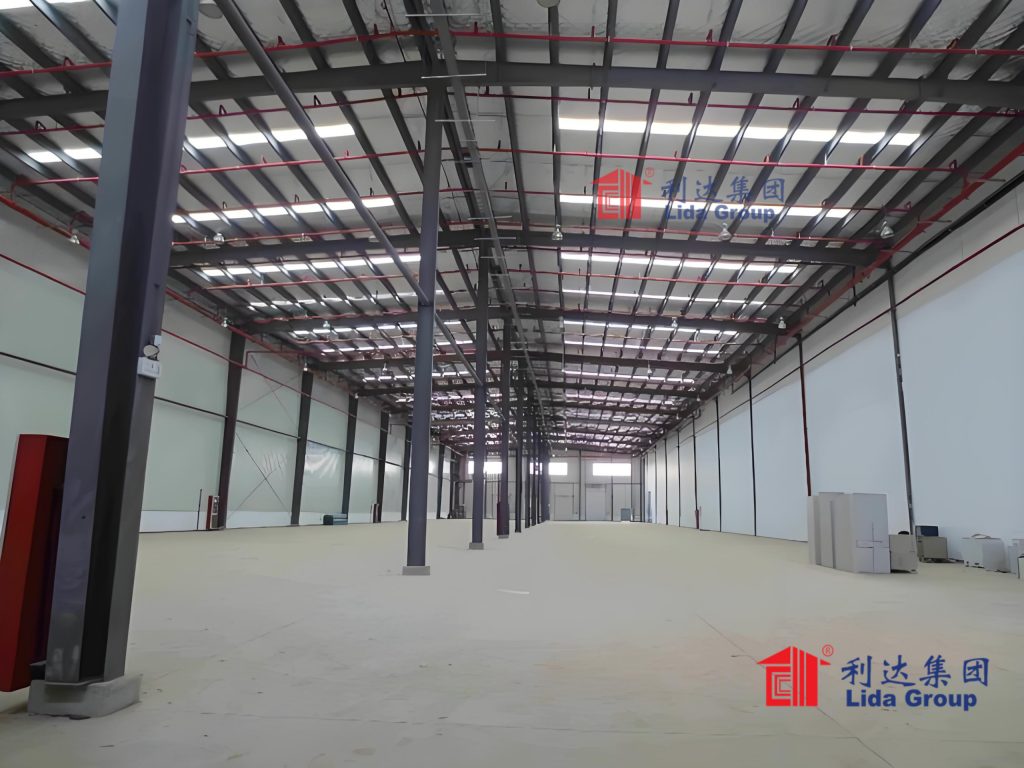
To fully appreciate the resilience and value of Lida Group’s metal frame farmhouse, it is helpful to compare it with traditional farmhouses constructed from wood, brick, or concrete. This comparison highlights the key advantages of Lida’s metal frame design in terms of resilience, durability, maintenance, and cost-effectiveness.
5.1 Wood Frame Farmhouses
Wood frame farmhouses are the most common traditional farmhouse type, particularly in rural areas. While wood is readily available and relatively inexpensive, it is highly susceptible to harsh environmental conditions. Wood frames rot, warp, and mold when exposed to moisture, making them vulnerable to floods, high humidity, and rain. They are also a food source for termites and rodents, leading to costly pest control treatments and structural damage. In extreme temperatures, wood expands and contracts, causing cracks in the walls and roof, and it can catch fire easily, making it dangerous in bushfire or wildfire-prone regions. Additionally, wood frame farmhouses require regular maintenance, including painting, staining, and repairs, to prevent deterioration, adding to long-term costs.
In contrast, Lida’s metal frame farmhouse is resistant to rot, mold, and pest infestations, and it does not expand or contract in extreme temperatures. It is also fire-resistant and requires minimal maintenance, making it a more resilient and cost-effective choice than wood frame farmhouses.
5.2 Brick/Concrete Frame Farmhouses
Brick and concrete frame farmhouses are known for their strength and durability, but they also have significant limitations in harsh environments. Brick and concrete are heavy, which makes them susceptible to damage from seismic activity and strong winds—they can crack or collapse under lateral forces. They are also prone to corrosion when exposed to saltwater or chemicals, particularly in coastal areas. In extreme temperatures, brick and concrete can crack due to thermal expansion and contraction, and they are poor insulators, leading to high energy costs in hot or cold climates. Additionally, brick and concrete construction is time-consuming and labor-intensive, and repairs are costly and difficult, as damaged bricks or concrete must be replaced entirely.
Lida’s metal frame farmhouse is lightweight yet strong, making it resistant to seismic activity and strong winds. It is also corrosion-resistant and has excellent thermal insulation properties, reducing energy costs. The prefabricated construction method is faster and more cost-effective than brick/concrete construction, and repairs are easier and less expensive, as individual components can be replaced without disrupting the entire structure.
5.3 Cost-Effectiveness Over Time
While the initial cost of Lida’s metal frame farmhouse may be slightly higher than that of a traditional wood frame farmhouse, it is far more cost-effective over the long term. Traditional farmhouses require frequent maintenance, repairs, and replacements, which add up over time. For example, a wood frame farmhouse may require $5,000-$10,000 in annual maintenance and repairs, while Lida’s metal frame farmhouse requires less than $1,000 in annual maintenance. Additionally, traditional farmhouses have a shorter lifespan (20-30 years for wood, 30-50 years for brick/concrete) compared to Lida’s metal frame farmhouse (50-100 years). This means that farmers who choose Lida’s metal frame farmhouse will save money on maintenance, repairs, and replacement over the life of the building, making it a more cost-effective investment.
6. Challenges and Future Innovations for Lida’s Metal Frame Farmhouse
While Lida Group’s metal frame farmhouse is already highly resilient and reliable, the company continues to face challenges and pursue innovations to further enhance its performance in harsh conditions. Below are the key challenges and future innovations for Lida’s metal frame farmhouse.
6.1 Current Challenges
One of the main challenges Lida Group faces is the perception that metal frame buildings are less aesthetically pleasing than traditional farmhouses. Some farmers prefer the traditional look of wood or brick farmhouses and are hesitant to choose metal frame buildings. To address this challenge, Lida Group has expanded its design options, offering a range of exterior cladding materials, including wood-look metal panels, stone-look fiber cement, and vinyl siding, which give the metal frame farmhouse a traditional appearance while maintaining its resilience.
Another challenge is the high initial cost of metal frame construction compared to traditional wood frame construction. While metal frame farmhouses are more cost-effective over the long term, some farmers may be deterred by the higher upfront investment. To address this, Lida Group has optimized its manufacturing processes to reduce costs, and it offers flexible financing options for customers, making the metal frame farmhouse more accessible.
Additionally, in some regions with limited infrastructure or skilled labor, on-site assembly of prefabricated components can be challenging. Lida Group addresses this by providing comprehensive on-site support, including trained technicians and detailed assembly instructions, and by partnering with local contractors to ensure that the farmhouse is constructed correctly.
6.2 Future Innovations
Lida Group is committed to continuous innovation, and it is investing in research and development to further enhance the resilience and performance of its metal frame farmhouse. One key area of innovation is the integration of smart technology, which will make the farmhouse more efficient, safe, and user-friendly. For example, Lida is developing smart metal frame farmhouses equipped with IoT sensors that monitor temperature, humidity, and structural integrity, alerting farmers to potential issues (such as corrosion or structural damage) before they become serious. The company is also integrating solar panels and energy storage systems into its farmhouses, making them more sustainable and reducing energy costs for farmers.
Another area of innovation is the development of more advanced corrosion-resistant materials. Lida Group is researching new galvanization techniques and coatings that will provide even greater protection against corrosion in harsh environments, such as coastal areas and regions with high chemical exposure. The company is also exploring the use of recycled steel in its frames, further enhancing the sustainability of its products.
Lida Group is also working to improve the modular design of its metal frame farmhouses, making them even more flexible and adaptable. The company is developing modular components that can be easily added or removed, allowing farmers to expand or modify their farmhouses as their needs change. Additionally, Lida is exploring the use of 3D printing technology to manufacture custom components, reducing production time and costs and allowing for more personalized designs.
7. Conclusion: Lida’s Metal Frame Farmhouse – A Resilient Investment for the Future
Lida Group’s metal frame farmhouse represents a paradigm shift in agricultural construction, redefining resilience, durability, and value for farmers and rural communities worldwide. In an era of increasing environmental challenges—extreme temperatures, violent storms, floods, corrosion, and pest infestations—traditional farmhouses are no longer able to keep up, leading to costly repairs, disrupted operations, and safety hazards. Lida’s metal frame farmhouse, with its superior materials, advanced structural design, prefabricated construction, and sustainable features, is engineered specifically to withstand these harsh conditions, delivering lasting value and peace of mind to farmers.
As explored in this article, the key to Lida’s metal frame farmhouse’s resilience lies in its use of high-grade galvanized or weathering steel, which provides exceptional strength, corrosion resistance, and durability. The advanced structural design, including rigid frames, reinforced bracing, and seismic-resistant foundations, enables the farmhouse to withstand extreme forces from winds, snow, earthquakes, and floods. The prefabricated construction method ensures consistent quality, faster assembly, and minimal waste, while the sustainable and low-maintenance design reduces long-term costs and environmental impact. Real-world case studies from Canada, Thailand, and Australia demonstrate the farmhouse’s ability to perform exceptionally well in some of the harshest environments, proving its reliability and resilience.
Compared to traditional wood, brick, or concrete farmhouses, Lida’s metal frame farmhouse offers numerous advantages: it is more resilient to environmental damage, requires minimal maintenance, has a longer lifespan, and is more cost-effective over time. While the company faces challenges in changing perceptions and addressing initial cost concerns, its commitment to innovation and customer satisfaction is helping to overcome these barriers, making the metal frame farmhouse an increasingly popular choice for farmers worldwide.
Looking to the future, Lida Group’s ongoing investment in research and development, including smart technology integration, advanced corrosion-resistant materials, and improved modular design, will further enhance the performance and value of its metal frame farmhouse. As climate change continues to bring more frequent and severe weather events, the need for resilient agricultural shelter will only grow, and Lida’s metal frame farmhouse is well-positioned to meet this demand.
In conclusion, Lida Group’s metal frame farmhouse is more than just a building—it is a resilient investment in the future of agriculture. It provides farmers with a safe, durable, and functional shelter that can withstand the harshest conditions, ensuring that agricultural operations can continue uninterrupted, regardless of the environment. Whether you are a small-scale farmer in a remote rural area or a large agricultural enterprise operating in a harsh climate, Lida’s metal frame farmhouse offers the resilience, value, and flexibility you need to succeed. With Lida Group’s expertise, quality commitment, and global support, you can trust that your metal frame farmhouse will stand the test of time, delivering lasting value for decades to come.
Related news
-
Efficient and Sturdy Steel Structure Building for Agriculture
2026-02-13 17:34:57
-
Experience Lasting Value with High Quality Construction
2026-02-13 17:42:48
-
Lida Group Delivers Premium Metal Frame Farmhouse Projects
2026-02-13 17:12:13
contact us
- Tel: +86-532-88966982
- Whatsapp: +86-13793209022
- E-mail: sales@lidajituan.com
