



Lida Group’s Low-Cost Durable Building Solutions Benefit Project Budgets
2026-Feb-25 17:35:26
By Admin
In the global construction, infrastructure, mining, and energy industries, project budgets are the lifeline of successful delivery. Every project—whether a large-scale commercial complex, a remote mining camp, a residential community, or an industrial facility—operates within strict budget constraints, with cost overruns often leading to delays, compromised quality, or even project abandonment. One of the most persistent challenges facing project managers and stakeholders is balancing cost efficiency with long-term durability in building construction. Traditional building solutions force a painful trade-off: choose low upfront costs and accept rapid deterioration, frequent repairs, and short lifespans; or invest in durable structures that come with exorbitant initial expenses, straining project budgets from the outset. Against this backdrop, Lida Group, a pioneering enterprise with over three decades of experience in prefabricated and modular construction, has emerged as a game-changer. The group’s low-cost, durable building solutions are specifically engineered to eliminate this trade-off, delivering exceptional value that directly benefits project budgets—reducing upfront costs, minimizing long-term expenses, and ensuring projects stay on track financially while maintaining uncompromising quality and longevity.
To fully appreciate how Lida Group’s solutions transform project budget management, it is essential to first examine the industry pain points that have long plagued budget planning and execution. Across industries, project teams grapple with cost inefficiencies rooted in traditional construction methods, with two primary options failing to meet the dual demands of affordability and durability.
Temporary building solutions—such as conventional prefab shacks, wooden barracks, or low-grade steel structures—are often chosen for their low upfront costs. However, their lack of durability translates to significant long-term expenses that derail project budgets. These structures typically use thin, low-quality materials that are prone to rust, corrosion, mold, and physical damage, especially in harsh environments like construction sites, mining areas, or coastal regions. A typical temporary building has a lifespan of only 2-5 years, requiring frequent repairs (often 10-15% of the initial cost annually) and eventual full replacement. For example, a mining company that invests in low-grade temporary worker dormitories may save 20% on upfront costs but end up spending 50% more over five years due to repairs, replacements, and downtime caused by structural failures. Additionally, temporary structures often have poor energy efficiency, leading to higher utility costs for heating, cooling, and lighting—further straining project budgets.
Permanent brick-and-concrete structures, on the other hand, offer greater durability but come with prohibitive upfront costs and lengthy construction timelines. Building with traditional brick and concrete requires extensive on-site labor, large quantities of raw materials, and a construction cycle that can take 3-6 months for a single building block. This not only increases labor costs (which account for 30-40% of total construction costs) but also delays project timelines, leading to additional overhead costs such as site management, equipment rental, and financing charges. For projects with tight budgets or short timelines—such as emergency housing, temporary infrastructure, or remote project camps—permanent brick-and-concrete structures are often impractical, as their high initial investment and slow construction pace can push projects over budget before they even begin. Moreover, these structures are inflexible: they cannot be disassembled, relocated, or repurposed, meaning the initial investment is lost once the project is completed.
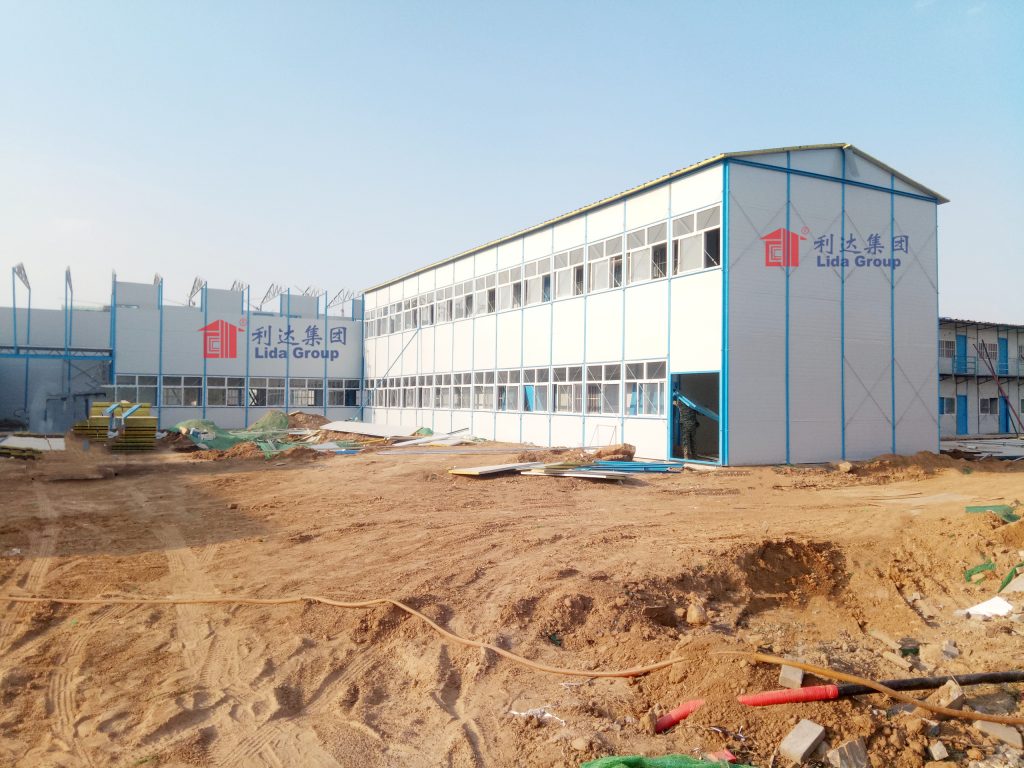
Compounding these challenges is the global rise in material and labor costs. Over the past decade, the price of steel, cement, and other core construction materials has increased by 40-60%, while labor costs have risen by 30-50% in many regions. This has made budget management even more difficult, forcing project teams to cut corners on quality to stay within budget—often leading to higher long-term costs. In this context, Lida Group’s low-cost, durable building solutions have become a critical tool for project managers, offering a way to control costs without sacrificing durability or quality.
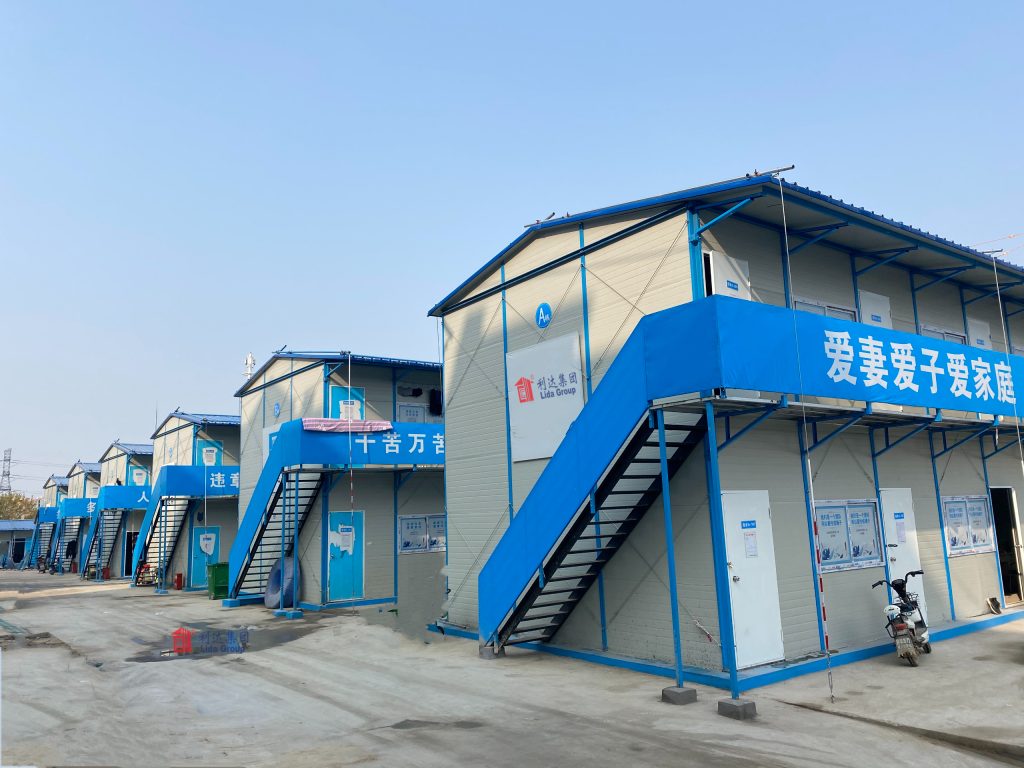
Lida Group, founded in 1993, is a global leader in prefabricated and modular construction, with a comprehensive industrial chain covering research and development, design, production, installation, and after-sales service. The group operates multiple production bases worldwide, with subsidiaries and overseas offices in Indonesia, Zambia, Saudi Arabia, Qatar, Dubai, Chile, and other countries, enabling it to deliver localized solutions to clients across the globe. Lida Group holds numerous certifications, including ISO 9001 (quality management), ISO 14001 (environmental management), ISO 45001 (occupational health and safety), and EU CE (EN1090) certification, and its production facilities have passed audits by leading global testing institutions such as SGS, TUV, and BV. With a focus on innovation and cost efficiency, Lida Group has developed a range of low-cost, durable building solutions tailored to the needs of diverse industries, including worker dormitories, industrial warehouses, commercial buildings, residential units, and emergency housing—all designed to deliver maximum value for project budgets.
The core strength of Lida Group’s solutions lies in their ability to deliver low upfront costs without compromising durability—a feat achieved through three key strategies: optimized prefabrication technology, cost-effective material selection, and streamlined production and installation processes. These strategies work in tandem to reduce initial construction costs by 20-50% compared to traditional brick-and-concrete structures, while ensuring a lifespan of 20-50 years—far exceeding the lifespan of temporary structures.
Optimized factory prefabrication is the foundation of Lida Group’s cost efficiency. Unlike traditional on-site construction, which is prone to material waste, labor inefficiencies, and weather delays, Lida’s building components are manufactured in controlled factory environments using advanced computer-aided design (CAD) and numerical control (NC) machinery. This precision manufacturing ensures that each component is produced to exact specifications, reducing material waste to less than 3%—a dramatic improvement compared to the 10-15% waste generated by traditional on-site construction. For example, in modular steel structure production, Lida’s automated cutting and welding equipment minimizes material loss, while standardized production processes reduce errors and rework. This not only lowers material costs but also accelerates production timelines, allowing components to be delivered to the site in weeks rather than months. Additionally, factory prefabrication enables simultaneous production of multiple components, further reducing project lead times and associated costs.
Cost-effective material selection is another key factor in Lida’s low-cost solutions. The group leverages its global supply chain and bulk purchasing power to source high-quality, affordable materials that balance cost and durability. For structural components, Lida primarily uses galvanized light steel (Q235/Q345), which offers exceptional strength-to-weight ratio, corrosion resistance, and durability at a lower cost than traditional steel or concrete. Galvanized light steel is treated with a hot-dip galvanizing layer that provides a protective barrier against rust and corrosion, making it suitable for use in harsh environments—from humid coastal regions to arid deserts. For wall and roof panels, Lida uses high-performance composite sandwich panels, which consist of two outer layers of galvanized steel or fiber-reinforced cement and a middle insulation layer of rock wool, EPS, or PU. These panels are not only cost-effective but also lightweight, energy-efficient, and resistant to fire, water, and mold. By focusing on materials that offer the best balance of cost and performance, Lida is able to reduce material costs by 15-25% compared to traditional construction materials.
Streamlined production and installation processes further reduce costs for Lida’s clients. Lida’s modular building components are designed for quick and easy assembly, with pre-installed fixtures, wiring, and plumbing. This eliminates the need for extensive on-site labor, reducing labor costs by 40-50% compared to traditional construction. A typical Lida modular building—such as a 100-square-meter worker dormitory or office—can be assembled by a small team of 6-8 certified installers in 3-5 days, compared to 2-3 months for a traditional brick-and-concrete structure. This rapid installation not only reduces labor costs but also shortens project timelines, minimizing overhead costs such as site rental, equipment rental, and project management fees. For example, a construction company using Lida’s modular worker dormitories for a highway project can reduce on-site labor costs by $50,000 or more for a 100-worker dormitory block, while completing installation in a fraction of the time required for traditional construction.
While low upfront costs are critical for project budgets, Lida Group’s solutions also deliver significant long-term cost savings through their exceptional durability—ensuring that projects avoid the frequent repairs, replacements, and downtime associated with temporary or low-quality structures. Lida’s buildings are engineered to withstand the rigors of harsh environments, extreme weather, and heavy use, with a lifespan of 20-50 years with proper maintenance—far longer than the 2-5 years of temporary structures and comparable to permanent brick-and-concrete structures.
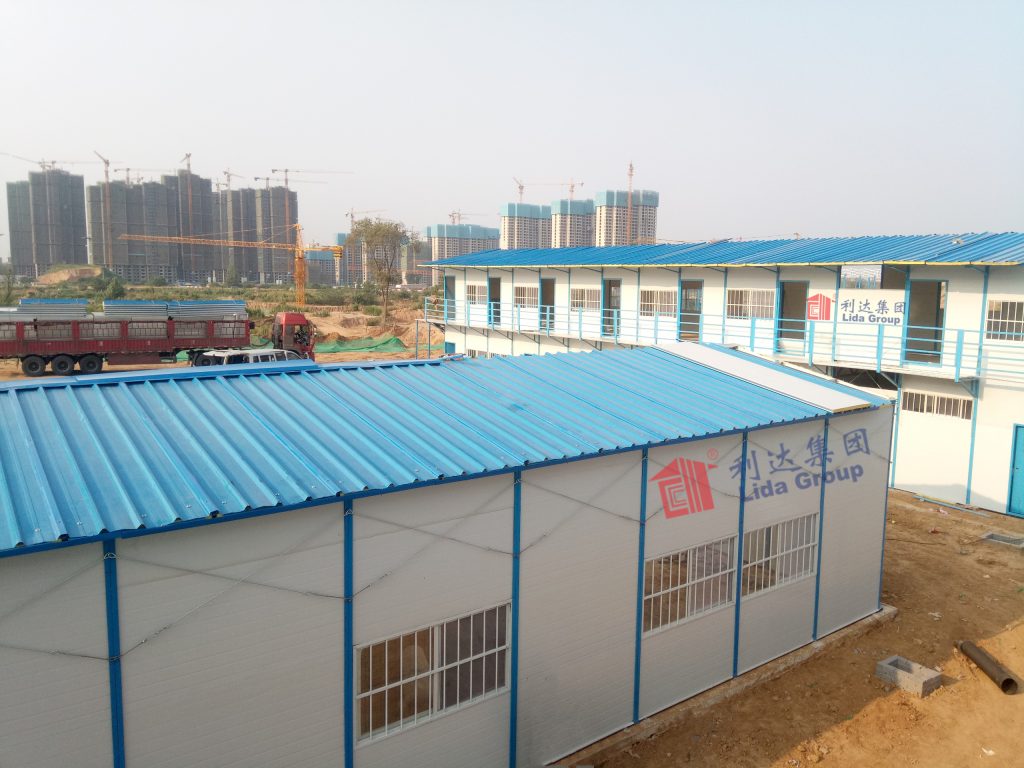
Durability is integrated into every aspect of Lida’s building design and production. The galvanized light steel frames used in Lida’s structures are resistant to corrosion, rust, and physical damage, even in coastal or industrial environments with high humidity or chemical exposure. For projects in extreme environments—such as offshore oil platforms or coastal construction sites—Lida offers enhanced anti-corrosion treatments, such as nano-ceramic coatings, to further extend the building’s lifespan. The composite sandwich panels used in walls and roofs are fire-resistant (meeting Class A fire safety standards), water-resistant, and mold-resistant, ensuring that the building remains structurally sound even in harsh weather conditions. Lida’s buildings are also designed to withstand extreme temperatures (from -45°C to 50°C), strong winds (up to 150 km/h), and seismic activity (up to 8 magnitudes)—making them suitable for use in diverse regions worldwide.
Rigorous quality control processes further ensure the durability of Lida’s buildings. Every component undergoes strict testing before leaving the factory, including material strength tests, corrosion resistance tests, waterproof tests, and thermal insulation tests. Lida’s production facilities use advanced automated inspection systems, such as 3D scanning and laser measurement, to ensure that each component meets precise dimensional standards, with errors kept below 2mm. During on-site installation, certified installers follow strict guidelines, and each connection point is inspected and reinforced to ensure structural integrity. After installation, a comprehensive final inspection is conducted to verify that the building meets all safety, durability, and quality standards. This commitment to quality ensures that Lida’s buildings require minimal maintenance—typically less than 5% of the initial construction cost annually—compared to 10-15% for temporary structures and 8-12% for traditional brick-and-concrete structures.
The reusability of Lida’s modular buildings is another key factor in long-term cost savings. Unlike traditional brick-and-concrete structures, which are difficult to disassemble and reuse, Lida’s modular components can be easily disassembled, transported, and reassembled at a new location—reducing the need for new construction and minimizing waste. For example, a mining company that uses Lida’s modular worker dormitories for a 5-year project can disassemble the dormitories once the project is completed and relocate them to a new mine site, saving 60-70% of the cost of building new dormitories. This reusability not only reduces long-term costs but also aligns with sustainable construction practices, making Lida’s solutions a cost-effective and environmentally friendly choice.
To demonstrate the tangible impact of Lida Group’s low-cost, durable building solutions on project budgets, we highlight several global case studies spanning diverse industries and environments—each showcasing significant cost savings, reduced project timelines, and long-term durability.
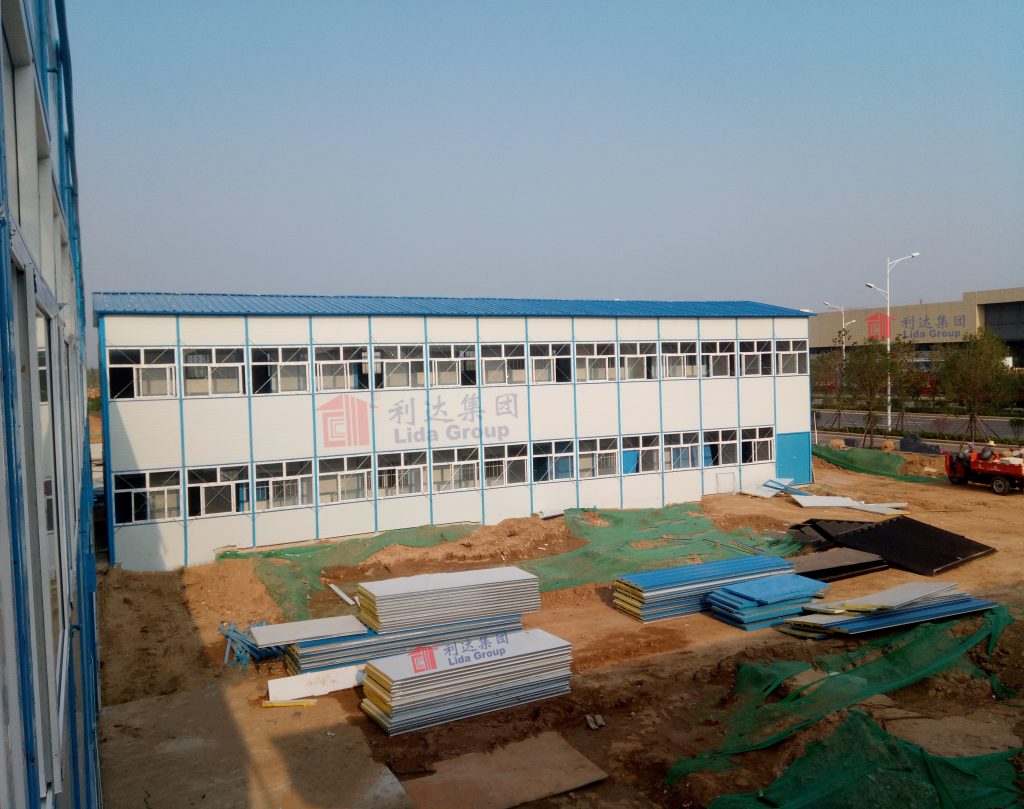
One notable case is a large-scale petrochemical project in Zhejiang, China, where a construction company needed to build worker dormitories and auxiliary facilities for 1,200 workers, with a strict budget and tight timeline. The company initially considered traditional brick-and-concrete dormitories, which would have cost approximately $1.2 million and taken 3 months to complete. Instead, they chose Lida Group’s modular worker dormitories, which cost only $600,000—50% less than the traditional option—and were assembled in just 10 days. Lida’s dormitories used galvanized light steel frames and composite sandwich panels, ensuring durability in the humid coastal environment. After 4 years of use, the dormitories remained in excellent condition, with minimal maintenance costs (less than $20,000 annually). When the petrochemical project was completed, the dormitory modules were disassembled and relocated to another construction project in Jiangsu Province, saving the company an additional $500,000 in new construction costs. This project demonstrates how Lida’s solutions reduce upfront costs, shorten timelines, and deliver long-term savings through reusability—directly benefiting the project budget.
In Kenya, a local construction company was tasked with building a rural school and teacher housing for a government project, with a budget of $300,000. Traditional brick-and-concrete construction would have exceeded the budget by 40% and taken 4 months to complete, putting the project at risk of cancellation. The company partnered with Lida Group to deliver a modular solution, which included 6 classrooms, 8 teacher housing units, and a small administrative building. Lida’s solution cost only $225,000—25% under budget—and was completed in 2 weeks. The buildings used cost-effective galvanized steel frames and EPS insulation, designed to withstand Kenya’s hot, arid climate. After 3 years of use, the buildings required no major repairs, and the local government reported significant savings in maintenance costs. This case highlights how Lida’s low-cost solutions enable projects to stay within budget while delivering durable, high-quality structures—even in resource-constrained regions.
In Australia, a mining company needed to build a remote camp for 500 workers in the Western Australian desert, where extreme heat (temperatures exceeding 45°C in summer) and strong winds posed significant challenges for building durability. Traditional temporary structures had failed in previous projects, requiring frequent repairs and replacement every 3 years, costing the company $200,000 annually. The company chose Lida Group’s modular mining camp, which used enhanced anti-corrosion galvanized steel and high-performance PU insulation to withstand the harsh desert environment. The camp cost $800,000 to build—30% less than the previous temporary solutions—and had a lifespan of 25 years. Over 5 years, the company saved $700,000 in repair and replacement costs, while also reducing energy costs by 40% due to the buildings’ energy-efficient design. This case demonstrates how Lida’s durable solutions eliminate the long-term costs associated with temporary structures, delivering significant budget benefits over the building’s lifecycle.
In the United Arab Emirates, an oil and gas company needed to build offshore accommodation for 300 workers on an offshore platform, with strict requirements for durability, corrosion resistance, and safety. Traditional offshore accommodation solutions were prohibitively expensive, costing approximately $1.5 million, and had a lifespan of only 10 years. Lida Group delivered a customized modular solution using marine-grade galvanized steel and waterproof composite panels, designed to withstand salt spray, high humidity, and extreme temperatures. The solution cost $900,000—40% less than traditional options—and had a lifespan of 30 years. The modular design allowed for easy installation and maintenance, reducing downtime and associated costs. After 5 years of use, the accommodation remained in perfect condition, with no corrosion or damage, and the company reported savings of $300,000 in maintenance and replacement costs. This case showcases how Lida’s customized solutions deliver cost savings even in the most demanding environments.
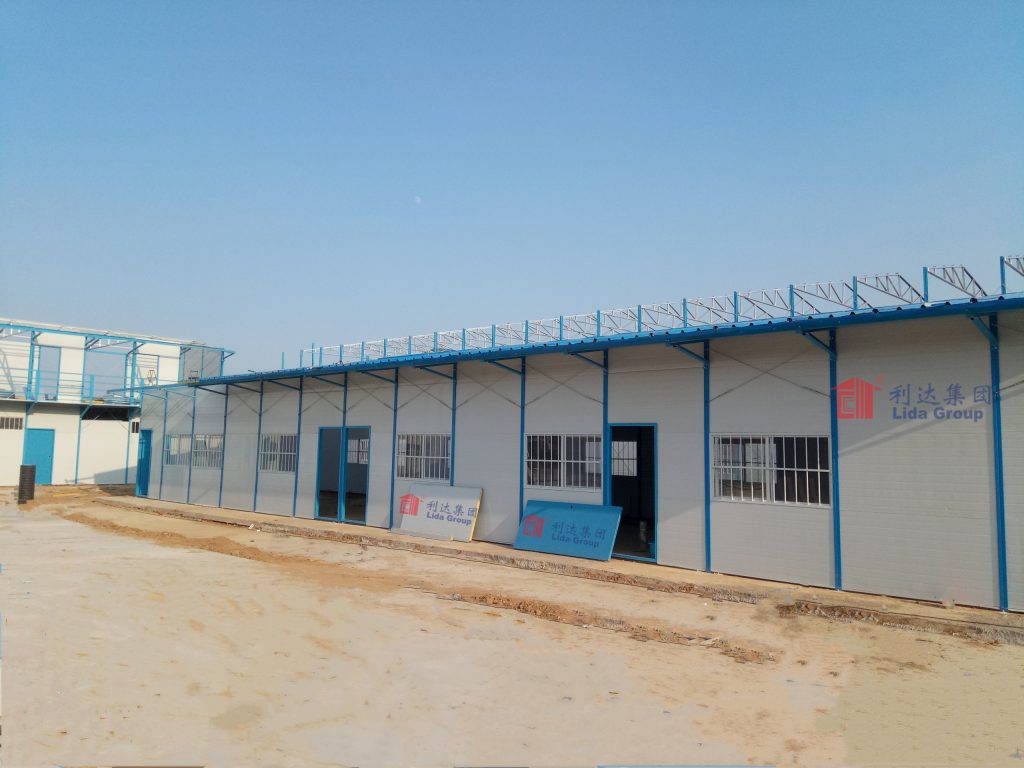
Beyond direct cost savings, Lida Group’s low-cost, durable building solutions offer additional benefits that indirectly support project budget management. One such benefit is flexibility: Lida’s modular buildings can be easily expanded, reduced, or reconfigured to meet changing project needs. For example, a construction company that experiences a sudden increase in workforce size can quickly add modular units to its dormitory complex, avoiding the need for costly and time-consuming new construction. This flexibility ensures that project teams only pay for the space they need, reducing waste and optimizing budget allocation.
Energy efficiency is another indirect budget benefit of Lida’s solutions. Lida’s buildings are designed with high-performance insulation and energy-efficient fixtures, reducing energy consumption by 30-40% compared to traditional structures. This translates to lower utility costs for heating, cooling, and lighting—saving project teams thousands of dollars annually. For example, a Lida modular warehouse in Dubai reduced cooling costs by $15,000 per year compared to a traditional warehouse, thanks to its energy-efficient insulation and ventilation system. Over the building’s 20-year lifespan, this amounts to $300,000 in savings—further enhancing the project’s financial performance.
Lida Group’s comprehensive after-sales service also contributes to budget savings by minimizing downtime and maintenance costs. The group offers a global network of service technicians, 24/7 technical support, and a supply chain of replacement parts, ensuring that any maintenance issues are resolved quickly and efficiently. This reduces downtime— which can cost project teams $1,000-$5,000 per day—and ensures that the building remains in optimal condition, extending its lifespan and maximizing return on investment. Additionally, Lida provides training for client teams on maintenance best practices, further reducing long-term maintenance costs.
The impact of Lida Group’s solutions extends beyond individual projects, driving broader industry change in budget management. By proving that low cost and durability can coexist, Lida is challenging the traditional trade-off between affordability and quality, encouraging other construction companies to adopt more cost-effective and sustainable practices. Lida’s focus on prefabrication and modular construction is also推动 the industry toward more efficient, less wasteful building methods—reducing overall construction costs and making projects more financially viable.
Looking to the future, Lida Group continues to innovate to further enhance the budget benefits of its solutions. The group is investing in research and development to develop new, more cost-effective materials—such as recycled composite materials—that maintain durability while reducing material costs. Lida is also integrating smart technologies into its buildings, such as AI-driven energy management systems and real-time structural monitoring, to further reduce energy costs and maintenance expenses. Additionally, the group is expanding its global supply chain to source materials locally in more regions, reducing transportation costs and delivery times—further lowering upfront costs for clients.
Governments and international organizations are also recognizing the value of Lida Group’s solutions in supporting budget-friendly, sustainable construction. Many countries are implementing policies and incentives—such as tax breaks, subsidies, and procurement preferences—to encourage the adoption of prefabricated and modular buildings, further reducing costs for project teams. The International Labour Organization (ILO) and the United Nations Human Settlements Programme (UN-Habitat) have also highlighted Lida’s solutions as a key tool for addressing affordable housing and infrastructure needs in developing countries, where budget constraints are most severe.
Summary
Project budget management is a critical challenge for industries worldwide, with traditional building solutions forcing a painful trade-off between low upfront costs and long-term durability—often leading to cost overruns, delays, and wasted resources. Lida Group, a global leader in prefabricated and modular construction with over three decades of experience, has resolved this trade-off with its low-cost, durable building solutions, delivering tangible benefits that directly support project budgets.
Lida’s solutions reduce upfront construction costs by 20-50% compared to traditional brick-and-concrete structures, achieved through three key strategies: optimized factory prefabrication (reducing material waste to less than 3%), cost-effective material selection (leveraging bulk purchasing and high-performance, affordable materials like galvanized light steel and composite sandwich panels), and streamlined production and installation processes (reducing labor costs by 40-50% and shortening construction timelines by 60-80%). These strategies ensure that projects stay within budget from the outset, without sacrificing quality.
Long-term cost savings are equally significant, driven by the exceptional durability of Lida’s buildings. With a lifespan of 20-50 years and minimal maintenance costs (less than 5% of initial cost annually), Lida’s solutions eliminate the frequent repairs, replacements, and downtime associated with temporary structures. The reusability of Lida’s modular components further enhances long-term savings, allowing clients to relocate and reuse buildings for multiple projects—saving 60-70% of the cost of new construction.
Real-world case studies from China, Kenya, Australia, and the United Arab Emirates demonstrate the tangible impact of Lida’s solutions: a petrochemical project saved 50% on upfront costs and an additional $500,000 through reusability; a rural school project stayed 25% under budget and was completed in 2 weeks; a mining camp saved $700,000 in 5 years on maintenance and replacement costs; and an offshore accommodation project saved 40% on upfront costs and extended the building lifespan to 30 years. These cases prove that Lida’s solutions deliver consistent budget benefits across diverse industries and environments.
Beyond direct cost savings, Lida’s solutions offer additional budget-friendly benefits, including flexibility to adapt to changing project needs, energy efficiency (reducing utility costs by 30-40%), and comprehensive after-sales service that minimizes downtime and maintenance expenses. By integrating these benefits, Lida’s solutions provide a holistic approach to budget management, ensuring that projects remain financially viable from planning to completion.
In conclusion, Lida Group’s low-cost, durable building solutions represent a paradigm shift in how project teams approach construction budget management. By eliminating the traditional trade-off between affordability and durability, Lida delivers exceptional value that directly benefits project budgets—reducing upfront costs, minimizing long-term expenses, and ensuring projects stay on track financially. As industries worldwide continue to face budget constraints and rising costs, Lida Group will remain at the forefront, driving innovation and providing solutions that empower project teams to deliver successful, cost-effective projects. With its global presence, comprehensive expertise, and commitment to quality and affordability, Lida Group is the trusted partner for organizations seeking to maximize budget value while building durable, sustainable structures.
Related news
-
Efficient Prefab Worker Dormitory Designed for Comfort and Longevity
2026-02-25 17:27:10
-
Eco-Friendly Sandwich Panel House Redefines Green Construction Standards
2026-02-25 17:20:23
-
New Prefab Worker Dormitory Combines Affordability and Durability
2026-02-25 16:35:01
contact us
- Tel: +86-532-88966982
- Whatsapp: +86-13793209022
- E-mail: sales@lidajituan.com
